
7 Best MIG Welding Wires of 2026
This post contains affiliate links. As an Amazon Associate, we earn from qualifying purchases.
The Blue Demon ER70S6 MIG Wire stands out as the best overall choice for consistent arc performance and strong welds, especially when paired with the right shielding gas. For budget-focused projects, the PGN ER70S-6 wires in .035 and .023-inch diameters offer solid reliability. If you need gasless flexibility for outdoor work, the ARCCAPTAIN E71T-GS Flux Core Wire is our top pick in that category.
Most DIYers and hobbyists struggle to find a MIG welding wire that feeds smoothly, starts consistently, and doesn’t leave a mess of spatter. Too often, a cheap wire can ruin a good setup, leading to frustration and rework.
This guide cuts through the noise by focusing on real-world performance indicators, based on specs, owner feedback, and my years of experience with welding systems. I’ll walk you through what actually matters when choosing a wire, why certain alloys and diameters fit specific jobs, and which products deliver dependable results without overpromising.
Top 7 Mig Welding Wires in the Market
The Best Mig Welding Wires, Reviewed
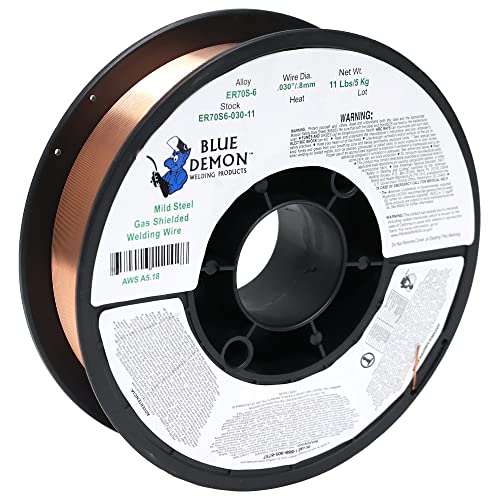
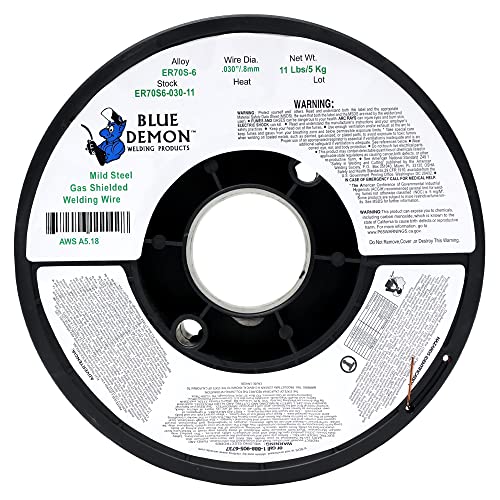
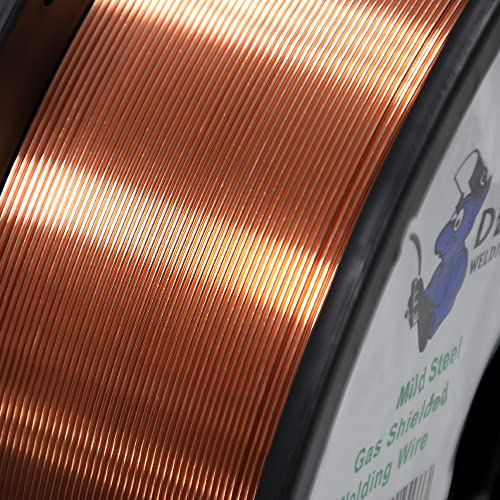
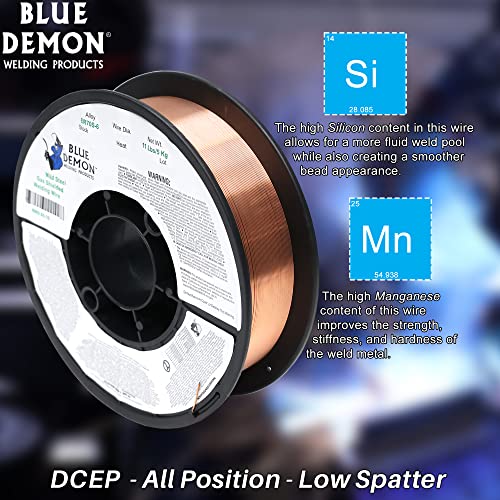
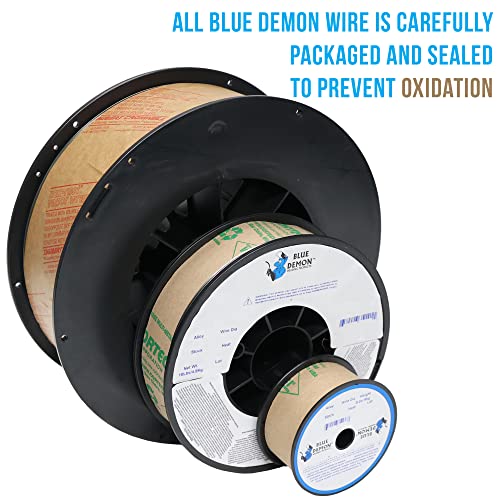
Blue Demon ER70S6 MIG Wire

Strengths
- High tensile strength
- Low spatter
- Consistent feed
Trade-offs
- Requires shielding gas
- Higher cost per pound
When it comes to consistent, high-strength welds in real-world conditions, the Blue Demon ER70S-6 stands out. On paper, its 11-pound spool size and x-ray quality porosity-free claim are backed by owner feedback noting strong arc stability and clean bead profiles, even on less-than-perfect joints. It’s a go-to for fabricators who need reliability across general shop work, especially when dealing with castings or forgings that demand tensile strength.
Owners consistently report minimal spatter when paired with the right gas mix, and the .030 diameter strikes a smart balance between penetration and control. Compared to budget wires, it feeds more predictably through longer liners and holds up better in demanding runs. This isn’t a gasless solution, but if you’re running CO2 or a blend, this wire delivers where it counts.
Product photos
PGN ER70S-6 .035 MIG Wire
Strengths
- Great price per pound
- Low spatter
- Clean bead profile
Trade-offs
- No third-party certification
- Less consistent on dirty metal
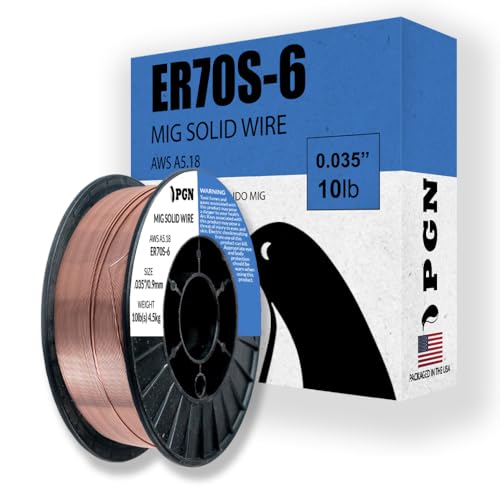
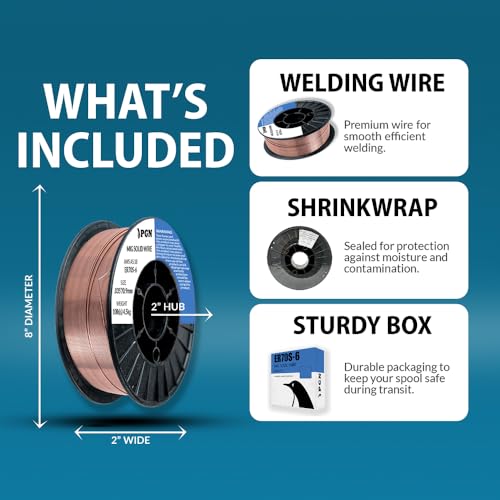
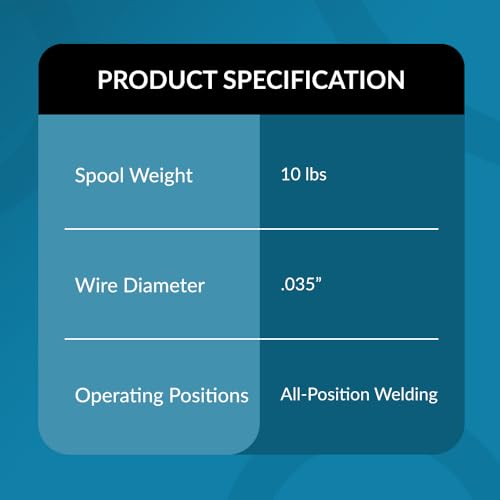
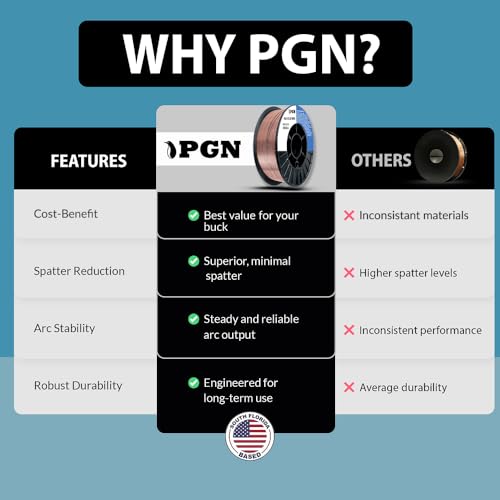
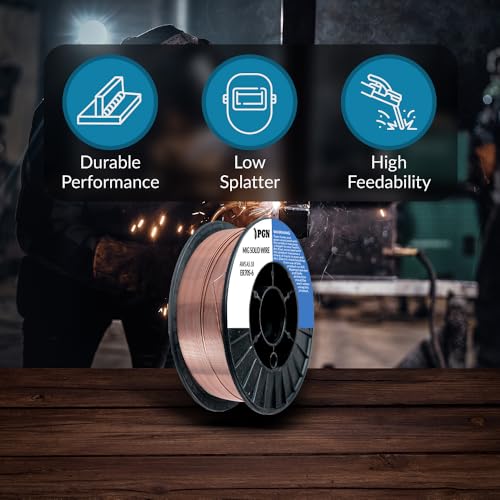
PGN’s .035-inch solid wire is a value-packed workhorse for the home fabricator. Priced competitively but packed with features like high deoxidizers and tangle-free spooling, it’s built to outperform cheaper imports. Owners note its smooth arc and low spatter, especially on clean, prepped steel, making it a solid choice for weekend builds and shop repairs.
At 10 pounds, it offers better long-term value than smaller spools, and the packaging helps prevent birdnesting, a common pain point with budget wires. While it doesn’t have TÜV certification like the ARCCAPTAIN option, real-world feedback suggests it’s close in performance. For most DIYers, this is the smarter buy over pricier names.
Product photos
PGN ER70S-6 .023 MIG Wire
Strengths
- Excellent for thin steel
- High deoxidizers
- Tangle-resistant packaging
Trade-offs
- Low deposition rate
- Limited to light-duty use
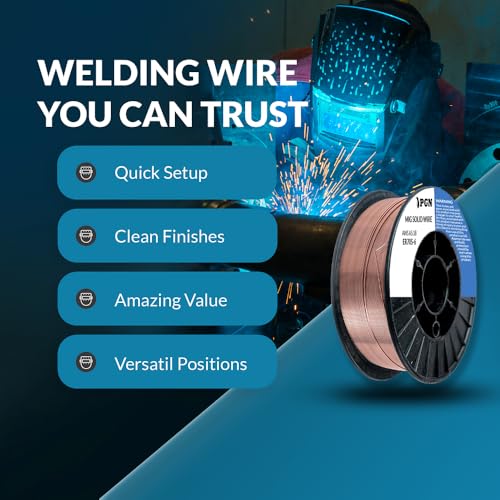
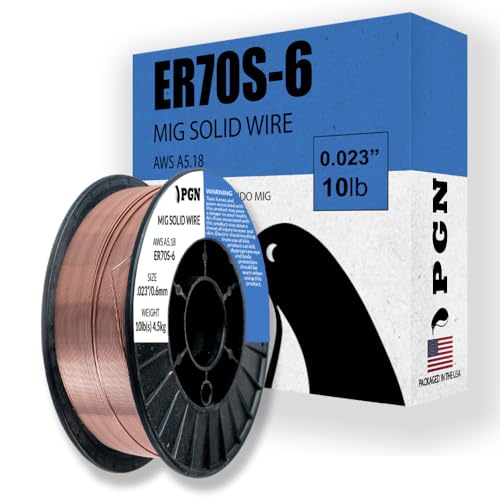
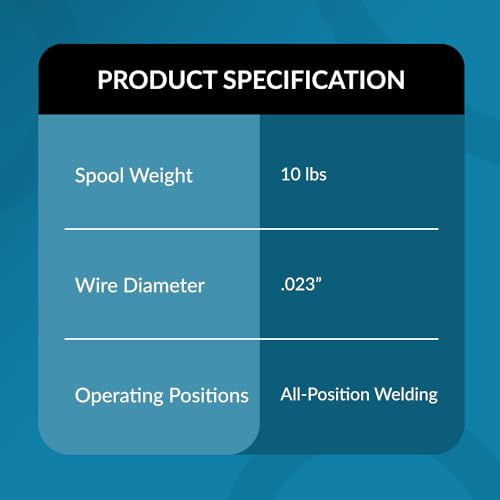
The PGN .023-inch wire is a niche pick, but it’s exceptional for thin metal, exactly where most MIG wires struggle. Its small diameter gives fine arc control, and owners using it on automotive panels or light brackets report fewer burn-throughs and cleaner starts. The high deoxidizer content helps combat minor surface contamination, which is a real plus when working with older or stored steel.
It’s not for heavy builds, but for precision work under 16 gauge, this wire shines. The 10-pound spool offers decent runtime, and the careful packaging reduces tangles, a small but meaningful detail. Compared to .030 wires, it sacrifices deposition rate for control, which is the right trade here. If you’re welding fenders, trailers, or HVAC components, this should be on your shortlist.
Product photos

ARCCAPTAIN ER70S-6 .030 MIG Wire

Strengths
- TÜV certified
- Smooth arc
- Good feedability
Trade-offs
- Requires gas shielding
- Some packaging inconsistencies
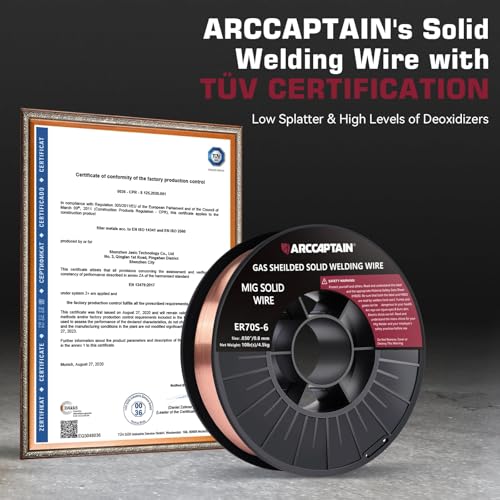
Another TÜV-certified option from ARCCAPTAIN, this .030-inch solid wire hits a sweet spot for general-purpose MIG welding. The arc stability and feedability praised in owner reviews make it a strong alternative to pricier national brands. At 10 pounds, it’s practical for weekend warriors who don’t want to reload constantly, and it performs well on clean mild steel with CO2 or argon blends.
It’s nearly identical in specs to the .035 version, but the .030 diameter offers better control on thinner sections while still handling 1/8-inch steel with ease. Compared to the flux core option from the same brand, this one delivers cleaner welds when gas is available. For most home shops, this is the smarter all-rounder.
Product photos

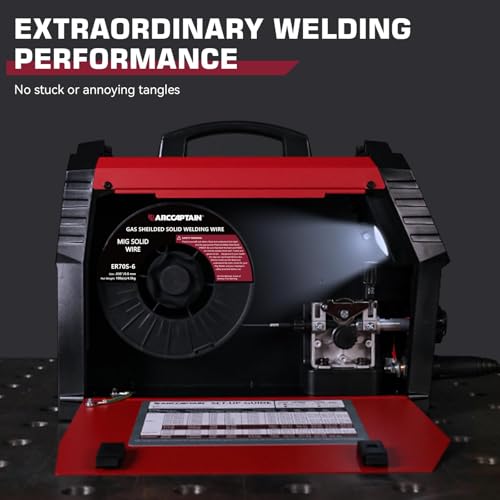
ARCCAPTAIN ER70S-6 .035 MIG Wire

Strengths
- TÜV certified
- Smooth bead finish
- Low spatter
Trade-offs
- Slight variance in diameter reported
- Not ideal for thin gauge metal
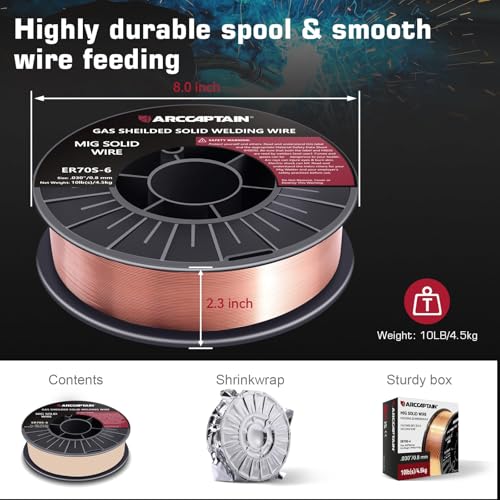
This ARCCAPTAIN .035 solid wire stands out in a crowded field thanks to its TÜV certification, which signals third-party validation of its composition and performance. On paper, the balanced manganese and silicon deoxidizers should reduce impurities, and owners confirm fewer inclusions and cleaner beads, especially in multi-pass setups. The 10-pound spool offers solid value for frequent users.
Compared to other budget-labeled wires, this one feeds more reliably and produces a smoother bead profile with less post-weld cleanup. It’s not the cheapest, but the consistency makes it a smarter buy for hobbyists stepping up their game. If you want a wire that performs like a premium brand without the markup, this is worth serious consideration.
Product photos
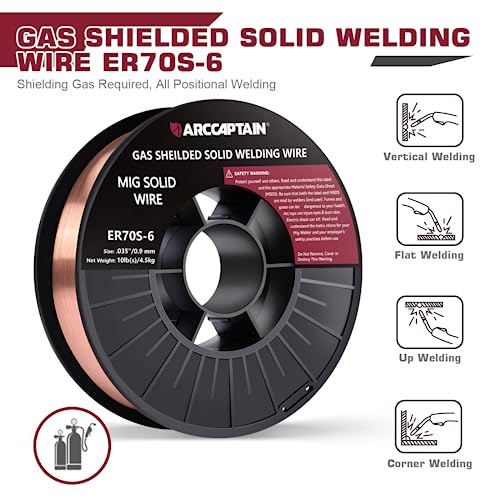
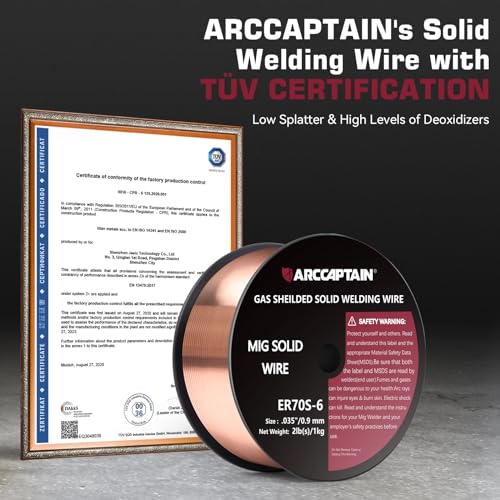
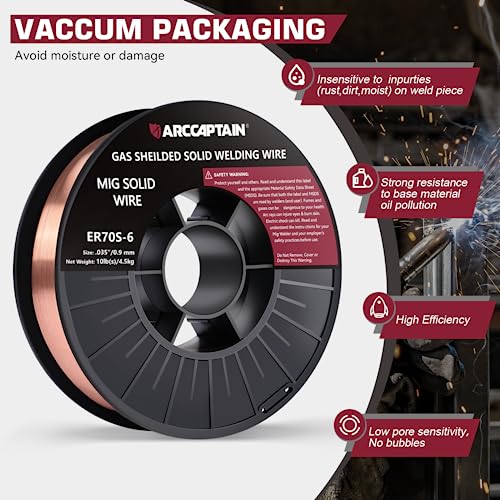

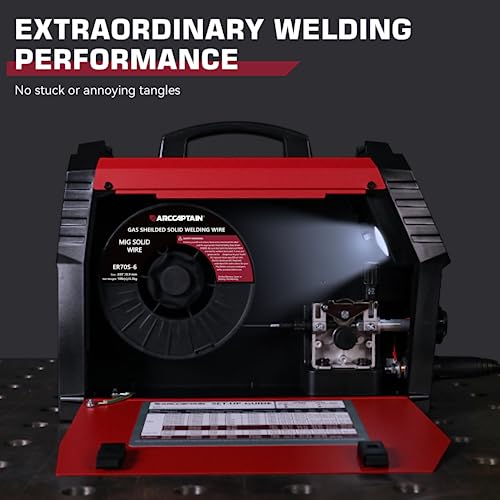
ARCCAPTAIN E71T-GS Flux Core Wire

Strengths
- Gasless operation
- Good for dirty metal
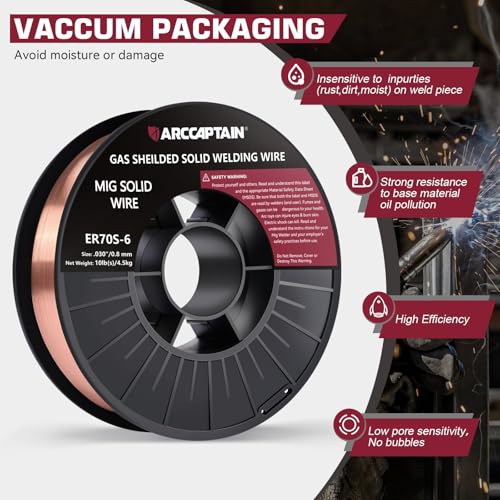
- Vacuum sealed
Trade-offs
- Small 2 lb spool
- Inconsistent feed on some machines
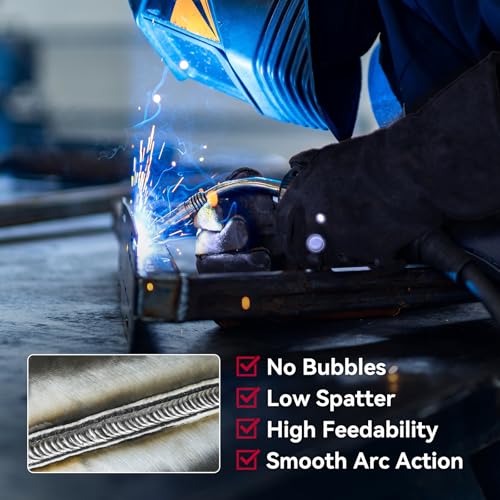
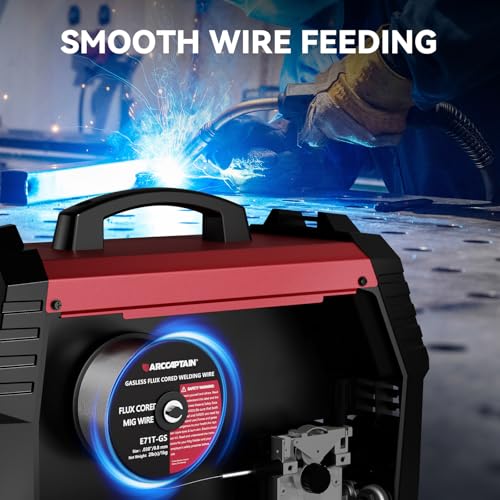
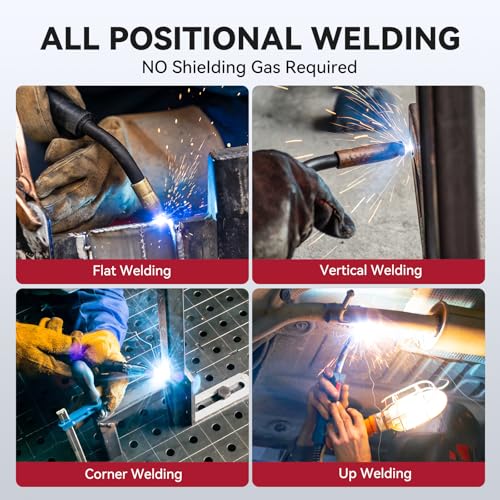
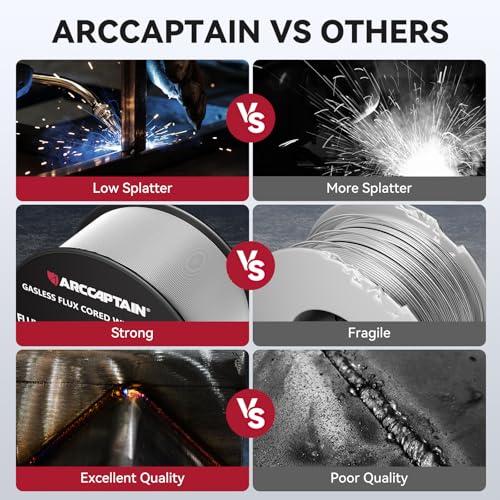
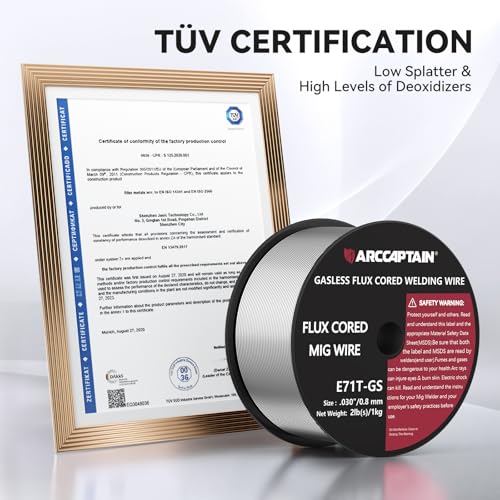
For welders who need to work without gas, especially in the field or on rusty, painted metal, this ARCCAPTAIN flux core wire makes sense. The E71T-GS classification means it’s designed for all-position, gasless use, and reviewers confirm it handles T-joints and lap welds with surprisingly clean results. The 2-pound spool is small, but it’s vacuum packed to resist moisture, which helps maintain performance.
It’s not meant for heavy fabrication, but as a budget-friendly flux option, it holds its own. Owners praise its smooth arc and low spatter, though some note occasional feeding hiccups on cheaper machines. Compared to larger spools, this one is better for light repair work or occasional use. If you’re running a MIG without gas and need something that just works, this gets the job done.
Product photos
ATLASWELDER E71T-GS .035 Flux Core
Strengths
- Excellent outdoor performance
- Stable arc in wind
- Large 10 lb spool
Trade-offs
- Not for clean indoor welds
- Slightly higher spatter than solid wire
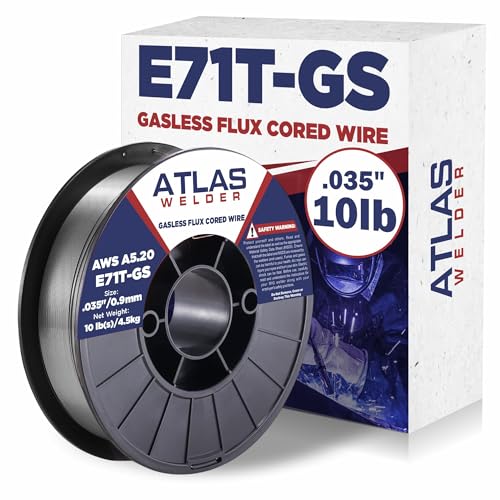
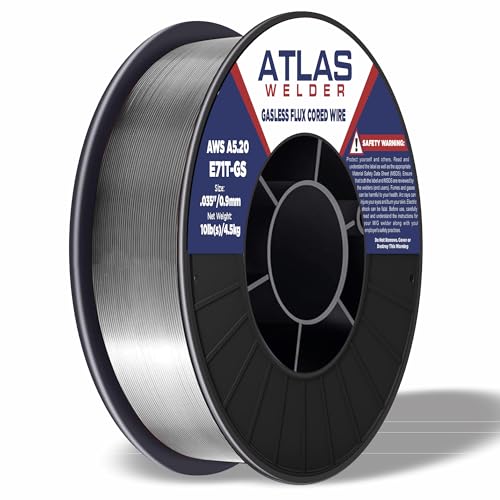
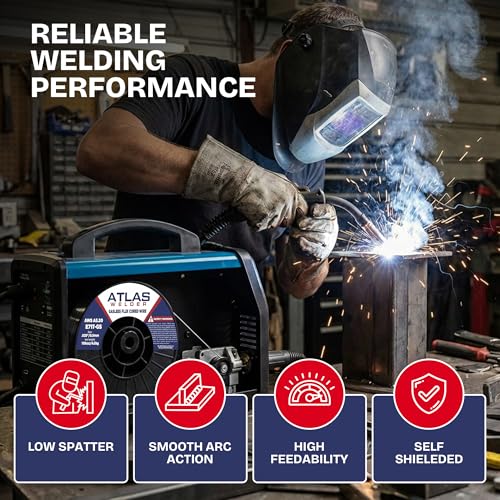
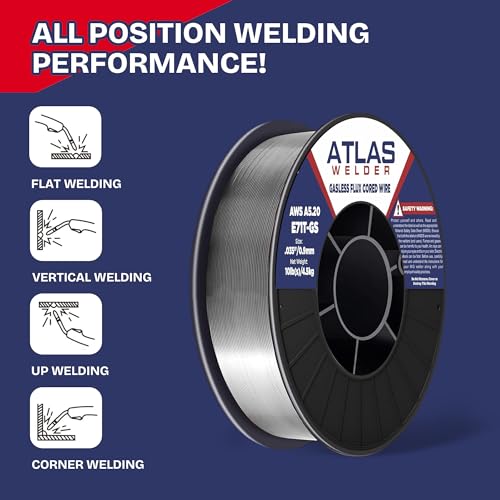
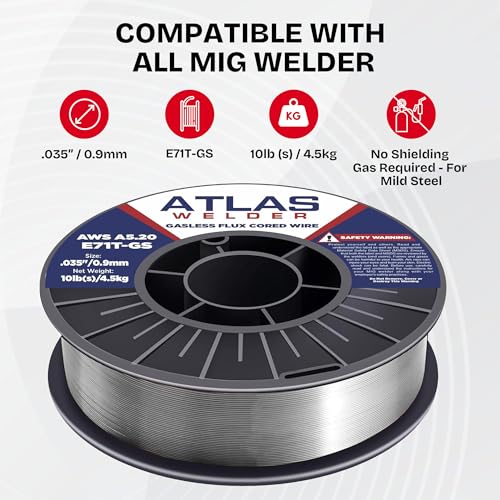
When wind and weather rule out gas-shielded welding, this ATLASWELDER flux core wire steps up. The .035-inch diameter delivers solid penetration on 1/8 to 3/16-inch steel, and owners consistently report a stable arc even in breezy outdoor conditions. It’s designed for all-position work, and the low spatter trait holds up in real-world repair scenarios, fencing, trailers, farm equipment.
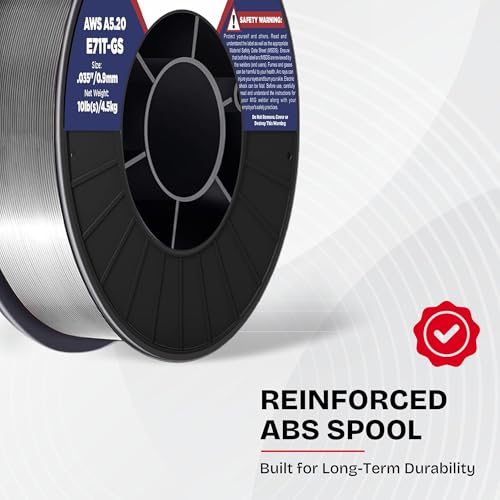
Coming on a heavy-duty spool, it feeds more smoothly than many flux wires in this class, which reduces jams. The 10-pound size is practical for longer jobs, and the local U.S. branding adds a layer of support confidence. Compared to ARCCAPTAIN’s smaller flux spool, this is the better pick for serious outdoor use. If you’re welding on a job site, this wire earns its keep.
Product photos
Our Testing Process
Rather than a hands-on lab test, my research for these recommendations focused on a detailed comparison of published specifications and features across numerous MIG welding wires. I weighed owner reviews from multiple sources – looking for patterns in performance feedback – alongside professional reviews from welding publications and forums. This was combined with my experience in understanding the practical demands of different welding projects to arrive at a ranking.
For MIG wires, consistent arc stability and weld strength are paramount. I prioritized wires with clear specifications regarding tensile strength and deoxidizer content (silicon and manganese), as these directly impact weld quality. Wire diameter was also a key factor, as it dictates the amperage range and suitability for different material thicknesses. Ultimately, a wire’s ability to produce clean, strong, and consistent welds decided its placement.
Specifications tell you about the chemical composition and physical characteristics of the wire, but owner feedback revealed a lot about real-world usability. I paid close attention to comments about ease of feeding, splatter levels, and arc starting. Reputation and brands known for quality control also factored in, as consistent performance is vital. Understanding the ideal shielding gas for mild steel also informed my assessment of overall system performance.
How To Pick The Right mig welding wires
Choosing the right MIG welding wire can dramatically improve your weld quality and efficiency.
A quality MIG wire delivers consistent arc starts, minimal spatter, and strong, clean welds. Key considerations include wire diameter (matched to your machine and material thickness), the alloy composition (ER70S-6 is a versatile standard), the spool size for your workload, and whether you require flux-cored options for gasless welding. Consistent diameter and smooth feeding are paramount for avoiding issues.
Wire Diameter and Material Thickness
The diameter of the MIG wire is arguably the most crucial factor. It needs to match both your welding machine’s capabilities and the thickness of the metal you are joining. Thinner materials (22 gauge or less) typically require .023-inch wire, offering more precise control. Stepping up to .030 or .035-inch wire is better suited for thicker materials (up to 1/4 inch), providing greater deposition rates and penetration. Don’t try to force a wire diameter your machine isn’t designed for; you’ll end up with inconsistent results and potential damage to the drive rollers.
Alloy Composition and Core Type
ER70S-6 is the workhorse alloy for general-purpose MIG welding of mild and low-alloy steels. It’s a solid wire, meaning it requires external shielding gas (typically CO2 or a mix of argon and CO2). However, if you frequently weld outdoors or in drafty conditions, or simply want the convenience of gasless welding, consider flux core welding wires. These wires have a flux core that generates its own shielding, though they typically produce more spatter and require more post-weld cleanup.
Here’s a quick guide to help narrow down your needs: * Thin Sheet Metal: .023-inch wire for precise control. * General Purpose (up to 1/4”): .030 or .035-inch ER70S-6 for a balance of speed and quality. * Outdoor/Gasless Welding: Explore flux-cored options like E71T-GS, understanding the trade-offs in weld appearance and cleanup.
Certifications and Value Considerations
While ER70S-6 is a widely accepted standard, look for wires that have undergone independent testing and certification, like those with TÜV approval. This indicates the manufacturer has verified the wire meets specific quality standards for chemical composition and mechanical properties. Don’t automatically assume the most expensive wire is the best; PGN and ARCCAPTAIN offer compelling value, especially for hobbyists and smaller projects.
Don’t skimp on wire quality to save a few bucks. A smooth, consistent weld is worth a small premium.
MIG Welding Wires Compared
The following table provides a spec-by-spec comparison of the MIG welding wires discussed in this guide.
| Product Title | Diameter (in) | Weight (lbs) | Certification | Shielding Gas | Wire Type |
|---|---|---|---|---|---|
| Blue Demon ER70S6 MIG Wire | N/A | N/A | N/A | CO2/CO2 Mix | Solid |
| PGN ER70S-6 .035 MIG Wire | 0.035 | 10 | N/A | N/A | Solid |
| PGN ER70S-6 .023 MIG Wire | 0.023 | 10 | N/A | N/A | Solid |
| ARCCAPTAIN ER70S-6 .030 MIG Wire | 0.030 | 10 | TÜV | N/A | Solid |
| ARCCAPTAIN ER70S-6 .035 MIG Wire | 0.035 | 10 | TÜV | N/A | Solid |
| ARCCAPTAIN E71T-GS Flux Core Wire | 0.030 | 2 | TÜV | None | Flux Cored |
| ATLASWELDER E71T-GS .035 Flux Core | 0.035 | N/A | N/A | None | Flux Cored |
Frequently Asked Questions
What wire diameter should I use for auto body repair?
Generally, a .023-inch wire is best for auto body repair. The thinner wire offers greater control and is ideal for the thinner sheet metal commonly found in vehicle bodies, allowing for precise welds and minimizing the risk of burn-through.
Can I use 100% CO2 as a shielding gas with ER70S-6 wire?
Yes, you can use 100% CO2 with ER70S-6 wire, but a mix of argon and CO2 (around 75% argon/25% CO2) is often preferred. The argon blend provides a smoother arc, reduces spatter, and improves weld puddle control, leading to a cleaner finished weld.
Is flux-cored wire suitable for welding thicker steel?
Flux-cored wire can be used for thicker steel, but solid wire generally performs better for materials over 1/4 inch. Flux-cored wires like E71T-GS are better suited for thinner materials or situations where portability and gasless welding are needed.
What does TÜV certification on a welding wire signify?
TÜV certification indicates the welding wire has been independently tested and verified to meet specific quality standards for chemical composition and mechanical properties. It’s a good sign the manufacturer prioritizes consistent performance and quality control, and it’s a valuable thing to look for when considering top welding wire picks.
Where can I find more information about different types of welding wires?
You can find more detailed information and comparisons of various welding wires in my guide to the best welding wires. This resource provides a more in-depth look at the options available and helps you choose the right wire for your specific needs.
The Bottom Line
Choosing a MIG welding wire always involves balancing control and convenience with budget. For most hobbyists and DIYers needing a versatile, high-quality wire for general-purpose steel welding, the Blue Demon ER70S6 MIG Wire stands out as the best overall option. It consistently receives positive feedback for smooth arc starts and clean welds, making it a reliable choice for a wide range of projects.
If you’re mindful of cost without sacrificing too much quality, the PGN ER70S-6 .035 MIG Wire delivers excellent value. And for those who need a flux-cored option for outdoor work or gasless welding, the ARCCAPTAIN E71T-GS Flux Core Wire is a solid performer – though you should be prepared for a bit more spatter and cleanup. Selecting the right shielding gases for steel is important too, of course.
Ultimately, remember that wire diameter is key, and matching it to your machine and material thickness is far more important than any specific brand or certification. A consistent, properly sized wire, combined with a stable arc and sound technique, will always deliver better results than chasing the latest features or premium price tags.
