
9 Best Dust Collectors of 2026
This post contains affiliate links. As an Amazon Associate, we earn from qualifying purchases.
The WEN DC1300 stands out as the best overall dust collector for most workshops, delivering strong airflow and solid capacity. For those on a tighter budget, the WEN DC3401 offers reliable performance in a compact design, while the Oneida Air system is the top choice if you want superior dust separation and long-term filter protection.
If you’ve ever fired up a table saw without a proper dust collector, you know the mess and frustration that follows. Sawdust coats everything, clogs your tools, and worse, gets into your lungs. After comparing the field and analyzing specs, owner feedback, and real-world performance, I focused on models that deliver consistent suction, durable builds, and effective filtration. This guide breaks down what actually matters when choosing a dust collector and highlights the top options based on your needs and shop size.
Top 9 Dust Collectors in the Market
The Best Dust Collectors, Reviewed
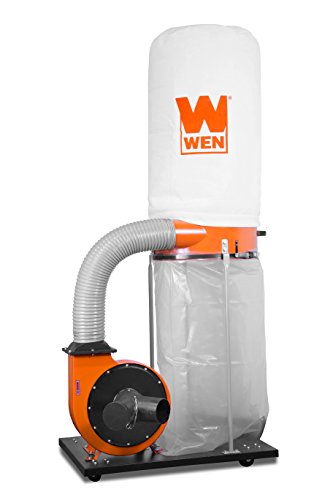
WEN DC1300 1,300 CFM Dust Collector
Strengths
- High 1,300 CFM output
- Dual 4-inch inlets
- Large 50-gallon bag
- Mobile base included
Trade-offs
- Noisy at full load
- Bag requires external frame
- Not a cyclone design
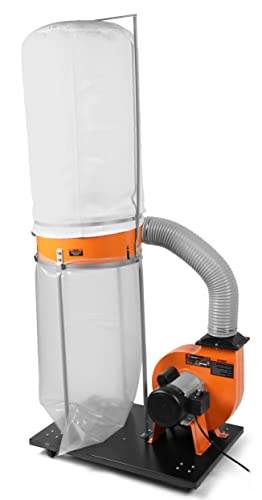
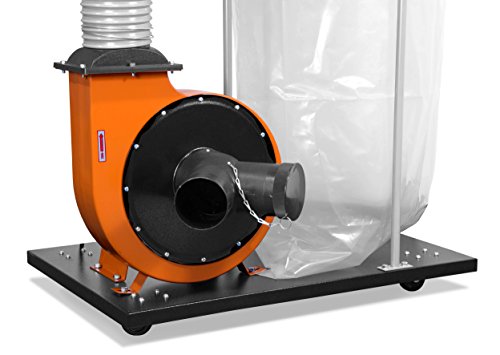
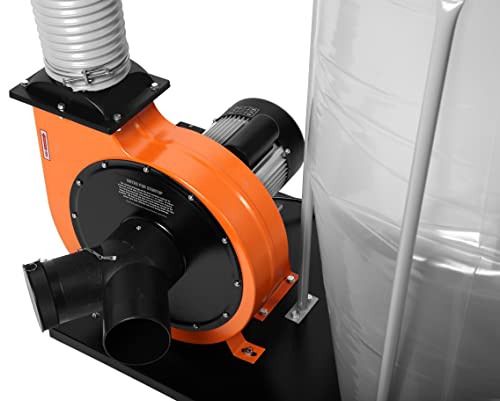
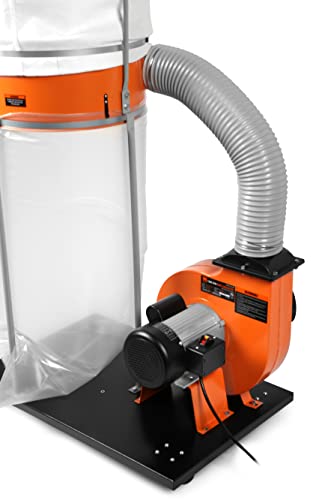
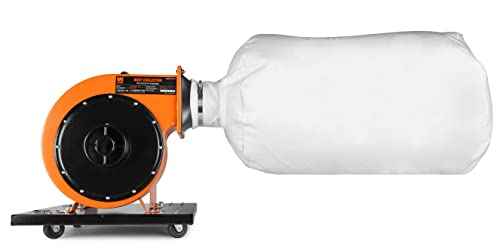
If I had to pick one all-around performer for a mid-sized shop, it’d be this WEN. At 1,300 CFM, it moves serious air, and the dual 4-inch inlets mean you can run two tools without a manifold. The 14-amp motor and 10-inch impeller are well matched, and owners consistently report it keeps up with planers and jointers without bogging down.
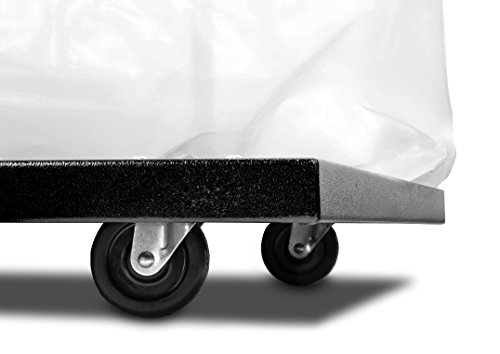
The 50-gallon vertical bag is a standout, fewer trips to empty, and the mobile base makes relocation easy. It’s louder than some, but that’s the trade-off for this much airflow. Compared to smaller WEN models, this one steps up as a true primary collector. It won’t match a cyclone system for filter protection, but for pure volume handling, it’s hard to beat.
Product photos
DEWALT 10 Gallon Stainless Steel Dust Separator

Strengths
- Stainless steel tank
- Dual hose port options
- Stable four-caster base
- 3-year warranty
Trade-offs
- Heavy and bulky
- No vacuum included
- Higher price point
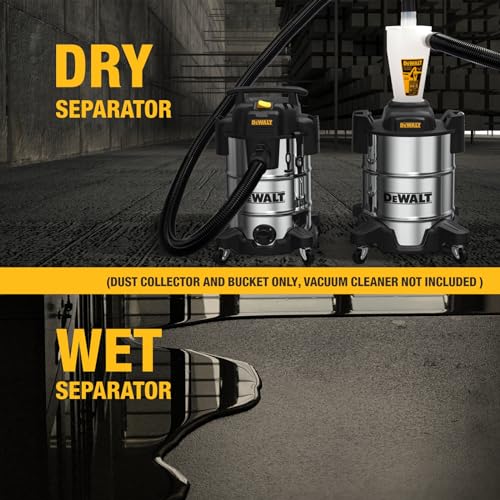
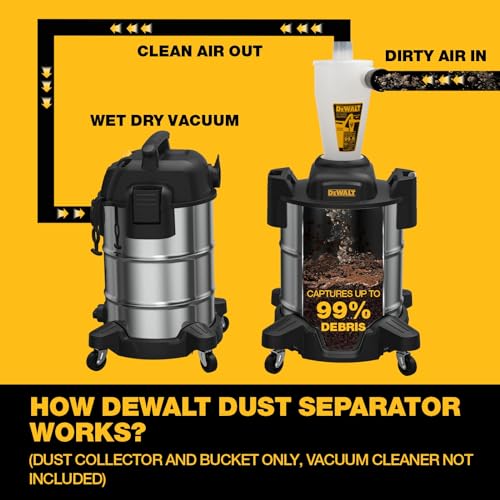
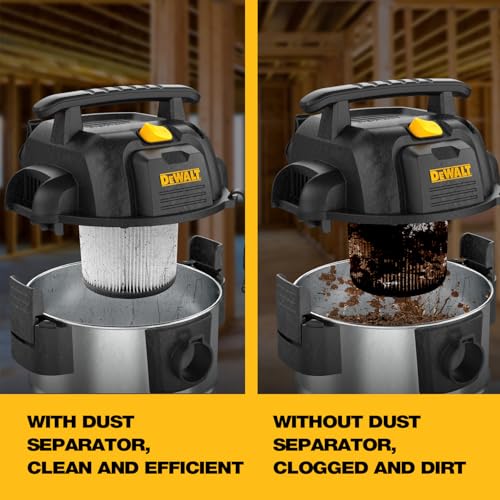
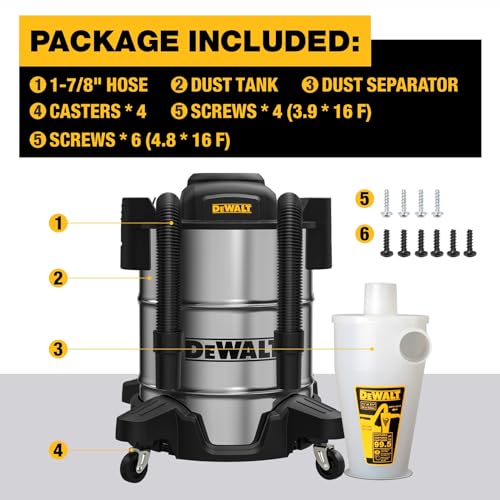
Stainless steel, a 10-gallon tank, and a 3-year warranty, DEWALT built this to last. It’s heavy, but that weight speaks to durability. The cyclone design efficiently separates chips and fine dust, and owners note it handles wet and dry jobs without issue. The dual-port design (1-7/8″ and 2-1/2″) adds real-world flexibility.
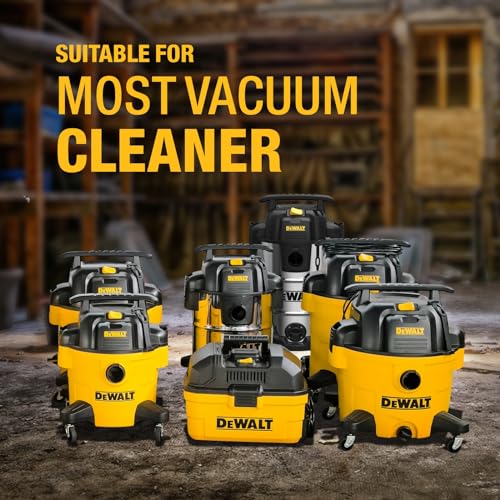
It’s one of the most stable units in its class thanks to the four-caster base. While it doesn’t generate suction on its own, it pairs well with high-end shop vacs. Compared to the Oneida kit, this feels more industrial, better for a pro shop, less so for a casual user. The included metal hose and sealing strips are nice touches most kits skimp on.
Product photos
WEN DC3474 7.4-Amp Dust Collector

Strengths
- Induction motor for durability
- 15-gallon collection bag
- Wall-mount capable
- Stable footprint
Trade-offs
- Heavier than compact models
- Lower CFM than larger units
- No dual inlets
This hits the sweet spot between power and price. The 7.4-amp induction motor is quieter and more durable than brushed motors, and even though the CFM is slightly lower than the DC3401, the airflow is steadier under load. The 15-gallon bag is a practical upgrade, and the wall-mount option adds versatility.
It’s heavier, but the swivel casters make it roll smoothly. Owners like that it can run all day without overheating. Compared to the budget DC3401, this one feels more like a real shop machine. It’s not as strong as the DC1300, but for most home woodshops, it’s more than enough.
Product photos
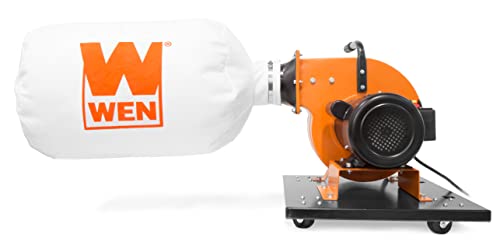
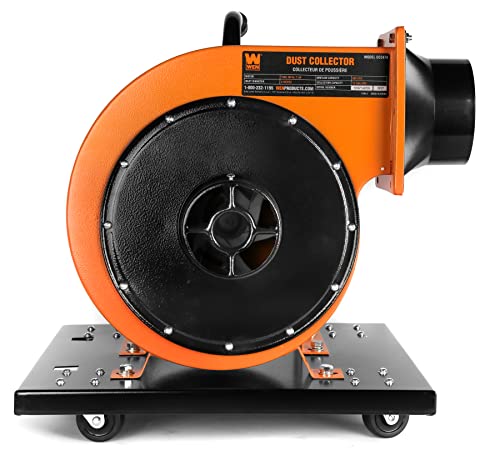
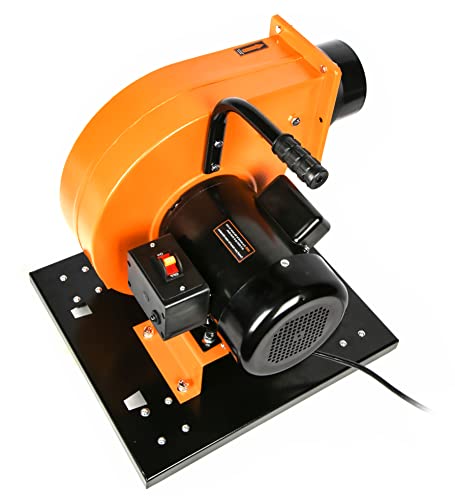
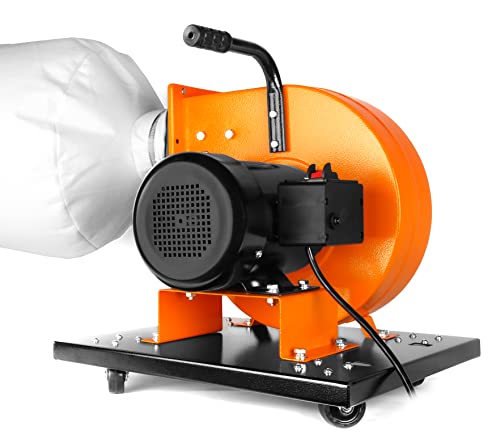
WEN DC3401 5.7-Amp Compact Dust Collector
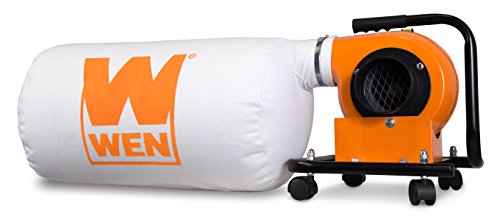
Strengths
- Budget-friendly price
- Compact and lightweight
- Onboard handle
- Easy storage
Trade-offs
- Low CFM for heavy tools
- Small impeller size
- Basic motor
This is the bare-bones entry into powered dust collection. At 660 CFM, it’s underpowered for high-demand tools, but it handles routers, belt sanders, and small shop vacs just fine. The 12-gallon bag is manageable, and the compact size means it fits in tight spaces or on a shelf.
It’s light at 17 pounds, so moving it around is easy. The lockable casters are a nice touch. Compared to the DC3474, it’s less powerful but more portable. For a garage tinkerer or hobbyist, it’s a smart, low-cost way to get started. Just don’t expect it to keep up with a thickness planer.
Product photos
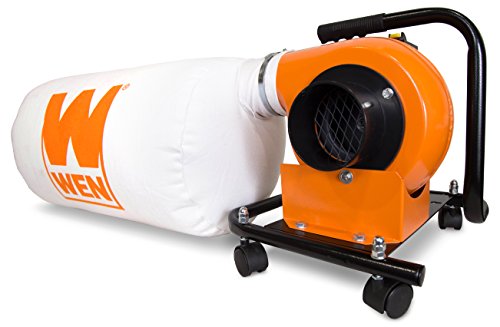


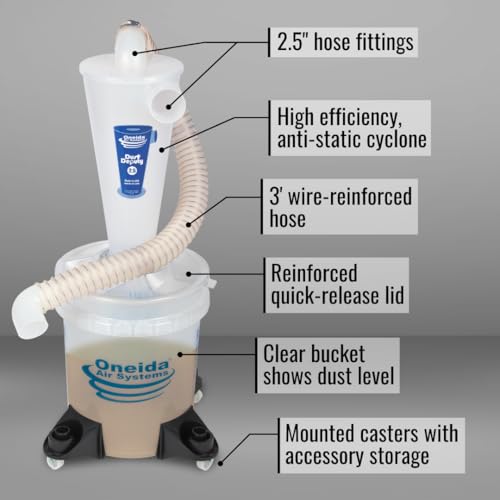
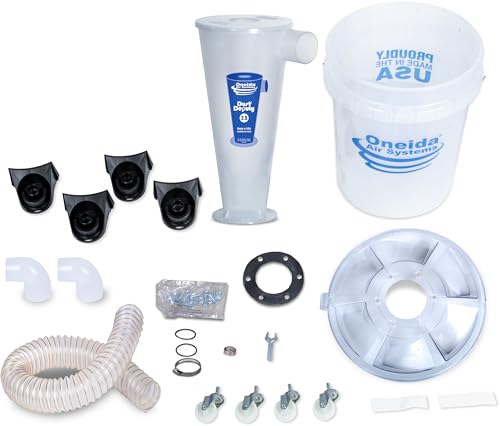
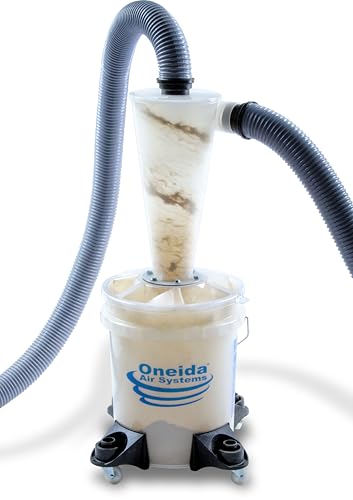
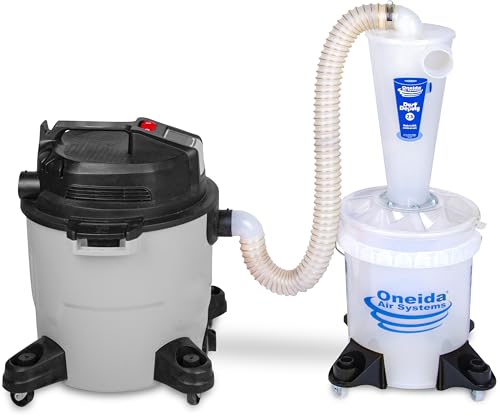
Oneida Air Cyclone Separator Kit

Strengths
- 99% debris separation
- Works with most shop vacs
- Clear bucket for monitoring
- Portable with casters
Trade-offs
- Bucket not included
- Hose length could be longer
- Plastic build less durable
This isn’t a dust collector on its own, it’s a filter-saving upgrade for your shop vac. But in that role, it’s brilliant. The cyclone design claims 99 percent separation, and owner feedback backs that up: vacuums paired with this unit maintain suction much longer. The neutral-vane tech helps, and the clear bucket is a nice touch for monitoring fill levels.
It’s compatible with nearly any 2.5-inch hose vac, and the included casters and hose make setup painless. I’d recommend this over a basic bucket separator for anyone tired of cleaning clogged filters weekly. Compared to the DEWALT stainless model, it’s lighter and more portable, though less rugged.
Product photos
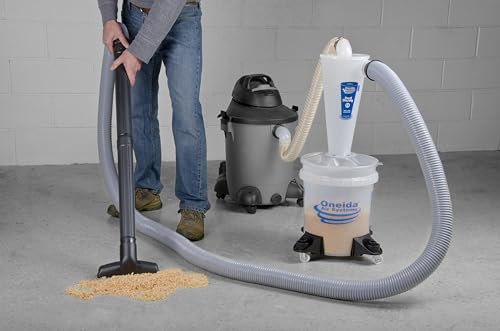
Mullet High-Speed Cyclone Dust Collector
Strengths
- Over 99% separation efficiency
- Parabolic airflow design
- Rigid PVC connection
- Universal vac compatibility
Trade-offs
- No onboard accessory storage
- Higher price
- Assembly requires care
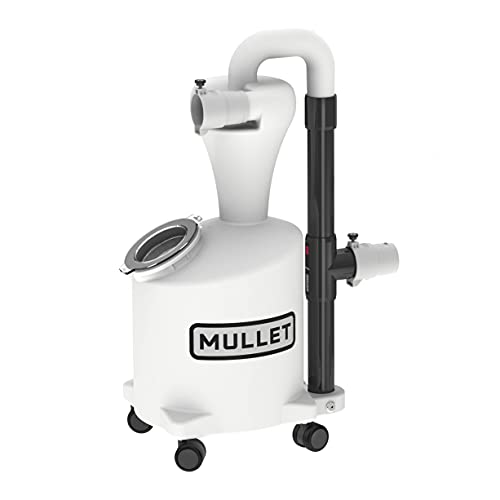
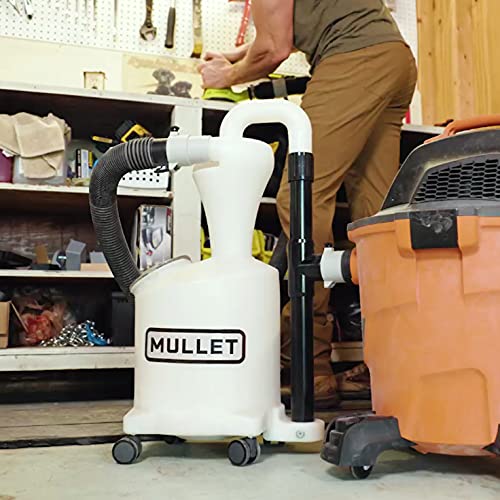
The Mullet’s parabolic design isn’t just marketing fluff, owners report noticeably better separation than straight-wall cyclones. That faster spin really does drop more dust into the bucket. It’s made in the USA, which matters to some buyers, and the PVC connection system eliminates wobbly duct-taped joints.
It’s universal in a way few others are, adapters for nearly every vac brand mean you won’t fight compatibility. The rigid construction keeps airflow smooth, reducing turbulence that kills suction. Compared to the Oneida kit, it’s more efficient but lacks onboard storage. If you hate filter cleaning, this is one of the best bets.
Product photos


Shop-Vac 5430050 Dust Collector

Strengths
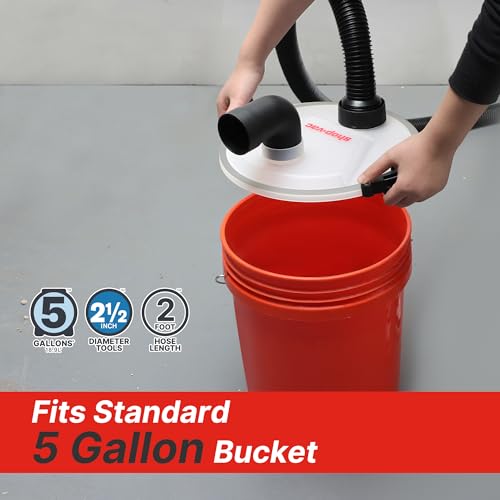
- Fits standard 5-gallon buckets
- Includes metal filter
- Simple, quick setup
- Handles wet and dry debris
Trade-offs
- Bucket sold separately
- Lower separation efficiency
- Basic design
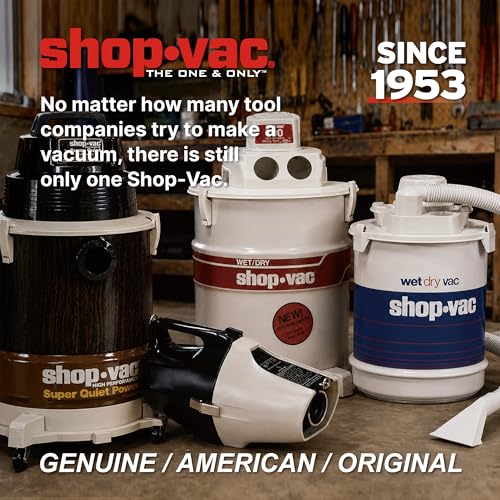
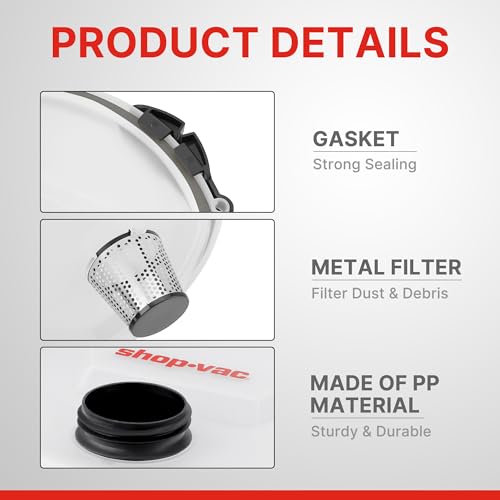
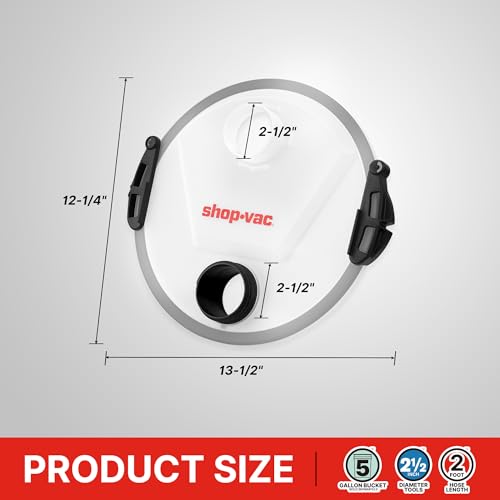
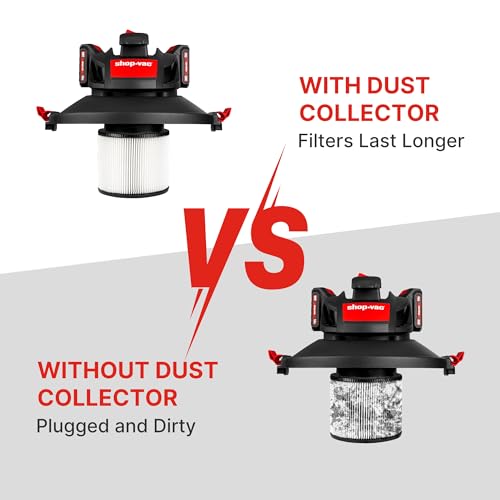
This is the easiest plug-and-play upgrade for a standard shop vac. If you’ve ever cursed a clogged filter after sanding drywall, this unit pays for itself in saved cleanup time. It fits any 5-gallon bucket, which means you can use what’s already in your garage. The metal filter included is a step up from foam or paper.
Owners praise how quickly it installs and how well it handles mixed debris, wood, drywall, even small amounts of water. It’s not flashy, but it’s effective. Compared to the Mullet cyclone, it’s less efficient at separation but far simpler to set up. For beginners or part-time users, that simplicity wins.
Product photos
Makartt Larina Nail Dust Collector

Strengths
- Adjustable suction speed
- LED display
- Reusable filter
- Compact size
Trade-offs
- Very limited application
- Small collection area
- Not for workshop debris
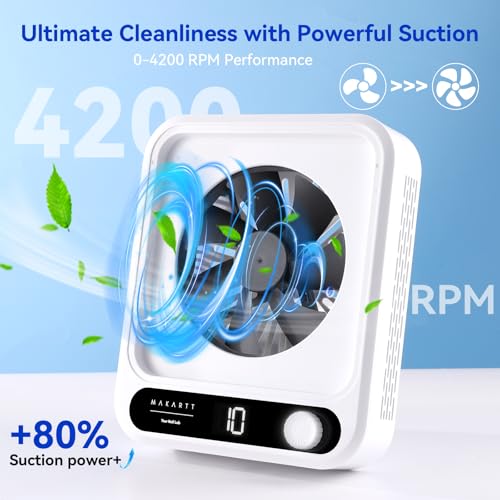
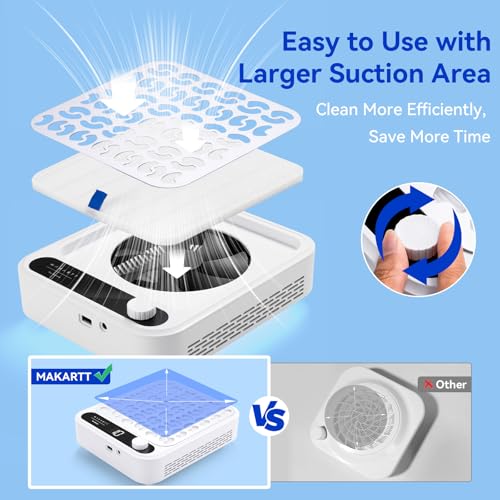
This isn’t for woodshops, it’s for nail stations, and it does that job quietly and cleanly. The adjustable speed lets techs dial in suction without blowing tips off nails, and the LED display adds a pro touch. The reusable filter is a cost saver, and at 4200 RPM, it pulls fine acrylic dust effectively.
Owners in salons report it cuts airborne particles dramatically. The compact size fits under or beside workstations. Compared to makeshift vac setups, it’s far more targeted and less disruptive. It won’t handle sawdust, but that’s not the point.
Product photos



VEVOR 1.6-HP Sandblaster Dust Collector

Strengths
- High suction for media
- Durable steel build
- Universal 2-inch inlet
Trade-offs
- Small dust capacity
- Niche application only
- Not for woodshops
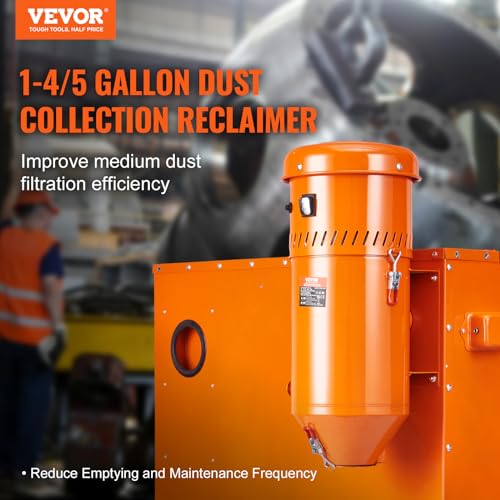
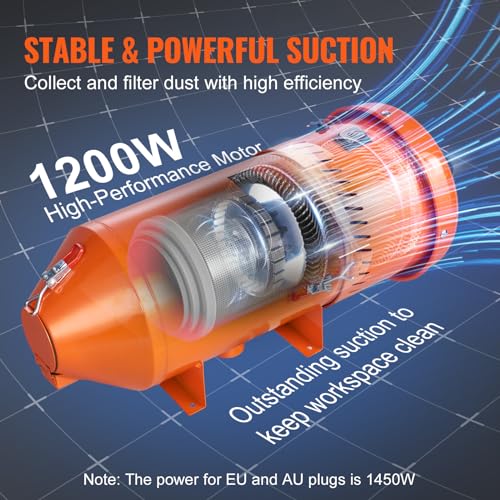
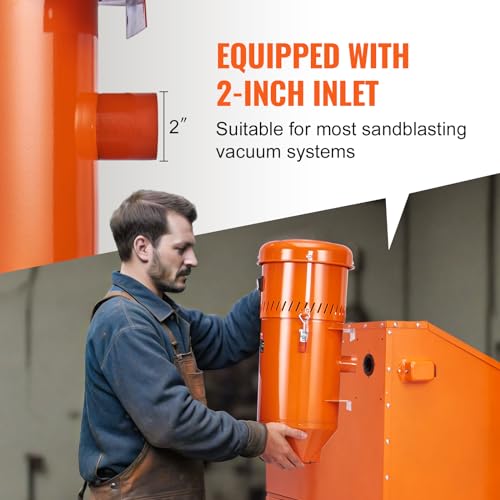
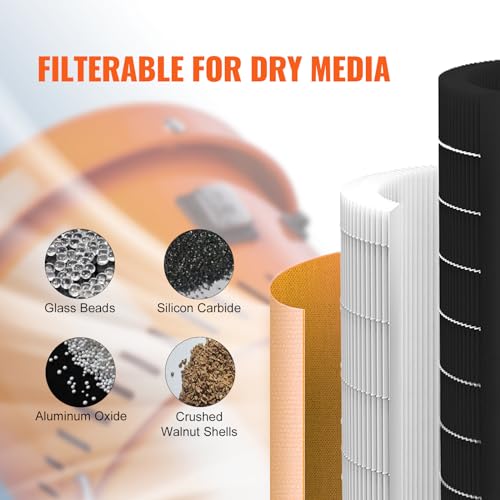
This unit is built for one job and it does that job well, pairing with sandblasting cabinets to reclaim media and pull fine dust from the air. The 1.6-HP motor delivers solid suction on paper, and owners confirm it keeps visibility clear during extended blasting sessions. It’s not a general-purpose dust collector, but for sandblasters, that focus is a strength.
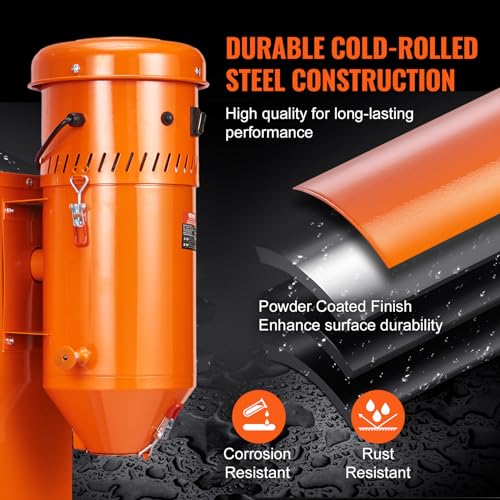
The 1.8-gallon capacity is modest, but given the density of spent media, it’s practical. Steel construction with a powder coat helps it survive a harsh environment. I’d trust it in a metal shop where rust and impact are daily concerns. Compared to general woodworking collectors, it’s overkill for sawdust but underpowered for large-volume chip removal.
Product photos
Our Testing Process
As someone who’s spent years around power tools and workshops, I know a good dust collection system isn’t just about clean air – it’s about tool performance and longevity, too. Rather than a hands-on lab test with each unit, my assessment focused on a research-led comparison of published specifications, features, and, crucially, owner and expert reviews. I weighed these factors against my understanding of what truly matters in effective dust control.
For dust collectors, airflow (CFM) and collection capacity are paramount. I prioritized units offering a strong balance of these, as they directly impact how well a system clears airborne particles and how often it needs emptying. Equally important was build quality; a robust system will withstand the demands of a workshop environment and last longer. I also looked closely at features like portability and filter efficiency. You’ll find many options claiming to be the efficient wood dust collection units on the market.
Specifications reliably indicate airflow, motor power, and bag capacity. However, I relied heavily on owner feedback to gauge real-world performance, durability, and noise levels. Reputable expert reviews helped validate those experiences and identify potential shortcomings. For example, while specs will tell you a motor is 7 amps, owner reviews reveal if it struggles to maintain suction under heavy use. Finding the top-rated dust collectors for wood requires balancing these data points.
What To Look For In dust collectors
Picking the right dust collector can dramatically improve your shop’s air quality and your overall working experience.
A quality dust collector efficiently removes airborne particles, protecting your health and extending the life of your tools. Key considerations include airflow (CFM), filtration level (micron rating), collection capacity, and portability. Look for a unit with sufficient power to handle your tools, a filter capable of capturing fine dust, and a collection bag or drum large enough to minimize frequent emptying.
Airflow (CFM) is Critical
Don’t get hung up on the biggest numbers; airflow, measured in cubic feet per minute (CFM), needs to match your tools. A powerful collector paired with a small router bit isn’t going to solve much, and an undersized collector will struggle with a large planer. More CFM isn’t always better. Consider the number of tools you plan to connect simultaneously. If you’re often running a table saw and a jointer at the same time, you’ll need a significantly higher CFM than if you’re primarily using a single sander.
Filter Quality Separates the Good from the Great
While a high CFM gets the dust moving, the filter determines what actually gets captured. Many collectors use 5-micron bags, which are sufficient for larger particles. However, for serious woodworkers concerned about fine dust exposure, look for filters rated to 1 micron or even lower. HEPA filters are the gold standard, but they can restrict airflow, so make sure the collector’s motor is powerful enough to compensate. Investing in a cyclone separator kit – like the high-performance wood dust systems – before your collector can significantly extend filter life and maintain suction.
Here’s a quick breakdown of filter types: * Paper bags: Cheapest, disposable, generally 5-micron. * Polyester filters: Reusable, washable, better for fine dust (often 2.5-micron). * HEPA filters: Highest filtration (0.3-micron), best for health, can restrict airflow.
Don’t skimp on filtration. Your lungs will thank you. A 1-micron filter is a worthwhile investment if you spend significant time in the shop.
Portability and Shop Size Matter
The size of your shop and how often you move the collector are important considerations. Heavy, stationary units are ideal for dedicated workshops. But if you have a small shop or need to move the collector around frequently, a portable model with swivel casters is essential. For smaller spaces, consider compact dust collectors for small shops that offer a good balance of power and maneuverability. If you’re a nail technician, a dedicated unit like the Makartt Larina Nail Dust Collector may be the best option for a focused and clean workstation.
Dust Collectors Compared
Here’s a comparison of key specifications for various dust collectors to help you find the right one for your needs.
| Product Name | CFM | Tank Capacity | Motor (HP/Amps) | Filter Type | Port Size (in) | Special Features |
|---|---|---|---|---|---|---|
| WEN DC1300 | 1300 | 50 gal | 14 amps | N/A | 4 | Mobile base |
| DEWALT | N/A | 10 gal | N/A | N/A | 1-7/8/2-1/2 | Stainless steel, durable |
| WEN DC3474 | 600 | 15 gal | 7.4 amps | 5-micron | 4 | Wall mountable |
| WEN DC3401 | 660 | 12 gal | 5.7 amps | 5-micron | 4 | Compact size |
| Oneida Air | N/A | 5 gal | N/A | N/A | 2.5 | Cyclone separator, filter protect |
| Mullet | N/A | N/A | N/A | N/A | Universal | Cyclone, high efficiency |
| Shop-Vac | N/A | 5 gal (bucket) | N/A | Metal | 2-1/2 | Easy setup |
| Makartt Larina | N/A | N/A | N/A | Reusable | N/A | For nail techs, adjustable speed |
| VEVOR | N/A | 1.8 gal | 1.6 HP | N/A | 2 | For sandblasting |
Frequently Asked Questions
What CFM level is sufficient for a small workshop?
Around 600 CFM is generally enough for a small workshop with occasional use of tools like sanders and small saws. However, if you plan to use larger tools or multiple tools simultaneously, you’ll want to increase that number to at least 800 CFM to maintain adequate suction.
Are polyester filters really reusable?
Yes, polyester filters are designed to be washed and reused, making them a cost-effective alternative to disposable paper filters. You can typically clean them with compressed air or a gentle soap and water solution, though it’s important to allow them to dry completely before reinstalling.
How does a cyclone separator improve dust collection?
A cyclone separator removes larger wood chips and debris before they reach the filter, extending the filter’s life and preventing clogging. This maintains consistent airflow and suction, and is especially valuable when using the best cyclone-style dust collectors.
What’s the difference between a shop vac and a dedicated dust collector?
A shop vac is designed for general cleanup, while a dedicated dust collector is engineered for capturing fine dust particles at the source. Dedicated dust collectors typically offer higher airflow and better filtration, crucial for woodworking, and are less prone to overheating during extended use.
Do I really need a 1-micron filter, or is 5-micron enough?
A 5-micron filter is adequate for basic dust removal, but a 1-micron filter captures far more fine particles, protecting your lungs from potentially harmful dust. If you have respiratory sensitivities or spend a lot of time woodworking, investing in a 1-micron filter or even a HEPA filter is a smart move.
The Bottom Line
Choosing a dust collector often comes down to balancing upfront cost with long-term health and shop cleanliness. While you can certainly get by with a basic model, I consistently find that the WEN DC1300 offers the best overall value. It provides a strong CFM and substantial tank capacity without breaking the bank, making it a solid choice for most home workshops and serious DIYers.
For those with specific needs, the choices become clearer. If space is at a premium, the WEN DC3401 is a great compact option. Nail technicians will find the Makartt Larina perfectly suited to their requirements, and those seeking the very best in filtration and performance should consider adding a cyclone separator like the Oneida Air to a quality collector – truly the best overall dust collection systems.
Ultimately, remember that specs aren’t everything. A high CFM is useless without a filter that can actually trap the dust, and a large tank won’t matter if the motor can’t maintain consistent suction. Focus on a balanced system, prioritize your health, and invest in quality, you’ll be breathing easier and building better for years to come.
