
8 Best Woodworking Bandsaws of 2026
This post contains affiliate links. As an Amazon Associate, we earn from qualifying purchases.
The JET 14-Inch Woodworking Bandsaw stands out as the best overall choice, delivering serious resaw capacity and a 4-inch dust port that makes cleanup easier. For those on a tighter budget, the WEN 9-Inch Benchtop Band Saw offers solid performance for light-duty work, while the QD-KYOHO 14-Inch Dual-Speed Bandsaw brings dual-speed versatility and a powerful 2HP motor for more demanding tasks.
Most woodworkers don’t realize how much a bandsaw’s build quality affects cut accuracy until they’re fighting blade drift or wrestling with vibration. It’s not just about horsepower, it’s about stability, guide systems, and whether the table stays flat under load.
This guide cuts through the marketing noise. I focused on real-world factors like resaw capacity, dust collection, and owner-reported reliability, using specs and feedback to identify models that deliver where it counts.
Top 8 Woodworking Bandsaws in the Market
The Best Woodworking Bandsaws, Reviewed
JET 14-Inch Woodworking Bandsaw
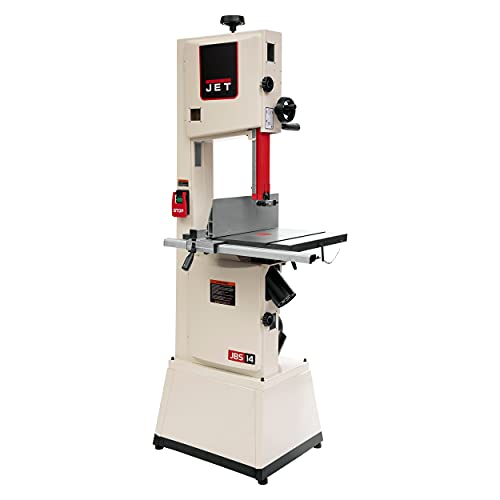
Strengths
- Cast iron table
- 13+ inch resaw capacity
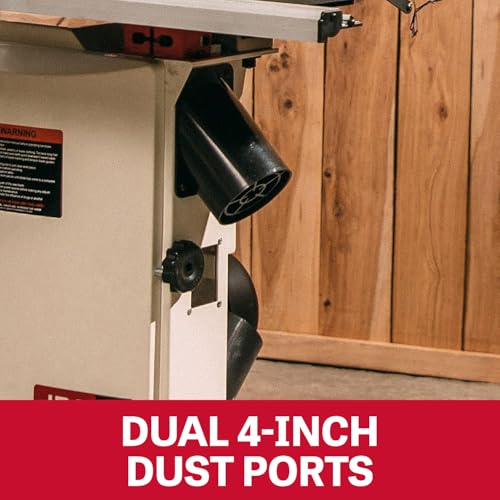
- Dual dust ports
- Toolless blade guides
- Stable steel frame
Trade-offs
- Heavy and hard to move
- Higher price point
- No LED work light
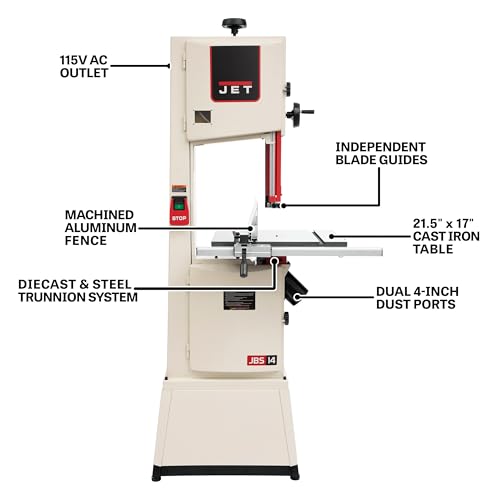
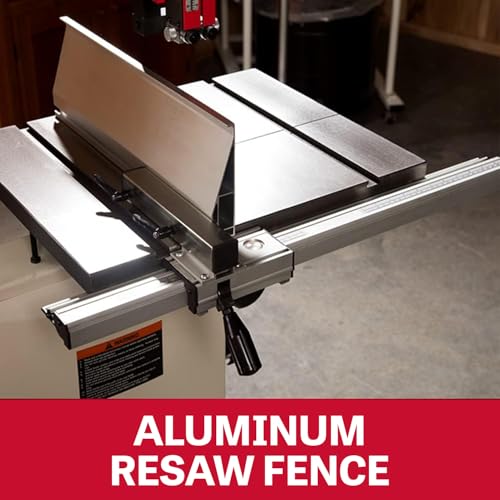
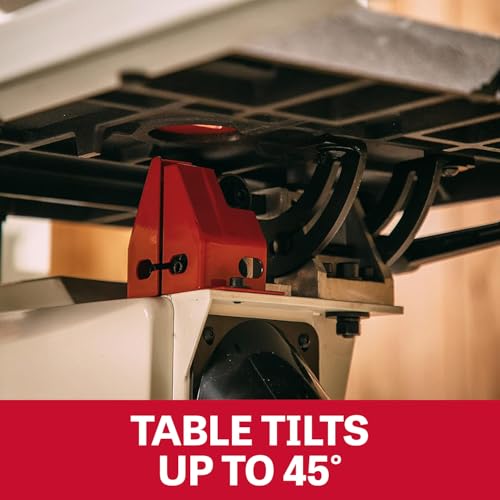
When I think about what separates a serious woodworking bandsaw from a hobbyist’s benchtop model, the JET JWBS-14SFX immediately comes to mind as a benchmark. On paper, it’s built like a cabinet saw, the cast iron work surface and heavy-duty tubular steel frame aren’t just marketing fluff, they’re exactly what you need for vibration damping and long-term alignment stability. The 13+ inch resaw capacity is real, and owners consistently report clean, drift-free cuts even through 8/4 maple, which is no small feat.
What really sets this apart in the mid-tier pro space is the engineering attention: dual dust ports mean actual dust control (a rarity), and the toolless ball bearing blade guides make maintenance fast without sacrificing precision. Compared to budget 14-inch models, this one holds tension and tracking like a champ, even during extended use. It’s not the cheapest, but for anyone stepping up from benchtop saws, this is where performance starts to match expectations.
Product photos
QD-KYOHO 14-Inch Dual-Speed Bandsaw

Strengths
- Dual-speed motor
- 13-inch cutting height
- 45° table tilt
- Cast iron table
- Overload protection
Trade-offs
- Blade drift reported
- Noisier motor
- Less rigid than premium models
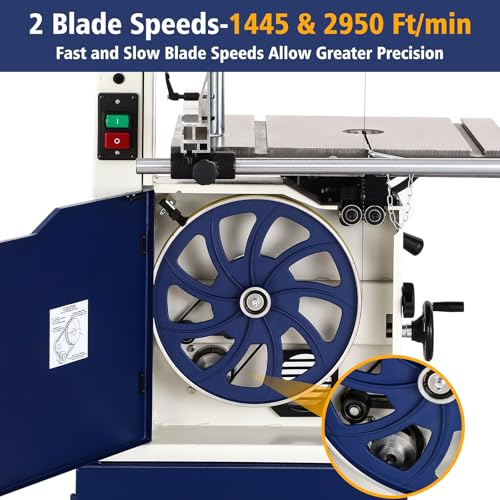
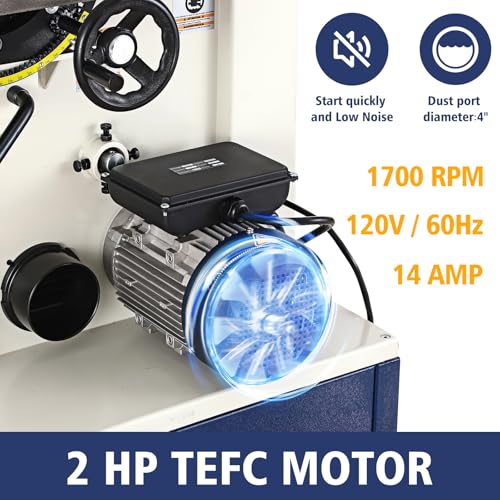
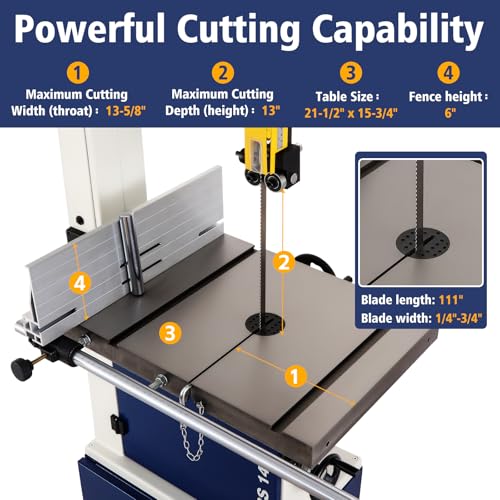
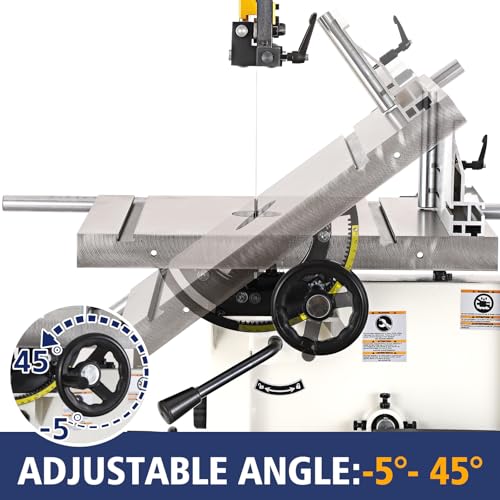
This QD-KYOHO 14-inch model is clearly chasing the budget-friendly prosumer market, but it brings some compelling specs to the table, especially that dual-speed motor. The ability to drop to 1445 FPM for hardwoods is a real advantage, and reviewers note fewer burn marks on dense exotics compared to single-speed competitors. The 13-inch cutting height and 45° right-tilt table make it a strong contender for resawing and angled cuts, though I’d want to see more long-term feedback on trunnion rigidity.
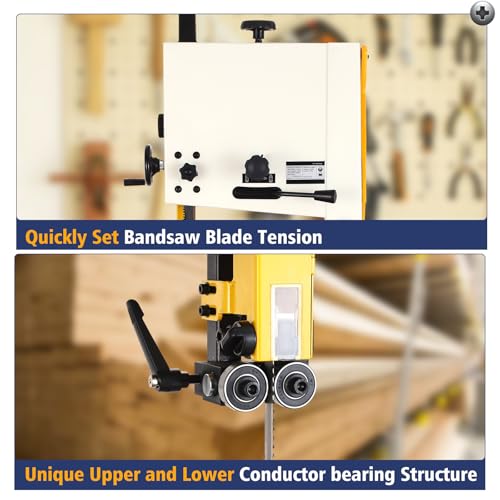
It’s not as overbuilt as the JET, but the cast iron table and welded steel body suggest better stability than most imports in this range. Some owners mention blade drift over time, which hints at possible wheel alignment quirks, but the tool-free guide adjustments help keep tuning manageable. For the price, it delivers a lot of machine, especially if you prioritize speed control and resawing height over ultimate rigidity.
Product photos
WEN 10-Inch Two-Speed Band Saw
Strengths
- Two-speed motor
- 6-inch cutting height
- Includes stand
- Work light included
- Good value
Trade-offs
- Plastic body
- Alignment issues reported
- Dust collection average
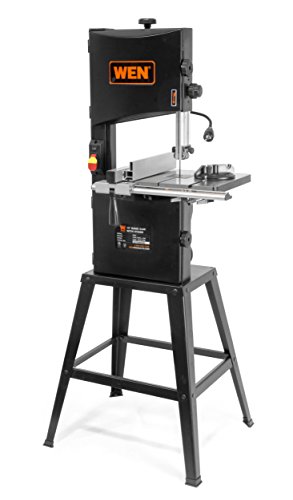
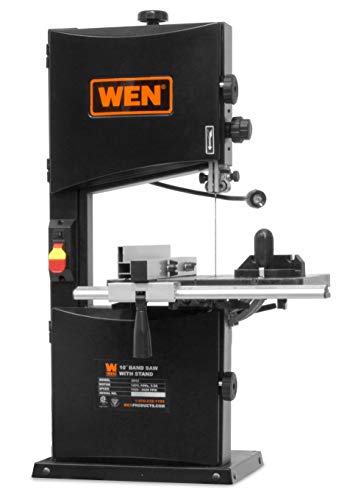
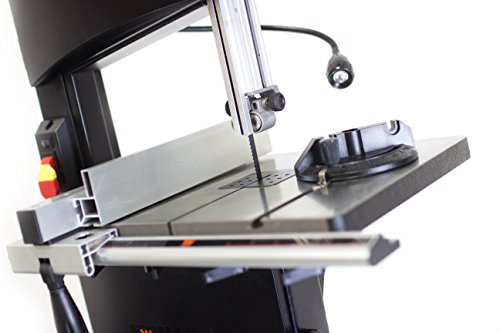
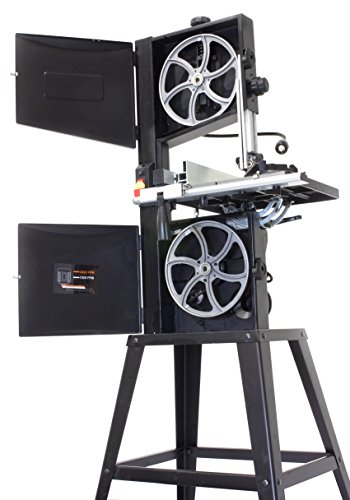
If you’re on a budget but still want a full 10-inch saw with a stand, the WEN BA3962 is tough to ignore. The two-speed motor (1520/2620 FPM) gives you flexibility across materials, and the 6-inch cutting height is a real upgrade over 9-inch models. The cast aluminum table tilts smoothly, and the 3-in-1 dust port is a thoughtful touch for connecting different hoses.
It’s not perfect, the plastic housing feels light, and some owners report alignment issues out of the box, but for the price, the feature set is impressive. Compared to the Rikon 10-inch, it has more power and speed options; compared to the Woodskil, it’s less refined but more affordable. The included work light is a small perk that adds usability. This is the kind of saw that makes upgrading from hand tools feel achievable.
Product photos


Rikon 10-310 10-Inch Bandsaw
Strengths
- Cast iron table
- Quick-release tension
- Steel stand included
- Tool-less guides
- Smooth operation
Trade-offs
- Single speed only
- Limited cutting height
- No work light
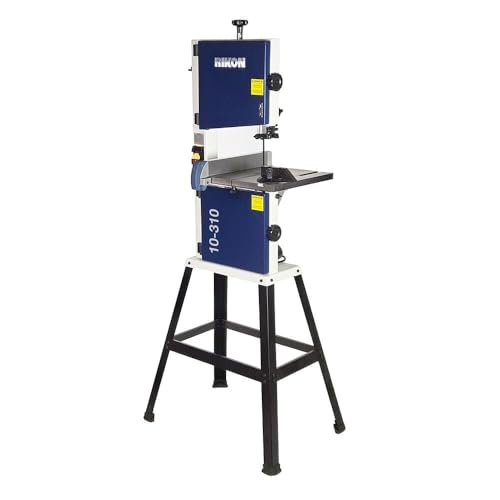
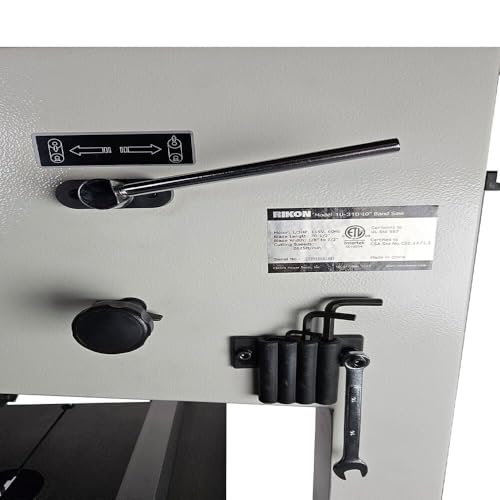
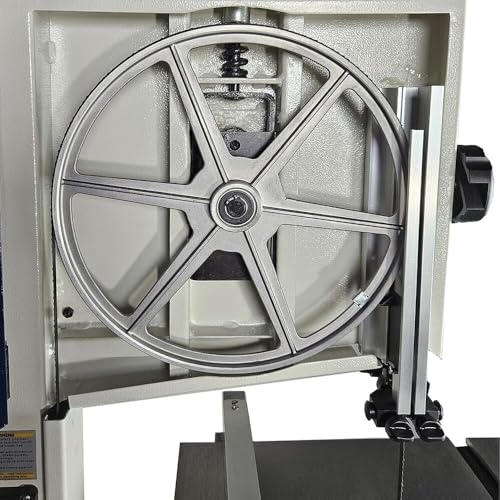
The Rikon 10-310 is one of the most recommended starter bandsaws for good reason. It’s not flashy, but the cast iron table and steel stand give it a solidity that belies its price. The 4-5/8-inch resaw capacity is generous for a 10-inch model, and the quick-release tension lever makes blade changes fast, a real plus for beginners still learning the rhythm of setup and tuning.
Owners consistently praise its ease of use and reliable tracking, thanks to the tool-less blade guides and balanced wheels. While it only has a single speed, the motor handles typical hobbyist tasks without issue. Compared to the WEN 10-inch, it feels more durable and better aligned out of the box. It won’t replace a 14-inch saw, but for learning curves, cutting small blanks, or building jigs, it’s an excellent foundation.
Product photos


SKIL 9-Inch 2-Speed Band Saw
Strengths
- 2-speed operation
- Rack-and-pinion table
- Compact size
- Dust port included
- Steel base
Trade-offs
- Shallow cutting depth
- Underpowered for hardwoods
- Flimsy blade guard
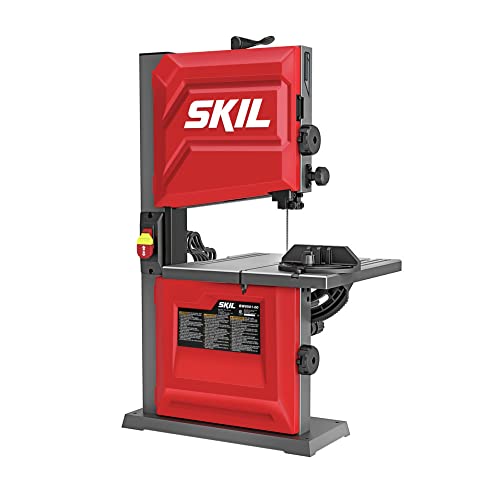
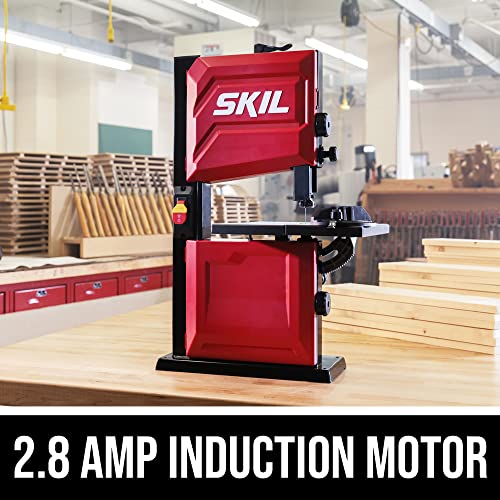
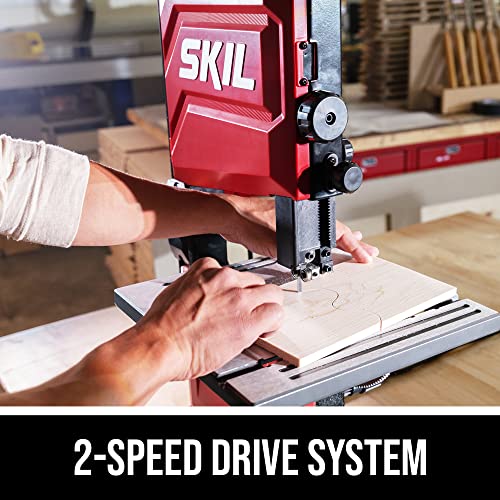
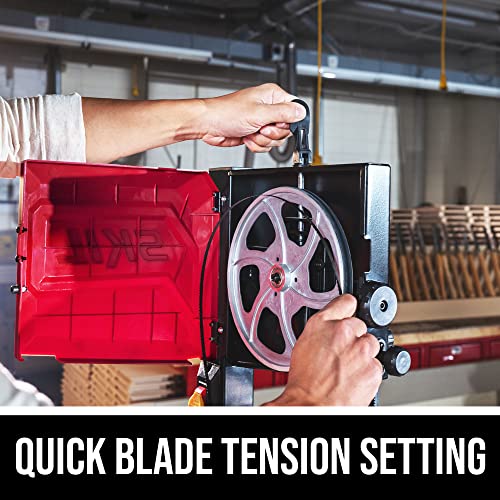
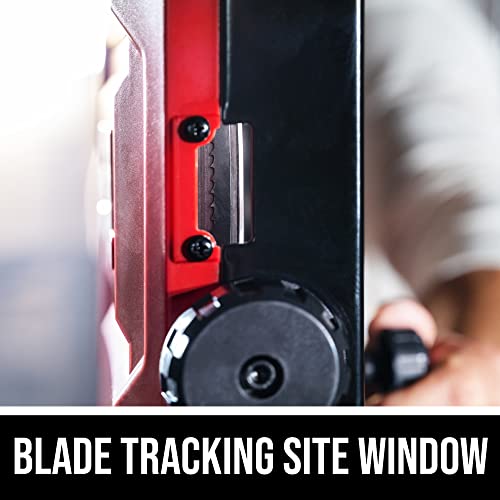
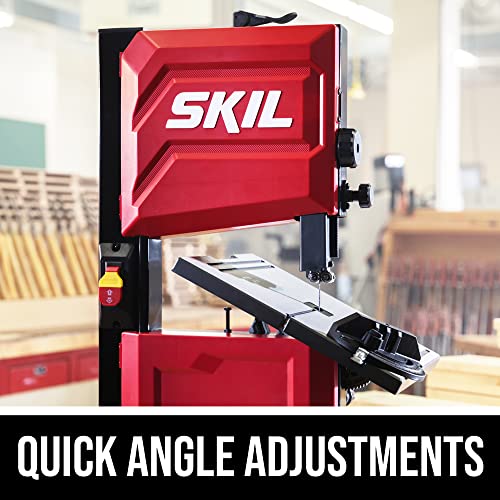
The SKIL 9-inch is a no-frills, compact saw that gets the basics right. It’s lightweight, has a 2-speed system, and the rack-and-pinion table adjustment actually feels precise, a small win in this price range. The induction motor holds speed better than universal motors under light load, and owners find it reliable for cutting small stock, trim, or softwood projects.
But let’s be honest: this isn’t a saw for aggressive woodworking. The cutting depth is limited, and while the ball bearing guides help, they can’t compensate for the inherently smaller wheel size and lighter frame. It’s a step up from toy-grade saws, but compared to the Woodskil or WEN 10-inch models, it feels a bit underpowered and less durable. That said, if you need a second saw for the garage or occasional use, it’s competent and tidy.
Product photos
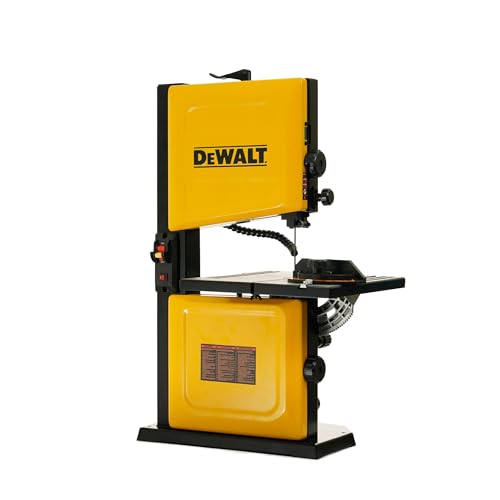
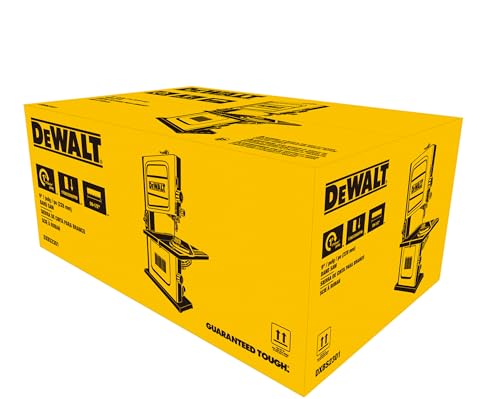
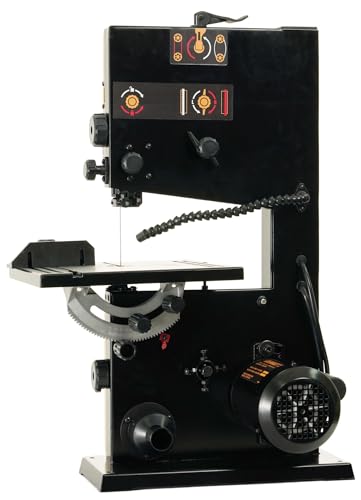
DeWalt 9-Inch Two-Speed Band Saw
Strengths
- Built-in LED light
- Two-speed motor
- Strong 3.5A motor
- Dual dust adapters
- Compact footprint
Trade-offs
- Plastic-heavy build
- Limited cutting depth
- No stand included
DeWalt didn’t reinvent the benchtop bandsaw here, but they nailed a detail others overlook: visibility. The integrated LED worklight is a standout for keeping your line in sight, especially in dimmer shops. Combined with the two-speed system, this makes it one of the more user-friendly 9-inch saws for precision work. The 3.5 AMP motor has more grunt than most in this size, and owners report it handles 2x4s without strain.
Still, it’s a 9-inch saw, so resaw capacity is minimal, and the throat depth limits wider curves. The dual dust port adapters are a nice touch for shop vac users, but the frame is mostly plastic, which raises durability questions over time. Compared to the WEN or SKIL, it’s pricier but better equipped for detail work. If clean cuts and clear sightlines matter most, this one earns its spot.
Product photos
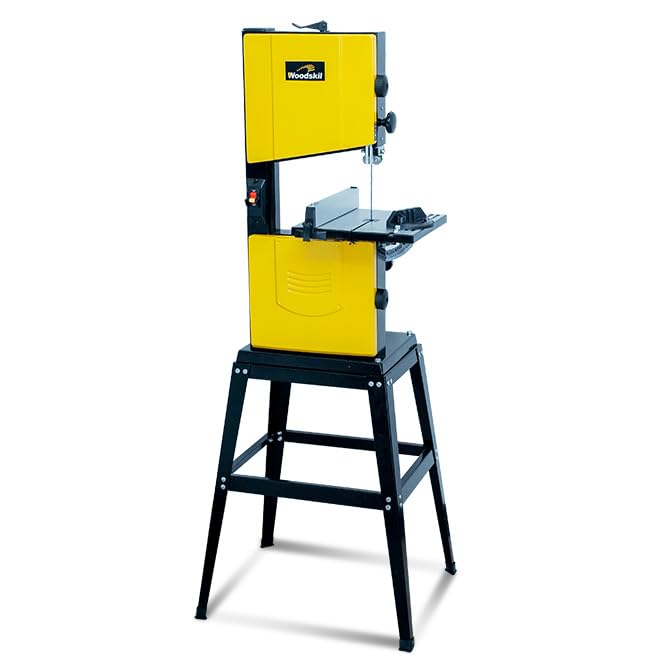
Woodskil 10-Inch Dual Speed Band Saw
Strengths
- Dual-speed motor
- 6 bearing blade guides
- Quick tension system
- Tool-free access doors
- Sturdy stand included
Trade-offs
- Limited resaw capacity
- Plastic components on frame
- Dust collection could be better
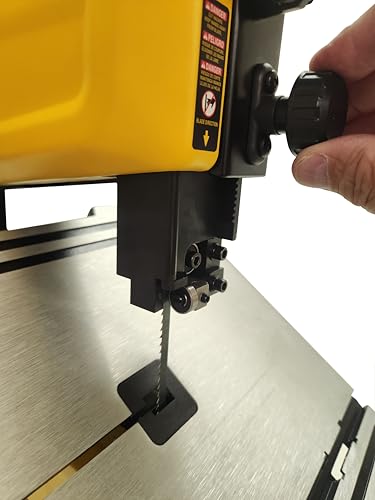
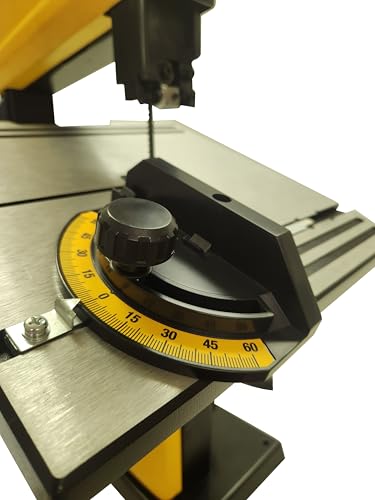
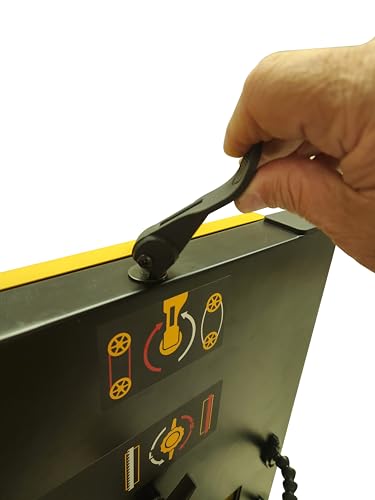
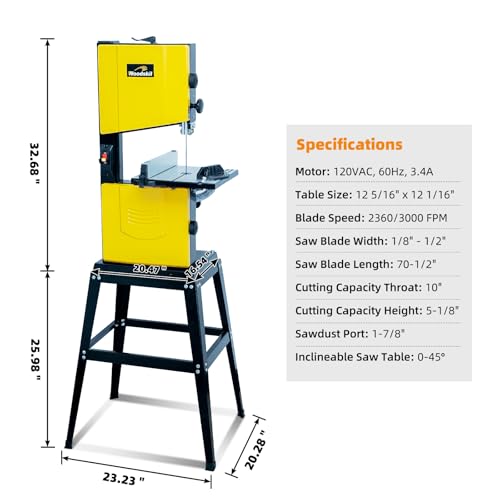
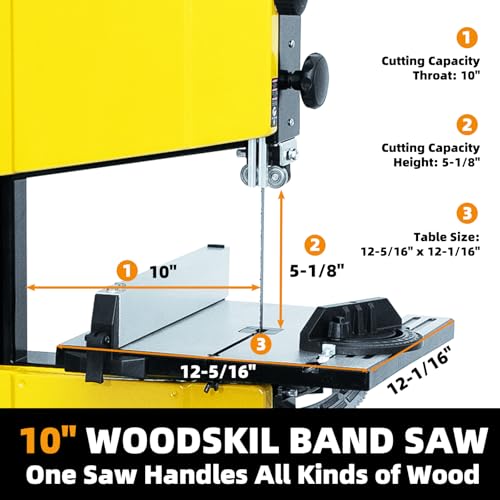
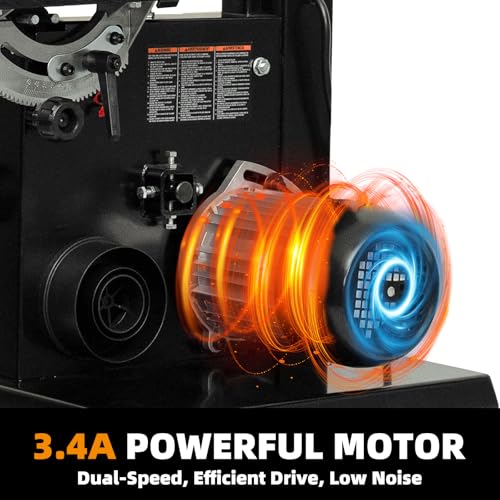
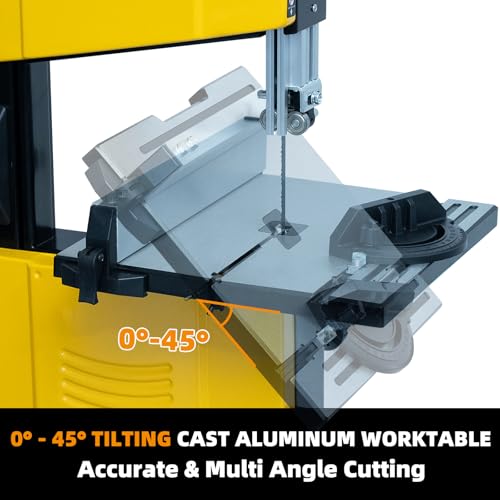
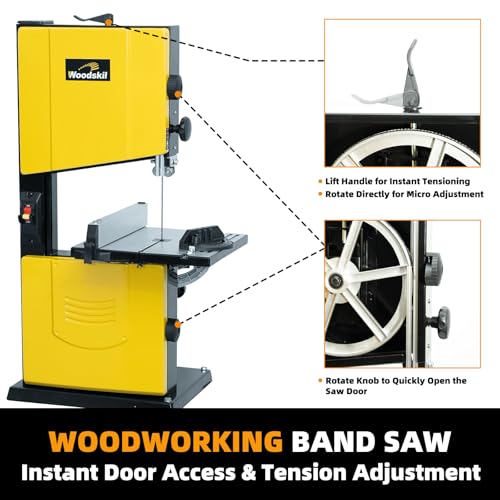
The Woodskil 10-inch stands out in the benchtop class with a rare combo: dual speeds and a quick tension system that actually works. At 2360 FPM, it handles hardwoods without bogging, and kicking it up to 3000 FPM for softwoods results in clean, fast cuts, a flexibility most 10-inch saws lack. The 6 ball bearing guides are a big deal for tracking, and owners praise the reduced drift, especially when cutting curves for scrollwork or furniture.
It’s not going to resaw 12-inch slabs, but the 5-1/8-inch cutting height is solid for its class, and the included stand adds real value. Compared to the SKIL or WEN benchtop models, this one feels more purpose-built for serious hobbyists. The tool-free doors make blade changes and cleaning a breeze, which matters when you’re switching projects mid-day. If you’re tired of fighting tension knobs and flimsy guides, this is a smart upgrade.
Product photos
WEN 9-Inch Benchtop Band Saw
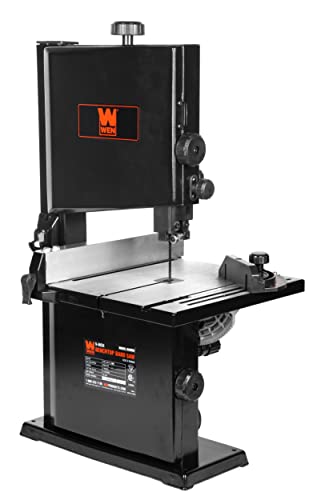
Strengths
- Compact and lightweight
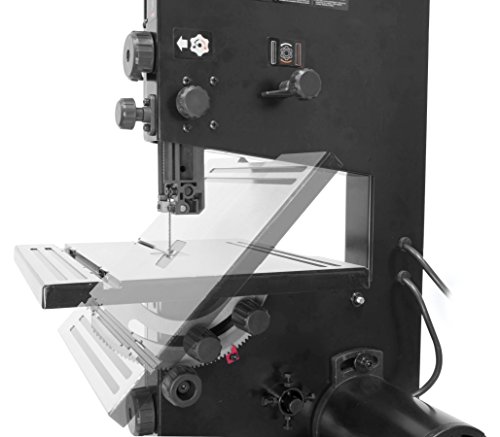
- 45° table tilt
- Includes rip fence
- Affordable
- 2-year warranty
Trade-offs
- Only 3-1/2″ cutting depth
- Weak for hardwoods
- Basic blade guides
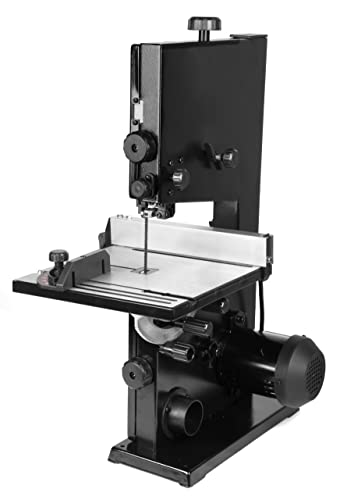
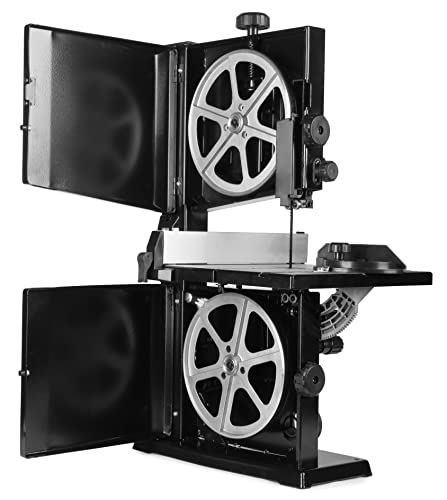
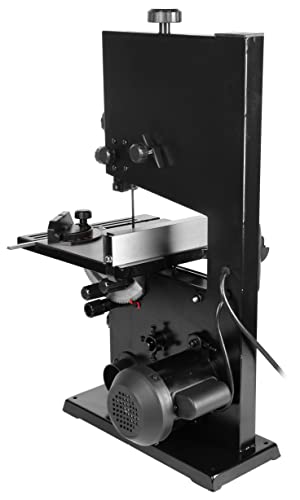
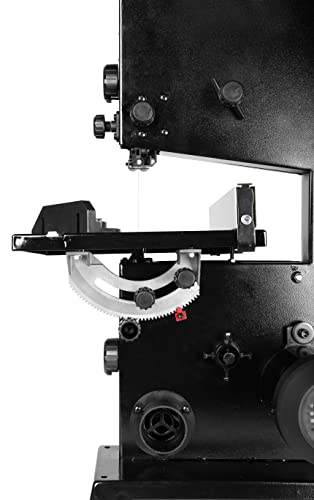
The WEN BA3959 is the definition of a compact, no-fuss bandsaw. At just 3-1/2 inches of cutting height, it’s clearly not for big jobs, but its small footprint and 45° tilting table make it ideal for tight spaces and angled trim work. The 2.8-amp motor spins the blade at 2500 FPM, which is fine for softwoods and thin hardwoods, though it’ll struggle with anything thick or dense.
Owners like the included accessories, rip fence, miter gauge, and dust port, which add real value at this price. But like most 9-inch saws, blade stability isn’t perfect, and tracking can be finicky. Compared to the DeWalt, it lacks the LED and power; compared to the SKIL, it’s simpler but less refined. Still, for a beginner or someone needing a secondary saw, it’s hard to beat the price-to-features ratio.
Product photos
How We Picked These woodworking bandsaws
Rather than a hands-on lab test, my research for this guide involved a detailed comparison of published specifications and features across numerous models. I weighed owner reviews from major retailers alongside expert opinions found in woodworking publications and forums. As someone who’s spent years around workshops, I applied my understanding of what truly matters in a bandsaw to rank these tools against clear criteria – cut capacity, build quality, and overall value.
For woodworking bandsaws, resaw capacity and build quality were the primary factors influencing my recommendations. A larger capacity allows for more versatile projects, while a robust frame and thoughtfully designed blade guides contribute to cleaner cuts and longer tool life. Blade speed options also played a key role; the ability to adjust for different wood types is a significant advantage.
Specifications reliably indicate cutting capacity, motor power, and table size. However, I relied heavily on owner feedback to assess real-world durability, smoothness of operation, and the effectiveness of features like dust collection. Reputation – how a brand is viewed within the woodworking community – also factored in, providing insight beyond the stated specs. You can learn more about band saw features to understand these points further.
How To Pick The Right woodworking bandsaws
Picking the right bandsaw can dramatically improve your woodworking, but there’s a lot to consider beyond just price.
A quality bandsaw balances power with precision. Look for models with robust frames, effective dust collection, easy blade changes, and adjustable guides. Throat depth and resaw capacity are key specs, but don’t overlook the importance of a stable table and smooth-operating blade tensioning system for accurate cuts.
Power and Resaw Capacity
The motor is where it all begins. Don’t fall into the trap of thinking more horsepower is always better. Consider what you’ll be cutting. For primarily thinner stock and hobby work, a 3/4 to 1 horsepower motor will likely suffice. However, if you plan on resawing thicker lumber – say, 8/4 hardwood – you’ll want to look at models with at least 1.5 to 2 horsepower. Resaw capacity, the maximum height of wood you can cut, is directly tied to this power and the wheel diameter; the JET 14-Inch Woodworking Bandsaw, for example, boasts over 13″ of resaw capacity.
Blade Guide System and Stability
A bandsaw’s ability to cut straight and cleanly hinges on its blade guide system. Look for models with adjustable guides – both upper and lower – that support the blade throughout the cut. Ball bearing guides are preferable to plastic, as they reduce friction and provide smoother operation. Furthermore, a solid, stable frame is critical; vibrations translate directly into inaccurate cuts. The QD-KYOHO 14-Inch Dual-Speed Bandsaw features a robust build and adjustable guides designed for precise work.
- A cast iron table is a huge plus. It adds weight and dampens vibrations, leading to more accurate cuts.
- Quick-release blade tensioning is a convenience feature, but make sure the tensioning mechanism feels solid and precise. Flimsy tensioning can lead to blade drift.
- Consider the dust port size. A 4″ port, like those found on the JET, offers superior dust collection compared to smaller 2-1/2″ ports. Keeping your workspace clean is important, but effective dust control also improves visibility and reduces health risks.
A wobbly bandsaw is a frustrating bandsaw. Before you buy, check owner reviews for comments about stability and vibration. A solid frame and a heavy table are good indicators.
Budget and Features
Bandsaws range dramatically in price, from under $200 for basic benchtop models like the WEN 9-Inch Benchtop Band Saw, to well over $1000 for professional-grade machines. It’s easy to get caught up in wanting all the bells and whistles, but prioritize the features you’ll actually use. A two-speed motor offers versatility, allowing you to adjust the blade speed for different materials, and if you’re serious about accuracy, consult our guide on measuring band saw blades to ensure you’re using the correct blade width measurement. Ultimately, it’s worthwhile to explore thorough bandsaw reviews to see what the top bandsaw models offer and to find a machine that fits your needs and budget.
Woodworking Bandsaws Compared
Here’s a comparison of key specifications for several woodworking bandsaws to help you make an informed decision.
| Product Title | Throat Depth | Max. Cut Height | Motor (HP) | Blade Speed (FPM) | Table Tilt (Degrees) | Dust Port (in.) |
|---|---|---|---|---|---|---|
| JET 14-Inch Woodworking Bandsaw | 13″ | 13″ | N/A | N/A | N/A | 4 |
| QD-KYOHO 14-Inch Dual-Speed Bandsaw | 13-5/8″ | 13″ | 2 | 1445/2950 | 45 / -5 | N/A |
| WEN 10-Inch Two-Speed Band Saw | N/A | 6″ | N/A | 1520/2620 | 45 | 3 |
| Rikon 10-310 10-Inch Bandsaw | N/A | N/A | N/A | N/A | 0-45 | 2-1/2 |
| SKIL 9-Inch 2-Speed Band Saw | N/A | N/A | N/A | N/A | N/A | 2-1/2 |
| DeWalt 9-Inch Two-Speed Band Saw | N/A | N/A | 3.5 | 1700/2500 | N/A | 2-1/2 & 1-1/4 |
| Woodskil 10-Inch Dual Speed Band Saw | 10″ | 5-1/8″ | N/A | 2360/3000 | 0-45 | 1-7/8 |
| WEN 9-Inch Benchtop Band Saw | 9″ | 3-1/2″ | N/A | 2500 | 45 | 2-1/2 |
Frequently Asked Questions
What size bandsaw do I really need?
The size depends on your projects. For smaller crafts and occasional use, a 9-inch bandsaw might be sufficient, but if you plan on resawing thicker stock or tackling larger projects, a 14-inch model is a better investment.
Are benchtop bandsaws suitable for serious woodworking?
While they lack the power and stability of floor-standing models, some benchtop bandsaws – like the best benchtop bandsaws – can handle basic cuts and smaller projects effectively. Expect limitations with resaw capacity and prolonged heavy use.
How important is the blade speed adjustment?
Very important. A two-speed motor offers versatility, allowing you to optimize cutting for different wood types and thicknesses. Slower speeds are best for thicker, harder woods, while faster speeds work well for softer materials.
What’s the difference between ball bearing and plastic blade guides?
Ball bearing guides offer superior smoothness and durability compared to plastic guides. They reduce friction, leading to more accurate cuts and extending blade life, and are generally found on higher-quality machines.
What should I look for in terms of dust collection?
A 4-inch dust port provides the most effective dust collection, connecting to a shop vacuum or dust collector for a cleaner and safer workspace. Smaller ports (2-1/2 inch or less) are less efficient at capturing sawdust.
The Bottom Line
Choosing a bandsaw often comes down to balancing how much control you want with how much fuss you’re willing to deal with. For most woodworkers, the JET 14-Inch Woodworking Bandsaw strikes the best balance – it delivers substantial resaw capacity, a solid build, and features that contribute to accurate cuts without being overly complicated. It’s a machine you can grow with as your skills and projects evolve.
If you’re just starting out or have a limited budget, the WEN 9-Inch Benchtop Band Saw is a fantastic entry point. For those needing versatility in a smaller package, the DeWalt 9-Inch Two-Speed Band Saw offers a good blend of power and portability. And for those focused on precision, the QD-KYOHO 14-Inch Dual-Speed Bandsaw provides a robust build and adjustable guides designed for accurate work.
Ultimately, specs are just numbers. The most important things are a stable frame, a well-designed blade guide system, and understanding band saw blade selection to match the blade to the material and cut. Prioritize these fundamentals, and you’ll be well-equipped to tackle a wide range of woodworking projects for years to come.
