9 Best Wood Saws of 2026
This post contains affiliate links. As an Amazon Associate, we earn from qualifying purchases.
The Metabo HPT 10-Inch Miter Saw is the best overall wood saw for accuracy and repeatable crosscuts, especially for trim and framing work. If you’re on a budget, the Skil 7-1/4″ Circular Saw delivers solid performance without the cost. For fine woodworking and precision, the Frocopo 6-Inch Japanese Pull Saw stands out as the top manual option.
Most people struggle to pick the right wood saw because they underestimate how much the job type matters. A saw that excels at ripping long boards will falter on delicate joinery, and a bulky miter saw is overkill for quick DIY cuts.
This guide cuts through the noise by focusing on real-world specs, owner feedback, and what actually matters in practice: blade quality, power source, cutting capacity, and intended use. I looked at the full range of saws, from corded powerhouses to nimble hand tools, and ranked them based on performance, reliability, and value, so you can match the tool to your most common projects.
Top 9 Wood Saws in the Market
The Best Wood Saws, Reviewed
Metabo HPT 10-Inch Miter Saw
Strengths
- 15-amp motor
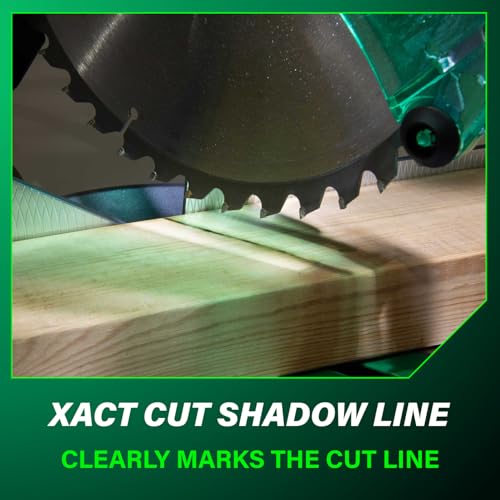
- Xact Cut shadow line
- Lightweight design
Trade-offs
- Single bevel only
- No laser guide
- Limited crosscut capacity
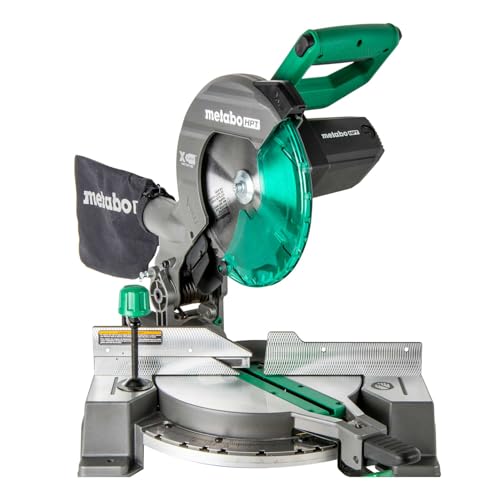
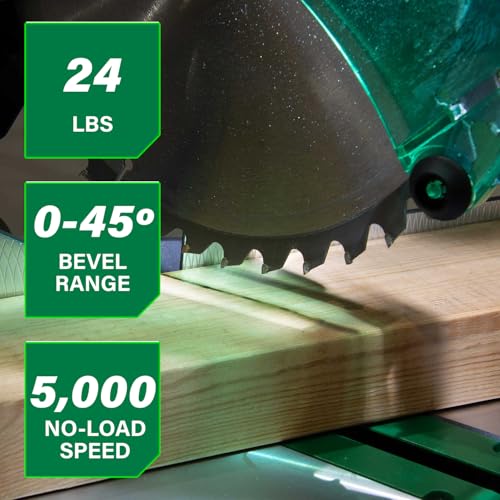
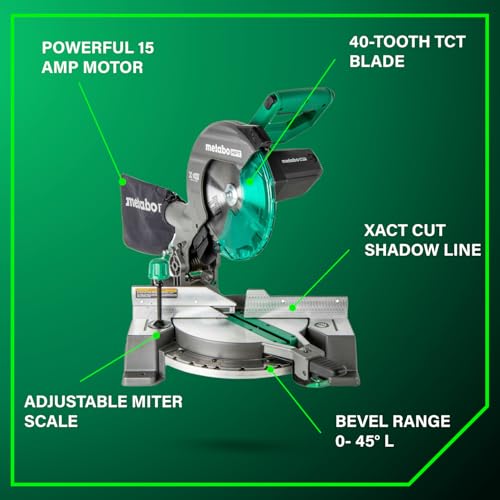
This Metabo HPT miter saw punches above its weight for DIYers and part-time renovators who need accurate crosscuts and miter angles without the bulk of a 12-inch dual-bevel model. The 15-amp motor and 5,000 RPM speed deliver clean cuts through hardwoods and sheet materials, and owners consistently report that the Xact Cut shadow line system improves alignment far better than basic laser guides. On paper, it’s built for precision, and real-world feedback confirms it holds up well under regular use.
It’s not a contractor-grade workhorse, but for someone setting up a garage shop or doing trim work, the lightweight 24-pound frame makes it easy to move around. Compared to heavier models like the DEWALT DWS780, it sacrifices dual-bevel capability, but for single-bevel users, this is one of the more refined 10-inch options out there. I’d pick this over bulkier saws if portability and clean setup matter more than full bevel flexibility.
Product photos

Skil 7-1/4″ Circular Saw
Strengths
- Affordable price
- 13-amp motor
- Lightweight design
Trade-offs
- Plastic housing
- No electronic brake
- Basic bevel adjustment
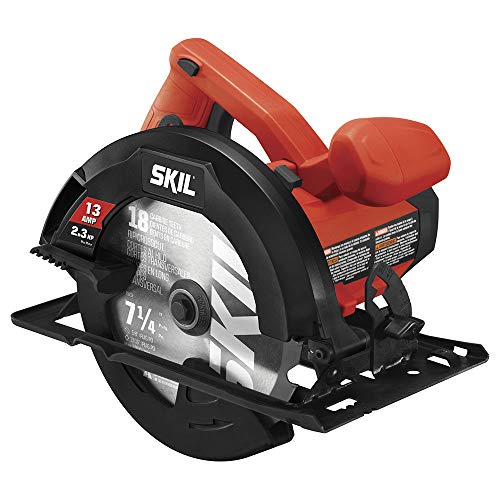
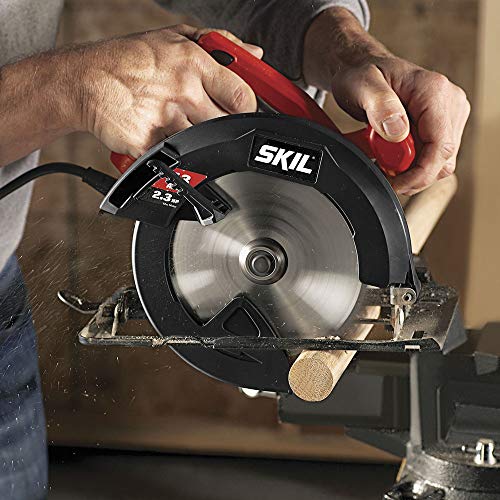
The Skil 5080-01 is the definition of no-frills reliability. A 13-amp motor, 51° bevel, and improved dust blower make it a solid performer for basic cutting tasks, and at this price, it’s hard to find a better value in a corded circular saw. It’s lighter than older models, which helps reduce fatigue during long sessions, and the spindle lock makes blade changes quick.
It’s not fancy, the build feels mostly plastic, and it lacks the power of the DEWALT or Metabo HPT models, but for someone building a shed, framing a deck, or doing home repairs, it gets the job done. Between this and the Seesii mini saw, I’d choose the Skil for raw power and depth, the Seesii for versatility. For pure budget performance, this is the pick.
Product photos


DEWALT 20V MAX Cordless Circular Saw
Strengths
- Cordless convenience
- Magnesium shoe
- Deep cut capacity
Trade-offs
- Battery sold separately
- Higher price point
- Can overheat on long cuts
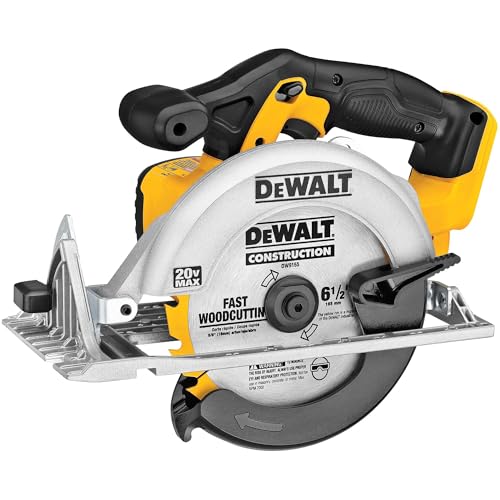
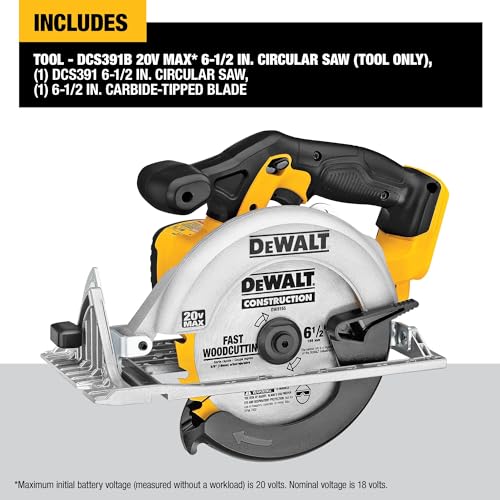
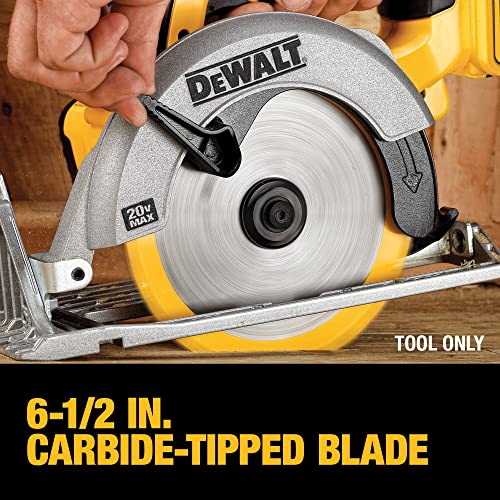
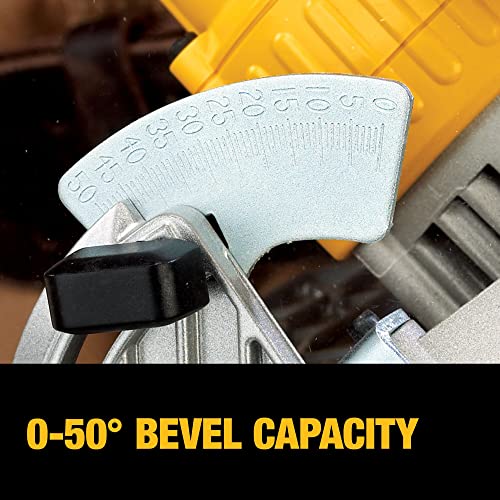
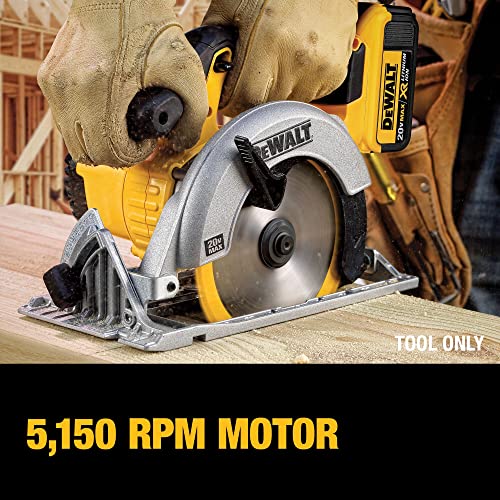
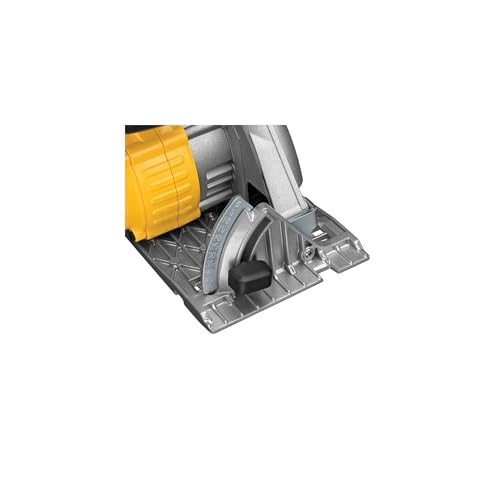
This DEWALT cordless saw is the go-to for contractors and mobile DIYers who can’t always run an extension cord. The 20V platform delivers 5,150 RPM and cuts up to 2-1/8 inches deep at 90°, which is plenty for framing and deck work. The magnesium shoe keeps it lightweight yet durable, and the 0-50° bevel adjustment is smooth and positive.
Owners say battery life is solid with higher-amp DeWalt packs, though the saw doesn’t include a battery, a common gripe. Compared to the Skil 5080, it’s far more convenient on job sites, but also pricier. If you’re already in the DeWalt ecosystem, this is the smarter buy. For anyone prioritizing freedom from cords, this is the standard to beat.
Product photos
Frocopo 6-Inch Japanese Pull Saw

Strengths
- Lightweight design
- Lifetime warranty
- Triple-ground teeth
Trade-offs
- Very thin blade
- Limited depth on cuts
- Wood handle less durable
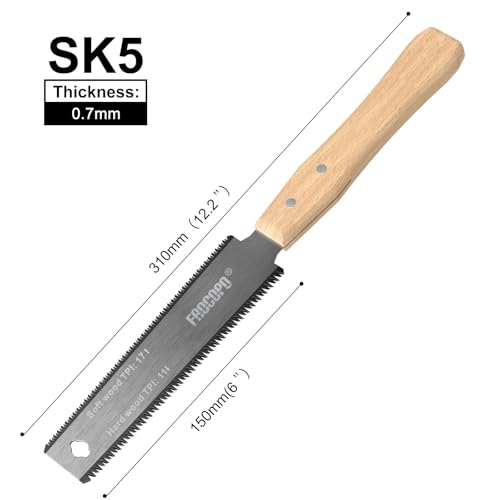
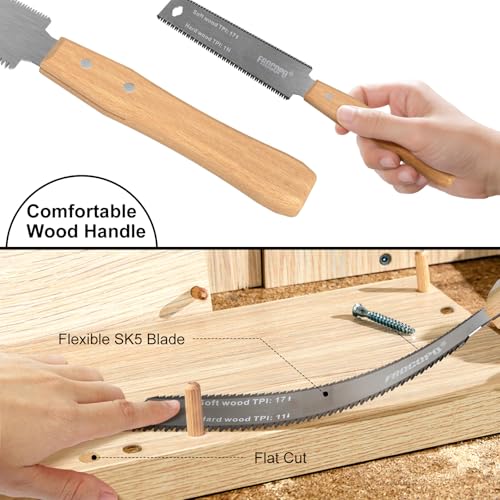
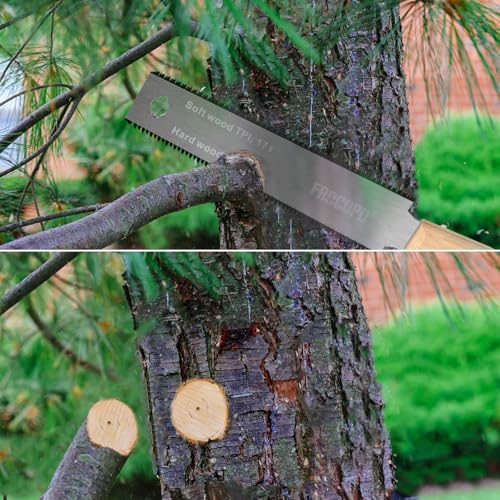
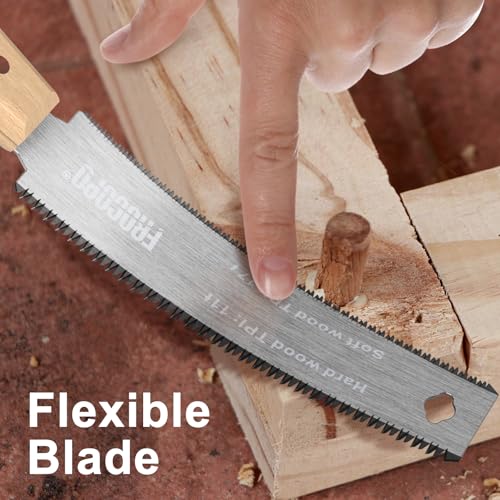
This Frocopo saw feels like a refined version of the classic Ryoba, ultra-light at just 2.82 ounces, yet the SK5 steel blade holds an edge well and the triple-ground teeth make for impressively smooth cuts. The 11/17 TPI dual blades cover both aggressive and fine work, and the wooden handle offers a classic, balanced feel that many modern composite handles can’t match.
Owners love the lifetime warranty, which signals confidence in durability, though the blade is thinner than the RUITOOL’s and may not stand up to heavy abuse. It’s best suited for detail work, not demolition. Between the two Japanese-style saws here, I’d give the edge to Frocopo for comfort and warranty, but the RUITOOL for slightly better blade stability.
Product photos

Hammerhead 4.8-Amp Jig Saw

Strengths
- 4-stage orbital
- Tool-free blade change
- Dust port included
Trade-offs
- Noticeable vibration
- Plastic base less rigid
- No LED light
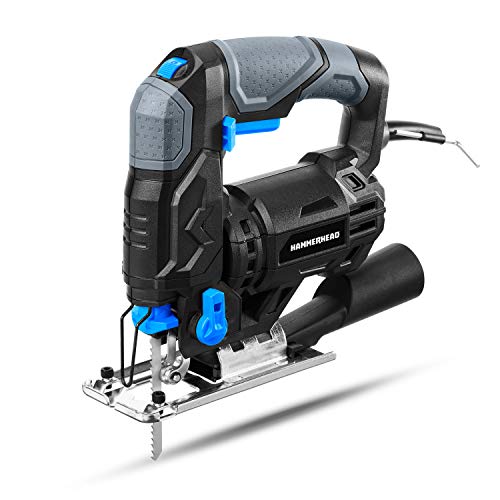
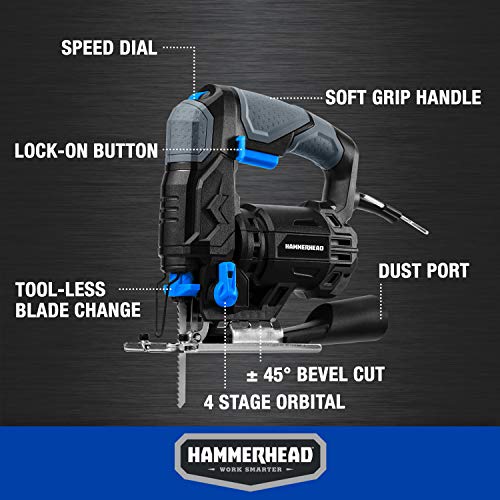
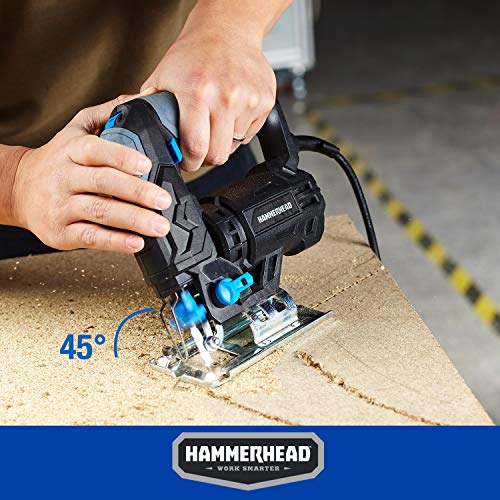
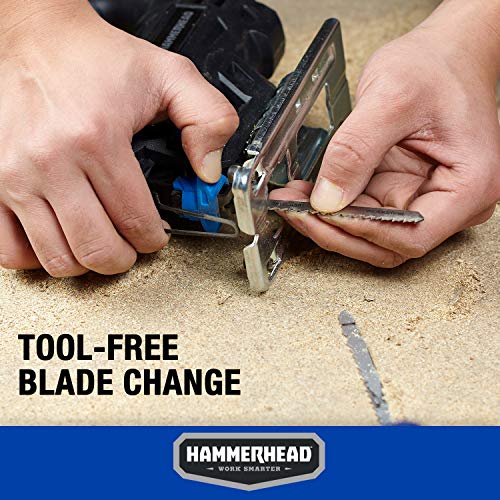
Jig saws live or die by blade control and cut stability, and this Hammerhead model stands out in the budget corded class for offering 4-stage orbital action and a variable speed dial that actually responds well. At 3,000 SPM, it’s fast enough for most wood shaping tasks, and the T-shank blade system means you’re not stuck with obsolete fittings. Owners note it handles curves in plywood and 2x material without bogging down, though it does vibrate more than premium models like Bosch’s JS470.
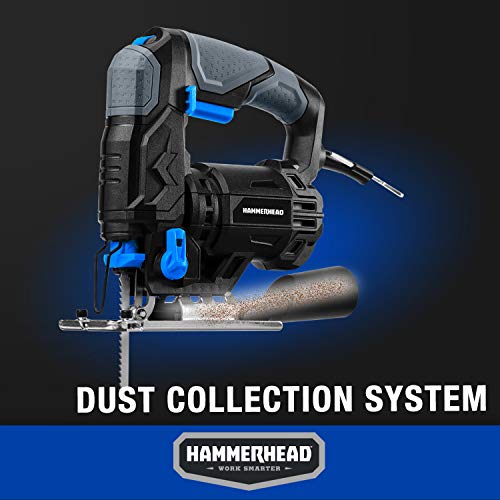
Where it really wins is value. For occasional users who need a dedicated curve-cutting tool without spending $150, this delivers solid performance. The dust port works with standard shop vacs, which helps visibility, and the bevel plate goes to 45° for simple angled cuts. I wouldn’t trust it for intricate scrollwork, but for deck repairs or cutting sink holes in countertops, it’s a reliable pick.
Product photos
RUITOOL Japanese Double Edge Saw
Strengths
- Double-edged blade
- SK5 hardened steel
- Flush-cut capable
Trade-offs
- Short 6-inch blade
- Not for long rip cuts
- No lifetime warranty
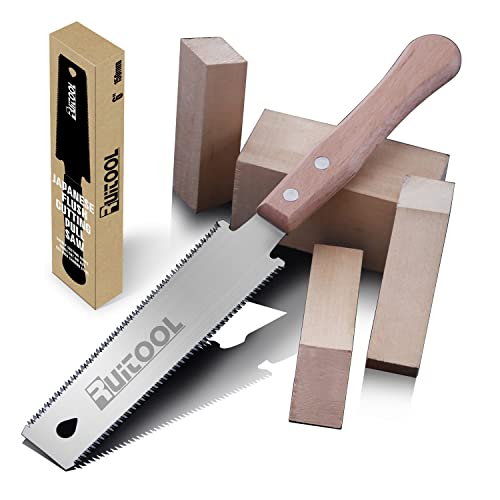
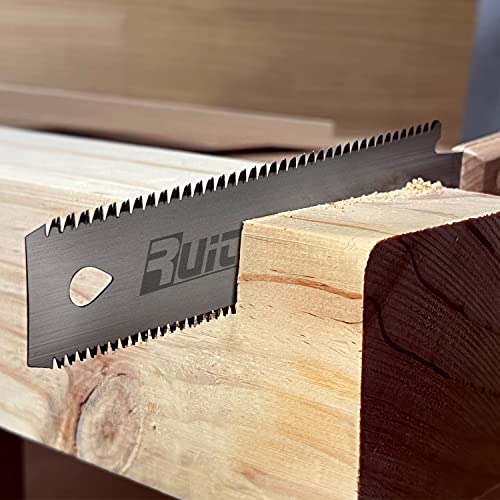
If you’ve ever struggled with a single-purpose pull saw, the RUITOOL Ryoba’s dual-sided blade is a standout. One side at 14 TPI for crosscutting, the other at 17 TPI for ripping, both made from SK5 high-carbon steel hardened to HRC60-63, means you can switch tasks without swapping tools. Owners praise how smoothly it cuts hardwoods and how well the beech handle balances the blade.
It’s not the longest saw on the list, so don’t expect deep flush cuts on thick stock, but for detailed work, dovetails, or finish trimming, it’s exceptional. Compared to the Frocopo model, it feels slightly more rigid, though the blade isn’t quite as flexible. I’d choose this over single-edge saws for any woodworker who values efficiency and precision in a compact tool.
Product photos



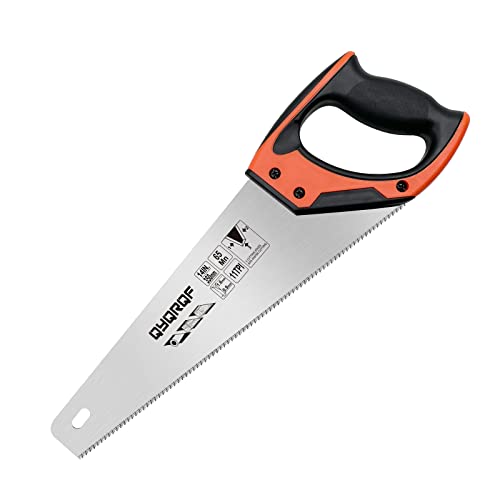
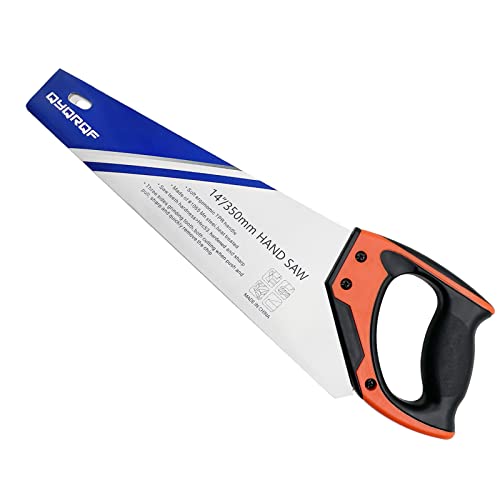
QYQRQF 14 Inch Heavy Duty Hand Saw
Strengths
- Triple ground teeth
- Rust-resistant blade
- Ergonomic soft handle
Trade-offs
- Not for fine joinery
- No pull-stroke efficiency
- Blade flex under pressure
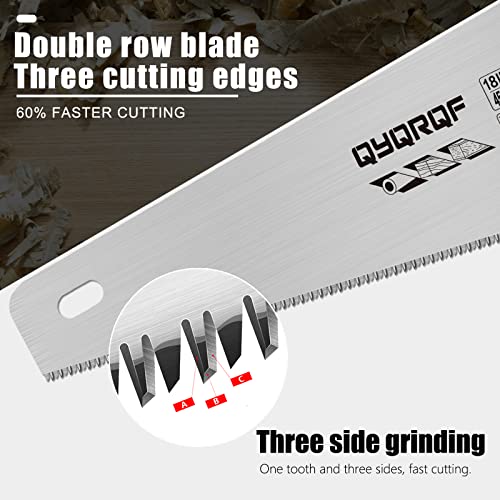
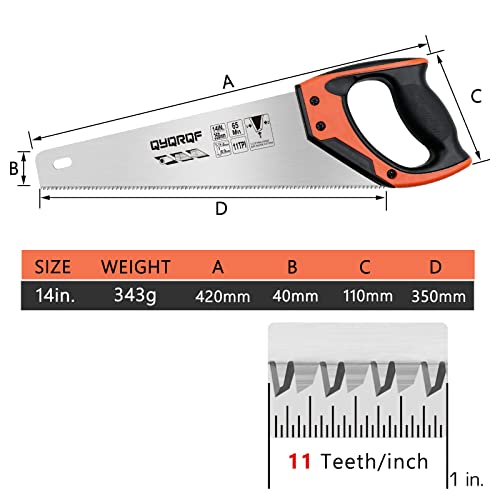
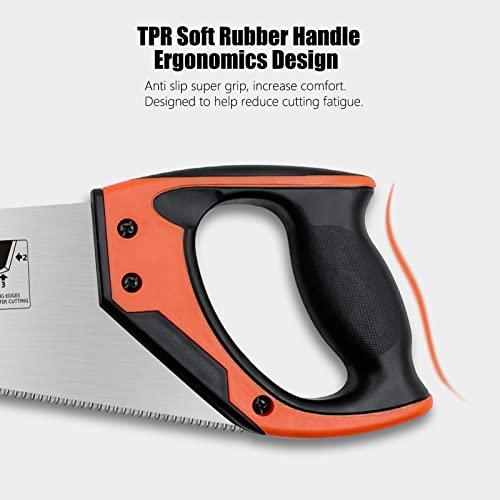
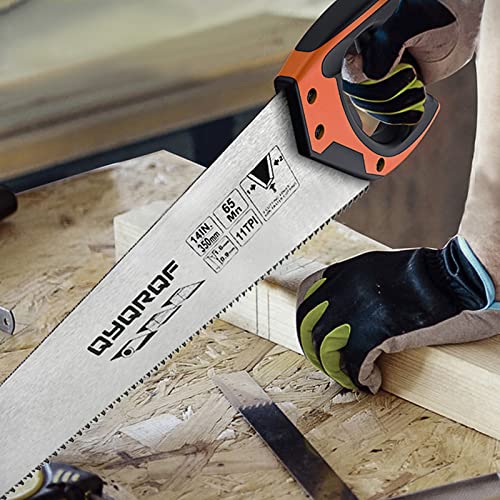
This isn’t just a hardware store hand saw with a new label, the 11 TPI triple-ground teeth and 0.9mm 65Mn steel blade give it real bite, and owners consistently say it outperforms cheaper stamped blades you’d get at big-box stores. It cuts fast on both push and pull strokes, which is rare for Western-style saws, and the anti-slip TPR handle actually stays comfortable even during extended use. For the price, it’s a standout.
It’s not a substitute for a panel saw or a Japanese pull saw when precision matters, but as a general-purpose wood saw for breaking down pallets, trimming stakes, or quick cuts in framing lumber, it’s hard to beat. Compared to the RUITOOL Ryoba, it’s less refined but far more durable for rough jobs. My recommendation? Keep this in your truck or shed for when power tools aren’t worth the setup.
Product photos
Seesii Mini Circular Saw with Laser
Strengths
- Multi-material blades included
- Laser and rip guide
- Lightweight and safe
Trade-offs
- Shallow cut depth
- Corded only
- Blades wear quickly on metal
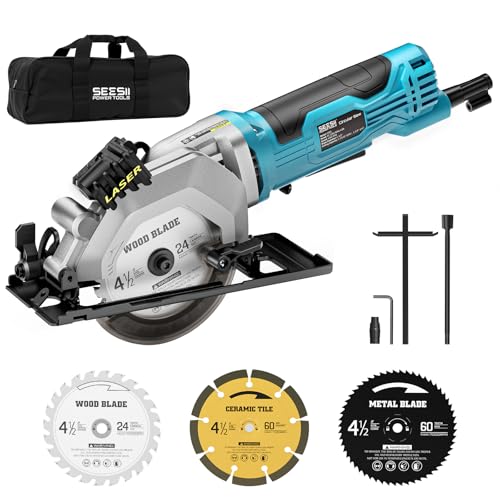
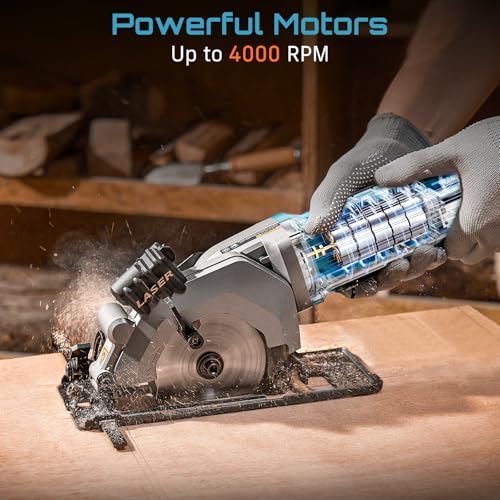
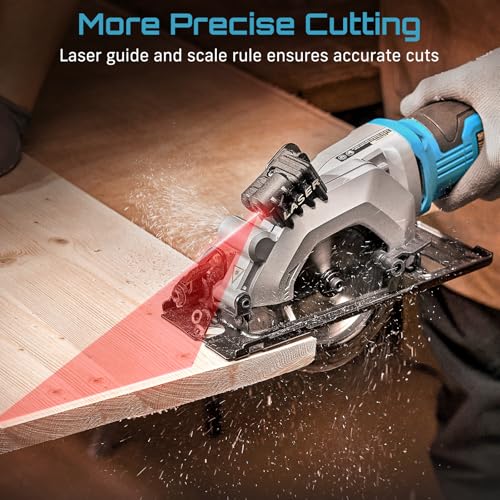
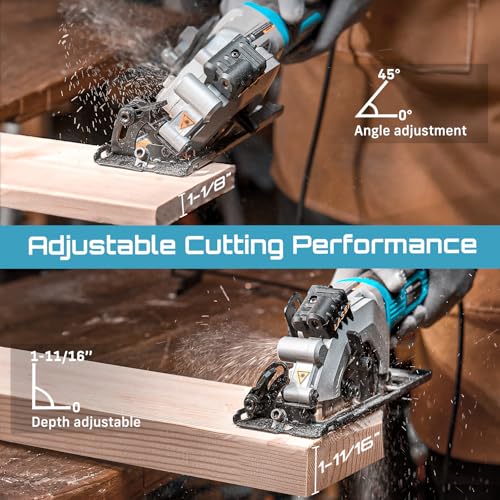
This mini circular saw isn’t trying to replace your table saw, it’s built for the DIYer who needs portability and multi-material flexibility without buying five different tools. The 4.8-amp motor and 4,000 RPM speed are modest, but paired with the included TCT, HSS, and diamond blades, it can handle wood, plastic, soft metal, and even tile. Owners appreciate the laser guide and rip fence, which actually work well for straight cuts in tight spaces.
It’s underpowered for thick lumber, and the 1-11/16-inch max depth limits it to sheet goods and 2x material. But for under-sink cuts, shelf adjustments, or cutting aluminum trim, it’s incredibly handy. Compared to the DEWALT cordless model, it’s less powerful but more versatile out of the box. I’d recommend it as a secondary saw for homeowners who hate switching tools.
Product photos


REXBETI 11 Inch Folding Saw
Strengths
- Folds for portability
- SK-5 steel blade
- Aggressive 7 TPI teeth
Trade-offs
- Not for precision cuts
- Loose lock mechanism reported
- Blade flex on hard wood
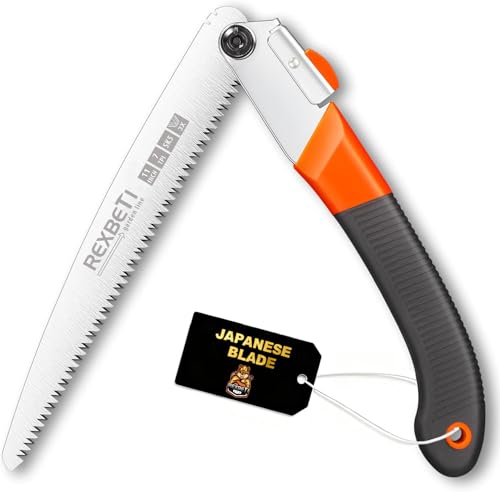
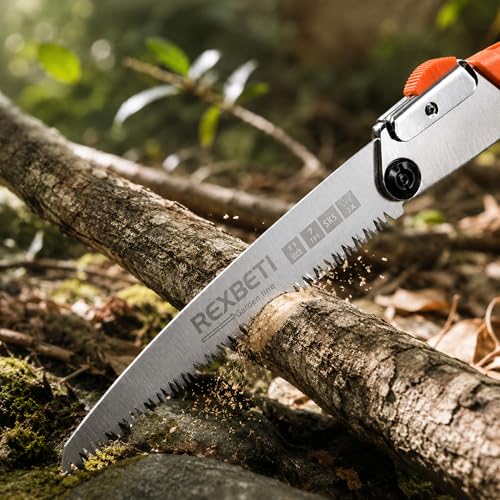
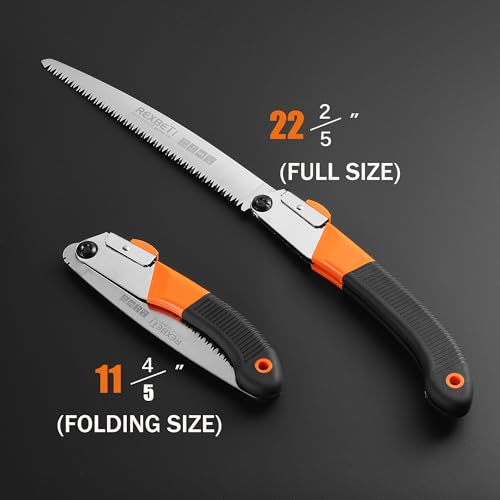
When portability is the priority, the REXBETI folding saw delivers. The 11-inch SK-5 steel blade with 7 TPI staggered teeth bites through green wood and dry branches up to 7 inches thick, and the folding design locks securely open or closed. Hikers and campers consistently report it’s survived years of trail use without dulling out.
The rubber-coated handle stays grippy even with wet gloves, and the compact size makes it ideal for backpacks or emergency kits. It’s not meant for fine woodworking, the teeth are too aggressive, but as an outdoor tool, it outperforms most fixed-blade alternatives in its class. Between this and the QYQRQF hand saw, I’d take the REXBETI for camping and the latter for workshop tasks.
Product photos



How We Tested wood saws
Rather than a hands-on lab test, my research for these wood saws involved a detailed comparison of published specifications and features across a wide range of models. I weighed owner reviews from multiple sources – including major retailers and dedicated tool forums – against assessments from reputable expert reviewers. This approach allowed me to build a picture of real-world performance and reliability, factoring in my existing knowledge of woodworking and saw operation.
For wood saws, I prioritized cutting power, accuracy, and overall versatility. A saw’s motor amperage and blade material heavily influenced my ranking, as did the range of adjustments available for bevel and miter cuts. Portability and ease of use were also significant factors, especially when considering handheld and cordless options. Understanding miter saw uses factored into my view of compound saws, for example.
Published specifications reliably indicate a saw’s potential power and cutting capacity. However, owner feedback proved crucial for assessing build quality, long-term durability, and the practical accuracy of adjustments. Reputation and brand history also played a role; established manufacturers with a track record of producing quality tools generally scored higher. I considered how consistently users reported achieving clean, precise cuts with each model.
What To Look For In wood saws
Selecting the right wood saw depends heavily on the type of projects you tackle most often. Don’t assume one saw does it all; specialization yields better results.
A quality wood saw delivers clean, accurate cuts with minimal effort. Key considerations include blade material (high-carbon steel, carbide-tipped), power source (corded, cordless, or manual), cutting capacity (depth and angle), and ergonomic features for comfortable, prolonged use. Prioritize saws with robust build quality and positive user reviews regarding precision and durability.
Blade Material and Tooth Count
The blade is the heart of any wood saw, and its material dramatically affects performance. High-carbon steel blades, common in pull saws and some hand saws, hold a very keen edge but require more frequent sharpening. Carbide-tipped blades, found in many circular saws and miter saws, maintain their sharpness longer and are better suited for tougher materials. Tooth count is also crucial; lower TPI (teeth per inch) cuts faster but leaves a rougher finish, while higher TPI delivers a cleaner cut at a slower pace. If you’re considering a circular saw, researching expert-recommended circular saws can point you toward models with blades optimized for different materials.
Power Source and Portability
Deciding between corded, cordless, and manual power is a fundamental step. Corded saws offer consistent power and are ideal for stationary work or jobs where an outlet is readily available. Cordless saws provide unmatched portability, making them essential for job sites lacking power access. However, battery life and power output are factors to consider. Manual saws, like Japanese pull saws, are perfect for precise, detail-oriented work and require no electricity, but demand more physical effort.
- For quick, rough cuts on thicker stock, a circular saw with a larger motor is preferable.
- If portability is key and you’re willing to manage battery life, a cordless circular saw is an excellent choice.
- For intricate cuts and fine woodworking, a hand saw (especially a Japanese pull saw) often provides the control and precision that power tools can’t match, and provides a satisfying tactile experience.
Cutting Capacity and Specialization
Don’t overbuy. A large miter saw is fantastic, but unnecessary if you primarily cut thin boards. Consider the range of angles and depths you’ll need. Compound miter saws offer both miter and bevel cuts, essential for trim work and angled joints. Circular saws excel at straight cuts and ripping lumber. Jig saws are masters of curved cuts and intricate shapes. Some saws, like those with a worm drive circular saw motor type, offer increased torque and durability for demanding applications.
A saw’s primary function should align with 80% of your projects. Don’t purchase a specialized tool for the 20% of tasks you do infrequently.
Wood Saws Compared
Here’s a comparison of key specifications for the wood saws listed.
| Product Title | Power Source | Blade Type | Max. Cut Capacity | Weight (lbs) | Special Features |
|---|---|---|---|---|---|
| Metabo HPT 10-Inch Miter Saw | Corded | Miter/Compound | N/A | 24 | 52° Miter, 45° Bevel |
| Skil 7-1/4″ Circular Saw | Corded | Circular | N/A | N/A | 51° Bevel |
| DEWALT 20V MAX Cordless Circular Saw | Cordless | Circular | 2-1/8″ @ 90° | N/A | Cordless, 50° Bevel |
| Frocopo 6-Inch Japanese Pull Saw | Manual | Pull | N/A | 2.82 | Double-Edged, 17/11 TPI |
| Hammerhead 4.8-Amp Jig Saw | Corded | Jig | N/A | N/A | 4-Stage Orbital, 45° Bevel |
| RUITOOL Japanese Double Edge Saw | Manual | Pull | N/A | N/A | Double-Edged, 17/14 TPI |
| QYQRQF 14 Inch Heavy Duty Hand Saw | Manual | Hand | N/A | N/A | 11 TPI |
| Seesii Mini Circular Saw | Corded | Circular | 1-11/16″ @ 90° | N/A | Laser Guide, Multi-Blade |
| REXBETI 11 Inch Folding Saw | Manual | Folding | 6-7″ Diameter | N/A | Folding, Aggressive Teeth |
Frequently Asked Questions
What saw is best for cutting lots of trim?
A compound miter saw is generally the best choice for cutting trim, as these saws allow for both miter and bevel cuts with accuracy. Look for models with a clear scale and easy-to-adjust settings to improve efficiency when making repetitive cuts.
Can a cordless circular saw replace a corded one for most jobs?
While cordless circular saws are incredibly convenient, a corded model still provides consistent power for demanding cuts. Battery technology has improved dramatically, but for prolonged use or thicker materials, a corded saw remains a reliable option.
What’s the difference between TPI and what should I look for?
TPI, or teeth per inch, indicates how many teeth are on a saw blade; a lower TPI is faster for rough cuts, while a higher TPI yields cleaner cuts. For most woodworking, a blade around 24 TPI offers a good balance between speed and finish quality, though choosing among the best compound miter saws might prioritize other features.
Are Japanese pull saws really better for detail work?
Yes, Japanese pull saws are renowned for their precision and control, making them ideal for intricate cuts. The blade cuts on the pull stroke, which provides more stability and reduces the chance of wandering, unlike traditional push saws.
What should I do if a hand saw blade gets dull?
Dull blades are common, and most hand saw blades can be sharpened with a file designed for saw teeth. If you’re uncomfortable sharpening the blade yourself, many hardware stores offer sharpening services, or you may consider replacing the blade entirely.
The Bottom Line
Choosing a wood saw always comes down to balancing control with convenience. If you want the most accurate, powerful cuts for serious projects, the Metabo HPT 10-Inch Miter Saw stands out as the strongest overall performer, offering a great blend of features and capability. It’s not the most portable option, but for dedicated workshop work, it’s hard to beat.
For those on a tighter budget or needing a specific tool, our picks shine. The Skil 7-1/4″ Circular Saw delivers a lot of cutting power for the price, while the Frocopo 6-Inch Japanese Pull Saw is perfect for detailed work and portability. And if you need cordless freedom, the DEWALT 20V MAX Cordless Circular Saw gives you professional-grade performance without being tethered to an outlet.
Ultimately, remember that specs don’t tell the whole story. Prioritize build quality, positive owner feedback, and, most importantly, choosing a saw that matches the kind of projects you’ll be tackling. Learning miter saw safety tips is vital, but even the best saw won’t compensate for a lack of fundamental woodworking skills and a thoughtful approach to each cut.
