7 Best Wet Saw Blades of 2026
This post contains affiliate links. As an Amazon Associate, we earn from qualifying purchases.
The VIP Turbo Mes Wet 10″ Diamond Blade stands out as the best overall wet saw blade for clean, reliable cuts across dense tile, while the POWERTEC 7″ Diamond Tile Blade 3-Pack delivers the best value for frequent users. For porcelain specifically, the QEP 10″ Black Widow Thin Rim Blade is a top performer.
Most people don’t realize how much the right blade affects cut quality and project speed. A poor choice can lead to chipped edges, slow progress, and constant blade changes.
I’ve researched the top options by comparing specs like diamond concentration, rim design, and core stability, then cross-referenced them with owner feedback and real-world performance. This guide breaks down what actually matters when picking a blade for your material, so you can cut smarter and avoid wasting time or tile.
Top 7 Wet Saw Blades in the Market
The Best Wet Saw Blades, Reviewed
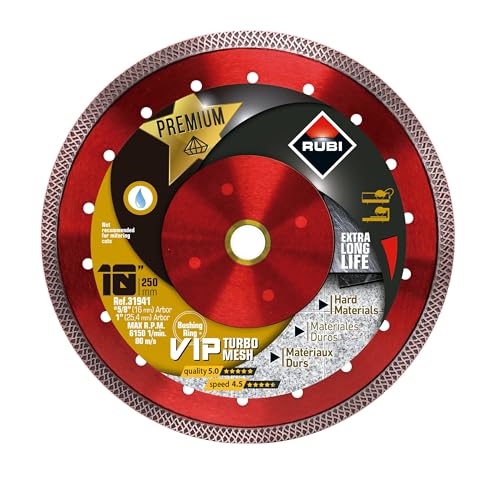
VIP Turbo Mes Wet 10″ Diamond Blade
Strengths
- Long blade life
- Thick core
- Cuts ultra-hard materials
- Wet and dry capable
- Turbo rim cooling
Trade-offs
- Heavier than standard blades
- Higher RPM limit
- Premium price
This 10-inch VIP Turbo Mes blade is built like a workhorse. With a thicker core and aggressive turbo rim, it’s engineered for long life and stability when cutting tough materials like Dekton, clinker, and refractory tile, stuff that makes lesser blades fade fast. The 5/8-inch arbor with included adapter ensures compatibility across most wet saws, and owners praise its ability to maintain sharpness over extended cuts.
What really sets it apart is the balance of durability and precision. It’s not the fastest-cutting blade out there, but it doesn’t overheat or wobble, even during deep cuts in dense stone. Compared to the QEP Black Widow, it holds an edge longer and handles broader material types. My recommendation? This is the smarter buy for serious DIYers or part-time pros who want one blade to handle nearly everything.
Product photos
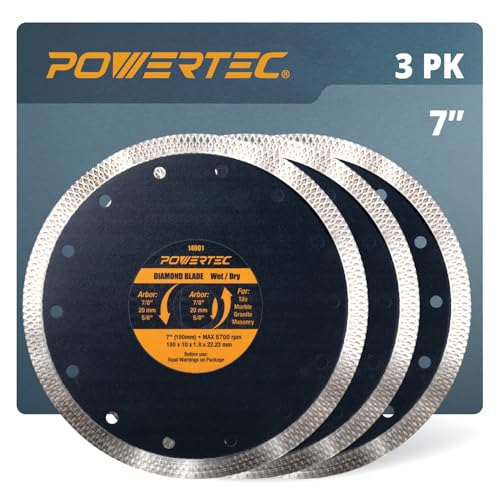
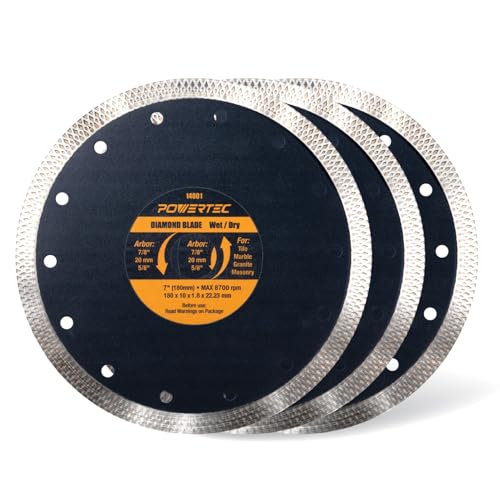
POWERTEC 7″ Diamond Tile Blade 3-Pack
Strengths
- 3-pack value
- Low chipping
- Adapters included
- Fits popular saws
- Thin rim speed
Trade-offs
- Shorter individual lifespan
- 7-inch size limits depth
- Not for heavy stone
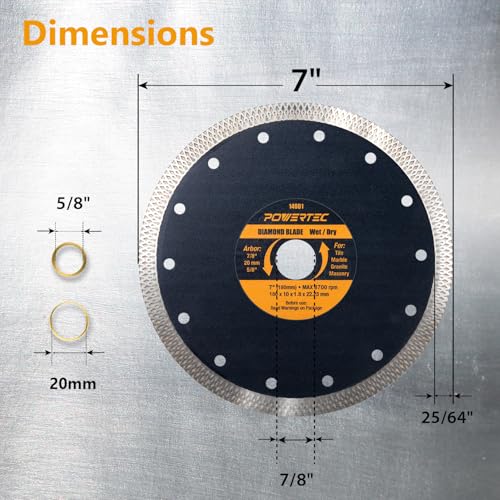
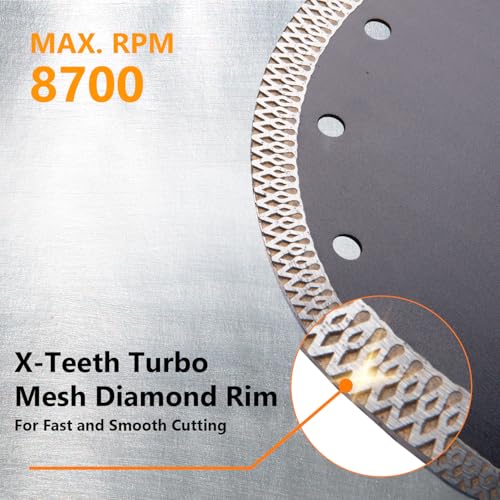
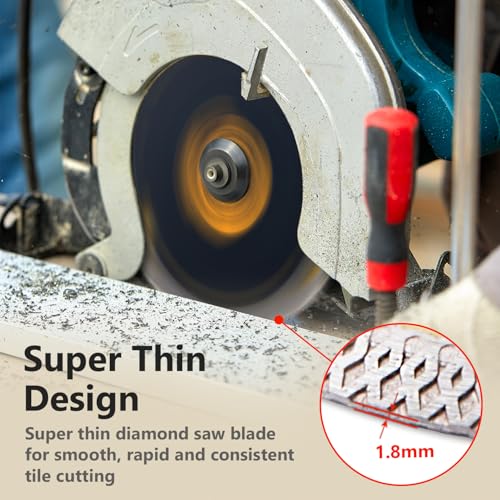
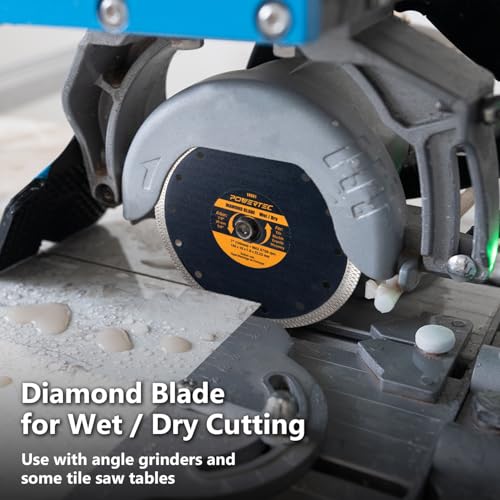
If you’re doing a full bathroom or kitchen remodel, blade economy matters, and that’s where the POWERTEC 3-pack shines. You get three 7-inch blades with X-teeth turbo rims, designed for fast, low-chip cutting in porcelain and ceramic. The super-thin rim boosts speed, and the thick core reduces vibration, which reviewers confirm leads to smoother performance on budget saws.
Having spares on hand means fewer interruptions, and the included adapters make them compatible with most popular wet saws. While each blade may not last as long as pricier 10-inch options, the value proposition is strong. For most homeowners, this pack is the easy pick over buying single premium blades unless you’re only doing one small job.
Product photos
QEP 10″ Black Widow Thin Rim Blade

Strengths
- Porcelain optimized
- Micro segments
- Clean cuts
- 5/8″ arbor fit
- 7mm rim durability
Trade-offs
- Porcelain focused
- Not for dry use
- Single blade
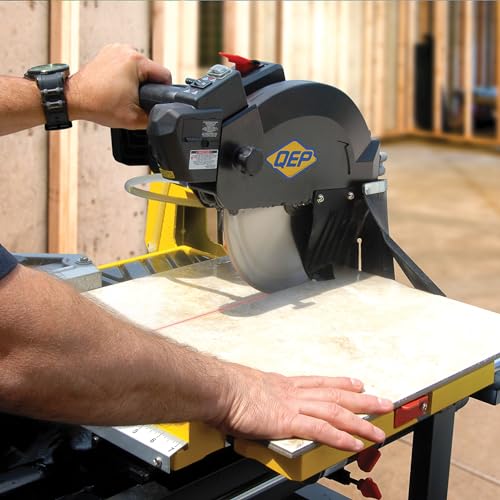
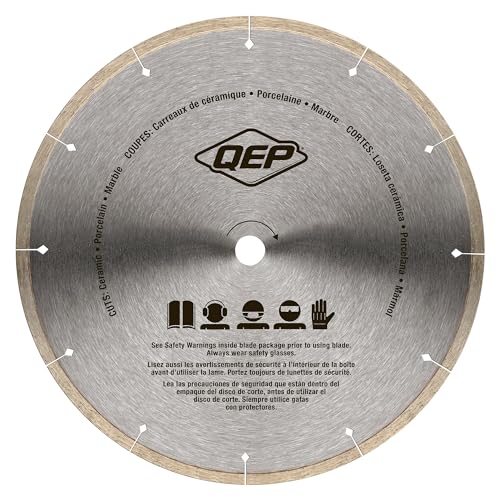
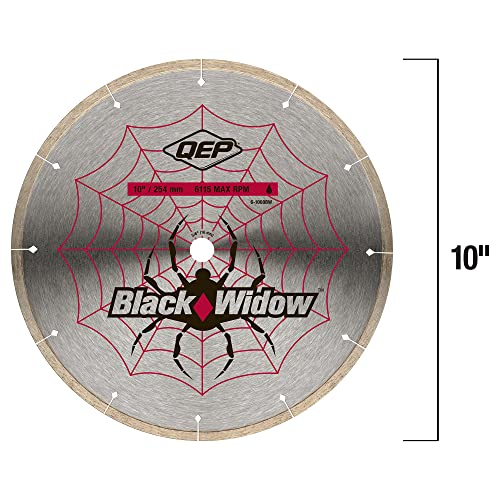
QEP designed this 10-inch Black Widow specifically for porcelain, and it shows. The micro-segmented rim helps dissipate heat and reduce chipping, which is critical when slicing through dense, vibration-prone porcelain slabs. With a 7mm rim and 5/8-inch arbor, it fits most wet saws and delivers consistent performance, according to long-term owner feedback.
It’s not the most versatile blade, granite and marble are doable, but it’s not built for constant heavy stone use. But for porcelain, it’s one of the cleanest-cutting options in its class. Compared to the POWERTEC pack, it’s a single-blade investment, but for a dedicated porcelain job, I’d take this over multipacks any day.
Product photos

ZORUNNA 10″ Super Thin Tile Blade
Strengths
- Ultra-thin rim
- Chip-free cuts
- Fits multiple saw types
- Wet and dry use
- Durable core design
Trade-offs
- Shorter lifespan on hard stone
- Not ideal for heavy pro use
- Max RPM limits some saws
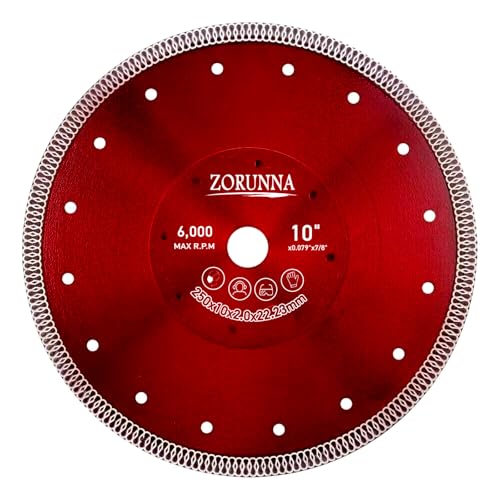
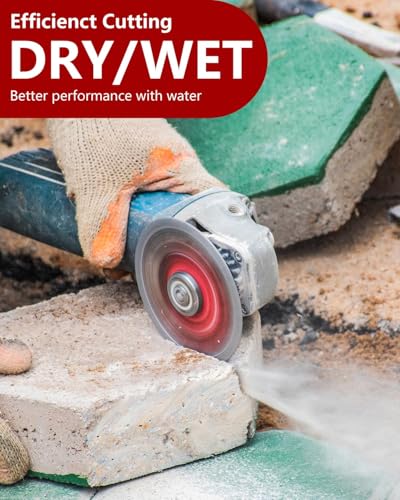
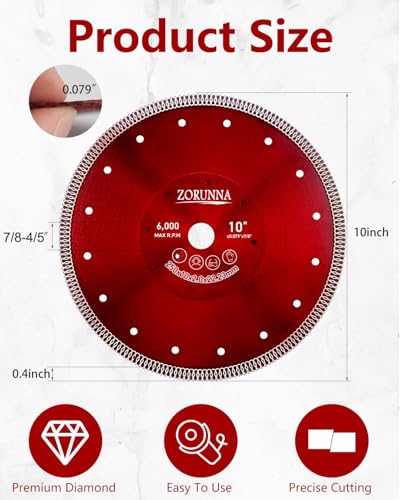
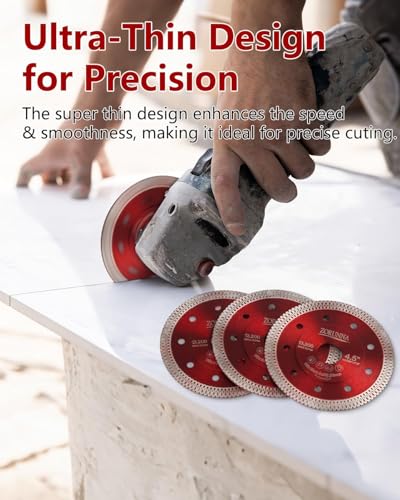
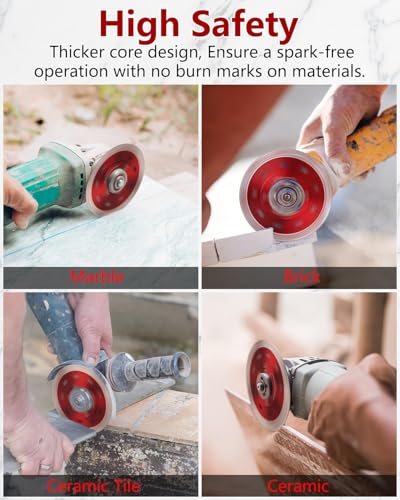
The ZORUNNA 10-inch blade stands out for its ultra-thin design and X-teeth turbo mesh rim, which on paper delivers the kind of precision you’d expect from a high-end wet saw blade. Owners consistently report clean, chip-free cuts across porcelain and granite, especially when used with a wet setup. The 7/8-inch arbor adds versatility, letting it fit a wider range of saws, including angle grinders, which is a plus if you’re looking for multi-tool compatibility.
That said, while the thin rim boosts cutting speed, it may wear faster than thicker competitors when tackling dense materials like full-bodied porcelain over long sessions. Still, for DIYers who need a reliable blade for occasional tile projects and value smooth finishes over industrial endurance, this one makes a strong case. I’d pick it over bulkier blades for finish work where chipping is a real concern.
Product photos

QEP 8″ Black Widow Thin Rim Blade

Strengths
- Laser cut stabilizers
- Cool running
- 8-inch balance
- 7mm rim life
- Fast cutting
Trade-offs
- Mid-range durability
- Limited to wet use
- Not for ultra-hard stone
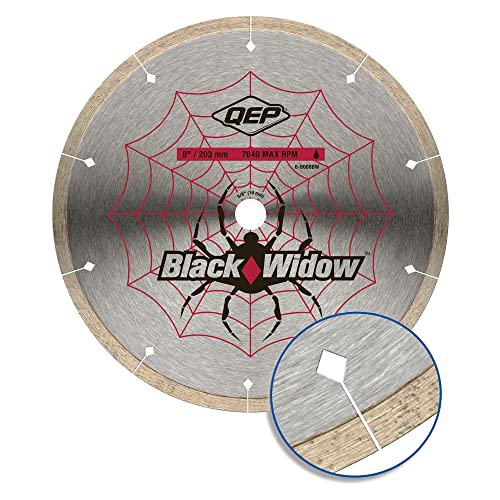
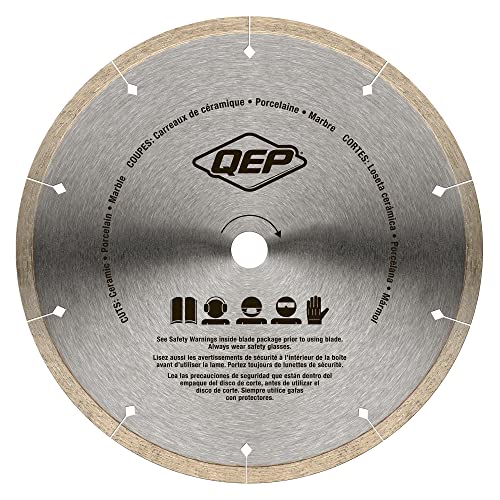
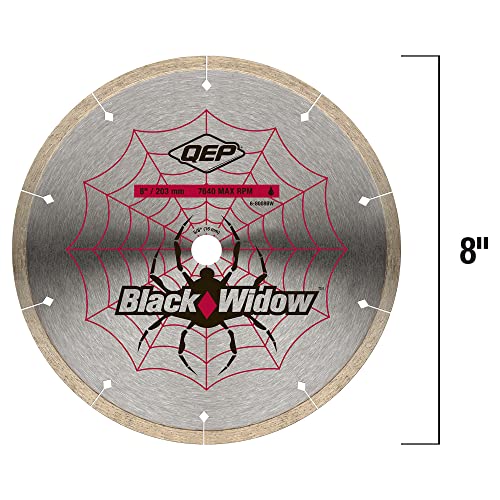
The 8-inch Black Widow hits a sweet spot between performance and price. It’s not the longest-lasting blade, but it cuts fast and stays cool thanks to the laser-cut diamond-shaped stabilizers that reduce wobble and heat buildup. At 7mm rim height, it offers more cutting life than thinner rims, and owners report it handles porcelain and granite with less chatter than entry-level blades.
It’s a solid mid-tier option, especially if you already own an 8-inch wet saw. Compared to the 10-inch VIP blade, it’s less aggressive on hard stone but more than capable for residential tile work. I’d recommend this for users who want better performance than a basic blade but aren’t ready to pay pro-grade prices.
Product photos
FACHLICH 10″ X Teeth Turbo Blade

Strengths
- Wet and dry use
- Reinforced core
- X-mesh cooling
- 10mm segment height
- 10-inch reach
Trade-offs
- Moderate cutting speed
- Not top-tier for granite
- Dry use still generates heat
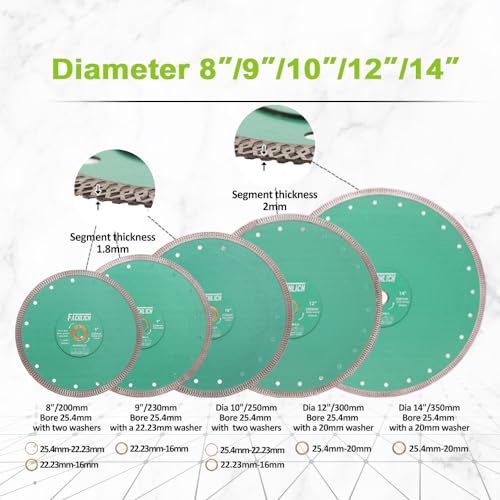
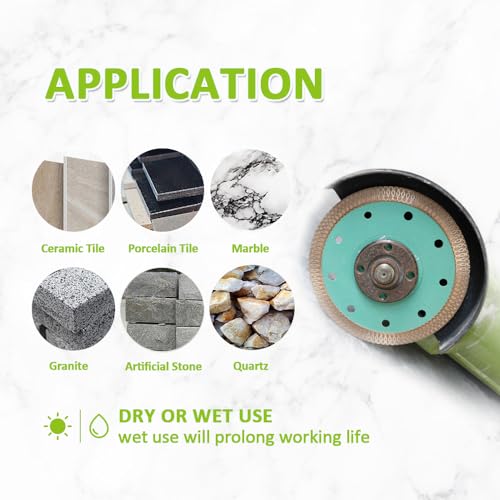
The FACHLICH 10-inch blade markets itself as a dual-threat for wet and dry cutting, and the specs back it up, a 1.8mm thickness, X-mesh turbo rim, and reinforced core suggest solid stability and heat dissipation. Owners confirm it performs well in both modes, which is rare; many blades claim dry use but overheat quickly. The 10mm segment height also hints at longer life, especially on abrasive materials like porcelain.
It’s not the fastest or the longest-lasting, but its flexibility gives it an edge if you’re working in spots without water access. Compared to the ZORUNNA, it’s slightly thicker but more durable under dry conditions. For contractors moving between job sites or DIYers without a dedicated wet saw, this versatility makes it a smart choice.
Product photos


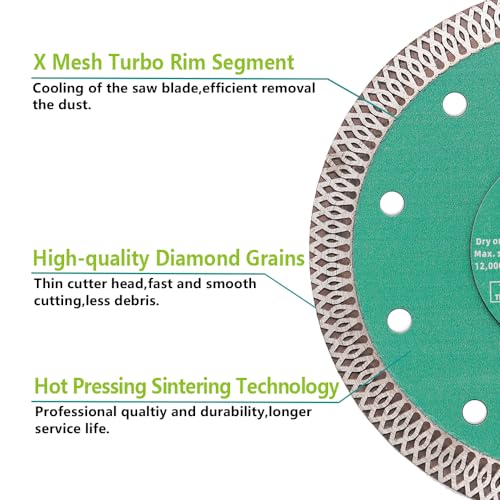
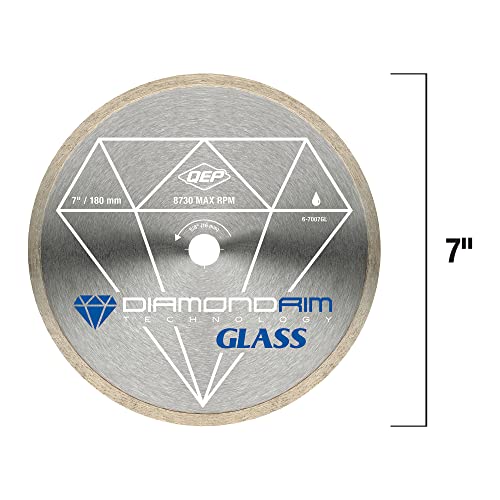
QEP 7″ Glass Tile Diamond Blade

Strengths
- Continuous rim
- Clean glass cuts
- 7mm rim height
- Wet-cut optimized
- 5/8″ arbor standard
Trade-offs
- Glass only
- Not for dry use
- Smaller diameter
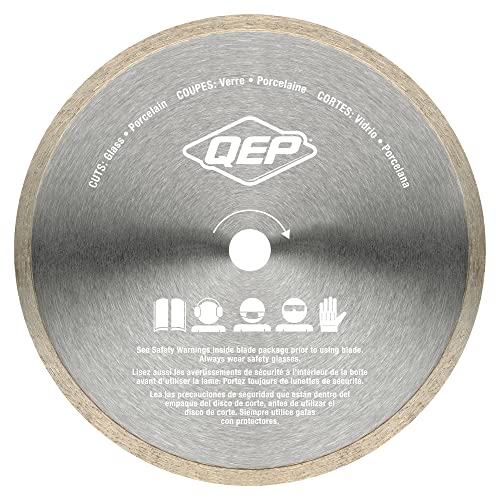
Glass tile is unforgiving, and that’s why this QEP 7-inch continuous rim blade exists, it’s built specifically for that slick, reflective surface that shatters easily. The 7mm high-rim steel blade with full diamond coating is exactly what you need for a smooth, vibration-free cut under water. Reviewers note it leaves clean edges with almost no micro-chipping, which is critical when you’re working with small, fragile glass tiles where flaws show.
It’s a single-purpose blade, and that’s the point. It won’t cut thick stone or handle dry use, but in its niche, it’s hard to beat. The 5/8-inch arbor fits most standard wet saws, so compatibility isn’t an issue. If you’re doing a backsplash or shower wall with glass accents, this should be in your toolkit.
Product photos
How We Chose These wet saw blades
Rather than a hands-on lab test, this selection is a research-led comparison of published specifications, features, and owner/expert feedback. I looked at dozens of blades, comparing diamond grit, rim height, core thickness, and arbor sizes. We then weighed those specs against what current owners say about cutting speed, chip resistance, and overall lifespan, drawing on reviews from sites like Amazon and home improvement forums. Category expertise played a role in prioritizing features relevant to different tile types.
For wet saw blades, the most important factors are the blade’s ability to cut cleanly through dense materials and its durability. A thin rim is crucial for minimizing chipping, especially with porcelain tile, but it needs a stable core to avoid wobbling. The quality of the diamond matrix is paramount; a higher concentration of industrial-grade diamonds translates directly to a longer-lasting blade and faster cutting. Understanding diamond blade applications is also key.
Specifications reliably indicate the blade’s physical characteristics – diameter, arbor size, rim thickness. However, real-world performance, particularly how well a blade holds up over time and handles different materials, is best assessed through owner reviews. Reputation matters too; brands like QEP consistently receive positive feedback for quality and consistency. I also considered whether the blade was designed for wet or dry use, and if it included adapters for broader tool compatibility, evaluating diamond blade material compatibility along the way.
Choosing The Right wet saw blades
Choosing the right wet saw blade can make a huge difference in the quality of your cuts, the speed of your work, and how long the blade itself lasts.
A quality wet saw blade balances diamond grit, bond strength, blade thickness, and rim design. Look for blades specifically designed for the material you’re cutting – porcelain requires a different formulation than natural stone. Consider arbor size for compatibility with your saw, and pay attention to maximum RPM ratings to avoid damage. Blades with thicker cores generally offer more stability, while thinner rims minimize chipping.
Material Matters Most
The first thing I tell anyone shopping for a wet saw blade is to think about what you’ll be cutting. A blade that excels on porcelain tile will struggle with hard granite, and vice versa. Many blades advertise versatility, but a blade optimized for a specific material will almost always deliver a better result. For instance, if you frequently work with glass tile, consider a blade like the QEP 7″ Glass Tile Diamond Blade, designed specifically for that application. Don’t assume a general-purpose blade is sufficient; specialized blades are often worth the investment.
Rim Type and Blade Thickness
The rim of the blade – where the diamonds are embedded – dictates a lot about the cut quality and speed. Thinner rims, like those found on the QEP 10″ Black Widow Thin Rim Blade, generally mean faster cuts and less material waste, but they can be more prone to chipping if you’re not careful. Turbo-rimmed blades (think the POWERTEC 7″ Diamond Tile Blade 3-Pack) offer a good balance, providing both speed and chip resistance. Here’s a breakdown of what to consider:
- Thin Rim: Fastest cutting, best for clean cuts on softer materials.
- Turbo Rim: Versatile, good for a range of materials and thicknesses.
- Segmented Rim: Most durable, best for hard, abrasive materials like granite and stone, though slower cutting.
Understanding the trade-offs between these rim types is critical.
Don’t chase the lowest price per blade. A cheaper blade that wears out quickly or produces poor cuts will ultimately cost you more in time and materials.
Value and Durability
While high-end blades are tempting, it’s important to consider value. Sometimes, buying a multi-pack like the POWERTEC 7″ Diamond Tile Blade 3-Pack can be more economical, especially if you go through blades frequently. However, don’t sacrifice quality completely. Look for blades constructed with a robust steel core to minimize wobble and vibration, like those found on several of the blades listed. When evaluating durability, also be aware of signs of a dull diamond blade – knowing when to replace your blade is just as important as choosing the right one initially. If you’re looking for specific options, you can find more details about 7-inch diamond tile blades on our site.
Wet Saw Blades Compared
Here’s a comparison of key specifications for various wet saw blades to help you make an informed purchase.
| Product Title | Diameter (in) | Arbor Size (in) | Rim Height (mm) | Max RPM | Best For |
|---|---|---|---|---|---|
| VIP Turbo Mes Wet 10″ Diamond Blade | 10 | 5/8 | N/A | N/A | Overall |
| POWERTEC 7″ Diamond Tile Blade 3-Pack | 7 | 7/8 (adapters incl.) | N/A | N/A | Value Multi-Pack |
| QEP 10″ Black Widow Thin Rim Blade | 10 | 5/8 | 7 | 115 | Porcelain Cutting |
| ZORUNNA 10″ Super Thin Tile Blade | 10 | 7/8 | N/A | 13,200 | Chip-Free Cuts |
| QEP 8″ Black Widow Thin Rim Blade | 8 | 5/8 | N/A | N/A | Mid-Range Performance |
| FACHLICH 10″ X Teeth Turbo Blade | 10 | N/A | 10 | N/A | Wet & Dry Use |
| QEP 7″ Glass Tile Diamond Blade | 7 | 5/8 | 7 | 8,730 | Glass Tile |
Frequently Asked Questions
What arbor size wet saw blade do I need?
You need to match the blade’s arbor size to your wet saw’s arbor. Most saws use either 5/8-inch or 7/8-inch arbors, and using the wrong size can be dangerous. Adapters are available for some saws to accommodate multiple sizes.
How long should a wet saw blade last?
Blade life varies greatly depending on material hardness and frequency of use, but a quality blade should last at least 50 hours of cutting. Expect porcelain and glass tiles to wear blades faster than softer materials.
Can I use a wet saw blade dry?
Generally, no. Wet saw blades are designed to be used with water for cooling and dust suppression. Using a blade dry can cause overheating, damage the blade, and create a hazardous dust environment.
What’s the difference between a segmented and turbo rim blade?
Segmented rims are best for durability when cutting hard materials, though they cut more slowly. Turbo rims offer a balance of speed and chip resistance, making them more versatile for a wider range of tile types.
Where can I find more information about larger wet saw blades?
If you’re looking for more options, you can explore our guide to the top 10-inch wet saw blades to find detailed reviews and comparisons of larger blade sizes.
The Bottom Line
Ultimately, choosing a wet saw blade comes down to balancing how much control you want over the cut quality with how much fuss you’re willing to tolerate. For most homeowners and DIYers, the VIP Turbo Mes Wet 10” Diamond Blade offers the best overall combination of performance, durability, and value. It’s a blade you can confidently reach for on a wide range of projects without needing to swap it out constantly.
If you’re on a tighter budget or tackle smaller jobs infrequently, the POWERTEC 7” Diamond Tile Blade 3-Pack is a smart choice. For those who frequently work with particularly challenging materials, like porcelain or glass, the QEP 10” Black Widow Thin Rim Blade and QEP 7” Glass Tile Diamond Blade respectively, deliver the specialized performance you’ll need to achieve professional-quality results. Knowing more about wet saw tile cutting guide will help you get the most out of your blade.
Don’t get too hung up on chasing the highest diamond concentration or the thinnest rim. The most important things are choosing a blade designed for the material you’re cutting, maintaining a consistent cutting speed, and using plenty of water to keep the blade cool and prevent chipping. A well-chosen blade paired with proper technique will always outperform a top-of-the-line blade used carelessly.
