
8 Best Welding Stingers of 2026
This post contains affiliate links. As an Amazon Associate, we earn from qualifying purchases.
The ARCCAPTAIN 500AMP Welding Stinger stands out as the best overall pick for its high amperage rating and solid copper construction, making it ideal for demanding tasks. For those on a tighter budget, the Original Stinger V 350 Amp offers reliable performance and a secure V-grip design without breaking the bank. If versatility across different electrode sizes matters, the ARCCAPTAIN 300AMP is a strong contender with good range and build quality.
Most people don’t realize how much a poor-quality stinger can hurt their welds, from inconsistent arcs to dangerous slips and overheating. It’s not just about holding a rod, it’s about maintaining clean power delivery and staying safe during long sessions.
In this guide, I’ll walk you through the top options based on specs, owner feedback, and real-world performance. These picks were narrowed down by analyzing amperage, copper content, grip security, and durability, the same way I’d evaluate any tool I planned to rely on in a serious build.
Top 8 Welding Stingers in the Market
The Best Welding Stingers, Reviewed
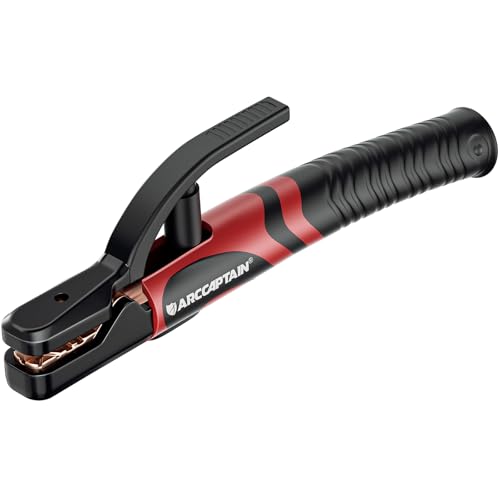
ARCCAPTAIN 500AMP Welding Stinger
Strengths
- 500-amp capacity
- Strong electrode grip
- Lightweight design
Trade-offs
- Build quality varies
- Insulation not top-tier
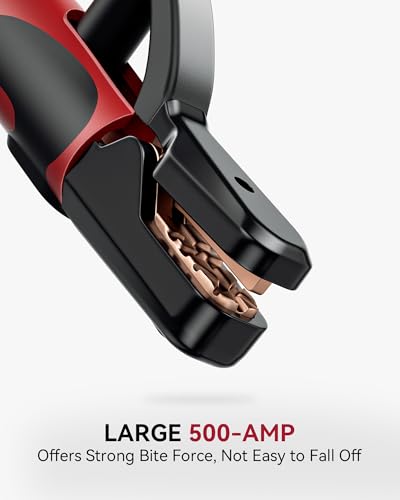
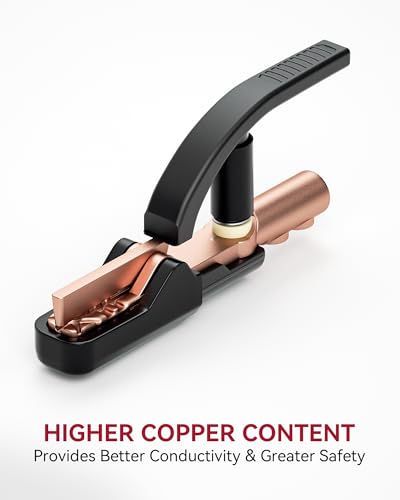
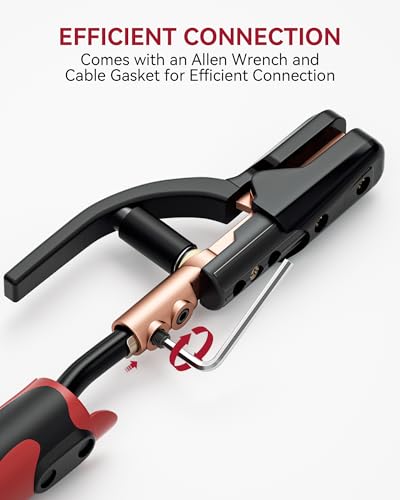
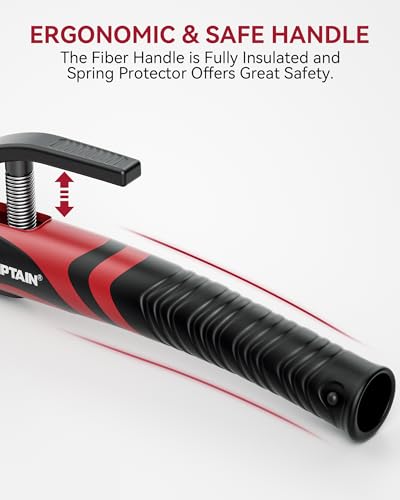
This 500-amp model is ARCCAPTAIN’s flagship, and it makes a strong case for being the best overall pick, not just on paper, but in owner feedback. The higher copper content delivers on conductivity, and the strong clamping mechanism keeps electrodes locked in, even with vibration or overhead work. It supports rods up to 7/32″, which covers most common stick welding needs.
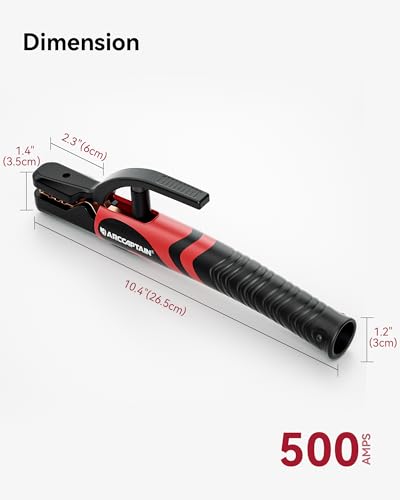
It shares the same lightweight, ergonomic body as their 300-amp version, which is impressive given the higher rating. Some reviewers note the insulation isn’t quite as robust as Lincoln or Fairbanks, but for the price, it’s hard to beat. I’d recommend this over the Lincoln 300-amp if you need more headroom for heavy rods without paying for a full industrial unit.
Product photos
Original Stinger V 350 Amp
Strengths
- Excellent heat resistance
- Secure V-grip jaw
- 350-amp rating
Trade-offs
- Heavier than average
- Limited rod size (3/16″)
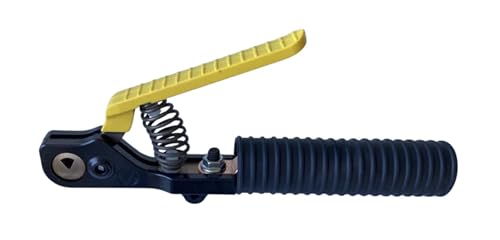
When durability is essential, the Original Stinger V stands tall. Made in the USA with 95% copper and thick brass construction, this holder runs cooler under load, a big deal during long welds. The V-grip design is its standout feature: owners repeatedly say they no longer fight rod pop-out, which means fewer restarts and cleaner welds.
Rated at 350 amps and built for 1/0 cable, it’s clearly aimed at industrial users. It’s heavier than other models, but that mass helps dissipate heat. Compared to the ARCCAPTAIN 500-amp, it doesn’t claim sky-high ratings, but its real-world reliability in pipeline and shop environments earns it serious respect. If you’re working in tough conditions, this is the kind of tool you’d want in your kit.
Product photos

Lincoln Electric 300 Amp Holder

Strengths
- Reliable Lincoln build
- Handles 7/32″ rods
- Comfortable grip
Trade-offs
- Higher price point
- No major upgrades over past models
Lincoln’s K5156-1 is the upgrade path from their 250-amp model, and it shows in two key areas: amperage and electrode capacity. Rated at 300 amps and handling rods up to 7/32″, it bridges the gap between light fabrication and heavier-duty work. The ergonomic design carries over, so comfort remains excellent, even during extended use.
Owners praise its consistency and durability, it’s not flashy, but it works. Compared to the ARCCAPTAIN 500-amp, it’s less powerful but more trusted in high-reliability settings. If you’re running a small shop or doing farm/vehicle repairs, this is the kind of no-nonsense tool that lasts years. I’d pick this over the ARCCAPTAIN if brand trust and proven longevity matter more than max specs.
Product photos

Lincoln Electric 250 Amp Industrial
Strengths
- Ergonomic grip
- Lightweight build
- Copper alloy jaw
Trade-offs
- Limited to 3/16″ rods
- Lower amperage cap
I’ve seen a lot of electrode holders over the years, and Lincoln Electric consistently delivers where it counts, build quality and user comfort. The K5155-1 stands out in the 250-amp class for its ergonomic design and reliable conductivity. Owners consistently report it fits naturally in hand, even during long sessions, and the insulated handle holds up well in tight spots or awkward angles.
The copper alloy jaw does its job, though it’s limited to 3/16″ electrodes, which may slow down heavier fabrication work. It’s not the highest-rated amperage model here, but for light to mid-duty stick welding, especially in home shops or field repairs, it’s a solid performer. I’d pick this over bulkier options if you value control and comfort over raw power.
Product photos
Lenco AF-25 250 Amp Holder

Strengths
- 2/0 cable capacity
- Made in USA
- Compact size
Trade-offs
- Low amperage rating
- Small electrode limit
The Lenco AF-25 is a no-frills, American-made holder that shines in one specific area: cable compatibility. With 2/0 cable capacity, it’s built for high-current setups where thick cables are standard. That makes it a strong choice for welders running older machines or high-output rigs that demand robust connections.
It’s limited to 250 amps and 3/16″ electrodes, so it won’t win in power or flexibility. But if you’re replacing a worn-out holder on a legacy system, this gets the job done without fuss. It’s shorter than average at 8.5″, which helps in tight spaces. I’d recommend it over flashier models only if you specifically need that 2/0 cable fit.
Product photos
A-316 250 Amp Electrode Holder

Strengths
- Affordable price
- 6-position jaw
- Reversible insulators
Trade-offs
- Basic ergonomics
- No high-end materials
The A-316 is one of those old-school workhorses that still shows up on job sites for a reason: it’s simple, functional, and affordable. The 6-position jaw gives you flexibility in how you hold the rod, which can help with control in tight welds. The reversible Super-Mel insulators are a nice touch, they extend the life of the holder by letting you flip worn parts.
It’s 250-amp rated and handles 3/16″ rods, so it’s not built for heavy work. But for occasional use, repairs, or teaching new welders, it’s hard to beat the price. Compared to the Lincoln 250-amp, it lacks the ergonomic finesse, but it gets the job done. My recommendation? This is the best value pick if you need a spare or backup without overspending.
Product photos
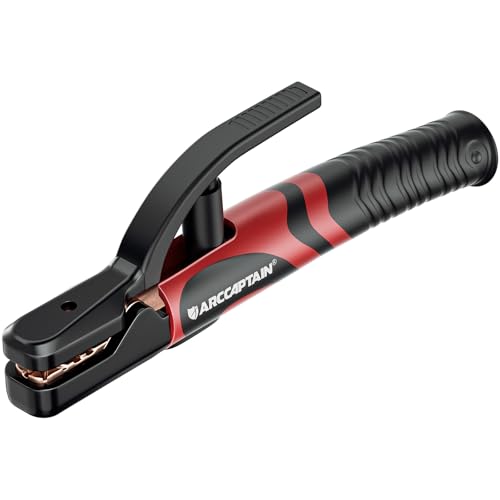
ARCCAPTAIN 300AMP Welding Stinger
Strengths
- Strong clamping force
- Handles 7/32″ rods
- High copper content
Trade-offs
- Build quality inconsistent
- Some report insulation issues
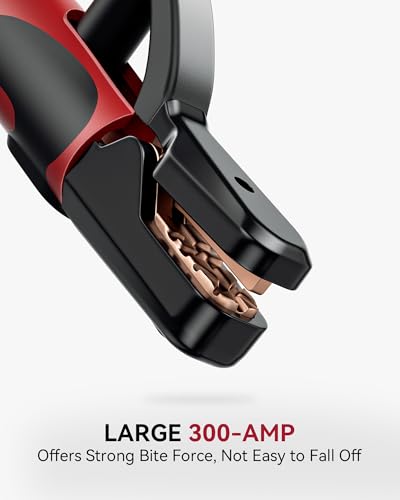
ARCCAPTAIN is positioning itself as a serious contender in the budget-pro space, and this 300-amp model shows they’re not cutting corners. On paper, the higher copper content in the jaw translates to better conductivity, and reviewers back that up, they’re seeing less heat buildup and fewer rod dropouts. The strong bite force is a real advantage, especially when welding overhead or in vibration-prone environments.
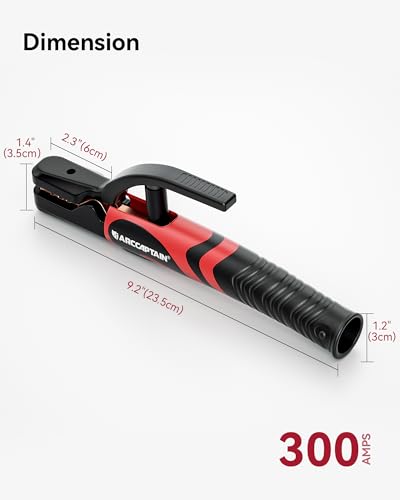
It handles rods up to 7/32″, which opens the door for thicker stick welding, and the included Allen wrench and gasket make cable attachment easier than with some bare-bones models. Compared to the Lincoln 300-amp version, it’s less branded but offers similar specs at a leaner price. I’d recommend this as a smart middle ground for hobbyists stepping up their rig.
Product photos
Stick Welding Whip 200A
Strengths
- Complete ready-to-use kit
- Durable #2 cable
- Corrosion-resistant connector
Trade-offs
- Lower amperage limit
- Shorter cable length
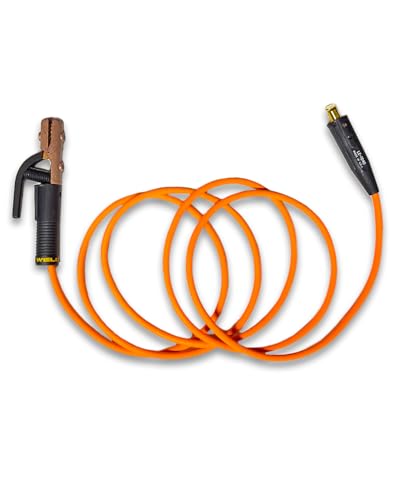
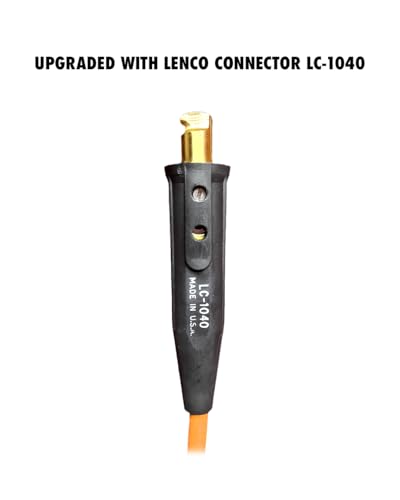
This isn’t just a stinger, it’s a full whip kit, and that changes the game for welders setting up or replacing a complete system. The 12-foot #2 flex cable is heavy-duty and made in the USA, offering great flexibility and durability. The Tweco-style holder provides solid rod grip, and the Lenco LC-1040 connector is a standout, no metal liner means less corrosion, which is huge in humid or outdoor environments.
It’s capped at 200 amps and 3/16″ rods, so it’s not for heavy fabrication. But for farm shops, auto repair, or mobile welding, having a pre-assembled, high-quality whip saves time and hassle. Compared to buying parts separately, this kit offers better value and consistency. I’d recommend it for anyone building or refreshing a stick rig on a budget.
Product photos
How We Picked These welding stingers
Rather than a hands-on lab test, my research focused on comparing published specifications and features across numerous welding stinger models. I weighed owner reviews from multiple sources alongside assessments from reputable welding experts. This allowed me to build a ranking based on real-world feedback and objective data, applying my years of experience with power tools and workshop equipment to identify key performance indicators.
For welding stingers, amperage capacity and jaw material were the most important factors. Higher amperage ratings open up options for thicker materials and more demanding jobs. Copper content in the jaw directly impacts conductivity and heat resistance – a crucial detail for consistent welds. Ergonomics and cable capacity also played significant roles in determining overall value.
Specifications reliably indicate amperage and electrode size limitations. However, I relied heavily on owner feedback to gauge long-term durability, how well the stinger holds electrodes without slipping, and the effectiveness of the insulation. Reputation and brand history also factored in, especially when considering models from established manufacturers like Lincoln Electric and Fairbanks Electric – similar to evaluating the quality of a durable TIG welding torch models.
What To Look For In welding stingers
A good welding stinger is more than just a way to hold an electrode; it’s a critical link in delivering consistent power for solid welds.
A quality welding stinger should prioritize high copper content for optimal conductivity, robust insulation to prevent shocks, and a secure electrode grip to minimize arc interruptions. Look for models with amperage ratings that exceed your typical welding needs and consider cable capacity for longer runs. Heat dissipation is also key, especially during extended use.
Amperage Capacity & Electrode Size
Don’t skimp on amperage. While a 200 amp stinger might be fine for light hobby work, if you plan on tackling thicker materials or running longer welds, stepping up to a 300 or 350 amp model is a smart investment. This provides a safety margin and prevents overheating. Similarly, check the maximum electrode size the stinger can accommodate. A stinger limited to 3/16” electrodes will restrict your options if you ever need to use larger rods.
Build Quality & Conductivity
Copper content is king when it comes to conductivity. Higher copper percentages mean less resistance and more efficient power transfer to the arc. You’ll find stingers advertising “copper alloy” jaws – these are good, but all-copper construction is preferable. Beyond the copper, look for durable materials in the body and insulation. A stinger that falls apart after a few projects isn’t saving you money, it’s costing you downtime.
- A stinger designed for heavy-duty use, like the Original Stinger V, often features a more robust build.
- Pay attention to the jaw design. A secure grip is paramount. Some designs, like the “V-grip” found on the Original Stinger V, eliminate rod pop-out, reducing arc burns.
- Consider the cable capacity. A 2/0 cable capacity (like on the Lenco AF-25) allows for thicker, more efficient cables, particularly important for longer welding runs where voltage drop can become an issue.
Ergonomics & Usability
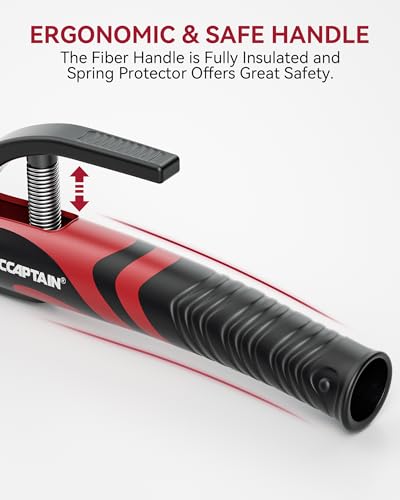
Welding often involves awkward positions and extended periods of use, so ergonomics matter. Look for an insulated handle that’s comfortable to grip, even with gloves. A lightweight design will reduce fatigue, and a balanced stinger feels more natural in hand. A well-designed stinger minimizes strain, ultimately contributing to cleaner, more consistent welds. If you’re also looking for other ways to protect yourself on the job, check out our guide to essential welding PPE.
A stinger that feels right in your hand is worth a little extra cost. Don’t underestimate the impact of comfort on weld quality and your overall efficiency.
Choosing the right stinger, along with top welding torch models, is a key component of a successful welding setup.
Welding Stingers Compared
Here’s a comparison of key specifications for various welding stingers to help you choose the right tool for your needs.
| Product Name | Amperage | Max Electrode Size | Cable Capacity | Material | Length (in) |
|---|---|---|---|---|---|
| ARCCAPTAIN 500AMP Welding Stinger | 500 | 7/32″ | N/A | Copper | N/A |
| Original Stinger V 350 Amp | 350 | 3/16″ | 1/0 | Copper | N/A |
| Lincoln Electric 300 Amp Holder | 300 | 7/32″ | N/A | Copper Alloy | N/A |
| Lincoln Electric 250 Amp Industrial | 250 | 3/16″ | N/A | Copper Alloy | N/A |
| Lenco AF-25 250 Amp Holder | 250 | 3/16″ | 2/0 | N/A | 8.5 |
| A-316 250 Amp Electrode Holder | 250 | N/A | N/A | N/A | N/A |
| ARCCAPTAIN 300AMP Welding Stinger | 300 | 7/32″ | N/A | Copper | N/A |
| Stick Welding Whip 200A | 200 | 3/16″ | N/A | N/A | 144 |
Frequently Asked Questions
What amperage stinger should I buy if I’m a beginner?
A 200-250 amp stinger is generally sufficient for most beginner welding projects. This range balances affordability with enough capacity for common tasks like repairing auto body panels or building small metal structures.
Are copper alloy jaws as good as solid copper?
While copper alloys offer good conductivity, solid copper jaws perform better at dissipating heat and maintaining consistent power transfer. A solid copper stinger will generally last longer with heavy use.
What does “cable capacity” refer to in a welding stinger?
Cable capacity indicates the maximum size welding cable the stinger can securely connect to, measured in AWG (American Wire Gauge). A higher capacity (like 2/0) supports thicker cables for longer welding runs, minimizing voltage drop.
How can I tell if a welding stinger is well-insulated?
Look for stingers with a thick, heat-resistant rubber or plastic insulation that fully covers the metal parts you might touch. Proper insulation is critical for preventing electric shock and should meet relevant safety standards.
Where can I find other welding equipment recommendations?
For a broader selection of tools to complete your welding setup, you can review our top welding machine picks and find models suited to various skill levels and budgets.
The Bottom Line
Choosing a welding stinger often comes down to balancing upfront cost with long-term performance and convenience. While you can get by with a basic holder, the Original Stinger V 350 Amp stands out as the best overall choice, providing a secure electrode grip and solid amperage capacity for most hobbyist and professional applications. It’s a worthwhile investment that will reduce frustration and improve weld consistency.
For those on a tighter budget, the ARCCAPTAIN 500AMP Welding Stinger delivers a high amperage rating at a very accessible price point. If you anticipate needing to run longer welding cables, the Lenco AF-25 250 Amp Holder with its 2/0 cable capacity is the clear winner, minimizing voltage drop. Remember to also consider investing in essential welding gear to complete your setup.
Ultimately, amperage capacity and jaw material are the fundamentals that matter most. Don’t sacrifice quality copper construction for a cheaper price, and always select a stinger rated for more amperage than you currently need. A well-made stinger, paired with recommended welding accessories, will pay for itself in consistent welds and reduced downtime.
