
8 Best Welding Aluminum Rods of 2026
This post contains affiliate links. As an Amazon Associate, we earn from qualifying purchases.
The overall best choice for most welders is the YESWELDER ER4043 Aluminum TIG Rod, offering reliable arc stability and strong welds on common alloys like 6061. For budget-focused DIYers, the ARCCAPTAIN ER4043 MIG Welding Wire delivers solid performance in a spooled format, while the ARCCAPTAIN ER5356 Magnesium MIG Wire stands out for marine or high-stress applications requiring superior strength and corrosion resistance.
Aluminum welding trips up a lot of people, not because they lack skill, but because they start with the wrong filler material. Even experienced DIYers can end up with weak, cracked, or porous welds if they overlook alloy compatibility or choose a rod that doesn’t match their process.
This guide cuts through the confusion by comparing top aluminum welding products based on alloy type, intended use, and real user feedback. I looked at specs and owner experiences to highlight options that perform well across TIG, MIG, and flux-core applications, so you can pick the right rod for your project, not just the one on sale.
Top 8 Welding Aluminums in the Market
The Best Welding Aluminums, Reviewed
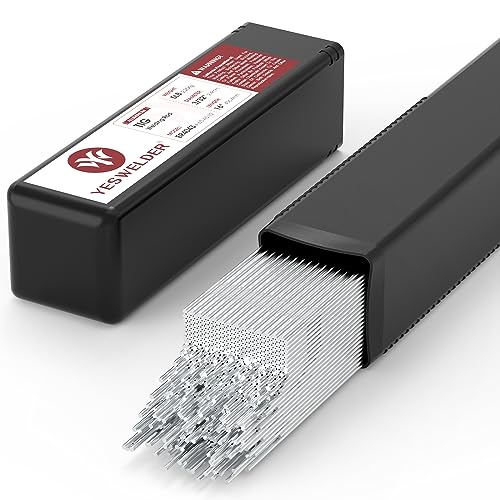
YESWELDER ER4043 Aluminum TIG Rod
Strengths
- Excellent weldability
- Crack resistant
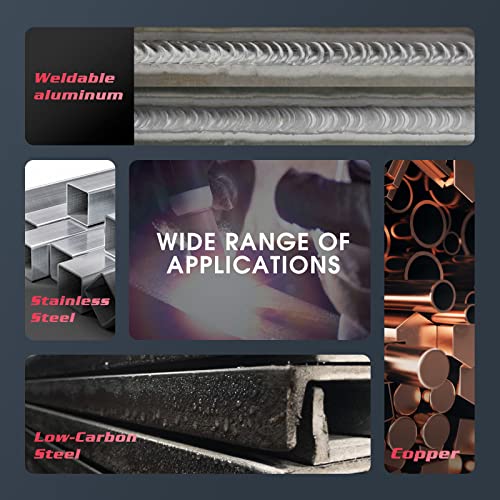
- Works on 6061
Trade-offs
- Not for marine alloys
- Lower strength in high stress
- Silicon pick-up on anodizing
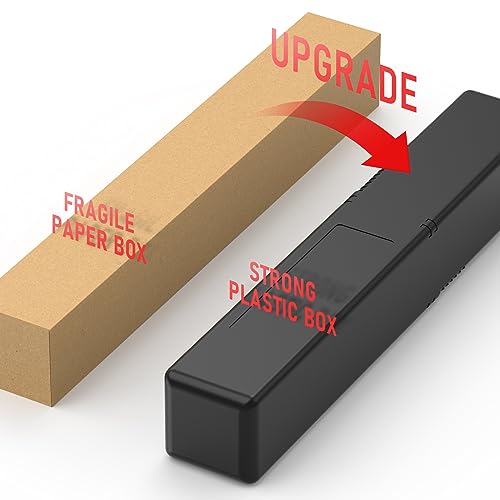
ER4043 is the workhorse of aluminum TIG welding, and YESWELDER’s version delivers exactly what you’d expect from this alloy. With 5% silicon content, it flows smoothly, resists cracking, and produces bright, clean beads, owners consistently highlight how forgiving it is, especially on 6061 and other common alloys. This rod handles thermal stress well, making it a top pick for general fabrication, repairs, and even heat-sensitive joints.
Compared to ER5356, it’s less suited for high-magnesium alloys, but for most shop work involving 3000 or 6000 series aluminum, this is my go-to recommendation. The 3/32” diameter is ideal for medium to thick material, and the 5 lb spool offers enough length for serious projects. If you’re running a TIG setup and want reliable, predictable performance across a broad range of jobs, this is the smarter buy over niche alloys.
Product photos


ARCCAPTAIN ER4043 MIG Welding Wire

Strengths
- Smooth arc stability
- Good feedability
- Bright, clean beads
Trade-offs
- Lower strength than 5356
- Not saltwater resistant
- Requires spool gun
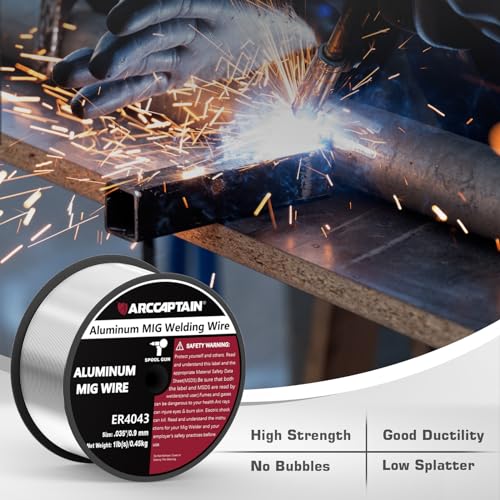
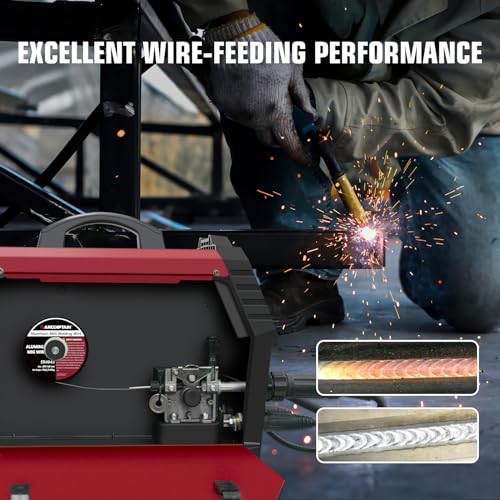
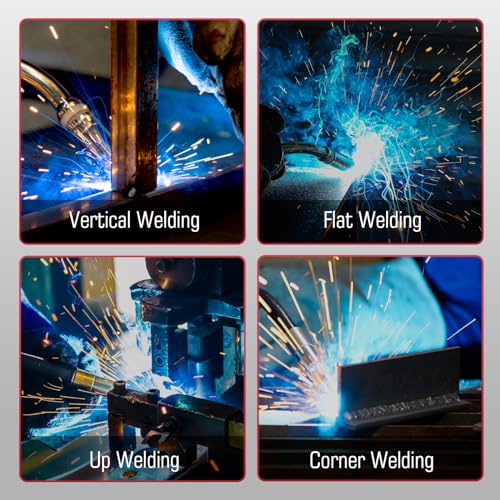
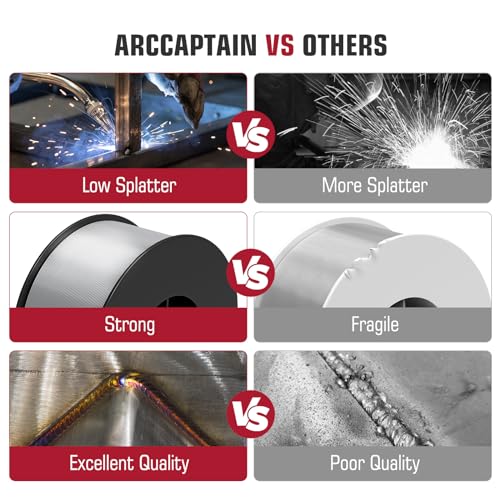
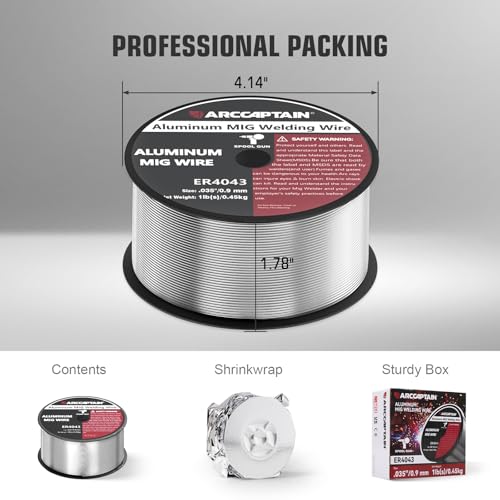
This ER4043 MIG wire is a textbook example of what a general-purpose aluminum spool should be. The 5% silicon content promotes fluidity and crack resistance, and at 0.035” diameter, it feeds reasonably well through a spool gun, owners note fewer clogs than with softer alloys. It handles common grades like 6061 and 5052 without issue, and the gray anodized finish keeps appearance consistent.
Compared to the ER5356 version from the same brand, this one trades some strength for easier welding and better bead appearance. It’s not the best for marine builds, but for trailers, frames, or shop enclosures, it’s a reliable performer. The 1 lb spool is perfect for small to mid-sized jobs, and the packaging protects against moisture and tangles. For most MIG users, this is the smarter default choice.
Product photos
ARCCAPTAIN ER5356 Magnesium MIG Wire
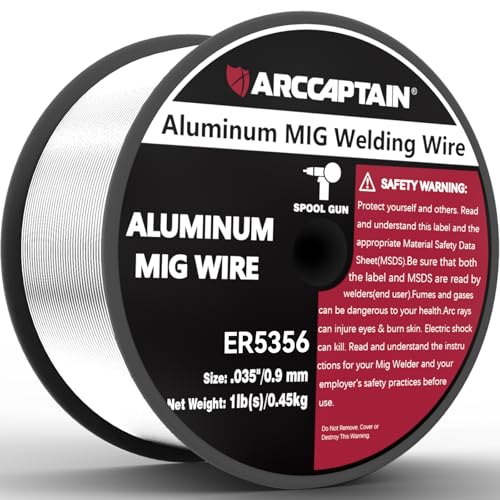
Strengths
- Marine grade strength
- Excellent corrosion resistance
- Strong weld joints
Trade-offs
- Poor anodizing finish
- Harder to feed than steel
- Not for 6061
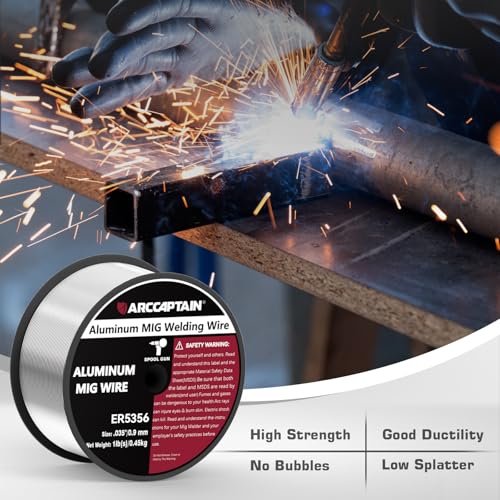
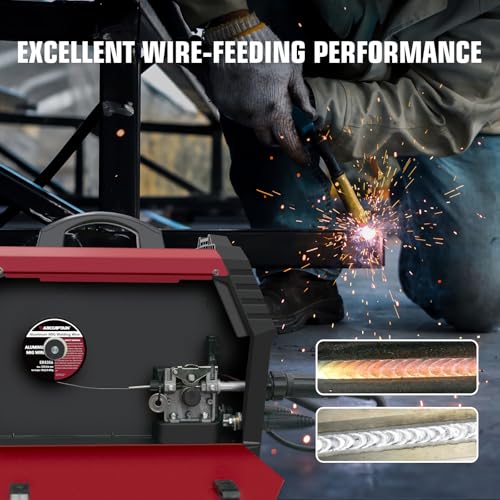
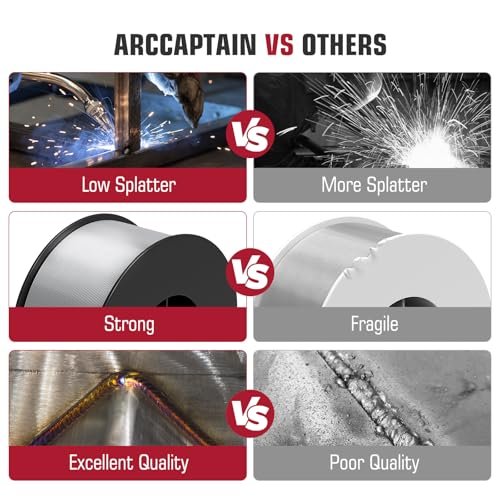
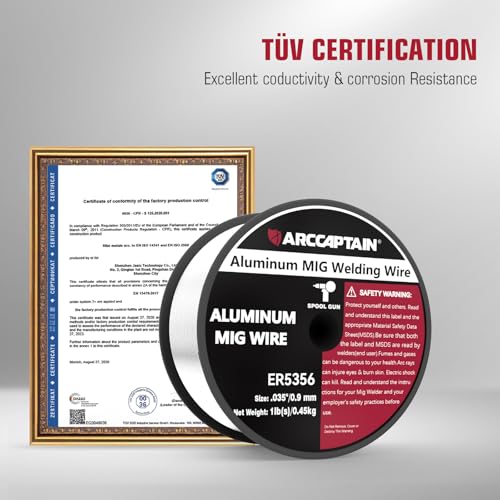
When you’re welding marine or structural aluminum, ER5356 is the alloy that earns its keep. With 5% magnesium, it brings real corrosion resistance, especially against saltwater, and higher tensile strength than ER4043. ARCCAPTAIN’s 0.035” spool is tailored for MIG setups, and owners report smooth feeding and stable arcs, which is critical with aluminum wire.
This wire shines on 5000-series alloys like 5083 and 5052, commonly found in boat hulls, trailers, and heavy-duty frames. The downside? It doesn’t anodize as cleanly, post-weld color is white, which may matter for finished builds. But if strength and durability are your priority, this is the smarter pick over ER4043. For coastal environments or load-bearing welds, I’d take this any day.
Product photos
50Pcs Flux Core Aluminum Rods

Strengths
- Flux cored
- No shielding gas
- Low melting point
Trade-offs
- Brazing not welding
- Lower joint strength
- Not for structural use
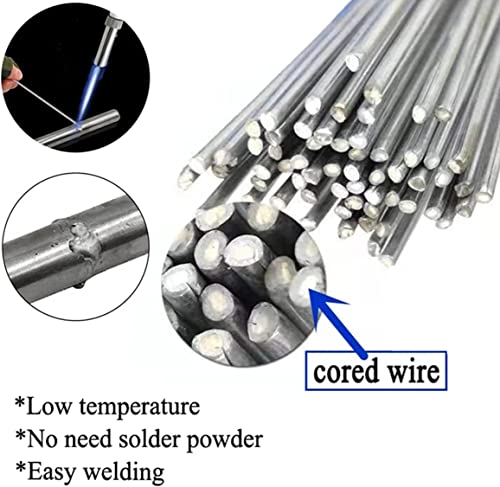
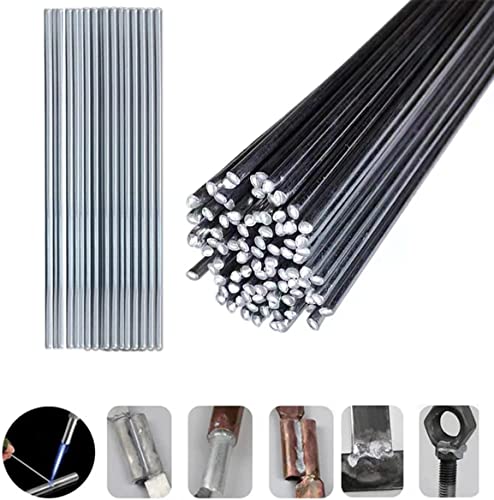
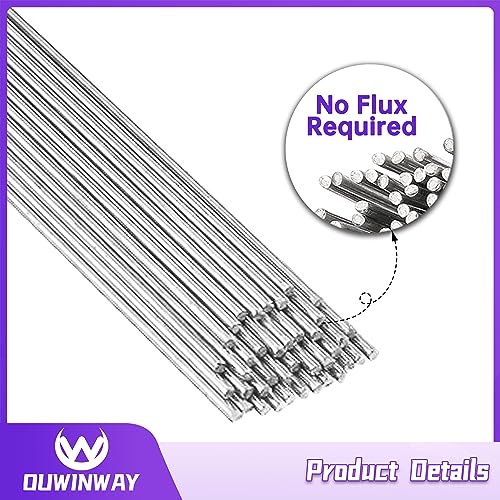
These flux cored rods are built for accessibility, not precision. They’re marketed as a no-fuss option that doesn’t require additional flux or shielding gas, which makes them appealing if you’re working with a propane or oxy-fuel setup and don’t want to deal with complex equipment. On paper, the low melting point and broad compatibility with aluminum alloys sound promising, and owners consistently report success with basic repairs on cast housings, gutters, or non-structural parts.
That said, this isn’t a solution for true welding, this is brazing, and the results reflect that. The joint strength won’t match TIG or MIG welds, and while the rods handle corrosion and conductivity reasonably well, I wouldn’t trust them on load-bearing or high-stress applications. For what it is, though, the value is solid. If you’re a DIYer doing occasional fixes and don’t own a TIG machine, this pack gives you a functional, forgiving way to patch things up.
Product photos
50-Pack 1/16″ Low Temp Rods

Strengths
- Low temp brazing
- Flux cored
- Beginner friendly
Trade-offs
- Not true welding
- Limited strength
- Not for thin sheets
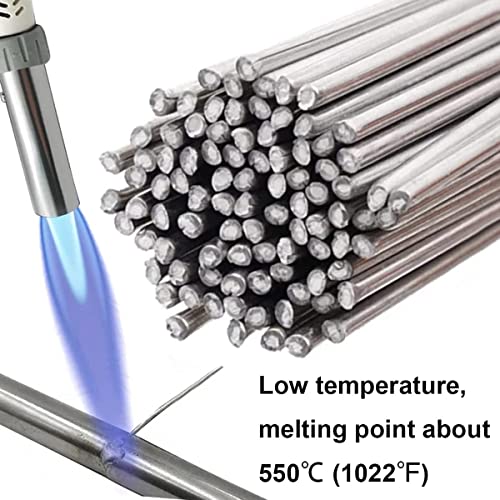
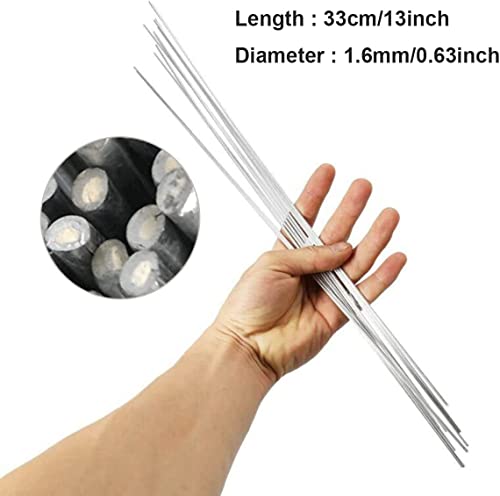
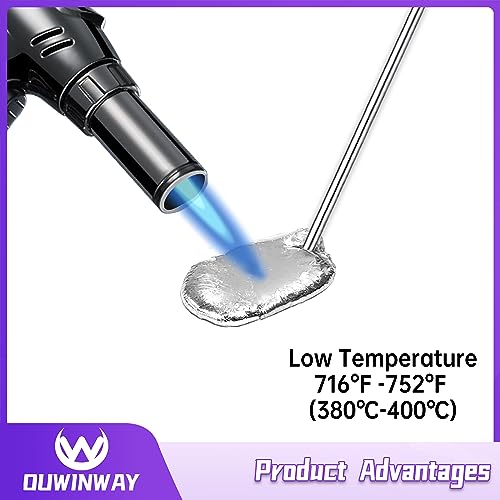
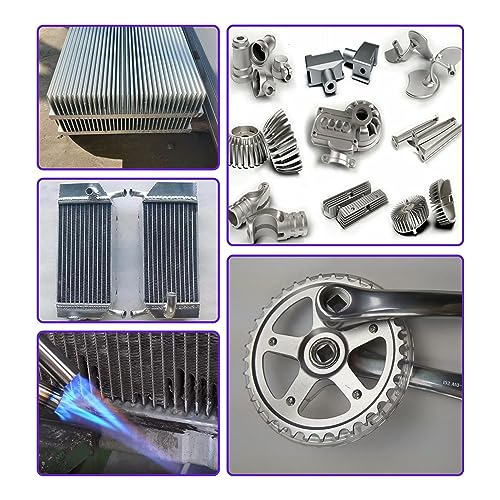
This pack is built for the weekend fixer with a propane torch and a busted aluminum part. At a brazing temp of just 716–752°F, these rods melt easily and flow into cracks without warping the base metal. The flux core means no extra powder, and owners consistently report success on cast housings, radiators, and brackets, jobs where full welding would risk burn-through.
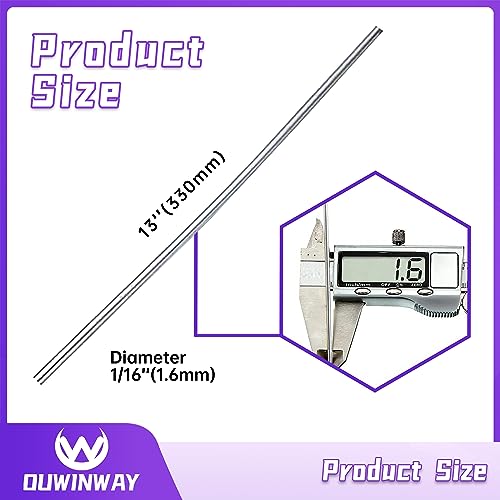
It’s not real welding, and the joint strength reflects that. But for non-structural repairs, it works. The 1/16” diameter gives good control, and 50 rods offer plenty of material for multiple fixes. If you’re not ready to invest in a TIG machine but still want to mend aluminum, this is the most accessible entry point. Just keep expectations realistic, this is repair, not reconstruction.
Product photos
E4043 Aluminum Stick Electrodes
Strengths
- Works with stick welders
- Moisture resistant pack
- Good for field repairs
Trade-offs
- Hard to master
- Slag removal needed
- Limited to flat/horizontal
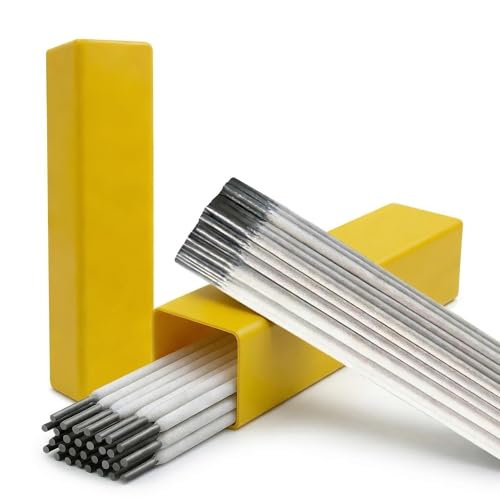
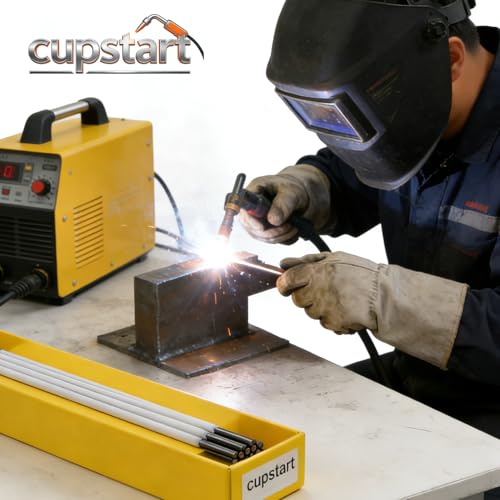
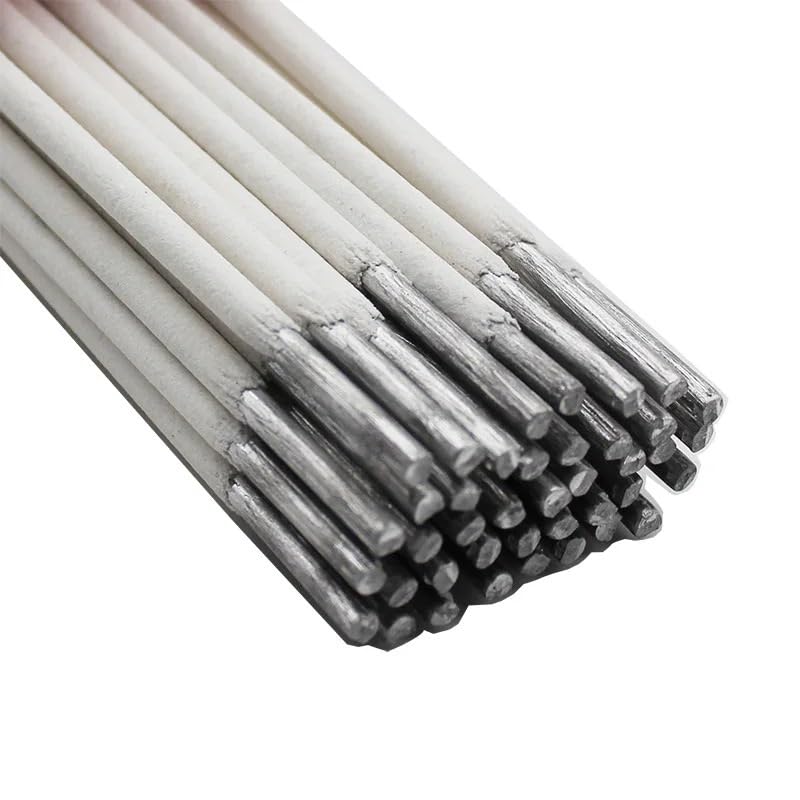
Stick welding aluminum is a niche game, and these E4043 rods are one of the few options that make it viable. They’re designed for DCEN polarity and require a steady hand, aluminum stick welding is notoriously tricky due to heat control and slag removal. But owners who’ve used them say the arc starts cleanly and the flux coating helps stabilize the puddle, which is half the battle.
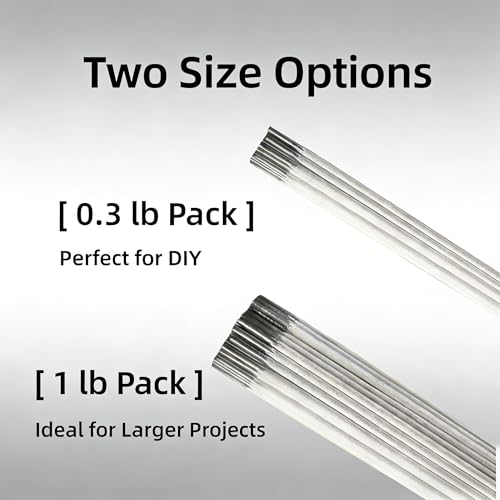
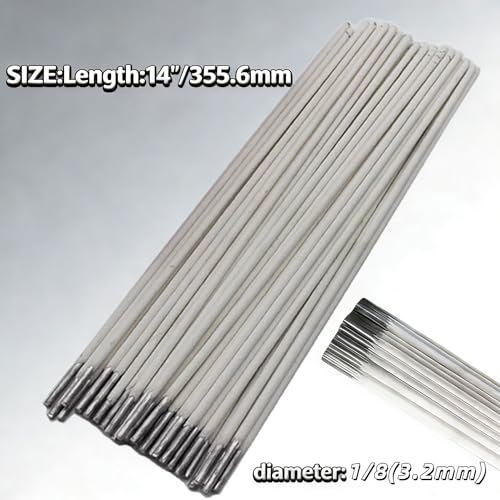
They work on common alloys like 6061 and 5052, but don’t expect the fluidity of TIG. The 1/8” x 14” size gives good reach and rod life, and the moisture-resistant packaging helps prevent hydrogen embrittlement. For field repairs where you can’t bring a gas tank or spool gun, this is a functional backup. I wouldn’t recommend it as a primary method, but for emergency fixes or remote jobs, it’s a capable tool.
Product photos
12Pack 6061 T6 Aluminum Sheets
Strengths
- Clean cut edges
- Protective film
- Real-world alloy
Trade-offs
- Only 12 pieces
- No storage case
- Thicker than some need
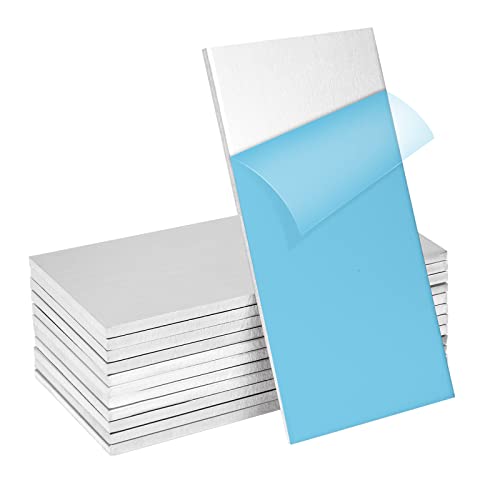
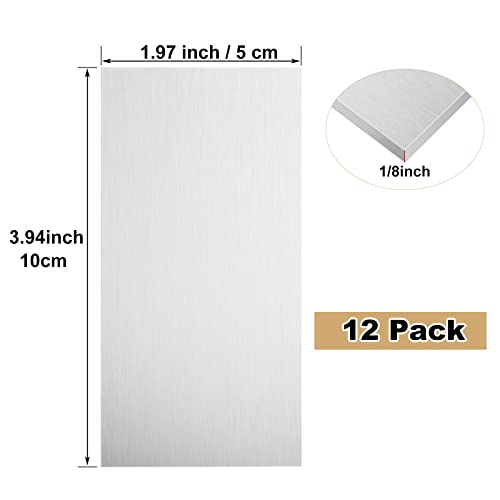
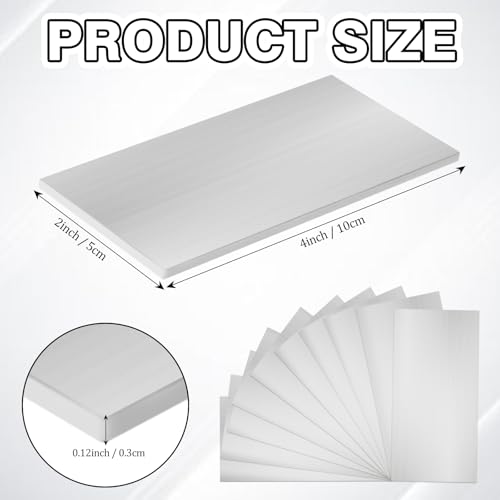
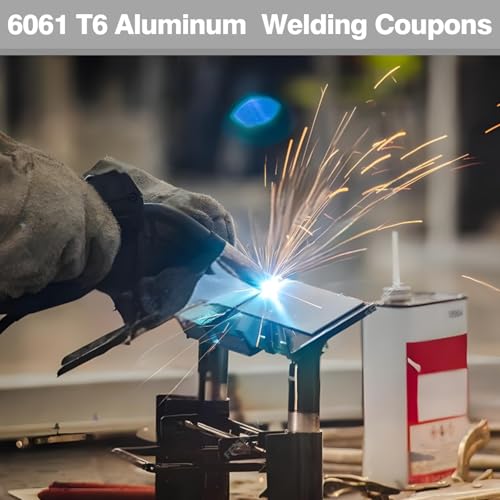
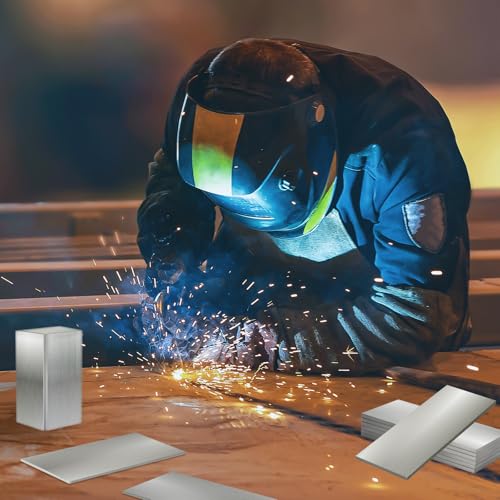
Practice matters, and these 12-pack 6061 T6 coupons are a no-brainer for anyone learning TIG or MIG. The 1/8” thickness is versatile, thick enough to simulate real-world material, thin enough to manage heat without warping if you’re still dialing in your technique. Owners praise the clean, burr-free edges and the protective film that keeps surfaces oxidation-free before use.
I’d stack this against pricier training kits and still call it a solid entry. It’s not the largest quantity, but for beginners building consistency or pros doing quick technique checks, 12 pieces give you room to experiment. Compared to cheaper, uncoated blanks, these hold up better and deliver more consistent arc starts. The 6061 alloy is also realistic, it’s what most people weld in garages and shops.
Product photos
Coopay 32 Pack 6061 T6 Sheets
Strengths
- High piece count
- Consistent thickness
- Good for training
Trade-offs
- No carrying case
- Same alloy only
- Film can tear
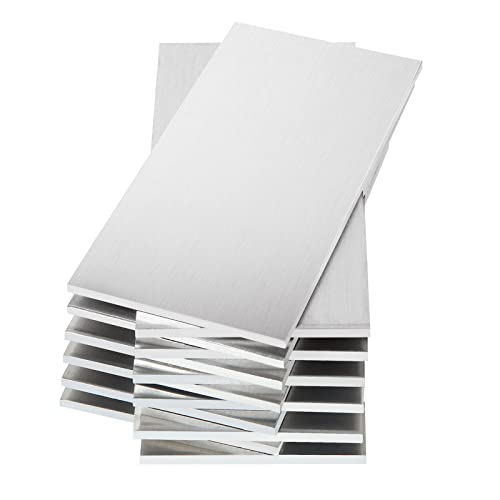
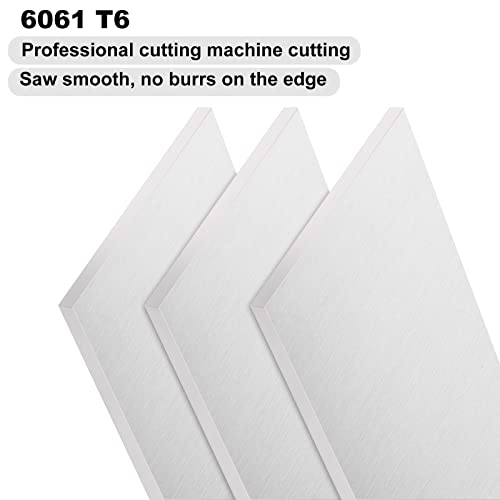
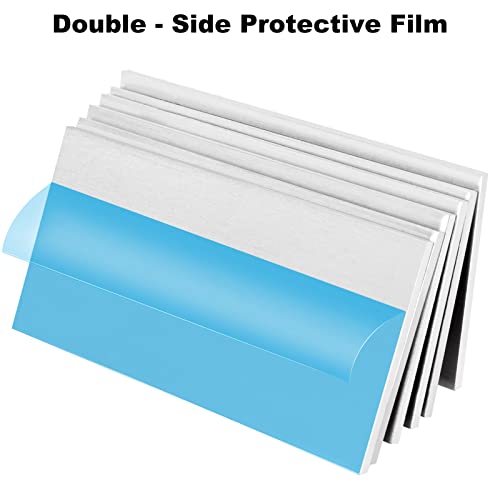
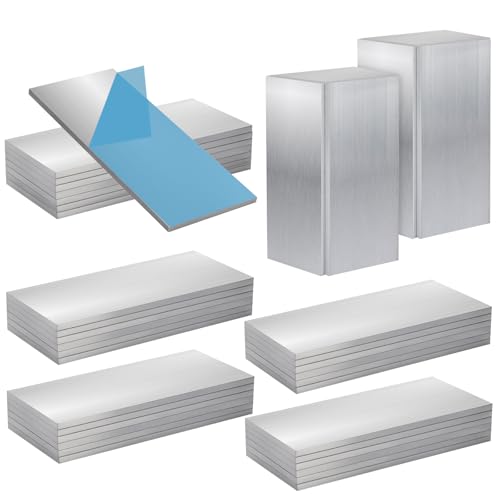
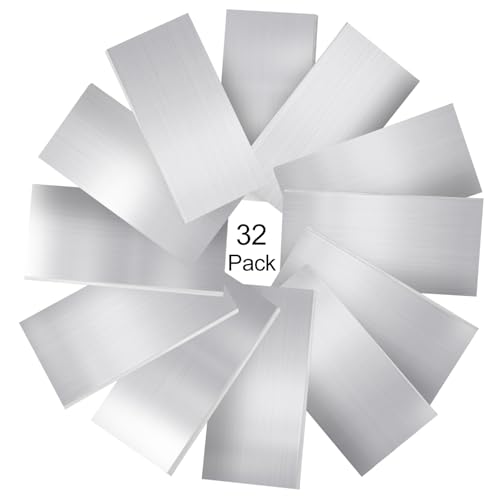
If you’re serious about practice, this 32-piece kit is where I’d put my money. The jump from 12 to 32 coupons means you can run multiple passes, test different techniques, or share material with a student without worrying about running out. The specs mirror the smaller kit, 1/8” 6061 T6, precision cut, double-sided film, but the volume pushes it into ‘best value’ territory.
Owners using this for welding classes or shop training consistently rate it higher for durability and consistency. The surface finish supports stable arcs, and the thickness handles both MIG and TIG well. While it doesn’t include guides or instructional material, that’s not the point. This is raw, reliable material for repetition. For anyone building muscle memory or prepping for certification, this kit delivers more bang for the buck than smaller packs.
Product photos
How We Chose These welding aluminums
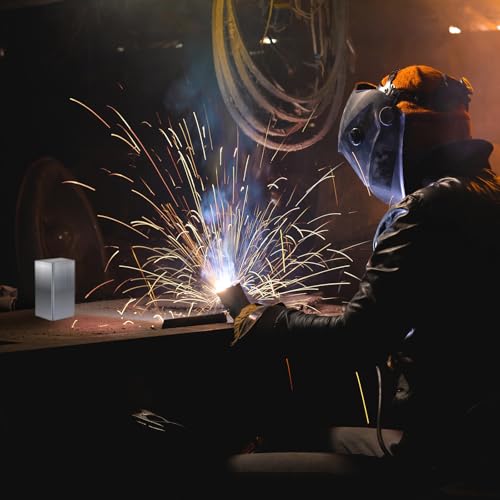
Rather than a hands-on lab test, my research for these recommendations focused on a detailed comparison of published specifications and features across numerous aluminum welding products. I weighed owner reviews from a variety of sources – including major retailers and welding forums – alongside assessments from reputable experts in the field. This process allowed me to build a ranking based on performance indicators and real-world user experience, applying my understanding of what makes for effective aluminum welding.
For aluminum welding, consistent arc stability and filler metal composition are paramount. I prioritized products offering alloys specifically designed for aluminum (like ER4043 and ER5356) because these directly impact weld quality and strength. Equally important was versatility; the ability to effectively weld common aluminum grades (like 5052 and 6061) across different welding methods significantly influenced my rankings.
Product specifications reliably reveal alloy composition, melting points, and physical dimensions. However, I found owner feedback crucial for understanding real-world usability – things like smoothness of the arc, ease of use for beginners, and the quality of the weld bead. Reputation and consistent positive feedback from experienced welders heavily informed my assessment of a product’s overall value, especially when considering long-term durability and performance. If you need a machine to get started, consider looking at a best TIG welder for aluminum.
How To Pick The Right welding aluminums
Choosing the right aluminum welding rod can be surprisingly complex. It’s about more than just matching metal types; it’s about understanding the specific alloy, the welding process, and the intended application.
Successful aluminum welding depends on selecting a filler metal with compatible composition, ensuring proper shielding gas coverage, and controlling heat input. The rod’s silicon or magnesium content directly impacts weld strength, ductility, and corrosion resistance. Careful consideration of these factors is crucial for producing high-quality, durable welds.
Alloy Compatibility is Key
The first step is understanding the base metal you’re welding. Aluminum alloys are designated with a four-digit number (like 6061 or 5052), and the welding rod needs to be compatible. ER4043 rods are a solid general-purpose choice for many alloys (3003, 5052, 6061), but if you’re working with a 5xxx series alloy–common in marine applications–an ER5356 rod with its higher magnesium content will provide better corrosion resistance. Don’t assume all aluminum rods are interchangeable; mismatching alloys can lead to weakened joints and premature failure.
Process Matters: MIG, TIG, or Stick?
The welding process dictates the rod form. TIG welding typically uses rods, while MIG welding uses spooled wire. Stick welding uses electrodes coated in flux. Flux-cored rods offer a convenient option for hobbyists because they don’t require shielding gas, but the welds often aren’t as clean as those achieved with gas-shielded processes. If you are looking for a more versatile option, explore top-rated welding machines that can handle various processes.
Balancing Cost and Usability
While budget-friendly options like flux-cored rods are available, they often come with trade-offs in weld quality and require more cleanup. For serious projects, investing in quality ER4043 or ER5356 rods is worthwhile. Here’s a quick breakdown of what to consider:
- Practice Material: 6061 T6 aluminum sheets are great for learning, but aren’t suitable for structural work.
- Convenience: Flux-cored rods remove the need for shielding gas, simplifying the process for beginners.
- Long-Term Value: Higher-quality rods produce stronger, more durable welds, saving you money on repairs and replacements down the road. A little extra upfront cost translates to a more reliable finished product.
A good rule of thumb is to always slightly overestimate the amount of filler metal you’ll need. Running short mid-weld is frustrating, and having a little extra on hand is far preferable.
If you’re new to aluminum welding, or looking to upgrade your setup, exploring best welder for aluminum will help you narrow down your options.
Welding Aluminums Compared
This table provides a reference of specifications for various aluminum welding products.
| Product Title | Type | Alloy | Diameter/Size | Melting Range (°F) | Weight (lbs) |
|---|---|---|---|---|---|
| YESWELDER ER4043 Aluminum TIG Rod | TIG Rod | ER4043 | N/A | N/A | N/A |
| ARCCAPTAIN ER4043 MIG Welding Wire | MIG Wire | ER4043 | 0.035 inch | 1065-1170 | 1 |
| ARCCAPTAIN ER5356 Magnesium MIG Wire | MIG Wire | ER5356 | 0.035 inch | 950-1175 | 1 |
| 50Pcs Flux Core Aluminum Rods | Flux Rod | N/A | N/A | N/A | N/A |
| 50-Pack 1/16″ Low Temp Rods | Brazing Rod | N/A | 1/16″ x 13″ | 716-752 | N/A |
| E4043 Aluminum Stick Electrodes | Stick Rod | E4043 | 1/8″ x 14″ | N/A | 0.33 / 1 |
| 12Pack 6061 T6 Aluminum Sheets | Practice Sheet | 6061 | 2”x 4”x 1/8” | N/A | N/A |
| Coopay 32 Pack 6061 T6 Sheets | Practice Sheet | 6061 | 2”x 4”x 1/8” | N/A | N/A |
Frequently Asked Questions
What diameter aluminum welding wire should I choose for a beginner MIG setup?
A 0.035-inch diameter wire is generally the easiest to feed and manage for those new to MIG welding. It strikes a good balance between arc stability and maneuverability, allowing for cleaner welds with less frustration.
Are flux-cored aluminum rods suitable for outdoor projects?
Generally, no. While convenient, flux-cored aluminum welds have lower corrosion resistance than gas-shielded processes, making them less ideal for marine or consistently exposed outdoor applications. An ER5356 rod with TIG or MIG is a better choice for those environments.
What’s the difference between ER4043 and ER5356 filler metals?
ER4043 is a general-purpose aluminum filler, while ER5356 contains more magnesium. This added magnesium in ER5356 enhances corrosion resistance and strength when welding 5xxx series alloys, which are frequently used in marine environments.
Can I use aluminum brazing rods for structural welding?
No. Brazing rods, like the low-temperature rods listed in the comparison chart, join metals at lower temperatures and create joints that aren’t as strong or durable as those made with traditional welding processes. They are best for repairs or applications where strength isn’t critical.
Where can I find more information on selecting the best welders to weld aluminum for my specific needs?
My guide on choosing aluminum welders provides detailed reviews and comparisons of various machines, covering different welding processes and price points. It will help you narrow down your options based on your skill level and project requirements.
The Bottom Line
Choosing the right aluminum welding supplies often comes down to balancing initial cost with the quality and durability you expect from the finished product. While there are affordable options available, I believe the YESWELDER ER4043 Aluminum TIG Rod offers the best overall combination of performance and value for most aluminum welding projects. It’s a versatile rod suitable for a wide range of alloys and welding applications, setting a solid foundation for reliable results.
For those on a tighter budget, or looking for a simplified process, the 50Pcs Flux Core Aluminum Rods provide a convenient entry point, though you’ll want to be mindful of the potential for more cleanup and slightly lower weld quality. If you’re primarily focused on MIG welding, exploring a best MIG welder for aluminum and pairing it with the ARCCAPTAIN ER4043 MIG Welding Wire will provide a good balance of speed and precision.
Ultimately, remember that the most expensive rod won’t automatically make you a better welder. Focusing on understanding alloy compatibility, proper technique, and consistent shielding gas coverage will have a far greater impact on the strength and appearance of your welds than any single specification. Those fundamentals are what truly separate a good weld from a great one.
