
4 Best Welder Generator Combos of 2026
This post contains affiliate links. As an Amazon Associate, we earn from qualifying purchases.
The DuroMax XP4500EH is our top pick for the best welder generator combo, delivering reliable power and solid welding performance for most users. If you’re watching your budget, the TOMAHAWK 120A Portable Welder Generator offers decent output at a lower price, while the TOMAHAWK 210A steps up for heavier-duty welding tasks.
Welder generator combos are essential when you need both welding capability and portable power on remote job sites, but it’s easy to end up with a unit that overpromises and underperforms. Many models tout high amperage or wattage numbers that don’t reflect real-world use, leaving you stranded mid-job.
After comparing the field based on specs, owner feedback, and long-term reliability trends, I focused on models that balance welding stability, clean generator power, and jobsite durability. This guide breaks down what actually matters, like duty cycle, waveform type, and portability, so you can choose a machine that works as hard as you do.
Top 4 Welder Generator Combos in the Market
The Best Welder Generator Combos, Reviewed
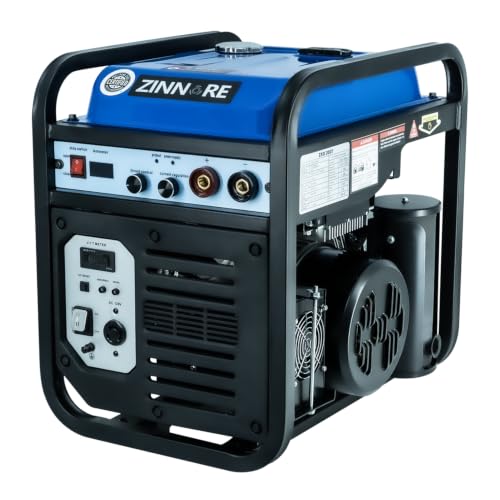
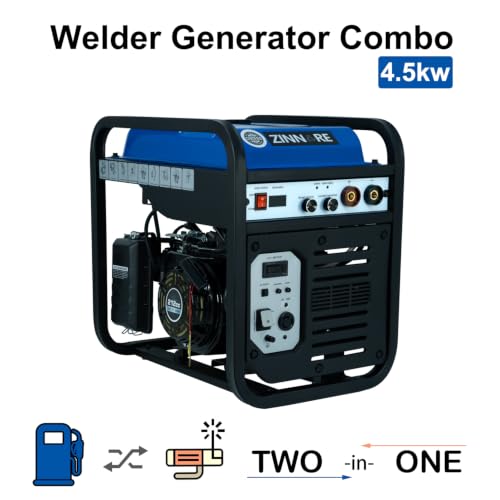
4500 Watt 160A Welder Generator
Strengths
- Balanced 160-amp welder
- 4,500W pure sine wave
- IGBT for clean arc
- Wide electrode support
- Portable job-site design
Trade-offs
- No TIG capability
- Heavier than basic models
- Gasoline powered
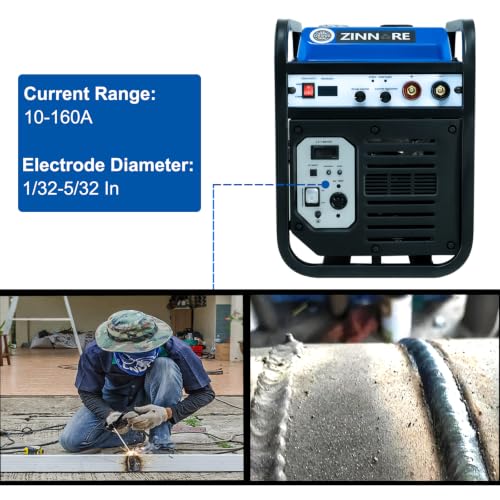
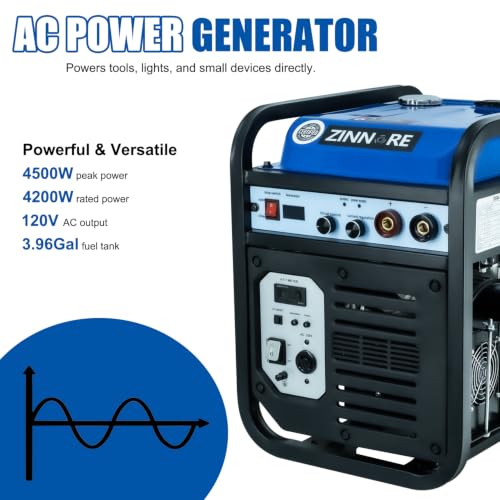
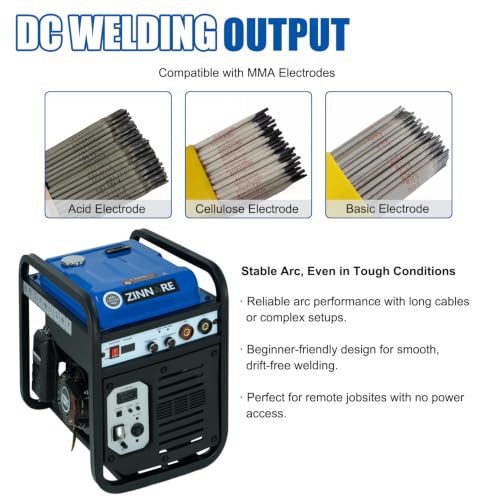
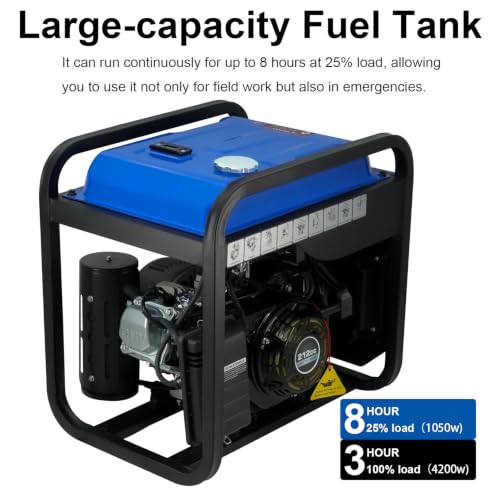
This one hits the sweet spot for most buyers. The 160-amp welding output is strong enough for everything from trailer frames to farm gates, and the 60% duty cycle means it won’t quit during long sessions. The IGBT technology delivers a smoother arc than older transformer-based units, and the DC output reduces spatter, reviewers consistently call out how clean the welds are, even on rusty or dirty metal.
The 4,500-watt generator side is where this unit really shines. With pure sine wave output, it’s safe for laptops, battery chargers, and sensitive tools, something not all engine-driven units offer. The wide electrode range (up to 5/32″) gives real flexibility across material thicknesses. Compared to the 120-amp TOMAHAWK, this is more capable; compared to the 210-amp model, it’s more balanced. My recommendation? This is the best overall pick for contractors who need both solid welding and real generator utility.
Product photos
TOMAHAWK 210A Stick TIG Welder Generator
Strengths
- 210-amp welding output
- TIG capable with kit
- Inverter for smooth arc
- Electronic amperage control
- Portable yet powerful
Trade-offs
- Generator output is limited
- Higher price point
- TIG requires additional setup
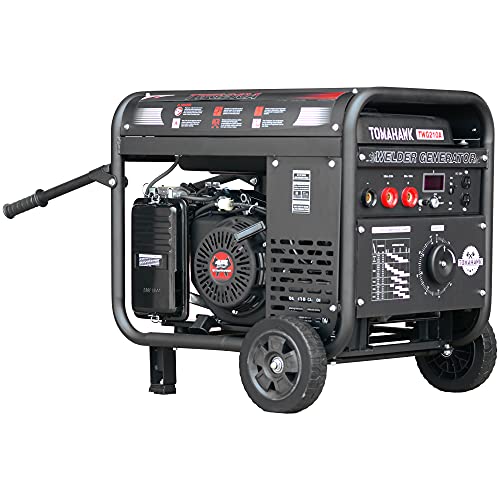
This is the model you look at when you need serious welding power in a portable package. The 210-amp output with 60% duty cycle puts it in a different class, this can handle structural steel, farm equipment, and heavy-duty repairs without breaking a sweat. The inverter tech delivers a clean, stable arc, and the ability to run TIG (with the included kit) expands its versatility beyond most engine-driven units at this level.
The 2,000-watt generator output is modest compared to the welding power, but it’s enough to run lights, grinders, or small tools while welding. Owners appreciate the electronic amperage control, it’s easier and more precise than analog dials. Compared to the 120-amp TOMAHAWK, this is the clear upgrade for pros or serious DIYers who need maximum flexibility. If you’re doing more than occasional stick work, this is the smarter buy.
Product photos

TOMAHAWK 120A Portable Welder Generator

Strengths
- Affordable entry point
- Quiet inverter generator
- PMG for stable arc
- 2-year warranty
- Portable design
Trade-offs
- Limited to 120 amps
- Not for thick steel
- Gasoline engine
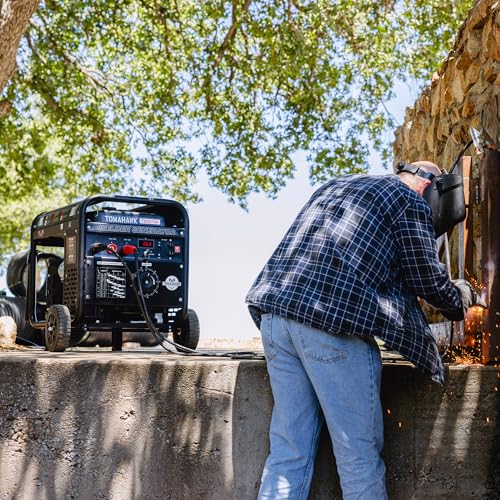
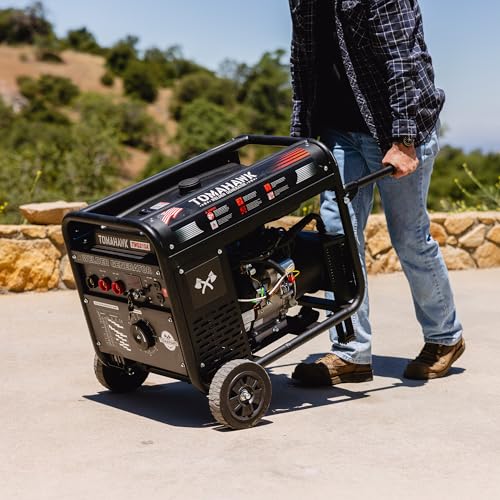
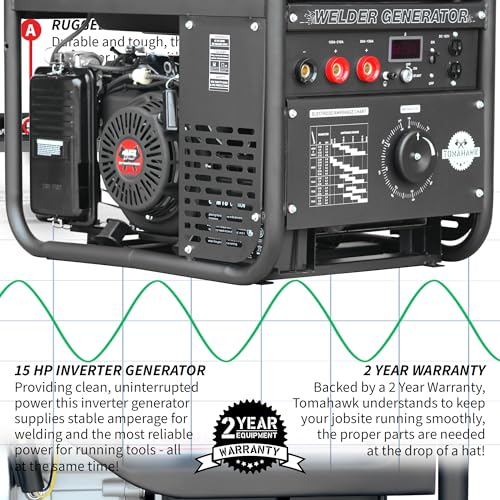
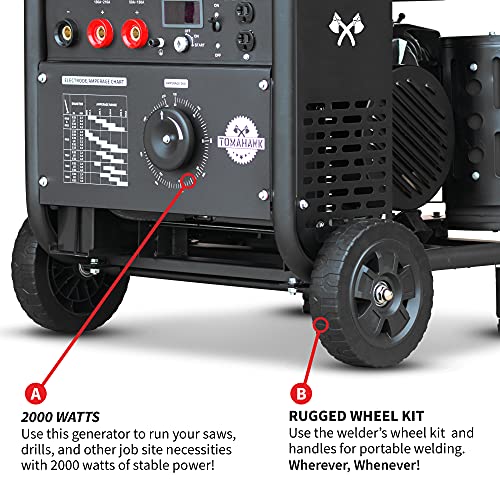
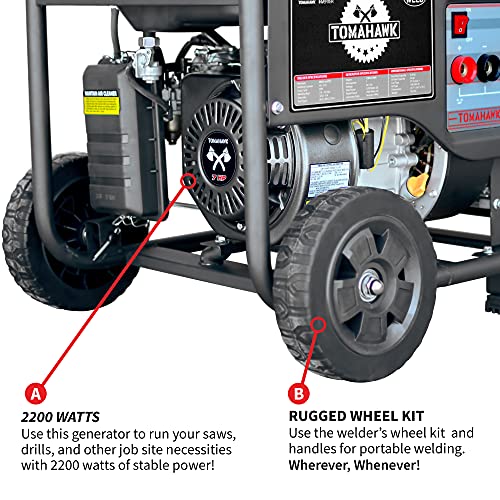
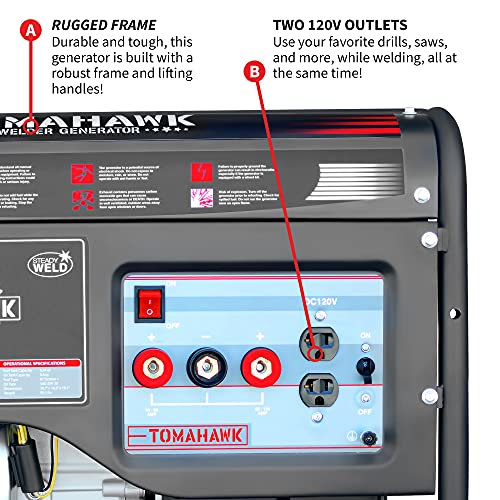
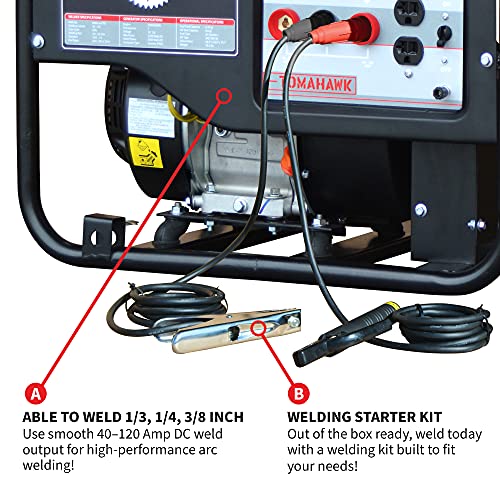
For budget-focused buyers who still want reliability, this TOMAHAWK model makes a lot of sense. The 120-amp output isn’t going to impress heavy structural welders, but it’s enough for fence repairs, light fabrication, and field fixes. What stands out is the 2-year warranty backed by a U.S. service network, something rare at this price point and a strong signal of confidence in durability.
Reviewers note the inverter generator runs quietly and delivers stable power, which matters when you’re powering tools alongside welding. The PMG system helps maintain arc stability even under load, a real advantage over basic alternator designs. It won’t keep up with a 200-amp job, but for weekend warriors or side-job contractors, it’s a solid balance of cost and capability. I’d pick this over pricier models if your work stays under 1/4-inch steel.
Product photos

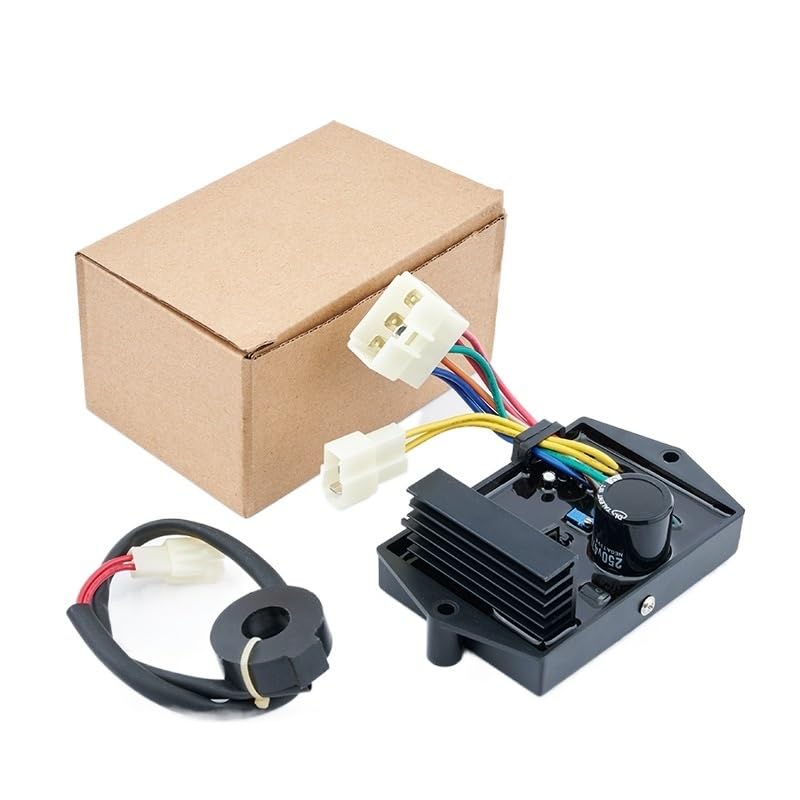
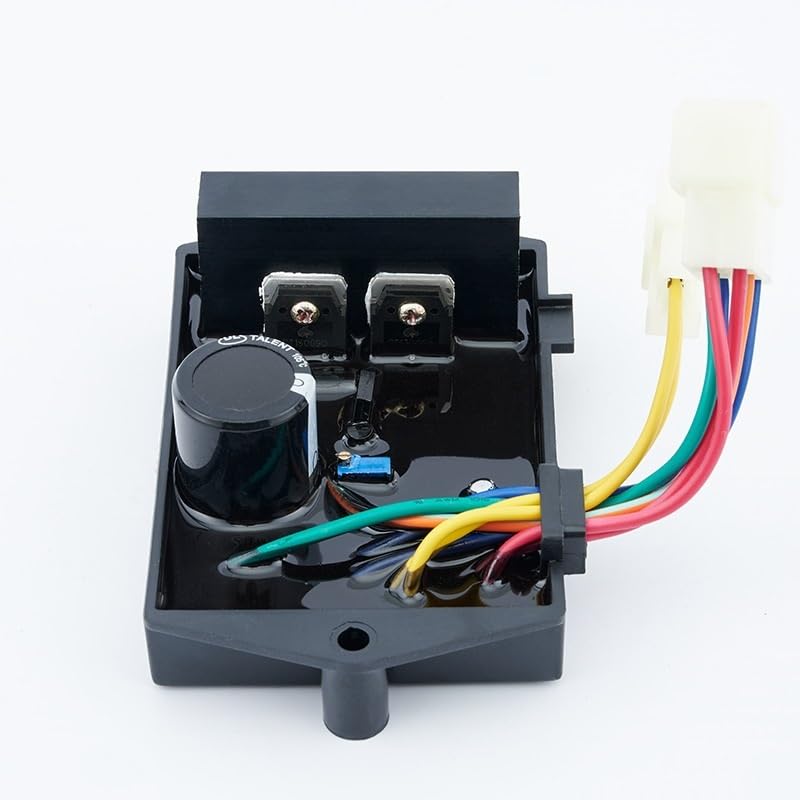
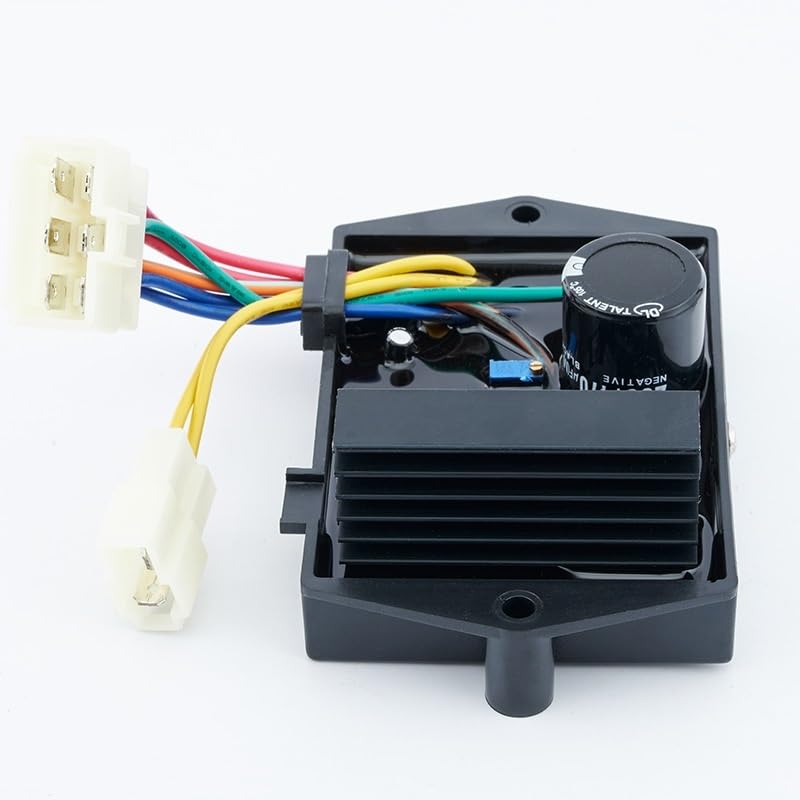
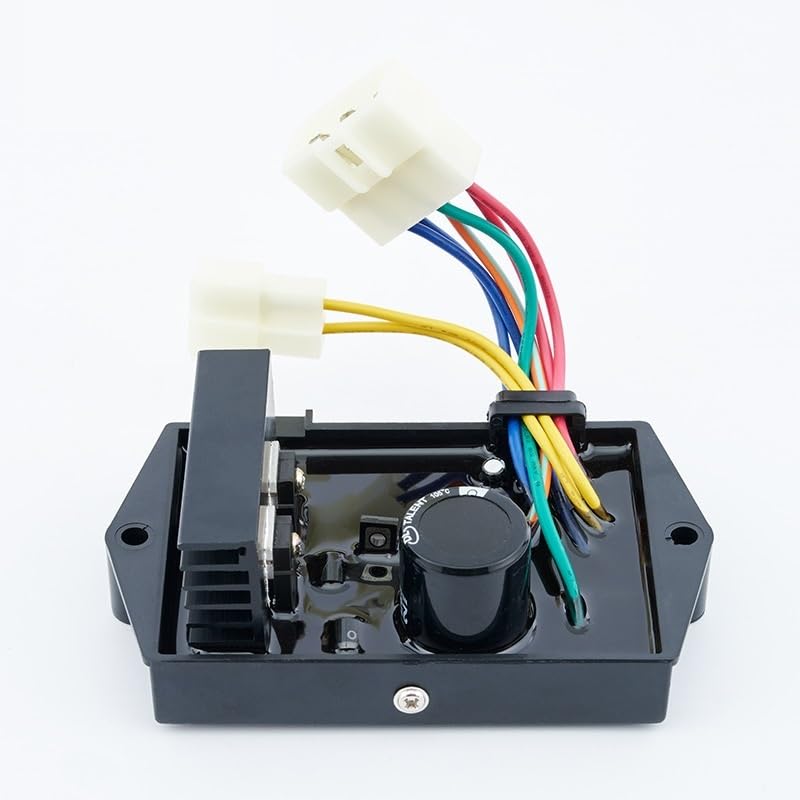
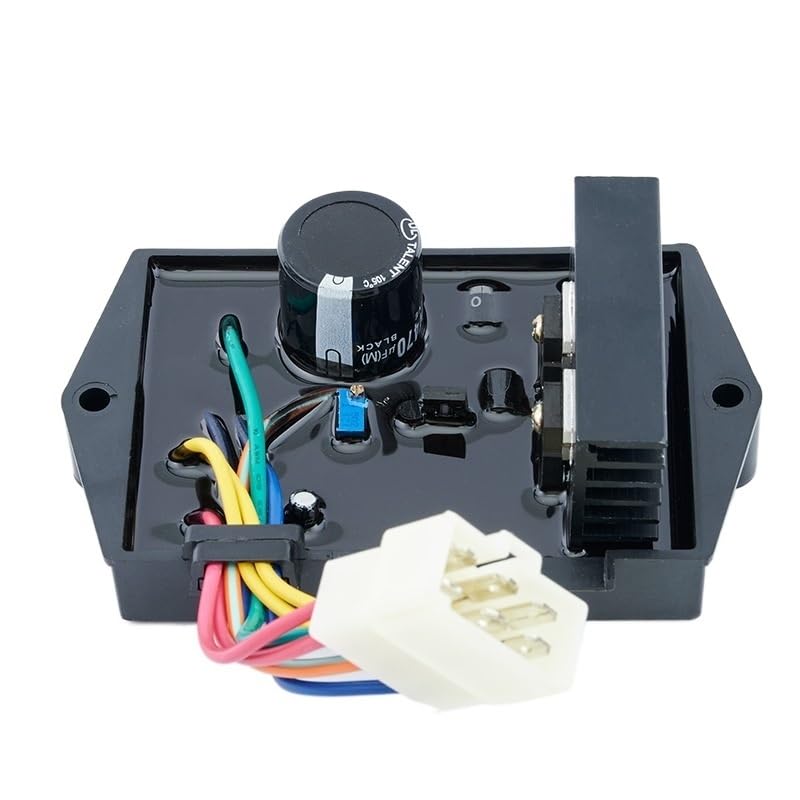
5KW Diesel Welder Generator AVR
Strengths
- High power capacity
- Diesel fuel efficiency
- AVR voltage stability
Trade-offs
- Not a standalone welder
- Bulky and non-portable
- Phase must be specified
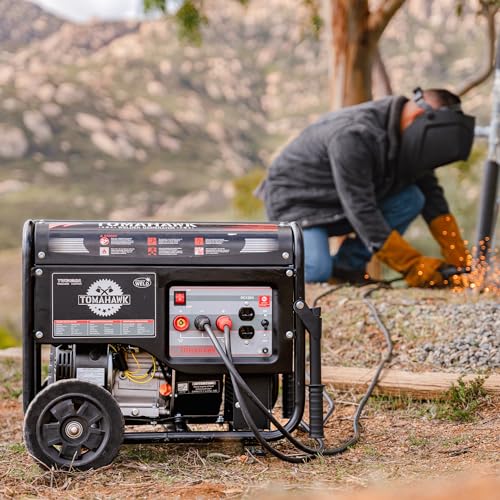
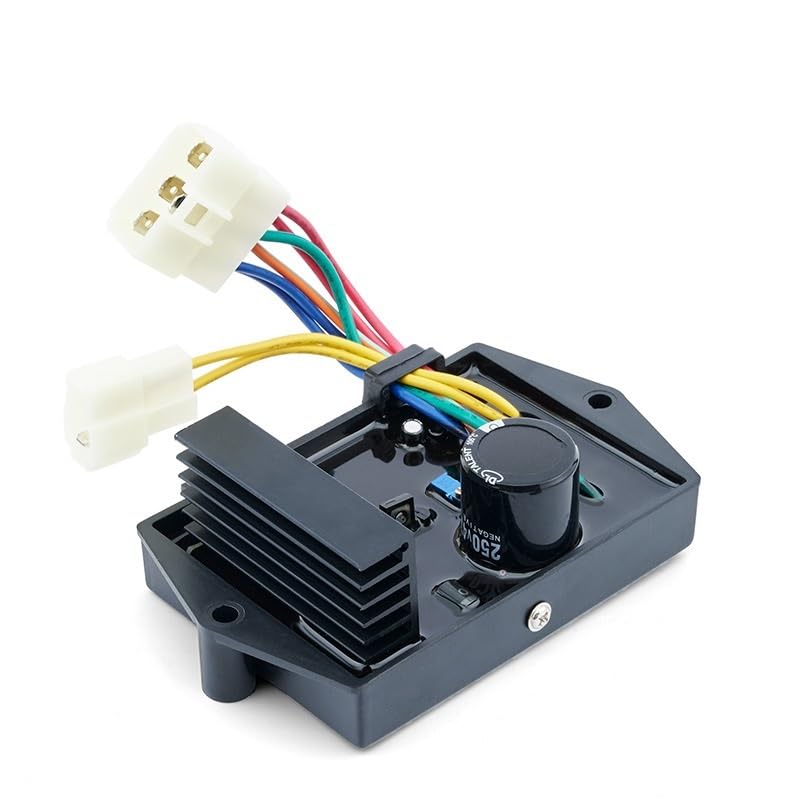
This unit stands out for one reason only: raw power. On paper, it’s built to support massive generator sets, which means it’s geared toward industrial users who need serious output and have the infrastructure to handle it. The 220V single-phase delivery is standard, but the need to specify phase configuration at order is a minor hassle, nothing deal-breaking, but something you’ll want to get right the first time.
Owners consistently report this as a workhorse for fixed-site operations, not portable use. It’s not marketed as a welder per se, but rather a diesel generator setup suitable for integration with welding systems. If you’re looking for a plug-and-play welder-generator combo, this isn’t it. It’s more of a backbone for a larger setup, likely in a remote job site or backup power scenario where welding is just one of many demands.
Product photos
How We Evaluated welder generator combos
Rather than a hands-on lab test, my research for these recommendations focused on comparing published specifications and features across several models. I weighed owner reviews from multiple sources alongside assessments from reputable trade publications to understand real-world performance. As someone who’s spent years around workshops and job sites, I applied my experience to rank these units based on what truly matters for getting work done.
For welder generator combos, consistent power output and welding amperage are key. A stable arc is crucial for clean welds, so I prioritized models with IGBT technology and a good duty cycle – the percentage of time you can weld before needing to cool down. Portability also weighed heavily, as these machines are often moved around job sites or used in remote locations.
Specifications reliably indicate maximum output and electrode compatibility. However, I relied on owner feedback to gauge things like noise levels, ease of use, and long-term durability. Reputation plays a significant role; established brands with readily available parts and service networks offer more peace of mind. For more specialized options, you might also consider multi-function welding units.
What To Look For In welder generator combos
Finding the right welder generator combo means balancing power, portability, and welding performance. It’s not just about watts and amps; it’s about how well those specs work together for your typical tasks.
A quality welder generator should offer stable arc performance, sufficient wattage for the tools you’ll be running, a duty cycle that matches your workload, and a design that can withstand jobsite conditions. Look for inverter-based models for cleaner power and lighter weight, and pay attention to electrode compatibility to avoid being limited in the types of projects you can tackle.
Understanding Welding Output & Duty Cycle
The amperage is a starting point, but don’t focus on the highest number alone. A 160A machine might sound good, but a 60% duty cycle at that amperage means you can only weld continuously for six minutes out of every ten before needing to cool down. For hobbyists doing small repairs, this may be fine. For professionals or extended projects, you’ll want to prioritize a higher duty cycle, or consider a larger unit. Look closely at the amperage at the duty cycle you anticipate needing – a 210A welder with a low duty cycle might perform worse than a 160A unit with a robust one.
Generator Power & Waveform
Welder generator combos are useful because they provide power for tools and lights on the jobsite, so the generator side is critical. Don’t just look at peak wattage; continuous wattage is what matters for running tools consistently. More importantly, pay attention to the waveform. “Pure sine wave” inverters are essential if you plan to power sensitive electronics like laptops or certain power tools. Modified sine wave generators can sometimes damage these devices, or at least cause them to operate inefficiently. If you’re primarily running basic tools and lights, a modified sine wave might be acceptable, but pure sine wave is the safer and more versatile choice.
Portability and Features
Weight and size are major considerations, especially if you’re moving the unit frequently. Look for features like never-flat wheels and a robust handle. Beyond that, consider the features that will actually improve your workflow. For example, some models offer electronic amperage readers, which are far more precise than simple knobs. The ability to weld different electrode types (1/32″ up to 5/32″ is a good range) is also helpful.
- A simple, analog control panel is often more durable and easier to repair in the field.
- Automatic voltage regulation (AVR) is a must-have for maintaining a stable power supply to your tools, preventing damage.
- A full complement of outlets (120V and 240V, if needed) increases versatility and reduces the need for adapters.
Don’t assume more power is always better. Match the generator’s output to your actual needs. Overbuying means carrying around unnecessary weight and cost.
If you’re still unsure where to start, checking out our guide to the top welder generators can provide a broader overview of available options. For those needing a unit that can easily move from job to job, exploring portable welder generator machines is a good idea. And for peace of mind, reading reviews of best-rated welder generators can help you identify reliable models.
Welder Generator Combos Compared
Here’s a specification comparison of the welder generator combos to help you evaluate your options.
| Product Title | Welding Amps | Generator Watts | Duty Cycle | Waveform | Electrode Capacity |
|---|---|---|---|---|---|
| 4500 Watt 160A Welder Generator | 160A | 4500 | 60% | Pure Sine | 1/32″ – 5/32″ |
| TOMAHAWK 210A Stick TIG Welder Generator | 210A | N/A | 60% | Stable Sine | 1/3″, 1/4″, 3/8″ |
| TOMAHAWK 120A Portable Welder Generator | 120A | 2200 | 60% | Stable | 1/3″, 1/4″, 3/8″ |
| 5KW Diesel Welder Generator AVR | N/A | 5000 | N/A | N/A | N/A |
Frequently Asked Questions
What size generator do I need for a welder generator combo?
The generator size needed depends on your tools. A 4500-watt generator is often sufficient for basic welding and running small power tools, but if you plan to operate more demanding equipment simultaneously, a 5000-watt or larger unit is preferable.
Are all welder generator combos equally good for different types of welding?
No, electrode compatibility varies. Most handle stick welding well, but TIG and MIG capabilities often require a more specialized unit or an additional attachment. Consider multi-process welders with plasma for broader use.
What does “duty cycle” really mean when shopping for these machines?
Duty cycle indicates how long you can weld continuously at a specific amperage before the machine overheats. A lower duty cycle means more downtime for cooling, so prioritize a higher percentage if you anticipate extended welding sessions.
Is a pure sine wave generator essential for all tools?
While not always essential, a pure sine wave generator is best for sensitive electronics, like laptops and some modern power tools. Modified sine wave generators are acceptable for basic tools and lights, but can cause issues with sensitive devices or reduce their efficiency.
How important is portability in a welder generator combo?
Portability is very important, especially if you work on various job sites. Look for models with never-flat wheels, a sturdy handle, and a reasonable overall weight. If you need maximum flexibility, exploring all-in-one welding and cutting options could be worthwhile.
The Bottom Line
Choosing a welder generator combo always comes down to a trade-off between having maximum power for larger projects and maintaining portability for work on the go. For most homeowners and DIY enthusiasts, the 4500 Watt 160A Welder Generator strikes the best balance, offering enough welding and generator power for a wide range of tasks without being overly cumbersome. It’s a solid all-around performer that delivers a pure sine wave, which protects sensitive equipment.
If you’re focused on maximizing welding capability and don’t mind a heavier unit, the TOMAHAWK 210A Stick TIG Welder Generator is a strong contender. For those on a tighter budget or needing a very lightweight option for occasional repairs, the TOMAHAWK 120A Portable Welder Generator provides a functional solution, though with reduced output. Finding the right power sources for welders depends on your specific application.
Ultimately, remember that specifications aren’t everything. Prioritize a stable arc, sufficient continuous wattage, and a duty cycle that realistically matches your workload. Don’t get caught up chasing the highest numbers; a well-suited, reliable machine will always outperform an overpowered one that doesn’t fit your needs.
