
6 Best Welder Generators of 2026
This post contains affiliate links. As an Amazon Associate, we earn from qualifying purchases.
The Hobart Champion Elite 225 stands out as the best overall welder generator, delivering strong, consistent welding power and reliable auxiliary output. For budget-focused buyers, the TOMAHAWK 120A Portable offers solid performance at a lower cost, while the TOMAHAWK 210A Stick TIG adds versatility for those needing TIG capability alongside stick welding.
Most people shopping for a welder generator aren’t just looking for a machine that welds, they need a dependable power source for remote job sites, farm repairs, or emergency backup. The real challenge is finding one that balances welding performance, runtime, portability, and the ability to run other tools without breaking down.
This guide cuts through the marketing noise. I compared specs and owner feedback across top models, focusing on amperage, duty cycle, engine reliability, and real-world usability. These picks reflect what actually works for DIYers and pros alike.
Top 3 Welder Generators in the Market
The Best Welder Generators, Reviewed
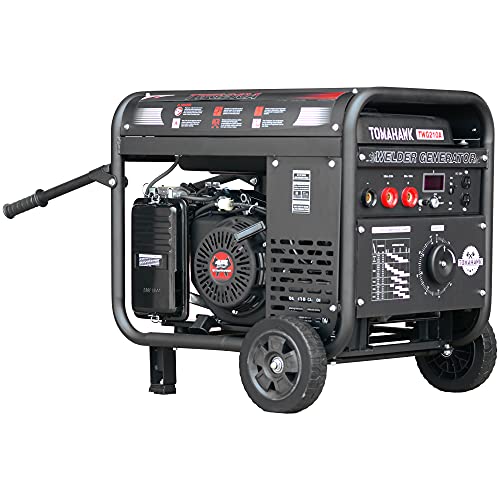
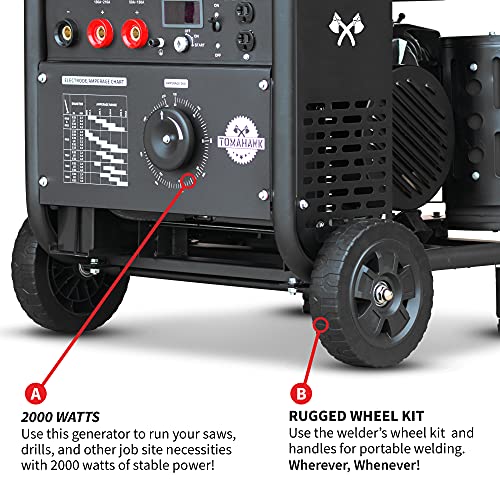
TOMAHAWK 210A Stick TIG Welder Generator
Strengths
- 210-amp output
- TIG welding capable
- Stable inverter power
- 60% duty cycle
- Easy amperage control
Trade-offs
- No 100% duty cycle
- Limited auxiliary power
- TIG setup not included
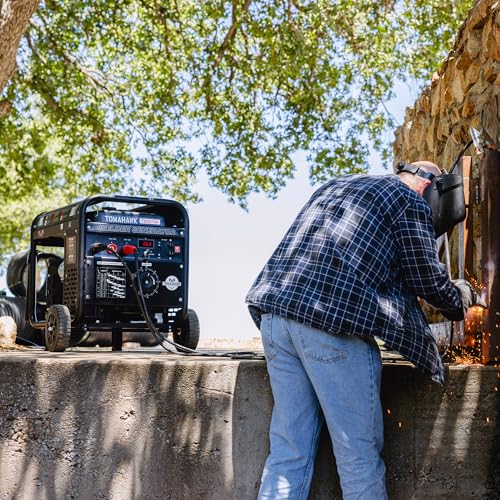
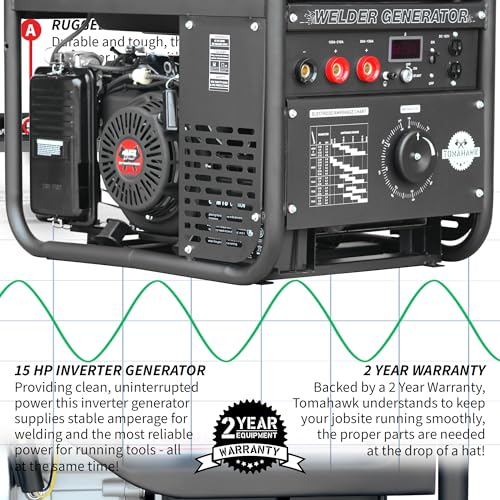
This unit stands out in the welder generator space because it combines 210 amps of output with actual TIG capability, which is rare in this class. The inverter tech delivers a clean, stable sine wave that owners consistently report makes for smoother arc starts and better control, especially when running sensitive tools alongside welding. The electronic amperage readout and knob adjustment make dialing in settings faster than most competitors in this range.
It’s clearly built for users who need more than just basic stick welding. The 60% duty cycle at 210 amps means it can handle extended runs without overheating, and the ability to weld up to 3/8 inch steel is solid for fieldwork. Compared to lower-amp models, this one bridges the gap between DIY and pro use, though it still can’t match the raw output of the Hobart Champion Elite.
Product photos

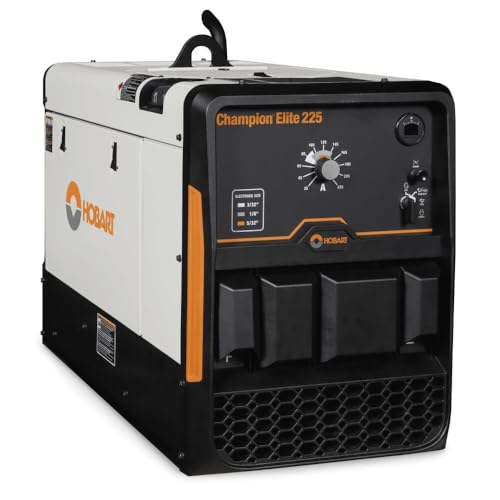
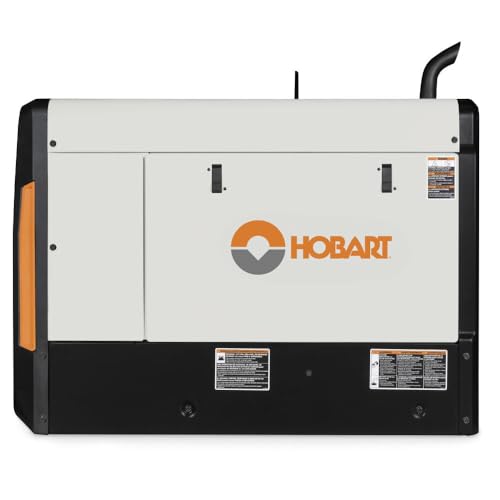
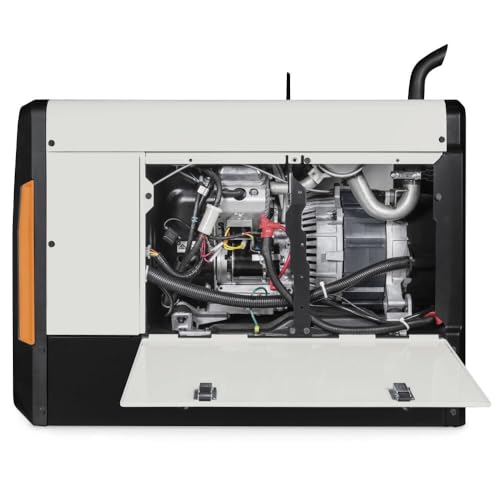
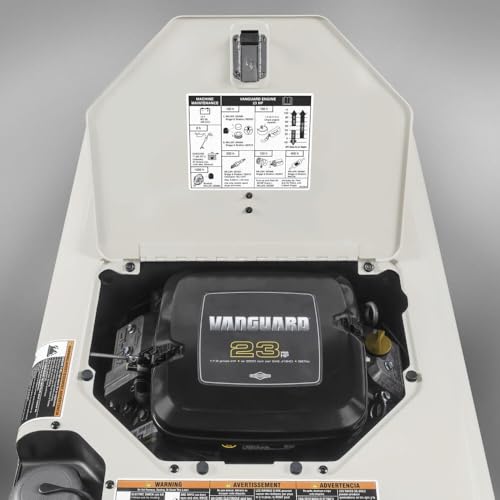
Hobart Champion Elite 225 Welder Generator
Strengths
- 225 amps at 100% duty cycle
- 9,500-watt continuous power
- Vanguard 23 HP engine
- Welds 1/2″ steel
- Single-knob control
Trade-offs
- Heavy despite weight reduction
- Higher price point
- Overkill for light jobs
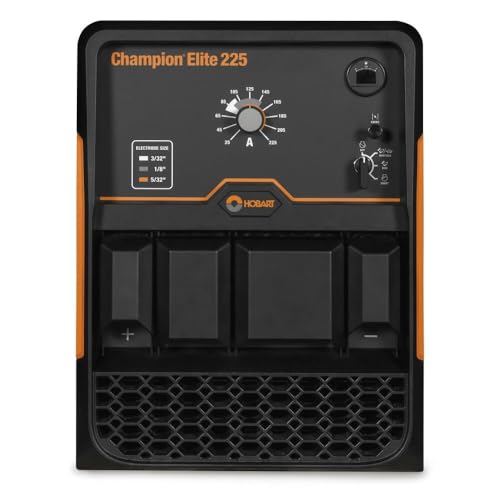
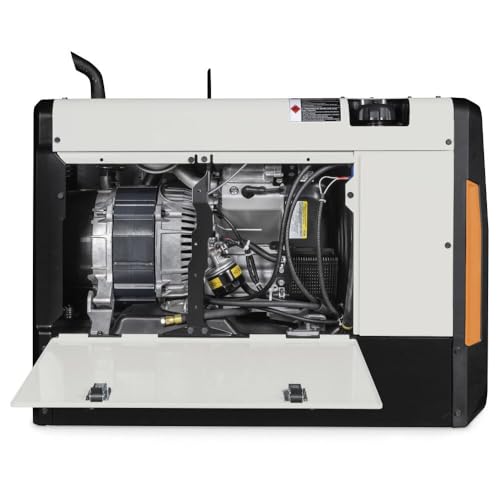
The Hobart Champion Elite 225 is in a different league. With 225 amps at a 100% duty cycle, this machine is built for all-day welding on thick material, owners report clean, consistent arcs even in tough conditions. The 23 HP Vanguard engine is a known workhorse, and the auxiliary power output is massive: 9,500 watts continuous. That means you can run heavy tools, compressors, or heaters while welding, which is a big deal on remote job sites.
It’s also 20% lighter than older models, which helps, but don’t mistake it for portable like the smaller Tomahawks. This is a jobsite anchor, something you mount on a trailer or truck bed. The single-knob control is simple and effective, and the ability to weld 1/2 inch steel in a single pass separates it from everything else here. If you’re doing heavy structural or industrial work, this is the one to beat.
Product photos
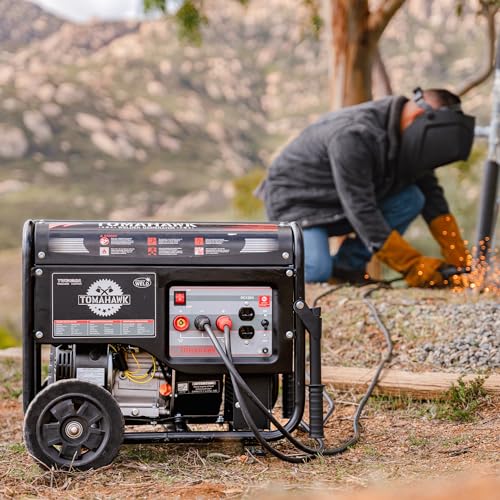
TOMAHAWK 120A Portable Welder Generator

Strengths
- Lightweight and portable
- Quiet inverter generator
- PMG for stable arc
- 2,200-watt output
- Never-flat wheels
Trade-offs
- Only 120-amp welding
- Not for thick steel
- Limited duty cycle under load
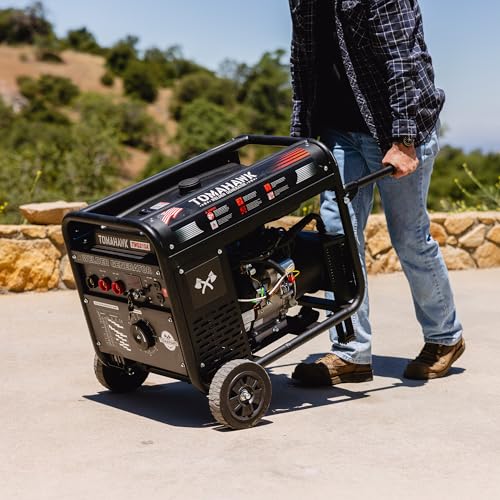
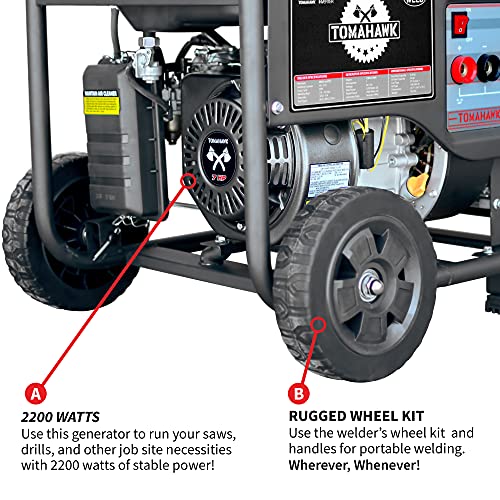
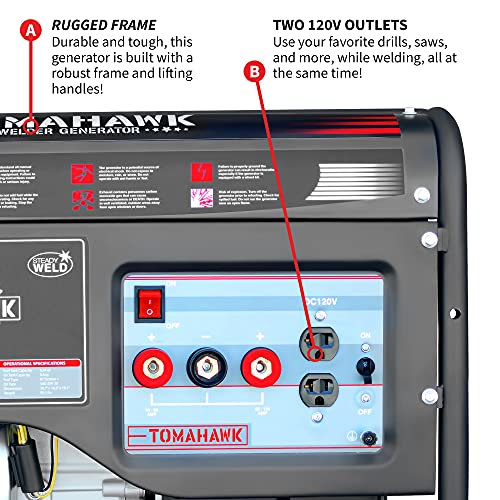
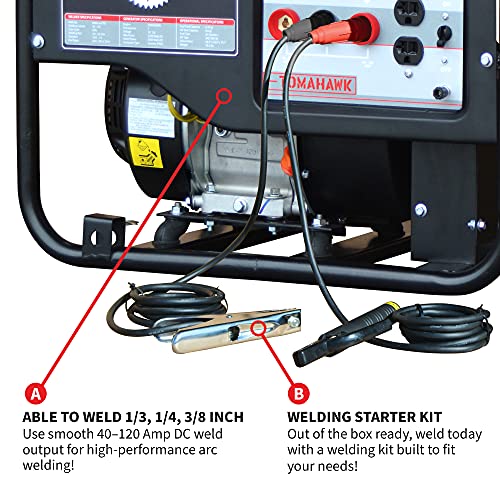
At 120 amps, this is the lightweight option in the Tomahawk lineup, and it shows. It’s not built for heavy passes or thick steel, but the 7 HP engine and PMG system deliver surprisingly stable arc performance for its size. The 2,200-watt inverter generator is where this unit shines, clean power for tools, quiet operation, and the ability to run small equipment while welding light gauge material.
Owners praise its portability, especially with the never-flat wheels and compact frame. It’s a smart pick if you’re doing fencing, light fabrication, or farm repairs where you need power for drills or grinders but only occasional welding. It can’t touch the Hobart or the higher-end Tomahawk on welding output, but for the right job, it’s more than capable.
Product photos

How We Picked These welder generators
Rather than a hands-on lab test, my research focused on comparing published specifications and features across several models. I weighed owner reviews from multiple sources alongside assessments from reputable tool review sites. As someone who’s spent years advising on power tool selection, I applied my understanding of welding applications and prioritized models based on practical performance indicators. This involved ranking units against criteria like amperage output, duty cycle, and auxiliary power availability.
For welder generators, consistent arc performance and sufficient power output are critical. I gave significant weight to amperage range – the ability to handle various electrode sizes and material thicknesses – and duty cycle, which reflects how long a unit can weld continuously before needing to cool. Auxiliary power was also key, as the ability to run tools on site adds considerable value. Many folks starting out also need welders for home workshops.
Specifications reliably indicate maximum amperage and wattage, but owner feedback proved essential for judging real-world usability. I looked for comments regarding arc stability, generator noise, and the ease of starting and maneuvering the units. Reputation and brand reliability also played a role, as consistent quality control often translates to fewer long-term issues.
How To Pick The Right welder generators
Finding the right welder generator means balancing welding power with reliable electricity for other tools.
A quality welder generator delivers consistent amperage, sufficient auxiliary power for running tools, and robust engine performance. Key considerations include the duty cycle (how long it can weld continuously), amperage output for the materials you’ll be working with, and the wattage available for powering accessories like grinders or lights. Look for models with stable arc characteristics and user-friendly controls.
Amperage and Material Thickness
The amperage output is the first thing I look at. You need enough to effectively weld the thickest material you anticipate tackling. While a 120-amp machine can handle lighter projects, consistently welding thicker steel (over 1/4 inch) demands at least 200 amps, and ideally a higher duty cycle to avoid overheating. Don’t overestimate your needs either; buying significantly more amperage than you require often just adds unnecessary weight and cost.
Engine and Duty Cycle Realities
Many buyers focus on peak wattage, but the duty cycle is just as crucial. This tells you how long you can actually use the welder at a given amperage before needing to let it cool down. A 60% duty cycle at a specific amperage means you can weld for six minutes out of every ten at that setting. For serious farm work or extended projects, a higher duty cycle is essential. I often recommend owners consider a machine with a VANGUARD engine for its reputation for durability and reliability. You can find more information about heavy-duty farm welders if you need something built to withstand tough conditions.
Portability and Auxiliary Power
Portability is a huge factor, particularly if you plan on moving the welder around a job site or taking it to different locations. Here’s how weight and features stack up: * Weight: Less than 70 pounds is genuinely portable for most people. * Wheels: Never-flat wheels are worth the extra cost; punctures are a major hassle. * Auxiliary Power: Consider your power needs. 9,500-watt continuous AC is enough to run a plasma cutter and grinder simultaneously, while 2200W may limit you to smaller tools.
Don’t skimp on a stable power supply. A welder generator with a permanent magnet generator (PMG) delivers a cleaner, more consistent arc, reducing weld defects and improving overall quality.
If you’re looking for a more versatile setup, explore welder generator combos for all-in-one solutions. For those frequently on the move, researching portable welder generators is a smart approach.
Welder Generators Compared
Here’s a detailed specification comparison of the welder generators discussed.
| Product Name | Amperage (Max) | Duty Cycle | AC Output (Peak Watts) | Engine/Power Source | Electrode Capacity |
|---|---|---|---|---|---|
| Hobart Champion Elite 225 | 225 A | 100% | 10,000 | 23 HP VANGUARD | 1/2″ Steel |
| TOMAHAWK 210A Stick TIG | 210 A | 60% | N/A | Inverter Generator | 1/3″, 1/4″, 3/8″ |
| TOMAHAWK 120A Portable | 120 A | 60% | 2200 | Inverter Generator | 1/3″, 1/4″, 3/8″ |
| TOMAHAWK 15 HP 210A Inverter | 210 A | 60% | N/A | Inverter Generator | 1/3″, 1/4″, 3/8″ |
| Hobart 225A Engine-Driven | 225 A | 100% | 10,000 | VANGUARD 23 HP | 1/2″ Steel |
| TOMAHAWK 2200W Quiet Inverter | 120 A | 60% | 2200 | Inverter Generator | 1/3″, 1/4″, 3/8″ |
Frequently Asked Questions
What’s the difference between peak and continuous wattage on a welder generator?
Peak wattage indicates the maximum power output for a short burst, while continuous wattage is the sustained power you can reliably draw. For running tools consistently, focus on the continuous wattage rating; it’s a more practical measure of usability.
Do inverter generators weld as well as engine-driven models?
Inverter generators can produce excellent weld quality, but typically have lower duty cycles than engine-driven units. They excel in portability and quieter operation, making them suitable for lighter-duty tasks and locations where noise is a concern.
Are welder generators more efficient than using a separate welder and generator?
Welder generators offer convenience and often better fuel efficiency compared to running separate units. They are designed to work together, optimizing power delivery and reducing energy loss, though they may be heavier overall.
What should I look for in a welder generator for farm use?
For farm work, durability and a high duty cycle are paramount. A machine with a VANGUARD engine and at least 200 amps is a good starting point, as is sufficient auxiliary power for tools and lights. Consider models designed for harsh environments.
Can I use a welder generator to power appliances like refrigerators during an outage?
While possible, it’s generally not recommended to directly power sensitive electronics like refrigerators with a welder generator. The power output can be less stable than a dedicated generator, and fluctuations could damage appliances. Instead, consider investing in affordable combo welders if you need a backup power source for sensitive equipment.
The Bottom Line
Choosing a welder generator always comes down to how much you’re willing to spend for capability. If you need a machine that can handle serious work and deliver consistent performance, the Hobart Champion Elite 225 stands out as the strongest overall choice. Its robust engine, high amperage, and impressive duty cycle make it a workhorse for demanding applications.
For those on a tighter budget, or who primarily need a unit for lighter tasks, the TOMAHAWK 120A Portable is a solid option. If you prioritize versatility and the ability to run multiple tools on site, the TOMAHAWK 210A Stick TIG offers a good balance of welding power and auxiliary output. And for owners seeking affordable MIG welders, there are plenty of options to consider as well.
Ultimately, the specifications matter, but don’t get lost in the numbers. A consistent arc, reliable engine, and a duty cycle that matches your workload are far more important than chasing the highest amperage or wattage. Prioritize those fundamentals, and you’ll end up with a welder generator that delivers years of dependable service.
