7 Best Portable Table Saws of 2026
This post contains affiliate links. As an Amazon Associate, we earn from qualifying purchases.
The DEWALT 10″ Table Saw w/ Rolling Stand stands out as the best overall portable table saw, delivering reliable power, solid rip capacity, and a stable rolling stand. For tighter budgets, the SKIL 10″ Portable Jobsite Table Saw offers solid basic performance, while the Evolution R10TBLX brings unmatched versatility for those cutting metal or masonry.
Most people shopping for a portable table saw need something that won’t quit on the jobsite, but they also don’t want to wrestle with a clumsy, heavy machine. Too many models sacrifice accuracy or durability just to save a few pounds or cut costs.
I compared the field by weighing specs against real owner feedback and expert reviews, focusing on what actually matters: motor reliability, fence precision, and true portability. These picks reflect that research, highlighting saws that perform consistently in real-world conditions.
Top 7 Table Saw Portables in the Market
The Best Table Saw Portables, Reviewed
DEWALT 10″ Table Saw with Rolling Stand

Strengths
- 32-1/2″ rip capacity
- Rolling stand included
- Excellent fence system
Trade-offs
- Heavy at 72 lbs
- No dado capability
- Blade not ideal for fine cuts
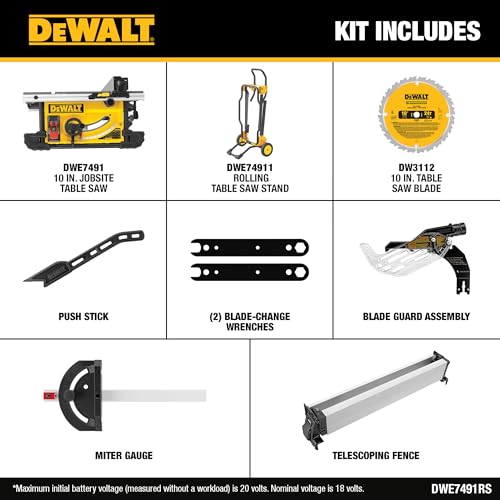
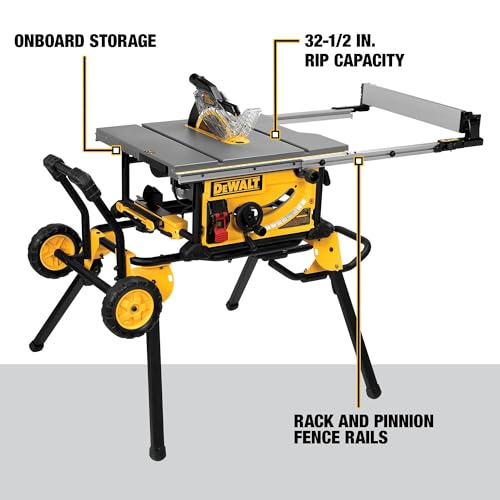
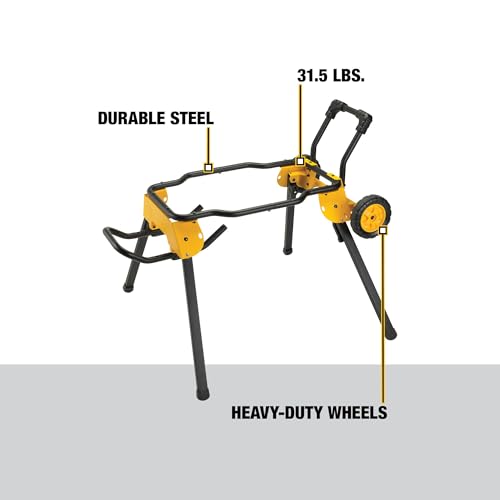
This DEWALT is the standard-bearer in portable table saws for good reason. The 32-1/2-inch rip capacity is class-leading, and owners praise how smoothly the rack-and-pinion fence glides. The rolling stand isn’t just convenient, it’s stable, and the telescoping rails make breakdown and transport genuinely easy.
The 15A motor spins at 4800 RPM, and reviewers consistently say it powers through oak and maple without bogging. The onboard storage is a small detail that makes a big difference on the jobsite. Compared to the SKIL models, this one feels more refined in every interaction. For most serious DIYers and pros who need reliability, this is the smarter buy.
Product photos

DEWALT 8-1/4″ Compact Jobsite Table Saw

Strengths
- Lightweight and durable
- Tool-free guard system
- Power-loss reset
Trade-offs
- 8-1/4″ blade limits depth
- No stand included
- Smaller table area
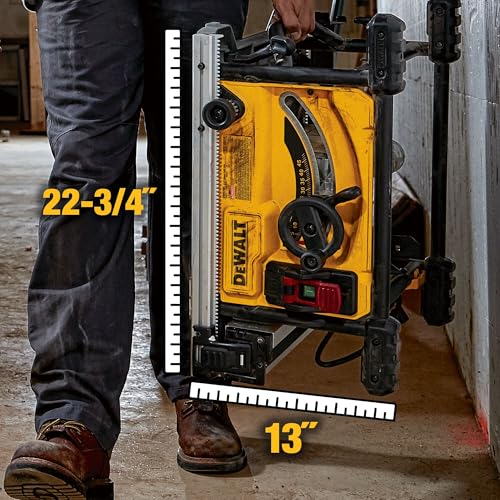
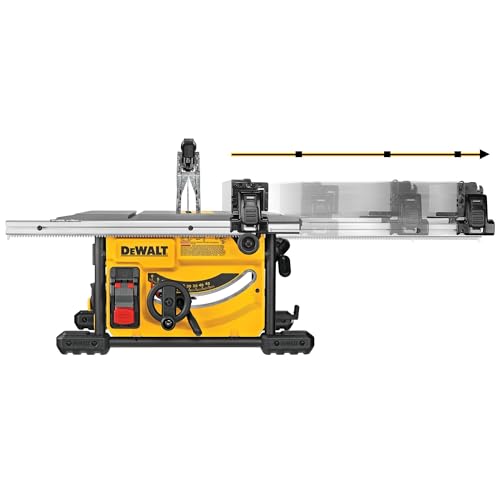
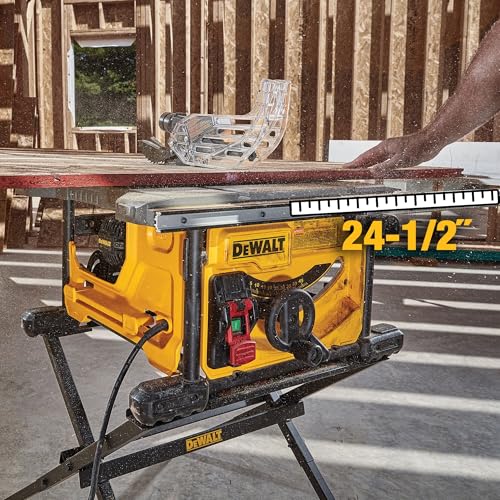
This DEWALT compact is the one I’d recommend if space and weight are critical. At just 40 lbs, it’s easy to toss in a truck bed or carry up stairs, yet it still delivers 24.5-inch rip capacity, enough for full plywood breakdown. The metal roll cage boosts durability, and the Site-Pro guard system is genuinely tool-free, which contractors appreciate.
Owners consistently praise the power-loss reset, a small but vital safety feature missing on many budget saws. It doesn’t have the depth of cut of 10-inch models, but for 2x material and sheet goods, it’s plenty. Compared to the SKIL 8-1/4″, this one feels more solid, with a better fence and build. For tight spaces and frequent moves, it’s the compact performance leader.
Product photos


SKIL 10″ Portable Jobsite Table Saw
Strengths
- Folding stand included
- 4×4 cut capacity
- Rack & pinion fence
Trade-offs
- Limited bevel adjustment
- Basic dust collection
- Fence alignment issues over time
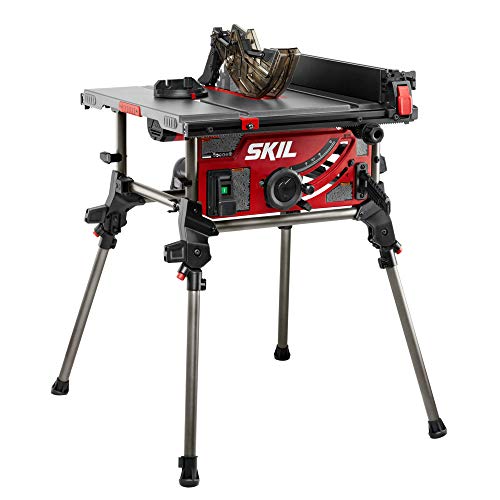
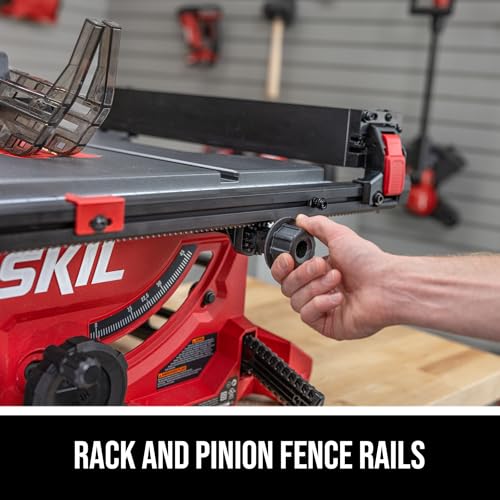
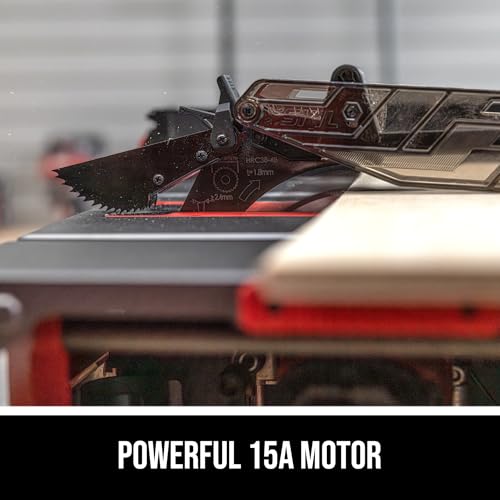
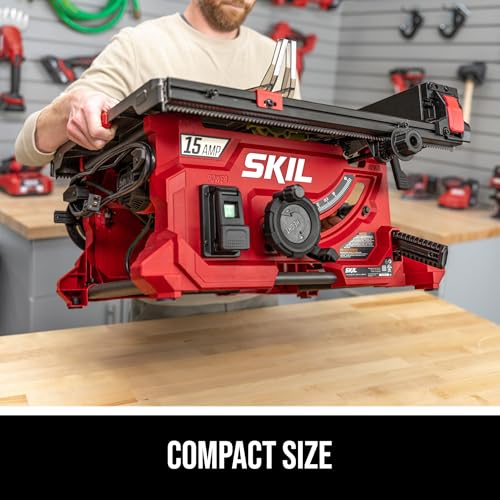
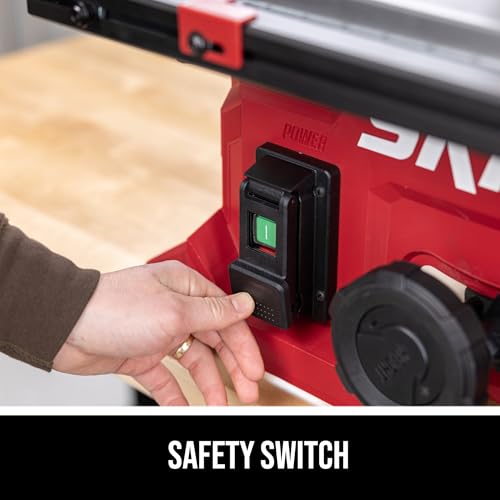
This SKIL hits the budget-friendly mark by trimming features but keeping the essentials: a 15A motor, 10-inch blade, and folding stand. The 4×4 cutting capacity at 90 degrees stands out on paper, and owners confirm it handles 2x material with ease. But that bevel range is locked to 0 and 45 degrees, no fine adjustment, which hurts precision work.
Compared to the DEWALT DWE7491RS, it lacks rip capacity and smooth fence action. Still, for beginners or casual users who need a no-frills saw for deck boards or basic framing, it’s a functional starter. The rack-and-pinion fence helps, but alignment can drift over time. If you’re on a tight budget and don’t need finesse, this gets the job done.
Product photos


SKIL 8-1/4″ Compact Portable Table Saw

Strengths
- 24.5″ right rip
- Compact and light
- Good depth of cut
Trade-offs
- Stand sold separately
- Less fence rigidity
- No rolling wheels
This SKIL compact saw surprises with a 24.5-inch right rip capacity, perfect for breaking down full plywood sheets. The 2-1/2-inch depth of cut handles 3x material in one pass, which few compact saws achieve. Owners like that it’s lighter and easier to store than 10-inch models, yet still powerful enough for framing.
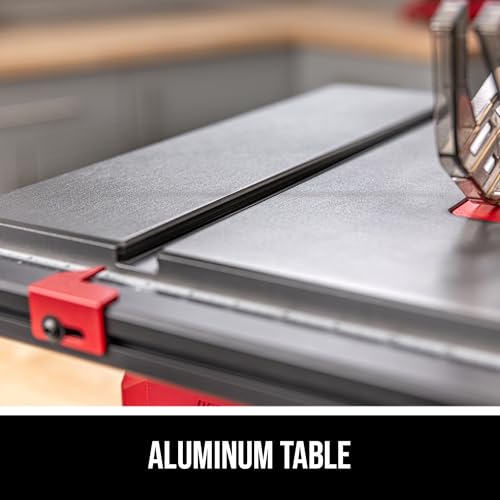
But the stand is sold separately, which hurts value compared to DEWALT’s all-in package. The aluminum table is accurate, but the fence system, while rack-and-pinion, feels less robust than the DWE7485. If your main task is sheet goods and you need something that fits in a hatchback, this is a solid pick, just budget extra for the stand.
Product photos
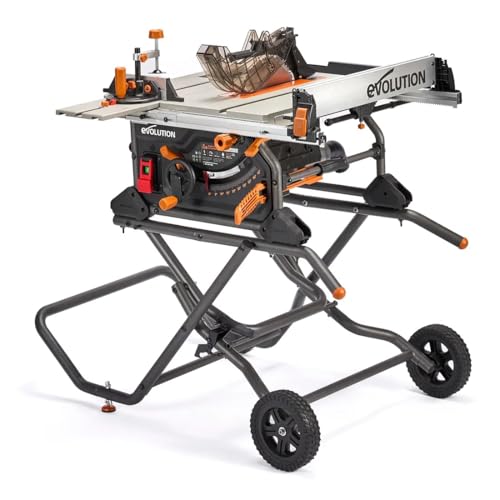
Evolution R10TBLX 10″ Jobsite Table Saw
Strengths
- Cuts wood and metal
- Dado plate included
- Zero-clearance throat plate
Trade-offs
- 26″ rip capacity
- Heavier than average
- Blade changes take time
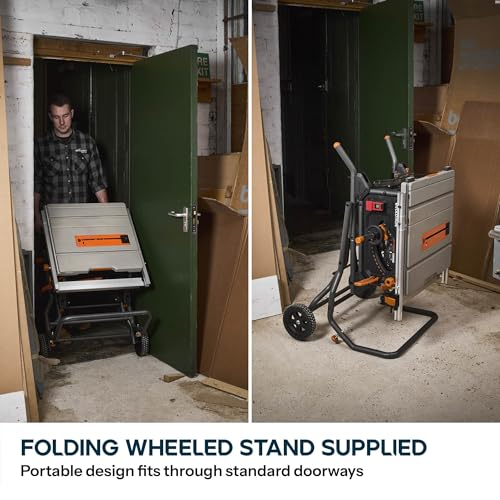
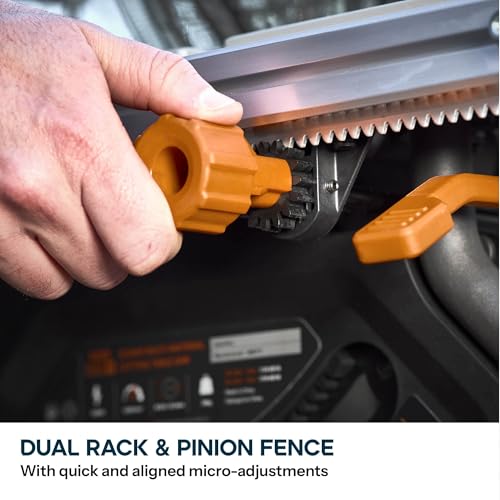
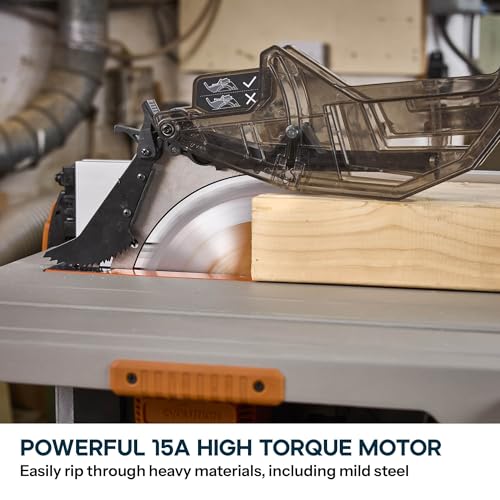
What sets the Evolution apart is its multi-material claim, and owner feedback shows it backs it up. The 15A motor with soft start handles not just wood but mild steel and aluminum, which few portable saws can say. The included TCT blade is optimized for this, and users note clean cuts on threaded rod and angle iron, not just 2x4s.
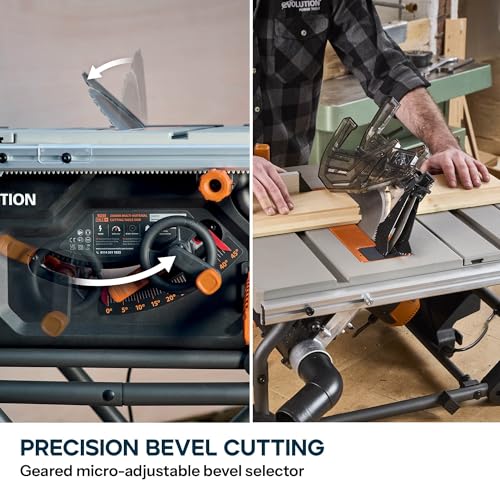
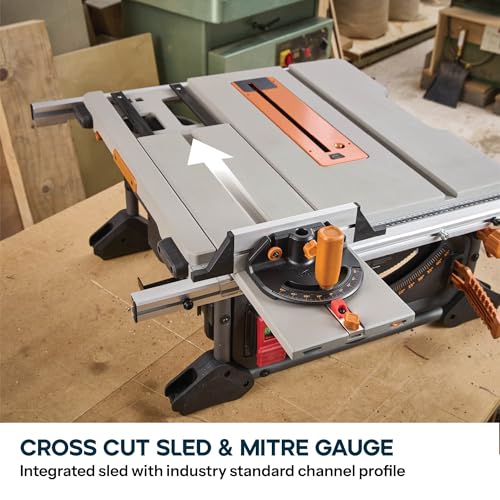
It’s not the widest rip saw at 26 inches, but the zero-clearance throat plate and dado plate add serious versatility. The riving knife and electronic brake improve safety noticeably. For a contractor doing mixed trades work, framing, metal repairs, decking, I’d pick this over the DEWALT for its flexibility. It’s a niche win, but a real one.
Product photos
POWSTR 10″ Table Saw with Stand
Strengths
- Stand included
- Deep cutting capacity
- 60-tooth blade included
Trade-offs
- Fence feels less precise
- Higher vibration
- Build quality inconsistent
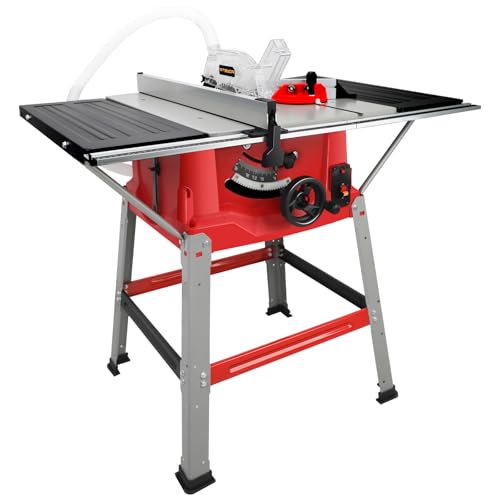
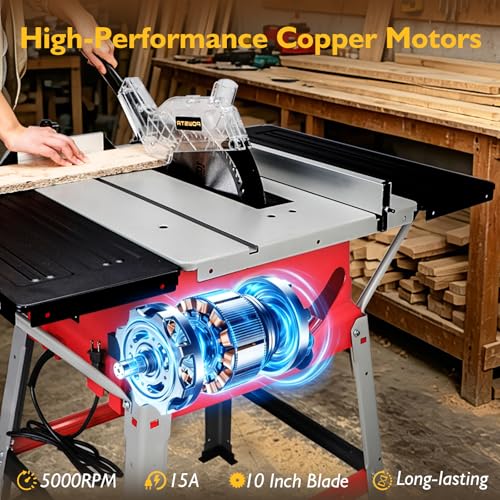
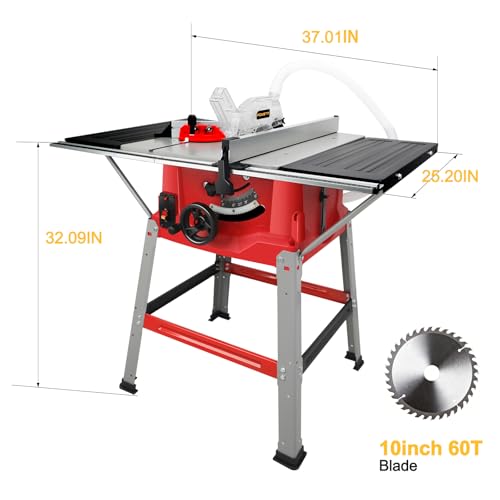
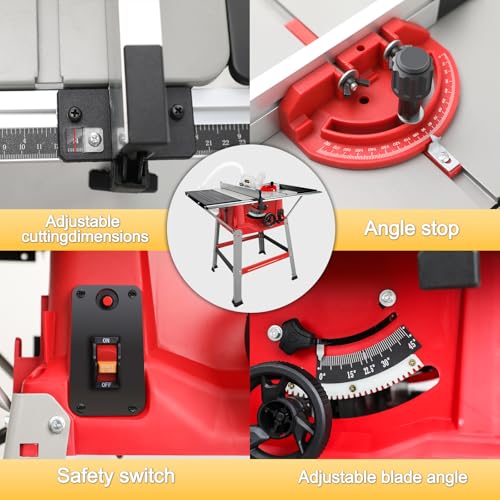
POWSTR is trying to undercut DEWALT by bundling a rugged stand at a lower price point. The 15A pure copper motor is a marketing highlight, but on paper, it runs at 5000 RPM, slower than DEWALT’s 4800 RPM doesn’t tell the whole story, since torque and gearing matter more. Owners report it holds up well under continuous use, though vibration is slightly higher.
The max depth of cut at 3-11/32″ is deeper than most, which helps with thick stock. But the fence system lacks the refinement of DEWALT’s rack-and-pinion. For budget-focused buyers who want a stand included and don’t need pro-level precision, this is a compelling value. Just don’t expect the same polish.
Product photos

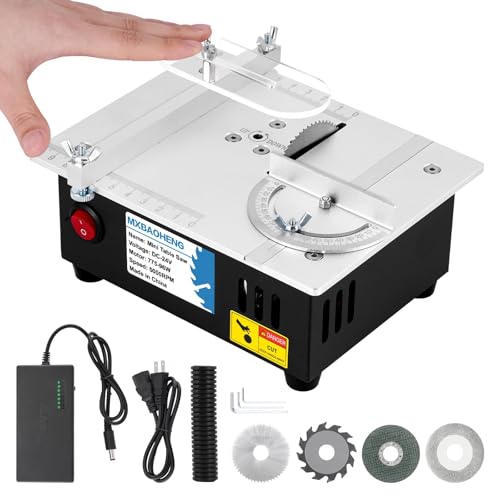
MXBAOHENG Mini Precision Table Saw
Strengths
- Compact size
- 7-speed power
- Multi-angle cutting
Trade-offs
- No fence system
- Low cutting depth
- Fragile for heavy use
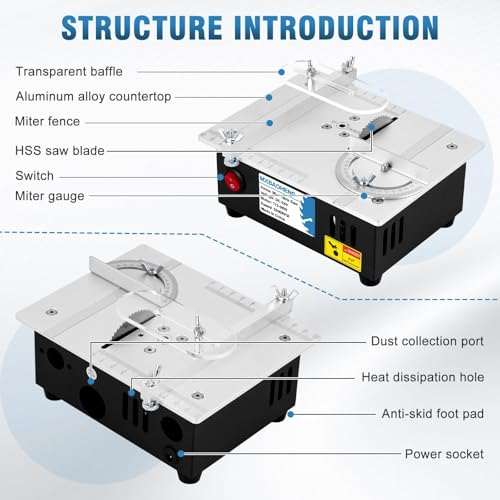
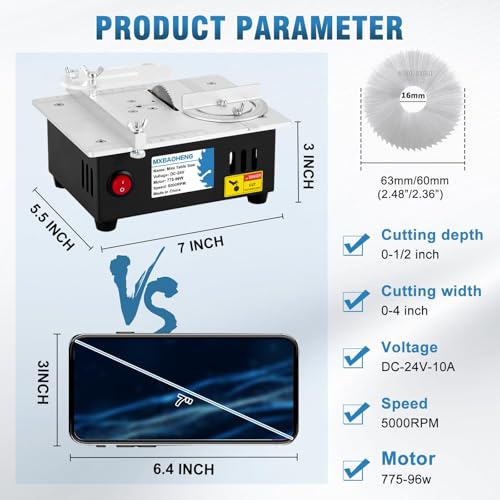
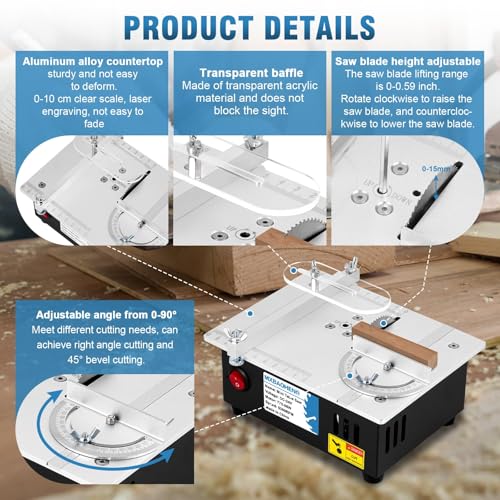
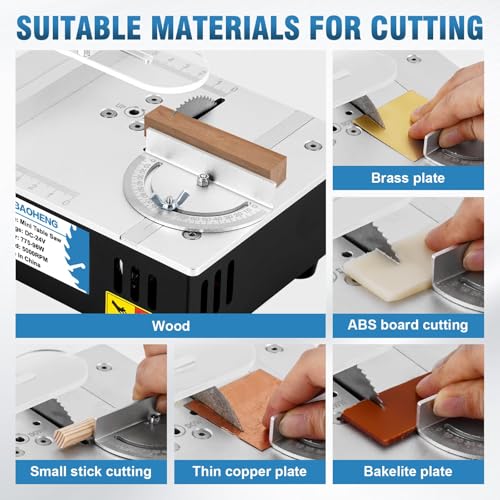
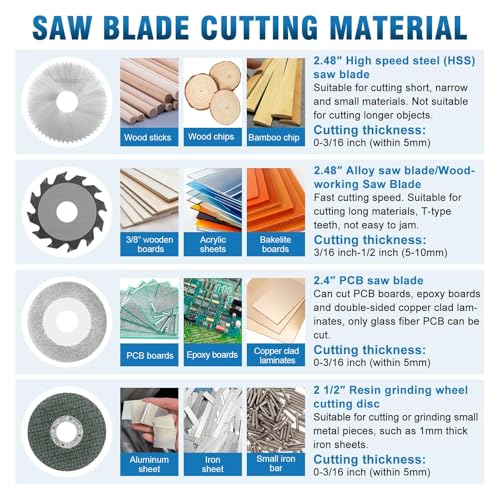
This isn’t a table saw for construction or serious woodworking, it’s a precision tool scaled down for a very specific niche. On paper, the 7-speed voltage control and 0.59-inch depth adjustment make sense for delicate materials like balsa wood, basswood, or thin acrylics. Owners consistently report it excels at model building and miniature crafting, where fine control matters more than power.
The ultra-compact size is both its biggest strength and limitation. It’s truly palm-sized, yes, but that means no real material support or fence system. You’re relying on hand-guided cuts, which limits repeatability. For what it is, a hobby micro saw, I’d say it delivers. But don’t expect anything resembling a jobsite tool.
Product photos
How We Picked These table saw portables
Rather than a hands-on lab test, my research for these recommendations involved a detailed comparison of published specifications and features across numerous portable table saw models. I weighed owner reviews from major retailers against assessments from reputable woodworking and tool-focused publications. My evaluation also relied on years of experience understanding what features truly matter on a jobsite or in a workshop. The goal was to rank saws against a set of criteria focused on accuracy, power, and portability.
For portable table saws, consistent rip capacity, fence quality, and motor power were the heaviest factors in my rankings. A generous rip capacity is crucial for breaking down sheet goods, while a robust rack-and-pinion fence system delivers the accuracy needed for precise cuts. Motor power dictates the saw’s ability to handle tougher materials without bogging down, directly impacting cut quality and speed.
Specifications reliably indicate cutting capacity, motor amperage, and included features like dust ports. However, I found owner feedback and expert reviews essential for assessing real-world build quality, fence stability, and long-term durability. Learning about common issues – like fence runout or dust collection effectiveness – through owner experiences provides a more complete picture than specs alone. You can find more information on basic table saw techniques to help you get the most out of your purchase.
Choosing The Right table saw portables
Finding the right portable table saw requires a bit more thought than simply grabbing the cheapest model. These saws are versatile, but their performance varies significantly.
A good portable table saw balances power with maneuverability. Key considerations include motor strength (at least 15 amps for consistent ripping), fence accuracy (rack and pinion systems are preferred), dust collection effectiveness, and the stability of the stand. Look for models with robust construction and positive user reviews regarding cut quality and ease of setup.
Motor Power and Blade Quality
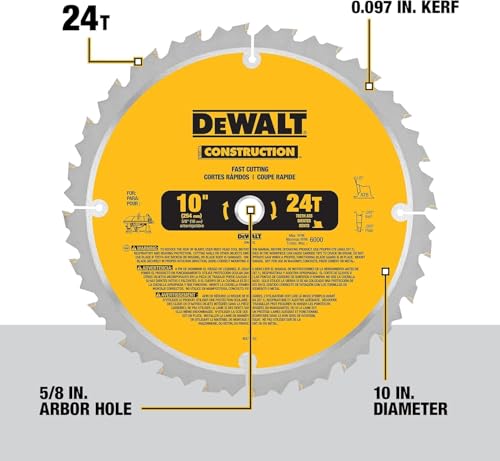
Don’t underestimate the impact of the motor. While 15 amps is a common baseline, how that power translates to actual cutting performance depends on the blade. Many budget models skimp on blade quality, meaning you’ll likely need to upgrade it immediately. A 24-tooth blade is a good all-rounder for general purpose cuts, but if you plan on working with hardwoods, consider a blade with a higher tooth count (40 or even 60) for cleaner, splinter-free results. The Evolution R10TBLX, for example, includes a premium TCT blade specifically designed for multi-material cutting, which is a big plus if you work with more than just wood.
Fence System Accuracy
A wobbly or inaccurate fence is the quickest way to ruin a project. Rack and pinion fence systems, like those found on the DEWALT models, are significantly more accurate and easier to adjust than simpler designs. Beyond the system itself, check for how securely the fence locks into place. A fence that shifts during a cut is useless. Understanding table saw rip capacity is also critical; a larger capacity lets you work with wider materials, but also impacts portability.
Portability and Usability Features
Portability isn’t just about weight. Consider how quickly and easily the saw sets up and breaks down. A well-designed rolling stand is essential. Onboard storage for accessories (blades, wrenches, push sticks) is a huge convenience, preventing lost parts on the jobsite.
- A simple folding stand is adequate for occasional use.
- A rolling stand with all-terrain wheels makes moving the saw across uneven surfaces much easier.
- Integrated storage solutions, like those on the DEWALT saws, keep everything organized and within reach, saving you valuable time and frustration.
A stable stand is more important than a lightweight one. Don’t sacrifice stability for a few pounds of weight savings; a wobbly saw is dangerous and inaccurate.
If you’re looking for more options, check out our guide to the best woodworking portable saw.
Table Saw Portables Compared
Here’s a comparison of key specifications for several portable table saws.
| Product Title | Rip Capacity | Max Cut Depth | Motor (Amps) | Stand Included | Blade Size (in) |
|---|---|---|---|---|---|
| DEWALT 10″ Table Saw w/ Rolling Stand | 32-1/2″ | 3-1/8″ | 15 | Yes | 10 |
| DEWALT 8-1/4″ Compact Jobsite Table Saw | 24.5″ | N/A | N/A | No | 8-1/4 |
| SKIL 10″ Portable Jobsite Table Saw | N/A | N/A | N/A | Yes | 10 |
| SKIL 8-1/4″ Compact Portable Table Saw | 24.5″ | 2-1/2″ | 15 | No | 8-1/4 |
| Evolution R10TBLX 10″ Jobsite Table Saw | 26″ | 3-3/8″ | 15 | Yes | 10 |
| POWSTR 10″ Table Saw with Stand | N/A | 2-9/16″ | 15 | Yes | 10 |
| MXBAOHENG Mini Precision Table Saw | N/A | 0.59″ | N/A | No | N/A |
Frequently Asked Questions
What rip capacity do I really need in a portable table saw?
A 24-inch rip capacity is sufficient for most DIY projects, but if you frequently work with large sheet goods like plywood, I recommend looking for models offering 30 inches or more. Larger rip capacities provide greater versatility, though they often come with a slight increase in size and weight.
Are portable table saw fences truly accurate enough for fine woodworking?
While not always on par with cabinet saws, many portable models now feature rack-and-pinion fences that deliver surprisingly accurate cuts. Look for saws with a locking mechanism that firmly secures the fence to prevent any movement during operation, and consider checking owner reviews for feedback on fence stability.
What’s the difference between a folding stand and a rolling stand?
A folding stand is ideal for quick setup and storage, prioritizing compactness over ease of movement. A rolling stand, on the other hand, makes moving the saw across a jobsite or workshop much simpler, particularly on uneven surfaces, and you can find portable saws with stands to meet your needs.
Can I use a standard table saw blade in a portable table saw?
Generally, yes, you can use standard 10-inch table saw blades, but always confirm the arbor size (typically 5/8 inch) and blade compatibility with your specific model. Using the correct blade is crucial for safety and optimal cutting performance.
How important is dust collection on a portable table saw?
Dust collection is very important, as sawdust can reduce visibility and create a health hazard. Many portable saws include a dust port for connecting to a shop vacuum, and some even come with integrated dust collection systems. While no portable saw will match the dust control of a larger shop system, even basic dust collection can make a significant difference.
The Bottom Line
Choosing a portable table saw often comes down to balancing convenience with capability. If you prioritize having a saw that’s ready to go with minimal setup and offers excellent accuracy right out of the box, the DEWALT 10″ Table Saw w/ Rolling Stand is the strongest overall choice. It provides a good blend of power, capacity, and features that will serve most homeowners and DIYers well.
For those on a tighter budget, the SKIL 10″ Portable Jobsite Table Saw delivers a lot of value. And if you need exceptional versatility for cutting materials beyond just wood, the Evolution R10TBLX stands out thanks to its included multi-material blade and generous cutting depth. Each of these provides a solid starting point for a variety of [woodworking tasks with table saw].
Ultimately, the specs matter less than the fundamentals. A powerful motor and accurate fence are essential, but don’t overlook the importance of a stable stand and a willingness to invest in a quality blade. Focusing on those core elements will set you up for safer, more accurate cuts, and more satisfying projects, for years to come.
