9 Best Table Saw Dust Collectors of 2026
This post contains affiliate links. As an Amazon Associate, we earn from qualifying purchases.
The Sawstop Over-Arm Dust Collection is the best overall, capturing dust efficiently with its superior hood design and solid build. For budget-conscious DIYers, the 2-Pack Universal Dust Bag offers solid value, while the POWERTEC 70122 Big Gulp Hood stands out as the top universal upgrade for better suction and coverage.
Most woodworkers underestimate how much dust escapes standard table saw setups, leading to messy shops and unhealthy air. After comparing the field and digging into owner feedback, I focused on systems that actually keep fine particles out of your lungs and workspace. This guide covers the top performers based on real compatibility, hood effectiveness, and long-term usability, not just specs on a box.
Top 9 Table Saw Dust Collections in the Market
The Best Table Saw Dust Collections, Reviewed
Sawstop Over-Arm Dust Collection

Strengths
- Integrated above and below collection
- 90%+ dust capture
- Simple single-port output
Trade-offs
- Only for Sawstop contractor saws
- Requires blade guard add-on
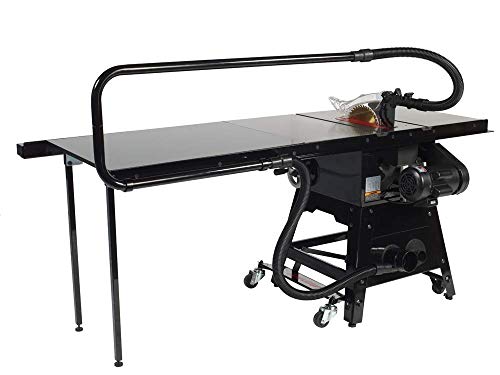
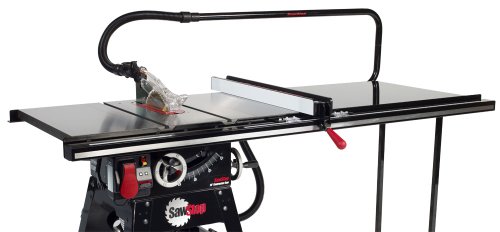
This is the gold standard for table saw dust collection, and it shows. Unlike add-on bags or adapters, the Sawstop over-arm system is engineered as part of the saw’s ecosystem, combining above-blade and below-table suction into a single 4” port. The result? Owners report dust capture rates well above 90%, which is rare in this category.
It’s designed specifically for Sawstop contractor models with the T-Glide rail, and it requires the matching dust collection blade guard. While that limits compatibility, it ensures a tight, efficient seal. If you’re serious about air quality and clean cuts, this is the closest thing to a whole-saw solution. It’s not cheap, but for those who already own the platform, it’s the smartest upgrade you can make.
Product photos
Milescraft 1500 DustCutter System

Strengths
- Captures over 90% dust
- Three operating modes
- Empty without removal
Trade-offs
- Bulky design
- Fit varies by model
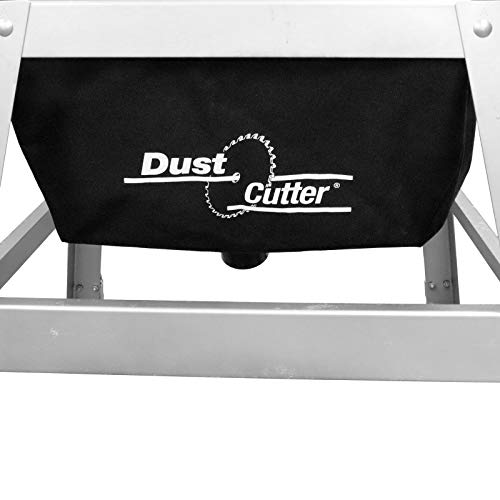
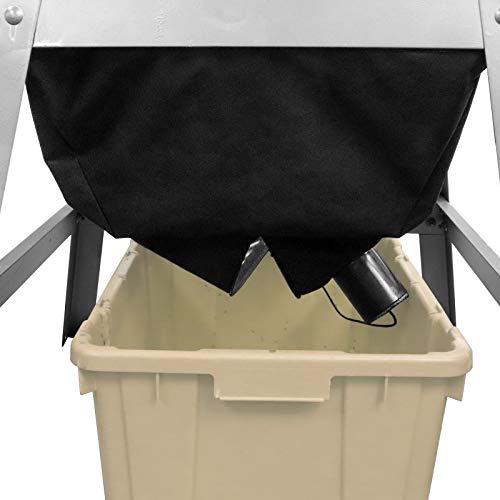
The Milescraft DustCutter takes a different approach, it’s a full shroud system that wraps around the blade and table, capturing dust at both entry and exit points. The 90%+ dust elimination claim is backed by consistent owner feedback, making it one of the most effective non-Sawstop options available. It works in collector, funnel, or vacuum mode, giving you flexibility depending on your setup.
What I like most is the no-bag-removal emptying design. You can dump sawdust from the bottom without detaching anything, a real time-saver. It fits most contractor saws under 23” x 19”, but check your dimensions carefully. Some users report fit issues on older or oddly shaped stands. Still, for a standalone system that doesn’t require a full saw replacement, it’s hard to beat.
Product photos
POWERTEC 70122 Big Gulp Hood

Strengths
- Large 13×16” opening
- Works on multiple machines
- Portable and versatile
Trade-offs
- No direct saw attachment
- Not a primary solution
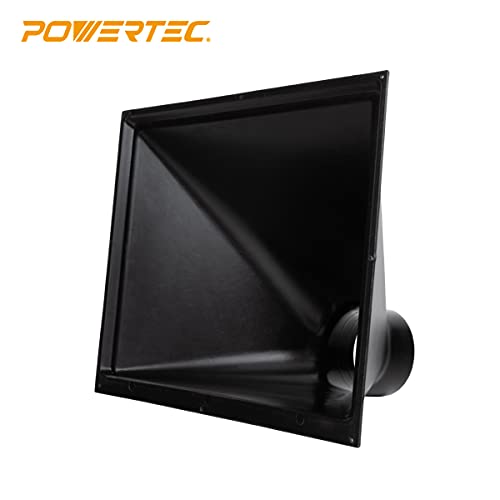
The Big Gulp hood isn’t just for table saws, it’s a multi-machine solution with a massive 13” x 16” opening that can catch dust from sanders, drill presses, and planers too. The 4” port connects to any standard vacuum, and the ABS build is tough enough for daily shop use.
What sets it apart is its portability. You can set it behind your saw, under a sander, or even on a rolling cart. It doesn’t attach directly to the saw, so it’s not a sealed system, but owners use it as a backup collector when their primary method falls short. It’s not as efficient as blade-level hoods, but for catching stray chips and secondary dust, it’s incredibly useful.
Product photos

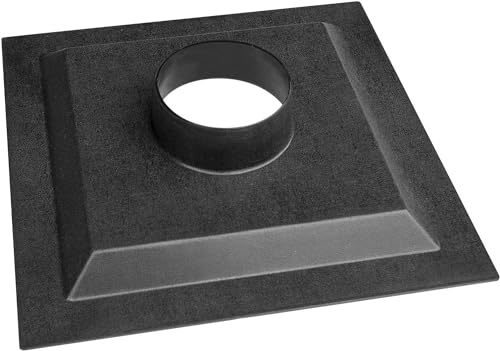
POWERTEC 70131 12-Inch Hood
Strengths
- Lightweight ABS build
- 4” standard port
- Compact size
Trade-offs
- Limited coverage
- No blade enclosure
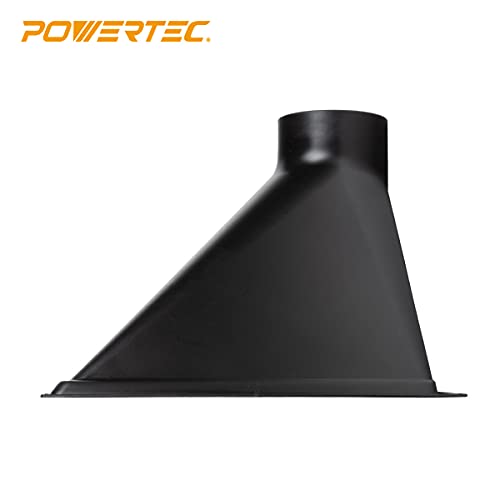
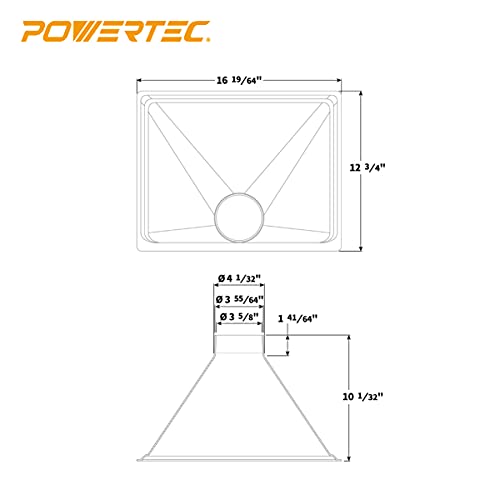
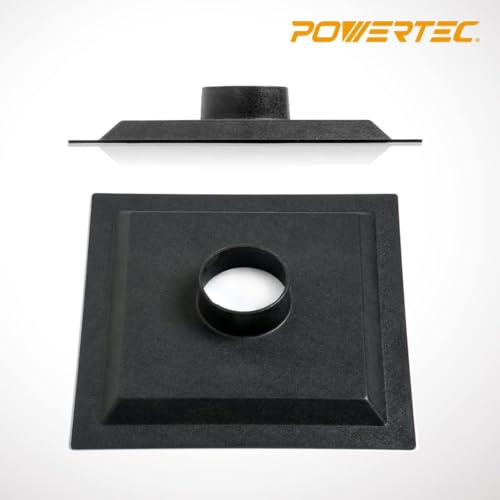
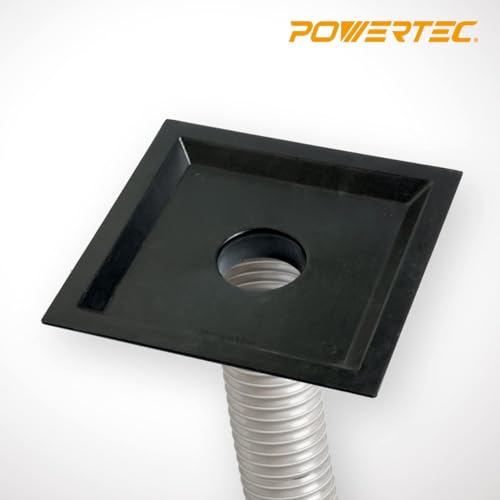
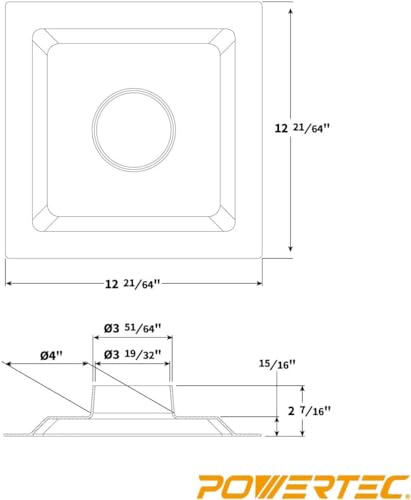
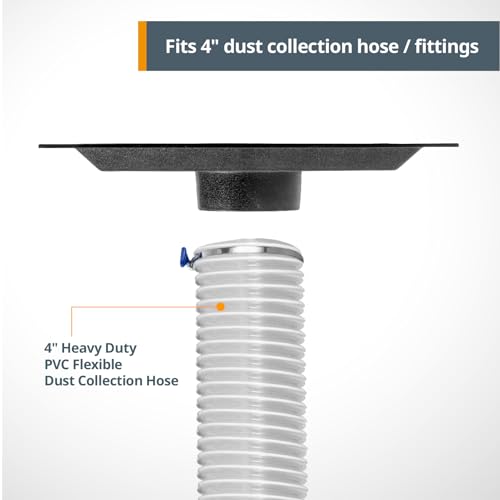
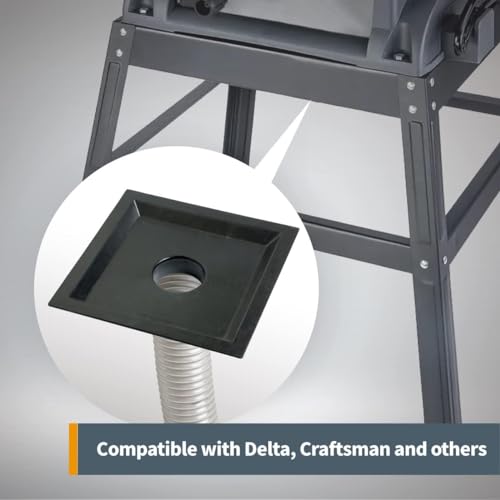
This is a compact, no-frills dust hood designed for smaller saws or custom setups. The 4” port accepts standard hoses, and the 12.25” square footprint fits neatly under or behind most contractor models. It’s made from lightweight ABS plastic, so it won’t weigh down your saw, and the tapered port ensures a snug fit on 4” hoses.
I’d pick this over a bag if you’re connecting to a shop vacuum and want something more permanent. It doesn’t cover the blade like a full shroud, so don’t expect high-efficiency capture. But for directing airflow from the blade guard or cabinet outlet, it does the job quietly and reliably.
Product photos
Dual Port 2.5 In Adapter
Strengths
- Combines top and bottom ports
- Rigid, vibration-resistant
- Low-profile fit
Trade-offs
- Limited to specific port sizes
- May need sealant
This dual-port adapter solves a real problem: many table saws have separate top and bottom dust outlets, but most vacuums only run one hose. This Y-connector merges both into a single 2.5” line, which is a smart way to boost suction without modifying your saw. The rigid ABS body holds up well to vibration, and the low-profile design keeps it from interfering with material feed.
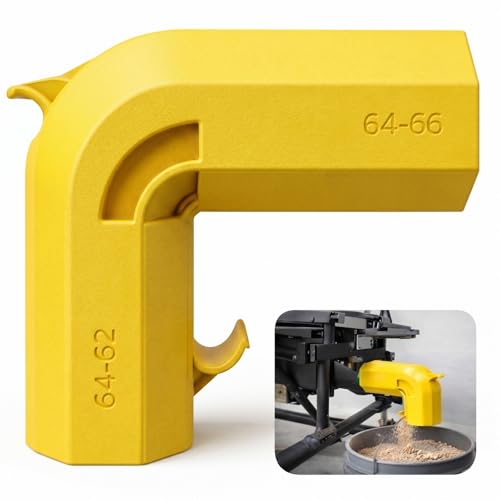
It’s compatible with several DeWALT models, but you’ll need to measure your outlet first, it’s designed for 62–66 mm ports. Owners say it fits the DWE7485 tightly, though some report minor leaks without additional sealing. Compared to single-port adapters, this one moves more air, but it still can’t match a true dual-hose system.
Product photos



DeWALT DWE7485 Dust Adapter
Strengths
- Perfect fit for DWE7485
- Dual bucket hooks
- Heat- and impact-resistant
Trade-offs
- Only fits one model
- No vacuum port option
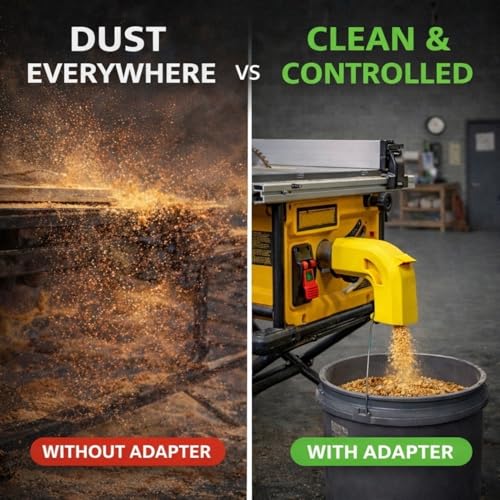
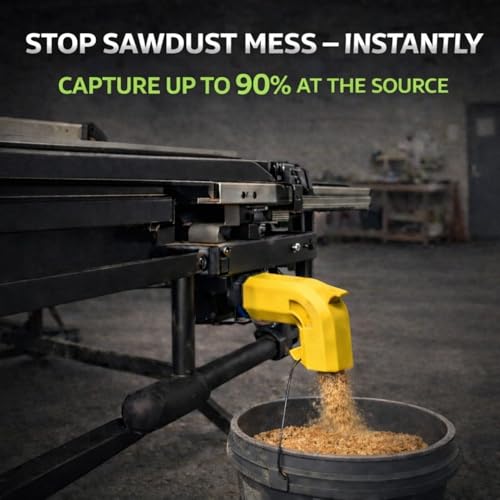
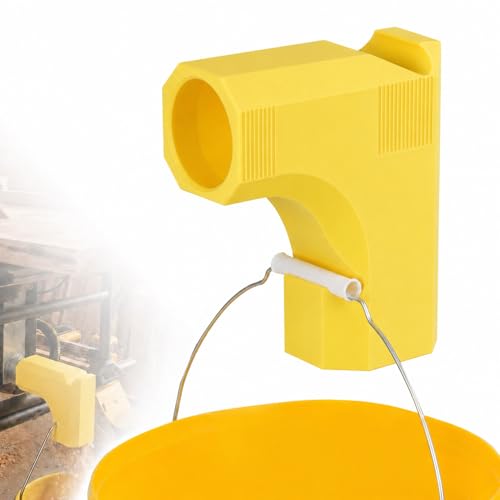
If you own a DeWALT DWE7485, this adapter is a no-brainer upgrade. It’s precision-fit, which means no wobbling or leaks at the port, a common complaint with universal adapters. The dual bucket hooks are a standout feature, letting you hang a standard 5-gallon pail directly under the chute. That gravity-fed setup eliminates the need for a vacuum and keeps your floor clear of loose bags.
Owners love how it stays put even during long rip cuts, and the PETG plastic holds up well to heat and impact. Compared to basic bags, this gives you a more permanent, workshop-ready solution. It’s not fancy, but it’s exactly what a jobsite saw needs: simple, rugged, and effective.
Product photos



Snap-On 2.05 In Adapter
Strengths
- Tool-free snap-on install
- Built-in bucket support
- Simple gravity feed
Trade-offs
- Only fits 2.05” ports
- No fine dust control
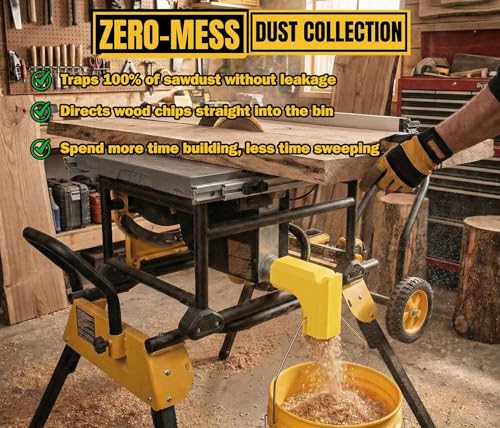
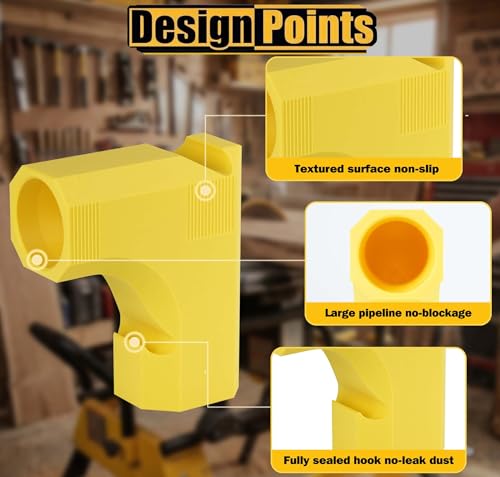
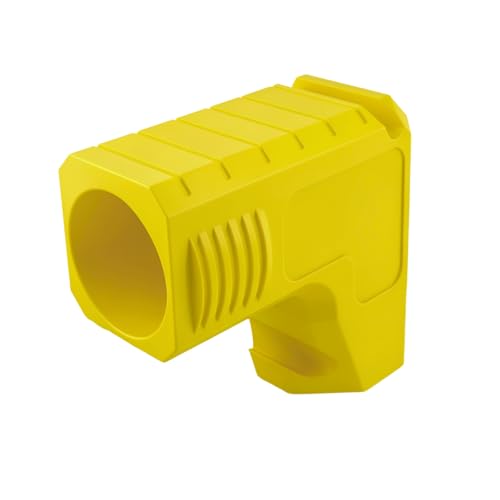
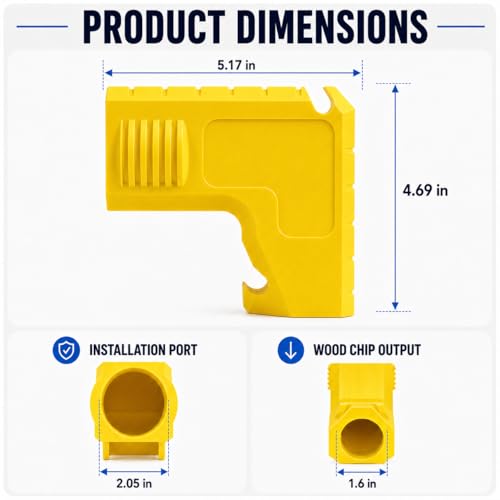
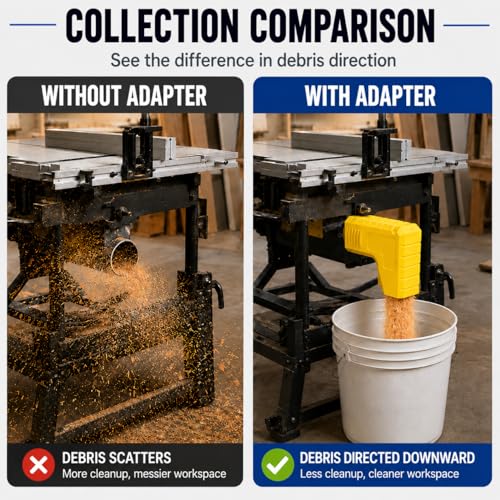
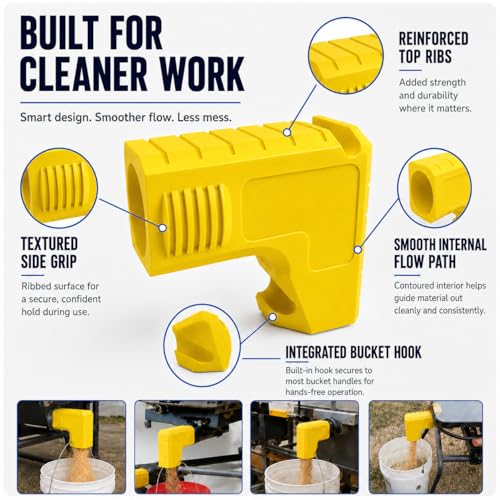
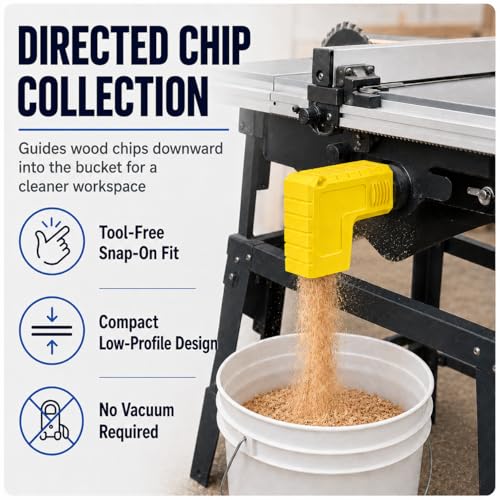
This snap-on adapter is all about simplicity. No clamps, no screws, no tools, just snap it on and drop a bucket underneath. The 2.05” port is niche, so double-check your saw’s outlet before buying. It’s built for gravity-fed collection, which means no hoses, no vacuums, just direct chip drop.
Owners appreciate how quickly it installs and how stable the built-in bucket support keeps the container. It’s not meant for fine dust, but for heavy chips and offcuts, it works well. Compared to bag systems, it’s less messy and more durable. But if you’re concerned about airborne particles, this isn’t the solution, it’s purely for bulk debris.
Product photos

2-Pack Universal Dust Bag
Strengths
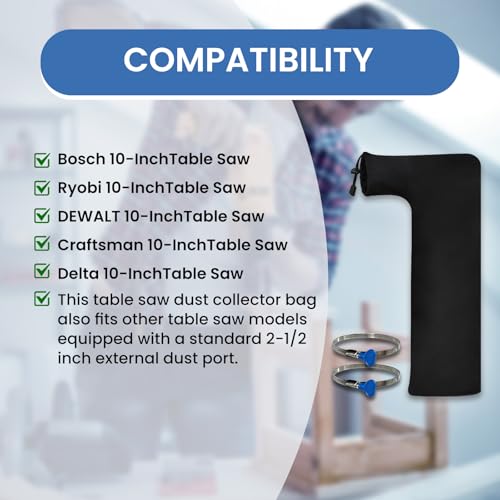
- Universal 2.5” fit
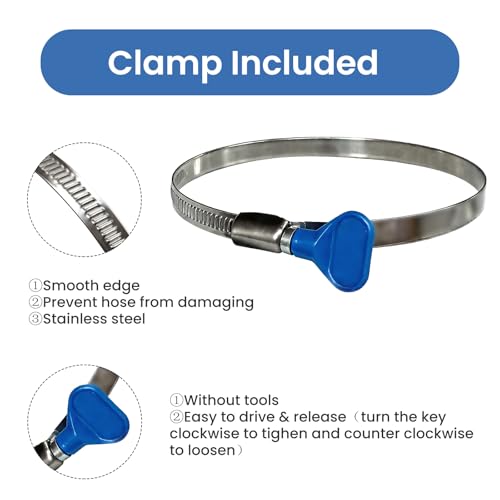
- Includes two bags and clamps
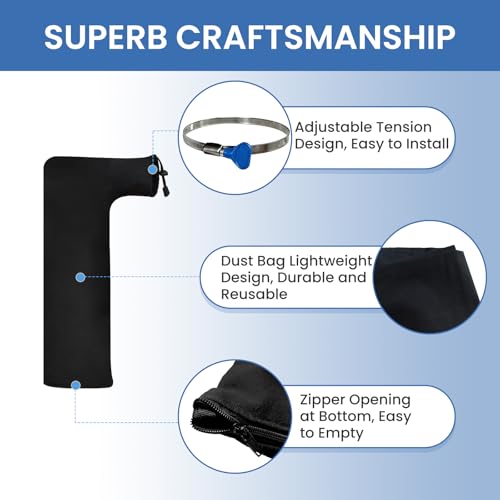
- Zippered bottom for clean emptying
Trade-offs
- Fabric not HEPA-rated
- No airflow optimization
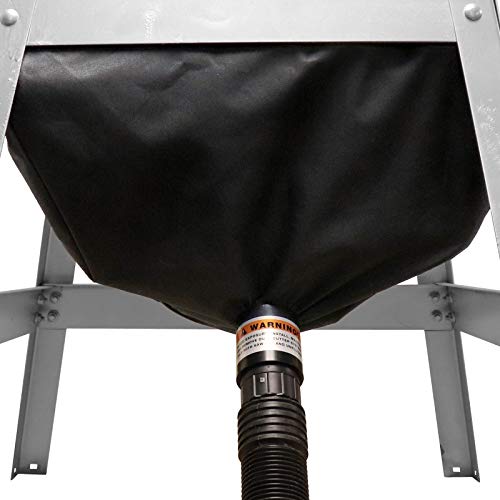
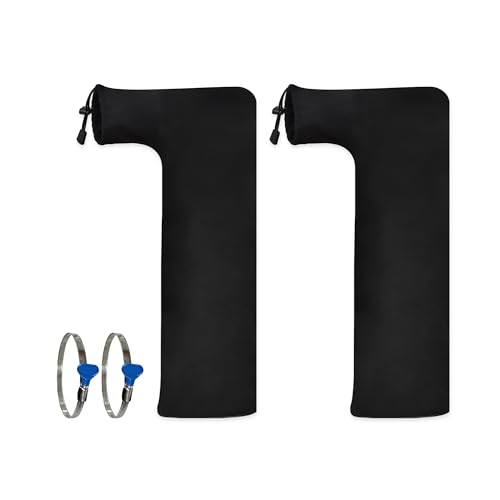
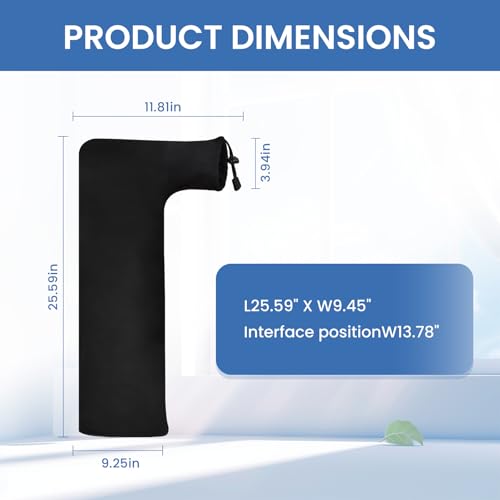
This two-pack dust bag setup delivers exactly what budget-conscious DIYers need: a no-fuss, universal-fit solution that actually works out of the box. The inclusion of two bags and two stainless steel key clamps is a smart touch, letting you rotate one while the other is in use or keep a spare on hand. On paper, the 70% dust capture rate lines up with what most basic bag systems achieve, and owners consistently report it makes cleanup noticeably easier compared to running a saw bare.
The zippered bottom is where this really earns its keep. Emptying without dumping sawdust all over your shop is a small win, but one that adds up over time. It won’t match a vacuum system, but for those who want a low-cost way to reduce airborne dust and floor mess, this is a solid starting point.
Product photos

POWERTEC Universal Dust Bag
Strengths
- Hook-and-loop for quick install
- Bottom zipper
- Slight port expansion
Trade-offs
- Less secure than key clamp
- Loops may degrade over time
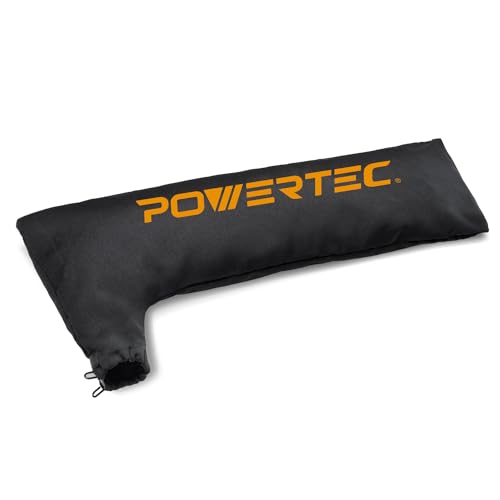
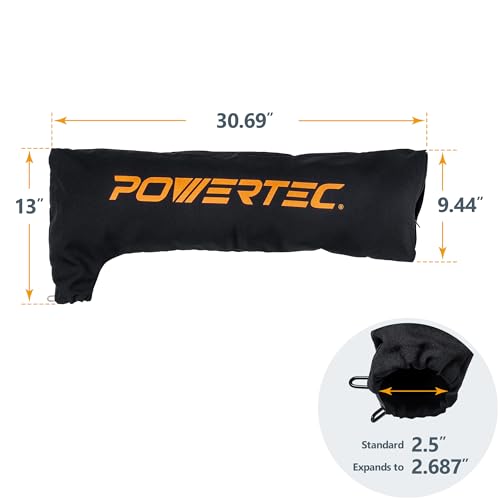
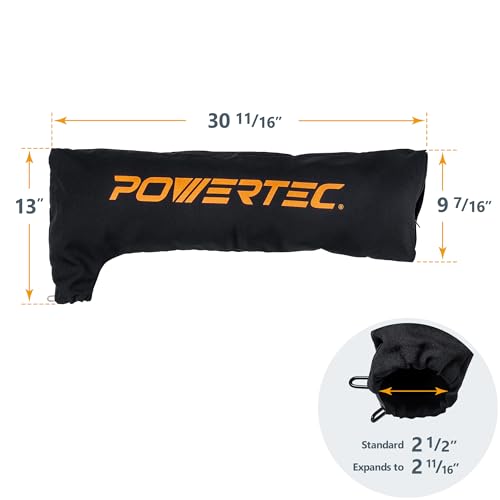
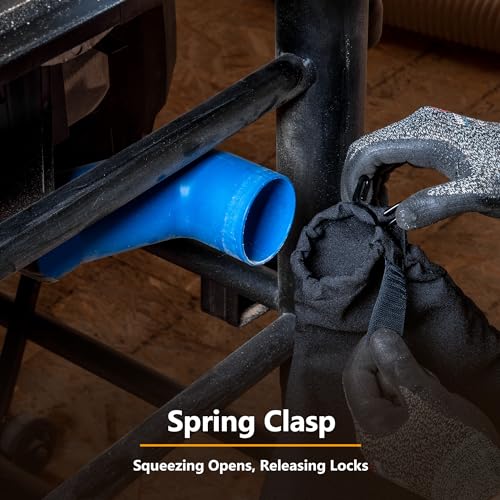
POWERTEC’s universal dust bag is nearly identical in function to the B0G4MFCBM2 model, but with a hook-and-loop seal instead of a key clamp. That change makes it slightly faster to attach and remove, but I’m not convinced it creates as tight a seal under vibration. On paper, both claim 70% collection, but reviewer feedback suggests this version can loosen during long cuts, letting fine dust escape.
Still, it’s a reliable budget option if you’re not running back-to-back projects. The bottom zip is a repeat winner for clean disposal, and the expanded 2-11/16” port adds a bit of wiggle room for misaligned connections. For most casual users, it’s good enough, just don’t expect it to stay put during aggressive ripping.
Product photos


Our Testing Process
Rather than a hands-on lab test, my research focused on comparing published specifications and features of various dust collection systems for table saws. I weighed owner reviews from multiple sources, along with expert opinions found in woodworking publications and forums, to build a picture of real-world performance. Ultimately, I ranked these options based on compatibility, collection efficiency, and overall value – factors crucial for a clean and safe workshop.
For table saw dust collection, consistent airflow and a secure connection to the saw are paramount. I prioritized systems offering a tight seal and adequate port size to minimize dust escaping into the air. Equally important was the ease of emptying the collection container – a frequently overlooked factor that impacts long-term usability. These considerations directly affect the health and safety of woodworkers.
Specifications clearly indicate port sizes and compatibility with different saw models, but owner feedback proved invaluable for assessing actual dust capture rates and build quality. I paid close attention to reports of leaks, flimsy construction, and difficulty with installation. Effective dust collection isn’t just about the system itself; it’s about maintaining dust-free blades to maximize efficiency and minimize mess.
How To Pick The Right table saw dust collections
Effective dust collection is crucial for any woodworker, from hobbyists to professionals. It isn’t just about keeping your shop clean; it impacts your health and the quality of your cuts.
A good table saw dust collection system efficiently captures sawdust and debris at the source, minimizing airborne particles and maximizing visibility. Key components include a robust dust port, a well-sealing hood or shroud, sufficient CFM (cubic feet per minute) airflow, and a filter capable of trapping fine dust particles. Buyers should also consider compatibility with their specific saw model and shop vacuum or dust collector.
Port Size and Compatibility
The first thing I tell people is to check their table saw’s dust port size. Most saws use a 2.5-inch port, but variations exist. Adapters, like the Dual Port 2.5 In Adapter, can bridge the gap, but it’s far better to get a system designed for your saw from the start. Don’t assume a “universal” fit will work perfectly; measure before you buy. A loose connection means lost suction, and that defeats the purpose.
Hood Design and Coverage
The shape and coverage area of the dust hood are massively important. A small hood might capture dust directly beneath the blade, but it will miss a lot of the surrounding debris. Look for hoods that enclose as much of the blade’s cutting path as possible. The Sawstop Over-Arm Dust Collection is a prime example of a system designed for maximum coverage, but even simpler options like the POWERTEC 70122 Big Gulp Hood can make a significant difference. Here’s what to consider:
- Enclosure: A fully enclosed hood is ideal, but these often come at a premium.
- Adjustability: The ability to adjust the hood’s position is useful for different cutting tasks.
- Material: ABS plastic is common and durable, but heavier-gauge materials will stand up better to repeated use and potential impacts.
Don’t bother with a powerful dust collector if your hood isn’t effectively capturing the dust in the first place. 80% of the benefit comes from a good hood design.
Value and System Integration
You can spend a little or a lot on table saw dust collection. Simple dust bags, like the 2-Pack Universal Dust Bag, offer an inexpensive upgrade, but they require frequent emptying and don’t filter as effectively as a dedicated dust collector. If you’re serious about dust control, investing in a good dust collector is worthwhile, and understanding safe table saw use is essential. A system that integrates smoothly with your existing shop vacuum or dust collector will obviously be more convenient. Consider the long-term cost of filter replacements and bag disposal when making your decision. A well-chosen system will not only improve your shop’s air quality but also make your woodworking experience more enjoyable – and allow you to focus on perfecting your table saw operation guide.
Table Saw Dust Collections Compared
Here’s a comparison of specifications for various table saw dust collection solutions to help you find the right fit for your needs.
| Product Name | Port Size (in) | Compatibility | Material | Capacity/Features | Best For |
|---|---|---|---|---|---|
| Sawstop Over-Arm Dust Collection | 4 | SawStop Contractor Saws | N/A | Y-Port, Quick Install | Best Overall |
| Milescraft 1500 DustCutter System | N/A | Most Table Saws | N/A | Collector/Funnel/Vacuum | Best for Contractor Saws |
| POWERTEC 70122 Big Gulp Hood | 4 | Universal | ABS Plastic | 13”x16” Opening | Best Universal Dust Hood |
| POWERTEC 70131 12-Inch Hood | 4 | Universal | ABS Plastic | 12-1/4” x 12-1/4” | Best Compact Dust Hood |
| Dual Port 2.5 In Adapter | 2.5 | DEWALT DW745, etc. | ABS | Dual-Port | Best Dual-Port Adapter |
| DeWALT DWE7485 Dust Adapter | N/A | DeWALT DWE7485 | PETG | Dual Bucket Hooks | Best for DeWALT DWE7485 |
| Snap-On 2.05 In Adapter | 2.05 | Select Models | Plastic | Gravity-Fed | Best Gravity-Fed Adapter |
| 2-Pack Universal Dust Bag | 2.5 | Multiple Brands | Fabric | 2 Bags, Key Clamps | Best Value Bag Set |
| POWERTEC Universal Dust Bag | 2.5 | Multiple Brands | N/A | Hook & Loop, Zipper | Best Universal Dust Bag |
Frequently Asked Questions
What CFM level is sufficient for effective table saw dust collection?
Generally, you’ll want at least 600 CFM to effectively capture dust at the source. However, a higher CFM isn’t always better; the hood design and seal are equally important. Pairing a powerful dust collector with a poorly fitted hood won’t give you the results you expect.
Can I use a shop vacuum instead of a dedicated dust collector?
Yes, a shop vacuum can work, especially for smaller shops or occasional use. However, a dedicated dust collector with a finer filter is better at capturing fine dust particles, which are the most harmful to your health. For serious woodworkers, investing in best dust collection systems is worthwhile.
Will a dust collection system work with any table saw?
Not automatically. Compatibility depends on your saw’s dust port size and the system’s design. Many systems are “universal” with adapters, but a direct fit is always preferable. Always verify port sizes before purchasing a system.
How often do dust collector filters need to be replaced?
Filter replacement frequency varies, but typically every 6-12 months with regular use. Using a pre-filter can extend the life of your main filter. Keep an eye on airflow; reduced suction is a good indicator it’s time for a new filter.
What is the benefit of an over-arm dust collection system like the Sawstop model?
Over-arm systems, like the Sawstop, are designed for maximum dust capture because they enclose a larger portion of the blade. This results in significantly better dust control compared to standard shrouds, minimizing the amount of airborne dust. They are a pricier option, but provide excellent performance for those wanting top workshop dust collection systems.
The Bottom Line
Choosing the right dust collection setup for your table saw often comes down to balancing control with convenience. You can spend a lot to get a fully integrated system, or you can make incremental improvements with adapters and bags. For most woodworkers looking for the best overall performance and a significant reduction in airborne dust, the Sawstop Over-Arm Dust Collection stands out. It’s a premium option, but the design and capture rate are exceptional.
If you’re looking for a more budget-friendly solution, the 2-Pack Universal Dust Bag offers a noticeable improvement over no dust collection at all, while the POWERTEC 70122 Big Gulp Hood is the best universal dust hood for those wanting to maximize capture without a full system overhaul. And, for owners of a DeWALT DWE7485, the DeWALT DWE7485 Dust Adapter is a direct fit that’ll make a real difference. Choosing the right components for table saw cutting applications will improve your results.
Ultimately, remember that no dust collection system is perfect. The most important factors are a good hood design, a tight seal at the connection point, and consistent airflow. Don’t get too hung up on CFM ratings or fancy features; focus on the fundamentals. A clean shop isn’t just about the equipment – it’s about good habits and a commitment to safety as you tackle woodworking with table saws.
