
9 Best Sheet Sanders of 2026
This post contains affiliate links. As an Amazon Associate, we earn from qualifying purchases.
The DEWALT DWE6411 stands out as the best overall sheet sander for its strong 2.3-amp motor, excellent dust port compatibility, and reliable performance across tasks. If you’re watching your budget, the WEN 6313 delivers solid results without breaking the bank. For those prioritizing dust control, the ZEITE 2.4 Amp Cyclonic Dust Sander offers a noticeably cleaner work environment.
Most people don’t realize how much a poor sander can slow down a project, clogging, dust clouds, and hand fatigue turn a simple refinishing job into a chore. After years of evaluating tools and listening to what users actually report, I focused on what really matters in a sheet sander.
This guide cuts through the noise, highlighting models that deliver consistent performance based on specs, owner feedback, and brand reliability. You’ll see how power, dust management, and comfort separate the keepers from the underperformers.
Top 9 Sheet Sanders in the Market
The Best Sheet Sanders, Reviewed
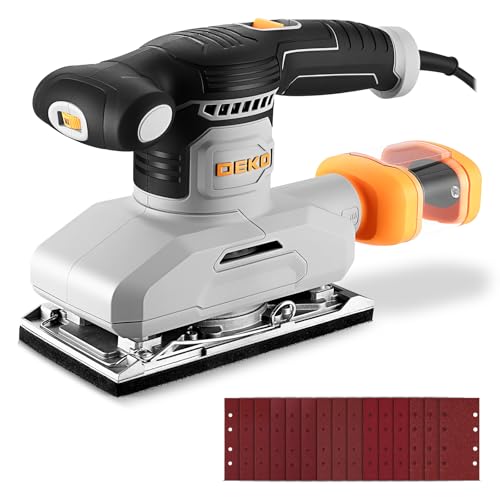
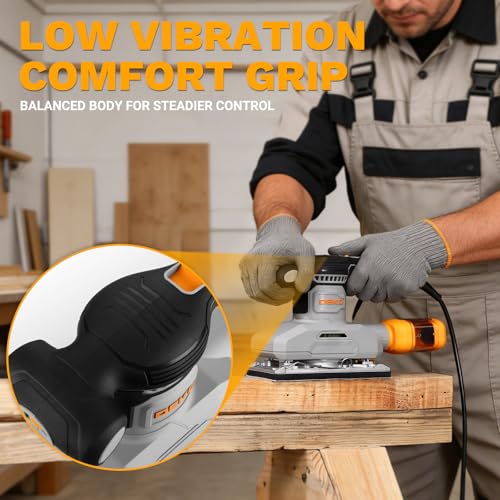
2.2 Amp Variable Speed Palm Sander
Strengths
- Variable speed up to 26,000 OPM
- Comfortable grip
- 15 included sandpapers
Trade-offs
- Very high speed may be overkill
- Build quality not pro-grade
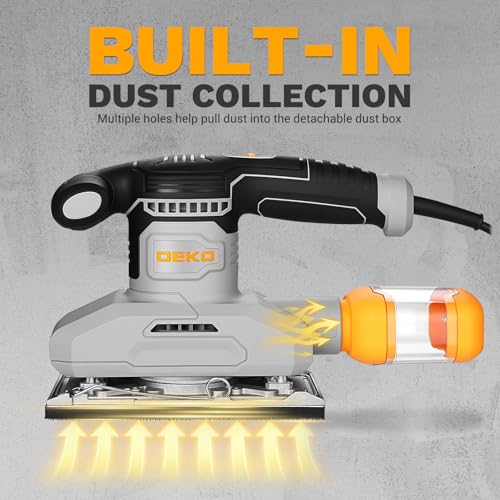
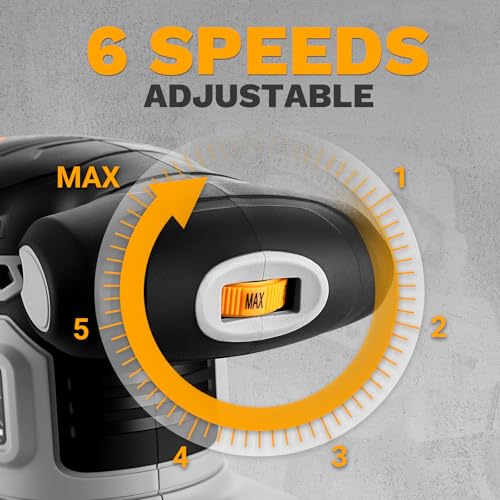
With a max of 26,000 OPM, this sander has the highest speed rating in the group, far beyond what most need. On paper, that sounds impressive, but in practice, it’s more about having extreme control across tasks. The variable-speed dial lets you dial down for finish work or crank up for fast stock removal.
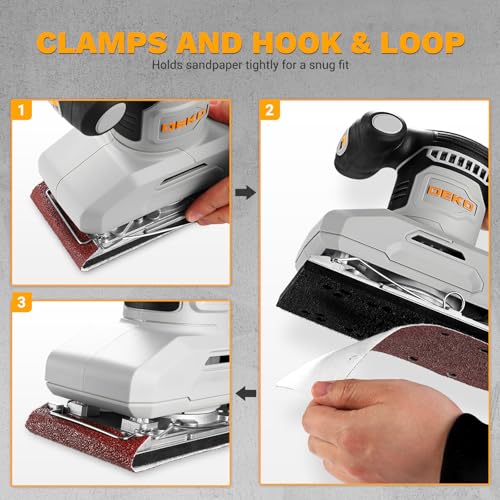
Owners consistently praise the comfort and balance, and the 15 included grits mean you’re ready for everything from rough prep to final smoothing. The dust box works well for garage use, and the clamp lever holds paper securely. Compared to the DEWALT DWE6411, it offers more speed flexibility and better included accessories. For most users, this is the best all-around performer.
Product photos

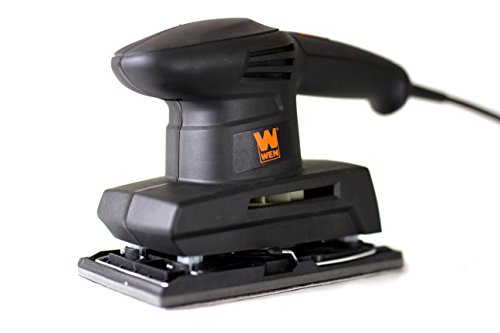
WEN 6313 1/3 Sheet Sander
Strengths
- Lightweight
- Affordable
- Velcro pad
Trade-offs
- Weak motor
- Poor dust collection
The WEN 6313 is the definition of no-frills. At just 1.2 amps and 12,000 OPM, it’s underpowered compared to others here, but it gets the job done for light tasks. The 1/3 sheet size and Velcro pad make it easy to maneuver, and at three pounds, it’s one of the lightest options.
It includes a dust bag, but don’t expect miracles, most owners say it’s better to pair it with a vacuum. Where it wins is price. For someone doing occasional sanding on small projects, like a birdhouse or a shelf, this is the most budget-friendly entry point. Just don’t expect it to handle hardwood or long sessions.
Product photos


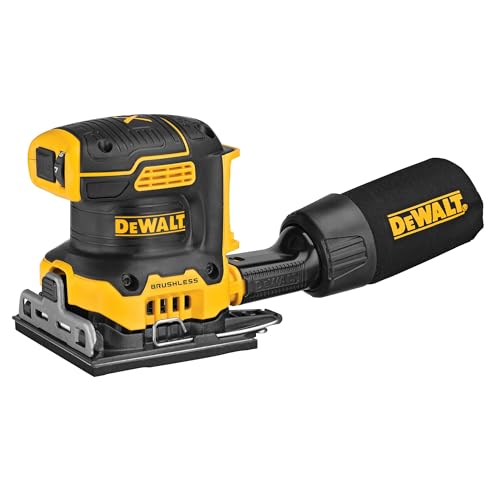
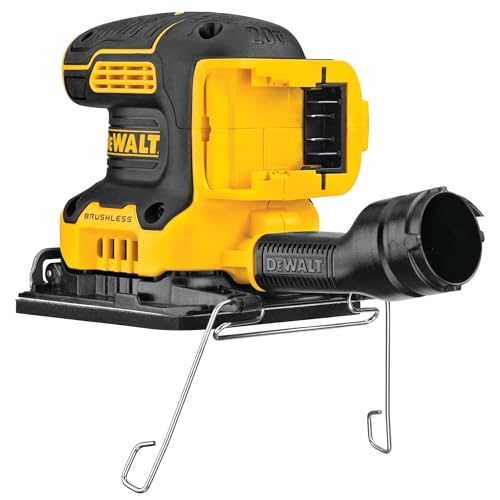
DEWALT 20V MAX Cordless Sander

Strengths
- Brushless motor
- Variable speed
- Cordless convenience
Trade-offs
- Battery sold separately
- Less power than corded
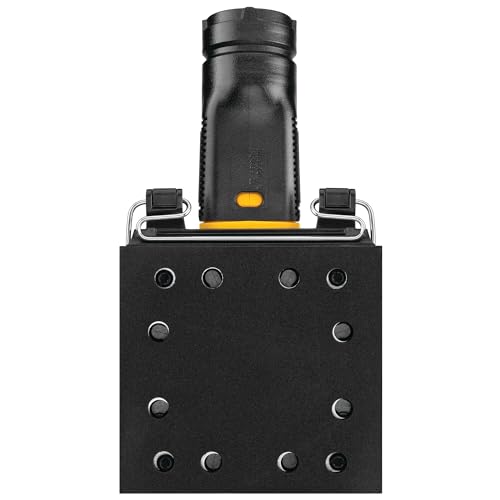
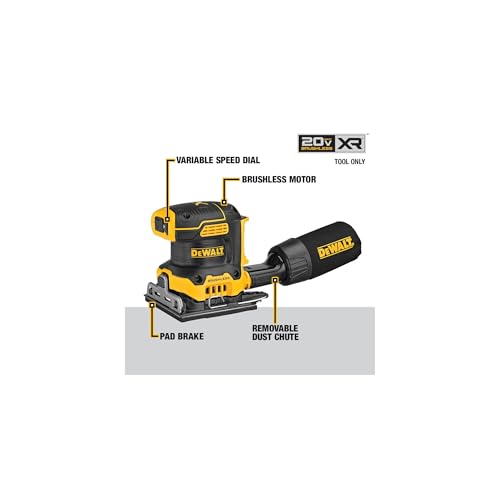
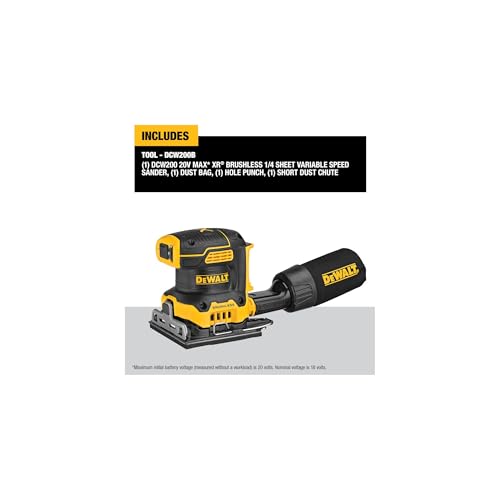
Going cordless for sanding is a game move when you’re working in unfinished spaces or on ladders, and DEWALT’s DCW200B nails the essentials. The brushless motor gives it excellent runtime, and the variable speed (8,000–14,000 OPM) lets you adapt from aggressive shaping to delicate finishing. The low profile helps you get flush with edges, which matters on cabinetry or trim work.
It’s not as powerful as corded models, but the convenience factor is huge. Owners praise the rubberized grip and one-handed dust bag, small touches that add up. Compared to the corded DWE6411, it trades a bit of oomph for freedom of movement. If you already own DEWALT 20V batteries, this is the smarter pick.
Product photos
SKIL 5″ Random Orbital Sander
Strengths
- Cyclonic dust box
- Compact size
- Variable speed
Trade-offs
- Not for flat surfaces
- Orbital motion only
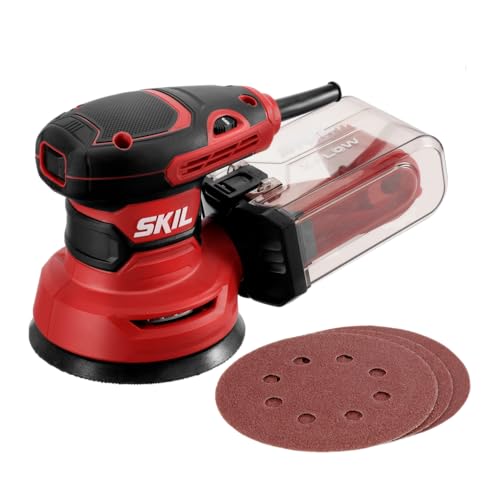
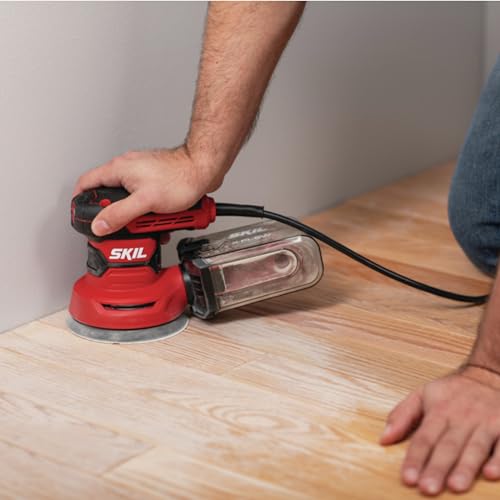
Random orbital sanders are in a different category, but the SKIL SR211601 earns its spot for detail work. The 5-inch pad and 13,000 OPM deliver a swirl-free finish, and the cyclonic dust box is easy to empty and actually effective. Its compact size lets it get into corners and tight spots where sheet sanders can’t reach.
The variable speed helps match the material, lower for delicate finishes, higher for paint removal. Owners like the soft rubber grip and low vibration, though it’s not quite as smooth as the Makita. If you’re working on carved furniture or intricate moldings, this is the better-shaped tool for the job.
Product photos


ZEITE 2.4 Amp Cyclonic Dust Sander

Strengths
- Cyclonic dust box
- 10 ft cord with swivel
- Hook-and-loop pad
Trade-offs
- Noise level is high
- Build feels lightweight
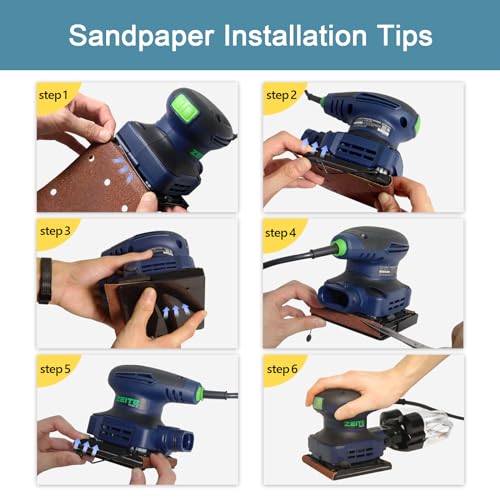
The ZEITE 1/4 sheet sander makes a strong case for itself with its cyclonic dust box, a rare feature at this price. The air sedimentation tech actually works, per owner feedback, trapping more fine dust than standard bags and keeping your workspace cleaner. Add a 10-foot cord and swiveling ball joint, and you’ve got a sander that’s both flexible and durable for around-the-shop use.
It hits 14,000 OPM, which is plenty for finish work, and the hook-and-loop pad with clamp lever makes paper changes quick. While it’s not as refined as the Makita or DEWALT options, it delivers better dust control than most in its class. For homeowners doing indoor refinishing, this is one of the smarter buys.
Product photos


Makita BO3710 1/3 Sheet Sander
Strengths
- Excellent vibration control
- Through-the-pad dust collection
- Comfortable two-finger trigger
Trade-offs
- No variable speed
- Slightly dated design
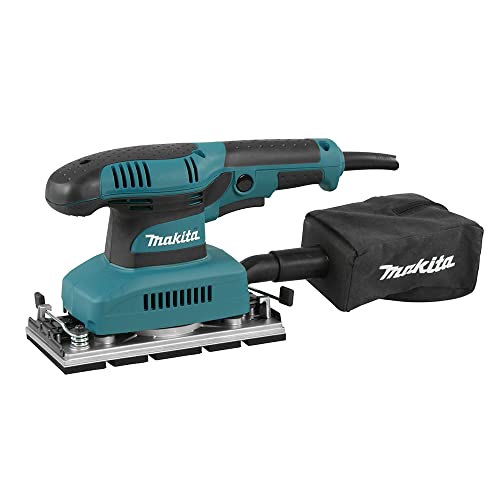
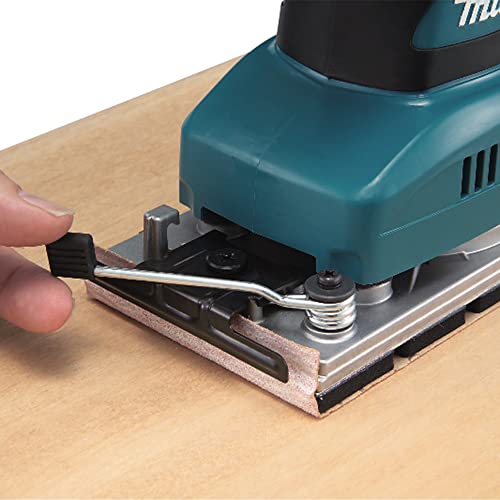
Makita has long been a go-to for low-vibration tools, and the BO3710 is a textbook example of why. With a built-in counterbalance system and 11,000 OPM, this sander delivers a buttery-smooth finish, exactly what you need when prepping wood for stain or paint. The through-the-pad dust collection is a standout feature, and reviewers note it pairs well with most shop vacs using the right adapter.
It’s not the most powerful sander here, but it’s among the most comfortable. The rubberized grip and two-finger trigger make it easy to control during long sessions. Compared to bulkier models, this one feels precise and nimble. If you prioritize finish quality and hand comfort over raw speed, this is a smart choice, even if it lacks variable speed.
Product photos


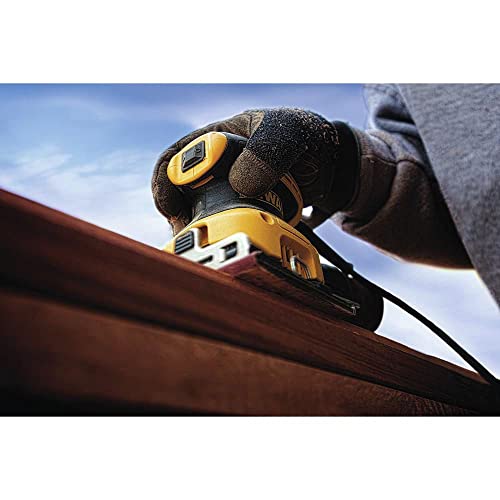
DEWALT DWE6411 1/4 Sheet Sander

Strengths
- 14,000 OPM
- Low profile design
- Locking dust port
Trade-offs
- Heavier than some
- No soft start
If precision is your priority, the DWE6411 is hard to beat. At 14,000 OPM and with a reduced height design, it lets you sand close to the surface, ideal for tight corners, edges, and detailed trim. The locking dust port is a standout; it actually stays put when connected to a vacuum, unlike some flimsy fittings on budget models.
The rubber overmold and counterweight system keep vibration low, and the improved paper clamp holds grit securely. Compared to the Makita BO3710, it offers better speed and slightly more control. This is the sander I’d recommend for finish work where clean lines and minimal dust matter most.
Product photos


SKIL 2.0 Amp Pressure Control Sander

Strengths
- Pressure control alert
- Clear dust canister
- Soft-Grip handle
Trade-offs
- Underpowered for heavy jobs
- Plastic build
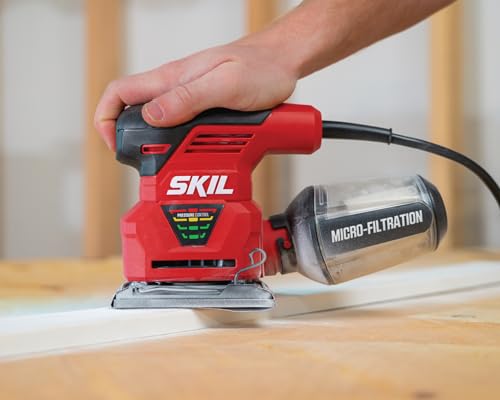
The SKIL 7292-02 stands out for one reason: pressure control. It vibrates or alerts you when you’re pressing too hard, a real help for novices who tend to gouge soft wood or leave swirl marks. That feature alone makes it one of the most beginner-friendly sanders here.
It’s not the most powerful or fastest, but the soft-grip handle and clear dust canister improve usability. Micro-filtration helps trap fine dust, which is good for indoor air quality. Compared to the WEN 6313, it’s more refined and user-focused. For someone just starting out, this is the kind of tool that builds confidence.
Product photos


VEVOR 1/2 Sheet Variable Speed Sander
Strengths
- 2.5A motor
- Aluminum sanding plate
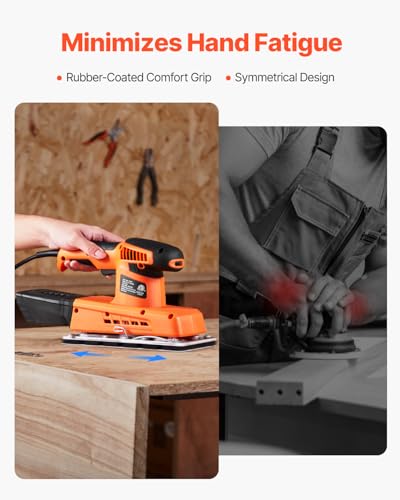
- Ergonomic rubber handle
Trade-offs
- Mediocre dust collection
- No variable speed dial
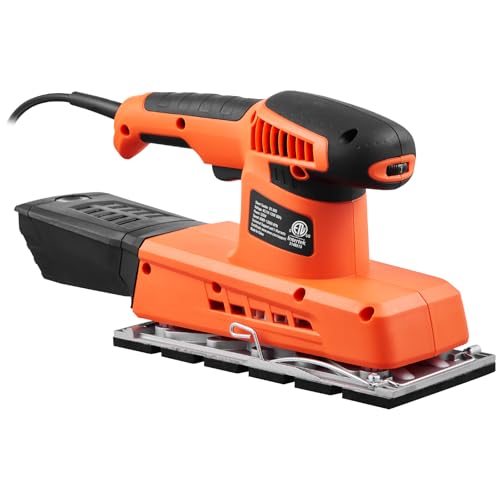
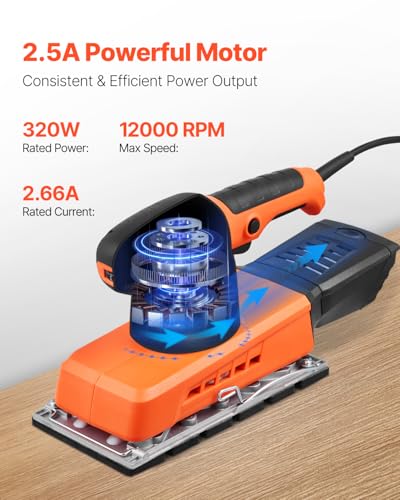
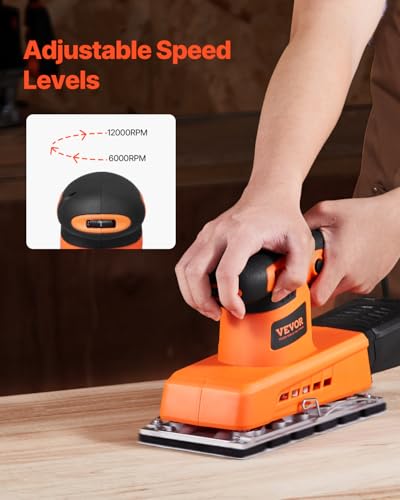
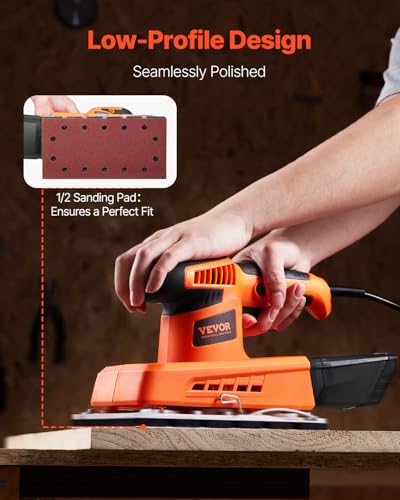
On paper, the VEVOR 1/2 sheet sander looks like a solid pick for DIYers tackling big surfaces like tabletops or cabinet sides. The 2.5A motor and 12,000 max OPM give it enough power to handle moderate stock removal, and the aluminum sanding plate is a real upgrade over the plastic bases you see on budget models. Owners consistently report it holds up well during extended use, which matters when you’re sanding multiple doors or a long workbench.
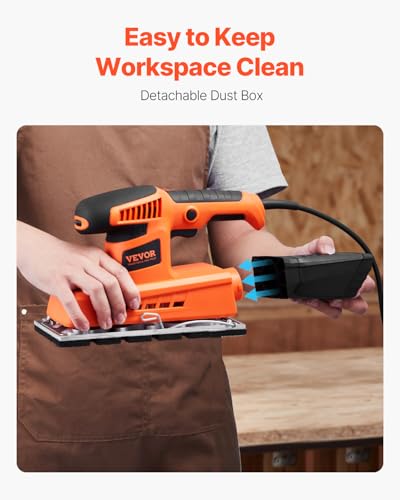
The dust collection system is functional, not exceptional, better than no bag, but not a replacement for a shop vacuum. Still, for a tool in this range, having a detachable dust box and multi-hole pad is a thoughtful touch. I’d pick this over cheaper 1/4 sheet models if you’re focused on large, flat areas and want something durable without stepping into professional price territory.
Product photos
How We Chose These sheet sanders
Rather than a hands-on lab test, my research for these recommendations was a detailed comparison of published specifications and features across numerous models. I weighed owner reviews from multiple sources – looking for patterns in reported performance and reliability – alongside assessments from reputable tool review sites. This process allowed me to build a picture of real-world usability and identify which sanders consistently deliver on their promises.
For sheet sanders, the most important factors are motor power and dust collection. Higher amperage generally means faster material removal, but it needs to be balanced with vibration control. Effective dust collection isn’t just about cleanliness; it impacts visibility and, crucially, user health. Beyond those, the quality of the sandpaper clamping system and overall build quality play significant roles in long-term satisfaction.
Specifications reliably reveal motor power, speed ranges (OPM), and physical dimensions. However, owner feedback proved essential for judging vibration levels, the true effectiveness of dust collection systems, and the durability of components. Reputation matters a lot here; established brands like DEWALT and Makita often earn trust through consistent quality, and you’ll find those reflected in the higher rankings. If you’re looking for more focused advice, you can find a more detailed look at palm sanders on my site.
What To Look For In sheet sanders
Picking the right sheet sander isn’t just about grabbing the cheapest model. It’s about matching the tool to the job, and understanding what features truly make a difference in performance and longevity.
A good sheet sander balances power with control, providing sufficient material removal without sacrificing finesse. Key considerations include motor amperage, speed control options, dust collection efficiency, and ergonomics for extended use. Look for models with robust build quality, reliable dust management, and comfortable grips to minimize fatigue and maximize results.
Power and Speed Control
Don’t assume more amperage always equals better. While a higher amperage motor (2.0A or above) will tackle tougher jobs faster, it can be overkill for lighter tasks like finish sanding. Variable speed is far more valuable. Lower speeds give you greater control and prevent burn-through on delicate surfaces, while higher speeds are ideal for rapid stock removal. Many models, like the DEWALT DWE6411, offer a wide speed range, giving you versatility. If you are considering smaller options, you might want to look at quarter-sheet sanders to see if they’ll suit your needs.
Dust Collection: Beyond the Box
Dust collection is often an afterthought, but it’s critical for both your health and your results. A basic dust box is better than nothing, but models with cyclonic dust separation (like the ZEITE 2.4 Amp Cyclonic Dust Sander) offer a significant improvement. These systems separate dust particles more efficiently, preventing them from clogging filters and reducing suction. Many sanders also offer compatibility with shop vacs via a dust port, which is ideal for larger projects.
- A simple dust box will require frequent emptying.
- A cyclonic system reduces dust leakage and extends filter life, but adds to the tool’s bulk.
- Consider a sander with a universal dust port (or included adapter) if you already own a shop vac; this can drastically improve dust control and keep your workspace cleaner.
Ergonomics and Vibration Reduction
Sheet sanders can cause fatigue, especially during prolonged use. Pay attention to the grip design and weight. Rubberized overmolds, like those found on the SKIL 2.0 Amp Pressure Control Sander, provide a more secure and comfortable grip. More importantly, look for models with built-in vibration reduction features. Counterbalance systems (Makita BO3710) or separate counterweight designs minimize hand-arm vibration, allowing you to work longer without discomfort. If you need a tool for detailed work, consider exploring high-performance random sanders as well.
A comfortable sander is a productive sander. Don’t underestimate the importance of ergonomics, especially if you anticipate using the tool for extended periods.
Sheet Sanders Compared
Here’s a comparison of key specifications for popular sheet sanders to help you make an informed decision.
| Product Name | Amps | OPM Range | Sheet Size | Dust Collection | Weight (lbs) | Cord Length (ft) |
|---|---|---|---|---|---|---|
| 2.2 Amp Variable Speed Palm | 2.2 | N/A | 1/3 | Dust Box | N/A | N/A |
| WEN 6313 1/3 Sheet Sander | 1.2 | 12,000 | 1/3 | Dust Bag | 3 | N/A |
| DEWALT 20V MAX Cordless | N/A | 8,000-14,000 | 1/4 | Dust Port | N/A | N/A |
| SKIL 5″ Random Orbital | 2.8 | 13,000 | 5″ | Dust Container | N/A | N/A |
| ZEITE 2.4 Amp Cyclonic Dust | 2.4 | 14,000 | 1/4 | Cyclonic Box | N/A | 10 |
| Makita BO3710 1/3 Sheet | N/A | 11,000 | 1/3 | Through-the-pad | N/A | N/A |
| DEWALT DWE6411 1/4 Sheet | 2.3 | 14,000 | 1/4 | Dust Port | N/A | N/A |
| SKIL 2.0 Amp Pressure Control | 2.0 | N/A | N/A | Micro-filtration | N/A | N/A |
| VEVOR 1/2 Sheet Variable Speed | 2.5 | 6,000-12,000 | 1/2 | Dust Box | N/A | N/A |
Frequently Asked Questions
What sandpaper grit should I start with?
Begin with a coarser grit, around 80-100, to remove material quickly. Then progress to finer grits (120-220) for smoothing, and finally to very fine grits (240+) for finishing.
Are 1/4 sheet sanders less powerful than 1/2 sheet models?
Generally, yes. Larger sanding surfaces require more power to maintain an efficient sanding rate, though amperage isn’t the only factor. If you need to remove a lot of material quickly, a 1/2 sheet model is usually the better choice.
Can I use a shop vac with these sanders?
Many sheet sanders have a dust port that accepts standard shop vac hoses. This dramatically improves dust collection compared to the included dust boxes and keeps your workspace much cleaner; you can find more information about powerful corded models on my site.
What’s the difference between variable speed and a fixed speed sander?
Variable speed allows you to adjust the sanding rate, offering greater control and preventing damage to the workpiece. Lower speeds are best for delicate materials, while higher speeds are for faster material removal.
How do I prevent swirl marks when sanding?
Swirl marks occur when you don’t move the sander consistently in the direction of the grain. Overlap each pass by about 50% and avoid applying excessive pressure. Consider using a higher quality abrasive and exploring top corded sheet sanders for more consistent power.
The Bottom Line
Choosing a sheet sander often comes down to balancing control and convenience. Do you prioritize raw power for fast material removal, or refined control for delicate work and finish sanding? For the best overall performance and versatility, I recommend the DEWALT DWE6411. It strikes a great balance between power, speed control, and dust collection, making it a solid choice for a wide range of projects.
If you’re on a tighter budget, the WEN 6313 is a fantastic value. For those needing a more specialized tool, the ZEITE 2.4 Amp Cyclonic Dust Sander excels at dust management, and the SKIL 2.0 Amp Pressure Control Sander prioritizes user comfort. And if you’re considering more traditional methods, you can explore a guide to woodworking hand sanders on my site.
Ultimately, the specifications matter less than understanding your needs and prioritizing a tool that feels comfortable and controllable in your hands. Don’t get caught up in chasing the highest amperage or OPM; focus on features like variable speed, effective dust collection, and ergonomic design. A well-chosen sander will save you time, reduce fatigue, and deliver professional-quality results.
