
8 Best Sewing Tools for Beginners 2026
This post contains affiliate links. As an Amazon Associate, we earn from qualifying purchases.
The Maxfanay Sewing Kit is the best overall choice for beginners, offering a massive range of tools, quality scissors, and a huge thread selection. For those on a tighter budget, the Marcoon Basic Sewing Kit delivers solid essentials in a compact form. If you’re leaning toward garment sewing, the EverSewn Ultimate Starter Kit adds a rotary cutter and mat for precision work.
Starting out in sewing means facing a wall of options, most of which come with confusing tools, weak thread, or flimsy scissors that make simple tasks frustrating. You don’t need every gadget, just reliable, well-chosen basics that let you learn without constant setbacks.
This guide cuts through the clutter. I researched beginner sewing tools based on real owner feedback, expert reviews, and product specs, focusing on what actually helps new sewers succeed: sharp scissors, usable thread, and kits that make sense. These picks give you a strong foundation without overbuying.
Top 8 Sewing Tools For Beginners in the Market
The Best Sewing Tools For Beginners, Reviewed
Maxfanay Sewing Kit for Adults
Strengths
- Extensive thread selection
- Professional-grade scissors
- Well-organized storage
Trade-offs
- Overkill for minor fixes
- Heavier to carry
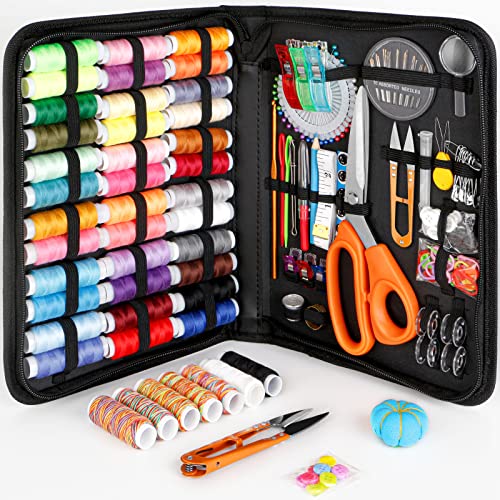
This is the kind of kit that earns its ‘best overall’ label by sheer completeness. With over 200 pieces, including 43 spools of upgraded 150-yard thread and two pairs of professional-grade scissors, it’s built for both repairs and real projects. The 8-inch fabric scissors get consistent praise for cutting through denim and canvas with ease, rare in a bundled set.
The oxford cloth bag keeps everything organized without the bulk of a sewing basket, and the inclusion of a seam ripper, tape measure, and pin cushion means you’re truly ready to go. Compared to smaller kits, this one bridges the gap between beginner and intermediate needs. My recommendation? This is the one to get if you want one kit that covers nearly everything.
Product photos


Marcoon Basic Sewing Kit

Strengths
- Ultra-portable
- Affordable
- Simple organization
Trade-offs
- Basic thread quality
- Smaller scissors
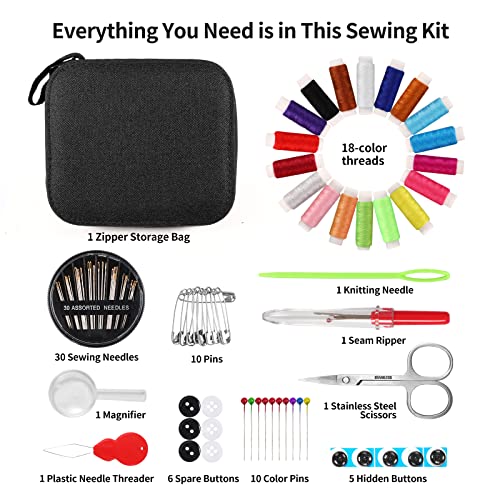
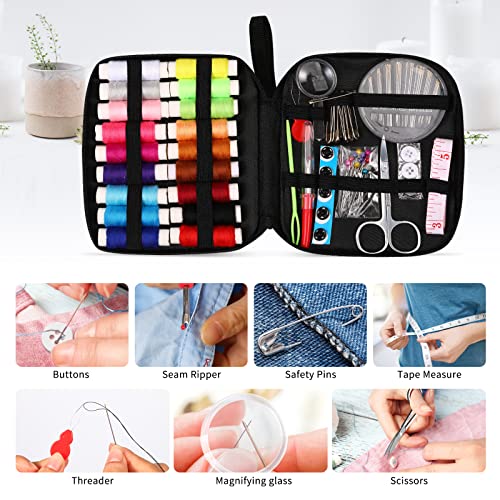
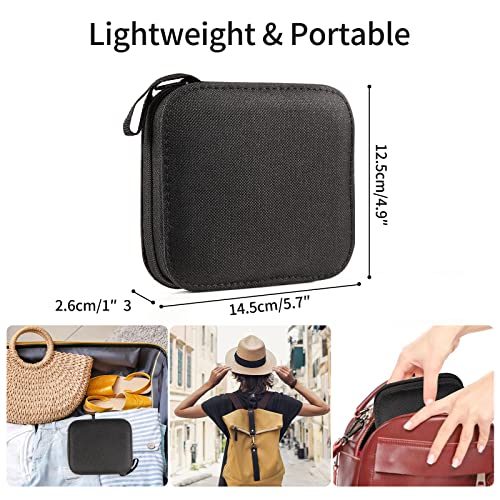
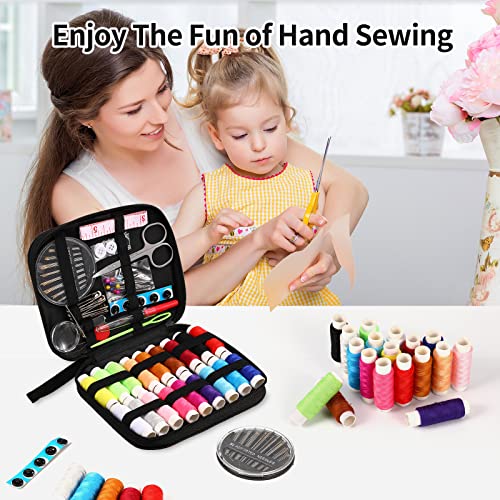
When you just need a no-fuss, grab-and-go solution, this budget kit delivers. At only 6 ounces, it’s one of the lightest complete kits available, yet it includes essentials like scissors, a tape measure, needle threader, and 18 thread colors. The elastic band organization keeps things secure, and the compact size makes it perfect for tossing in a glove box or backpack.
It won’t replace a full sewing station, but for emergency fixes, a popped button, a split seam, it’s more than capable. Compared to the Maxfanay kit, it’s far simpler, but that’s the point. My take: this is the smarter buy if you want reliability without the bulk or cost.
Product photos
EverSewn Ultimate Starter Kit

Strengths
- High-quality scissors
- Rotary cutter included
- Durable cutting mat
Trade-offs
- Missing some small notions
- No seam ripper
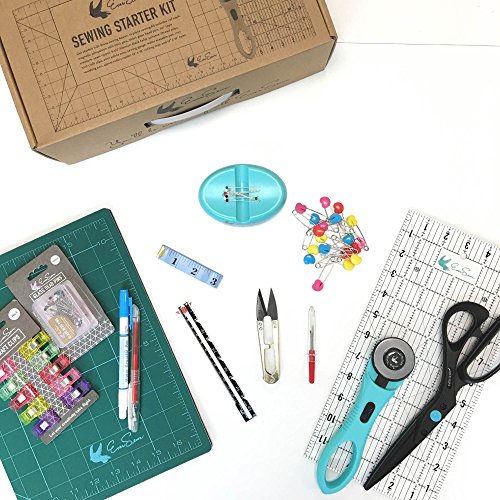
If you’re starting from scratch, this kit bundles some of the most essential tools in one tidy package. The 9-1/2-inch titanium-coated scissors are a standout, they stay sharp longer than average and cut cleanly through multiple fabric layers, according to owner feedback. The 45mm rotary cutter with an ergonomic handle and the scratch-resistant mat make fabric cutting safer and more precise, which is a big plus for beginners still learning control.
It doesn’t include every notion you’ll ever need, but it hits the core tools hard. Compared to basic needle-and-thread kits, this one leans toward active project builders rather than emergency fixers. I’d pick this over a minimal kit if you’re serious about making, not just mending.
Product photos
Otylzto 100 Pcs Sewing Clips

Strengths
- Durable transparent material
- Measurement guide lines
- Good grip and spring
Trade-offs
- Too small for bulky fabrics
- Plastic may degrade over years
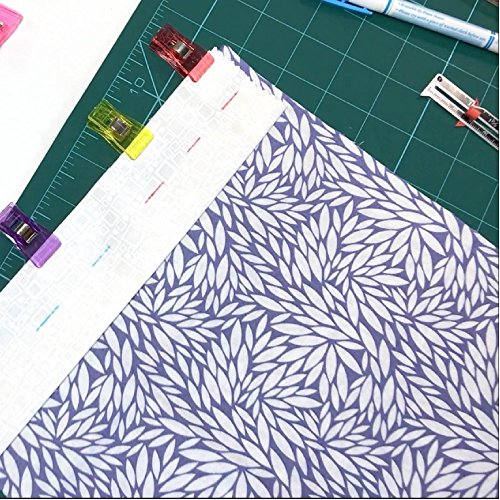
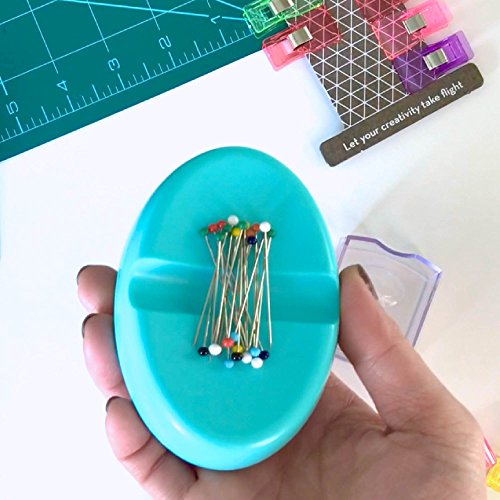
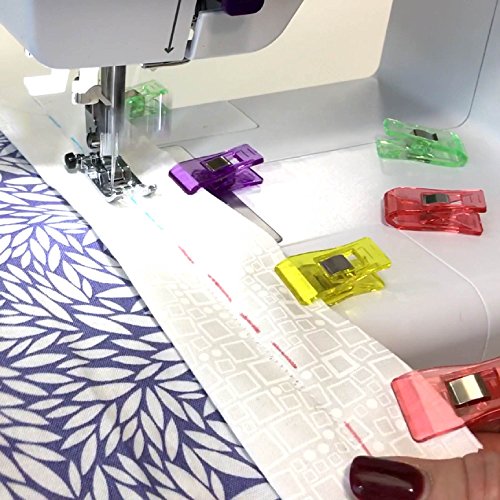
Sewing clips are a standout for holding layers together without damaging fabric, and this 100-piece set stands out for its value and thoughtful design. The clips are made from a strong, transparent AS material that doesn’t yellow or snap easily, and owners report they maintain spring tension well even after repeated use. The three marking lines on each clip are a small but smart touch, they help maintain consistent seam allowances without reaching for a ruler every time.
They’re not the largest clips out there, so they won’t handle thick upholstery layers, but for light to mid-weight fabrics, they perform reliably. Compared to metal pins, these are safer and faster to use, especially when working on a time-sensitive project. I’d recommend them over basic pin sets for modern sewists who want efficiency and fabric protection.
Product photos


Lange & König Fabric Markers
Strengths
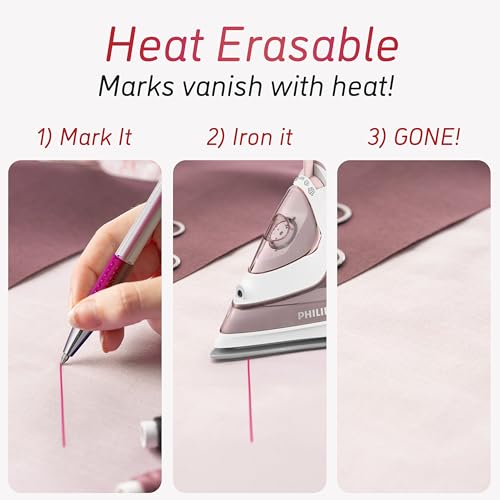
- Heat-erasable markings
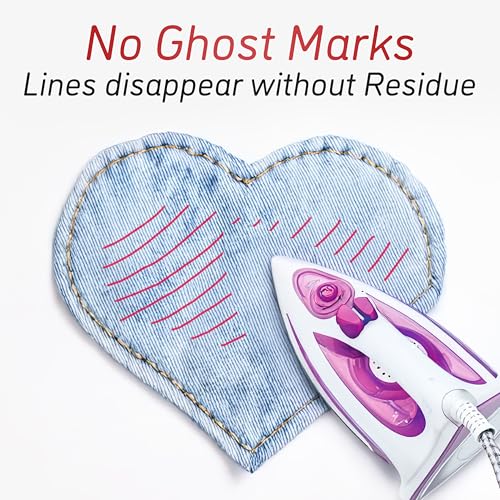
- No residue
- Long-lasting ink
Trade-offs
- Requires iron to remove
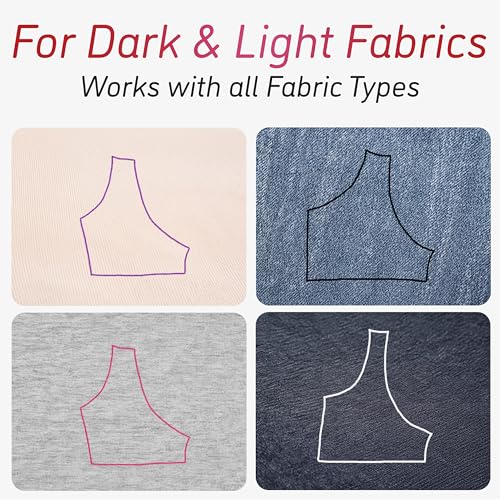
- Not for dark fabrics
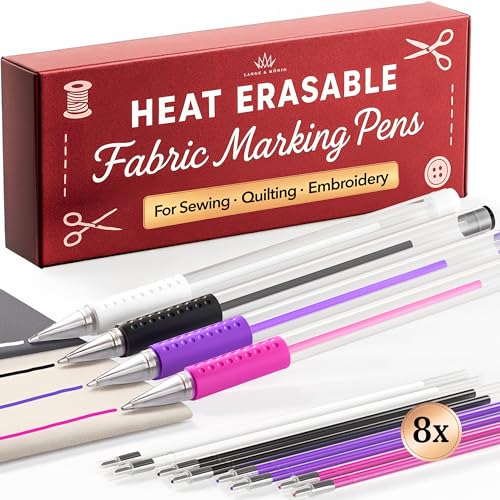
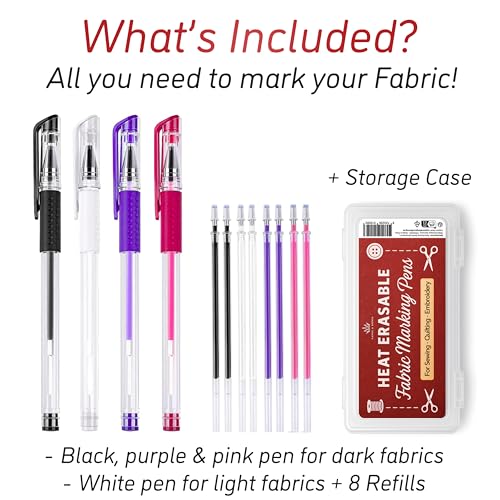
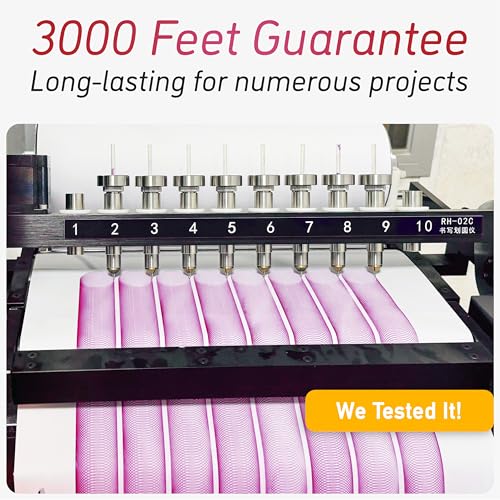
These heat-erasable fabric markers solve a real pain point: messy, permanent, or hard-to-remove markings. With a glide as smooth as a ballpoint pen and lines that vanish under heat, they’re a favorite among quilters and pattern-makers who value clean results. Each pen comes with two refills, and the 3000-foot total coverage is legit, owners say they last months even with frequent use.
They leave no ghost marks, which is a big upgrade over water-soluble pens that sometimes reactivate in humidity. Compared to tailor’s chalk, these are more precise and less dusty. I’d pick these over chalk for any project where accuracy and clean finishes matter.
Product photos
Clear Metric Sewing Rulers Set

Strengths
- Clear metric markings
- Flexible and durable
- Thorough set
Trade-offs
- Not ideal for rotary cutting
- Slight flex may affect precision
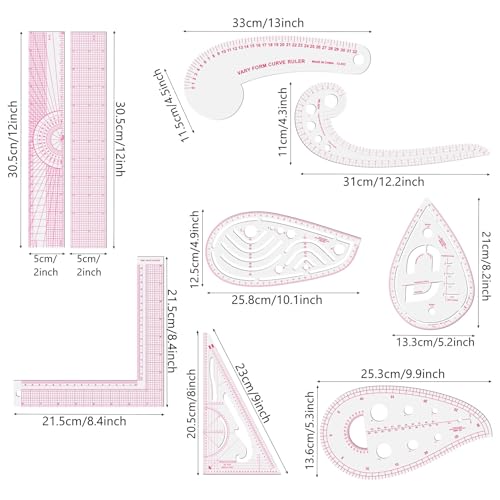
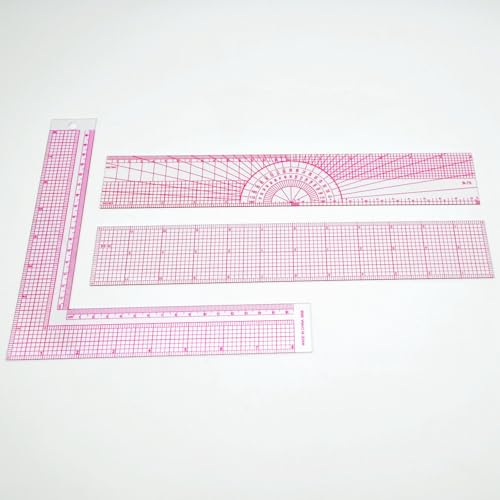
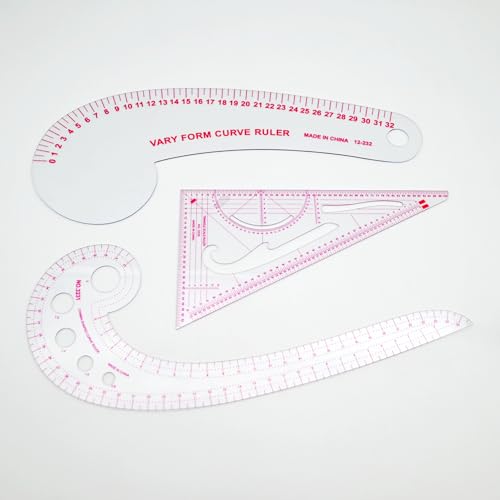
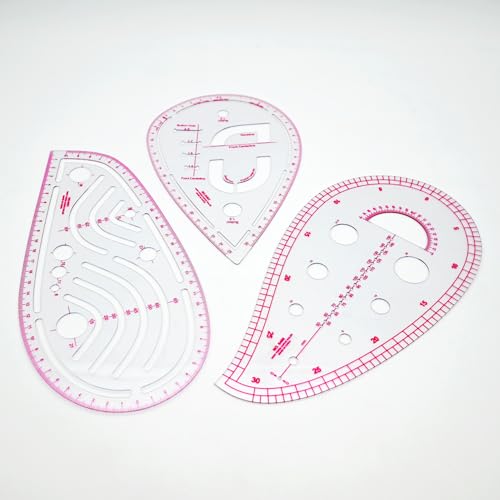
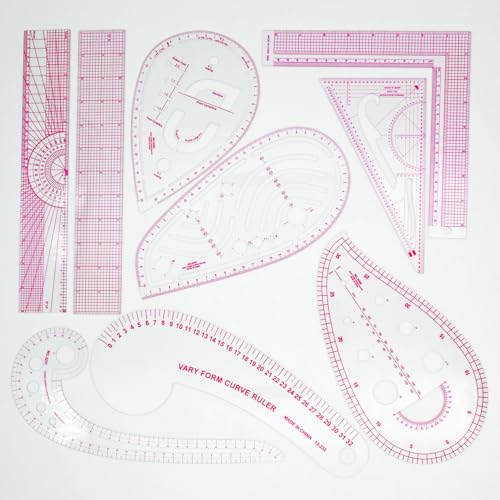
For beginners diving into quilting or garment work, having accurate measuring tools is essential. This 9-piece set delivers a solid range of straight and French curve rulers in flexible PVC, which owners consistently say hold up well over time without cracking. The metric markings are sharp and easy to read, which makes drafting patterns or cutting fabric less error-prone, a big win when you’re still building confidence.
On paper, it’s a well-rounded starter set, especially for those who want everything in one go. Compared to rigid acrylic rulers, these are more forgiving and easier to store. That said, they aren’t meant for heavy rotary cutting, so I’d keep them for marking and measuring, not as a cutting edge guide.
Product photos
Seam Ripper Kit 7 Pcs

Strengths
- Multiple ripper sizes
- Ergonomic handle option
- Includes measuring tape
Trade-offs
- Plastic handles less durable
- Bulkier than minimalist kits
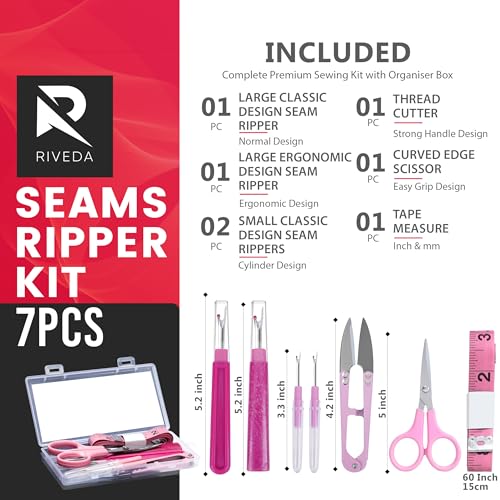
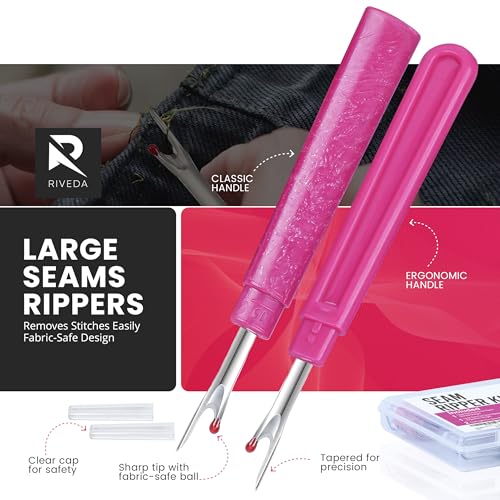
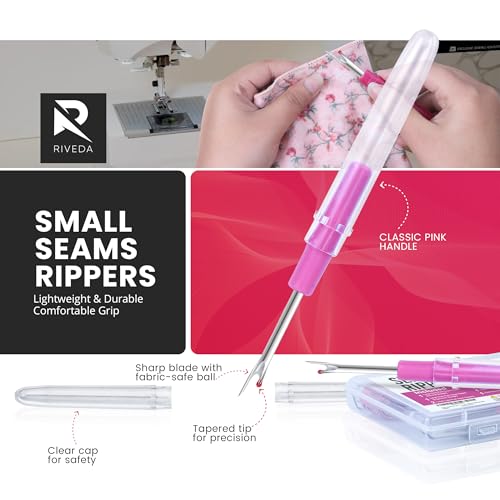
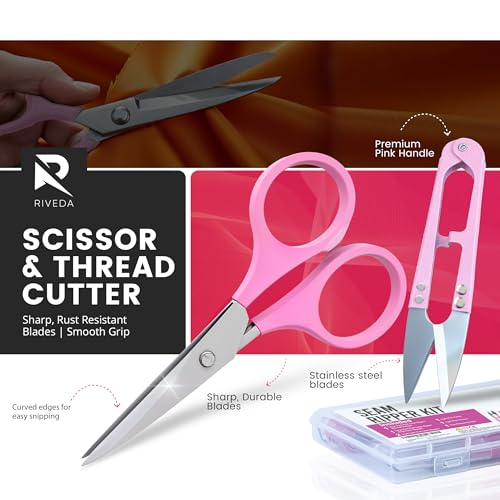
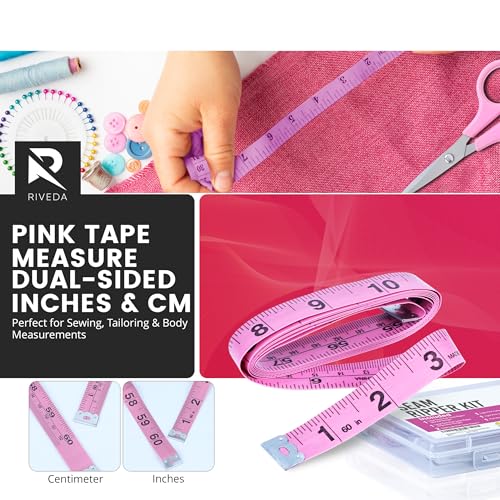
Every sewer will eventually need to undo stitches, and this 7-piece kit covers the basics with a mix of sizes and an ergonomic option that reviewers say reduces hand fatigue. The inclusion of both large and small rippers means you can tackle everything from thick seams to delicate embroidery without switching tools constantly. The sharp metal tips are consistent across units, and the pink measuring tape, while flashy, is actually practical with clear dual-scale markings.
It’s not the most compact kit, but the variety justifies the size. Compared to single rippers, this set gives beginners room to experiment and find what works for their grip. The plastic handles are sturdy, though long-term durability depends on storage, tossing it loose in a drawer could lead to tip damage.
Product photos
OZXTYO Triangle Tailors Chalk

Strengths
- Triangular shape for grip
- Washable markings
- Four color options
Trade-offs
- May skip on slick fabrics
- No storage case
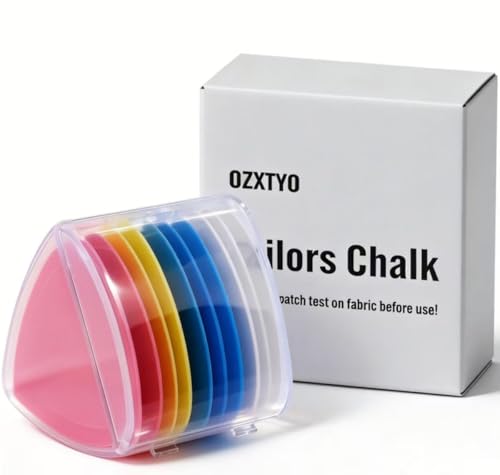
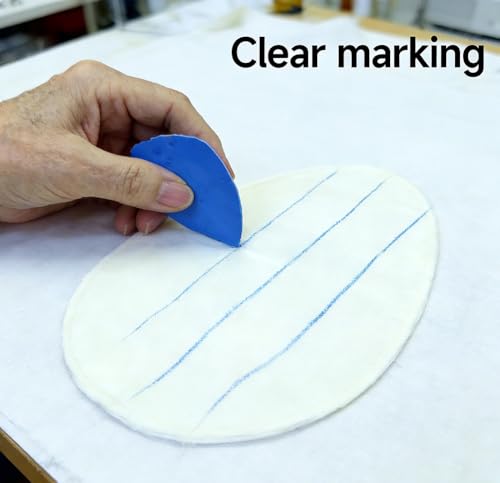
Chalk is one of the most underrated tools in a beginner’s kit, and this 10-piece set offers solid performance at a low cost. The triangular shape keeps it from rolling away and gives better control when marking seams or darts. Four colors let you match or contrast with fabrics, and owners confirm the lines wash out cleanly, a key win over chalk that leaves residue.
The HB hardness strikes a balance between visibility and longevity, though very slick fabrics can cause slight skipping. Compared to chalk wheels or liquid markers, this is a no-frills, reliable option. It won’t replace a fabric pen, but it’s a smarter buy for those who want a physical, dust-free alternative to traditional chalk blocks.
Product photos


How We Evaluated sewing tools for beginners
Rather than a hands-on lab test, my research for these sewing tool recommendations focused on a detailed comparison of published specifications and features across numerous products. I weighed owner reviews from major retailers alongside evaluations from sewing experts and publications. This allowed me to build a ranking based on what truly matters to beginners – ease of use, completeness of kits, and overall value.
For sewing tools aimed at those just starting out, I prioritized three factors above all others: kit completeness, scissor quality, and clear instructions or learning resources. A complete kit minimizes separate purchases, while good scissors are essential for clean cuts and a frustration-free experience. Finally, helpful guidance – even a simple included guide – can make the learning curve much gentler. These elements directly impact a beginner’s initial success.
Product specifications reliably indicate the quantity of items included in a kit, and the materials used for scissors and other tools. However, I relied heavily on owner feedback to assess the quality of those materials and how well the tools perform in real-world use. Reputation and expert reviews helped me filter out products consistently reported as flimsy or difficult to use, and pointed me toward those offering excellent value, like a thorough set of basic hand tools for sewing.
How To Pick The Right sewing tools for beginners
Picking the right sewing tools can feel overwhelming, especially for newcomers. It’s about more than just needles and thread; it’s about assembling a kit that supports your projects and skill level.
A truly useful sewing toolset balances precision with durability. Key features include sharp, reliable cutting implements; a range of thread colors and weights appropriate for different fabrics; accurate measuring tools; and comfortable, ergonomic designs that minimize hand fatigue during extended use. Prioritize quality over quantity when starting out.
Prioritize Cutting Quality
Don’t underestimate the importance of good scissors. Many beginner kits include flimsy scissors that crush fabric instead of cutting it cleanly. A quality pair, even just one, makes a huge difference. Look for scissors made from high-carbon steel, as they hold an edge longer. Beyond that, consider what you’ll be cutting most often. A dedicated fabric shear with an angled blade is excellent for long, smooth cuts, while smaller embroidery scissors are ideal for detail work.
Thread Selection & Organization
The thread included in many kits is…often disappointing. It might be weak, prone to breaking, or limited in color selection. I’ve seen kits with only a few basic colors, which severely restricts project options.
Here’s what to consider: * A small assortment of basic colors (black, white, grey, navy) is a good starting point. * Look for thread made from polyester or a poly-cotton blend for versatility. 100% cotton is great for natural fibers, but less durable overall. * Pay attention to thread weight. A medium weight (50-60) is a good all-purpose choice, but heavier or lighter weights are needed for specific fabrics and techniques.
A well-organized thread collection is also crucial. A simple thread rack or bobbin box prevents tangling and makes color selection much easier.
Beyond the Basics: Usability & Value
A thorough kit is tempting, but often includes tools you won’t use. Instead, focus on tools that address common sewing tasks and offer good value. For example, a seam ripper is absolutely essential, mistakes happen!, but a complex set of specialized needles might wait until you’ve developed a specific need. Don’t fall for the trap of thinking you need everything at once. It’s better to build your collection gradually with essential sewing tools as your skills evolve.
A practical rule of thumb: if you’re not sure how to use a tool, it’s probably not a priority purchase right now.
Sewing Tools for Beginners Compared
Here’s a comparison of essential sewing tools, outlining key specifications for those new to the craft.
| Product Title | Kit Size (approx.) | Scissors Included | Thread Colors | Measurement Tools | Special Features |
|---|---|---|---|---|---|
| Maxfanay Sewing Kit | 200+ pcs | Yes (2) | 43+ | Tape Measure | Upgraded thread yards |
| Marcoon Basic Sewing Kit | N/A | Yes (1) | 18 | Foldable Tape | Compact, lightweight |
| EverSewn Ultimate Starter Kit | N/A | Yes (1) | N/A | N/A | Rotary cutter + mat |
| Otylzto Sewing Clips | 100 pcs | No | N/A | N/A | Marking lines, Jar |
| Lange & König Fabric Markers | 2 refills/pen | No | N/A | N/A | Heat erasable |
| Clear Metric Sewing Rulers Set | 9 pcs | No | N/A | Rulers & Curves | Flexible PVC material |
| Seam Ripper Kit 7 Pcs | 7 pcs | No | N/A | Tape Measure | Ergonomic handles |
| OZXTYO Triangle Tailors Chalk | 10 pcs/box | No | 4 | N/A | Washable/Alcohol removal |
Frequently Asked Questions
What size sewing kit should a beginner realistically start with?
Around 150-200 pieces is a good starting point. Larger kits often contain tools you won’t use immediately, while smaller ones may leave you making frequent trips to the store. A kit of this size offers a balance of variety and usability for most common beginner projects.
Are the scissors included in most beginner sewing kits good enough?
Generally, no. Many kits include low-quality scissors that can damage fabric. Investing in a separate pair of high-carbon steel scissors, even if it’s just one, will significantly improve your sewing experience and the quality of your finished projects.
What thread weight is the most versatile for a beginner?
A medium weight thread (50-60) is the most versatile. It works well with a wide range of fabrics and is suitable for most basic sewing projects. You can always add specialized weights later as you tackle more complex techniques.
How important is a seam ripper for someone just learning to sew?
A seam ripper is absolutely essential. Mistakes are a natural part of learning, and a good seam ripper allows you to correct them quickly and cleanly without damaging the fabric. It’s one of the first tools I recommend beginners purchase.
What other tools might I add to my kit beyond a basic starter set?
Consider adding a rotary cutter and mat for precise fabric cuts, especially if you plan on quilting or working with slippery fabrics. Also, expanding your thread collection with a wider range of colors and weights is a great way to enhance your creative options, and will be useful as you move beyond starter tools for DIYers.
The Bottom Line
Choosing sewing tools often comes down to balancing initial cost with long-term usability. While a larger kit might seem appealing, the Maxfanay Sewing Kit offers the best overall value, providing a huge range of supplies and a decent pair of scissors to get you started without breaking the bank. It’s a good all-in-one solution for exploring the craft.
If you already have a few basics and are looking to supplement your collection, or if you prioritize portability, the Maroon Basic Sewing Kit is a solid choice. For those interested in quilting or more precise fabric cutting, the EverSewn Ultimate Starter Kit stands out with its inclusion of a rotary cutter and mat – a significant upgrade for specific projects. Don’t forget a set of versatile beginner tools for those inevitable home repairs that often go hand-in-hand with crafting.
Ultimately, remember that the most expensive tools won’t make you a better sewer. Focus on sharp cutting implements, a small but useful selection of thread, and taking the time to learn proper technique. A solid foundation in the fundamentals will serve you far better than any fancy gadget or oversized kit.
