
5 Best Scroll Saws for Beginners 2026
This post contains affiliate links. As an Amazon Associate, we earn from qualifying purchases.
The WEN 3922 is the best scroll saw for beginners, offering excellent value, smooth operation, and a solid 16-inch throat depth. For tighter budgets, the SKIL SS9503 delivers basic functionality without breaking the bank, while the DEWALT DW788 stands out as a more durable, precision-focused option for those planning to grow into the craft.
Starting out with scroll saw work means dealing with shaky cuts, broken blades, and machines that vibrate more than they cut. A lot of beginners don’t realize how much the tool itself affects their progress, until they’re fighting it every step of the way.
This guide cuts through the noise by focusing on what actually matters for new users: ease of setup, consistent performance, and real-world reliability. I compared specs, analyzed owner feedback, and prioritized models that make learning easier, not harder.
Top 5 Scroll Saw For Beginners in the Market
The Best Scroll Saw For Beginners, Reviewed
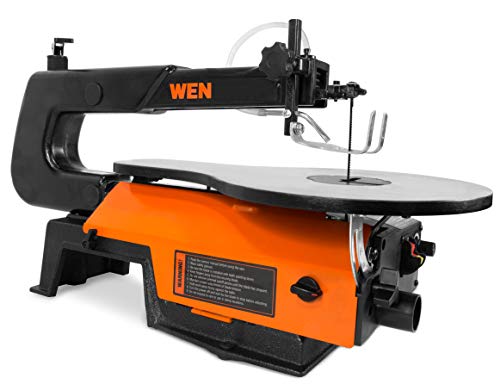
WEN 3922 Variable Speed Scroll Saw
Strengths
- Easy blade access
- Cast iron base
- Air pump
- Dust port
- Beveling table
Trade-offs
- Moderate vibration at top speed
- Plastic knobs feel cheap
- Noise level on higher end
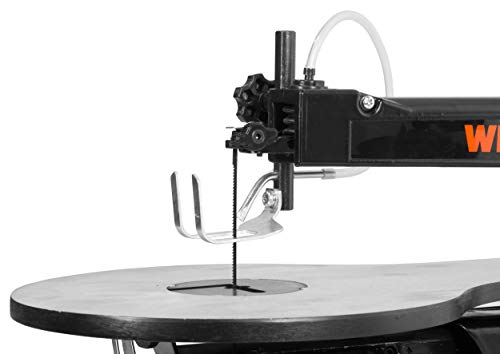
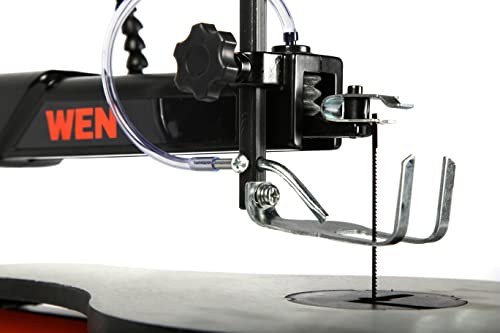
The WEN 3922 is the model that redefined value in this category. With a 16-inch throat depth, cast iron base, and variable speed control, it covers all the fundamentals well. The flip-open side panel for blade changes is a standout for beginners, no more struggling with awkward adjustments. Owners consistently report it’s easy to set up and surprisingly steady, especially given the price. The air pump and dust port help maintain visibility, and the included accessories make it ready to use right out of the box.
It’s nearly identical to the 3923, and choosing between them comes down to availability. Against the DEWALT, it trades some rigidity and ultra-fine control for affordability and convenience. But for a beginner, that trade-off makes sense. This is the model I’d recommend most often to someone starting out, it’s the smartest balance of price, features, and performance.
Product photos

WEN 3923 Variable Speed Scroll Saw

Strengths
- Easy blade access
- Cast iron base
- Air pump included
- Work light
- Beveling table
Trade-offs
- Build quality adequate, not rugged
- Vibration noticeable at high speeds
- Dust control could be better
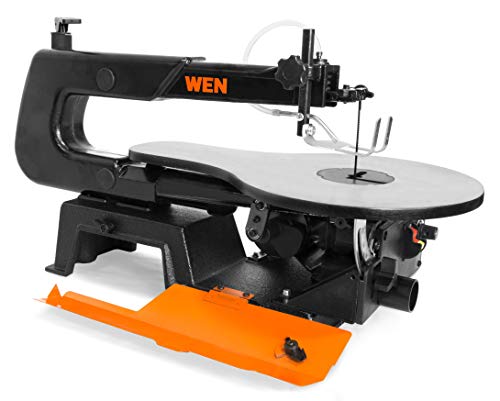
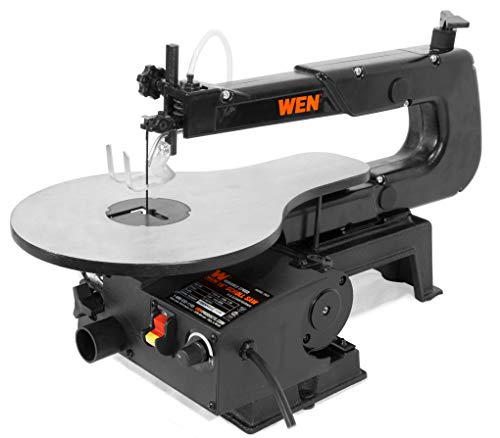
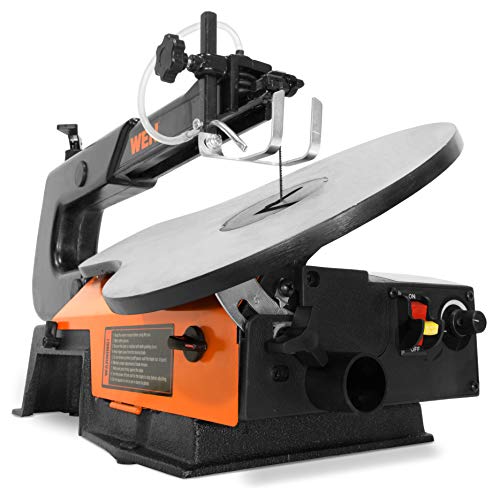
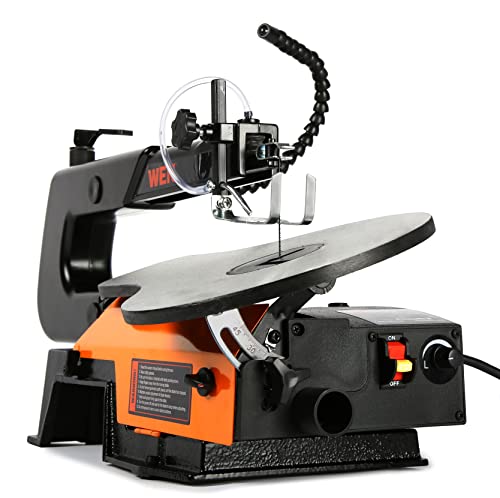
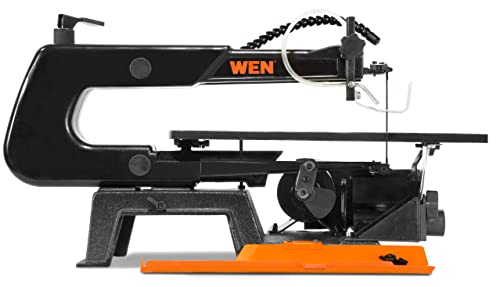
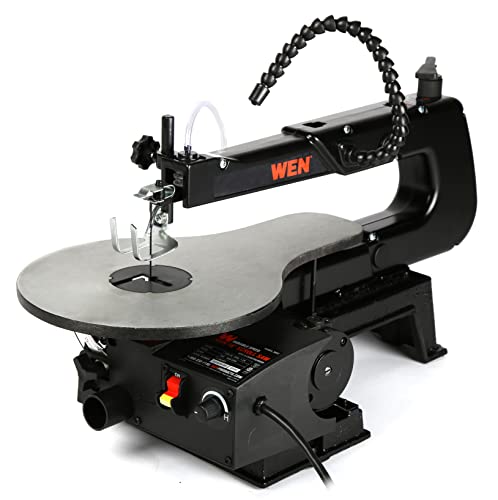
WEN has a reputation for packing features into budget tools, and the 3923 continues that trend. The flip-open side panel for blade changes is a standout, a small design detail that owners consistently praise for reducing frustration. With a full 16-inch throat depth, a cast iron base, and a variable speed range that covers most materials, it delivers solid performance on paper and in owner reports. The inclusion of an air pump to keep the cut line clear is a thoughtful touch many competitors skip at this price.
It’s nearly identical to the 3922, but with minor updates that don’t change the core value proposition: exceptional feature density for the cost. When compared to the SKIL or DEWALT, it doesn’t match the DEWALT’s precision, but it offers more out of the box than the SKIL. For beginners, that balance matters.
Product photos

Dremel MS20-01 Compact Scroll Saw

Strengths
- Compact design
- Easy blade changes
- Detachable handheld use
Trade-offs
- Limited cutting depth
- Not for thick materials
- Less stability on long cuts
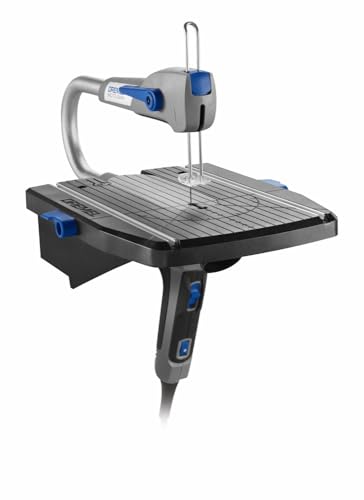
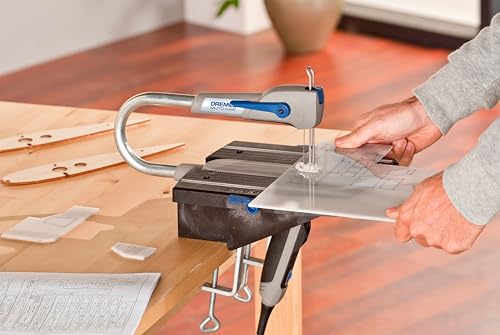
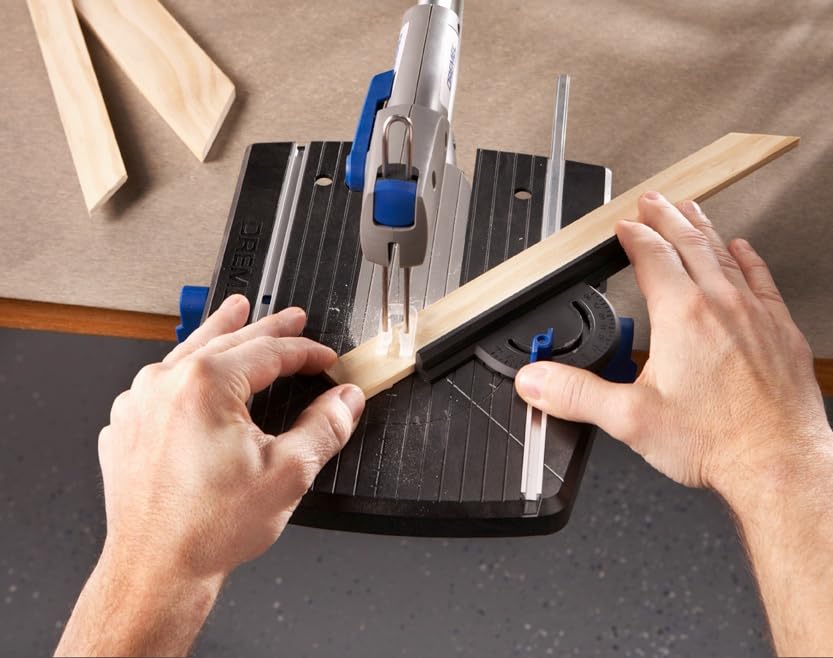
This isn’t a full-size scroll saw, and that’s the point. The Dremel MS20-01 is better described as a compact, motorized cutting tool with scroll-saw-like functionality, designed for tight spaces and detail work. Its detachable coping function stands out, letting users take the tool directly to the material, which is rare in this category. On paper, the auto-tensioning blade system and variable speed are solid perks, and owners appreciate how quickly blades can be swapped.
Still, it’s not a substitute for a benchtop model if you’re serious about intricate scrollwork. The throat depth is limited, and while it handles light wood and plastic, it lacks the stability and cutting capacity of larger units. Compared to the WEN or DEWALT models, this one serves a different purpose, more for light-duty craft projects than woodworking marathons.
Product photos
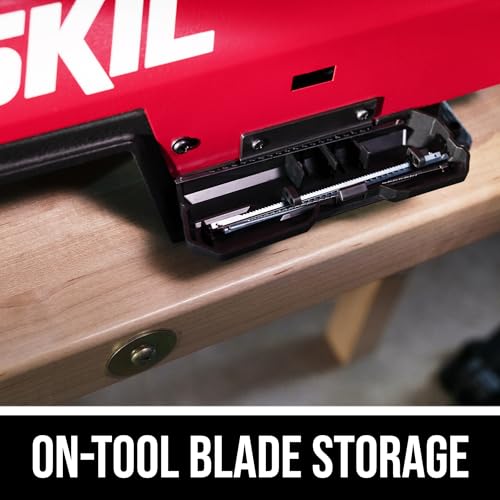
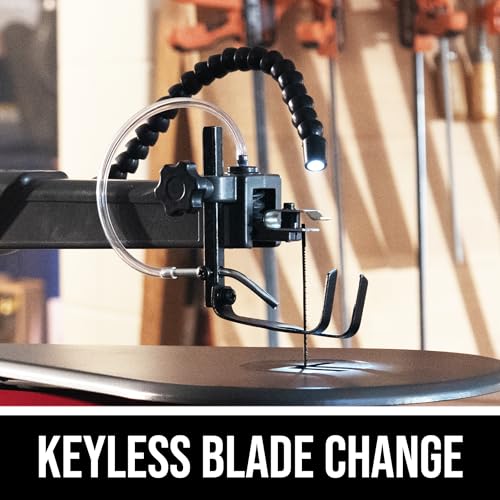
SKIL SS9503 LED Scroll Saw
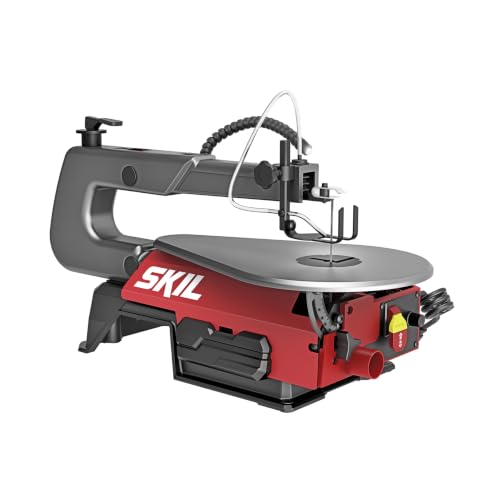
Strengths
- Affordable price
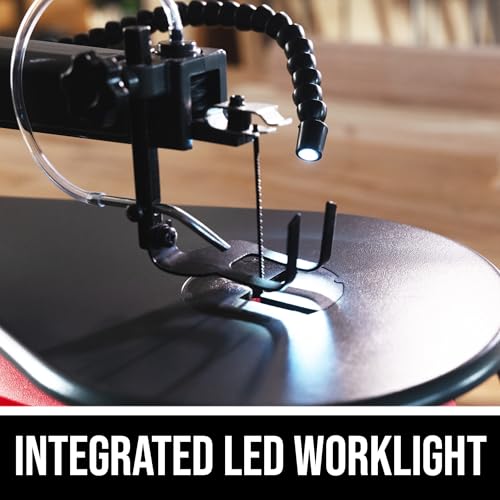
- LED work light
- Keyless blade change
- On-tool blade storage
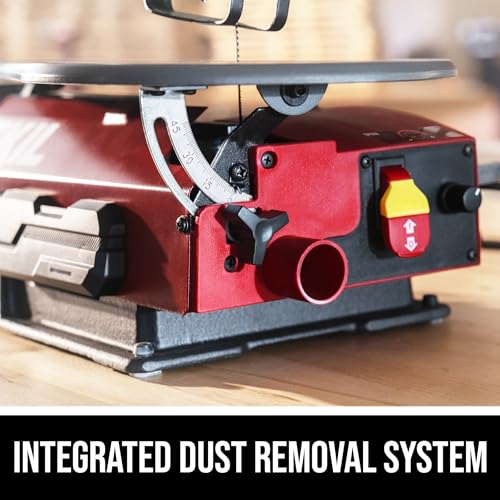
- Tilting table
Trade-offs
- Noticeable vibration
- Plastic housing feels flimsy
- Dust control underwhelming
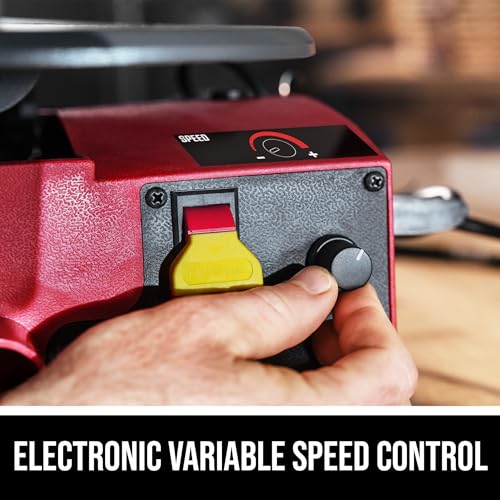
The SKIL SS9503-00 is clearly positioned as the budget entry point, and it shows in both materials and refinement. It includes practical features like an LED work light, keyless blade changes, and a tilting table, all things beginners will appreciate. The dust removal system is functional, though not as effective as dedicated air pumps on WEN models. On paper, it looks competitive, but owner feedback suggests it struggles with vibration at higher speeds, and the plastic components feel less durable.
It’s a bare-minimum machine that does the job for light use. Compared to the WEN 3922 or DEWALT DW788, it falls short in stability and long-term reliability. But if you’re testing the waters of scroll sawing and don’t want to commit heavily, it offers the essentials without breaking the bank.
Product photos
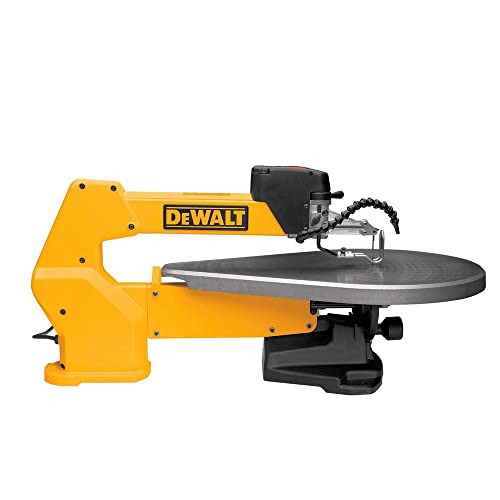
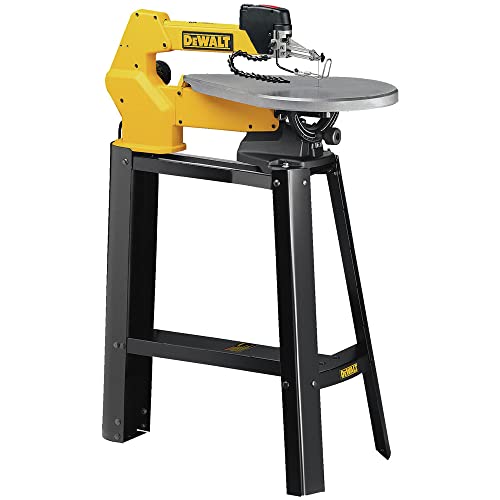
DEWALT DW788 Variable Speed Scroll Saw
Strengths
- Excellent accuracy
- Low vibration
- Tool-free blade changes
- Durable build
- Front controls
Trade-offs
- Higher price point
- Heavier than competitors
- No work light
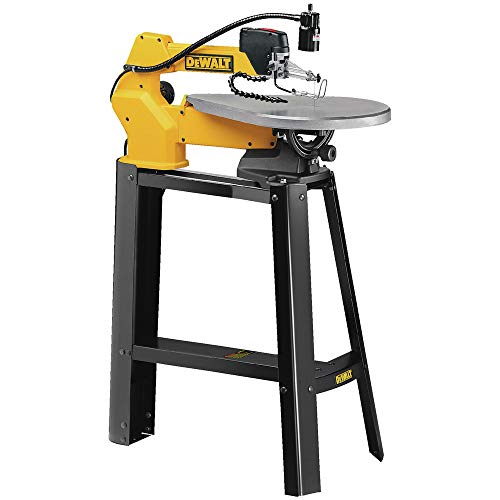
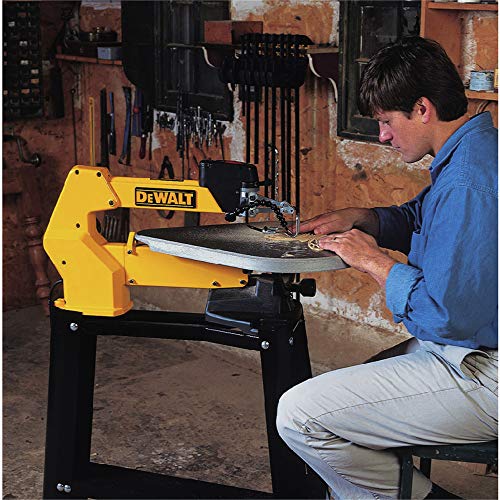
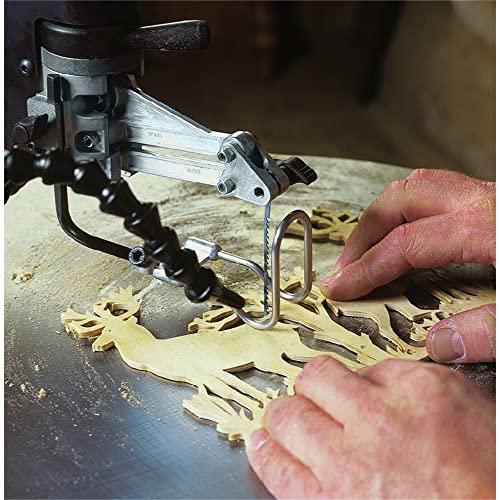
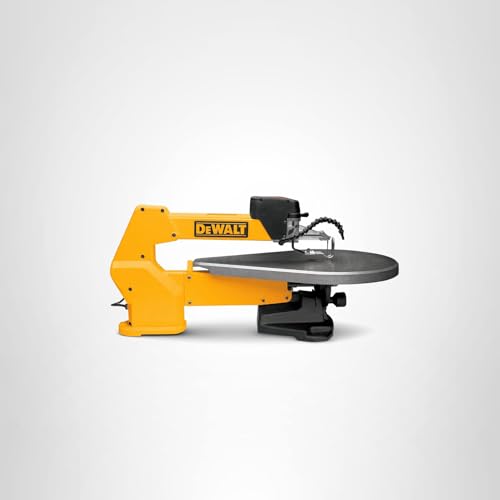
If precision is your priority, the DEWALT DW788 is the one to beat. Its double parallel-link arm design is engineered to minimize vibration, a major factor in maintaining clean, accurate cuts, and owners confirm it runs smoother than most in its class. The front-mounted controls, including the tool-free blade clamps, make adjustments intuitive and fast. With a 2-inch cutting depth and reliable variable-speed trigger, it handles thicker materials with confidence.
This isn’t the cheapest or most beginner-friendly in terms of ease of setup, but it’s built like a professional tool. Compared to the WEN models, it’s heavier, more stable, and more consistent over long sessions. I’d pick the DW788 over the others if you’re making detailed projects where accuracy trumps affordability. It sets the benchmark others aim for.
Product photos
How We Tested scroll saw for beginners
Rather than a hands-on lab test, my research for these recommendations focused on comparing published specifications and features across numerous models. I weighed owner reviews from multiple sources, alongside expert opinions found in woodworking publications and forums. My assessment considered what beginning woodworkers truly need – ease of use, reliability, and value – to determine which saws best fit the bill.
For scroll saws aimed at beginners, cutting capacity and blade change simplicity were paramount. A stable table and smooth operation are crucial for new users developing control. Variable speed is also key, allowing for experimentation with different materials and cut types. These factors directly impact a beginner’s learning curve and overall project success.
Specifications reliably indicate throat depth, stroke rate, and table size, giving a solid foundation for comparison. However, I leaned heavily on owner feedback to gauge real-world vibration levels, noise, and the durability of key components. Reputation and consistently positive reviews signaled models likely to provide a frustration-free experience, and I also considered scroll saw uses when evaluating features.
Choosing The Right scroll saw for beginners
Finding the right scroll saw can open up a world of intricate woodworking. It’s not just about cutting shapes; it’s about control, precision, and finding a machine that fits your skill level and project needs.
A quality scroll saw balances power with finesse. Key considerations include stroke length for material thickness, a robust table for stability, and ease of blade changes. Look for variable speed control, a comfortable ergonomic design, and features like dust blowers or ports to maintain visibility during detailed work. Blade quality and availability are also critical.
Blade Changes and Tensioning
I often tell people that the frustration of constant blade changes can quickly kill the enjoyment of scroll saw work. A tool-free blade clamping system, like those found on some DEWALT and WEN models, is a huge time-saver. But beyond speed, proper blade tension is essential. Many cheaper saws rely on fiddly thumbscrews. Look for systems that provide consistent, repeatable tensioning, regardless of blade type.
- A quick-release lever is convenient for frequent changes.
- A calibrated tensioning knob allows for fine-tuning, essential when working with thin materials.
- A robust blade clamp system prevents slippage during operation, improving cut accuracy and reducing blade breakage – a common issue with lower-end models.
Stroke Length and Cutting Capacity
The stroke length – the distance the blade travels up and down – dictates the thickness of material you can effectively cut. Most beginner scroll saws offer around 3/4 inch to 2 inches of cutting capacity. If you anticipate working with thicker stock (like substantial hardwoods), prioritizing a saw with a longer stroke is wise. Remember, pushing a scroll saw beyond its capacity leads to slow cuts, blade breakage, and a generally unpleasant experience. Understanding the differences between jigsaw and scroll saw can also help you determine if a scroll saw is truly the right tool for your needs.
Don’t underestimate the impact of a well-built table. A cast iron table adds significant weight and dampens vibration, resulting in cleaner, more precise cuts.
Budget vs. Features
It’s tempting to jump for the cheapest option, and the SKIL SS9503 is a decent entry point. However, you often get what you pay for. More expensive models, like those from DEWALT, typically offer superior build quality, reduced vibration, and more precise control. These features translate to cleaner cuts, less fatigue, and a longer tool lifespan. Before settling, consider how often you’ll actually use the saw. If it’s a casual hobby, a budget-friendly option might suffice. But if you plan on regular, detailed work, investing in a higher-quality model from our best scroll saw reviews is a smart move. I always recommend checking out the top scroll saw models to get a feel for the current market and what features are available within your price range.
Scroll Saw for Beginners Compared
Here’s a specification comparison of the scroll saws to help you find the right one for your needs.
| Product Name | Speed (SPM) | Table Size (in) | Throat Depth (in) | Blade Change | Dust Port |
|---|---|---|---|---|---|
| WEN 3922 | 550-1600 | 16 x 10 | 16 | Tool-Free | Yes |
| WEN 3923 | 550-1600 | 16 x 10 | 16 | Tool-Free | Yes |
| Dremel MS20-01 | N/A | N/A | N/A | Auto-Tension | Yes |
| SKIL SS9503 | N/A | 16 x 10 | N/A | Keyless | Yes |
| DEWALT DW788 | N/A | N/A | N/A | Tool-Free | Yes |
Frequently Asked Questions
What speed (SPM) is sufficient for a beginner scroll saw?
A speed range of 550-1600 SPM is ideal for beginners, offering versatility for different materials and cut types. Lower speeds are better for thicker materials and tighter curves, while higher speeds work well for thinner, softer woods.
How important is a dust port on a scroll saw?
A dust port is very helpful because it connects to a shop vacuum, keeping the cutting line clear and improving visibility. While not essential, it significantly reduces dust buildup, making projects more pleasant and accurate.
Are tool-free blade changes really that much better?
Yes, tool-free blade changes save considerable time and frustration compared to systems requiring wrenches or keys. This is especially valuable for beginners who are still learning and may change blades frequently while experimenting with scroll saw blades for beginners.
What throat depth should I look for in my first scroll saw?
A throat depth of 16 inches is sufficient for most beginner projects and offers good versatility. Larger throat depths allow for bigger pieces, but often come with a price increase and aren’t necessary when starting out.
What’s the difference between a cast iron and a steel table, and does it matter?
A cast iron table is heavier and dampens vibration better than a steel table, leading to more precise cuts and less fatigue. While steel tables are adequate, cast iron provides a noticeable improvement in control, particularly during intricate work, and is a feature to consider when choosing scroll saw blades.
The Bottom Line
Choosing a scroll saw often comes down to balancing initial cost against long-term satisfaction. While you can get started with a budget-friendly model, the frustration of fighting a less capable tool can quickly outweigh the savings. For most beginners, I believe the WEN 3922 offers the best overall blend of features, ease of use, and affordability, delivering a solid foundation for learning intricate scroll saw cutting techniques.
If you’re on a tight budget and only anticipate occasional use, the SKIL SS9503 provides a functional entry point. But for those seeking versatility and a smoother experience, the WEN 3923’s tool-free blade change system is a significant upgrade. And if you’re looking for a model that will grow with your skills, the DEWALT DW788 is a worthwhile investment, though it requires a larger upfront expenditure.
Ultimately, the specifications are less critical than mastering the fundamentals. Focusing on proper blade selection, consistent tensioning, and developing a steady hand will yield far better results than chasing the highest stroke rate or throat depth. Don’t skip learning basic scroll saw safety tips before you begin, and remember that practice is the key to unlocking the full potential of this rewarding tool.
