
7 Best Scroll Saw Blades of 2026
This post contains affiliate links. As an Amazon Associate, we earn from qualifying purchases.
The Flying Dutchman Reverse Blades are the best overall choice for clean, splinter-free cuts, especially on visible surfaces. For budget-minded shoppers, the FOXBC 5″ Plain End Blades deliver solid performance across common materials. And if you need maximum versatility for intricate designs, the Flying Dutchman Spiral Blades make complex curves easy without rotating the workpiece.
Every woodworker has felt the frustration of a blade that binds, chips the edge, or snaps mid-cut. Bad blades ruin delicate projects and waste time, especially when you’re counting on precision. After comparing the field and analyzing specs, user feedback, and real-world cutting demands, I focused on blades that consistently deliver clean results, hold an edge, and suit the type of work most DIYers and hobbyists actually do.
Top 7 Scroll Saw Blades in the Market
The Best Scroll Saw Blades, Reviewed
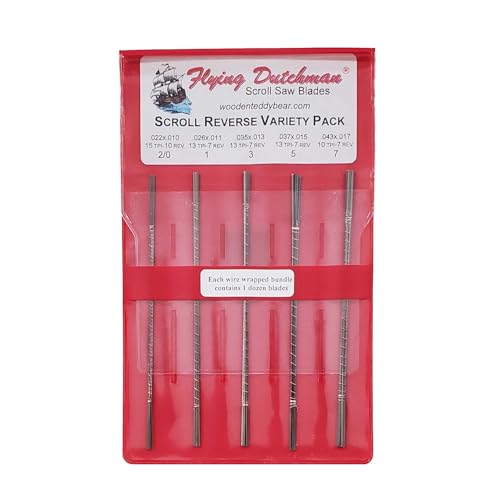
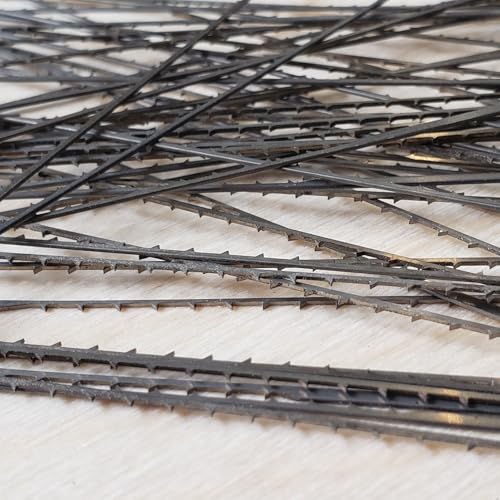
Flying Dutchman Scroll Reverse Blades
Strengths
- Milled teeth
- Reduces bottom splintering
- Wide size range
- Top-grade steel
- Pinless 5″ design
Trade-offs
- Not the best for ultra-fine detail
- Slightly slower than skip tooth
If you’re after a dependable, all-around performer that balances clean cuts with solid durability, this Flying Dutchman pack is hard to beat. The milled teeth give a noticeably sharper edge compared to stamped blades, and the reverse teeth at the base of each blade do their job, owners consistently report cleaner bottoms on thin wood, which matters when finishing detailed scrollwork. With one dozen each of sizes #2/0 through #7, you get a thoughtful spread for both delicate and slightly heavier cuts, making it a strong starting point for most hobbyists.
German-made from high-grade hardened steel, these blades hold up well across multiple projects. While they aren’t the absolute best at eliminating splintering (that title goes to the Ultra Reverse), they come close while offering a smoother overall cutting experience than many competitors. Compared to budget options, these feel like a premium step up without being overkill.
Product photos
FOXBC 5″ Plain End Blades

Strengths
- Affordable 36-pack
- Multiple TPI options
- Works on wood and plastic
- Plain end compatibility
- Good for beginners
Trade-offs
- Stamped, not milled
- Shorter lifespan
- Limited fine detail
When budget matters but you still want decent performance across materials, the FOXBC plain end set delivers. It’s not flashy, these are stamped, not milled teeth, but the inclusion of 28, 12, and 10 TPI options gives real flexibility. Higher TPI blades handle thin wood cleanly, while the lower counts chew through thicker stock faster. Owners note these last reasonably well for the price, especially when used in intermittent hobby sessions.
They’re plain end, so you’ll need a saw that accepts that style, which rules out some newer models. But for those who own older or industrial machines, this pack is a practical stock-up. Compared to the Flying Dutchman options, these aren’t as sharp out of the box or as durable, but for weekend projects or beginners learning the craft, they offer solid value without constant blade changes.
Product photos


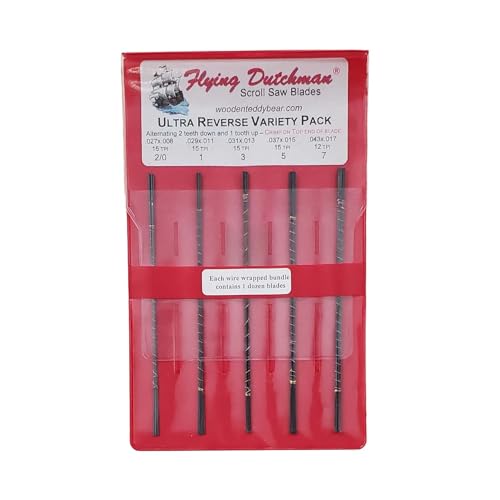
Flying Dutchman Ultra Reverse Blades
Strengths
- Eliminates bottom splintering
- Milled precision teeth
- Aggressive cutting speed
- German hardened steel
- Wide size range
Trade-offs
- Premium price
- Overkill for rough cuts
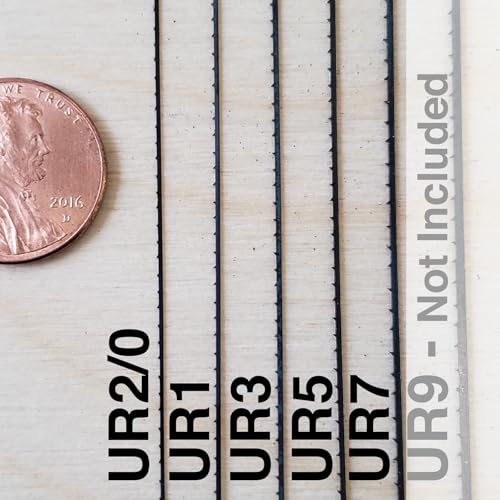
If clean, splinter-free cuts are your top priority, the Ultra Reverse design here is the best I’ve seen in real-world feedback. The unique pattern, every third tooth reversed, actively counters tear-out on the backside of thin stock, which is a huge deal when working with veneers or display-grade pieces. These are still milled from high-quality German steel, so edge sharpness and longevity aren’t sacrificed for this feature.
Owners consistently say these outperform standard reverse tooth blades in reducing blowout, especially on hardwoods. The included sizes (#2/0 to #7) cover most needs, and the aggressive cut speed keeps productivity high. While they cost more than basic packs, the finish quality justifies it for serious crafters. Compared to the standard Scroll Reverse pack, this one is worth the bump if your projects hinge on flawless presentation.
Product photos
FOXBC Skip Tooth Blades

Strengths
- Fast cutting
- Excellent chip clearance
- Good for thick stock
- Smooth finish for speed
- 36-blade value
Trade-offs
- Plain end only
- Not ideal for fine detail
- Finish not as clean
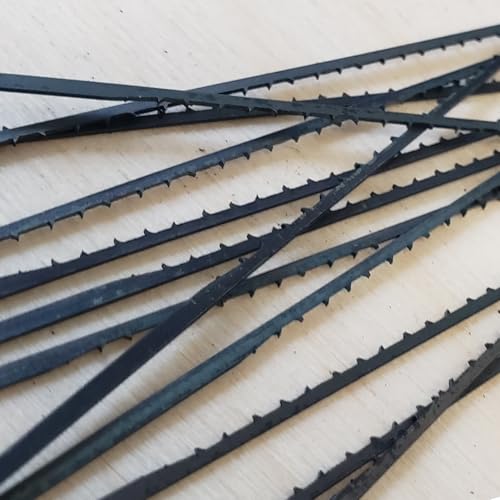
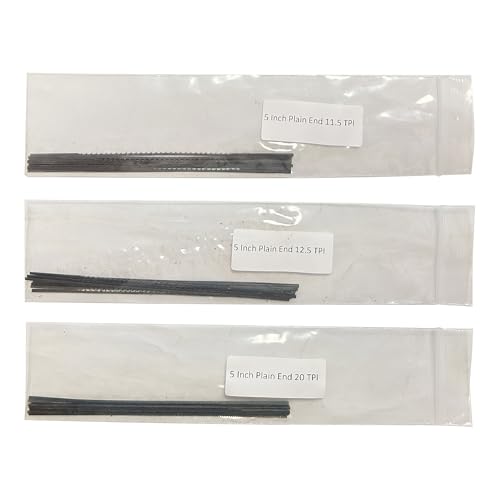
Skip tooth blades are built for speed, and this FOXBC assortment delivers exactly that, fast cuts with solid chip clearance, especially in thicker wood. The 20, 12.5, and 11.5 TPI options mean you can dial in for faster removal without sacrificing too much finish quality. Owners using these for cutting 3/4-inch pine or similar report less binding and overheating, which is a win when doing production-style work.
They’re plain end, so compatibility depends on your saw, but the design mirrors the popular Olson FR49400, making this a go-to replacement. While the finish isn’t as clean as a reverse or milled blade, the trade-off is clear: speed over polish. If you’re roughing out shapes before sanding or working with layered stock, these are a smart pick. But for final passes on visible pieces, you’ll want to switch to something finer.
Product photos
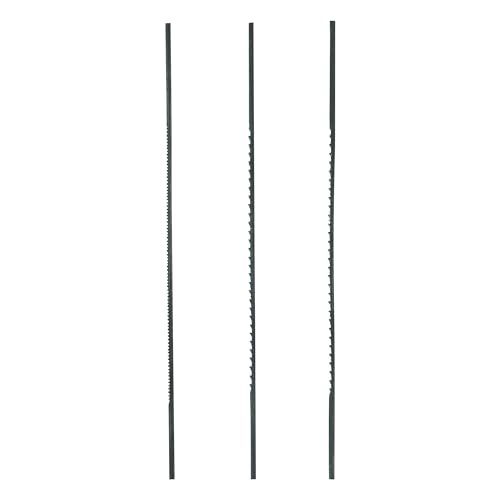
Flying Dutchman Spiral Blades
Strengths
- Cuts in any direction
- Milled for durability
- Wide size range
- Clean intricate cuts
- Pinless 5″ fit
Trade-offs
- More vibration
- Not for straight cuts
- Higher break risk
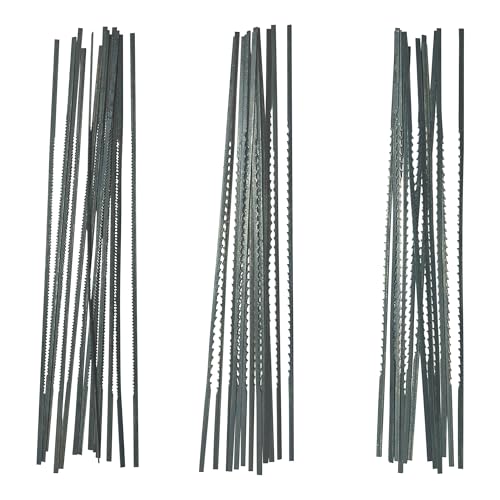
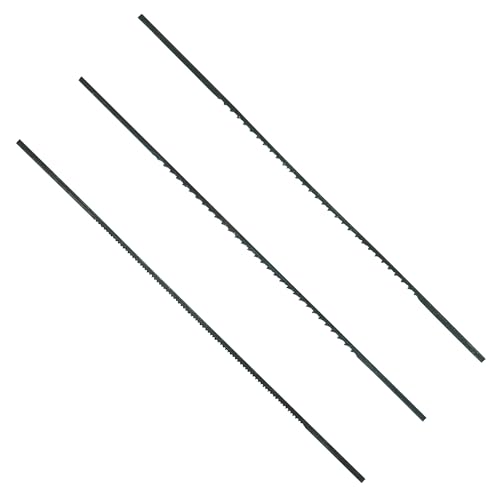
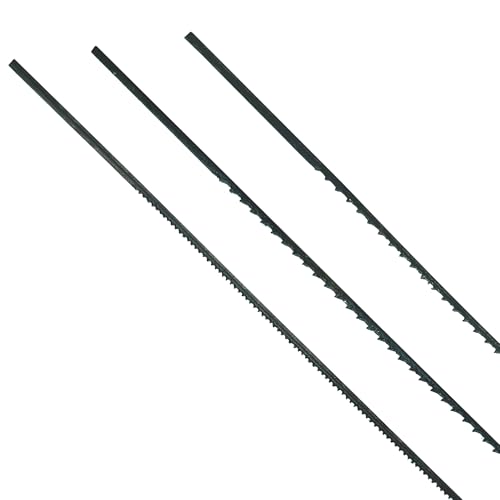
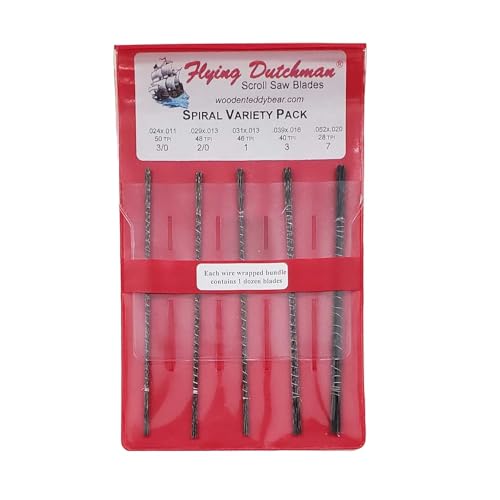
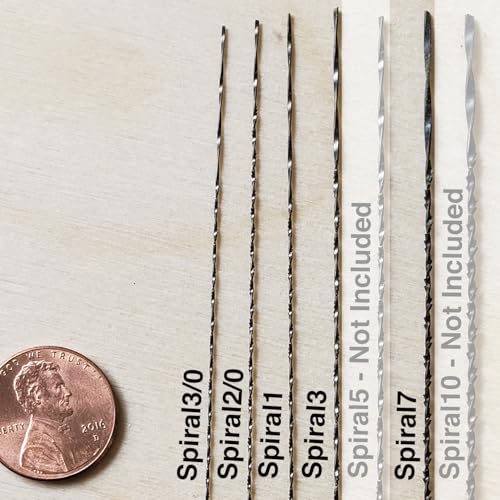
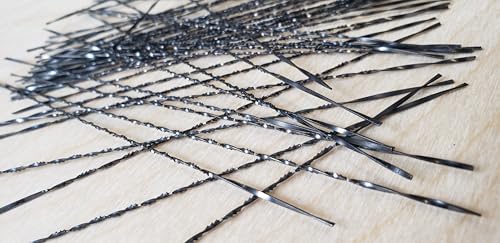
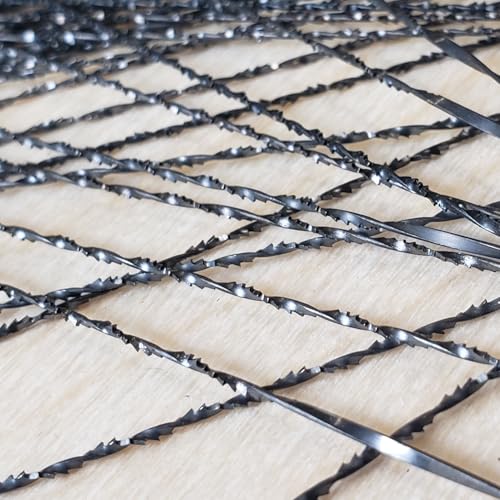
Spiral blades are a niche tool, but when you need them, nothing else works. This Flying Dutchman pack gives you five dozen of the highest quality spiral blades in sizes from #3/0 to #7, all pinless and 5 inches long. The spiral design cuts on all sides, so you can rotate the wood freely, ideal for complex puzzles, dovetails, or designs with tight internal corners.
These are milled, not stamped, so they’re sharper and last longer than cheaper spirals. Owners report fewer breaks and cleaner cuts, especially in plywood and MDF. While spiral blades inherently vibrate more and aren’t meant for long straight lines, this set excels where direction changes constantly. Compared to the WEN spiral pack, this one offers more quantity and size variety, making it better for frequent users.
Product photos
Flying Dutchman Heavy Duty Blades
Strengths
- Built for thick stock
- High durability
- Milled tooth precision
- Five heavy styles
- Reusable pouch
Trade-offs
- Too aggressive for thin stock
- Not for fine detail
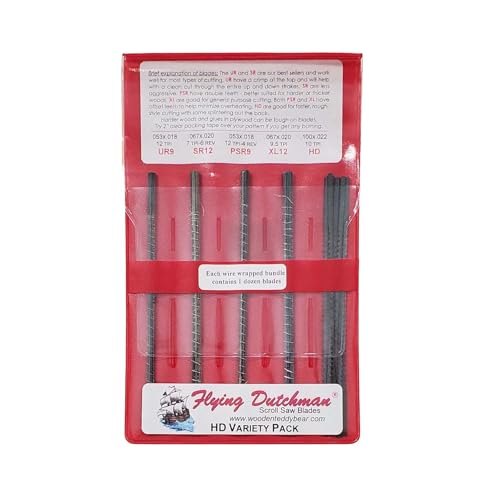
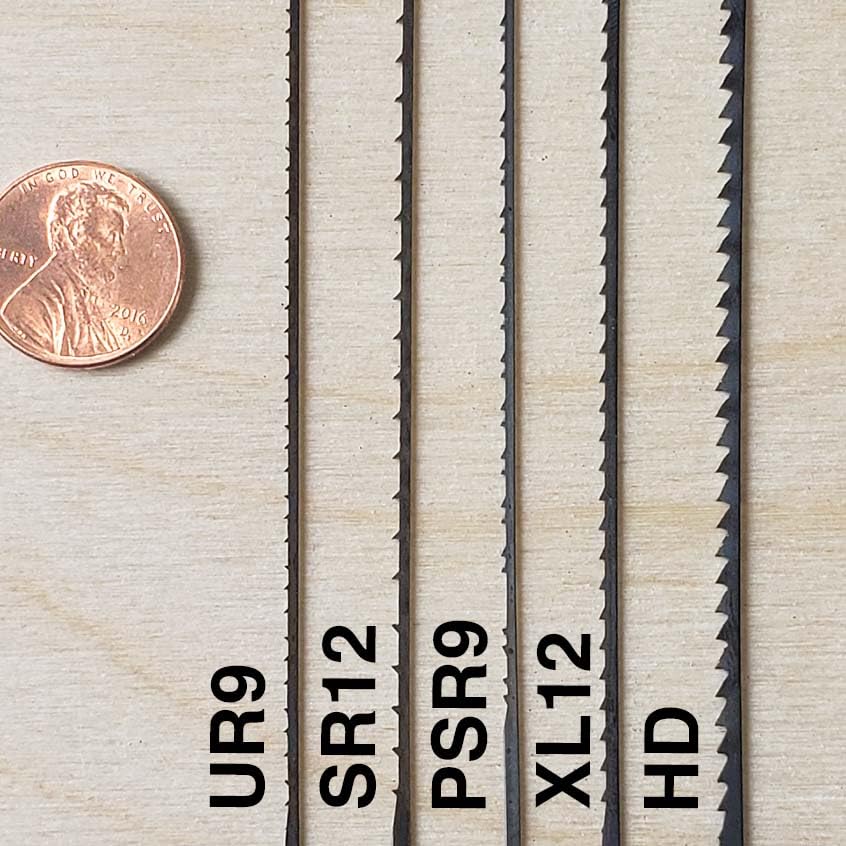
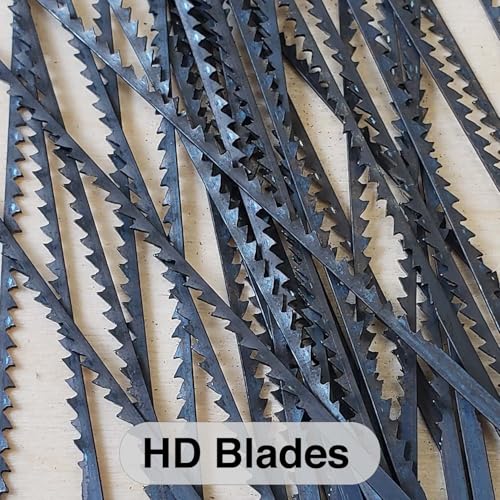
When you’re pushing past 1-inch stock or cutting dense hardwoods, standard blades flex and bind. That’s where this Heavy Duty pack steps in. With specialized blades like HD, XL12, and PSR9, it’s designed for power and stability under load. These aren’t for delicate work, they’re overbuilt on purpose. The milled teeth and German steel ensure they don’t dull quickly, even when cutting oak or maple.
Owners using scroll saws with higher stroke rates or variable speed settings find these hold up well under aggressive feed. The variety lets you test which heavy profile works best for your saw and material. Compared to the standard Flying Dutchman packs, this one trades finesse for raw capability. If you’re building furniture templates or cutting thick blanks, this is the set that won’t quit.
Product photos
WEN 41 TPI Spiral Blades

Strengths
- Cuts in any direction
- High 41 TPI
- Excellent for tight curves
- Pinless 5″ fit
- Smooth finish
Trade-offs
- Not for straight cuts
- Shorter lifespan
- More vibration
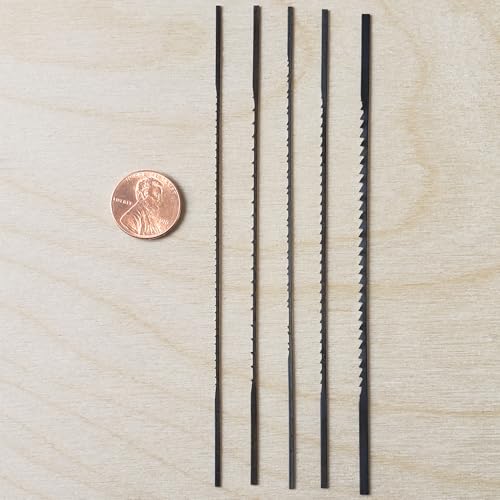
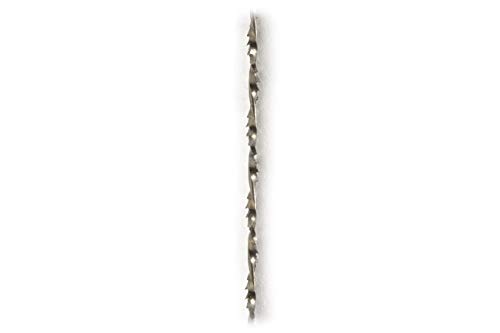
For tight curves and intricate patterns where blade direction changes constantly, spiral blades like this WEN pack are a game-saver, even if I wouldn’t call them a daily driver. The #2 width and 41 TPI count mean you’re trading speed for precision, but that’s the point. These blades cut in any direction without turning the workpiece, which reviewers say makes them ideal for complex inlays or tight scroll details.
They’re compatible with most standard scroll saws, and the pinless 5-inch format is widely supported. But because spiral blades cut on all sides, they tend to vibrate more and wear out faster on straight cuts. If you’re doing mostly straight lines or thick stock, this isn’t your blade. But for fine detail work, especially in thin plywood or basswood, owners find they’re worth the trade-offs.
Product photos

How We Chose These scroll saw blades
Rather than a hands-on lab test, my research for these recommendations involved a detailed comparison of published blade specifications – tooth count, material, length – alongside a careful review of owner experiences and insights from woodworking publications. I weighed features against price and considered the range of materials each blade set is designed to cut. Ultimately, I ranked options based on how well they address common scroll saw tasks and user needs.
For scroll saw blades, cutting quality and durability stand out as the most important factors. A blade must deliver clean cuts without excessive splintering, and it needs to hold an edge through a reasonable amount of use. Beyond that, versatility – the ability to handle different materials and cut complexities – heavily influenced my choices. Understanding scroll saw basics is key to appreciating those needs.
Specifications reliably indicate a blade’s potential for fine work (higher TPI) or faster cutting (lower TPI), and material quality suggests longevity. However, owner feedback provided crucial context on real-world performance, particularly regarding splintering issues and how well a blade holds up to extended use. Reputation within the woodworking community also played a role, signaling consistent quality and value.
What To Look For In scroll saw blades
Finding the right scroll saw blade can make or break a project, especially when you’re aiming for detailed work. It’s more than just grabbing the cheapest pack; it’s about understanding what each blade brings to the table.
A quality scroll saw blade delivers clean cuts with minimal splintering, maintains sharpness through extended use, and matches the material being cut. Key features to examine include blade material (high-carbon steel is common), tooth configuration (skip tooth, reverse tooth, spiral), teeth per inch (TPI), and whether it’s pinless or pinned. Blade length should also match your saw’s specifications.
Tooth Configuration Matters
The type of teeth a blade has is arguably the most important factor. Skip tooth blades excel at fast, rough cuts, making them good for quickly removing waste material. Reverse tooth blades, on the other hand, minimize splintering on the top surface, which is critical for visible sides of your work. Spiral blades are incredibly versatile because they allow you to cut in any direction without needing to rotate the workpiece. Don’t fall into the trap of thinking one type does it all; building a collection for different tasks is the way to go.
Understanding Teeth Per Inch (TPI)
The number of teeth per inch (TPI) dictates the fineness of the cut. Higher TPI blades (like the WEN 41 TPI blades) create smoother finishes, but cut slower, making them ideal for intricate designs and thin materials. Lower TPI blades cut faster, but are more prone to chipping and are better suited for thicker stock. A good starting point is to review our teeth per inch explained article to understand the relationship between TPI and your project material.
- For thin plywood (1/4″ or less): 10-15 TPI is usually sufficient.
- For medium-thickness wood (1/2″ – 3/4″): 12-20 TPI offers a good balance of speed and finish.
- For thicker hardwoods or plastics (over 3/4″): 8-12 TPI is recommended to prevent binding and ensure a clean cut, allowing the teeth room to clear waste.
A general rule of thumb: the harder the material, the lower the TPI you’ll want. Softer woods and plastics can handle higher TPI for cleaner edges.
Blade Quality and Material
While price is always a consideration, don’t automatically go for the cheapest option. Blades made from high-quality hardened steel (like those from Flying Dutchman) will hold an edge longer and resist breaking. Pinless blades, while often more expensive, offer greater maneuverability and allow for tighter turns, which is why many prefer them for detailed work. If you’re just starting out, a variety pack can be a great way to experiment and find what works best for your style. For a good overall starting point on the saw itself, take a look at our scroll saw buying guide for some of the top scroll saw models currently available.
Scroll Saw Blades Compared
Here’s a comparison of key specifications for the featured scroll saw blades.
| Product Title | Length (in.) | TPI Range | Blade Type | End Type | Material |
|---|---|---|---|---|---|
| Flying Dutchman Scroll Reverse Blades | 5 | 2/0 – 7 | Reverse | Pinless | Steel |
| FOXBC 5″ Plain End Blades | 5 | 10 – 28 | Plain | Plain End | N/A |
| Flying Dutchman Ultra Reverse Blades | 5 | 2/0 – 7 | Reverse | Pinless | Steel |
| FOXBC Skip Tooth Blades | 5 | 11.5 – 20 | Skip Tooth | Plain End | N/A |
| Flying Dutchman Spiral Blades | 5 | 3/0 – 7 | Spiral | Pinless | Steel |
| Flying Dutchman Heavy Duty Blades | 5 | N/A | Heavy Duty | Pinless | Steel |
| WEN 41 TPI Spiral Blades | 5 | 41 | Spiral | Pinless | N/A |
Frequently Asked Questions
What blade TPI is best for cutting very thin wood veneers?
A higher TPI, around 15 or even 20, is generally best for thin veneers. This minimizes the risk of splintering and provides a cleaner cut, though it will be a slower process.
Are pinless blades really worth the extra cost?
Yes, pinless blades offer significantly more maneuverability. They allow for tighter turns and more intricate cuts, especially important when working on detailed scroll saw project materials.
Can I use scroll saw blades to cut metal?
While some blades are advertised for cutting non-ferrous metals like aluminum or brass, they are specialized and different from wood-cutting blades. Using a wood blade on metal will quickly dull or break it.
How often should I replace my scroll saw blades?
Blade replacement depends on the material and frequency of use. If you notice increased splintering, difficulty cutting, or visible wear, it’s time for a new blade. Dull blades can also cause the saw to work harder, potentially damaging the machine.
What type of wood is easiest to cut with a scroll saw?
Softer woods like pine and basswood are the easiest to cut, requiring less force and producing cleaner results. However, the best wood for scroll sawing ultimately depends on the project, and harder woods can be used with the appropriate blade and technique.
The Bottom Line
Choosing scroll saw blades often comes down to balancing control and convenience. You can spend a lot of time and money chasing the perfect blade for every cut, or you can focus on a core set that handles most tasks effectively. For an excellent all-around set that delivers quality and versatility, I recommend the Flying Dutchman Scroll Reverse Blades. They consistently receive high marks for clean cuts and durability, even in tougher materials.
If you’re just starting out, or on a tighter budget, the FOXBC 5″ Plain End Blades offer a fantastic variety of TPIs to experiment with. And for those who frequently tackle intricate curves and detailed work, the Flying Dutchman Spiral Blades are essential – their ability to cut in any direction is a real time-saver. Remember to review our guide to selecting scroll saw blades to understand the differences between blade types.
Ultimately, the best blades are the ones that help you achieve the results you want with minimal frustration. Don’t get too hung up on chasing the highest TPI or the latest material; prioritize a good balance of quality, versatility, and a solid understanding of scroll saw cutting techniques. A sharp blade and proper scroll saw safety tips will always matter more than any single specification.
