8 Best Sawzall Blades for 2026
This post contains affiliate links. As an Amazon Associate, we earn from qualifying purchases.
The Diablo Steel Demon Carbide Blade stands out as the best overall sawzall blade for heavy-duty cutting, especially in tough metals, while the Diablo Demo Demon Wood Blade is our top pick for demolition work involving wood and nails. For those watching their budget, the 40-Piece Bi-Metal Blade Set delivers solid performance across common tasks without breaking the bank.
If you’ve ever had a blade strip teeth mid-cut or snap under pressure, you know how quickly a simple job can turn frustrating. Choosing the wrong blade wastes time, wears out your saw, and can even be unsafe. This guide cuts through the noise, highlighting the top-performing sawzall blades based on real-world feedback, material compatibility, and build quality. I looked at specs and user experiences across dozens of models, focusing on durability, cut speed, and value to help you pick the right blade for the job at hand.
Top 8 Sawzall Blades in the Market
The Best Sawzall Blades, Reviewed
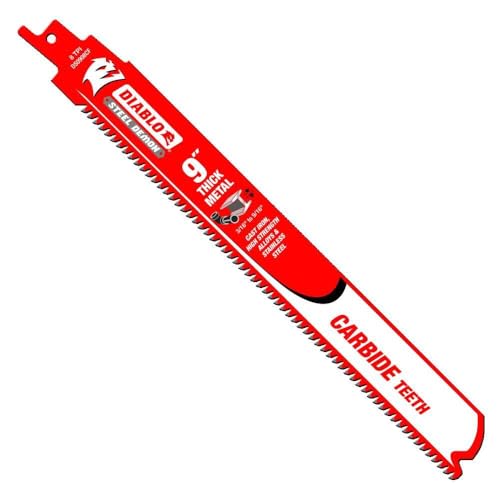
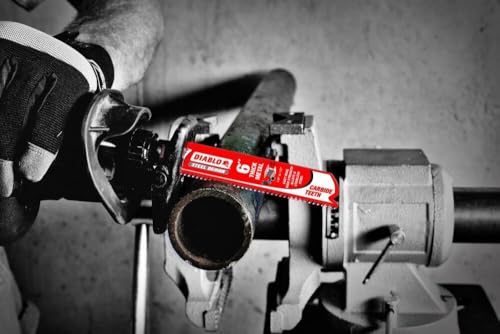
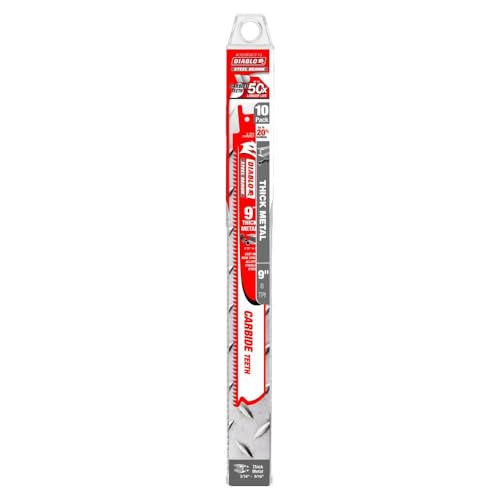
Diablo Steel Demon Carbide Blade
Strengths
- Carbide teeth for extreme metal
- 50x longer life claim
- Stable oversized body
Trade-offs
- Very expensive
- Overkill for wood
- Brittle on impact
This is the blade pack you reach for when bi-metal just won’t cut it, literally. The carbide teeth on the Steel Demon series are in a different class, especially for cutting through cast iron, stainless steel, or high-strength alloys. Owners consistently report up to 50x longer life in extreme metal applications, and while that sounds wild, the TiCo Hi-Density carbide and Perma-SHIELD coating explain it. The non-stick layer really does reduce gumming, which is a common failure point on aggressive metal cuts.
The 1-inch oversized body minimizes vibration, delivering straighter, cleaner cuts, a big deal when precision matters. Compared to the bi-metal Diablo auto-dismantling pack, this one is overkill for light work but unmatched for heavy industrial or plumbing jobs. If you’re regularly cutting thick metal, this is the best overall choice on the market.
Product photos
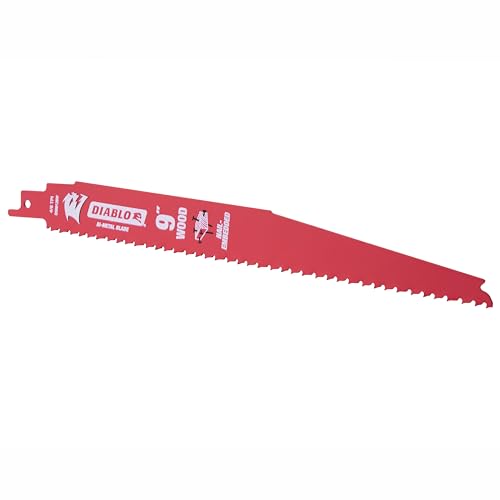
Diablo Demo Demon Wood Blade

Strengths
- 4x life claim vs standard
- Variable 6/12 TPI design
- Coating reduces friction
Trade-offs
- Not for metal cutting
- Can overheat in plastic
When it comes to wood demolition, think ripping out subfloors, cutting through joists, or tearing down walls, the Demo Demon 25-pack is built to last. The variable tooth design (6/12 TPI) balances speed and control, letting you plow through nail-studded lumber without constant blade changes. The Perma Shield coating helps, but it’s the ultra-hardened bi-metal teeth that owners credit for surviving repeated nail hits.
I’ve seen feedback from contractors who go through blades fast, and many say this pack lasts noticeably longer than standard bi-metal blades. The 9-inch length gives reach, and the 25-count means you’re not constantly reordering. Compared to the Milwaukee multi-material set, it’s less versatile but superior when wood and nails are the main challenge.
Product photos

Diablo Auto Dismantling Bi-Metal Blade
Strengths
- Perma-Shield coating
- Arched full-contact design
- Stable 1-inch body
Trade-offs
- Limited wood performance
- Coating wears over time
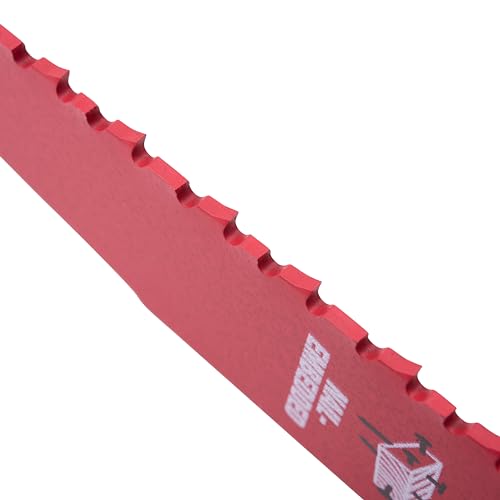
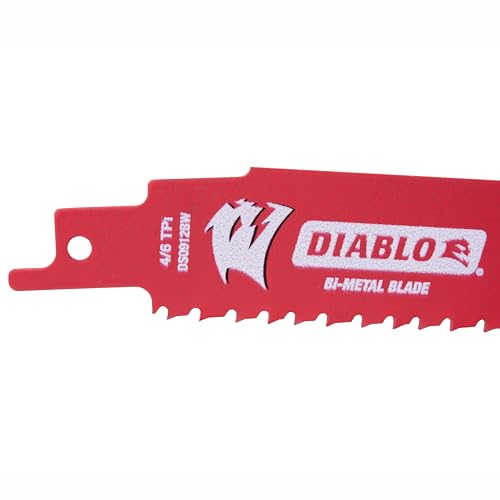
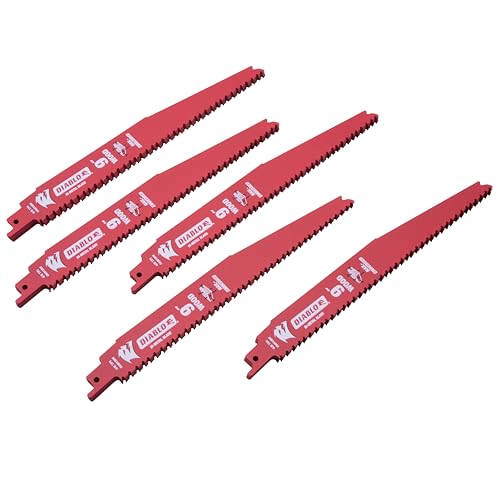
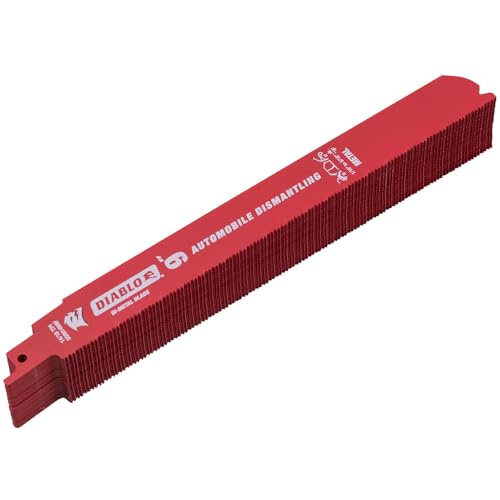
When the job involves slicing through car frames, exhaust systems, or metal studs, this Diablo 25-pack earns its keep. The dual tooth design with small gullets is engineered for medium metal removal, and the full contact arched profile is a smart touch, it spreads the load across more teeth, reducing heat and wear. The Perma-Shield coating isn’t just paint; owners report less gumming when cutting oily or rusty metal, which keeps the blade running cooler and longer.
The 9-inch length and 1-inch demolition body make it stable under load, minimizing wobble during extended cuts. Compared to basic bi-metal packs, this one’s clearly built for pros who dismantle metal daily. It’s not the cheapest, but if you’re doing auto or industrial teardown, the durability justifies the step up.
Product photos
EZARC Japanese Teeth Pruning Blade

Strengths
- Long 15-inch length
- Aggressive Japanese teeth
- Excellent for wet wood
Trade-offs
- Not for metal or drywall
- May bind in tight spaces
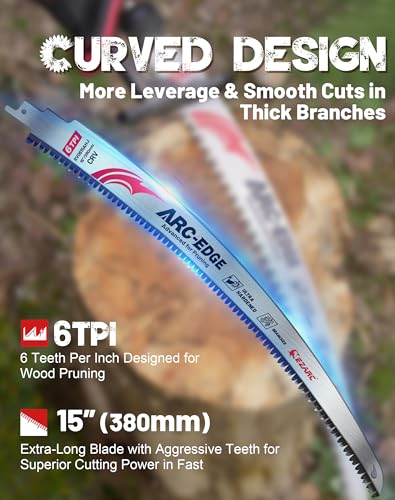
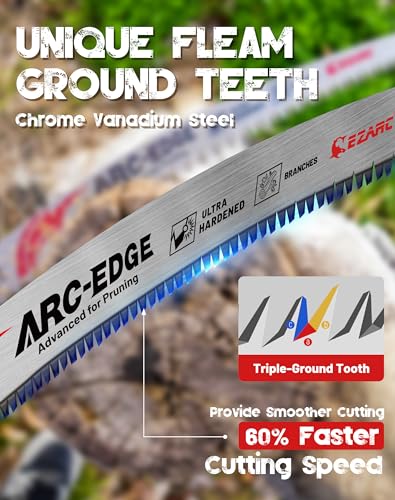
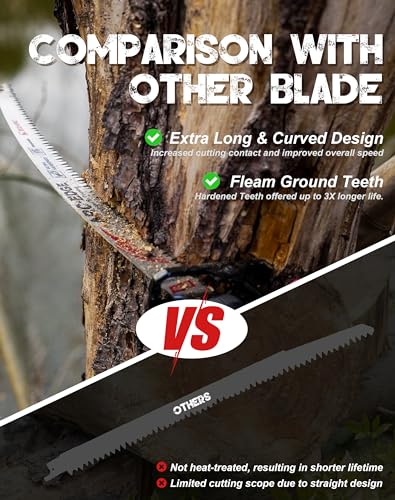
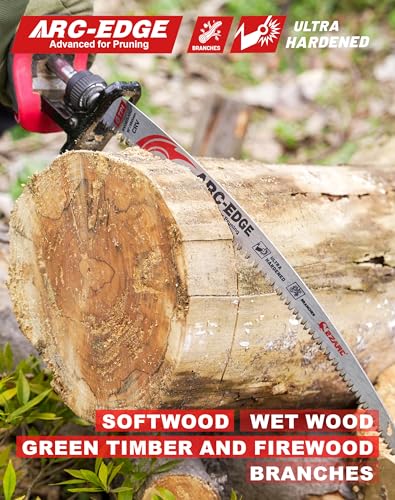
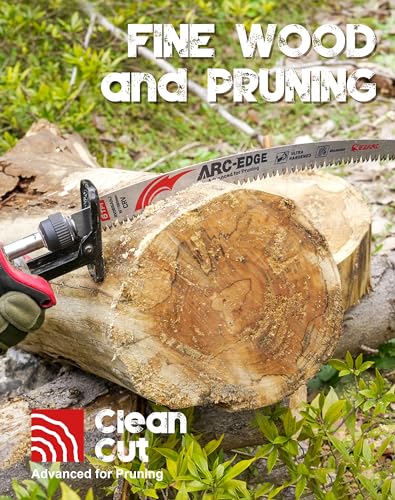
If you’re cutting live branches or storm-damaged limbs, the EZARC 15-inch arc edge blade brings serious cutting aggression. The Japanese-style fleam-ground teeth and triple-ground offset design aren’t common in standard recip blades, and owners say they make a noticeable difference in reducing bind and heat during long pruning cuts. At 6 TPI, it’s optimized for fast removal in wet or dry wood, and the deep gullets handle sawdust ejection well, critical when working overhead.
The 320mm working length gives real reach, letting you clear thick limbs without climbing closer. It’s not a blade for finish work or metal, but for tree trimming, the arc edge geometry delivers a smoother, more controlled cut than most straight-edge recip blades. I’d pick this over standard pruning blades when dealing with diameter-heavy branches.
Product photos
Milwaukee Multi-Material Blade Set

Strengths
- Thick blade stock
- Wide TPI range
- Durable storage case
Trade-offs
- Heavier than basic sets
- Pricier than entry-level
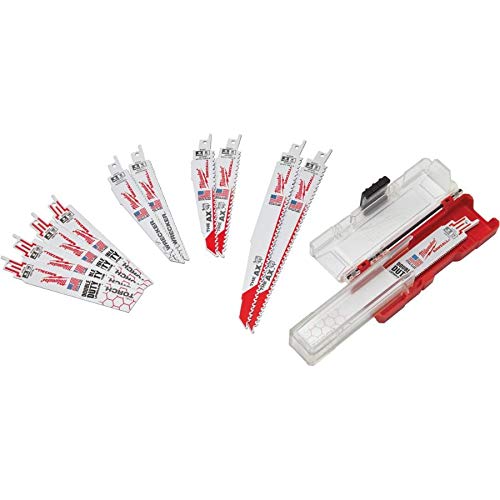
This Milwaukee set stands out in the multi-material category because it’s built like a job site tank. The thicker blade stock and double relief angle design aren’t just marketing fluff, they’re features owners consistently report holding up under brutal demolition abuse. With a range of TPI options from 5 to 18, you’re covered whether you’re ripping through 2x4s or cutting conduit. The inclusion of 9-inch blades adds reach for deeper cuts, which matters when you’re knee-deep in framing or plumbing teardown.
The storage case is a small but meaningful win, it’s adjustable and actually durable, not just flimsy plastic. Milwaukee didn’t cut corners here, and that reflects in how many pros keep this set in their truck. For mixed-material jobs where you can’t predict what you’ll hit next, this is the kind of set I’d trust over a single-purpose pack.
Product photos
DEWALT Bi-Metal Durability Blade Set

Strengths
- Thick, stable profile
- Durable bi-metal build
- Solid storage case
Trade-offs
- Fewer TPI variations
- No extra-long blades
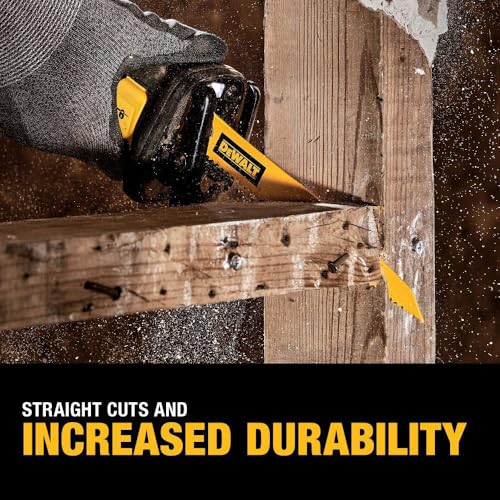
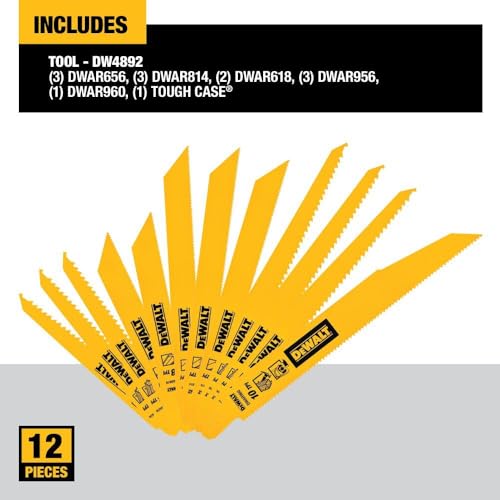
DEWALT’s DW4892 hits that sweet spot between durability and value, it’s not the most specialized set, but it’s dependable across common jobs. The tall, thick blade profile resists deflection, which matters when you’re cutting through nail-embedded wood or thick pipe. The bi-metal construction flexes without snapping, a key trait during demolition where blades get twisted and overloaded.
The patented tooth form they tout does seem to improve chip removal, based on owner feedback, fewer clogged gullets mean cooler, smoother cuts. And the ToughCase is actually useful, not just packaging. Compared to the Milwaukee multi-material set, it has fewer blade types, but for general-purpose use, it’s a smarter buy if you don’t need 9-inch reach or ultra-fine TPI options.
Product photos
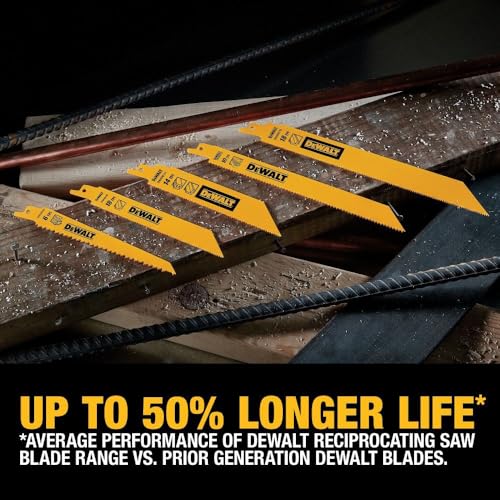
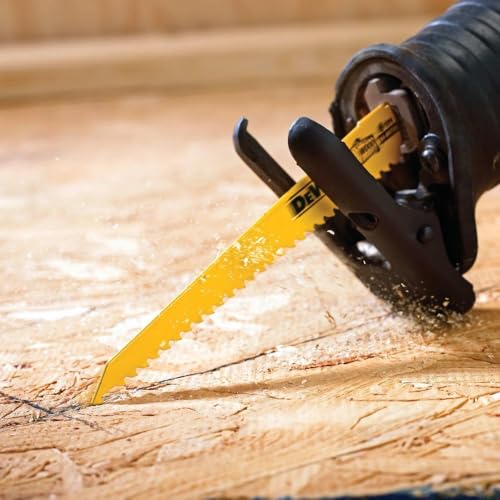
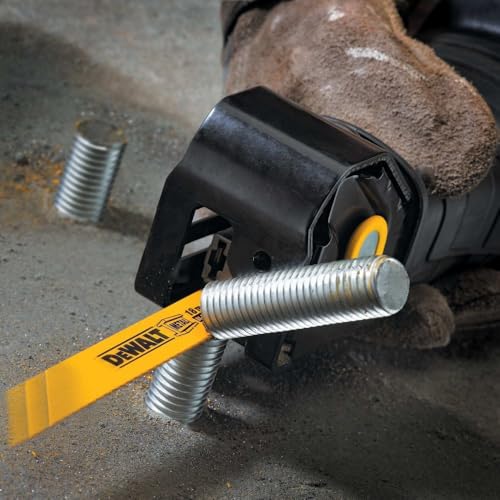
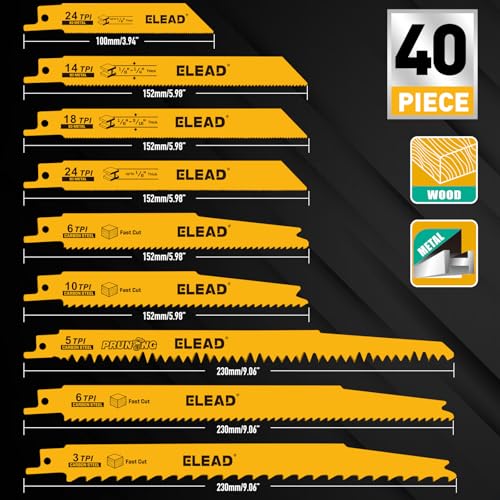
40-Piece Bi-Metal Blade Set
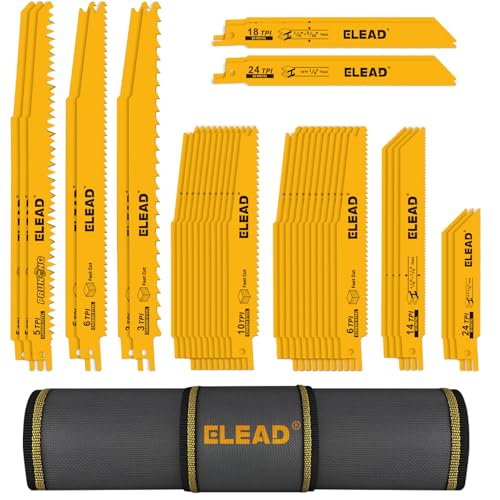
Strengths
- High piece count
- Good length variety
- Affordable entry point
Trade-offs
- Blades dull faster
- Pouch less durable
- Inconsistent edge retention
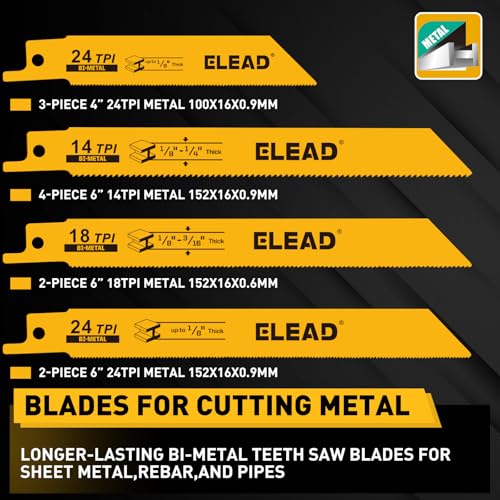
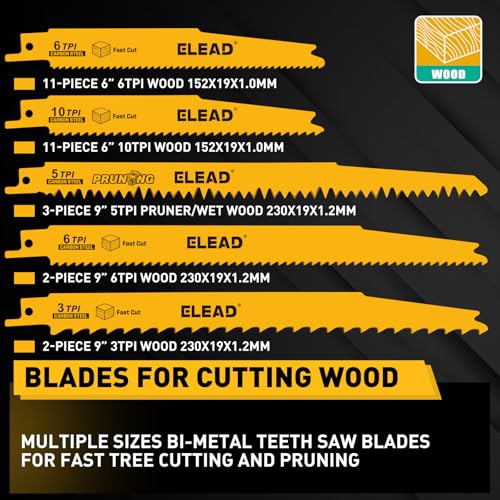
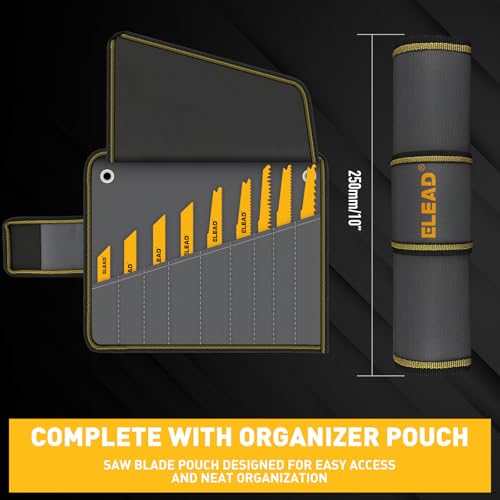
This 40-piece set wins on volume and versatility for the price. You get a broad mix of lengths and materials, covering basic wood, metal, and drywall cuts, exactly what a weekend warrior or first-time tool buyer needs. The bi-metal and carbon steel blend holds an edge reasonably well, and the included storage pouch, while not as rugged as Milwaukee’s case, keeps things organized in a toolbox or glove box.
Owners say these blades perform decently for light to moderate jobs, though they don’t last as long as premium brands under heavy abuse. If you’re doing occasional fence repair, pipe cutting, or small renovations, this set gives you coverage without breaking the bank. I’d call it the smart pick for beginners who don’t want to buy blades piecemeal.
Product photos
25-Pack 6″ Auto Dismantling Blade

Strengths
- Cobalt-enhanced teeth
- Smooth interlocking teeth
- Compact storage box
Trade-offs
- Short length limits reach
- Not for thick metal
- Coating wears fast
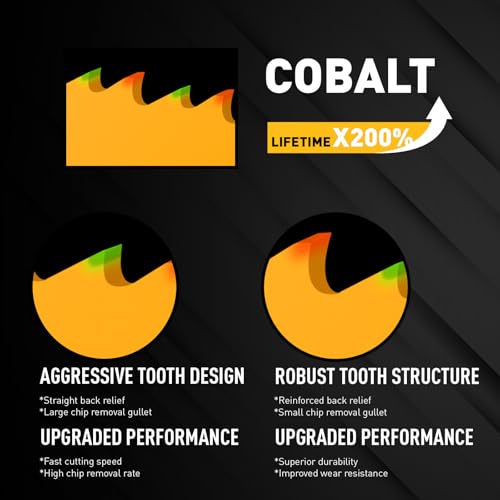
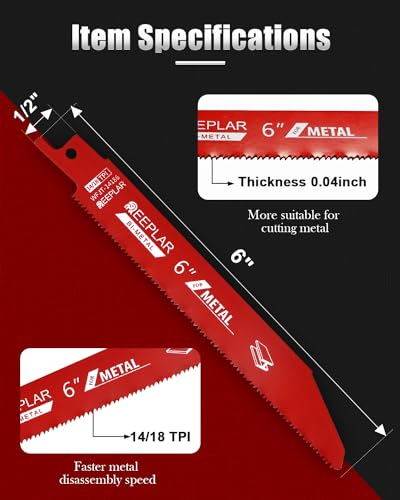
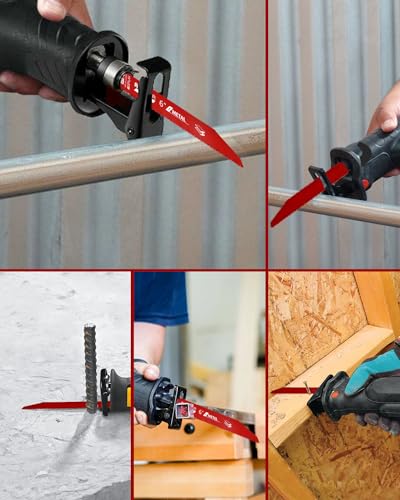
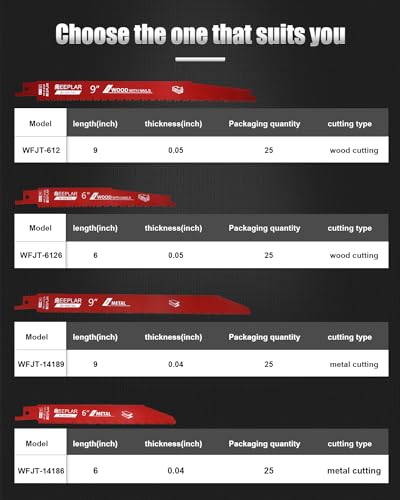
This 6-inch 14/18 TPI pack is a precision tool for thin to medium metal work, think electrical conduit, thin steel tubing, or HVAC ducting. The 0.04-inch thickness and 8% cobalt in the teeth give it extra hardness, and owners report it holds an edge longer than standard bi-metal blades in repetitive cuts. The interlocking tooth pattern reduces chatter, which helps when you need clean, straight lines in fabrication or repair.
It’s not for heavy structural steel, but for jobs where accuracy and consistency matter, like shop work or appliance repair, this pack delivers. The retractable storage box is a nice touch for shop organization. Compared to the longer 9-inch Diablo metal blades, this set trades reach for control, making it the better pick for bench or detail work.
Product photos

How We Picked These sawzall blades
As someone who’s spent years around workshops and job sites, I understand the frustration of a blade failing mid-cut. Rather than a hands-on lab test of each blade, this selection is based on a research-led comparison of published specifications, features, and, most importantly, owner and professional reviews. I weighed those sources against my understanding of what makes a sawzall blade perform well, ranking options based on a set of clear criteria: durability, cut speed, material compatibility, and value.
For sawzall blades, the biggest differentiators are tooth material and tooth geometry. Blades with carbide teeth, like those from Diablo, consistently earn praise for longevity when cutting harder materials. Beyond that, the type of cut you’re making matters. A blade’s ability to efficiently remove material, and resist binding, is crucial, and that’s directly tied to the tooth design and teeth per inch guide.
Specifications tell you about tooth count, blade thickness, and material composition. However, real-world performance often comes down to how a blade handles under stress. I heavily considered owner feedback regarding blade life, how well it handles different materials, and resistance to breaking or stripping teeth. Reputation, especially among professionals who use these tools daily, was also a key factor in determining the final rankings.
What To Look For In sawzall blades
Choosing the right sawzall blade can mean the difference between a quick, clean demolition or repair and a frustrating, time-consuming mess. I’ve seen too many projects stalled by a blade that simply wasn’t up to the task.
A quality reciprocating saw blade balances durability, cutting speed, and material compatibility. Look for blades with hardened teeth, appropriate tooth pitch (TPI) for the material, a flexible yet strong body to resist breakage, and a coating to reduce friction and heat buildup. Consider the blade length needed for your typical cuts and ensure compatibility with your saw’s shank type.
Tooth Count (TPI) and Material
The number of teeth per inch (TPI) is perhaps the most crucial factor. Lower TPI blades (like those with 3-6 teeth) are aggressive and fast, ideal for thick materials like wood with nails, or soft metals. However, they leave a rougher finish. Higher TPI blades (14-18 TPI) provide cleaner, more precise cuts in thinner materials – sheet metal, plastic, or fine-grained wood – but cut slower. Don’t assume more teeth are always better; it’s about matching the blade to the job. You’ll find many manufacturers, like Diablo, offer blades specifically optimized for different materials, and that’s a good place to start.
Blade Material and Construction
Bi-metal blades are the workhorses of the reciprocating saw world, and for good reason. They combine a hardened high-speed steel tooth edge for durability with a more flexible steel body to resist breakage. Carbide-tipped blades, like Diablo’s Steel Demon line, take this a step further, offering incredible longevity when cutting particularly hard metals, but they are more brittle and expensive. Consider the frequency of use and the materials you’ll be cutting most often. If you’re primarily working with wood, a high-quality bi-metal blade might suffice. For frequent metal cutting, especially harder alloys, investing in carbide is worthwhile.
- For rough demolition, a thicker blade with fewer teeth is best.
- For precision cuts in metal, a fine-tooth blade with a bi-metal construction is a good all-around choice.
- For extended use in demanding applications, consider carbide-tipped blades, but be prepared to pay a premium and handle them carefully – they’re less forgiving than bi-metal.
Shank Type and Blade Length
Most modern reciprocating saws use a universal shank, but older models might require a different type. Always double-check compatibility before purchasing. Blade length is also important. A longer blade is useful for reaching into tight spaces or cutting through thicker materials, but can be more prone to vibration and wandering. A shorter blade provides more control and stability for smaller cuts. As a general rule, choose a blade that’s just long enough to exceed the thickness of the material you’re cutting.
A blade should extend beyond the material being cut by at least an inch to prevent binding and ensure a smooth, controlled cut.
If you’re planning a lot of demolition work, learning proper reciprocating saw techniques will help you get the most out of your blades and avoid premature wear. And if you are primarily focused on wood, explore wood-cutting sawzall blades for options specifically designed for those tasks.
Sawzall Blades Compared
This table provides a detailed specification comparison of various sawzall blades available on the market.
| Product Title | Best For | Tooth Pitch (TPI) | Blade Length (in) | Material | Features |
|---|---|---|---|---|---|
| Diablo Steel Demon Carbide Blade | Best Overall | N/A | N/A | Carbide | TiCo Hi-Density |
| Diablo Demo Demon Wood Blade | Best for Wood Demolition | N/A | N/A | Bi-Metal | Perma-Shield |
| Diablo Auto Dismantling Bi-Metal Blade | Best for Metal Cutting | N/A | 6 | Bi-Metal | Dual Tooth Config. |
| EZARC Japanese Teeth Pruning Blade | Best for Tree Trimming | 6 | 15 | N/A | Fleam Ground Teeth |
| Milwaukee Multi-Material Blade Set | Best Multi-Material Perf. | 5, 8, 14, 18 | 6, 9 | N/A | Multiple Blades |
| DEWALT Bi-Metal Durability Blade Set | Best Value Set | N/A | N/A | Bi-Metal | Patented Tooth Forms |
| 40-Piece Bi-Metal Blade Set | Best Budget Friendly | N/A | N/A | Bi-Metal/Carbon | Razor-Sharp Edges |
| 25-Pack 6″ Auto Dismantling Blade | Best for Precision Metal Work | 14/18 | 6 | Bi-Metal | Cobalt Added Teeth |
Frequently Asked Questions
What blade length should I choose?
Generally, select a blade slightly longer than the material’s thickness – at least one inch of extension prevents binding and provides control. However, remember that longer blades vibrate more, so use the shortest blade possible for the job.
Are carbide blades really worth the extra cost?
Yes, if you frequently cut hard materials like cast iron or stainless steel. Carbide teeth last significantly longer than bi-metal, but they are more brittle and expensive, making them best for demanding, professional applications.
What’s the difference between a demolition blade and a general-purpose blade?
Demolition blades typically have fewer, larger teeth for fast, aggressive cutting through thick materials with embedded objects like nails. General-purpose blades have a higher TPI for cleaner cuts in a wider range of materials.
Can I use a sawzall blade on other reciprocating saws?
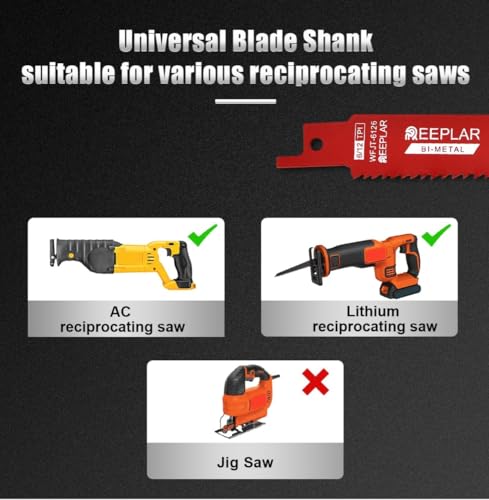
Most modern saws accept the universal shank, but always verify compatibility before purchasing. Older or specialized saws may require a different shank type, so check your saw’s manual.
Where can I find more information on selecting metal-cutting sawzall blades for specific projects?
My guide to metal-cutting sawzall blades provides a detailed breakdown of blade types, materials, and features optimized for working with various metals. It also covers techniques for achieving clean, efficient cuts.
The Bottom Line
Choosing a sawzall blade always involves a trade-off between initial cost and long-term durability. While you can get by with cheaper options for light use, consistently pushing a blade hard demands quality. For the best overall performance and longevity, I recommend the Diablo Steel Demon Carbide Blade. It represents a significant investment, but the reduced downtime and extended life will pay off for anyone tackling tough materials regularly.
If you have more specific needs, there are excellent alternatives. For those focused on wood demolition, the Diablo Demo Demon Wood Blade is a clear winner. For precision metal work or frequent cuts in various materials, the Milwaukee Multi-Material Blade Set provides a versatile range of options. And, if you’re on a tighter budget, the 40-Piece Bi-Metal Blade Set offers a surprisingly good value, though you’ll likely go through them more quickly.
Ultimately, remember that the blade is just one part of the equation. Knowing how to swap Sawzall blades and using the correct technique for the material you’re cutting will always be more important than any single feature or specification. Prioritize safety, choose the right TPI for the job, and don’t force the cut – let the blade do the work.
