
6 Best Saws for Cutting Cabinets 2026
This post contains affiliate links. As an Amazon Associate, we earn from qualifying purchases.
The SAWSTOP 3HP Professional Cabinet Saw is the best overall for precision and safety when cutting cabinets, especially for frequent or professional use. For DIYers on a tighter budget, the VEVOR 6-1/2-Inch Track Saw offers solid performance and portability at a fraction of the cost. If you’re doing small-scale or trim work, the RUITOOL 6″ Japanese Pull Saw is a surprisingly effective option.
Cutting cabinets demands clean, accurate cuts, any slop in your saw means gaps, misalignment, and wasted materials. Many buyers struggle to balance power, precision, and price without ending up with a tool that’s either overkill or underpowered for their needs.
This guide cuts through the noise. I researched the top options based on specs, owner experiences, and real-world performance in cabinet work. These picks reflect what actually matters: blade quality, fence stability, cut accuracy, and the ability to handle common cabinet materials like plywood, MDF, and hardwood.
Top 6 Saw For Cutting Cabinets in the Market
The Best Saw For Cutting Cabinets, Reviewed
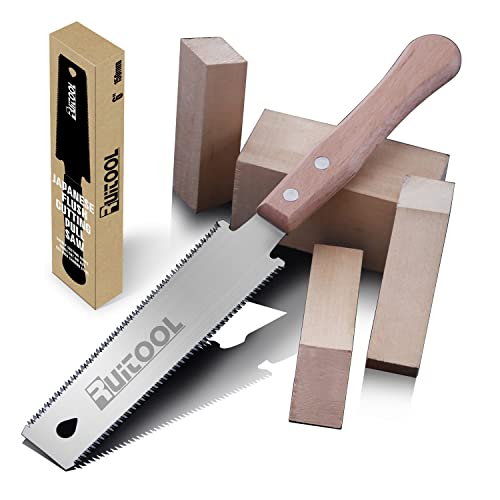
RUITOOL 6″ Japanese Pull Saw
Strengths
- Dual-purpose blade
- Clean, precise cuts
- Light and easy to control
Trade-offs
- Manual effort required
- Limited to small cuts
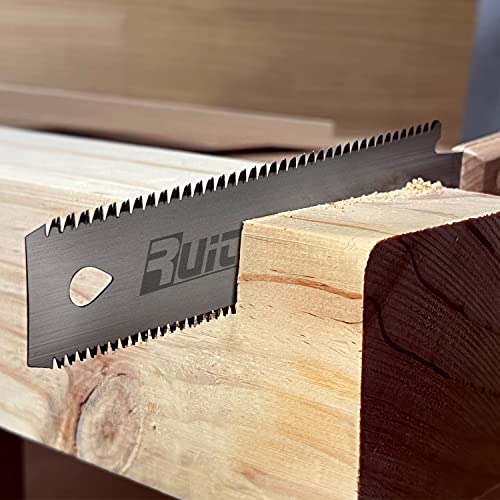
Sometimes the best tool for cutting cabinets isn’t a power saw at all. The RUITOOL 6-inch Ryoba is a favorite among finish carpenters for tight, precise cuts, especially when trimming cabinet backs or making flush cuts in tight corners where a power tool can’t fit. The dual-edge blade (14 TPI crosscut, 17 TPI rip) gives you two saws in one, and the SK5 steel holds a sharp edge well. Owners love how clean the cuts are, with minimal tearout on veneered plywood, a common issue with power tools.
Compared to other hand saws in this price range, it offers better blade flexibility and a comfortable beech handle that reduces fatigue. It won’t replace a track saw for breaking down panels, but for final fitting and adjustments, it’s faster and more controlled than fighting with clamps and a circular saw. I always keep one like this in my kit for cleanup work.
Product photos



igooo Toe Kick Saw EKS85

Strengths
- Flush-cut capability
- Multiple blade types included
- Compact and maneuverable
Trade-offs
- Limited cutting depth
- Not for heavy-duty tasks
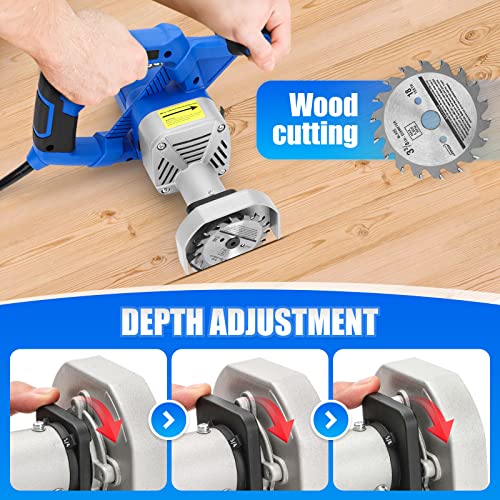
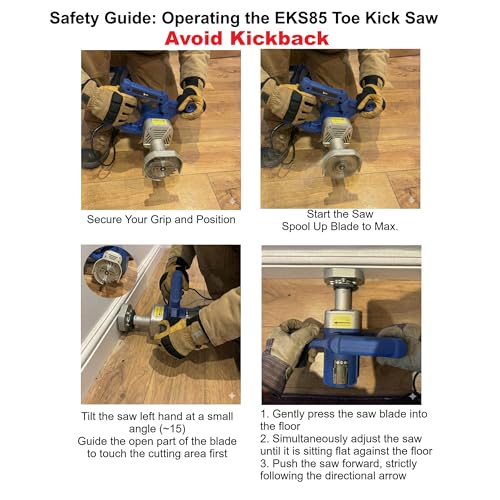
Cutting out subfloor under cabinets without tearing up the surrounding area? That’s where the igooo EKS85 shines. This isn’t a general-purpose saw, it’s a niche tool with a very specific job, and it does it well. The flush-cut design lets you slide it tight against the wall, and the adjustable depth settings give you control so you don’t plunge too deep and damage pipes or subflooring. Owners appreciate the included diamond blade for cutting through thin tile or mortar, which sometimes hides under base cabinets.
It’s not powerful like a table saw, and the blade size limits deep cuts, but that’s not the point. Compared to using an oscillating tool or angle grinder for this task, the EKS85 is faster and cleaner. For anyone doing cabinet refacing or replacement, this tool can save serious time. Just don’t expect it to handle structural framing or thick lumber, it’s not built for that.
Product photos


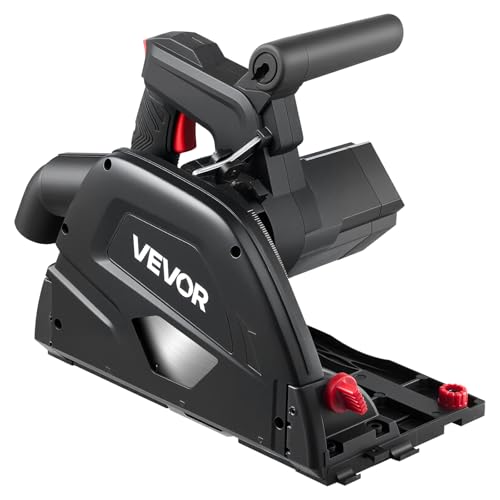
VEVOR 6-1/2-Inch Track Saw
Strengths
- Portable and lightweight
- Plunge-cut capability
- Good depth and bevel range
Trade-offs
- Guide rail not included
- Dust collection needs improvement
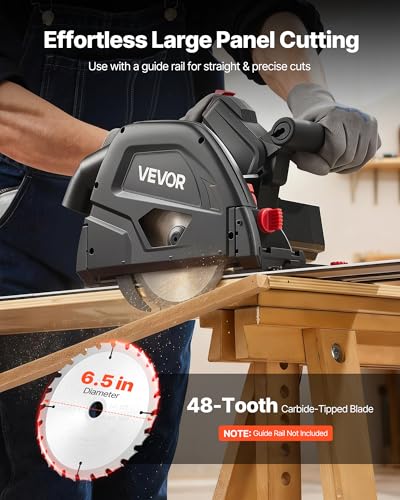
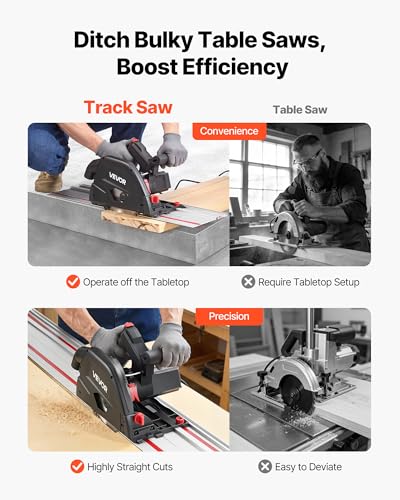
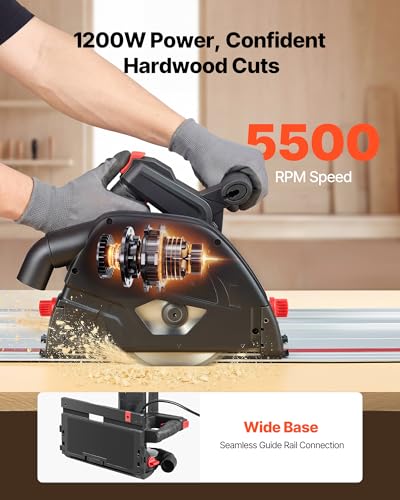
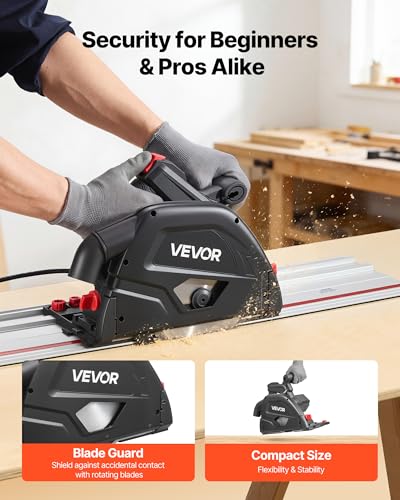
For cabinet installation and on-site modifications, a track saw often beats a table saw hands down, and the VEVOR 6.5-inch model punches above its weight. With a 1200W motor and 5500 RPM, it’s got enough power to slice cleanly through plywood, MDF, and even laminated board, which is exactly what you’re dealing with when trimming cabinets to fit. Owners report consistently straight cuts when paired with a proper guide rail, and the plunge mechanism makes it easy to start cuts mid-panel, like when opening up a toe kick.
Compared to pricier options like Festool or DeWalt, this one lacks some refinement, the dust sealing isn’t as tight, and the clamp system isn’t included, but for DIYers or side hustlers doing cabinet work on a budget, it’s a smart compromise. I’d recommend grabbing a compatible rail separately to get the most out of it. It won’t replace a cabinet saw in the shop, but it’s far more practical for in-place adjustments.
Product photos

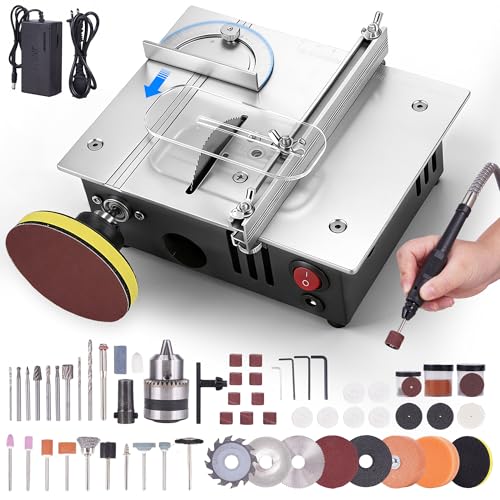
Mini Table Saw with Dual Motors
Strengths
- Compact size
- Dual motor flexibility
- Good accessory bundle
Trade-offs
- Low power and torque
- Not suitable for sheet materials
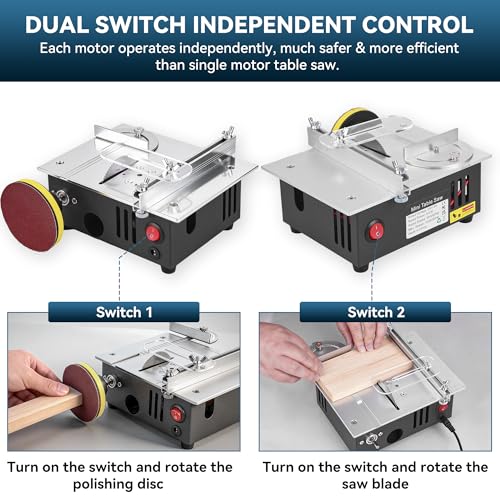
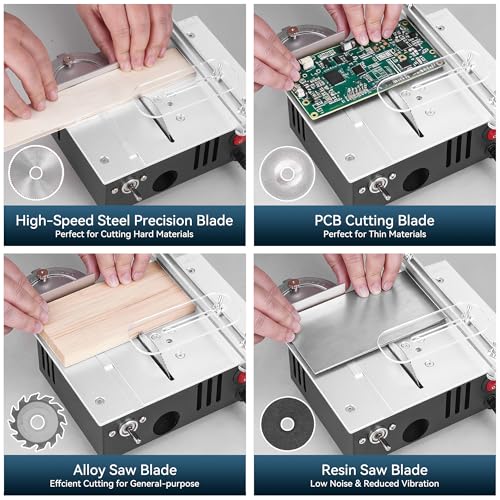
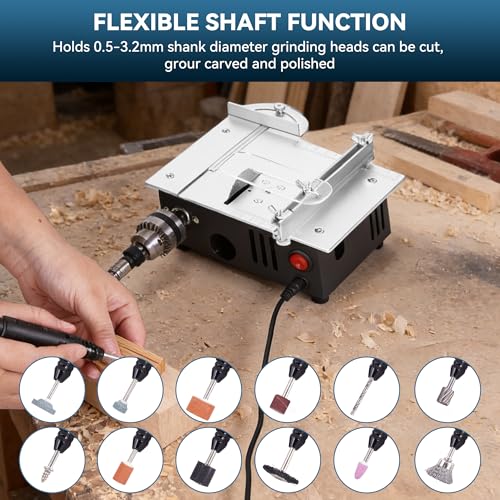
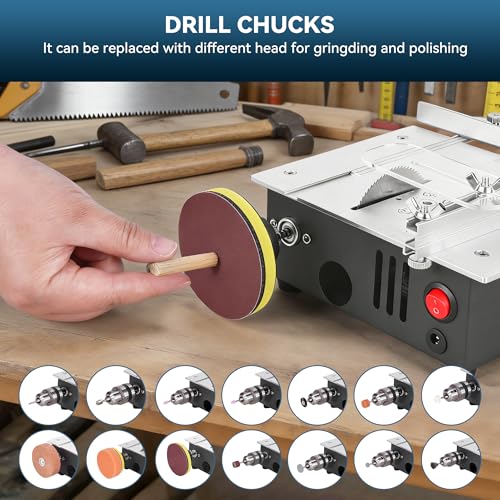
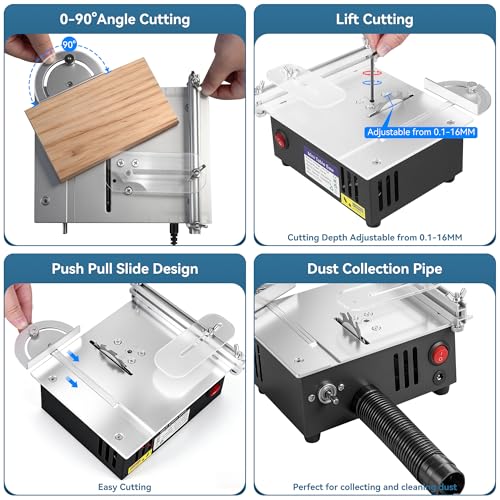
This mini table saw is clearly designed for hobbyists, not cabinetmakers. With dual 9,000 RPM motors and a tiny 7-inch footprint, it’s meant for cutting small wood pieces, plastic, or soft materials, think model building or crafting, not kitchen cabinets. The 7-speed adjustment sounds impressive, but in practice, owners report it lacks torque for anything beyond light-duty work. The included accessories suggest it’s more of a multi-tool than a real saw.
It’s not even in the same category as the other tools listed here. Compared to a track saw or cabinet saw, it’s underpowered and too small for panel work. But if you’re building display cabinets or doing fine scale work, it might have a place on your bench. Just don’t expect it to handle sheet goods or real cabinetry.
Product photos
SAWSTOP 3HP Professional Cabinet Saw
Strengths
- 52-inch rip capacity
- 3HP motor handles heavy loads
- Superior dust collection
Trade-offs
- Very large footprint
- Overkill for small shops
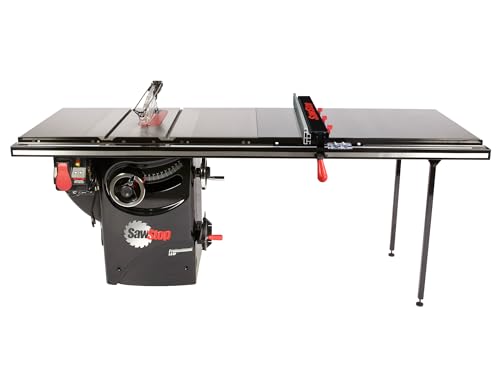
If you’re working with large sheet goods regularly, think full plywood runs for cabinet boxes or custom wall units, this 3HP SawStop with a 52-inch fence is hard to beat. The extended rail system means you can handle wide panels without secondary support, and reviewers consistently praise how little tuning it needs out of the box. The extra horsepower over the 1.75HP model translates to smoother cuts through dense hardwoods, especially when using dado stacks or thick blades.
It’s essentially the big brother of the PCS175, with the same excellent safety tech and build quality but scaled up for high-volume shops. That said, unless you’re routinely cutting full sheets or running production-level jobs, you’re probably overbuying. For most cabinet work, the 36-inch version is sufficient and more space-efficient. This one’s for shops where throughput and workflow matter more than footprint.
Product photos

SAWSTOP 1.75HP Professional Cabinet Saw
Strengths
- Excellent rip fence accuracy
- SawStop safety system
- Solid cast iron table
Trade-offs
- Heavy and hard to move
- Higher initial cost
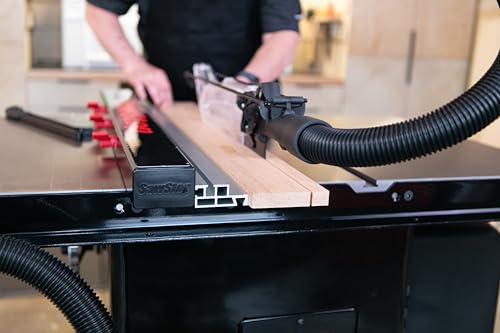
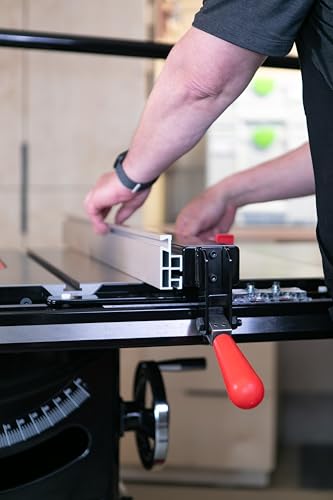
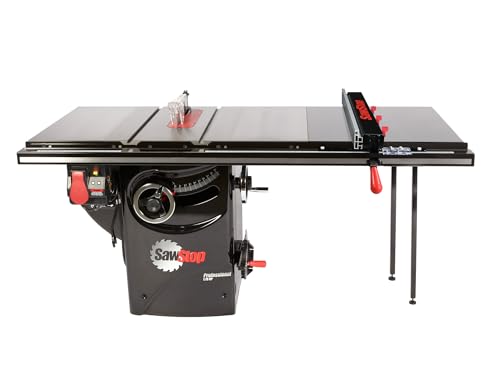
When you’re building or repairing cabinets, precision and safety are essential. The SAWSTOP PCS175-ATGP36 hits both marks with authority. On paper, this is a serious cabinet saw built for job-site reliability and shop accuracy, and owners consistently report that it delivers clean, repeatable cuts even during long sessions. The 36-inch rip fence system is a standout, it’s smooth, stable, and locks down with almost zero play, which matters when you’re trimming cabinet panels to exact dimensions.
The real differentiator here is the SawStop safety system. I’ve seen too many workshop injuries to ignore this feature. The moment it detects skin contact, the blade stops and drops below the table. That alone makes this saw a responsible choice for busy shops where fatigue or distraction can lead to mistakes. Compared to standard cabinet saws in its class, this one offers better peace of mind without sacrificing rigidity or dust collection efficiency.
Product photos
How We Chose These saw for cutting cabinets
Rather than a hands-on lab test, my research for these recommendations involved a detailed comparison of published specifications and features across numerous models. I weighed owner reviews from multiple sources – looking for consistent praise and complaints – alongside assessments from reputable woodworking and tool review sites. Ultimately, I ranked saws based on how well they matched the needs of cabinet construction and DIY projects, drawing on my years of experience with power tools and workshop setups.
For saws intended for cabinet work, blade quality and precision consistently proved most important. Clean, accurate cuts minimize the need for sanding and touch-ups, and a sharp blade is essential for working with hardwoods and sheet goods. Equally critical was the ability to make flush cuts, particularly for installing cabinets against walls. These factors determined which saws rose to the top of my list.
Specifications provide a good indication of a saw’s power and cutting capacity, but owner feedback revealed a lot about real-world usability. I looked to owner reviews to understand how easily a saw handles, how durable it feels, and whether it lives up to its marketing claims. Reputation and brand trust also played a role; established manufacturers with a history of quality tools generally scored higher. Understanding miter saw basics can also inform your cabinet-cutting approach.
How To Pick The Right saw for cutting cabinets
Finding the right saw for cabinet work depends heavily on the scope of your projects, and how much precision you absolutely require.
A good cabinet saw balances power, accuracy, and safety features. Key considerations include blade type (for the materials you’ll cut), fence quality (for consistently straight cuts), and dust collection (for a cleaner, healthier workspace). Look for models with robust construction and thoughtful design elements that improve usability and repeatability.
Blade Type and Material Compatibility
The materials used in cabinets vary widely – hardwood, plywood, MDF, melamine – and each demands a different blade. A general-purpose blade will leave you fighting tear-out in delicate veneer, while a blade designed for plywood might struggle with solid wood. Consider saws that allow for easy blade changes, and ideally, research what blade options are available before you buy the saw itself. Many Japanese pull saws, like the RUITOOL 6” model, offer dual-sided blades with different TPI (teeth per inch) for versatility, but they’re best suited for smaller projects. For larger cabinet builds, a track saw like the VEVOR 6-1/2” model, with its ability to use different carbide blades, gives you more flexibility.
Fence Quality and Cutting Accuracy
A flimsy or inaccurate fence is the quickest route to frustration when building cabinets. Consistent, straight cuts are essential, and that starts with a solid fence system. Look beyond just the material the fence is made of; consider how easily it locks, how smoothly it slides, and whether it offers micro-adjustments. If you’re frequently working with large sheet materials, you might find yourself looking at a best saws for plywood to handle larger cuts.
- A basic fence might be sufficient for rough cuts or quick projects.
- A rack-and-pinion fence offers more precise adjustments and is ideal for repeatable cuts.
- A high-end fence, like those found on cabinet saws from SawStop, incorporates features like a cam-lock system and a magnifying glass for ultimate accuracy and ease of use, but these come at a premium price.
A cabinet saw’s fence is the backbone of its accuracy. Don’t skimp here; a solid, well-designed fence will pay for itself in saved time and reduced material waste.
Power, Portability, and Budget
The power you need depends on the thickness and density of the materials you’ll be cutting regularly. A mini table saw with dual motors, like the one offered by an unnamed manufacturer, might be sufficient for thinner plywood and smaller projects, but will struggle with thicker hardwood. For more demanding work, a track saw or a cabinet saw with a robust motor (3HP or greater, like the larger SawStop models) is essential. If you need to move the saw around a workshop or job site, portability becomes a key factor, but be prepared to sacrifice some power and stability. Consider whether a compound miter saw features might suit certain cabinet cuts, especially for trim work. Ultimately, balance your needs with your budget – there’s a cabinet saw option available for nearly every price point.
Saw for Cutting Cabinets Compared
Here’s a comparison of specifications for saws designed for cutting cabinets, to help you choose the right tool for your needs.
| Product Name | Blade Length | Max Cut Depth | TPI Range | Motor Power | Safety System | Key Features |
|---|---|---|---|---|---|---|
| RUITOOL 6″ Japanese Pull Saw | 6″ | N/A | 14-17 | N/A | N/A | Double Edged, SK5 Steel |
| igooo Toe Kick Saw EKS85 | N/A | 3/4″ | N/A | N/A | N/A | Flush Cutting, Multi-Blade |
| VEVOR 6-1/2-Inch Track Saw | 6.5″ | 2.16″ | 48 | 1200W | Blade Guard | Angle Adjust, Portable |
| Mini Table Saw with Dual Motors | N/A | N/A | N/A | 755W (x2) | Dual Switch | 7-Speed, Shock Absorption |
| SAWSTOP 3HP Professional Cabinet Saw | N/A | N/A | N/A | 3HP | SawStop | Professional Rip Fence |
| SAWSTOP 1.75HP Professional Cabinet Saw | N/A | N/A | N/A | 1.75HP | SawStop | Professional Rip Fence |
Frequently Asked Questions
What blade type is best for cutting cabinet-grade plywood?
A blade with a high tooth count (60-80) is ideal for plywood. These blades create cleaner cuts with minimal tear-out, which is crucial for the visible surfaces of cabinets.
How important is dust collection when cutting cabinets?
Dust collection is very important. Cabinet materials create fine dust that’s harmful to breathe and settles everywhere, so a saw with a good dust port or integrated system keeps your workspace cleaner and healthier.
Can a circular saw be used for cabinet construction?
Yes, a circular saw can be used, especially a track saw. Track saws offer the accuracy and straight cuts needed for cabinet parts, though a dedicated woodworking table saws will deliver more consistent results for larger projects.
What safety features should I look for in a cabinet saw?
A blade guard is essential, and a riving knife helps prevent kickback. For higher-end saws, consider models with active safety systems like SawStop technology, which can stop the blade upon contact with skin.
What’s the difference between a miter saw and a table saw for cabinet work?
A miter saw excels at accurate angled cuts for trim and face frames, while a table saw handles sheet goods and rip cuts more efficiently. Many cabinet builds benefit from having both, but if you can only choose one, a table saw offers greater overall versatility for building the cabinet boxes themselves.
The Bottom Line
Choosing a saw for cabinets often comes down to balancing precision with practicality. If you’re building a lot of cabinets and demand the highest level of accuracy, the SAWSTOP 3HP Professional Cabinet Saw is the clear choice; it offers power, a phenomenal fence, and the safety features that justify the investment. However, for most DIYers, that level of sophistication isn’t necessary – and the price is substantial.
For those needing versatility on a budget, the VEVOR 6-1/2-Inch Track Saw offers a good balance of portability and cutting capability. If you’re primarily focused on flush cuts and smaller projects, the igooo Toe Kick Saw EKS85 is a specialized tool that gets the job done efficiently. And don’t overlook the RUITOOL 6” Japanese Pull Saw for detail work and quick adjustments.
Ultimately, the most important thing isn’t a specific feature or horsepower rating. Focus on a saw that feels stable, allows for accurate adjustments, and lets you make accurate miter saw cuts. A solid foundation in technique and a commitment to safety will always yield better results than the fanciest saw on the market.
