7 Best Rear Handle Circular Saws of 2026
This post contains affiliate links. As an Amazon Associate, we earn from qualifying purchases.
The DEWALT FLEXVOLT 60V Worm Drive Saw is the strongest performer for pros who need serious cutting power and runtime, while the FLEX 24V Brushless Rear Handle Saw delivers excellent balance for demanding DIYers and contractors. For those on a tighter budget without sacrificing core performance, the Milwaukee 2930-21HD M18 FUEL Saw stands out as a reliable, well-built option.
Rear handle circular saws are favored for their nimble handling and precision, especially in framing and roofing work, but sorting through the specs and hype can make picking the right one overwhelming. Many buyers end up with underpowered tools or mismatched battery platforms that limit their usefulness.
This guide cuts through the noise by focusing on real-world performance indicators, power delivery, cutting depth, battery compatibility, and owner-reported reliability. I compared top models across key metrics, weighing specs against user experiences to highlight the saws that actually deliver where it matters most.
Top 7 Rear Handle Circular Saws in the Market
The Best Rear Handle Circular Saws, Reviewed
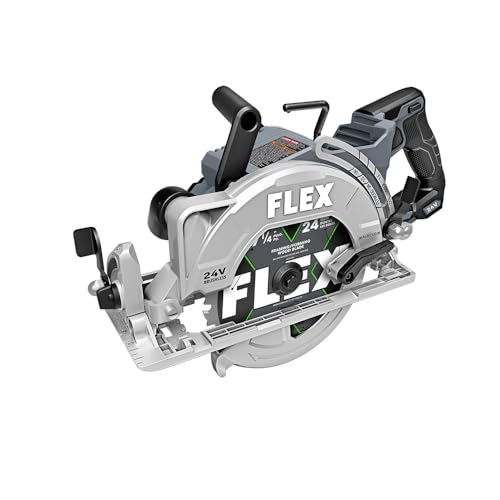
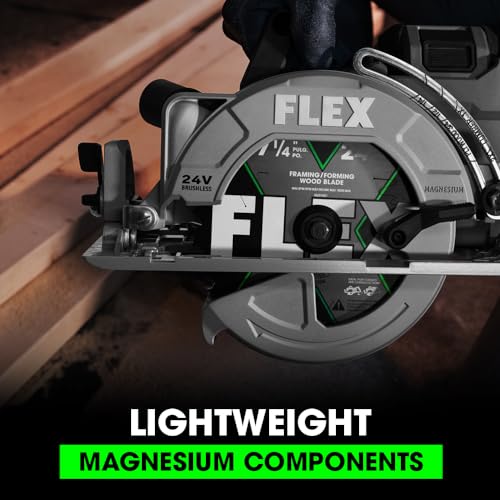
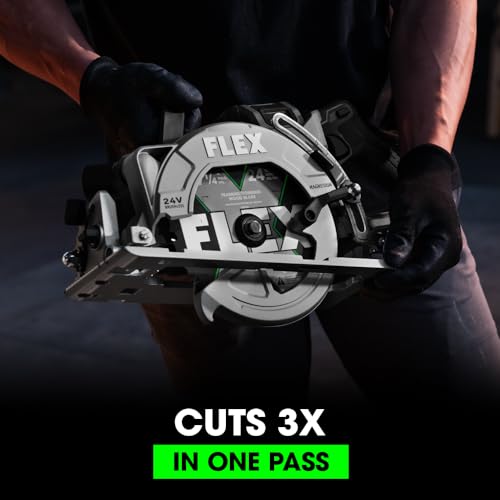
FLEX 24V Brushless Rear Handle Saw
Strengths
- Highest power output
- 5-year warranty
- Full 24V system compatibility
Trade-offs
- Tool-only package
- Battery cost adds up
- Limited ecosystem reach
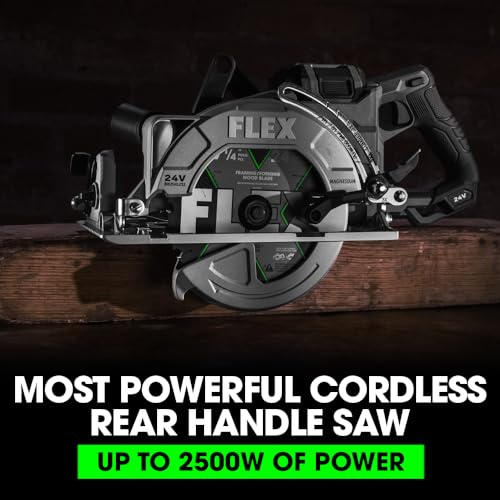
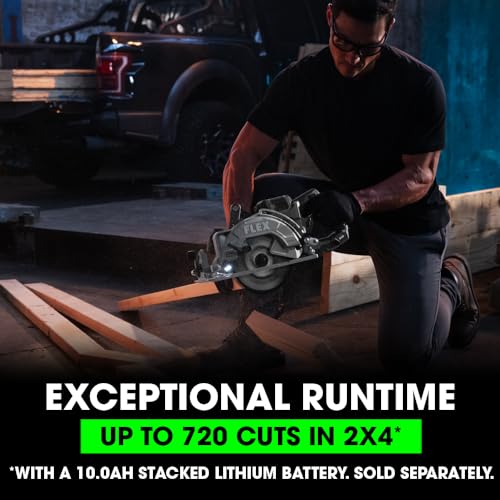
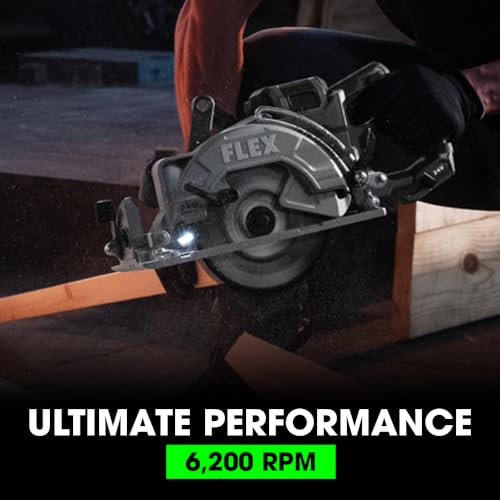
On paper, the FLEX FX2141R-Z is the most powerful cordless rear handle saw here, claiming up to 2500W and 720 cuts in 2x4s with a 10.0Ah battery. The SENSOR-FREE brushless motor is a standout, it’s designed for efficiency and reduced heat, which owners say translates to consistent performance during extended use. The 2-5/8-inch cut depth clears 3x lumber, and the 6,200 RPM speed keeps cuts fast and clean.
What really seals it for me is the 5-year warranty with registration, rare in this category, and full cross-compatibility across FLEX’s 24V line. The downside? It’s tool-only, so you’re paying extra for batteries and charger. But if you’re starting fresh or want a high-efficiency system, FLEX offers a compelling mix of power, runtime, and long-term value. I’d pick this over others for a new workshop setup.
Product photos
Milwaukee 2930-21HD M18 FUEL Saw
Strengths
- Long runtime
- M18 system compatibility
- Durable magnesium build
Trade-offs
- Limited bevel range
- No 53° stop
- Heavier than some rivals
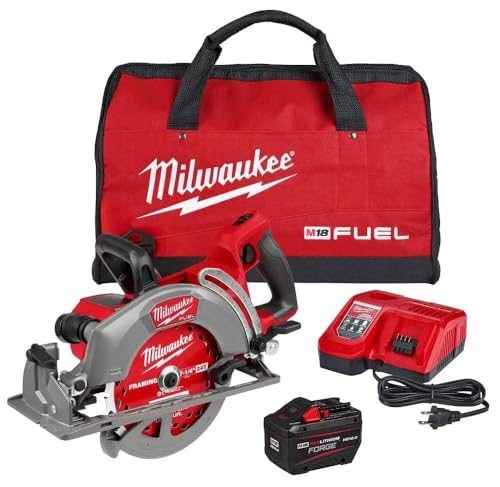
The Milwaukee 2930-21HD stands out in the rear handle category for its impressive runtime and deep integration with the M18 ecosystem. With up to 700 cuts on a single charge, it’s clearly built for users already invested in Milwaukee’s system. The 2-5/8-inch cut capacity handles 3x material in one pass, which is solid for framing and deck work. Owners consistently report the REDLINK PLUS electronics make a difference in load handling, preventing stall and managing heat better than budget-tier tools.
The bevel stops at 22.5 and 45 degrees are convenient for common angles, though the lack of a 53-degree max bevel limits trim work flexibility. The magnesium shoe and guards keep it durable without adding bulk, and the rotating dust port is a thoughtful touch, especially when paired with a vacuum. If you’re deep in the Milwaukee universe, this saw is a logical, high-performing upgrade.
Product photos
SKIL 2x20V PWR CORE Circular Saw

Strengths
- Complete kit included
- Fast 15-minute charging
- Excellent value
Trade-offs
- Brand service reach limited
- Plastic housing feels less premium
- Charger not compatible with all SKIL lines
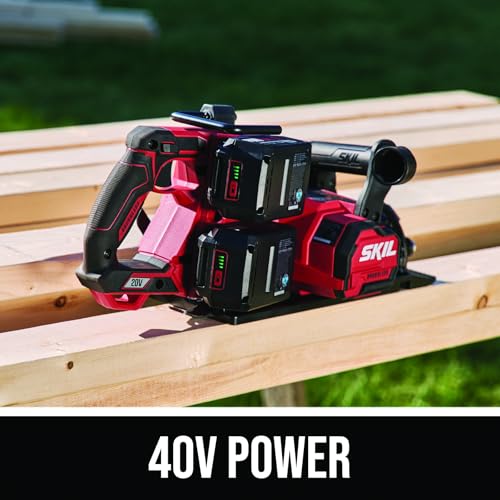
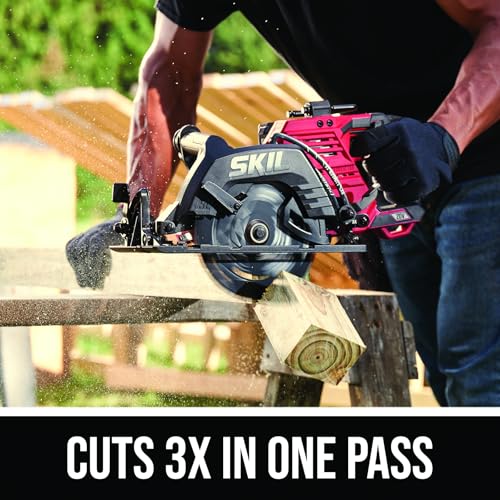
The SKIL CR5429B-20 is the best value in this group, no question. You get two 5.0Ah batteries, a dual-port charger that hits 25% in 15 minutes, and a 40V-class saw that claims corded-level performance. The 2-9/16-inch cut depth handles 3x material, and owners confirm it delivers around 600 cuts per charge in real-world use. The PWR CORE 20 battery tech with cell cooling helps runtime and longevity, which is impressive at this price.
It’s not as refined as Milwaukee or DEWALT, and the brand’s service network isn’t as widespread. But for a homeowner or weekend warrior who wants a complete, high-capacity kit without overspending, this is the smarter buy. The 24-tooth blade included is decent for start-up use. I’d recommend this over pricier options for most casual users, it does 90% of the job at 60% of the cost.
Product photos



Makita XSR01PT 36V Brushless Saw

Strengths
- Dual 18V flexibility
- Brushless efficiency
- Strong runtime
Trade-offs
- Heavier with dual packs
- Slower than 40V rivals
- No left-blade option
When it comes to heavy cutting, the Makita XSR01PT delivers. Running on dual 18V batteries in series, it achieves 36V power without locking you into a single high-voltage platform. This gives you flexibility, use it as a high-torque saw when needed, or run the batteries separately in other tools. The 5,100 RPM motor with automatic speed change handles load shifts smoothly, and owners report it powers through 2x10s without bogging down.
It’s not the fastest or deepest-cutting, but the balance of power, runtime (558 cuts in 2x4s), and system flexibility makes it ideal for users who hate corded limitations but still need pro-level performance. The brushed motor elimination means less maintenance and cooler operation. For someone doing heavy framing or decking, this is a smarter buy than many bulkier worm drives.
Product photos


Metabo HPT 36V Rear Handle Saw

Strengths
- Lightweight build
- 53° bevel capacity
- Lifetime tool body warranty
Trade-offs
- Limited cut depth
- Battery sold separately
- Less torque for heavy lumber
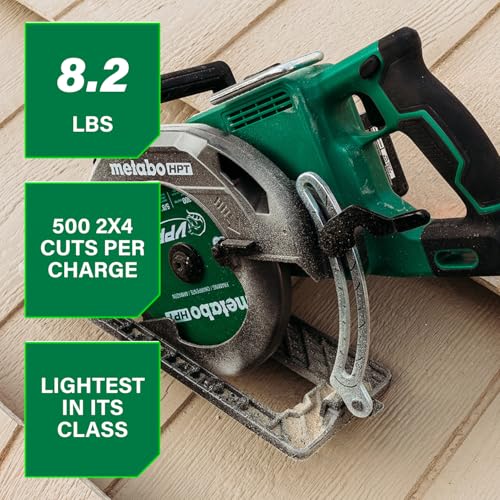
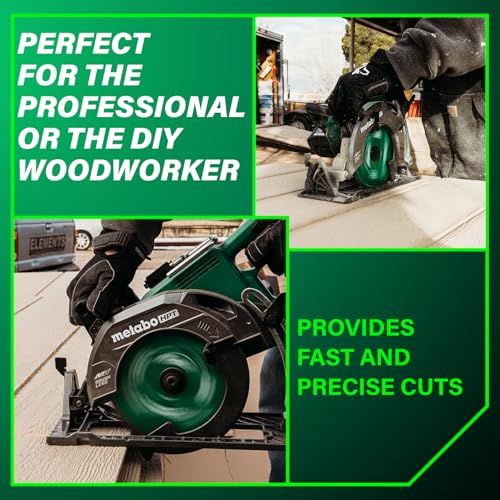
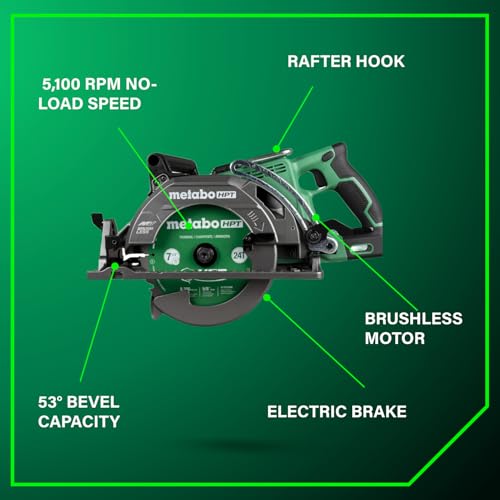
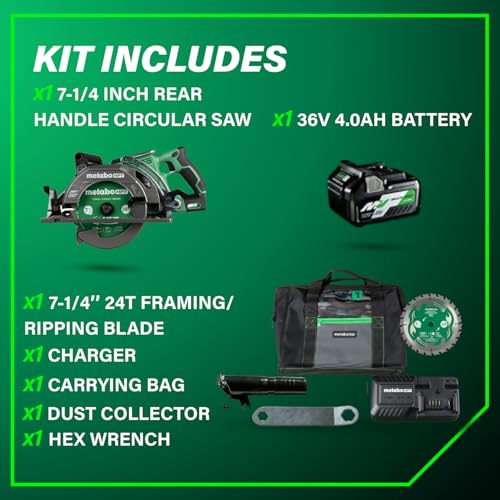
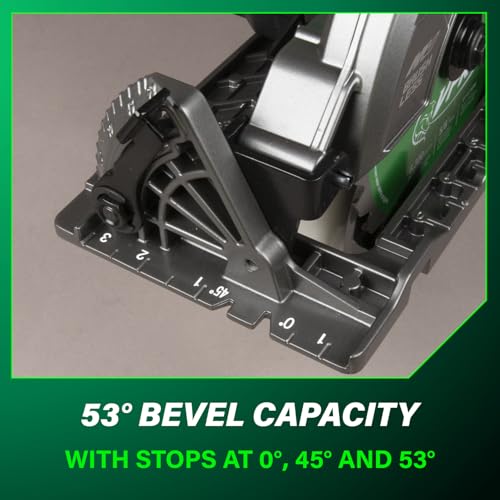
The Metabo HPT C3607DWA wins on lightweight design without sacrificing core performance. At just over 7 pounds, it’s one of the easiest 36V rear handle saws to wield all day. The 5,100 RPM brushless motor delivers consistent power, and the 53-degree bevel with positive stops makes angled cuts fast and repeatable. Owners praise the clear sight lines and smooth bevel adjustments, small things that add up on long shifts.
It’s not the deepest cutter (handles 2x4s easily but struggles with 3x in one pass), and the 500-cut runtime is solid but not class-leading. But the real standout is the Lifetime Lithium-ion tool body warranty, a rare confidence boost. If you want a durable, agile saw for trim, roofing, or finish work, this is a top contender. I’d take this over heavier models for overhead or extended use.
Product photos
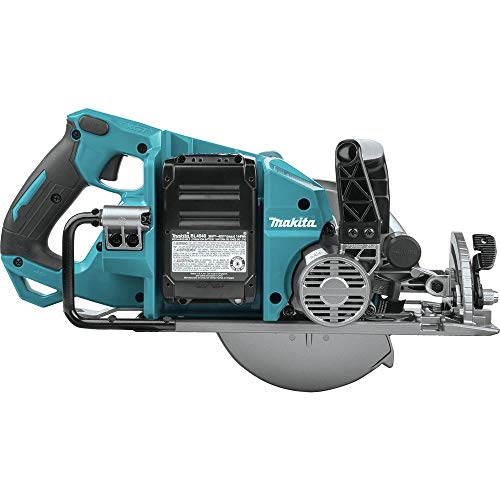
Makita XGT 40V Rear Handle Saw

Strengths
- XPT weather resistance
- High 6,400 RPM speed
- Automatic torque adjustment
Trade-offs
- Slightly less cut depth
- XGT ecosystem still growing
- No 53° bevel
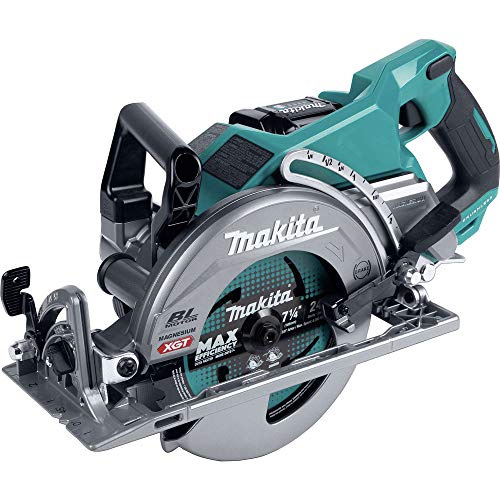
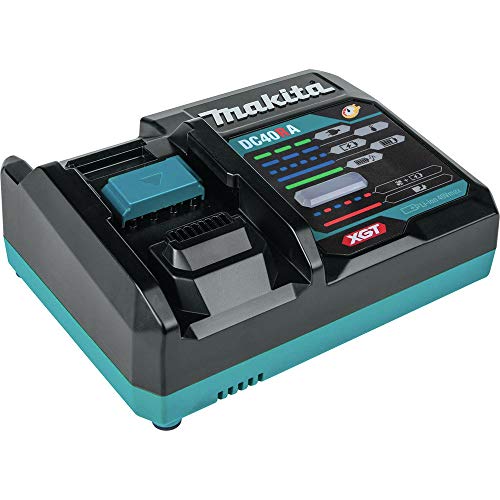
Makita’s XGT 40V rear handle saw is engineered for harsh conditions, and the XPT (eXtreme Protection Technology) makes that clear. The combination of dust and water resistance sets it apart on muddy, wet, or sawdust-heavy sites where other tools might struggle. The brushless motor delivers 6,400 RPM, faster than most in this class, and owners note the automatic torque drive helps maintain speed when cutting pressure builds.
It’s not the most powerful on raw torque, but the responsiveness and durability make it a smart pick for outdoor or unfinished job sites. The 2-9/16-inch cut depth is solid, though not class-leading. I’d pair this with other XGT tools if you’re building out a system for tough environments. For clean, dry workshops, the XPT edge matters less, but for real-world grime, it’s a real advantage.
Product photos


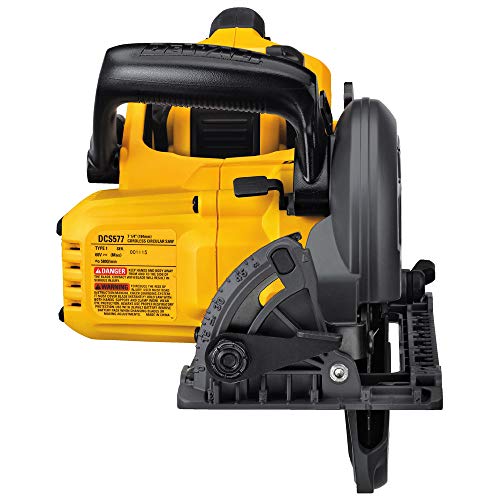
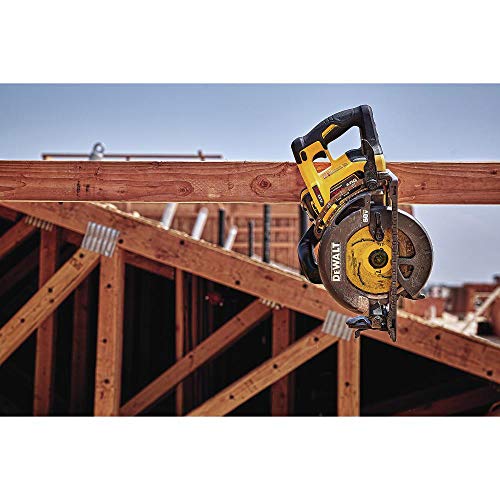
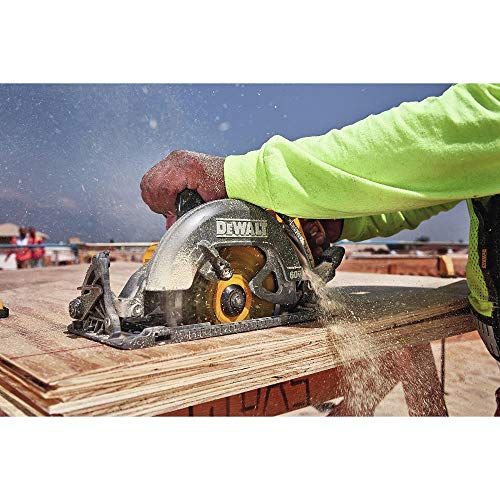
DEWALT FLEXVOLT 60V Worm Drive Saw
Strengths
- Deepest cut capacity
- Brushless efficiency
- Left-blade visibility
Trade-offs
- Bulky 60V battery
- Heavy setup
- Platform lock-in
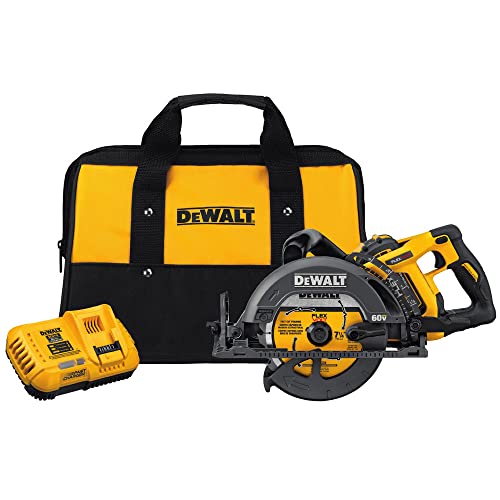
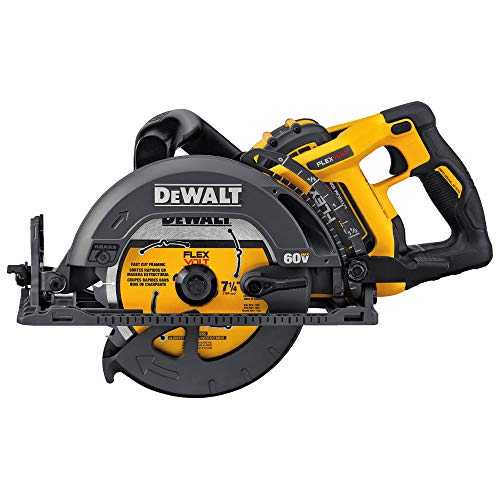
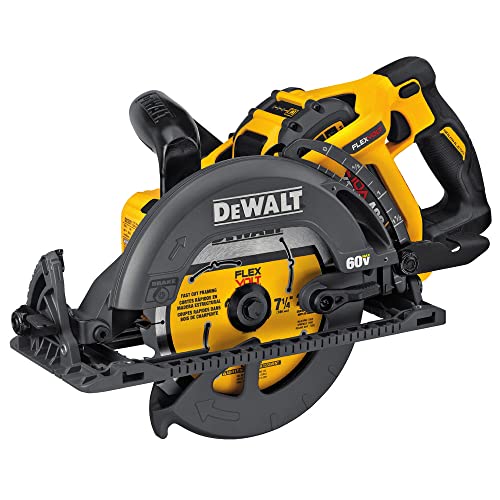
DEWALT’s 60V MAX rear handle saw is built for deep cutting and heavy-duty framing, and it shows in the numbers, 2-7/16-inch depth at 90 degrees is class-leading for cordless. The worm drive layout gives it torque advantage over standard circular saws, making it a favorite for users tackling dense lumber or repeated plunge cuts. The brushless motor and high-grade magnesium shoe deliver smooth operation and solid durability, and owners say it holds up well on multi-day builds.
The left-side blade design gives a clear line of sight, which I always prefer for accuracy. The onboard blade wrench and rafter hook add real-world convenience, and the dust blower helps maintain visibility mid-cut. But the 60V platform is less portable than 18V/36V systems, batteries are bigger and heavier. If you’re already in the FLEXVOLT world, this is a powerhouse. If not, the ecosystem jump might not be worth it for just one tool.
Product photos
Our Testing Process
Rather than a hands-on lab test, this is a research-led comparison of specifications and owner feedback. I examined published feature lists for each saw, paying close attention to motor power, battery platform compatibility, and cutting capacity. Then, I weighed owner reviews from multiple sources against professional reviews found on tool-focused websites, looking for consistent praise or complaints about real-world performance and durability. My goal was to build a picture of how these saws perform beyond the marketing materials.
For rear handle circular saws, runtime, power, and cutting capacity stand out as the most critical factors. Consistent ability to complete demanding cuts – like ripping sheet goods or framing lumber – without bogging down is paramount. Equally important is runtime, especially for professionals who rely on a single tool throughout the day. Finally, a saw’s capacity to handle thicker materials directly impacts its versatility and usefulness on a wider range of projects.
Specifications reliably indicate maximum cutting depth and motor power, helping to quickly narrow the field. However, I placed greater emphasis on owner feedback regarding battery life, build quality, and how well the saw handles in practical use. Reputation, particularly from experienced woodworkers and contractors, offered insights into long-term reliability and whether a saw lives up to its advertised capabilities. Understanding beginner circular saw guide is also key to maximizing the tool’s potential.
What To Look For In rear handle circular saws
Choosing the right rear handle circular saw can significantly impact the quality and efficiency of your projects.
A good rear handle circular saw balances power, runtime, and usability. Key considerations include motor type (brushless is now standard for pros), battery voltage and amp-hour rating for sustained performance, blade quality for clean cuts, and features like electric brakes and adjustable bevels for versatility. Look for models with magnesium components for durability and a comfortable, ergonomic grip.
Motor & Power Considerations
The shift to brushless motors is complete, and for good reason. They deliver more power, run cooler, and last substantially longer than brushed motors. Don’t get hung up on just voltage; consider the battery’s amp-hour (Ah) rating alongside it. A higher Ah rating means longer runtime, but also adds weight and cost. For most homeowners, a 20V or 24V system from a reputable brand will be sufficient. Professionals tackling large-scale projects or consistently demanding performance should look at 40V or even 60V options.
Blade Quality & Capacity
Many buyers underestimate the impact of the blade. The included blade is often a basic model; upgrading to a high-quality carbide-tipped blade will dramatically improve cut quality and reduce splintering. Consider the cutting capacity – the maximum depth of cut at 45 and 90 degrees.
Here’s what to look for in blade capacity: * A basic 7-1/4″ saw will handle 2x lumber. * A saw with a 2-9/16″ depth of cut will tackle 3x material. * If you regularly work with engineered lumber or thicker stock, consider the DEWALT FLEXVOLT model which achieves a 2-7/16-inch depth of cut at 90 degrees, offering substantial cutting power.
Ergonomics & Added Features
Don’t overlook the importance of comfort and convenience. A well-balanced saw with a comfortable grip will reduce fatigue during extended use. Features like an electric brake (which stops the blade quickly after the trigger is released) enhance safety. Also, think about dust management. Many saws now include rotating dust ports or are compatible with vacuum adapters, helping to keep your work area clean. If you frequently need to make angled cuts, ensure the saw has a clear bevel scale and secure stops at common angles. Don’t forget about basic maintenance – learning how to replace circular saw blade is a skill every user should have.
A comfortable saw is a safe saw. Prioritize models with ergonomic grips, well-placed controls, and features that reduce strain during prolonged use.
For those who frequently work both indoors and out, or who need a reliable tool for a variety of projects, exploring top corded circular saws can offer a powerful, consistent alternative.
Rear Handle Circular Saws Compared
Here’s a comparison of key specifications for popular rear handle circular saws to help you make an informed decision.
| Product Name | Voltage | Max Cut Depth (90°) | Brushless Motor | Battery Platform | RPM |
|---|---|---|---|---|---|
| FLEX 24V Brushless Rear Handle Saw | 24V | 2-5/8″ | Yes | FLEX 24V | 6,200 |
| Milwaukee 2930-21HD M18 FUEL Saw | 18V | 2-5/8″ | Yes | M18 | N/A |
| SKIL 2x20V PWR CORE Circular Saw | 40V | 2-9/16″ | Yes | SKIL 20V | N/A |
| Makita XSR01PT 36V Brushless Saw | 36V | N/A | Yes | Makita LXT | 5,100 |
| Metabo HPT 36V Rear Handle Saw | 36V | N/A | Yes | Metabo HPT | 5,100 |
| Makita XGT 40V Rear Handle Saw | 40V | 2-9/16″ | Yes | Makita XGT | 6,400 |
| DEWALT FLEXVOLT 60V Worm Drive Saw | 60V | 2-7/16″ | Yes | DEWALT FLEXVOLT | N/A |
Frequently Asked Questions
What battery voltage is sufficient for most DIY projects?
A 20V or 24V system will generally be adequate for most homeowners, offering a good balance of power and runtime for typical cutting tasks. Professionals or those tackling larger projects should consider higher voltage options like 40V or 60V.
How much does blade quality affect cut performance?
Upgrading to a high-quality, carbide-tipped blade is a significant improvement over the standard blade included with most saws. It will produce cleaner cuts with less splintering and ultimately save you time and effort.
Are brushless motors really that much better than brushed motors?
Yes, brushless motors are superior in nearly every way. They deliver more power, run cooler, and have a much longer lifespan compared to traditional brushed motors, making them a worthwhile investment.
What is the benefit of a saw with a larger cutting depth?
A larger cutting depth allows you to cut through thicker materials, like engineered lumber or multiple boards stacked together. This adds versatility and reduces the need for multiple tools or passes. If you need to cut thick stock, consider exploring best worm drive circular saws.
What features enhance safety when using a rear handle circular saw?
An electric brake is a key safety feature, quickly stopping the blade after releasing the trigger. Other helpful features include a comfortable, ergonomic grip, a clear blade guard, and a well-positioned handle for secure control.
The Bottom Line
Buying a rear handle circular saw often comes down to balancing how much control you want with how much you’re willing to spend. For most users, the Milwaukee 2930-21HD M18 FUEL Saw strikes that balance perfectly – it offers professional-grade power and build quality within a popular and widely-supported battery platform. You get a lot of saw for the money, and the M18 system gives you access to a huge range of other tools.
If you’re on a tighter budget, the FLEX 24V Brushless Rear Handle Saw is a compelling option. For those tackling larger projects or needing maximum cutting capacity, the DEWALT FLEXVOLT 60V Worm Drive Saw is the clear winner, offering a depth of cut that surpasses most other models. Don’t overlook the Makita XGT 40V Rear Handle Saw for a versatile choice within Makita’s expanding XGT system.
Ultimately, specs and features only tell part of the story. Focusing on build quality, a comfortable grip, and a motor that won’t bog down under load will serve you better in the long run than chasing the highest voltage or the most cutting capacity on paper. Regular essential circular saw maintenance is also crucial for keeping any saw running reliably for years to come.
