7 Best Corded Circular Saws of 2026
This post contains affiliate links. As an Amazon Associate, we earn from qualifying purchases.
The Makita 5007MGA stands out as the best overall corded circular saw for its durability, smooth operation, and solid cutting capacity, while the DEWALT DWE575SB is a lightweight, reliable choice for users wanting ease of use without sacrificing power. If you’re watching your budget but still want solid performance, the Metabo HPT C7SB3 delivers where it counts.
Most people don’t realize how much a poorly built or underpowered circular saw can slow down a project and leave cuts rough or inaccurate. It’s not just about cutting wood, it’s about doing it safely, efficiently, and with confidence, whether you’re framing a wall or building a deck.
As Robert A. Bennett from PowerToolGuide.net, I’ve compared the top corded circular saws based on specs, owner feedback, and real-world performance trends. These picks reflect models that consistently meet the demands of serious DIYers and pros, focusing on power, build quality, and value, not just marketing hype.
Top 7 Corded Circular Saws in the Market
The Best Corded Circular Saws, Reviewed
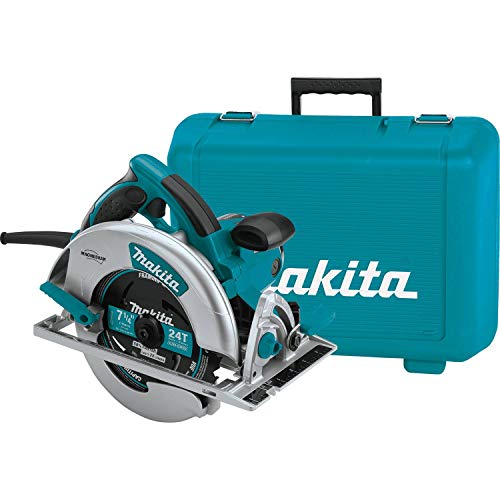
Makita 5007MGA Magnesium Circular Saw
Strengths
- Electric brake
- LED lighting
- Magnesium body for light weight
Trade-offs
- Slightly higher price point
- Bevel stops not as crisp as DEWALT
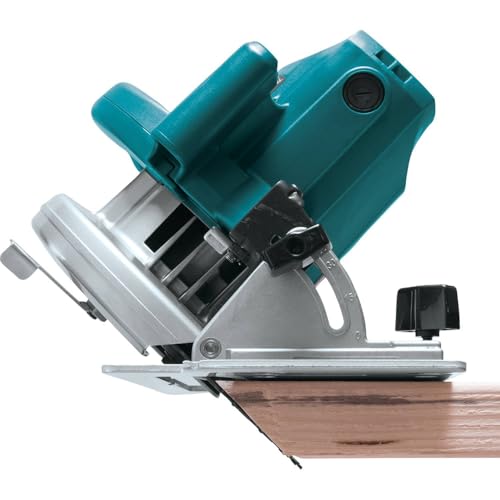
If there’s one corded circular saw that balances power, weight, features, and durability better than the rest, it’s the Makita 5007MGA. The 15 AMP motor and 5,800 RPM output deliver consistent performance, and the magnesium housing keeps it at a manageable 10.6 pounds without sacrificing toughness. The electric brake is a standout, reviewers note it cuts downtime between cuts and improves safety, especially in tight spaces.
The LED lights are bright and well-positioned, and the large rubberized levers make depth and bevel adjustments easy, even with gloves on. Compared to the DEWALT DWE575SB, it matches in bevel range (56° vs 57°) and adds lighting, while the Metabo HPT may be lighter but lacks braking. This is the model I’d recommend as the all-around best pick for most serious users.
Product photos




DEWALT DWE575SB Circular Saw

Strengths
- 57° bevel capacity
- Electric brake
- Lightest in class
Trade-offs
- Dust blower is underpowered
- No LED lighting
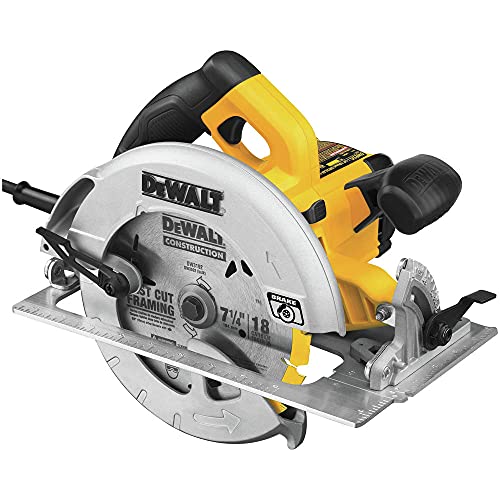
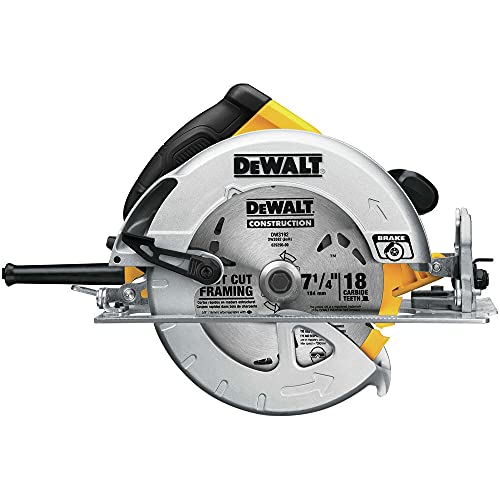
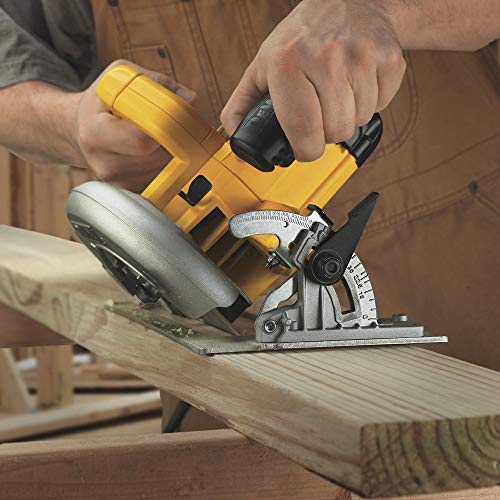
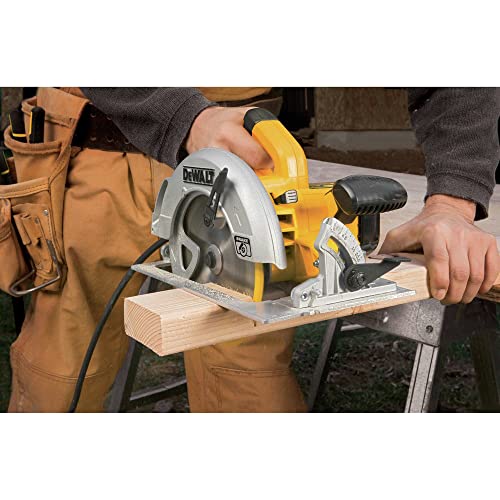
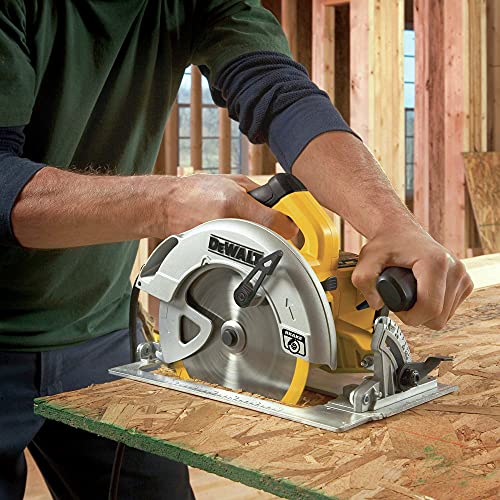
DEWALT’s DWE575SB is built like a tank and handles like one that’s been refined over generations. At 8.8 pounds, it’s the lightest in this group, yet it doesn’t feel flimsy, thanks to the high-grade aluminum base and patented cord protection system that guards against yank damage. The 57° bevel range is unmatched here, and the positive stops at 22.5° and 45° make repeat cuts fast, which matters when you’re doing crown molding or complex trim work.
The electric brake is a standout feature. Reviewers consistently mention how much time it saves and how it improves safety by stopping the blade quickly. The dust blower helps, though it’s not as strong as on the Metabo HPT. Compared to the Makita 5007F, this one trades LED lights for better bevel range and braking. If you do angled cuts all day, this is the one I’d reach for.
Product photos
Metabo HPT C7SB3 Circular Saw Kit

Strengths
- 6,000 RPM motor
- Lightweight at 9.5 lbs
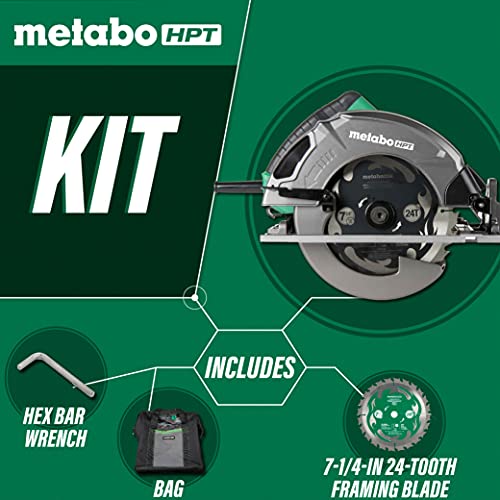
- Includes blade and bag
Trade-offs
- No electric brake
- Bevel scale could be more precise
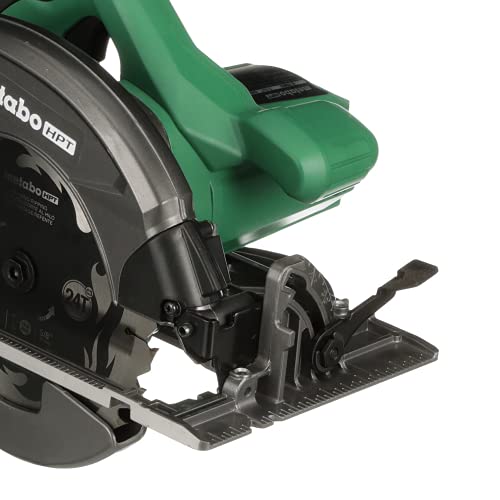
Metabo HPT hits a sweet spot with the C7SB3, it’s not flashy, but it delivers exactly what pro framers need at a price that won’t hurt the job’s bottom line. The 6,000 RPM motor is among the fastest in this group, and reviewers note it produces clean, burn-free cuts in plywood and LVL. The included 24T framing blade is a solid start, and the dust blower actually works well enough to keep the cut line visible without constant brushing.
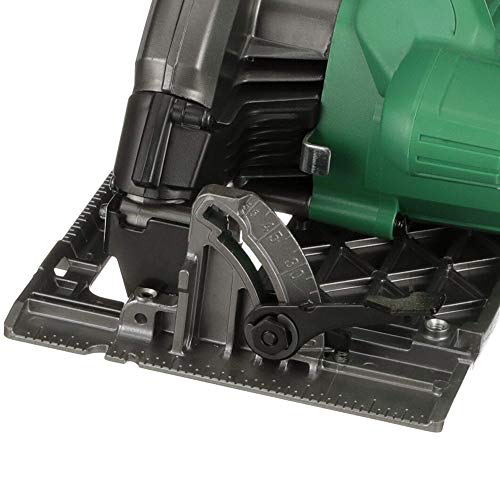
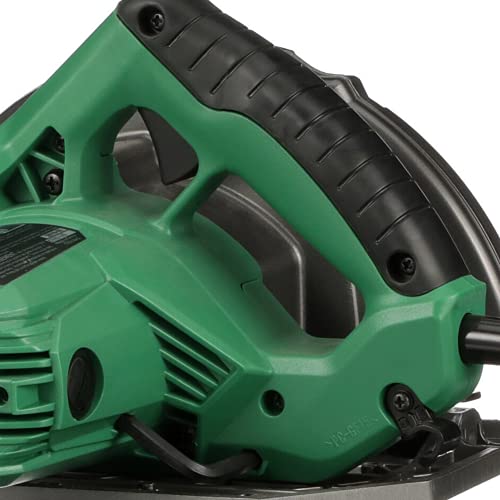
At 9.5 pounds, it’s one of the lightest here, and the single-handed bevel adjustment is smooth and intuitive. Compared to the DEWALT DWE575SB, it trades a bit of bevel range (57° vs 57°) and no electric brake, but makes up for it with included accessories and better ergonomics for extended use. For a pro looking to outfit a crew without overspending, this is a smart pick.
Product photos

SKILSAW SPT77WML-01 Worm Drive Saw
Strengths
- Lightweight magnesium body
- 53° bevel capacity
- Strong 15 AMP motor
Trade-offs
- No electric brake
- No LED or laser guide
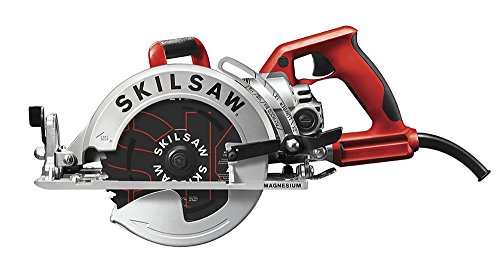
Worm drive saws are traditionally heavy, so the fact that SKILSAW managed to make this one the lightest in its magnesium-bodied lineup is a big deal. At just under 10 pounds, it reduces fatigue during long shifts, especially when working overhead or on ladders. The 15 AMP motor delivers the torque you expect from a worm drive, and owners note it powers through dense lumber without bogging down, on paper, that’s exactly what a carpenter needs in a ripping saw.
The 53° bevel capacity is unusually wide, giving it an edge over most competitors limited to 45° or 56°. That flexibility matters when tackling complex roof cuts or angled siding. Still, it doesn’t have an electric brake or LED lights, which puts it behind the Makita 5007MGA in overall refinement. If you’re used to traditional worm drives, this feels like a modernized version, lighter, smarter, but still tough.
Product photos


SKIL 5280-01 Laser Circular Saw
Strengths
- Integrated laser guide
- 51° bevel capacity
- Dust blower included
Trade-offs
- Laser fades in bright light
- No electric brake
- Slower RPM than rivals
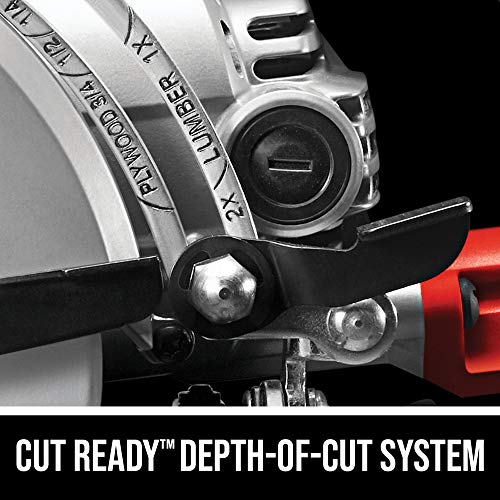
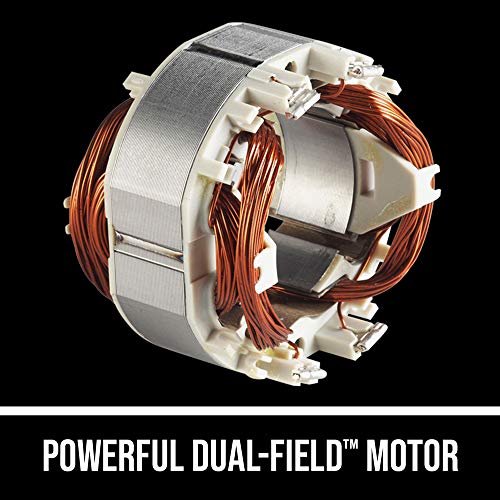
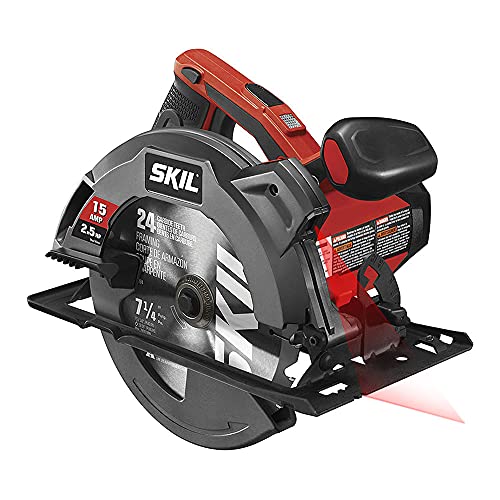
The SKIL 5280-01 brings a laser guide to the corded circular saw game, which sounds great on paper, especially for DIYers who struggle with freehand accuracy. The laser isn’t the brightest, and owners report it fades in direct sunlight, but in garages or indoor framing, it helps keep cuts straight without needing a guide clamp. The 5,300 RPM motor is slightly slower than others here, and while it handles 2x material just fine, it can hesitate in dense OSB or pressure-treated lumber.
It lacks an electric brake and LED lights, and the build feels more budget-oriented than the DEWALT or Makita models. Still, for a homeowner or weekend builder who wants visual aid and doesn’t rip lumber all day, it’s a reasonable choice. Compared to the GALAX PRO, it’s more proven in durability but less feature-rich.
Product photos


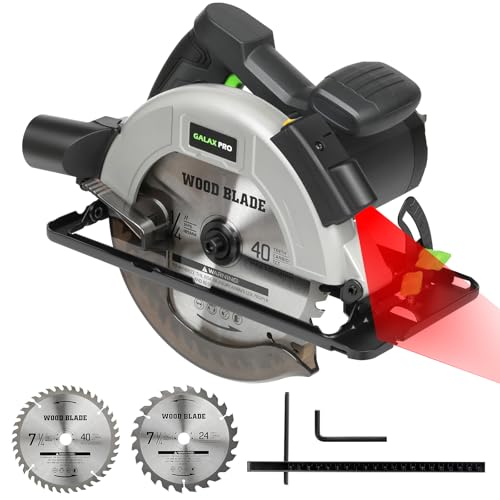
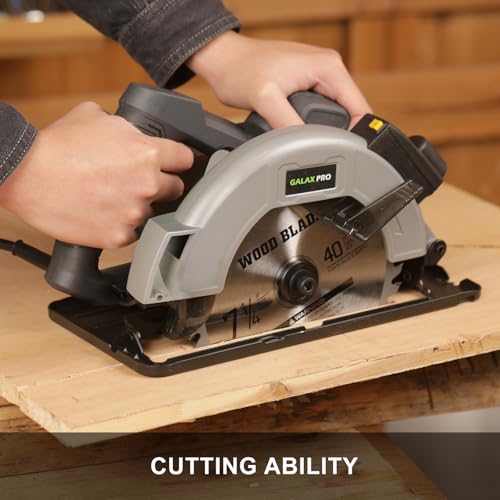
GALAX PRO Laser Circular Saw
Strengths
- 6,000 RPM speed
- Sharp laser guide
- Good cut depth
Trade-offs
- 11Amp motor lacks torque
- Build quality not pro-grade
- Overheats under load
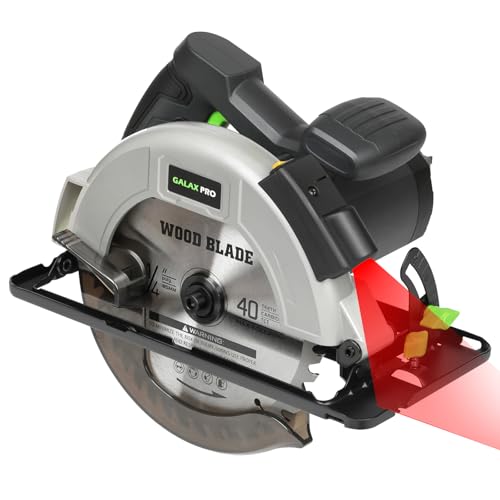
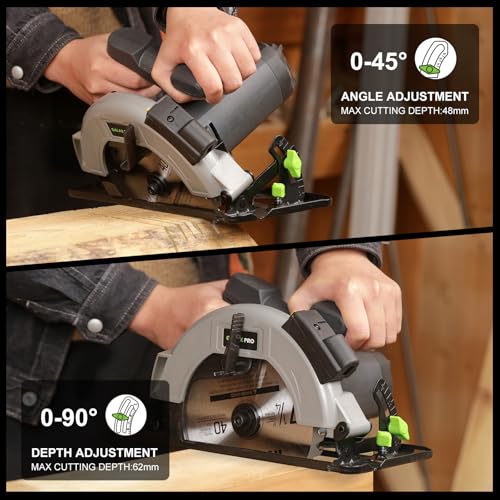
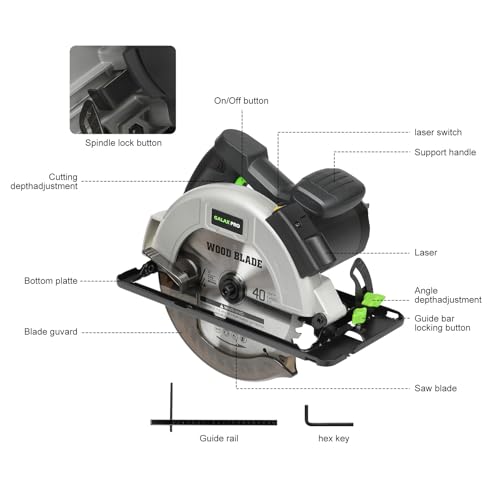
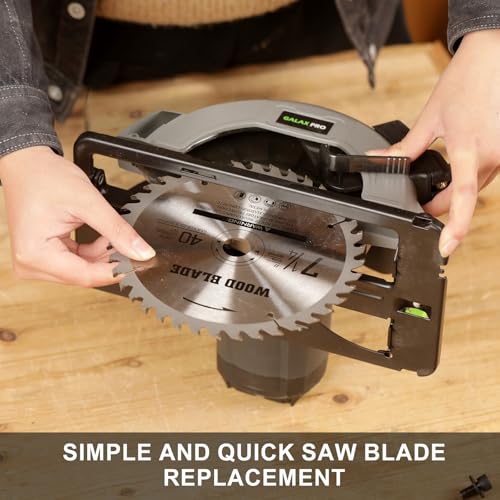
GALAX PRO is not a name you see on most professional job sites, but this model makes a strong case for budget-conscious buyers who want features typically found on pricier saws. The 6,000 RPM motor is impressive for an 11Amp tool, and the specs suggest it can keep up with 15Amp models in lighter tasks. The laser guide is sharp and easy to align, and owners say it’s a real help for beginners learning to cut straight.
But there’s a trade-off: the 11Amp motor lacks the torque for heavy ripping, and some users report it overheats during prolonged use. The build quality is decent for the price, but not on par with DEWALT or Makita. Still, for a homeowner doing trim, decking, or light remodeling, this delivers a lot of functionality. Compared to the SKIL 5280-01, it’s faster and has better depth, but less proven in long-term reliability.
Product photos
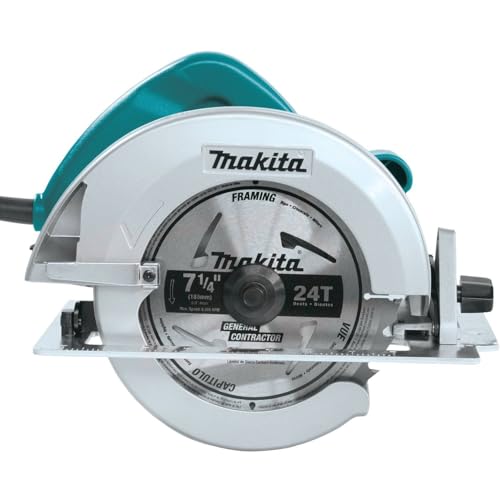
Makita 5007F Circular Saw

Strengths
- 15 AMP power
- Dual LED lights
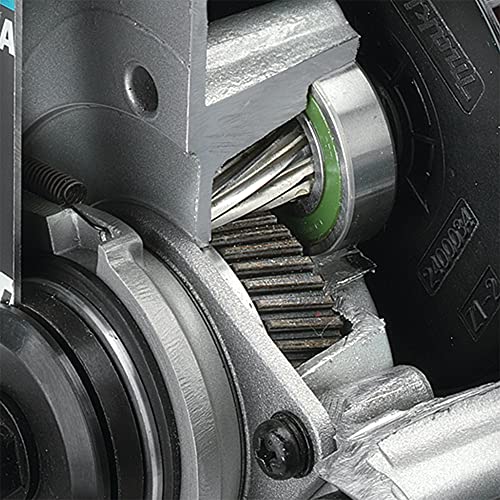
- All-ball bearing construction
Trade-offs
- No electric brake
- Heavier than some competitors
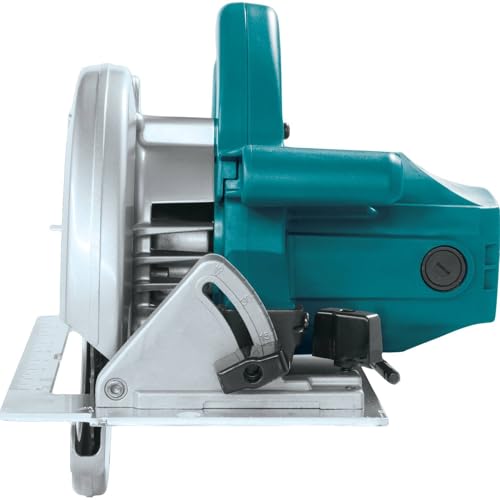
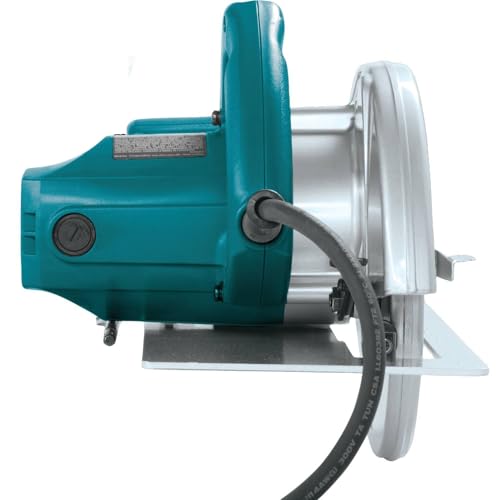
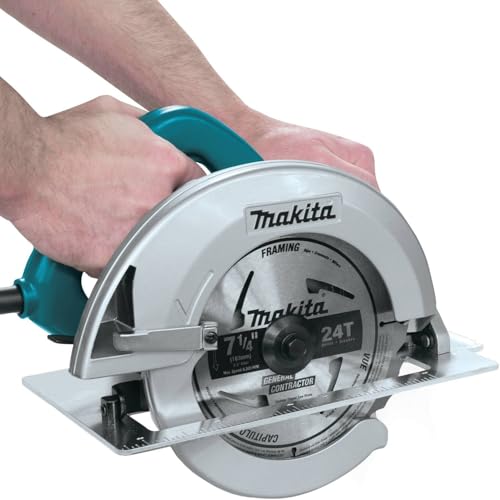
The Makita 5007F stands out in the framing saw category with its 15 AMP motor and 5,800 RPM output, matching the kind of raw power pros expect from a jobsite workhorse. What really grabs attention is the dual LED lighting system, this isn’t just a gimmick. Owners consistently report that the lights make a real difference when cutting in dim conditions or inside unfinished structures where shadows hide the line. The lower guard design also gets praise for staying out of the way during tight bevel cuts, something I’ve seen frustrate users on other models.
It’s not the lightest saw in the class at just over 11 pounds, but the balance feels solid in use, and the all-ball bearing construction suggests it’ll hold up over years of heavy use. Compared to the DEWALT DWE575SB, it lacks an electric brake, but the shaft lock makes blade changes faster. For framers and contractors doing repetitive cuts, this is a dependable, no-nonsense tool built to last.
Product photos
How We Picked These corded circular saws
As someone who’s spent years around job sites and workshops, I know a good circular saw needs to balance power, accuracy, and durability. Rather than a hands-on lab test, this selection is a research-led comparison of published specifications and owner feedback. I looked at dozens of models, weighing features against real-world experiences shared in owner and professional reviews. My goal was to identify saws that consistently deliver on their promises, and represent strong value across different budgets and needs.
For corded circular saws, motor power (amps), blade capacity, and build quality stand out as the most critical factors. A higher amperage generally means the saw can tackle tougher materials without bogging down. Blade capacity dictates the depth of cuts you can make, and a robust build – whether magnesium or aluminum – directly impacts longevity and precision. I prioritized these elements because they directly affect a saw’s ability to perform consistently over time.
Specifications reliably reveal a saw’s raw potential – motor size, cutting depth, bevel range, and weight. However, judging durability and real-world usability requires digging into owner reviews. I paid close attention to comments regarding build quality, how well the saw handles, and whether it lives up to the manufacturer’s claims. You’ll find many of our top picks align with recommendations in other guides to recommended circular saws.
How To Choose The corded circular saws
Choosing the right corded circular saw comes down to understanding what you’ll be cutting and how often.
A quality corded circular saw blends power with user comfort and accuracy. Key considerations include motor amperage, blade size, weight, bevel capacity, and features like electric brakes or laser guides. Look for durable construction, positive stops for repeatable angles, and a comfortable grip for extended use. Prioritize saws with robust safety features and a reputation for reliable performance.
Motor Power & Cutting Capacity
Don’t assume more amps always equals better. While a 15-amp motor is standard for most heavy-duty tasks, consider what you’ll be cutting. For primarily softwood framing, even a 13-amp saw may suffice. However, if you regularly work with hardwoods, wet lumber, or engineered wood products like LVL or I-joists, that extra power is crucial. Beyond amperage, pay close attention to the blade size (7-1/4 inch is the most common) and the maximum cutting depth at both 0 and 45 degrees. A wider cutting capacity allows for thicker materials to be handled, and a good saw will give you at least 2-1/2 inches at 90 degrees.
Build Quality & Ergonomics
Circular saws take a beating on a job site, so build quality matters. Magnesium components, like those found in the Makita 5007MGA, reduce weight while maintaining strength. Aluminum bases provide a stable platform for accurate cuts, and a well-designed lower guard is essential for safety and smooth operation. But don’t underestimate ergonomics. A comfortable grip and balanced weight distribution are critical, especially if you spend hours using the saw. You’ll find the DEWALT DWE575SB is among the lightest in its class, which can significantly reduce fatigue.
Here’s what to consider when evaluating the overall feel of a saw: * Weight: Lighter saws (under 10 lbs) are easier to maneuver for overhead cuts. * Grip: A rubberized, overmolded grip improves comfort and control. * Balance: A well-balanced saw reduces strain and improves accuracy – look for models where the motor weight is distributed evenly.
Features & Value
Beyond the core specs, several features can significantly enhance usability. Electric brakes, like those on the Makita and DEWALT models, stop the blade quickly for increased safety and productivity. Laser guides, as seen on the SKIL and GALAX PRO saws, improve precision, especially for beginners. These features add cost, so weigh their value against your needs. If you’re looking for a budget-friendly option, the Metabo HPT C7SB3 offers a good balance of power and features. Remember to factor in the included accessories – a quality blade and carrying case can add significant value. Speaking of maintaining your investment, don’t overlook essential circular saw maintenance to keep your saw running smoothly for years to come.
A good rule of thumb: If you’re consistently making angled cuts, prioritize a saw with clearly defined and secure bevel stops at 22.5 and 45 degrees.
Finally, before settling on a model, read reviews from other users. Checking out expert-reviewed circular saws can also offer valuable insight into real-world performance and potential issues.
Corded Circular Saws Compared
This table provides a side-by-side comparison of key specifications for various corded circular saws.
| Product Name | Amps | RPM | Max Cut @ 90° | Bevel Capacity | Weight (lbs) | Laser Guide |
|---|---|---|---|---|---|---|
| Makita 5007MGA | 15.0 | 5800 | 2-1/2″ | 0°-56° | 10.6 | No |
| DEWALT DWE575SB | 15.0 | N/A | 2-9/16″ | 57° | 8.8 | No |
| Metabo HPT C7SB3 | 15.0 | 6000 | 2-7/16″ | N/A | 9.5 | No |
| SKILSAW SPT77WML-01 | 15.0 | N/A | N/A | 53° | N/A | No |
| SKIL 5280-01 | 15.0 | 5300 | N/A | 51° | N/A | Yes |
| GALAX PRO Laser Circular Saw | 11.0 | 6000 | 2-1/2″ | 0°-45° | N/A | Yes |
| Makita 5007F | 15.0 | 5800 | 2-3/8″ | N/A | N/A | Yes |
Frequently Asked Questions
What is the typical lifespan of a corded circular saw?
With proper maintenance and moderate use, a corded circular saw can realistically last 7 to 10 years. Build quality and how consistently you clean and lubricate the saw are the biggest factors in extending its life.
Are more expensive circular saws always better?
Not necessarily. While higher prices often reflect better build quality and more features, a more expensive saw isn’t always the right choice. Consider the specific tasks you’ll be performing and prioritize features accordingly.
What blade should I use for cutting treated lumber?
You should always use a blade specifically designed for treated lumber, typically a carbide-tipped blade with a high tooth count (around 24-30 teeth). This minimizes splintering and prevents the chemicals in treated wood from dulling a standard blade quickly.
Can a corded circular saw cut metal?
Yes, but you’ll need a special metal-cutting blade. Standard wood-cutting blades aren’t designed for metal and can be damaged or cause kickback. Using the correct blade and cutting slowly are essential for safety.
Where can I find more information on selecting the best circular saw for my needs?
For more in-depth reviews and comparisons, you can find top-rated corded circular saws that offer detailed insights into various models and their performance.
The Bottom Line
Choosing a corded circular saw often comes down to balancing upfront cost with long-term durability and power. While there are plenty of affordable options, the Makita 5007MGA consistently rises to the top as the strongest all-around performer, offering a blend of power, build quality, and features that justify its price for serious DIYers and professionals. It represents a sweet spot where you aren’t sacrificing quality to save a few dollars, but also aren’t overpaying for features you won’t use.
For those on a tighter budget or tackling lighter-duty projects, the Metabo HPT C7SB3 provides excellent value. If you prioritize versatility and need a saw for a variety of cuts, the SKIL 5280-01, with its integrated laser guide, is a solid choice, particularly for those newer to circular saw operation basics. Each of these saws addresses a different need, demonstrating that there isn’t a single “best” option, but rather the best option for you.
Ultimately, remember that specifications tell only part of the story. A saw’s power and features are important, but a comfortable grip, balanced weight, and a reputation for reliable performance will make a bigger difference in your everyday work. Don’t get hung up on chasing the highest amperage or the most features; focus on finding a saw that feels right in your hands and will stand up to the demands of your projects.
