
6 Best Planers for Home Use 2026
This post contains affiliate links. As an Amazon Associate, we earn from qualifying purchases.
The DEWALT 20V MAX Planer is the best overall for home use, combining reliable power with precise depth control, while the WEN 6530 offers a solid budget-friendly option for lighter tasks. For those who need more cutting width and consistent corded power, the WEN 6534 is a strong pick.
Most homeowners don’t realize how quickly a poorly chosen planer can turn a simple refinishing job into a frustrating mess. Tear-out, inconsistent cuts, and poor dust control often stem from picking a tool that looks good on paper but falls short in practice.
After comparing the field and evaluating specs alongside real owner feedback, these three stand out for performance, durability, and value. I focused on motor power, ease of adjustment, and real-world usability, because a home planer should make projects easier, not harder.
Top 6 Planer For Home Uses in the Market
The Best Planer For Home Uses, Reviewed
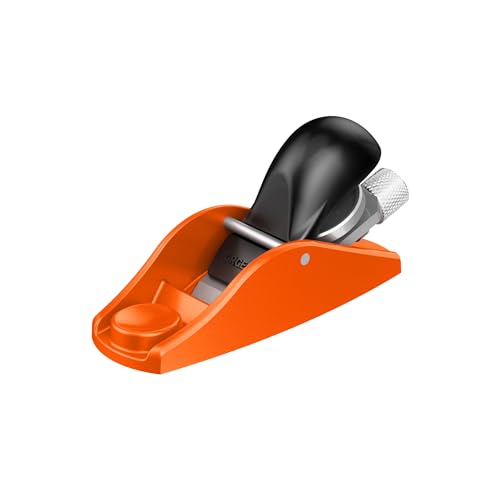
JORGENSEN No.101 Mini Planer
Strengths
- Durable ductile iron body
- Sharp, long-lasting blade
- Excellent for fine tuning
Trade-offs
- Manual effort required
- Slow for large areas
- Not for deep cuts
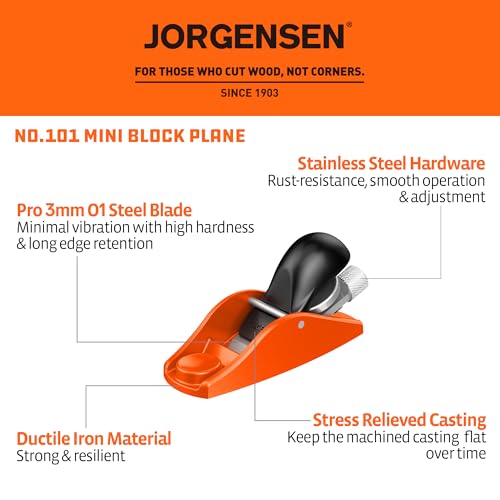
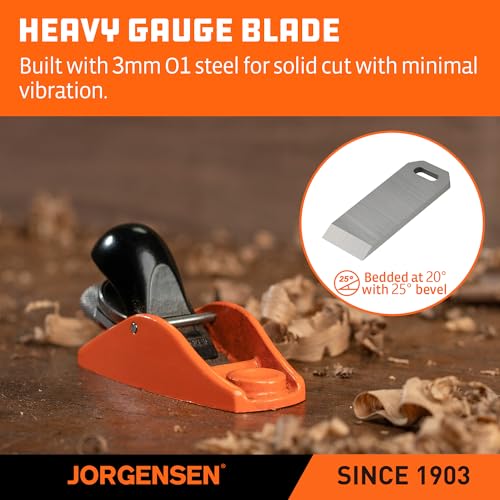
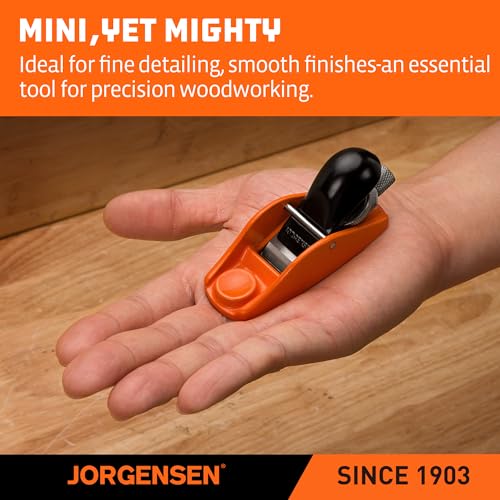
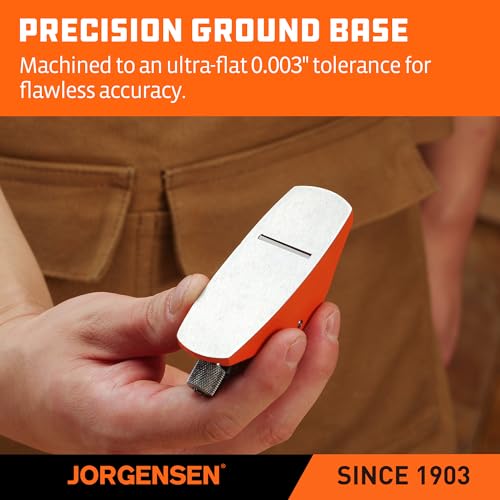
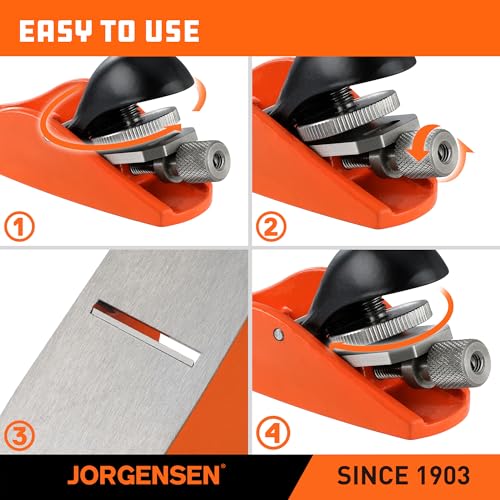
Sometimes the best solution isn’t electric. The JORGENSEN No.101 is a traditional hand block plane, but don’t let its simplicity fool you, this thing is built like a tank. The ductile iron body absorbs vibration and stays stable during cuts, and the O1 tool steel blade holds an edge impressively well. Owners praise its ability to take ultra-fine shavings, making it ideal for fitting drawers, smoothing end grain, or chamfering edges where a power planer would be overkill.
It’s not fast, and it won’t replace a motorized planer for bulk material removal. But for final fitting, trimming, and fine adjustments, it outperforms even high-end electric models in control and precision. Compared to the DEWALT DCP580B, it’s slower but offers unmatched finesse. This is the kind of tool that earns a permanent spot on your bench.
Product photos
WEN 6530 6-Amp Hand Planer
Strengths
- 6-amp motor
- Lightweight design
- Includes rabbeting guide
Trade-offs
- Plastic depth stops feel flimsy
- Dust collection is weak
- Not for heavy stock removal
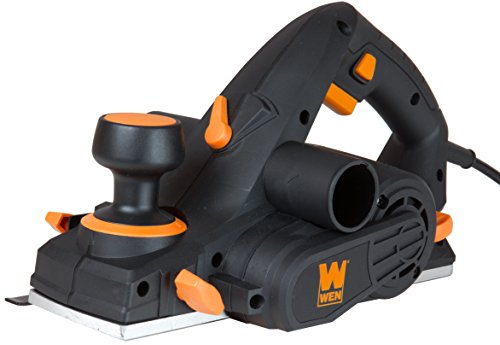
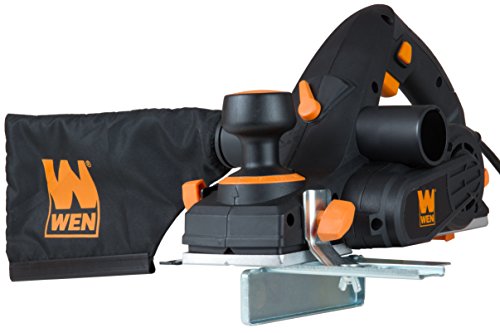
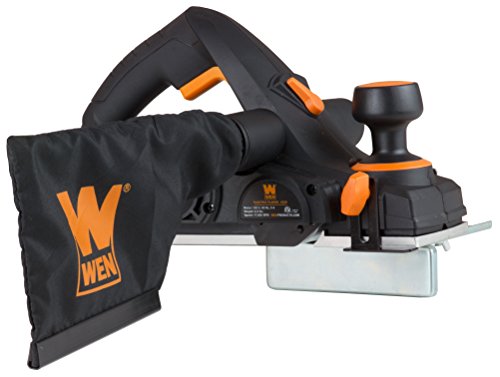
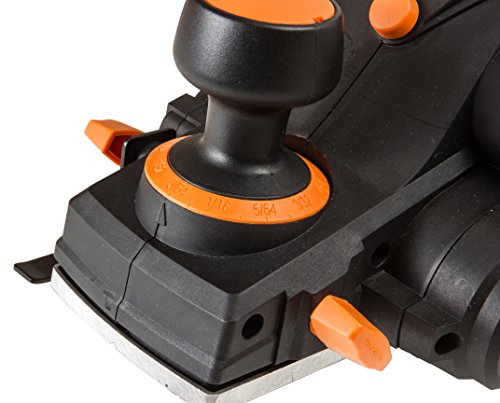
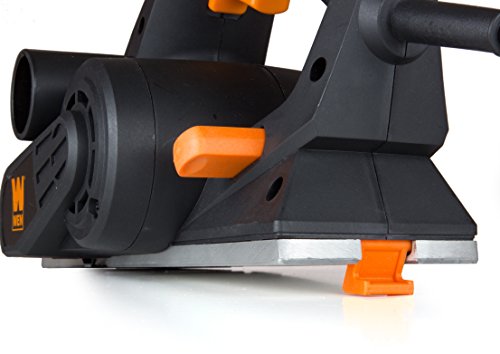
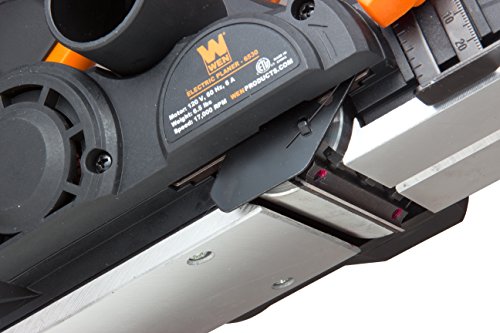
For DIYers on a tight budget, the WEN 6530 is a solid entry point into electric planers. It packs a 6-amp motor that delivers 34,000 cuts per minute, which on paper sounds impressive for its class. Owners consistently report it handles softwoods well and performs reliably for light trimming jobs like door edges or leveling small boards. The depth adjustment system with 16 positive stops makes it easy to set consistent passes, though it lacks the fine-tuning you’d want for precision work.
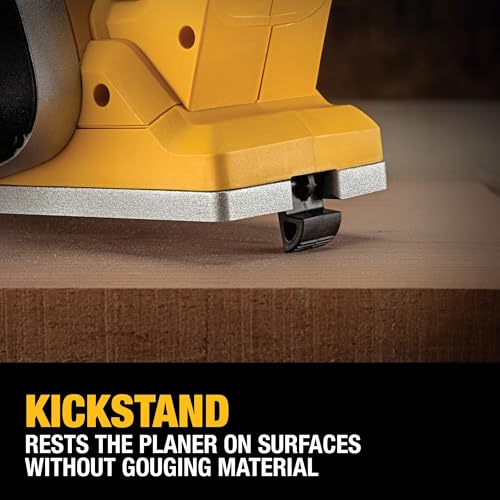
Where it really stands out is the price-to-features ratio. You get a dust bag, kickstand, rabbeting guide, and a 2-year warranty, uncommon in this range. It’s lightweight at 6 pounds, so fatigue isn’t an issue during short sessions. But don’t expect it to chew through hardwoods or handle aggressive material removal. Compared to the DEWALT DCP580B, it’s less refined, but it’s not trying to be. For basic home use, it gets the job done without breaking the bank.
Product photos
DEWALT 20V MAX Planer

Strengths
- Brushless motor
- Precise depth adjustment
- Durable aluminum shoes
Trade-offs
- Bare tool only
- No dust bag included
- Higher price point
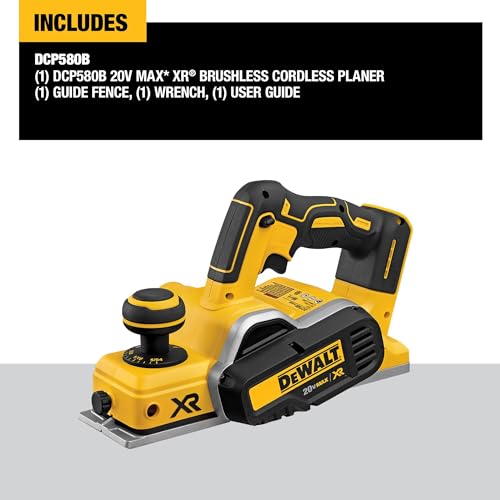
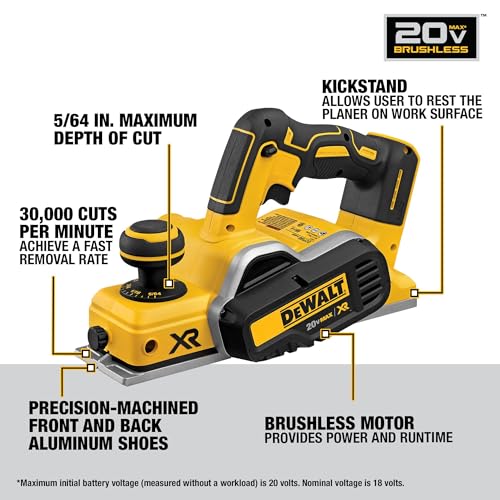
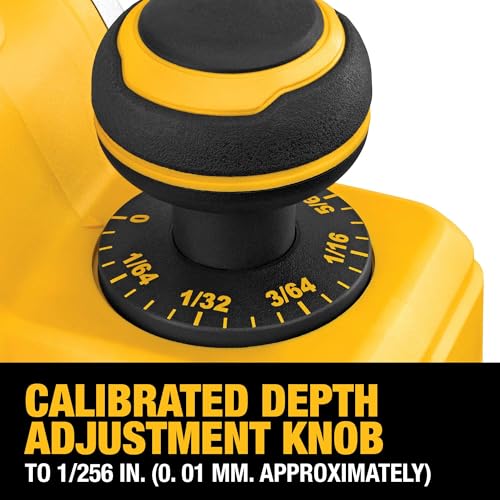
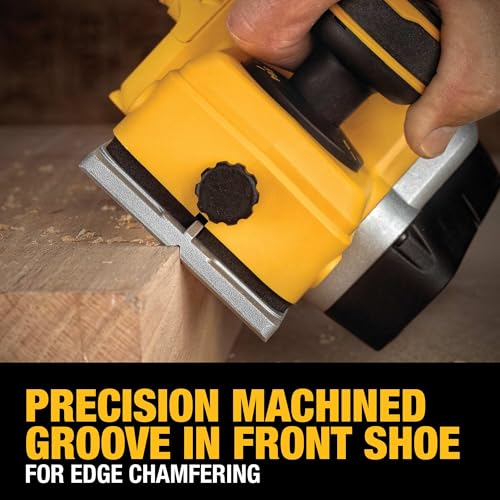
The DEWALT DCP580B is built for detail work, and it shows in the precision of its design. The brushless motor delivers 30,000 cuts per minute with excellent efficiency, and the calibrated depth adjustment goes down to 1/256 inch, something you just don’t see in budget models. Reviewers note the aluminum shoes stay true over time, which means consistent, parallel cuts even after repeated use. This is the kind of tool you’d reach for when fitting cabinet doors or cleaning up joints where fractions of a millimeter matter.
It’s not the most aggressive planer in terms of depth per pass, maxing out at 2 mm, but that’s by design. It trades brute force for control, and in that niche, it excels. The poly-V belt and ergonomic grip add to long-term reliability and comfort. Compared to the Makita XPK01Z, it offers finer adjustment and better build quality, though it comes at a higher cost and doesn’t include a battery. If you already own DEWALT 20V tools, this makes a smart addition.
Product photos
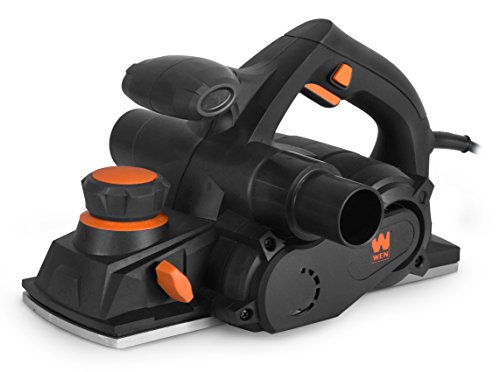
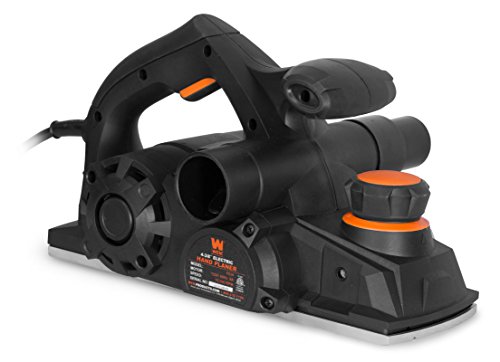
WEN 6534 8-Amp Planer
Strengths
- Wide 4-3/8-inch cut
- 8-amp motor
- Dual-direction dust port
Trade-offs
- Bulky for tight spaces
- No soft-start motor
- Dust collection still mediocre
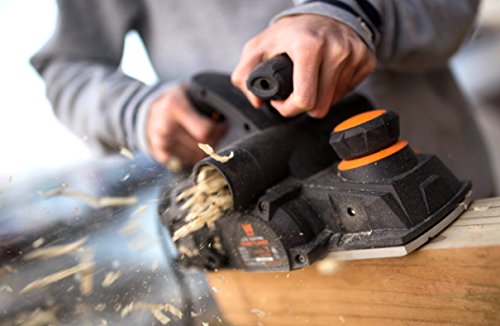
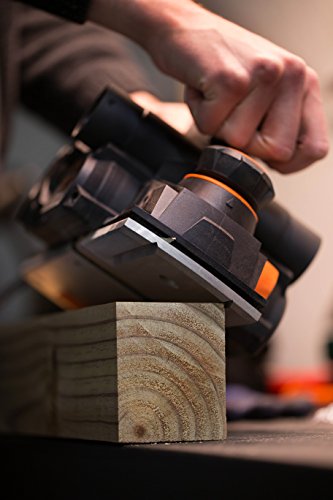
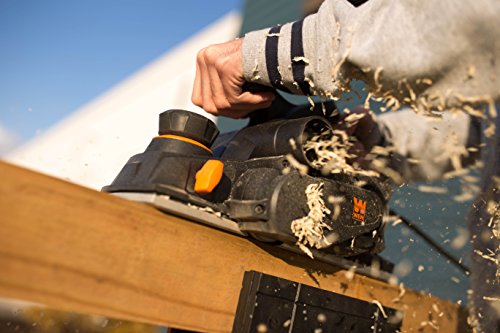
If you’re working with wide stock like 4x4s or large tabletops, the WEN 6534 is one of the few affordable planers that can keep up. Its 4-3/8-inch cutting width is a big step up from the standard 3-1/4-inch models, and the 8-amp motor provides enough power to handle wider passes without bogging down. Owners report it’s especially useful for deck builds or leveling beams where covering more surface area per pass saves real time.
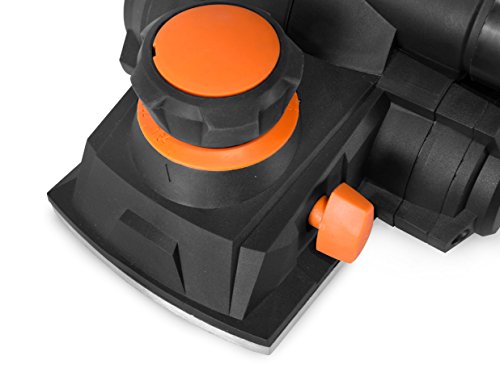
The dual-direction dust port is a thoughtful touch, letting left- or right-handed users route shavings away cleanly. It includes two HSS blades and a solid set of accessories, including chamfer grooves and a rabbeting guide. While it’s heavier than smaller models, the automatic kickstand helps. Against the WEN 6530, it’s clearly the more capable tool for big jobs, though overkill for trimming a door. It’s not as refined as cordless pro models, but for the price, it fills a rare gap in the market.
Product photos
Makita 18V Cordless Planer
Strengths
- Compact and portable
- Carbide blades last longer
- Smooth stock removal
Trade-offs
- Tool-only purchase
- Battery sold separately
- No depth gauge light
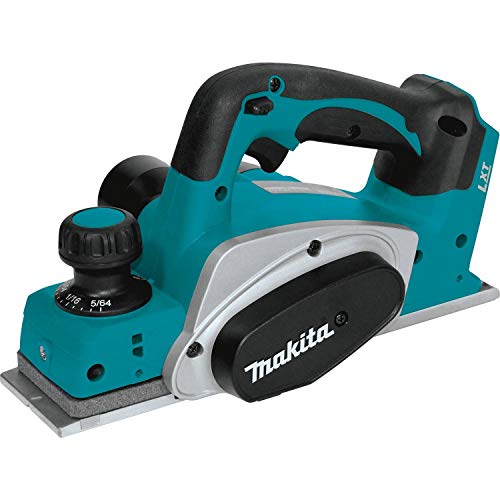
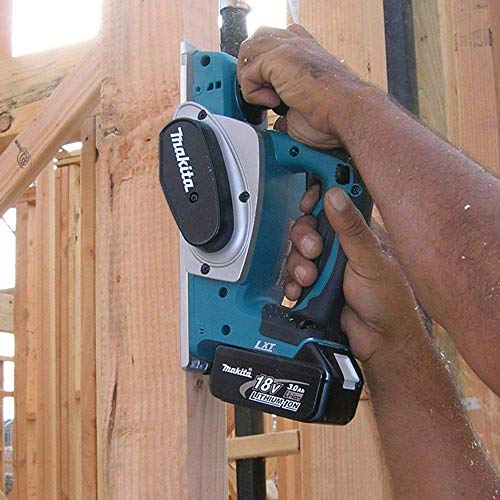
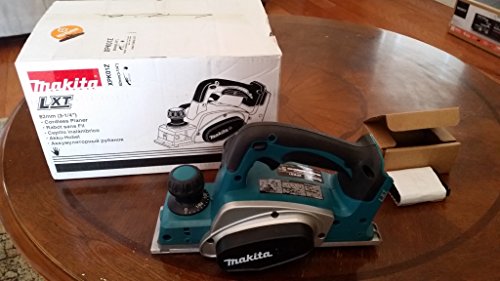
Makita’s XPK01Z hits a sweet spot between portability and performance. Weighing 7.4 lbs with an 18V LXT battery, it’s one of the most balanced cordless planers in its class. The 14,000 RPM motor delivers strong stock removal, and the double-edge carbide blades stay sharp longer than standard HSS bits. Reviewers appreciate the click-style depth adjustment, it’s not as fine as DEWALT’s, but it’s intuitive and repeatable.
It’s clearly designed for users on the move, think remodelers or finish carpenters who need to trim doors or clean up jambs on-site. The compact size lets it fit in tight spots where corded models struggle. Against the Yowmoft, it’s more durable and precise, though you’ll pay more and supply your own battery. For cordless reliability and Makita’s reputation for tool longevity, this is a go-to.
Product photos


Yowmoft 20V Cordless Planer
Strengths
- Battery and charger included
- Lightweight and cordless
- Good accessory bundle
Trade-offs
- Plastic housing feels cheap
- Limited depth precision
- Blades dull faster on hardwoods
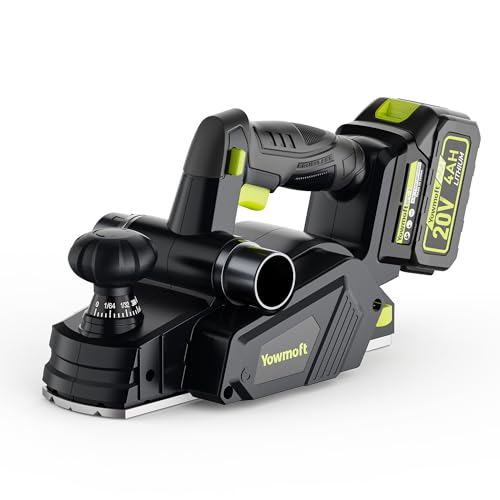
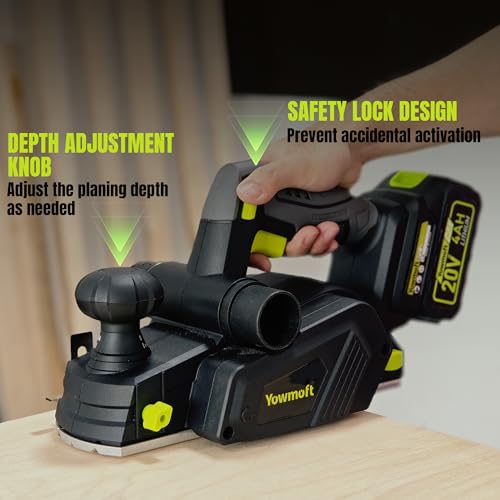
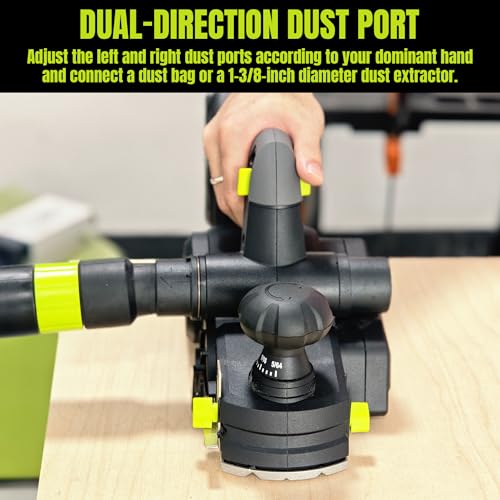
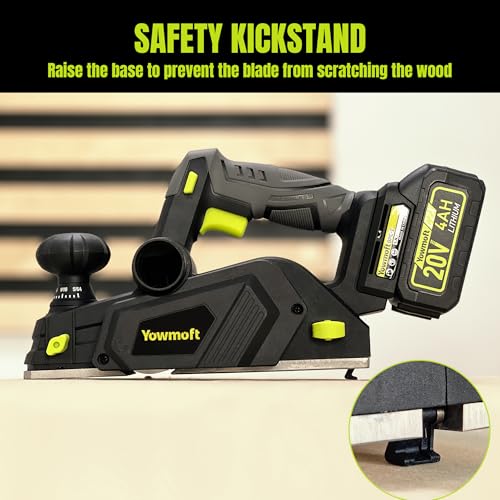
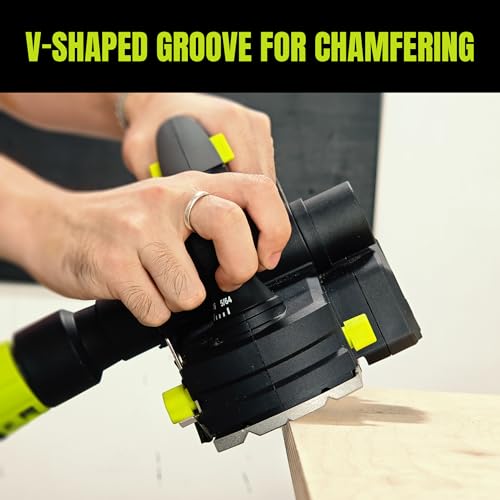
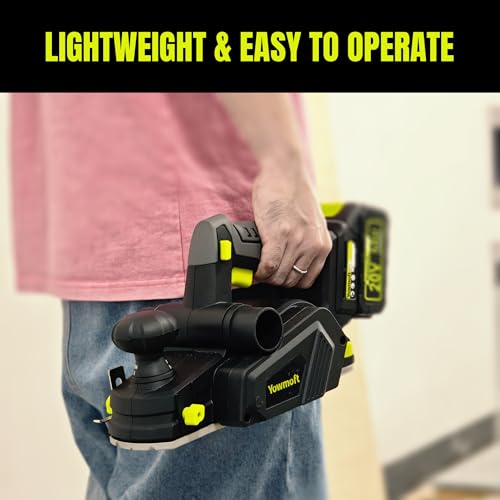
The Yowmoft cordless planer stands out by offering a complete package at a competitive price. For users tired of tripping over cords in the garage or on job sites, having a 20V 4Ah battery and charger included is a real advantage. The 12,000 RPM motor isn’t the fastest on paper, but owners say it handles pine and poplar without issue, and the 6.2-pound weight makes it easy to manage during extended use. The dual-direction dust port works as advertised, and the included accessories cover most basic needs.
That said, it’s not in the same league as DEWALT or Makita in terms of build quality or precision. The depth adjustment isn’t as finely calibrated, and there’s some chatter reported when pushing heavy cuts. But as a value bundle, it’s hard to beat. Compared to the Makita XPK01Z, it gives you more for less, even if you sacrifice some refinement. For casual users who want everything in one box, it’s a smart pick.
Product photos
How We Chose These planer for home uses
Rather than a hands-on lab test, my research for these recommendations focused on a detailed comparison of published specifications and features across numerous models. I weighed owner reviews from multiple retailers alongside expert opinions found in woodworking publications and forums. As someone who’s spent years around workshops, I applied my understanding of what features truly matter in a planer – and how those translate to real-world usability – to rank these options against clear criteria.
For home use planers, motor power and cutting depth are paramount. A stronger motor (6-8 amps is a good range) allows for quicker, cleaner passes, especially with harder woods. Adjustable cutting depth is equally crucial, letting you take light finishing passes or tackle more significant material removal. Portability and ease of use also factored heavily, as many home woodworkers need a tool that’s versatile and doesn’t require a dedicated workspace. You can find more information on leading planer machine models.
Specifications reliably indicate a planer’s raw power and capacity, but owner feedback revealed a lot about long-term durability and practical performance. I paid close attention to comments regarding blade sharpness retention, ease of depth adjustment, and dust collection effectiveness. Reputation – how consistently a brand delivers quality tools – also influenced my assessment, complementing the hard data from specs sheets.
What To Look For In planer for home uses
Choosing the right planer depends heavily on the type of work you plan to do, and how much you value portability versus sheer power.
A quality planer delivers flat, smooth surfaces with consistent depth. Key specs include motor amperage (for power), cutting width (for board size), maximum depth of cut (for material removal rate), and dust collection features. Look for durable materials in the base and blade, and a well-designed depth adjustment mechanism.
Motor Power and Cutting Capacity
Don’t automatically assume more amps are always better. For light DIY tasks like smoothing edges or fitting doors, a 6-amp model like the WEN 6530 can be plenty. However, if you regularly work with thicker stock like framing lumber or reclaimed wood, you’ll want to step up to an 8-amp or higher machine (the WEN 6534 is a good example) to avoid bogging down and producing tear-out. Cutting width is equally important; a narrower planer limits you to smaller projects, while a wider one offers versatility.
Corded vs. Cordless Operation
The debate between corded and cordless planers often comes down to convenience versus sustained power. Cordless models, like the DEWALT 20V MAX or the Makita 18V, excel in portability and are fantastic for jobsites without easy access to outlets. However, keep in mind that battery life impacts runtime, and performance can sometimes dip as the battery drains. If you’re consistently tackling large projects, a corded planer will deliver unwavering power. For those looking at top wood planer models, consider where you’ll be using it most often.
Depth Adjustment and Features
Precision is paramount when planing. A planer with a finely adjustable depth control – the DEWALT’s calibrated knob is a standout feature – allows for incredibly accurate material removal. Beyond that, consider features like rabbeting capabilities (useful for creating joinery), dust collection (a must-have for a cleaner workspace), and the quality of the blades. Here’s what to look for in a good blade system: * Blade Steel: High-carbon steel blades hold an edge longer. * Blade Reversibility: Double-sided blades effectively double the lifespan. * Replacement Availability: Easy access to replacement blades (like the DW6654 for the DEWALT) is crucial.
A planer’s depth adjustment should be smooth and secure. Avoid models where the depth knob feels loose or imprecise, as this will lead to inconsistent results.
I often recommend looking at recommended power planers for wood when a homeowner needs versatility. If you’re primarily focused on hand tools and prefer a more traditional approach, exploring the best hand planer for wood might be a better fit. You can find a deeper exploration of manual options in our guide to precision hand planers for boards.
Planer for Home Uses Compared
Here’s a comparison of key specifications for several planers suitable for home use.
| Product Title | Motor (Amps/Volts) | Max Cut Depth (in) | Max Width (in) | Weight (lbs) | Dust Port |
|---|---|---|---|---|---|
| JORGENSEN No.101 Mini Planer | N/A | N/A | N/A | N/A | N/A |
| WEN 6530 6-Amp Hand Planer | 6 | 1/8 | N/A | 6 | Yes |
| DEWALT 20V MAX Planer | 20V | 5/64 | N/A | N/A | N/A |
| WEN 6534 8-Amp Planer | 8 | 1/8 | 4-3/8 | N/A | Yes |
| Makita 18V Cordless Planer | 18V | 5/64 | 3-1/4 | 7.4 | N/A |
| Yowmoft 20V Cordless Planer | 20V | 0-2mm (0.08″) | 3-1/4 | 6.2 | Yes |
Frequently Asked Questions
What planer size should I get for most home projects?
A 4-3/8 inch planing width, like on the WEN 6534, is generally sufficient for most home projects(doors, shelves, etc.). Wider planers exist, but they add cost and bulk without providing much benefit for typical DIY tasks.
Are cordless planers powerful enough for hardwood?
Cordless planers can handle hardwood, but expect slower material removal and potentially reduced runtime. For consistent performance with dense woods, a corded model with at least 8 amps is preferable, and you might want to explore the best benchtop planer under $500 for more power.
How often do planer blades need to be changed?
Blade life varies greatly with wood type and usage, but expect to replace or sharpen blades every 20-50 hours of use. Regularly inspect the blades for chips or dullness to maintain optimal planing quality.
What’s the difference between depth of cut and total material removal?
Depth of cut refers to the amount of wood removed in a single pass, while total material removal is the cumulative amount achievable across multiple passes. Taking shallow cuts (e.g., 1/16 inch) is generally best for cleaner results, even if it requires more passes.
Do I really need dust collection on a planer?
Yes, dust collection is highly recommended. Planers produce a significant amount of wood chips, and a dust port connected to a shop vac will greatly reduce mess and improve air quality. If you’re looking for affordable benchtop planer models dust collection isn’t always standard, so budget accordingly.
The Bottom Line
Choosing a planer really comes down to balancing control and convenience. If you want consistent power for larger projects and don’t mind being tethered to an outlet, the WEN 6534 offers the best overall combination of features and performance for most home woodworkers. It strikes a great balance between power, capacity, and price, making it a solid choice for a wide range of tasks.
For those on a tighter budget or tackling smaller projects, the WEN 6530 is a fantastic entry point. And if portability is your top priority – perhaps you need to work in different locations – the DEWALT 20V MAX Planer delivers cordless freedom without sacrificing too much in terms of power. You can also find some excellent affordable planer models under 500 if you’re willing to spend a little more for upgraded features.
Ultimately, remember that specs are just numbers. The most important factors are a sharp blade, a well-built base, and a depth adjustment mechanism that feels precise and reliable. Focus on those fundamentals, and you’ll be well on your way to achieving smooth, flat surfaces with any planer you choose.
