
7 Best Mini Miter Saws of 2026
This post contains affiliate links. As an Amazon Associate, we earn from qualifying purchases.
The SKIL 7-1/4″ Single Bevel is the best mini miter saw overall, offering solid cutting capacity and reliable performance for DIYers and hobbyists. For those on a tighter budget, the JOUNJIP Mini Miter Cut-Off delivers solid value without sacrificing essential features, while the SEESII 8-inch Compound Miter stands out if you need extra versatility for small compound cuts.
Most people buying a mini miter saw aren’t looking to replace their full-size tools, they want something compact and precise for small projects, trim work, or hobby builds. The real challenge is finding one that doesn’t sacrifice accuracy or durability just because it’s small.
I focused on models that balance motor power, build quality, and real-world usability. These picks are based on specs, owner feedback, and my experience evaluating how these tools actually perform in home workshops.
Top 7 Mini Miter Saws in the Market
The Best Mini Miter Saws, Reviewed
SKIL 7-1/4″ Single Bevel Miter Saw

Strengths
- High cutting capacity
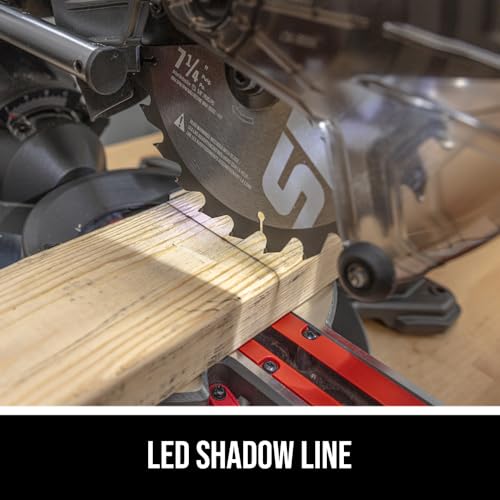
- LED Shadow Line
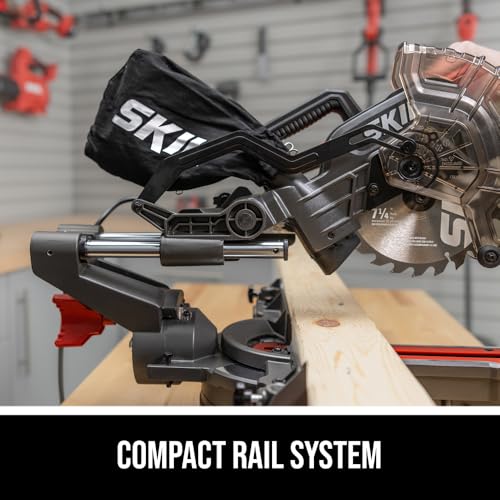
- Compact rail design
Trade-offs
- Bevel only left
- Heavier than others
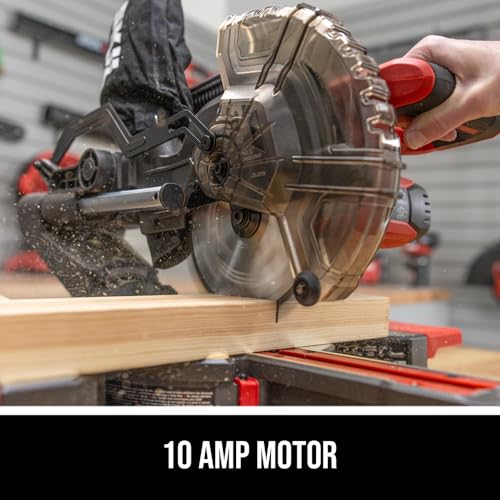
This SKIL saw is the only one here that feels like a real workshop staple. With a 10-amp motor and 4800 RPM, it delivers serious cutting power, up to a 2×10 at 0°, which dwarfs everything else on this list. The compact rail system is a standout, letting it sit flush against walls in tight spaces, a detail pros and garage users will appreciate.
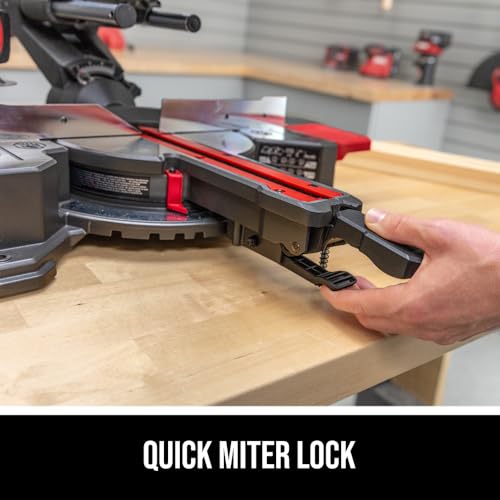
The LED Shadow Line is better than a laser in bright light, casting a sharp shadow that shows exactly where the blade will land. Miter detents are crisp, and the quick clamp secures stock fast. While it’s not “mini” in the traditional sense, its footprint is surprisingly small. For overall performance, capacity, and build quality, this is the one I’d recommend to anyone stepping beyond hobby work.
Product photos
Ageanbri 4″ Mini Miter Saw
Strengths
- 9000 RPM motor
- Good blade variety
- Compact and lightweight
Trade-offs
- Vibration at high speed
- Loose miter adjustment
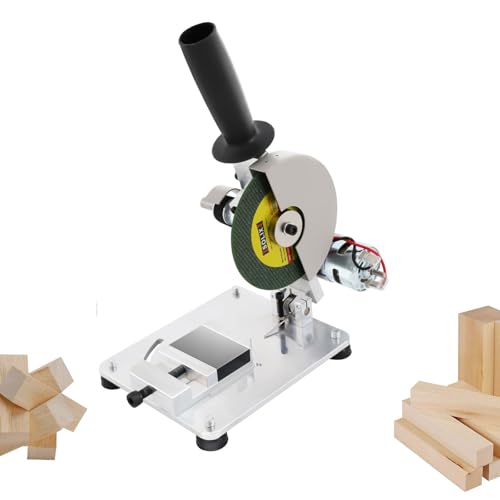
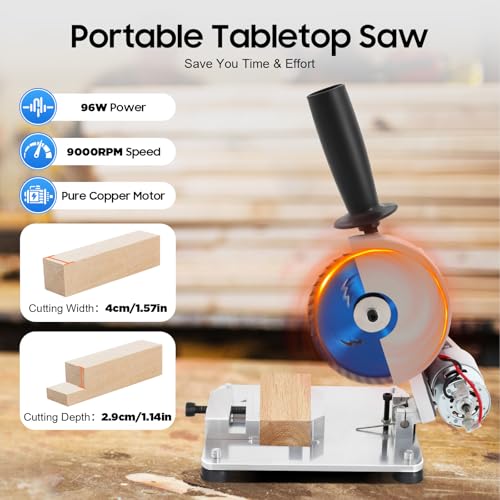
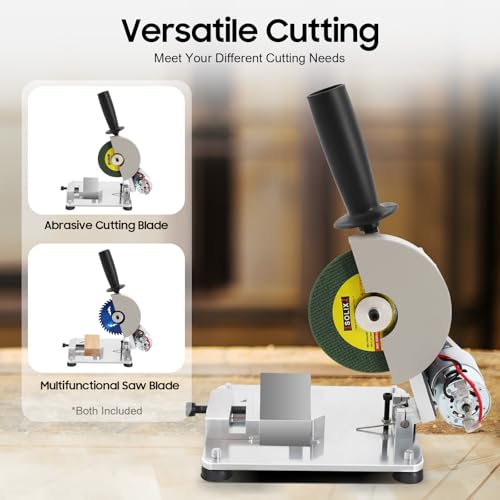
With a 9000 RPM pure copper motor, this Ageanbri saw is the speed demon of the mini miter category. On paper, that’s impressive, faster than most in this lineup, and owners report it powers through aluminum, plastic, and thin wood with little hesitation. The two included blades (abrasive and multifunctional) support its claim as a multi-material cutter.
But high speed doesn’t always mean high control. Some users note vibration at peak RPM, especially when cutting denser metals. The anti-slip feet help, but it’s not the most rigid base in this group. Still, if raw cutting speed is your priority and you’re working on small-scale projects, this one gets the job done quickly. It edges past the VEVOR model in power, though not in refinement.
Product photos
VEVOR Mini Miter Cut-off Chop Saw

Strengths
- Affordable
- Dual blade types
- Stable clamp system
Trade-offs
- Shorter metal cut depth
- Basic miter scale
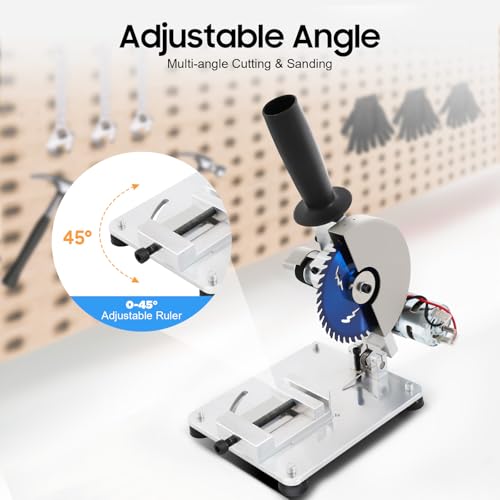
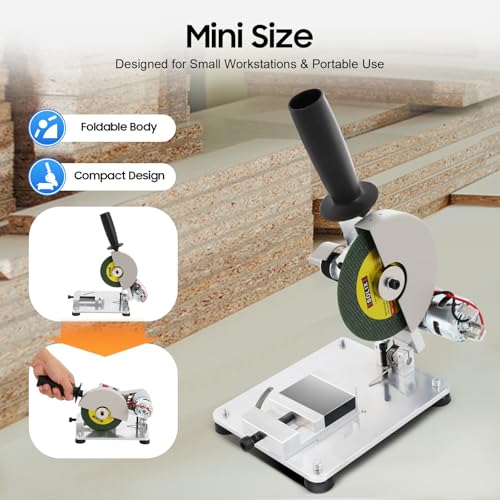
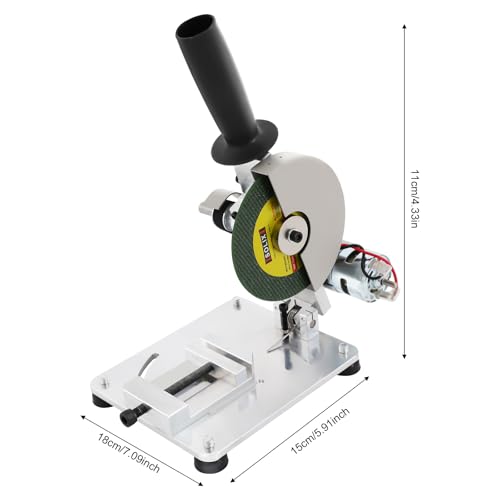
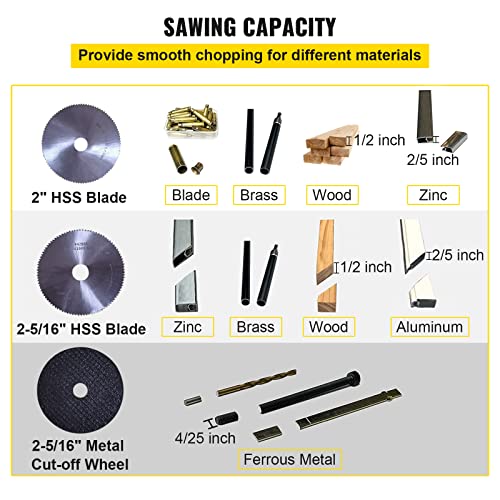
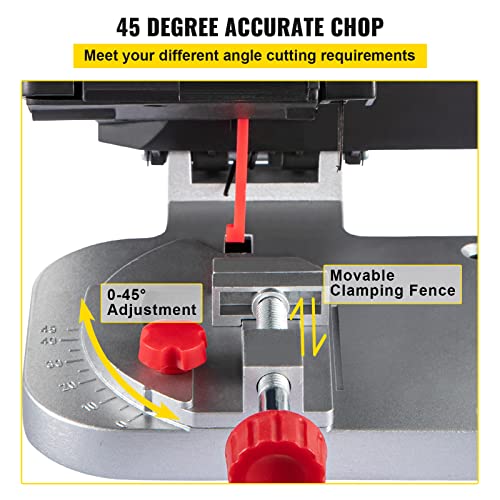
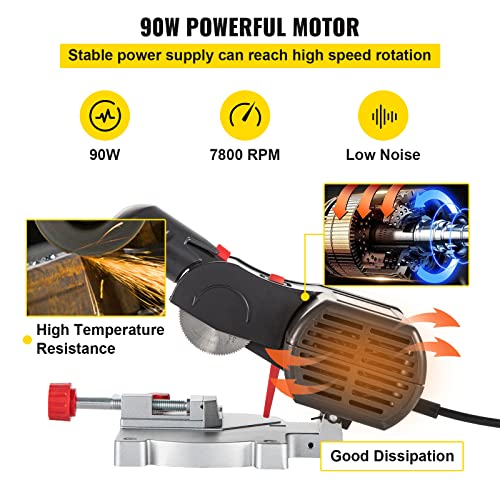
The VEVOR model is the budget pick that doesn’t completely cut corners. At 7800 RPM, it matches the JOUNJIP saw’s speed and comes with two 2-5/16” blades, one steel, one resin, giving decent versatility. Its 1/2” cutting depth in non-metal materials makes it useful for small woodworking and plastic trimming, and the clamping fence adds a bit of security for off-center cuts.
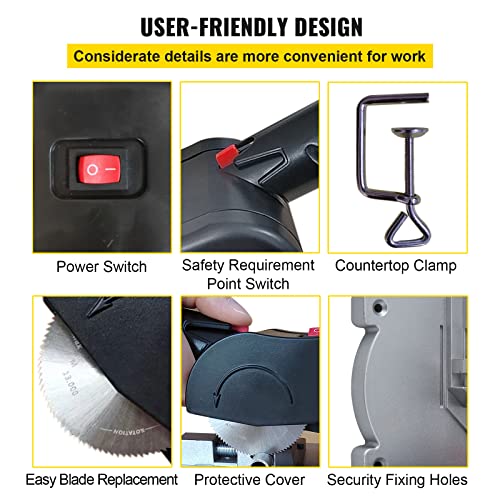
It’s not flashy, but it’s functional. The protective housing improves safety, and the bench clamp keeps it mostly steady. Compared to the Ageanbri, it’s slower but more stable. For the price, it’s a smart choice if you need a no-frills, get-it-done tool for light-duty home projects.
Product photos
SEESII 8-inch Compound Miter Saw
Strengths
- Laser cut guide
- Comes with full kit
- Good dust control
Trade-offs
- No rail system
- Heavier than mini saws
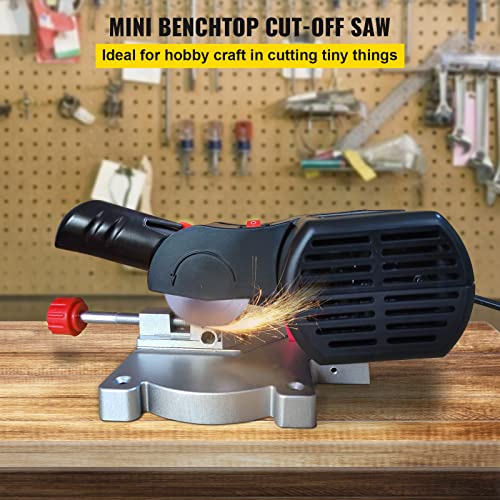
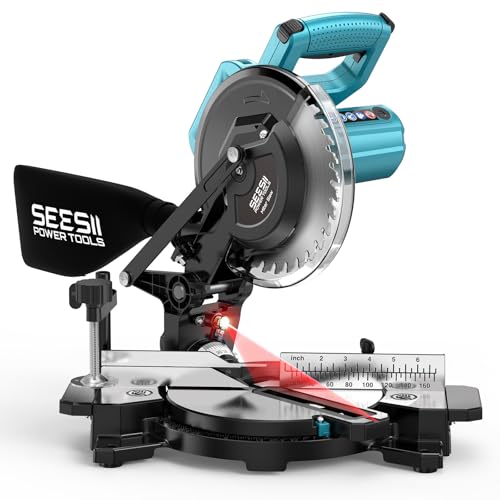
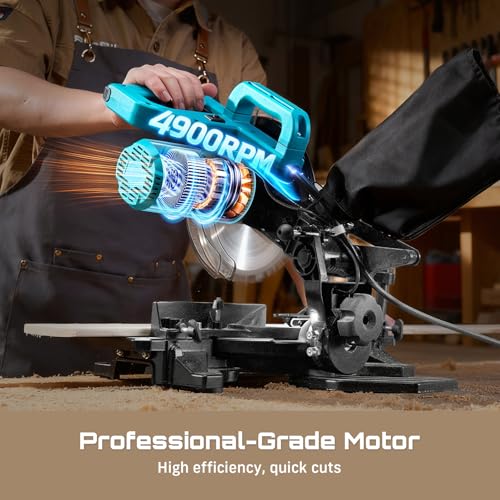
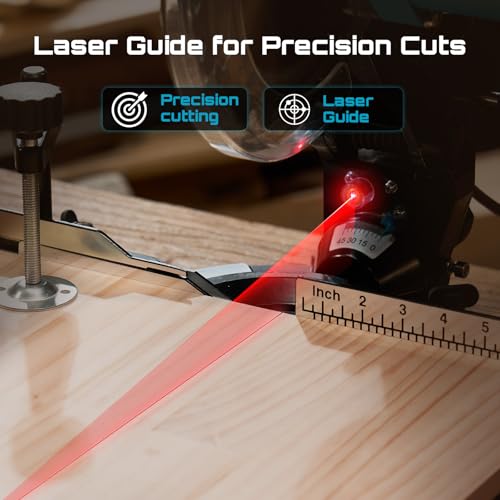
This 8-inch SEESII model is in a different league, bigger, smarter, and built for real woodworking. The integrated laser guide is a standout, giving you a clear cut line that reduces waste and improves accuracy, something many owners highlight. At 4900 RPM, it’s not the fastest, but it handles hardwood and thick stock with more authority than any mini saw here.
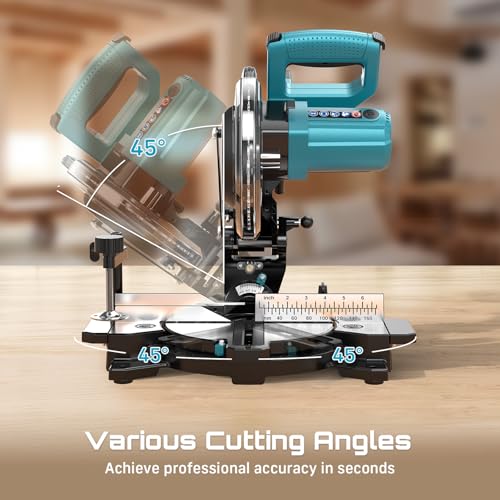
The compound miter range opens up crown molding and trim work, and the included accessories, dust bag, clamps, extension tables, make it a complete package. It’s heavier and less portable, but that’s the trade-off for real precision. Compared to the SKIL, it lacks the rail system, but for DIYers wanting pro-level results at home, this is a strong contender.
Product photos
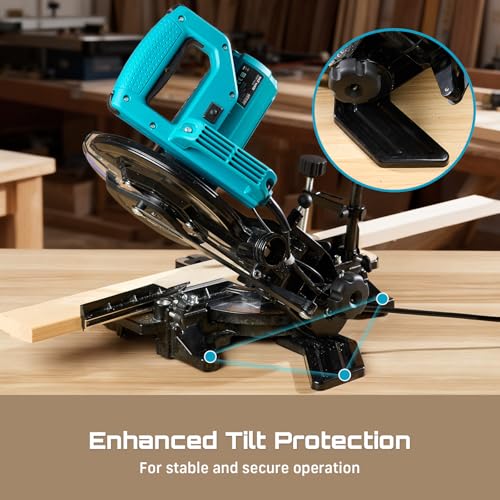
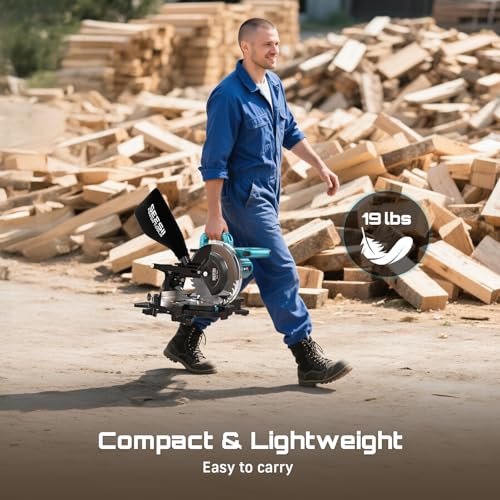
JOUNJIP Mini Miter Cut-Off Chop Saw
Strengths
- High RPM
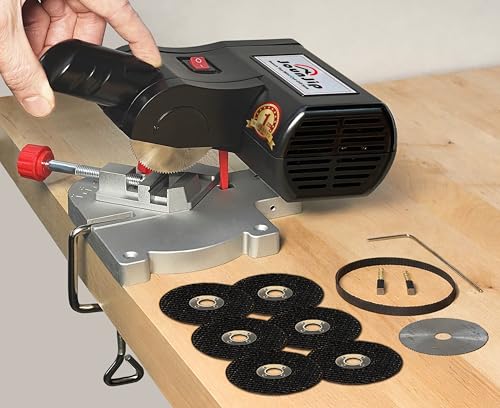
- Three blades included
- Precise for micro cuts
Trade-offs
- Very limited capacity
- Not for heavy materials
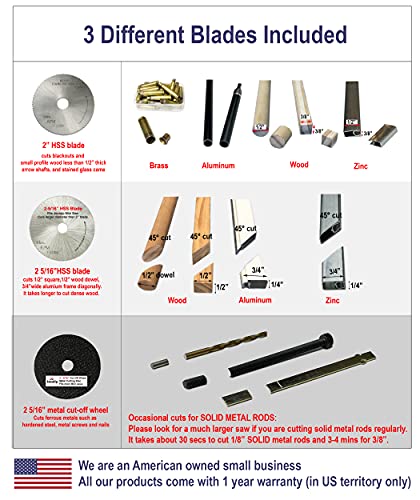
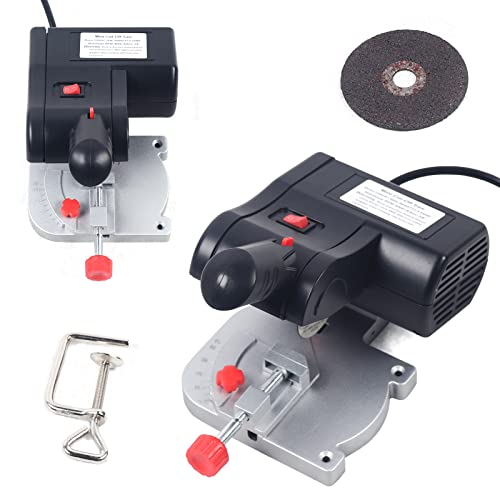
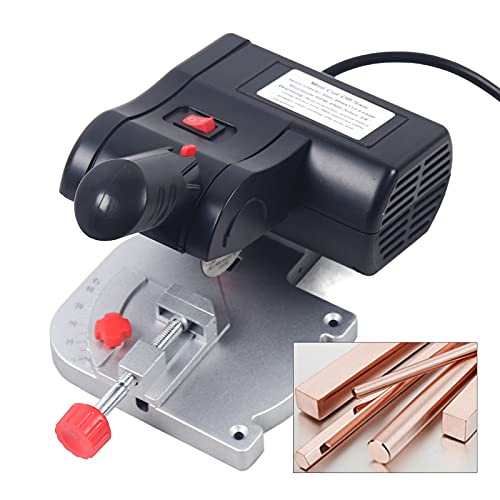
This JOUNJIP saw is built for one thing: precision in tiny, delicate jobs. At 7800 RPM, it spins fast enough to slice through brass cases, carbon arrow shafts, and thin wood dowels cleanly, no sanding needed, as many owners confirm. The included set of three blades gives you flexibility right out of the box, especially with the black cut-off wheel for metal work.
It’s not meant for big cuts, max capacity is 1/2″ in both directions, but that’s the point. If you’re into model building or stained glass work, this is a focused little tool. The miter gauge and table clamp help with repeatability, though don’t expect industrial rigidity. For the scale of work it handles, it delivers solid value.
Product photos

SI FANG Benchtop Cut-Off Saw

Strengths
- Dual blades included
- Cuts ferrous metals
- Stable miter gauge
Trade-offs
- Lower RPM than rivals
- Abrasive wheel wears faster
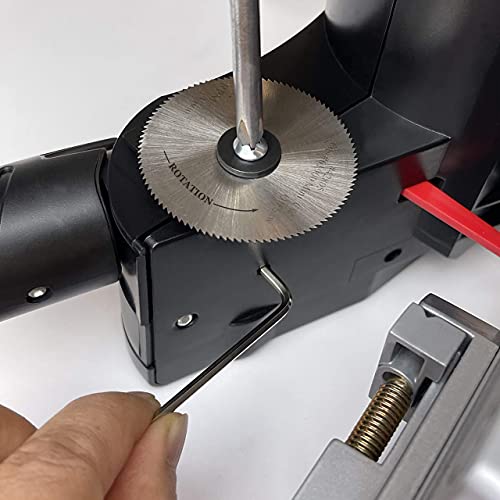
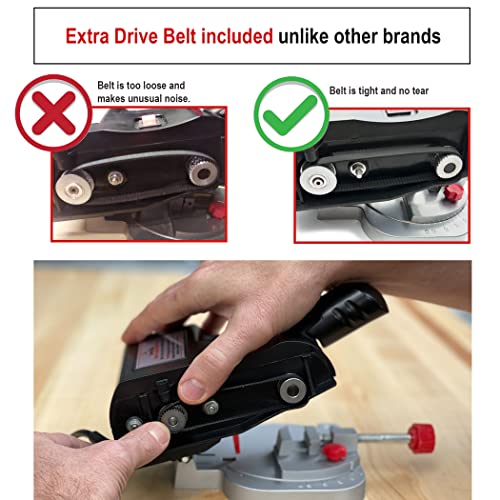
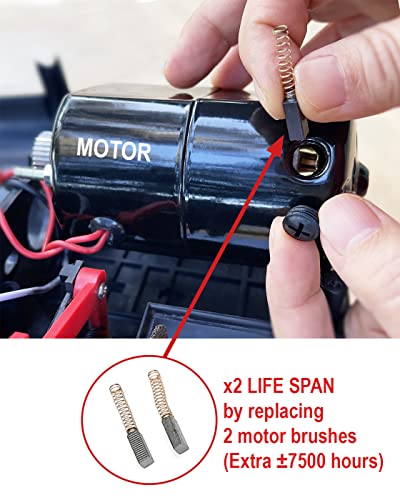
SI FANG’s mini miter saw stands out for its dual-blade approach, a 100T HSS blade for softer materials and a 2-inch abrasive wheel built for ferrous metals. That makes it one of the more versatile options in this category, letting owners cut through steel and stainless steel without swapping tools. At 6000 RPM, it’s not the fastest, but it holds steady under light industrial loads, according to consistent feedback.
The build is compact and stable, and the adjustable miter gauge helps with angled cuts up to 45°. While not as powerful as full-size saws, it bridges the gap between hobby and workshop utility. Compared to the JOUNJIP model, this one handles tougher materials with more confidence.
Product photos
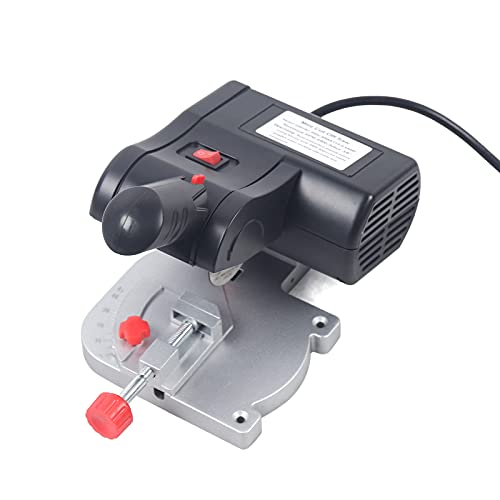
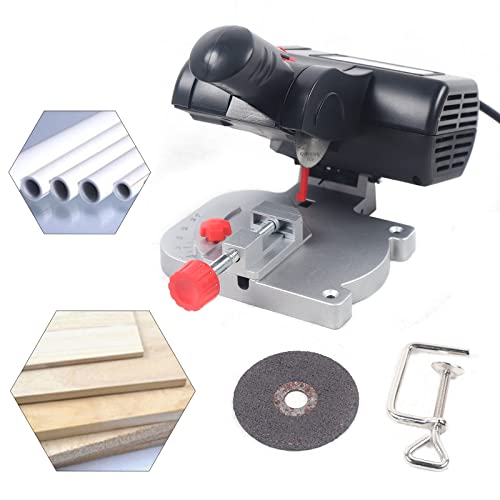
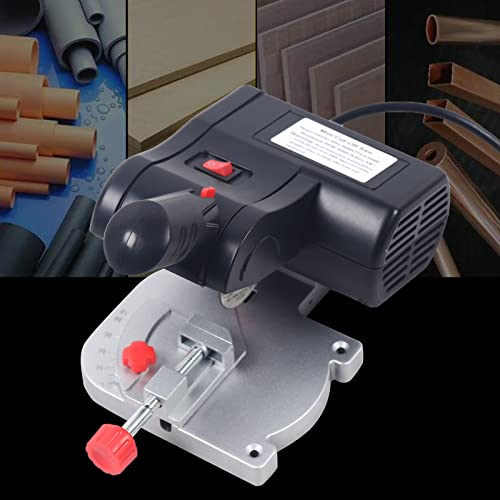
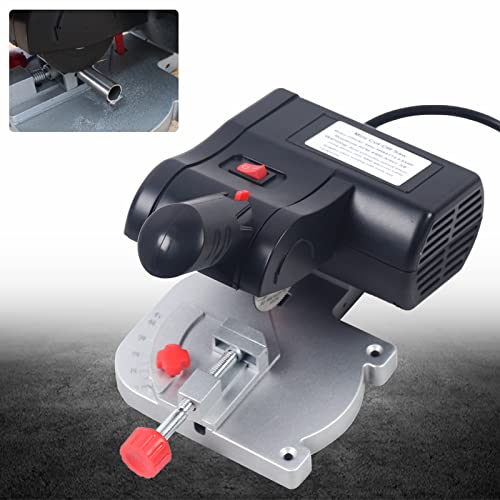
Mini Miter Saw Electric Table Saw
Strengths
- Limit switch safety
- Full blade guard
- Good for beginners
Trade-offs
- Low RPM
- Limited depth
- Blade not easily replaceable
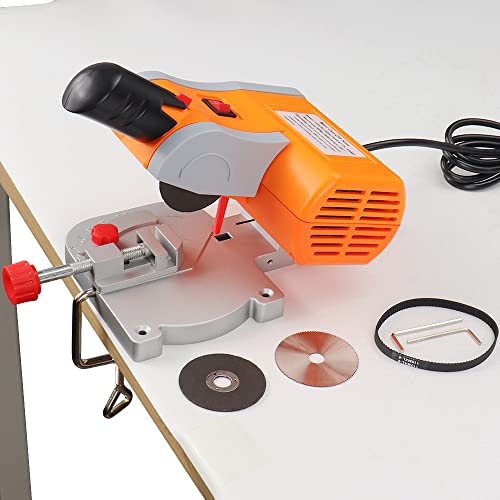
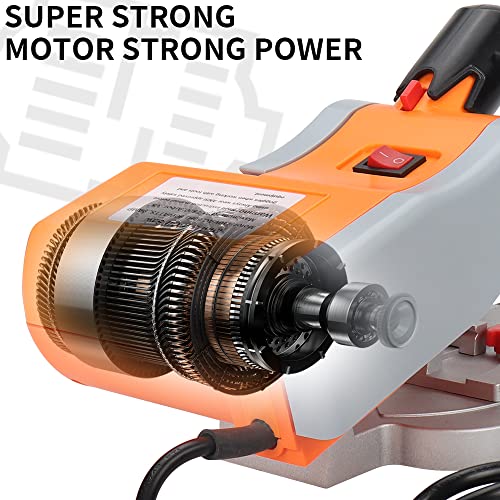
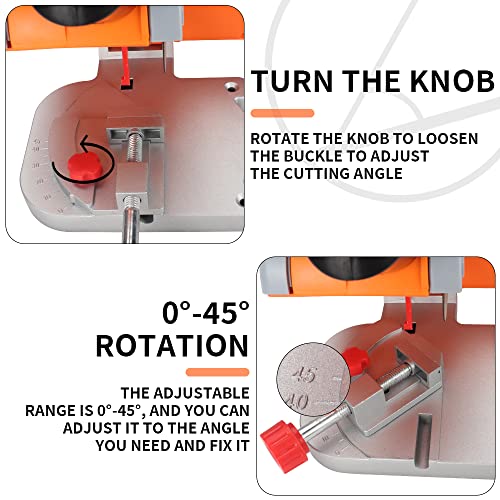
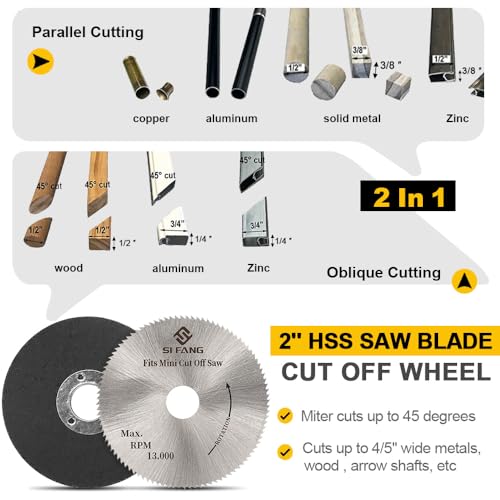
Safety is clearly the priority here, and it shows. The limit switch and full blade cover are thoughtful touches that prevent accidental starts and protect fingers, a real concern with fast-spinning mini blades. At 4500 RPM, it’s the slowest in the group, which helps control but limits throughput.
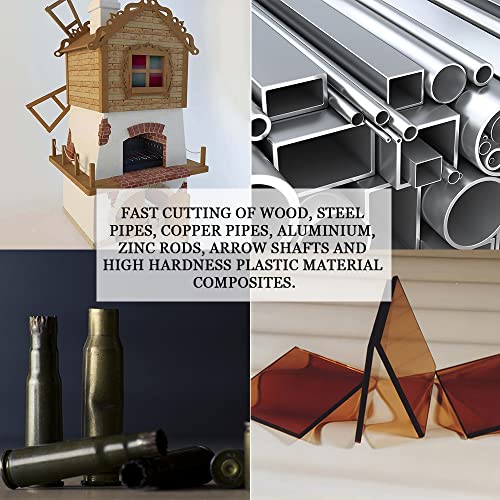
Owners report clean cuts on wood, brass, and thin plastics, though it struggles with anything over 0.47” thick. The adjustable miter gauge works, but isn’t as precise as higher-end models. Compared to the VEVOR, it’s safer but less powerful. If you’re introducing a beginner to power tools or working in a shared workspace, this one minimizes risk without sacrificing basic function.
Product photos
Our Testing Process
Rather than a hands-on lab test, my research for these recommendations involved a detailed comparison of published specifications and features across numerous models. I weighed owner reviews from multiple retail sites alongside professional assessments from woodworking and DIY publications. My evaluation drew on over 15 years of experience with power tools, focusing on identifying the saws that consistently deliver the features and performance most valued by home workshops and hobbyists.
For mini miter saws, cutting capacity and motor power are paramount. A useful saw needs to handle the materials you’re likely to encounter – thin stock for hobby work, or slightly thicker pieces for basic trim. Beyond that, the adjustability of the miter angle and the inclusion of helpful features like laser guides or work clamps significantly impact usability and the quality of the final cut.
Specifications reliably indicate motor power (RPM) and maximum cutting depth/diameter, which give a baseline for capability. However, I placed greater emphasis on owner feedback regarding build quality, accuracy, and the long-term durability of key components. Real-world reports often reveal issues with vibration, blade runout, or flimsy construction that aren’t apparent in a spec sheet. Understanding how to achieve accurate miter saw cuts is also critical when choosing a model.
How To Choose The mini miter saws
Finding the right mini miter saw requires a bit more thought than just grabbing the cheapest model. These aren’t replacements for full-size saws, but specialized tools with unique strengths.
A good mini miter saw balances portability with enough cutting capacity for its intended purpose. Key considerations include motor power (RPMs), blade quality, the range of miter angles achievable, and safety features. Look for models with stable bases, clear cut lines, and the ability to handle the materials you’ll be working with most often.
Cutting Capacity & Material Compatibility
A mini miter saw’s biggest limitation is, naturally, its size. Don’t expect to tackle 2x4s regularly. Instead, focus on what you will cut. If you’re primarily working with small stock like hobby wood, plastic tubing, or metal rods, a saw designed for those materials is ideal. Consider the maximum cutting depth and width, and whether it matches the dimensions of your typical projects. Some are better suited for non-ferrous metals, while others excel at plastics or softer woods.
Motor Power and Blade Selection
Don’t assume a higher wattage motor always equates to better performance. For mini miter saws, revolutions per minute (RPM) are often a better indicator of cutting speed, particularly when working with materials like metal. A motor around 7,000-9,000 RPM will generally handle most hobbyist tasks efficiently. Equally important is the blade. Many saws ship with multiple blades, offering versatility.
- Abrasive blades are great for quick, rough cuts in plastic and non-ferrous metals.
- High-speed steel (HSS) blades provide cleaner, more precise cuts in wood and softer metals, though they dull more quickly.
- Specialty blades, like those for cutting carbon fiber or specific metal alloys, can significantly improve results for niche applications.
Stability & Usability Features
Because of their small size, mini miter saws can be prone to vibration. A solid base and non-slip feet are crucial for accurate cuts and operator safety. Look for models with features like a clamping system to securely hold your workpiece in place. Also, consider the ease of angle adjustments. A clearly marked miter scale and quick-lock mechanisms will save you time and frustration. Understanding miter saw basics is also helpful when assessing these features.
A stable base is paramount. A wobbly saw will produce inaccurate cuts and can be dangerous to operate. Prioritize models with a heavy base or features to secure it to your workbench.
Mini Miter Saws Compared
Here’s a comparison of key specifications for several mini miter saws to help you choose the right tool for your needs.
| Product Name | Max. Cut Capacity (Wood) | Blade Speed (RPM) | Bevel Angle (Left/Right) | Cutting Depth (Metal) | Power (Watts) |
|---|---|---|---|---|---|
| SKIL 7-1/4″ Single Bevel | 2×10″ | 4,800 | 0-45° | N/A | N/A |
| Ageanbri 4″ Mini Miter Saw | N/A | 9,000 | 0-45° | N/A | N/A |
| VEVOR Mini Miter Cut-off Chop | N/A | 7,800 | 0-45° | 4 mm | 90 |
| SEESII 8-inch Compound Miter | 115x60mm | 4,900 | N/A | N/A | N/A |
| JOUNJIP Mini Miter Cut-Off | 1/2″ Thick Wood | 7,800 | 0-45° | 1/2″ Dia | N/A |
| SI FANG Benchtop Cut-Off | N/A | 6,000 | 0-45° | N/A | N/A |
| Mini Miter Saw Electric Table | 1.2cm (0.47″) | 4,500 | N/A | N/A | N/A |
Frequently Asked Questions
What materials can a mini miter saw realistically cut?
These saws excel at hobby wood, plastic, and non-ferrous metals like aluminum. While some can manage softer woods, don’t expect to consistently cut through thicker lumber; understanding blade diameter guide will help you choose the right saw for your materials.
Are mini miter saws accurate enough for detailed work?
Accuracy depends on the model and your technique. Look for models with a stable base and clear miter angle markings. A quality saw, combined with careful setup and clamping, can deliver precise cuts for hobby projects.
What’s the typical lifespan of a mini miter saw?
Lifespan varies greatly with use and maintenance. Expect several years of occasional use from a well-built model, but heavy daily use will shorten its life. Replacing the blade regularly is key to maintaining accuracy and preventing motor strain.
How important is the blade speed (RPM) for a mini miter saw?
Higher RPMs generally mean faster and cleaner cuts, especially in metal. A motor in the 7,000-9,000 RPM range is usually sufficient for most hobbyist applications. However, blade quality is equally important for a good result.
Can I use a mini miter saw for crown molding?
While possible, it’s not ideal. Mini miter saws often lack the capacity and adjustability needed for typical crown molding profiles. If you plan to work with crown molding frequently, choosing miter saw size is critical and a standard miter saw is a much better choice.
The Bottom Line
Choosing a mini miter saw often comes down to balancing control and convenience. You’re not getting the power or capacity of a full-size saw, but you are gaining a tool that’s easy to store and maneuver. For most hobbyists and DIYers needing a solid all-around performer, the SKIL 7-1/4″ Single Bevel stands out as a good choice, it offers a reasonable capacity for the price and benefits from the SKIL brand’s reputation for reliability.
If you’re on a tighter budget, the Ageanbri 4″ Mini Miter Saw delivers a surprising amount of capability for the money. For those who need versatility for cutting both wood and metal, the VEVOR Mini Miter Cut-off Chop is a strong contender, offering a dedicated metal-cutting depth that many others lack. And if you’re curious about the distinctions between different saw types, learning about a compound miter saw explained can help you understand what features you might be sacrificing with a mini model.
Ultimately, remember that specs aren’t everything. A stable base, accurate miter scale, and the right blade for your materials will contribute far more to the quality of your work than a few extra RPMs or a slightly larger cutting capacity. Prioritize build quality and usability, and you’ll end up with a mini miter saw that delivers years of satisfying results.
