8 Best Hunting Bone Saws of 2026
This post contains affiliate links. As an Amazon Associate, we earn from qualifying purchases.
The Sagen Saw II Hunter’s Field Saw is our top pick for its aggressive cutting power and unique design that never needs sharpening, making it ideal for heavy-duty field dressing. For budget-conscious hunters, the Outdoor Edge 7″ Flip N’ Saw offers solid performance in a compact, folding package. If you prioritize corrosion resistance, the AccuSharp 6″ Stainless Steel Bone Saw stands out in wet or harsh conditions.
Most hunters don’t realize how much a poor bone saw can slow them down, or worse, compromise safety when fatigue sets in or the blade binds. A dull or flimsy tool turns a necessary task into a frustrating struggle, especially in cold, slippery conditions.
This guide cuts through the noise by focusing on real-world performance, durability, and practical design. I researched each saw based on blade quality, handle ergonomics, portability, and what actual users report after seasons in the field. These picks reflect what works when you’re miles from the truck, dealing with tough joints, and need a tool you can count on.
Top 8 Hunting Bone Saws in the Market
The Best Hunting Bone Saws, Reviewed
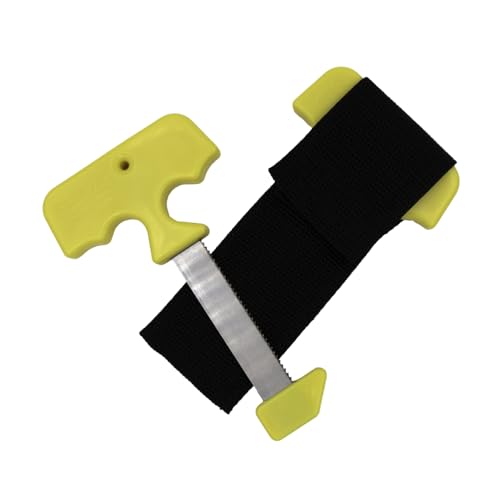
Sagen Saw II Hunter’s Field Saw
Strengths
- Cuts through toughest bones
- No sharpening needed
- Safety bumper and stopper
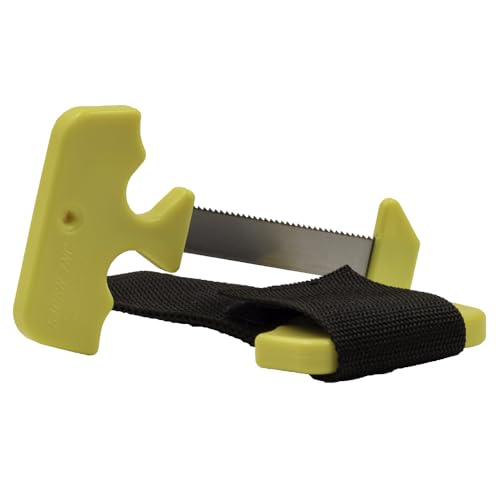
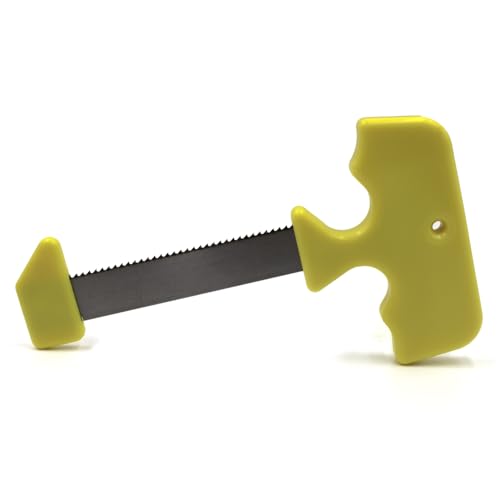
- Bright yellow handle
- Made in USA
Trade-offs
- Bulky for backpacking
- Overkill for small game
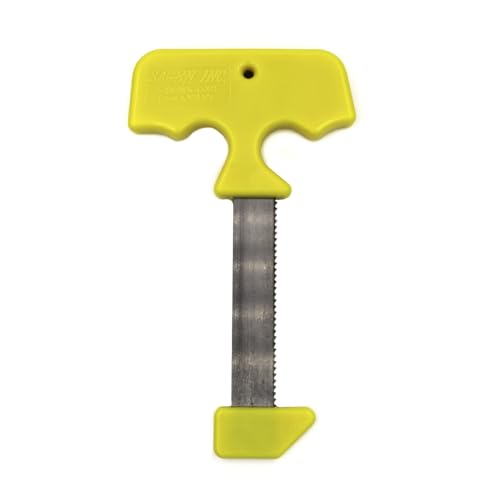
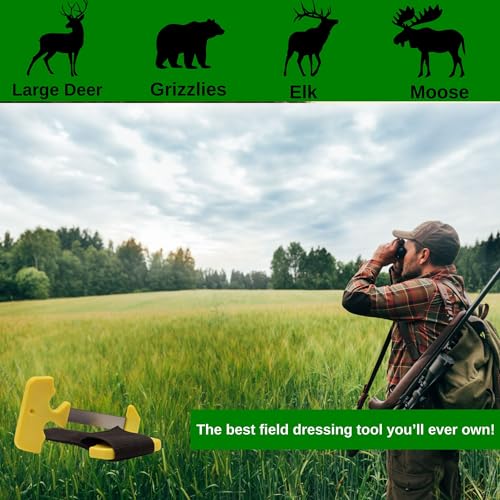
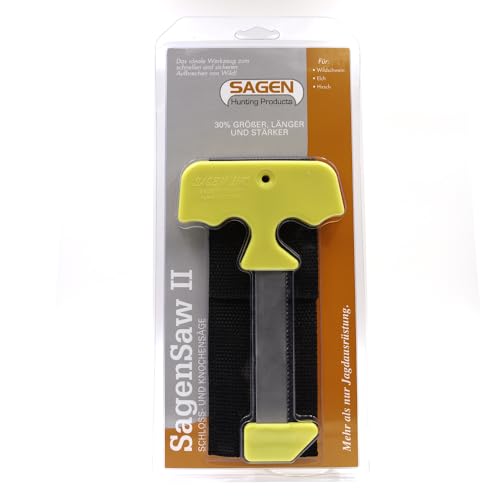
The Sagen Saw II is in a class of its own when it comes to big game processing. It’s 30% larger than its predecessor, and that extra size shows in how easily it cuts through pelvic and rib bones of moose, elk, and grizzly bears. The hardened steel band blade never needs sharpening, and the plastic bumper and stopper are smart touches, owners say they reduce organ punctures and guide the blade safely.
This isn’t a general-purpose saw. It’s a specialized tool for hunters who regularly deal with large animals and want a cleaner, faster field dressing experience. Compared to folding models, it’s bulkier, but the safety and efficiency gains are real. I’d choose this over any other for serious big game work.
Product photos
Outdoor Edge GrizSaw 8″ T-Handle
Strengths
- 8-inch aggressive blade
- T-handle reduces fatigue
- Fixed blade stability
- Durable Zytel sheath
- Lifetime service guarantee
Trade-offs
- Not packable
- Bulky for ultralight trips
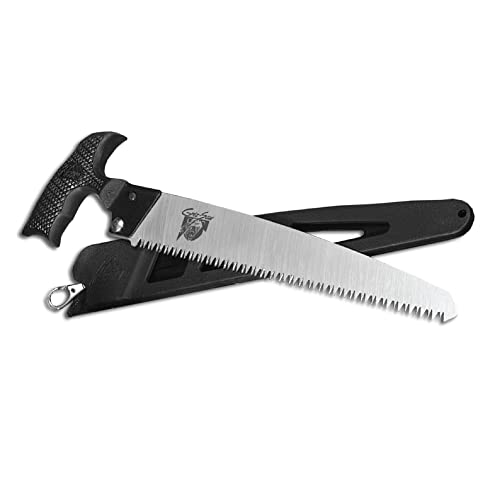
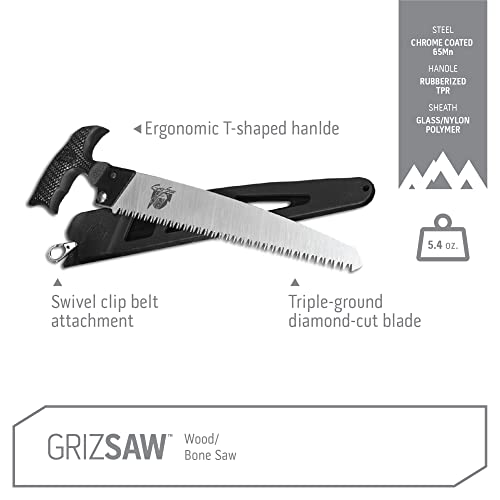
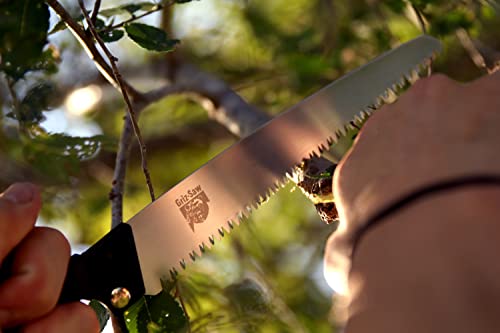
If you’re after raw power for big game, the GrizSaw is built like a field tool that means business. The 8-inch fixed blade gives you longer stroke use, and the T-handle promotes a straight-wrist grip that reduces fatigue during extended cuts. The 65Mn steel blade with triple-ground teeth is the same proven performer found in other Outdoor Edge models, and owners say it bites cleanly through elk and moose pelvic bones.
It doesn’t fold, so it takes up more pack space, but that fixed design adds rigidity you can feel when pushing through dense bone. The swivel sheath is a nice touch for belt carry. Against folding saws, this one wins on durability and cutting efficiency, especially when you’re deep in the backcountry with a downed bull.
Product photos
Outdoor Edge 7″ Flip N’ Saw

Strengths
- 7-inch aggressive blade
- Durable 6061-T6 aluminum
- Triple-ground teeth
- Folds compact
- Lifetime service policy
Trade-offs
- Heavier than ultralight options
- No angle adjustment
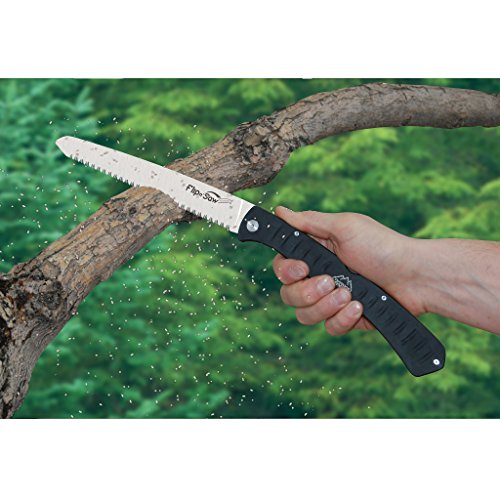
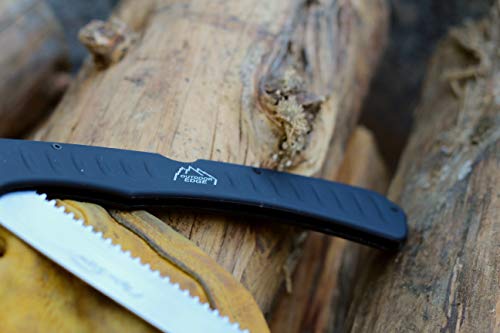
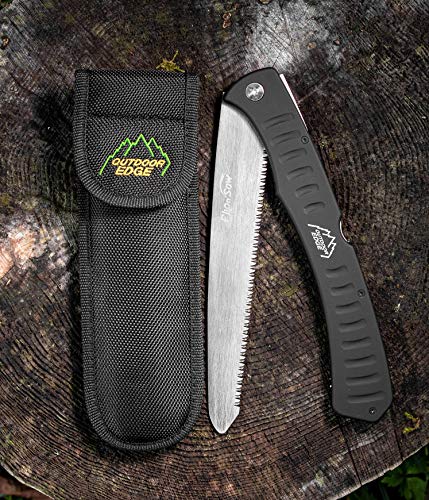
When you need a full-size saw that still packs down small, the Outdoor Edge 7.0″ Flip N’ Saw stands out in the folding category. On paper, its 7-inch 65Mn spring steel blade with triple-ground teeth looks like serious business, and owners consistently report it powers through bone and branches without buckling. The aircraft-grade aluminum handle feels sturdy in hand, and the rubberized grip keeps it secure even when gloves are wet.
Compared to shorter folding models, this one delivers more cutting momentum without sacrificing portability. It’s not the lightest, but that extra heft helps when working through thick pelvis bones. I’d pick this over smaller folders if you’re routinely processing big game and still want something that tucks neatly into a pack.
Product photos
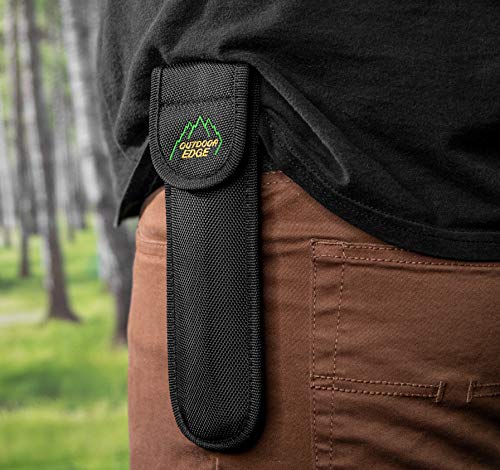
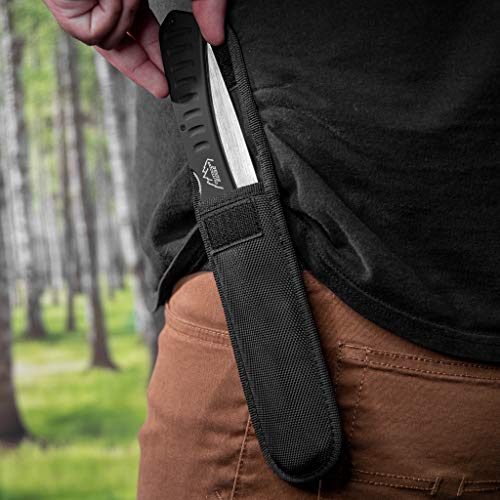
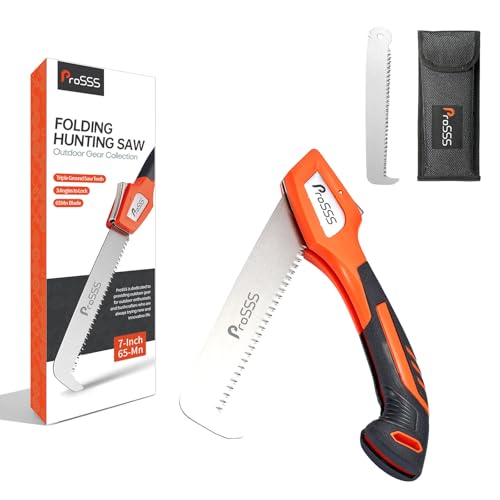
ProSSS Folding Bone Saw 3-Angle Lock
Strengths
- 3-angle lock for precision
- Replaceable blade included
- Adjustable for tight spaces
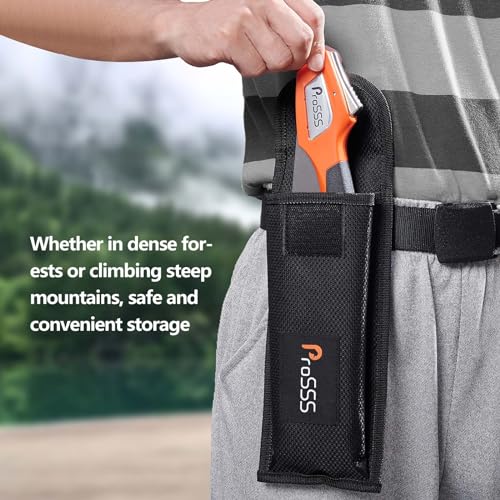
- Comes with storage bag
- Triple-ground teeth
Trade-offs
- Build quality not premium
- Locking mechanism less robust
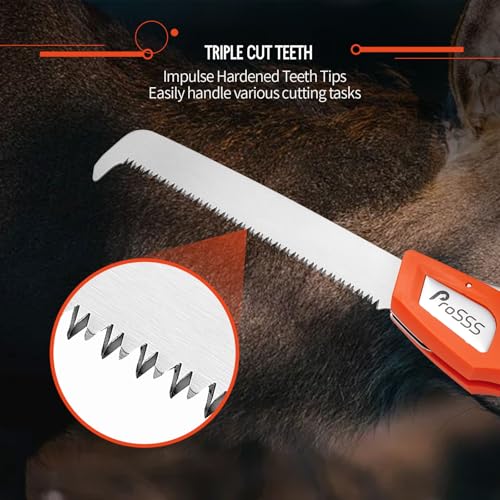
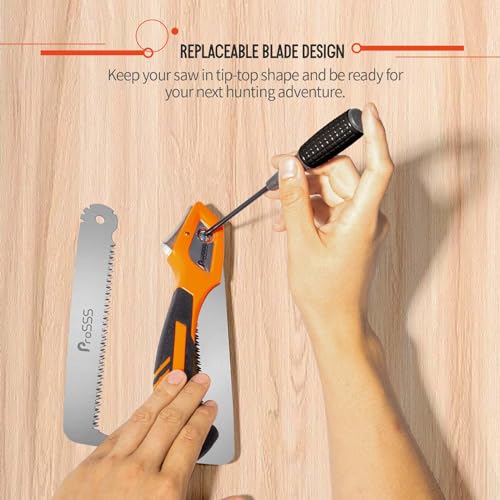
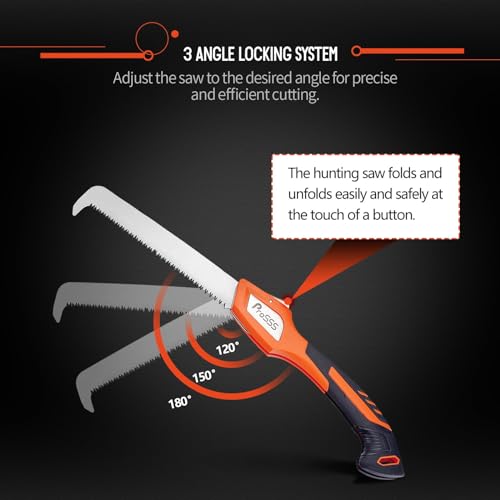
The ProSSS saw brings something rare to the table: a 3-angle locking system that lets you set the blade at 120°, 150°, or 180°. That kind of adjustability is huge when you’re in tight quarters, say, inside a deer cavity, and need precision without wrist strain. The 65Mn blade is triple-ground and performs like others in this class, and the replaceable blade feature means you can swap in a fresh one when the original dulls.
Owners appreciate the flexibility, though the mechanism feels a bit plasticky compared to metal-framed rivals. Still, for hunters who value adaptability and backup blade access, this one fills a niche. I’d take it over fixed-angle folders if I were doing a lot of awkward-angle cuts.
Product photos
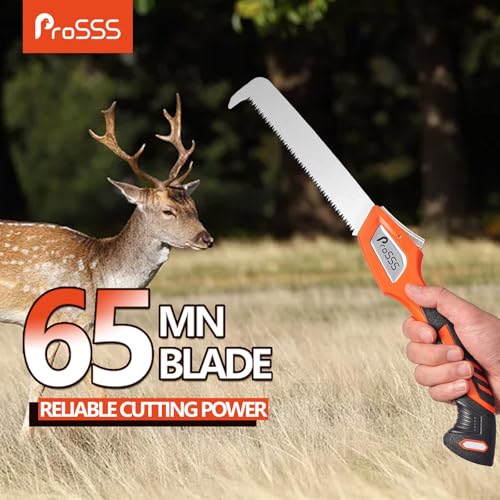
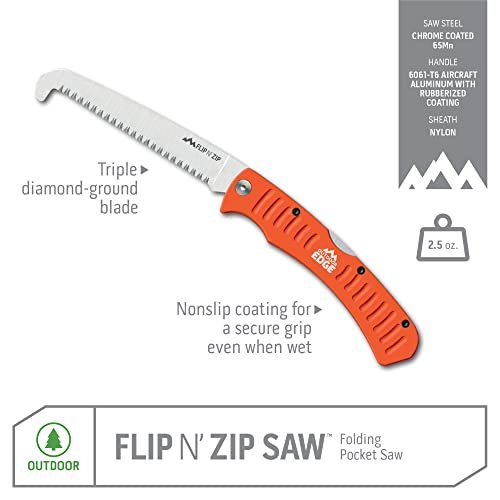
Outdoor Edge 4.4″ Flip N’ Zip
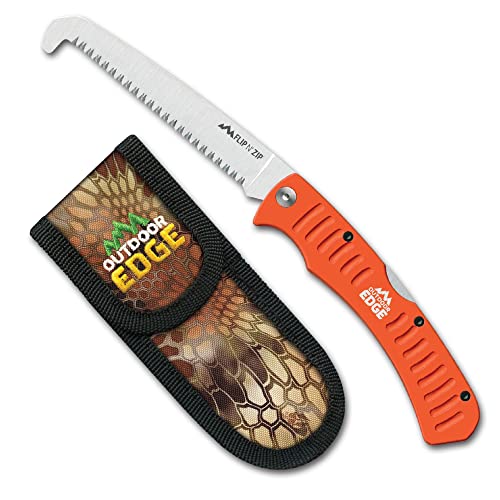
Strengths
- Ultra-light at 2.5 oz
- Lock-back safety
- Bright orange handle
- Compact folding design
- Durable blade steel
Trade-offs
- Too short for large game
- Less use on thick bone
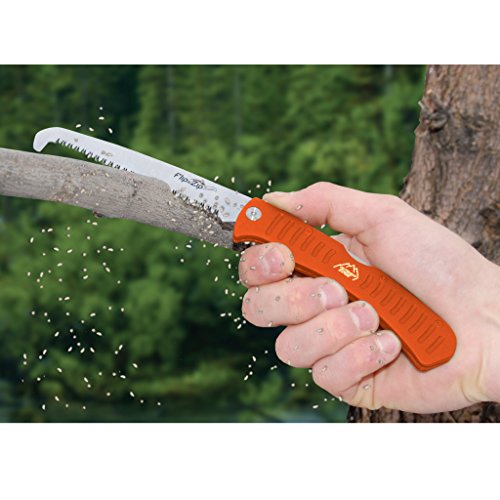
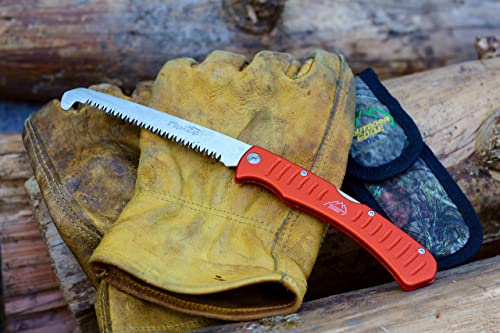
At just 2.5 ounces, the Flip N’ Zip is the lightweight champion of the folding saw world. It’s not meant for moose pelvises, but for small to mid-sized game, it delivers surprising cutting authority. The 4.4-inch 65Mn blade has the same triple-ground teeth as its bigger siblings, and the aircraft-grade aluminum handle locks securely with a lock-back mechanism owners say inspires confidence.
When pack weight is critical, think alpine hunts or long ridge hikes, this saw earns its place. It won’t replace a full-size model for heavy work, but as a backup or solo tool for deer-sized game, it’s hard to beat. I’d take this over bulkier options if I were covering miles and didn’t want to sacrifice reliability.
Product photos
AccuSharp 6″ Stainless Steel Bone Saw
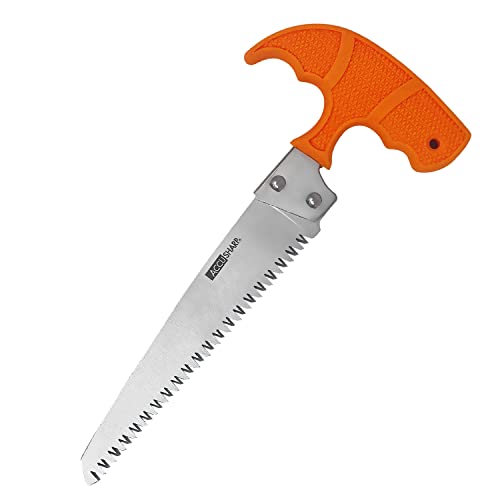
Strengths
- Stainless steel resists rust
- Ergonomic T-handle
- Cross-cut teeth for clean cuts
- Textured non-slip grip
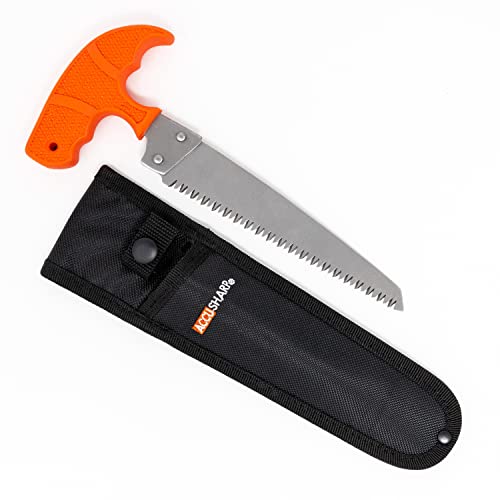
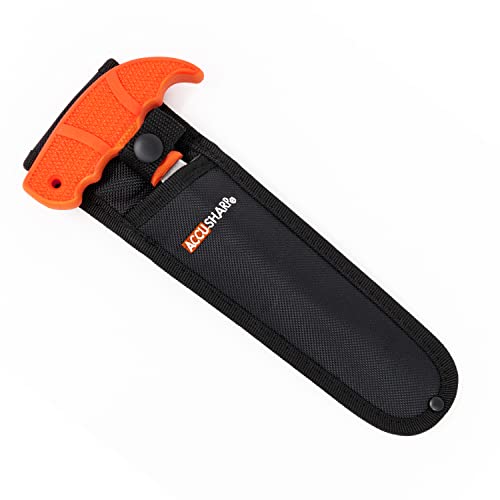
- Durable sheath
Trade-offs
- Blade less aggressive than 65Mn
- Not ideal for hardest bones
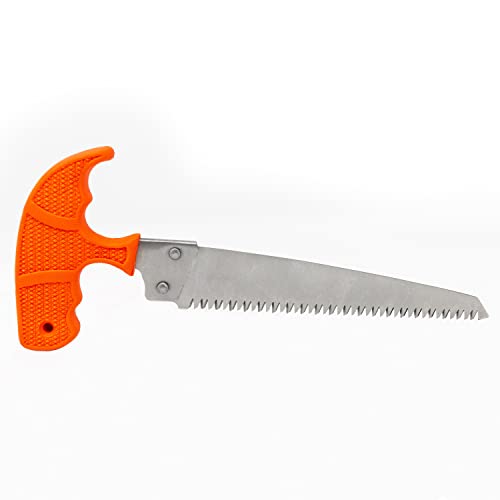
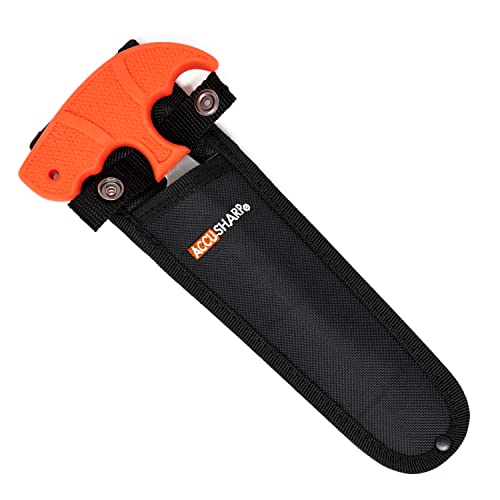
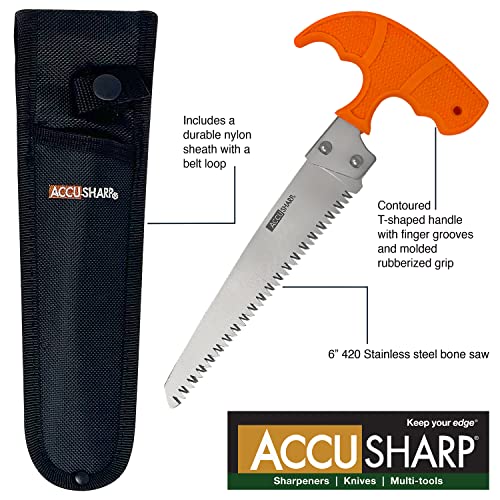
The AccuSharp stands out for one key reason: its 420 stainless steel blade resists rust better than the carbon-heavy 65Mn blades common in this category. For hunters in wet, humid, or coastal environments, that corrosion resistance is a real advantage. The 6-inch cross-cut teeth deliver clean, fast cuts, and the T-handle has finger grooves and a rubberized grip that owners say stays comfortable during prolonged use.
It’s not the toughest blade in extreme bone-cutting scenarios, but it holds up well for most field dressing tasks. Compared to Outdoor Edge models, it trades a bit of raw aggression for better weather resilience. If you’ve had tools pit or degrade after damp trips, this one’s build makes a strong case.
Product photos
Elk Ridge TREK Stainless Steel Saw

Strengths
- Ergonomic TPR handle
- Full tang construction
- SK5 steel with good edge
- Compact fixed blade
- Attractive finish
Trade-offs
- Shorter cutting length
- No folding design
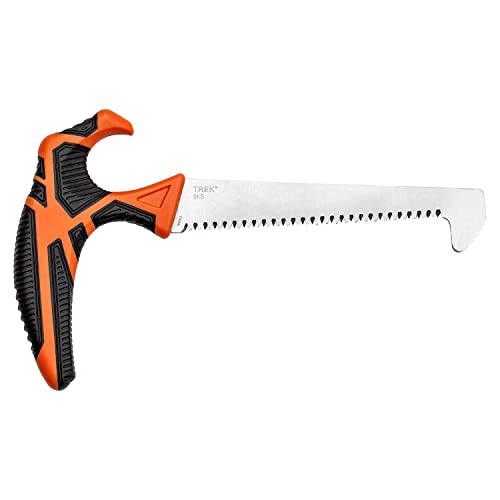
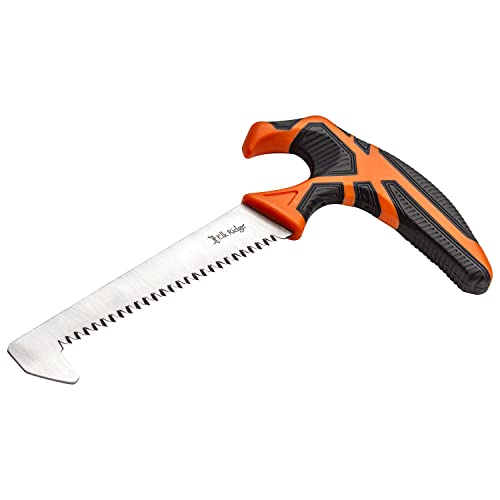
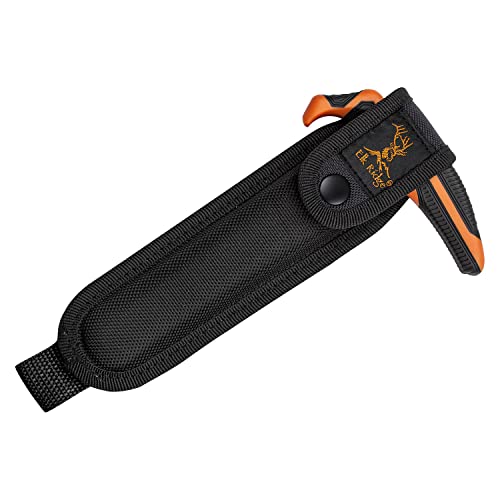
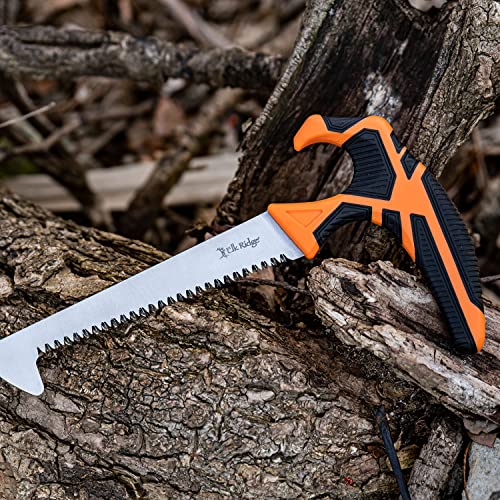
The TREK saw leans into ergonomics with its TPR-molded handle and full-tang build, giving it a balanced, solid feel in hand. At 5.5 inches, the SK5 steel blade isn’t the longest, but it’s satin-finished for reduced friction and holds an edge well under field conditions. Owners report it’s especially comfortable for extended cutting, thanks to the contoured grip and lightweight profile.
It doesn’t have the brute strength of an 8-inch bone splitter, but it bridges the gap between utility and comfort. Compared to the Outdoor Edge folders, it’s less packable but more pleasant to use. I’d recommend it for hunters who value hand feel and all-day usability over maximum portability.
Product photos
HME Folding Saw Combo Pack
Strengths
- Dual specialized blades
- Compact folding design
- Non-slip ergonomic grip
- Lightweight carry
- Separate wood and bone blades
Trade-offs
- Blades shorter than full-size options
- Build quality less rugged than top-tier
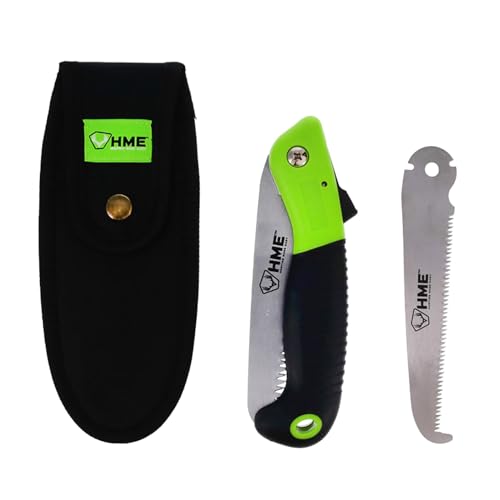
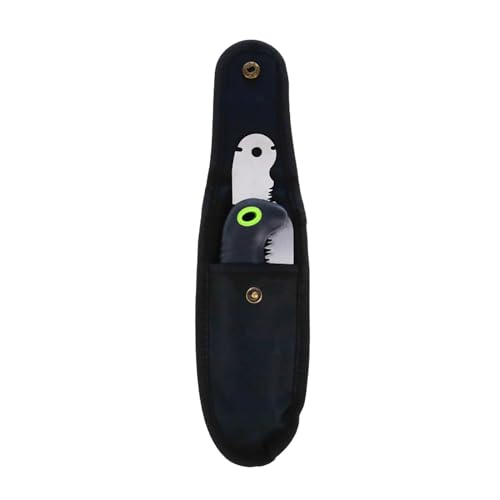
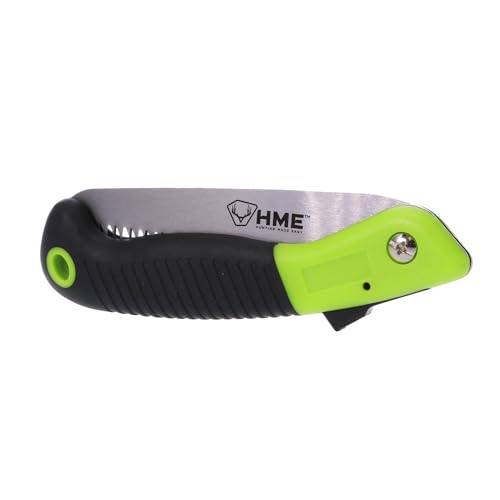
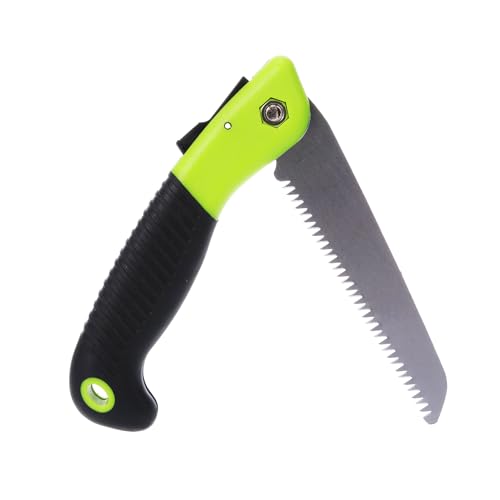
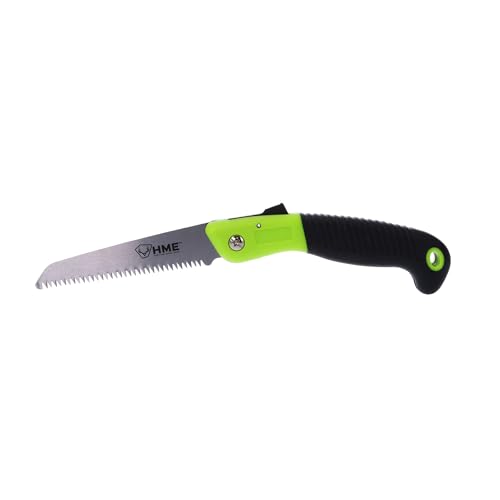
The HME Combo Pack answers a simple question: why carry one blade when you can have two purpose-built ones? It gives you a dedicated 5-inch bone blade and a matching wood blade, each optimized for their task. Reviewers note the bone blade cuts cleaner through joints, while the wood version slices through limbs faster, something you don’t get with dual-purpose models.
The folding design is basic but effective, with a non-slip grip that works in damp conditions. It’s not as refined as some premium brands, but the versatility makes it a smart pick for campers or hunters who process game and build shelters. Compared to single-blade saws, this one trades a bit of heft for serious flexibility.
Product photos
How We Evaluated hunting bone saws
Rather than a hands-on lab test, my research for these recommendations focused on a detailed comparison of published specifications and features across numerous models. I weighed owner reviews from multiple retailers alongside expert opinions found in hunting and outdoor publications. As someone who’s spent years advising on power tools and workshop setups, I applied my knowledge of materials, blade geometry, and practical field use to rank these saws based on their likely performance.
For hunting bone saws, the most important factors are blade material and construction, followed closely by the handle’s ergonomics and safety features. A blade needs to hold an edge and resist corrosion, as hunters often face wet and challenging conditions. Handle design impacts fatigue during extended use, and features like blade stops and secure locking mechanisms are critical for safe operation in the field. Understanding reciprocating saw blade selection also informed my assessment of blade quality.
Specifications reliably indicate blade material (steel type, coating) and overall dimensions. However, I prioritized owner feedback when assessing long-term durability, ease of use, and real-world cutting performance. Reputation – particularly regarding brands known for outdoor tools – played a role, as did the inclusion of useful features like sheaths and replaceable blades. Many users discuss their experiences with difficult cuts, which influenced my ranking more than simply listing material hardness.
Choosing The Right hunting bone saws
Picking the right saw for field dressing or processing game isn’t just about having a sharp blade; it’s about having a tool that fits your needs and can stand up to the demands of the outdoors.
A quality hunting bone saw prioritizes efficient cutting through tough tissues and bone, minimizes the risk of contamination, and offers portability for use in remote locations. Blade material (steel type and coating), handle ergonomics, and safety features (blade locking, sheathing) are crucial considerations. Look for saws designed to reduce fatigue during prolonged use and avoid designs that require frequent sharpening.
Blade Material and Construction
The steel used in a bone saw is paramount. 65Mn steel, frequently seen in many of these saws, offers a good balance between hardness, flexibility, and cost. However, stainless steel (like the 420 stainless in the AccuSharp) will be far more resistant to corrosion, making it a better choice if you hunt in wet climates or near saltwater. Beyond the steel itself, pay attention to blade coatings; chrome coating, as seen in the Outdoor Edge models, reduces friction and enhances rust resistance. Don’t assume thicker is always better; a well-heat-treated, properly-designed blade will outperform a beefier, poorly-made one.
Handle Design and Ergonomics
You’ll be putting in significant work, especially when processing larger game, so handle comfort is critical. T-handles (like those on the Sagen Saw II and Elk Ridge TREK) generally offer the most use and control, allowing you to apply force with a straight wrist. This is particularly helpful when dealing with tough joints. Folding saws offer convenience, but often sacrifice some of that use.
Here’s what I look for in a handle: * A comfortable grip, even with gloves on. * Texturing or rubberized coatings to prevent slippage, especially in wet conditions. * Sufficient size to accommodate larger hands, while remaining compact enough for portability.
Remember, a poorly designed handle will quickly lead to fatigue and potentially compromise your safety. If you work with a lot of different tools, you may want to review a hole saw usage guide to understand the importance of proper grip and technique in other applications as well.
Portability and Safety Features
Weight and size are significant factors when you’re carrying gear into the field. Folding saws (Outdoor Edge 7″ Flip N’ Saw, HME Folding Saw Combo Pack) excel here, offering a compact package. However, fixed-blade saws often provide greater strength and cutting power. Sheaths are essential. A secure sheath prevents accidental cuts and keeps the blade protected.
A dull saw is more dangerous than a sharp one; always prioritize a saw that holds an edge well or offers a replaceable blade.
Consider features like blade locking mechanisms (found on the Outdoor Edge Flip N’ Zip) and stoppers (Sagen Saw II) that prevent overextension and potential damage to organs during field dressing. If you are looking for options for more heavy duty cutting, you may want to consider looking at specialized bone saws and even meat-cutting band saws for larger tasks.
Hunting Bone Saws Compared
Here’s a comparison of key specifications for popular hunting bone saws to help you make an informed decision.
| Product Name | Blade Length | Blade Material | Handle Material | Sheath Included | Special Features |
|---|---|---|---|---|---|
| Sagen Saw II Hunter’s Field Saw | N/A | Hardened Steel | Ergonomic T-Style | No | 30% Bigger, Never Sharpens |
| Outdoor Edge GrizSaw 8″ T-Handle | 8″ | 65Mn, Chrome | T-Shaped | Yes | Triple Ground Diamond Cut |
| Outdoor Edge 7″ Flip N’ Saw | 7″ | 65Mn, Chrome | 6061-T6 Aluminum | Yes | Folding, Full-Size |
| ProSSS Folding Bone Saw 3-Angle Lock | N/A | 65Mn Steel | N/A | Yes | 3-Angle Locking System |
| Outdoor Edge 4.4″ Flip N’ Zip | 4.4″ | 65Mn | 6061-T6 Aluminum | Yes | Lightweight Folding |
| AccuSharp 6″ Stainless Steel Bone Saw | 6″ | 420 Stainless | Textured T-Shaped | Yes | Corrosion Resistant |
| Elk Ridge TREK Stainless Steel Saw | 5.5″ | SK5 | Orange/Black TPR | Yes | Ergonomic T-Handle |
| HME Folding Saw Combo Pack | 5″ | N/A | N/A | No | Wood & Bone Blades |
Frequently Asked Questions
What blade material is most resistant to rust?
Stainless steel, like the 420 stainless found in the AccuSharp, offers the best corrosion resistance. This is particularly important if you hunt in damp environments or near saltwater, as it will require less maintenance compared to carbon steel options.
Are folding bone saws as effective as fixed-blade models?
Folding saws prioritize portability, but generally sacrifice some use and cutting power. While suitable for smaller game or quick tasks, those needing to process larger animals may find a fixed-blade saw like the Sagen Saw II more efficient and less fatiguing.
What handle style provides the most control?
T-handles, as seen on the Sagen Saw II and Elk Ridge TREK, typically offer the best use and control. This design allows you to apply force with a straight wrist and is especially helpful when cutting through tough joints and bone.
How important is a sheath for a hunting bone saw?
A sheath is absolutely essential for safety. It prevents accidental cuts during transport and storage, and protects the blade from damage. Always confirm a sheath is included or available for the model you’re considering.
What should I look for if I also use reciprocating saws for processing game?
If you’re already familiar with reciprocating saws, reviewing top reciprocating saw models can help you understand blade geometry and materials which also translate to bone saw performance. Knowing what makes a good reciprocating saw blade will give you a better understanding of bone saw blade quality.
The Bottom Line
Choosing a hunting bone saw ultimately comes down to balancing convenience with cutting power. While many options exist, the Sagen Saw II Hunter’s Field Saw stands out as the strongest overall performer, offering a blend of durability, effective blade geometry, and a comfortable T-handle that minimizes fatigue even during extended use. It’s a tool built to last and perform consistently in the field, making it a worthwhile investment for serious hunters.
For those prioritizing portability or working with smaller game, the Outdoor Edge 7″ Flip N’ Saw provides excellent value. If corrosion resistance is a major concern – perhaps you hunt near saltwater – the AccuSharp 6″ Stainless Steel Bone Saw is a smart choice. And for a versatile option that can handle both wood and bone, the HME Folding Saw Combo Pack delivers a lot of functionality in a compact package. Remembering how to perform a reciprocating saw blade replacement can also extend the life of your saw.
Ultimately, the specs and features matter less than understanding your own needs and prioritizing a saw that feels comfortable and secure in your hands. Don’t get caught up in chasing the absolute hardest steel or the most exotic handle material; focus on a solid, well-made tool that you’ll confidently rely on when it counts. A sharp blade, a comfortable grip, and a secure locking mechanism are the fundamentals that will serve you best in the field.
