8 Best Horizontal Band Saws of 2026
This post contains affiliate links. As an Amazon Associate, we earn from qualifying purchases.
The JET 9″ x 16″ Metal Cutting Band Saw is the best overall for serious metalworkers who need maximum capacity and durability, while the KAKA INDUSTRIAL 7×12″ stands out as a solid budget-friendly option without sacrificing essential features like variable speed and a coolant system.
If you’re cutting metal regularly, a horizontal band saw isn’t just convenient, it’s a necessity for clean, repeatable cuts. Most buyers struggle to balance capacity, power, and price, often ending up with a machine that’s either underpowered or overkill for their needs.
This guide cuts through the noise by focusing on real-world performance indicators: cutting capacity, motor reliability, blade speed control, and build quality. I looked at specs, owner feedback, and brand reputation to find models that deliver consistent results without constant maintenance or frustration.
Top 8 Horizontal Band Saws in the Market
The Best Horizontal Band Saws, Reviewed
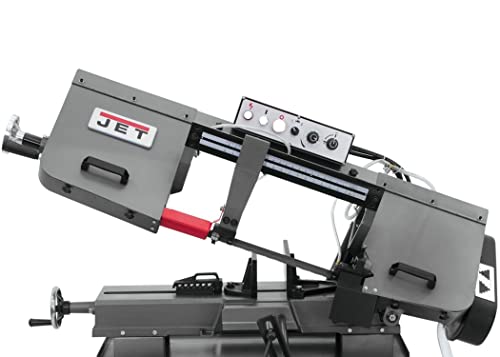
JET 9″ x 16″ Metal Cutting Horizontal Band Saw
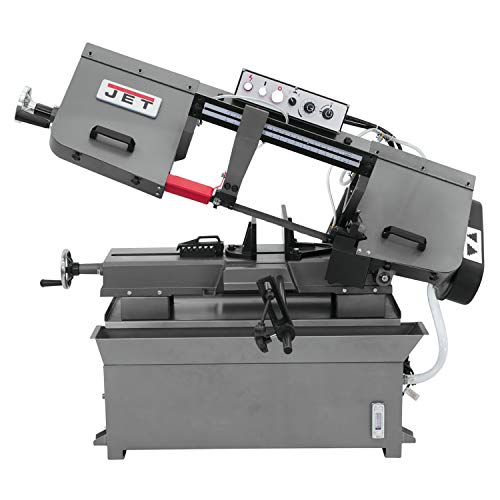
Strengths
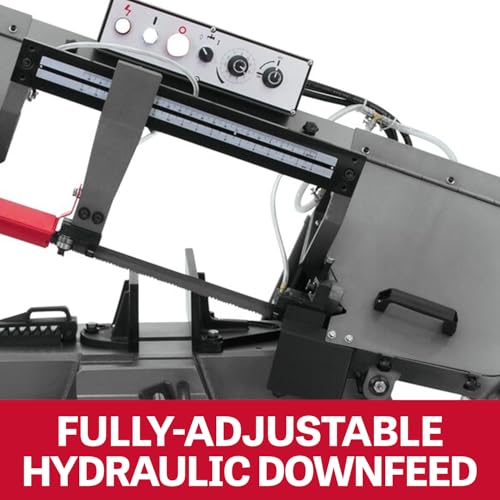
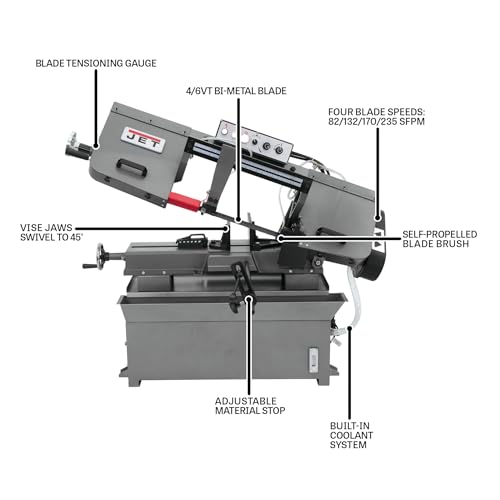
- Hydraulic downfeed
- 1.5HP dual-voltage motor
- Carbide blade guides
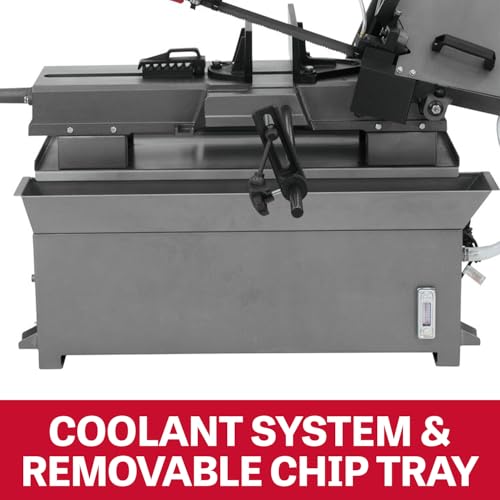
- Built-in coolant system
- Oversized chip tray
Trade-offs
- Higher price point
- Heavier, less mobile
- No vertical cutting mode
This JET HBS-916 is the one I’d recommend if you’re looking for the most balanced mix of power, precision, and long-term reliability. The 1.5HP motor and hydraulic downfeed are the real stars here, owners report smooth, consistent pressure that minimizes blade wear and delivers clean cuts even on dense alloys. The carbide blade guides with double-row bearings keep alignment tight over time, which is critical for maintaining accuracy.
It’s not the cheapest, but it feels built like a workhorse. The oversized chip tray and self-cleaning blade brush are small touches that make cleanup easier week after week. Compared to the smaller JET models, this one handles larger billets without hesitation, and it edges out the KAKA 9-inch model with better guide support and a more refined feed system.
Product photos

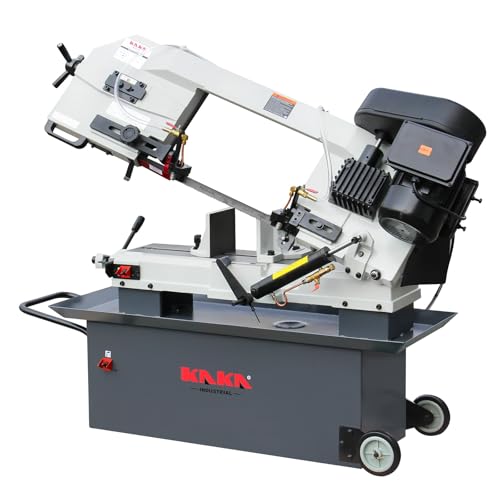
KAKA INDUSTRIAL 9″ Metal Horizontal Band Saw
Strengths
- 9-inch cutting capacity
- Hydraulic feed
- 4-speed operation
- Dual voltage
- Automatic shut-off
Trade-offs
- Motor slightly underpowered
- No vertical cutting
- Freight delivery needed
If you need to cut large stock regularly, the BS-912B’s 9-inch round capacity makes it stand out. The 1.1kW motor may sound weaker on paper than 1.5HP units, but in real-world use, the 4-speed system and hydraulic feed compensate well. It’s designed for shops that cut thick billets or large-diameter pipe and need clean, burr-free results.
Reviewers note the miter accuracy is solid, thanks to the quick-release 0-45° vise, and the automatic shut-off adds a layer of safety during long runs. Compared to the JET 9×16, it lacks some refinement in blade guidance, but it’s often priced lower, making it the better value if raw capacity is your priority.
Product photos
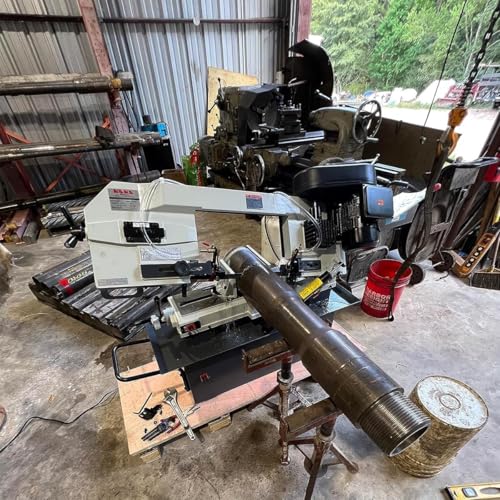
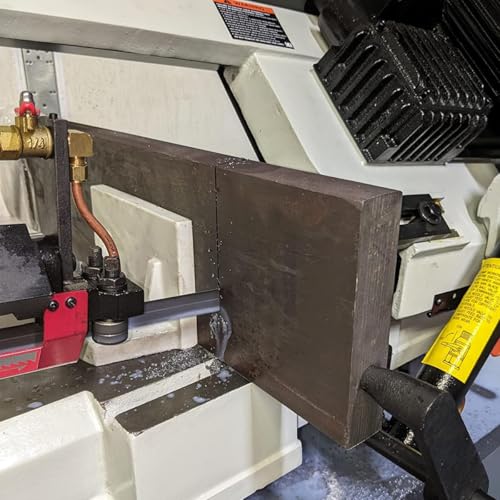
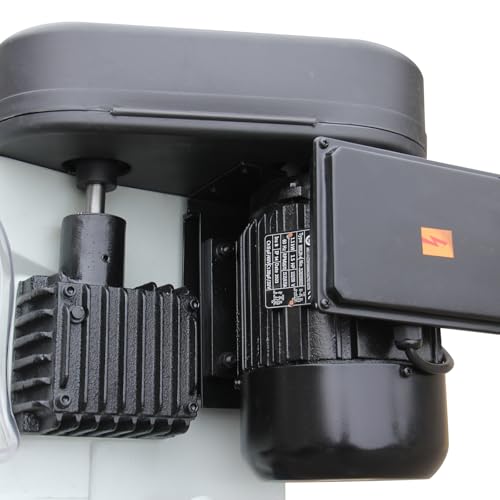
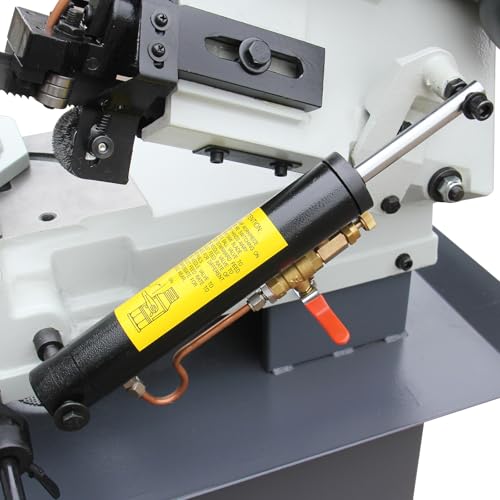
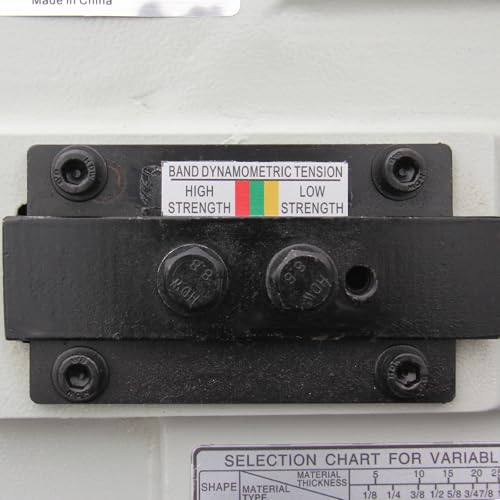
KAKA INDUSTRIAL 7″ x 12″ Metal Band Saw
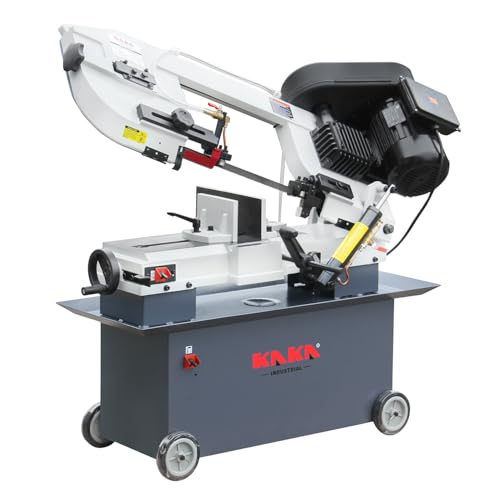
Strengths
- Hydraulic feed
- 4-speed control
- Dual voltage
- Swivel base
- Coolant system
Trade-offs
- No included blades
- Freight delivery required
- Not for vertical cutting
The BS-712N is nearly identical to the other 7×12 KAKA model but with a more refined hydraulic feed and a stronger emphasis on professional use. The 4-speed control lets you dial in the perfect FPM for stainless, aluminum, or structural steel, and the swivel base adds real versatility for pipe mitering and frame fabrication.
Owners appreciate the built-in coolant and automatic shut-off, which extend blade life and improve safety. While it doesn’t include multiple blades like the B01824B86A, it feels more focused on consistent, repeatable cuts. For a shop that needs reliability over bells and whistles, this is a smarter pick than the entry-level VEVOR or compact JET models.
Product photos
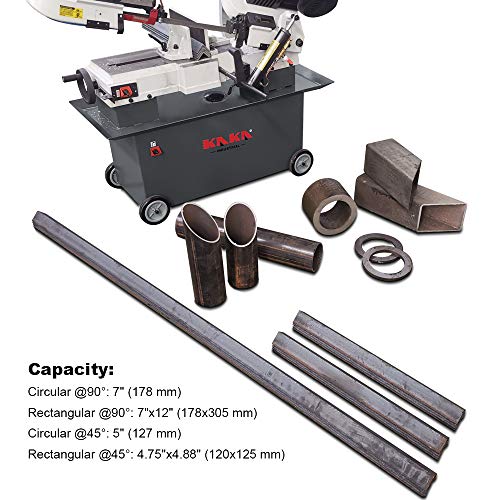

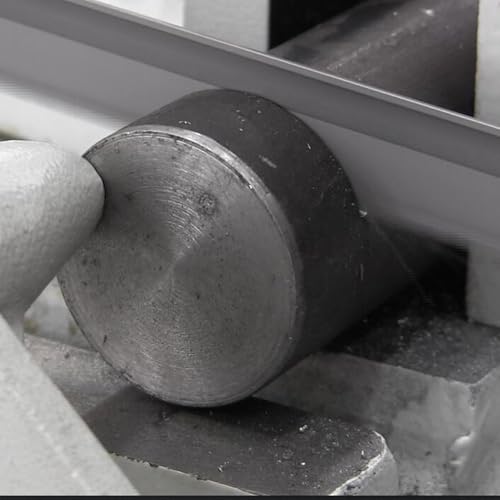
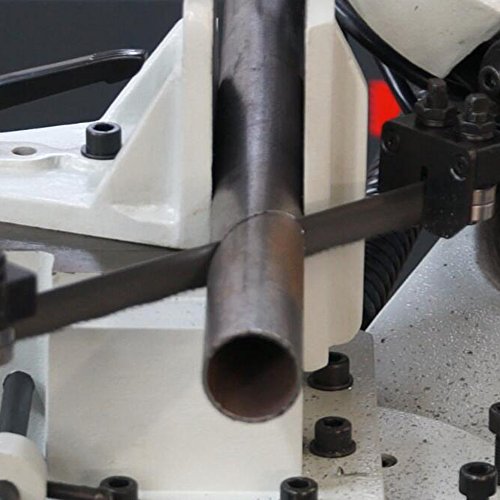

KAKA INDUSTRIAL 7×12″ Horizontal Band Saw
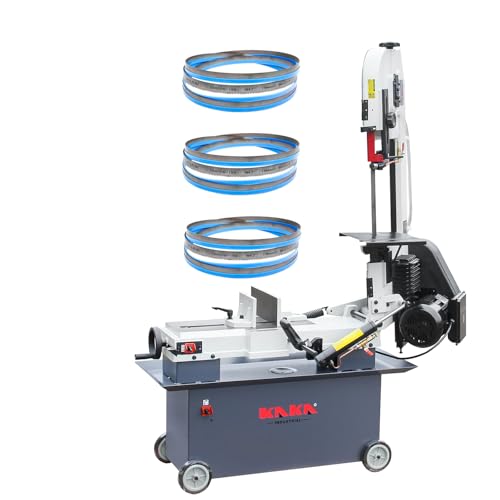
Strengths
- 1.5HP dual-voltage motor
- Includes three blades
- 4-speed control
- Vibration-damping base
- Integrated coolant system
Trade-offs
- Clamping pressure could be better
- Bulky delivery requires liftgate
- No automatic shut-off
With a 1.5HP motor and three included bi-metal blades, this KAKA model delivers real value right out of the gate. The 4-speed pulley system gives you proper control over FPM for different metals, which matters when you’re cutting everything from soft aluminum to hardened steel. That kind of adjustability is usually reserved for pricier industrial units.
The heavy-duty cast iron base and dual-column frame help reduce vibration, and reviewers note noticeably straighter cuts on angle iron and pipe compared to budget-tier saws. The swivel vise is a solid feature for securing odd-shaped stock, though some owners mention the clamping force could be stronger on thick I-beams. Still, for the price, it punches above its weight.
Product photos

JET 7″ x 12″ Deluxe Metal Cutting Band Saw

Strengths
- Dual-position cutting
- Toolless quick-lock vise
- Cast iron blade wheels
- Coolant system included
- CSA/CUS certified
Trade-offs
- Lower horsepower than competitors
- No hydraulic feed
- Limited cutting capacity vs larger models
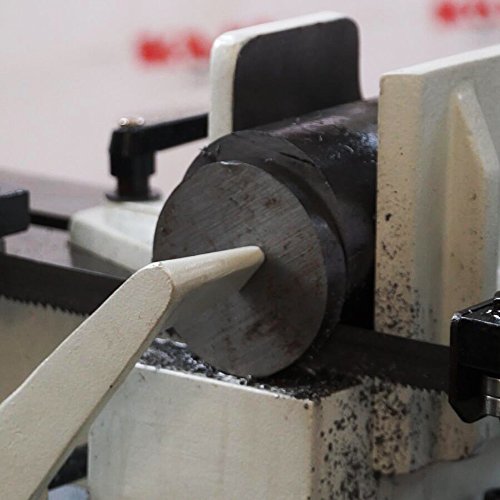
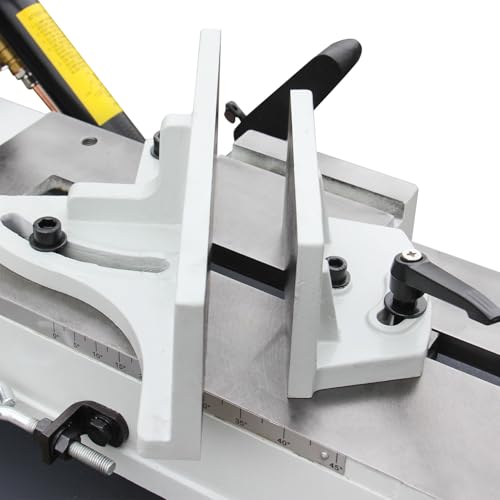
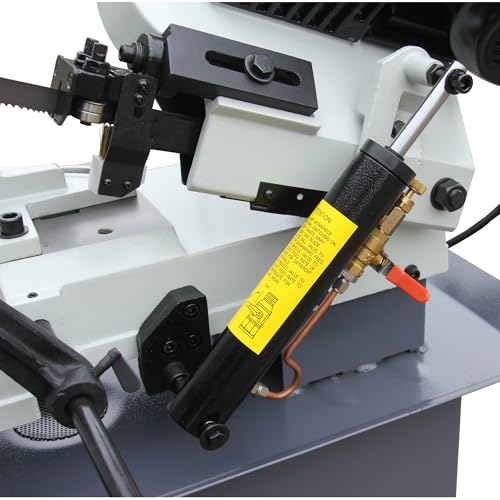
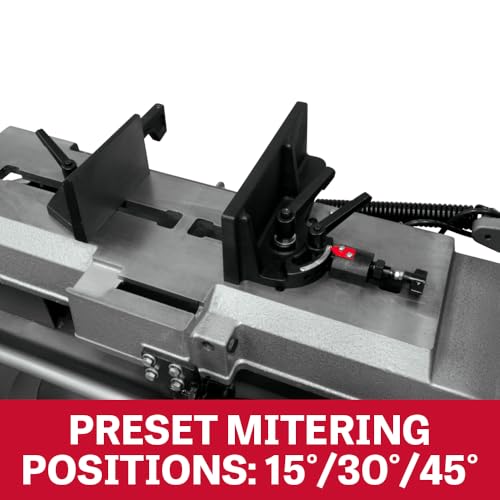
The JET HVBS-712D stands out in a crowded field by offering true dual-position functionality without sacrificing rigidity. Its ability to switch between horizontal and vertical cutting is more than a gimmick, it’s a real workshop time-saver for anyone handling varied stock shapes. The toolless vise with preset angles is a smart touch, making repeat miter cuts faster, and the cast iron wheels suggest long-term durability under regular use.
Owners consistently report clean cuts on steel and aluminum, especially when using the coolant system properly. While it’s not the most powerful saw here at 3/4 HP, the balance of precision, flexibility, and build quality makes it a strong contender for serious DIYers and small shops that need adaptability. It holds its own against higher-horsepower models when cutting smaller billets.
Product photos
VEVOR 7″ x 12″ Metal Horizontal Band Saw

Strengths
- Low cost
- Dual voltage
- Variable speed
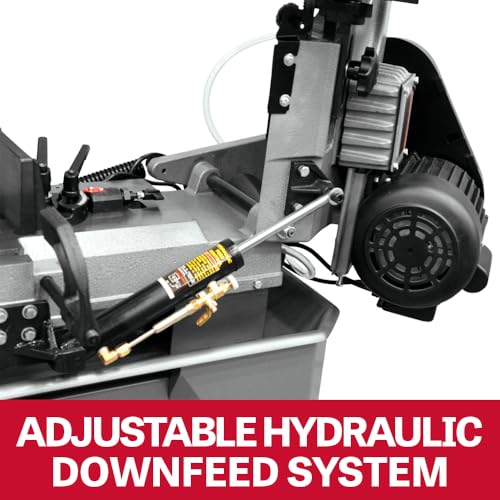
- Hydraulic downfeed
- Automatic shut-off
Trade-offs
- Less cutting power
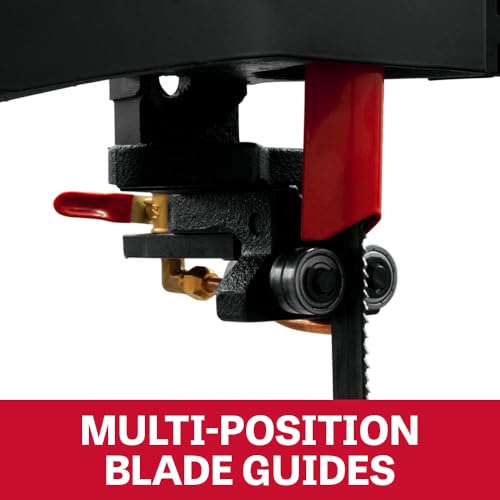
- Basic blade guide system
- Plastic components in guard
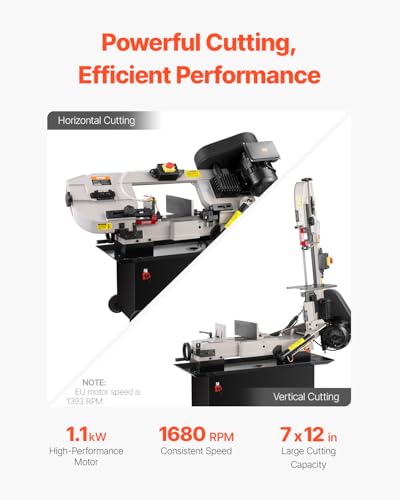
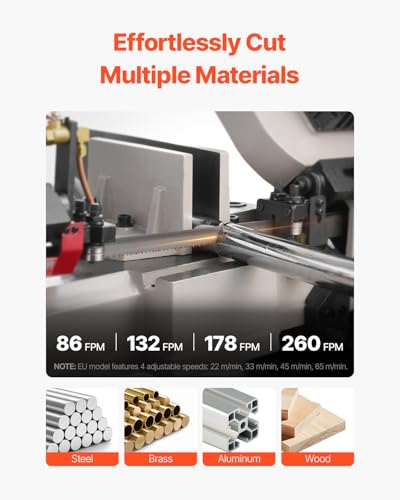
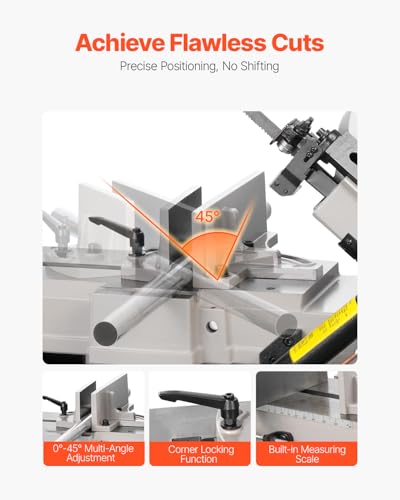
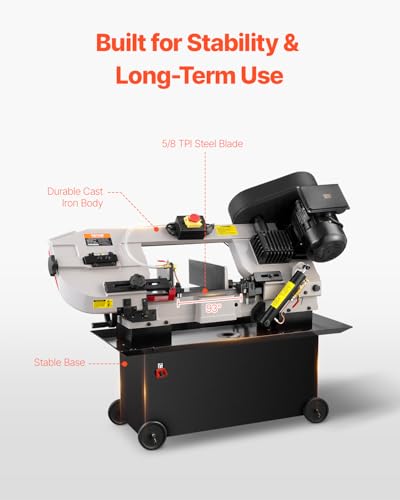
The VEVOR 7×12 saw is clearly positioned as a budget-friendly option, and it delivers basic functionality without major compromises. The 1.1kW motor isn’t as strong as the 1.5HP units, but it’s enough for light to moderate cutting of steel, aluminum, and even wood or plastic as needed. The variable speed pulley gives you some control, and the manual fine-tuning helps stabilize the blade during angled cuts.
I see a lot of owners praising its value for occasional use, especially in mixed-material shops. But the hydraulic downfeed is less refined than on JET or KAKA models, and the cast iron base, while decent, doesn’t dampen vibration as well. It’s a “get the job done” tool, good for beginners or side projects, but don’t expect it to keep up with daily industrial use.
Product photos
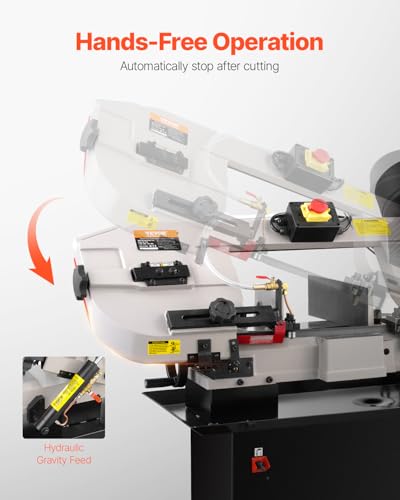
JET 5″ x 6″ Metal Cutting Band Saw

Strengths
- Compact size
- Three-speed motor
- Auto shut-off
- Easy to move
- CSA certified
Trade-offs
- Low power for heavy metal
- No coolant system
- Small cutting capacity
If bench space is tight, the JET HVBS-56 is a smart compact option that doesn’t completely sacrifice features. It offers the same horizontal/vertical flexibility as its bigger sibling but in a footprint that fits on smaller benches. The 1/2 HP motor is adequate for light-duty work, think small rods, tubing, or hobbyist projects, but it’s not going to power through thick stock quickly.
Owners like the auto shut-off and easy mobility thanks to large wheels and a handle. The three-speed motor helps match blade speed to material, though the lack of coolant and hydraulic feed limits its use for anything beyond intermittent cutting. It’s a niche pick, but a good one if you’re building a compact workshop.
Product photos
HQHAOTWU 110V Bench Top Bandsaw
Strengths
- Quiet operation
- Portable design
- Tilting vise
- Work light included
- Low noise
Trade-offs
- Very limited cutting capacity
- No coolant system
- Not for heavy metals
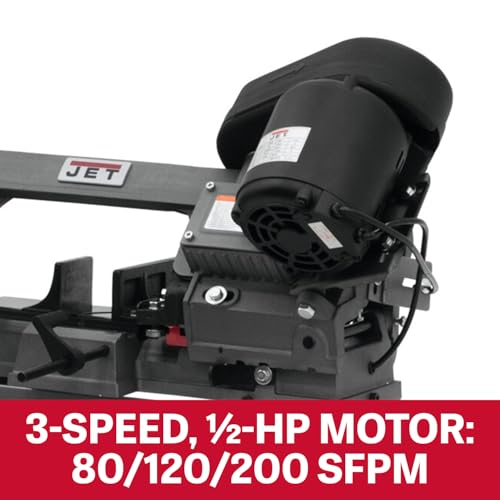
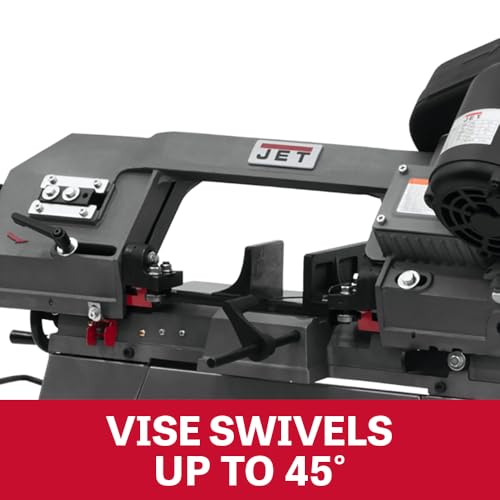
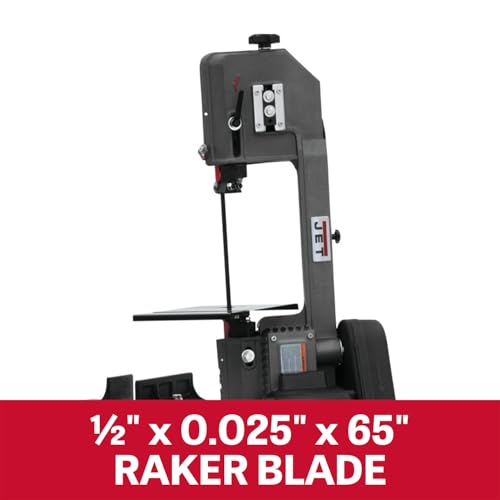
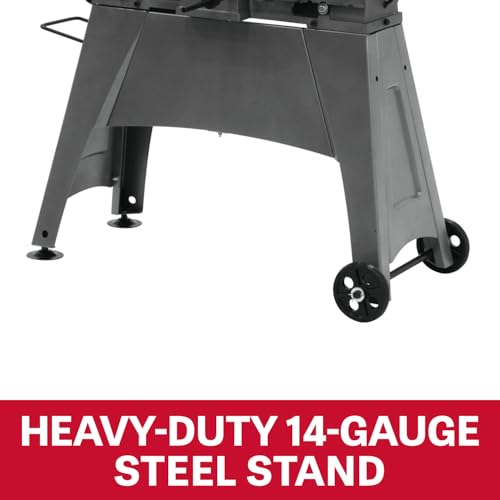
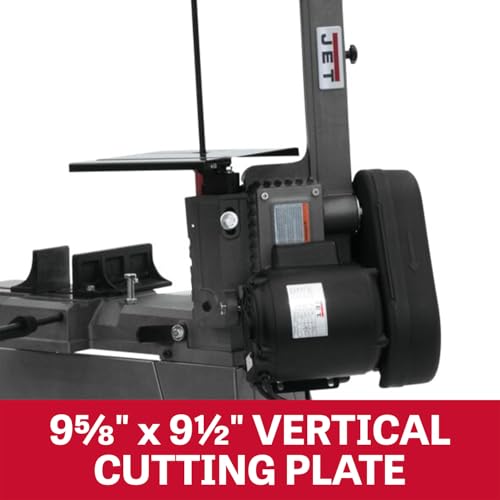
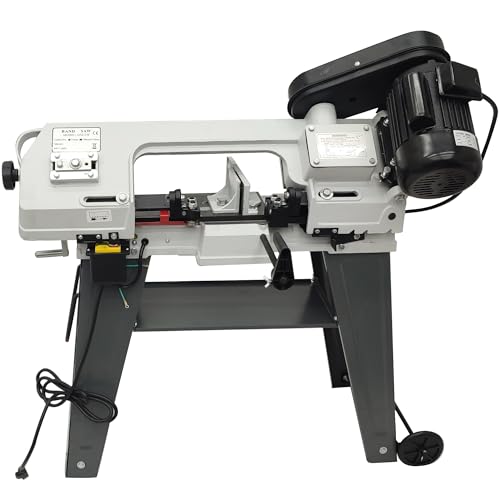
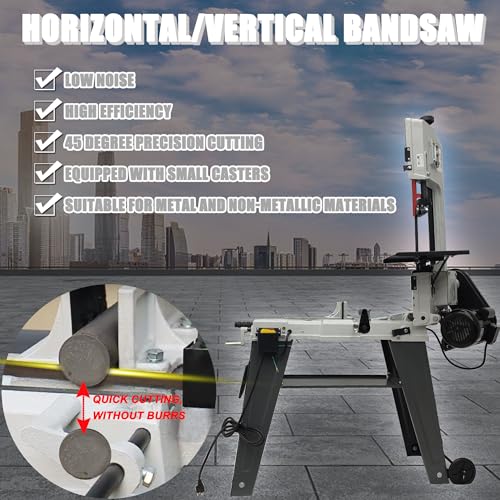
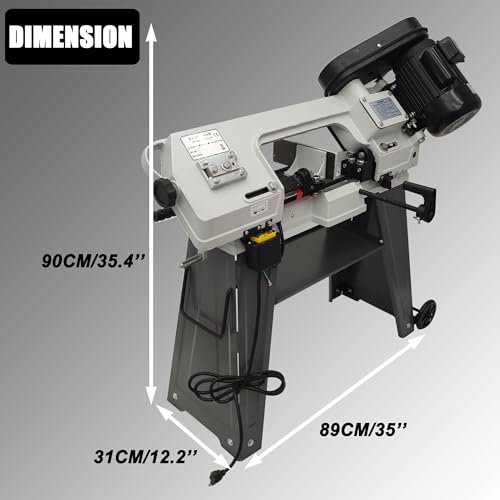
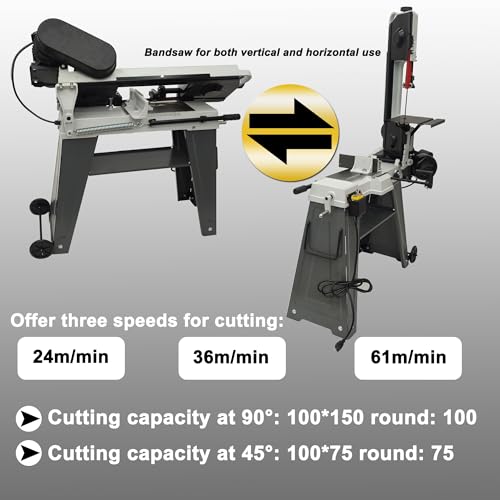
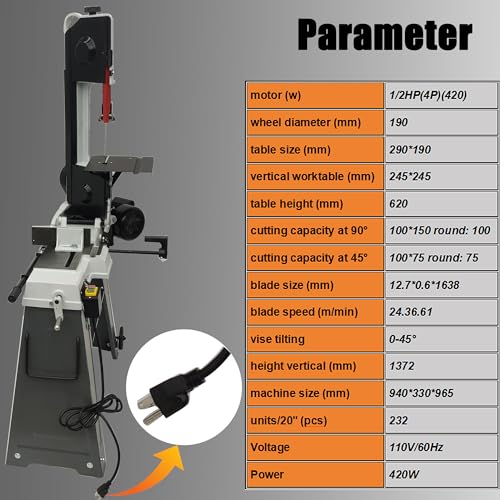
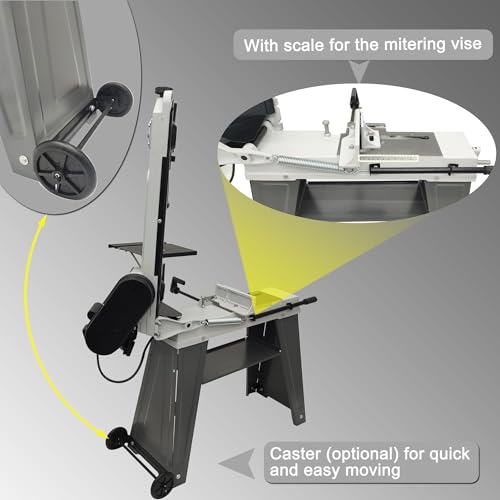
This HQHAOTWU model is clearly built for light tasks, and it shows in both the 1/2HP motor and 100x150mm cutting capacity. It’s quiet, portable, and includes a work light, a nice touch for dim garages. The three-speed system and 0-45° tilting vise offer surprising flexibility for such a small unit, and owners report it handles thin steel, copper, and plastic well.
But let’s be clear: this isn’t a metal fabrication saw. It’s a light-duty tool best for hobbyists, model builders, or woodworkers who occasionally need to cut small metal pieces. The blade guide system is functional but not as rigid as in higher-end models, and there’s no coolant, so blade life may suffer with frequent use.
Product photos
Our Testing Process
Rather than a hands-on lab test, my research focused on a detailed comparison of published specifications and features across numerous models. I weighed owner reviews from multiple sources alongside assessments from reputable tool review sites, applying my experience with metalworking and fabrication to identify patterns in performance feedback. Ultimately, I ranked these band saws against a set of criteria designed to highlight the features most relevant to a variety of users.
For horizontal band saws, cutting capacity, motor power, and build quality were the most heavily weighted factors. A larger capacity allows for more versatile project work, while a powerful motor ensures clean cuts through thicker materials. Solid construction – particularly a heavy base and quality blade guides – is essential for minimizing vibration and maximizing precision, directly impacting cut quality and blade life.
Specifications reliably indicate physical dimensions, motor power, and blade speed options. However, I placed greater emphasis on owner feedback regarding long-term durability, ease of setup, and the effectiveness of features like coolant systems and blade guides. Reputation and consistent positive feedback from experienced users served as strong indicators of real-world performance, helping to separate marketing claims from practical results. Understanding band saw basics is key to interpreting these specs correctly.
Choosing The Right horizontal band saws
Choosing the right horizontal band saw can significantly improve the quality and efficiency of your metalworking projects.
A quality horizontal band saw delivers precise, repeatable cuts through a variety of metal types and thicknesses. Key considerations include motor power for the materials you’ll be working with, blade speed control for optimizing cuts based on material, and a robust frame to minimize vibration and ensure accuracy. Look for features like a coolant system to extend blade life and a well-designed vise for secure material clamping.
Cutting Capacity and Material Compatibility
The first thing I consider with any band saw is what I intend to cut with it. Don’t overspend on a massive machine if you’re primarily working with thin sheet metal, but don’t undersize it if you anticipate tackling thick-walled pipe or solid bar stock. Capacity is usually advertised as the diameter of round stock or the dimensions of rectangular stock the saw can handle. Think about the largest piece you’ll realistically need to cut, and add a little buffer. Many models, like the KAKA INDUSTRIAL 9″ Metal Horizontal Band Saw, offer significant capacity, but that comes with a larger footprint and higher price tag. Consider whether you need to cut different materials too – some saws perform better on aluminum than steel, and vice versa.
Blade Speed and Control
Blade speed is crucial for achieving clean cuts and maximizing blade life. A wider range of speeds gives you more flexibility. Softer metals like aluminum generally require higher speeds, while harder steels need slower speeds. The ability to adjust the speed is a huge benefit, and some saws, like the KAKA INDUSTRIAL 7×12″ Horizontal Band Saw, offer four different speed settings. Here’s what I look for in blade speed control: * A simple, easy-to-access speed adjustment mechanism. * Clearly marked speed settings or a numerical readout. * A motor powerful enough to maintain consistent speed under load.
Don’t assume a higher RPM is always better; the right speed for the material is what matters. If you’re unsure of the ideal speed, starting slower and gradually increasing it is a good approach.
Features and Build Quality
Beyond the core cutting capabilities, several features can significantly impact usability and longevity. A built-in coolant system, for example, is nearly essential for prolonged cutting, as it dissipates heat and extends blade life. A well-designed vise is also critical for securely holding the material. A quick-release vise, like those found on the JET 7″ x 12″ Deluxe Metal Cutting Band Saw, saves time and effort.
A robust frame is paramount. Look for heavy cast iron construction, as it dampens vibration and ensures accurate cuts, even on tougher materials.
Finally, consider the ease of blade changes and maintenance. A user-friendly blade guide adjustment system and easy access to key components will save you time and frustration in the long run. If you’re planning on doing a lot of cutting, exploring options for measuring band saw blades will help ensure you always have the right size on hand. If you’re looking for a thorough review of options, consider checking out a list of horizontal band saws for metal.
Horizontal Band Saws Compared
This table provides a specification overview of the horizontal band saws discussed, allowing for a direct comparison of key features.
| Product Name | Motor HP | Cutting Capacity (in.) | Blade Speed (FPM) | Voltage (V) | Coolant System | Miter Cut (degrees) |
|---|---|---|---|---|---|---|
| JET 9″ x 16″ Metal Cutting | 1.5 | 9 x 16 | N/A | 115/230 | Yes | 45 |
| KAKA INDUSTRIAL 9″ Metal | 1.1 | 9 x 12 | 32-115 | 115/230 | Yes | 45 |
| KAKA INDUSTRIAL 7″ x 12″ Metal | 1.5 | 7 x 12 | 80-200 | 115/230 | Yes | 45 |
| KAKA INDUSTRIAL 7×12″ | 1.5 | 7 x 12 | 75-270 | 115/230 | Yes | 45 |
| JET 7″ x 12″ Deluxe Metal | N/A | 9 x 12 | N/A | N/A | Yes | 15, 30, 45 |
| VEVOR 7″ x 12″ Metal | 1.1 | 7 x 12 | 86, 132, 178, 260 | 110/220 | N/A | N/A |
| JET 5″ x 6″ Metal Cutting | 0.5 | 5 x 6 | N/A | N/A | N/A | N/A |
| HQHAOTWU 110V Bench Top | N/A | N/A | N/A | 110 | N/A | 0-45 |
Frequently Asked Questions
What blade grit should I use for different metals?
Generally, coarser grits (14-18 TPI) are best for softer metals like aluminum and brass, while finer grits (24-32 TPI) are better suited for harder steels. Using the correct TPI minimizes chipping and produces a cleaner cut, extending blade life.
Are horizontal band saws only for metal?
While primarily used for metal, some models can cut plastics and wood with the appropriate blade. However, specialized wood-cutting band saws offer better performance and blade control for those materials, and switching blades frequently can be a hassle.
What voltage do I need for a horizontal band saw?
Most horizontal band saws operate on either 115V or 230V, and some are dual-voltage. Check your shop’s electrical system and the saw’s specifications before purchasing to guarantee compatibility. Running a 230V saw on a 115V circuit can damage the motor.
How much space is needed for a horizontal band saw?
Space requirements vary significantly depending on the model. Smaller benchtop models can fit on a sturdy workbench, while larger saws require dedicated floor space. Consider not only the saw’s footprint but also room for material handling and operator movement.
Where can I find more information on different band saw models?
You can explore a wide variety of band saws for metalworking on our site, and we’ve compiled detailed comparisons to help you choose the best option for your needs. We also offer information on specific features to look for when making your decision.
The Bottom Line
Buying a horizontal band saw often comes down to balancing control and convenience. While higher-end models like the JET 9″ x 16″ Metal Cutting band saw offer features like larger capacity and more refined build quality, the KAKA INDUSTRIAL 9″ Metal Horizontal Band Saw strikes a compelling balance for most home shops and smaller fabrication setups. It delivers strong performance and capacity without the substantial price jump of the professional-grade options.
For those on a tighter budget or with less demanding cutting needs, the VEVOR 7″ x 12″ Metal band saw provides a capable entry point. If versatility is your primary concern, the JET 7″ x 12″ Deluxe Metal Cutting Band Saw’s miter cutting capabilities and quick-release vise make it a standout choice. Ultimately, carefully consider the types of projects you’ll be tackling most frequently to determine which features are most important to you.
Don’t get lost in the specs. More than blade speed or motor horsepower, a solid frame and a well-designed vise are what separate a frustrating experience from precise, repeatable cuts. Understanding band saw cutting tips and practicing safe operation will contribute more to your success than any single feature on the machine itself.
