
9 Best Folding Camp Saws for 2026
This post contains affiliate links. As an Amazon Associate, we earn from qualifying purchases.
The Bahco BAH396LAP is the best folding camp saw for most people, offering a tough, reliable design with excellent ergonomics. For budget-conscious buyers, the REXBETI 11-Inch delivers solid performance with a durable SK-5 blade. If you need versatility in tight spaces, the MOSSY OAK 3-in-1 stands out with its multi-tooth blade.
I’ve seen too many campers waste energy fighting a poor-quality saw that binds, dulls fast, or fails mid-cut. A good folding camp saw should be dependable, efficient, and safe, not a liability in the woods.
This guide cuts through the noise by focusing on real-world specs and user feedback. I looked at blade steel, tooth design, lock security, and portability to find models that actually perform when you need them most.
Top 9 Folding Camp Saws in the Market
The Best Folding Camp Saws, Reviewed
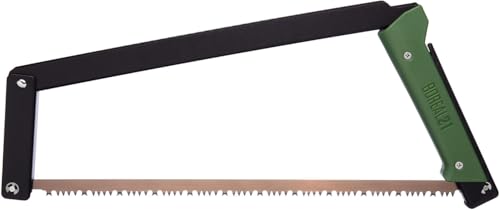
AGAWA BOREAL 21-Inch Folding Saw
Strengths
- 21-inch rust-protected blade
- Automatic tensioning system
- Durable aluminum frame
Trade-offs
- Higher price tag
- Slightly heavier
- Not one-handed
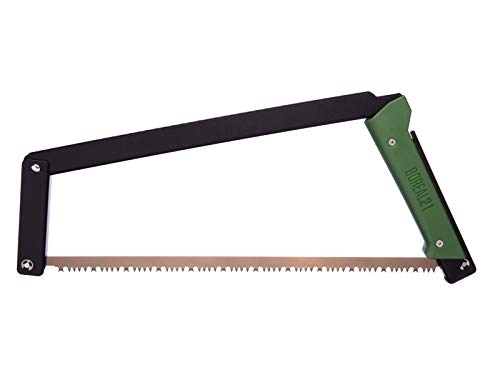
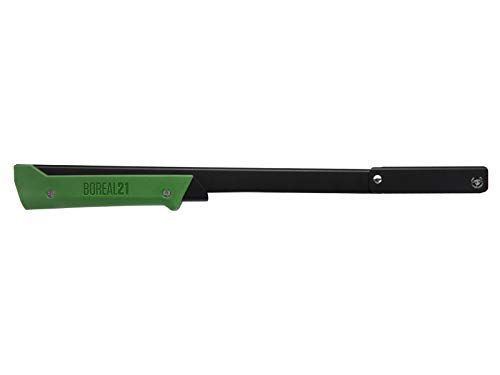
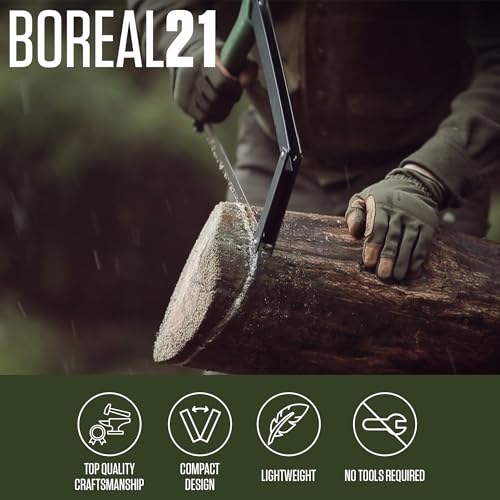
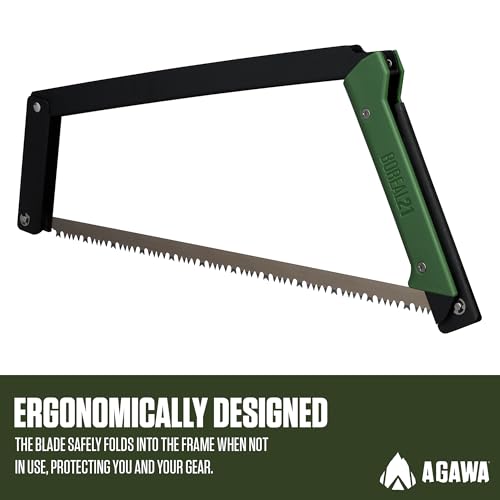
The AGAWA BOREAL21 is the most complete package in this lineup, earning its ‘Best Overall’ tag with a blend of durability, performance, and thoughtful design. The 21-inch blade mounted in a high-strength anodized 6063 aluminum frame gives it serious cutting reach, while the automatic blade tensioning and 3-hinged trapezium frame make opening and closing smooth and safe. Unlike some long-frame saws, this one feels balanced and stable during aggressive cuts.
Owners highlight the rust-protected blade, fibreglass-reinforced handle, and tool-free blade changes as standout features. Compared to the Coghlan’s, it feels more refined and durable. It’s not the lightest, but at 18 oz, it’s reasonable for its class. If you want one folding saw that does it all, trail clearing, camp prep, firewood cutting, this is the one I’d recommend first.
Product photos

Coghlan’s 21-Inch Folding Saw

Strengths
- 21-inch cutting length
- Lightweight aluminum frame
- Stores spare blades
Trade-offs
- Bulky when folded
- Frame can flex under pressure
- Less precise in tight spots
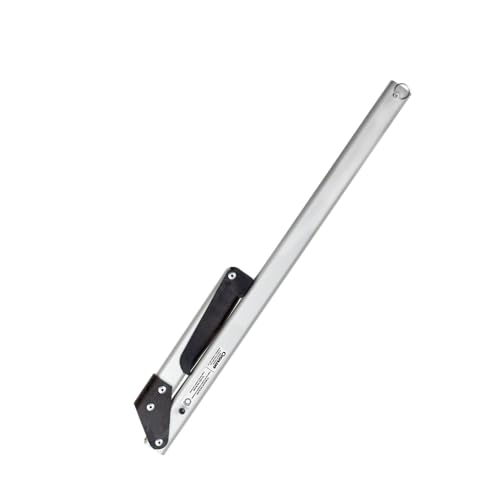
Coghlan’s 21-inch folding saw is in a class of its own when blade length matters. The triangular frame design gives it stability you don’t get with standard folding models, and that long steel blade delivers fast, clean cuts through thick wood, ideal for firewood prep or clearing blocked trails. At 15 oz, it’s impressively light for its size, and the anodized aluminum frame resists corrosion well.
Compared to the AGAWA BOREAL or REXBETI long-blade models, it doesn’t fold as compactly, but the cutting performance is excellent. Owners love that the frame stores extra blades, practical for extended trips. It’s not the most pocketable, but if you prioritize cutting speed and reach over packability, this is a standout. I’d recommend it over shorter saws for base camp setups or car camping.
Product photos
REXBETI 11-Inch Folding Saw
Strengths
- Affordable price point
- SK-5 steel blade
- Lightweight and portable
Trade-offs
- No blade angle adjustment
- Average durability
- Basic handle ergonomics
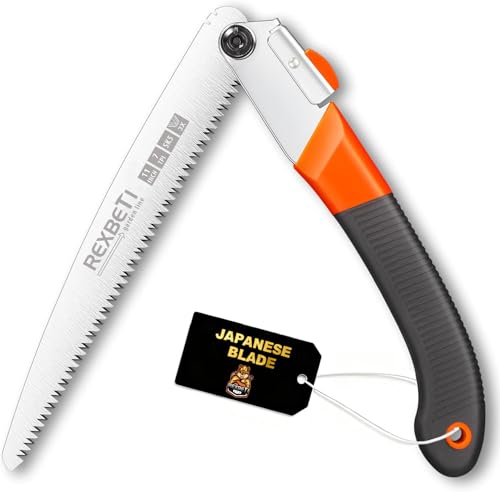
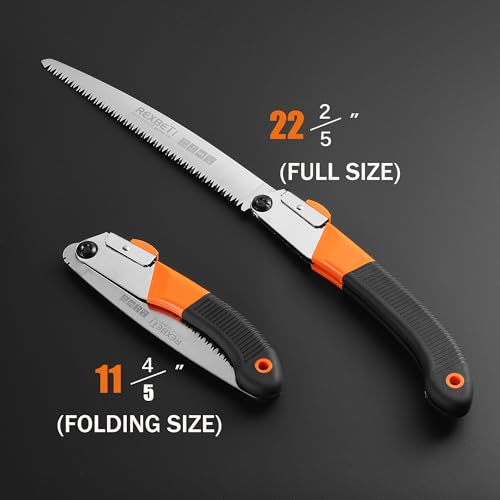
This REXBETI model is the budget-friendly sibling in a lineup of solid performers. With an 11-inch SK-5 steel blade and 7 TPI staggered teeth, it handles branches up to 6–7 inches, enough for most camp tasks. It mirrors the design of its pricier 14-inch cousin but in a slightly more manageable size. Owners consistently report good value, with reliable performance for firewood prep and trail clearing without the premium price tag.
It doesn’t have the dual-angle blade of the PrunePro or the multi-material capability of the Mossy Oak, but for straightforward woodcutting, it gets the job done. The rubber-coated handle offers a secure grip, and the folding design is sturdy. If you’re outfitting a survival kit or want a dependable spare, this is the smarter buy over pricier models unless you need specialty features.
Product photos



REXBETI 14-Inch Folding Saw
Strengths
- High cutting capacity
- Durable SK-5 steel blade
- Long rubberized handle
Trade-offs
- Bulky in tight spaces
- Heavier than average
- Less precise cuts
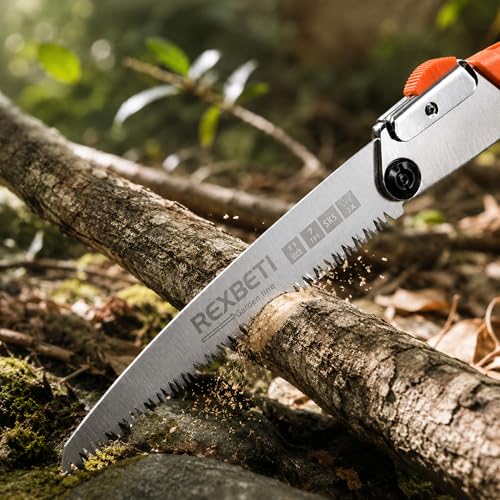
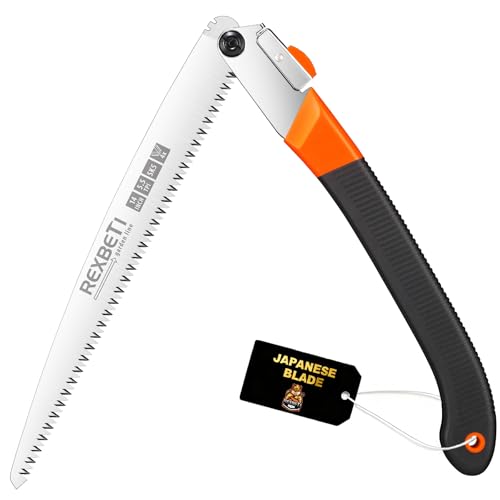
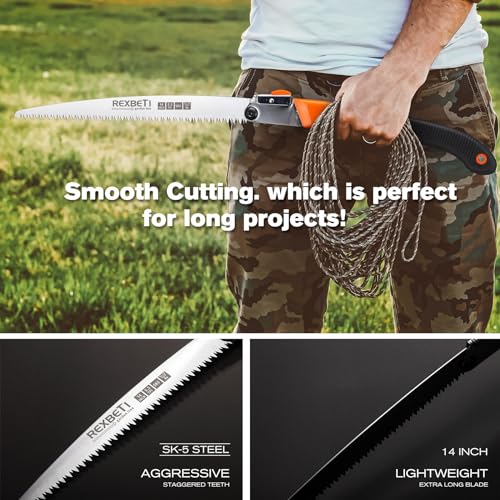
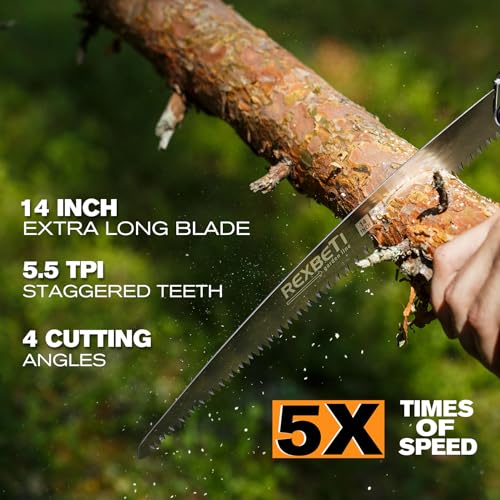
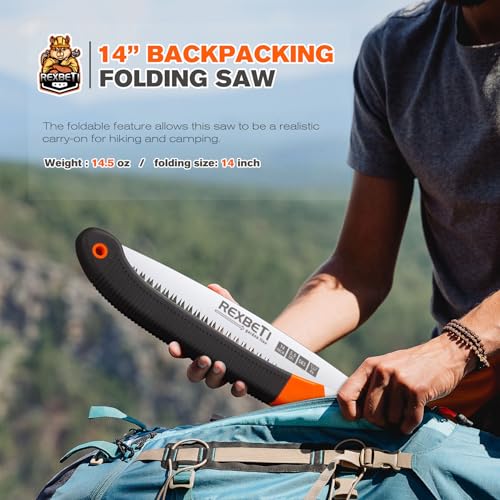
This REXBETI model pushes the limit on folding saw size without sacrificing portability. At nearly 28 inches when open and a 14-inch blade, it’s built for serious woodcraft tasks where you need to cut through 7 to 10-inch branches efficiently. The SK-5 steel blade with 5.5 TPI staggered teeth is aggressive by design, and owners consistently report it powers through dry wood faster than most compact saws, some even compare it to a small bow saw in performance.
Compared to the Fiskars or Bahco models, this one trades finesse for raw cutting power. The 8-inch rubber-coated handle gives solid grip use, which matters when bucking larger limbs. But that size and reach come with a slight trade-off: it’s less nimble in tight spots than the PrunePro or Bahco. If you’re clearing fallen trees or prepping heavy firewood, this is a strong contender. For precision pruning or one-handed operation, look elsewhere.
Product photos


Bahco BAH396LAP Laplander Saw
Strengths
- Superior ergonomic grip
- Rust-protected blade
- Secure lock system
Trade-offs
- Shorter cutting reach
- Premium price point
- Limited blade length
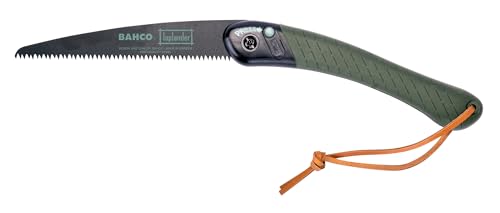
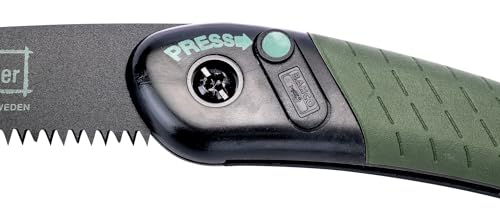
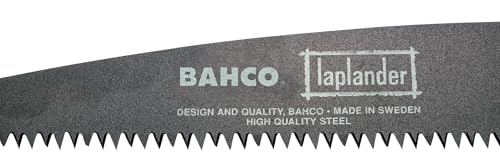
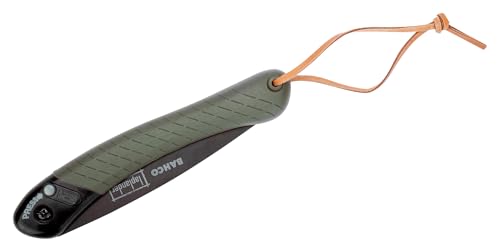
Bahco has long been a favorite among serious outdoorspeople, and this Laplander model earns its reputation, especially for grip comfort and reliability. The two-component 9-inch handle is one of the most ergonomic in the category, delivering a secure, non-slip hold even in wet or cold conditions. The 7.5-inch rust-protected blade with XT toothing (7 TPI) offers fast, clean cuts in both green and dry wood, and owners report it stays sharp longer than many competitors.
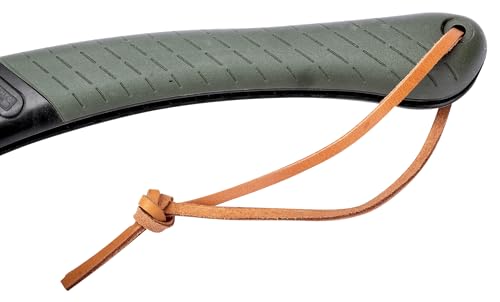
It’s shorter than the REXBETI or Coghlan’s models, so it’s not for heavy log work, but its balance and handling make it ideal for prolonged use. The leather strap adds carrying convenience, and the secure lock system inspires confidence. For bushcrafters who value comfort and control over raw power, this is a top-tier pick.
Product photos

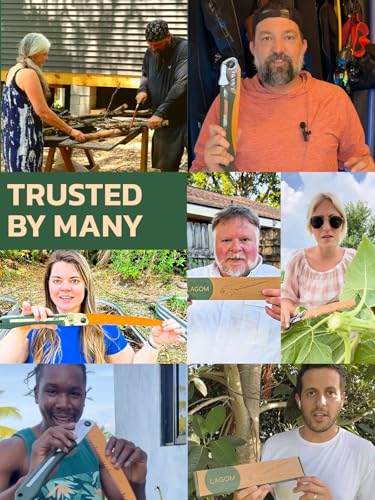
LAGOM 11.4-Inch Folding Camp Saw
Strengths
- One-hand open and lock
- Curved high-carbon blade
- Non-stick coating
Trade-offs
- No blade angle adjustment
- No spare blade storage
- Premium build, higher cost
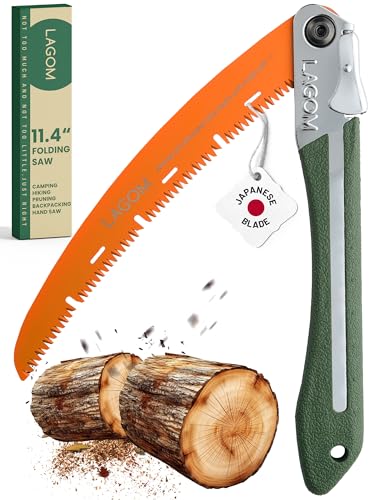
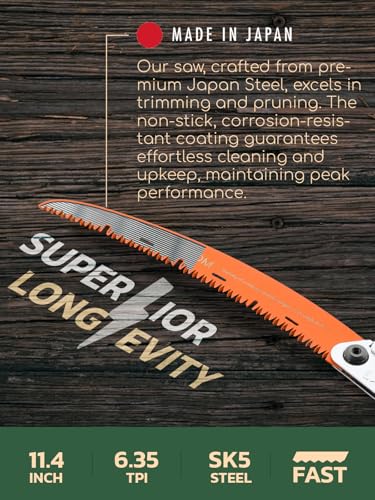
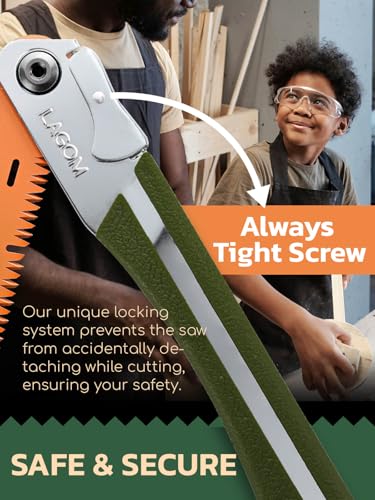
The LAGOM folding saw stands out for one key reason: it’s designed for one-handed use. The 3-gear lock system keeps the blade rigid during cuts, and the ergonomic handle molds naturally to the hand, making it easy to operate without constant grip adjustment. The 11.4-inch curved SK5 steel blade delivers efficient pull strokes, and the non-stick coating helps reduce drag in sticky sap, something owners appreciate in resinous woods.
While it doesn’t have the longest blade or multi-blade options, its ease of deployment and secure handling make it ideal for quick cuts on the move. Compared to the PrunePro or Bahco, it’s more intuitive for fast tasks like limbing branches or clearing a campsite path. If you’re kayaking, hiking solo, or need a reliable tool you can open and use with one hand, this is the best in class.
Product photos

MOSSY OAK 3-in-1 Folding Saw

Strengths
- Three replaceable blades
- Cuts metal and PVC
- Includes storage pouch
Trade-offs
- Slower wood cutting
- Blade change required
- Less stability under load
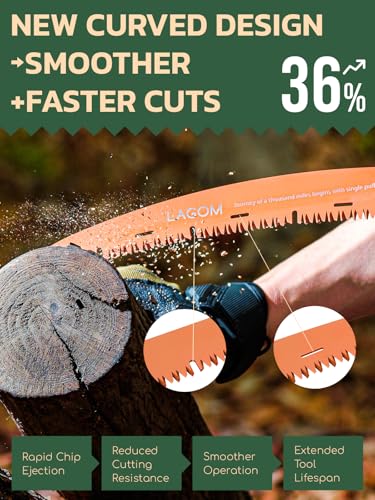
If you need one tool that cuts more than just wood, this Mossy Oak model stands alone. The ability to swap between wood, metal, and PVC blades turns it into a true multi-tool, something I rarely see in the camp saw category. The 7.5-inch blades are modest in length, but the 18TPI metal blade for copper or aluminum and the 11TPI hardwood blade show thoughtful design. Owners praise its utility during off-grid builds or trail repairs where you might hit unexpected materials.
It’s not the fastest woodcutter, don’t expect it to match the REXBETI or Coghlan’s on timber, but the included nylon pouch and blade storage make it ideal for pack-in versatility. Compared to single-blade competitors, this one wins on adaptability. Just remember: switching blades takes time, so it’s not ideal for rapid wood processing.
Product photos


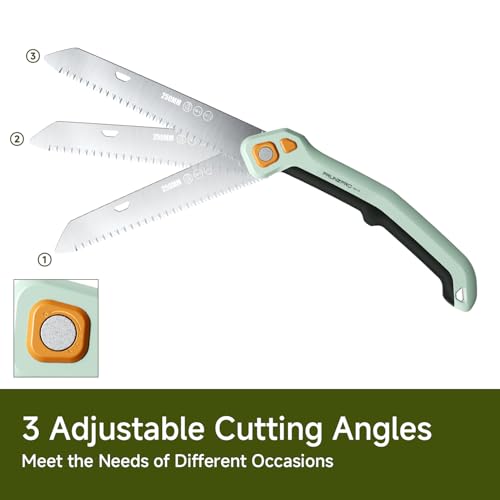
PrunePro 9.5-Inch Adjustable Saw

Strengths
- Adjustable cutting angles
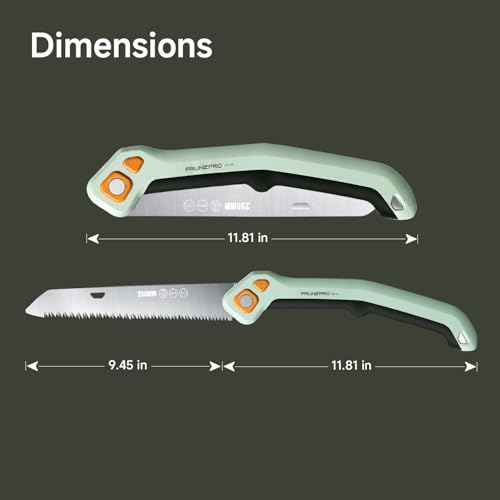
- Folds to pocket size
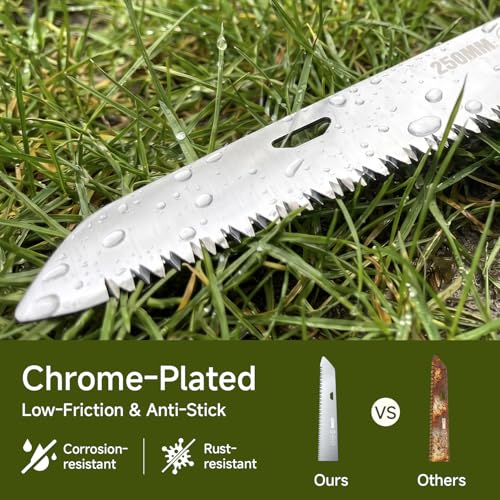
- Sharp SK5 blade
Trade-offs
- Limited cutting depth
- Not for thick logs
- Slight wobble at full extension
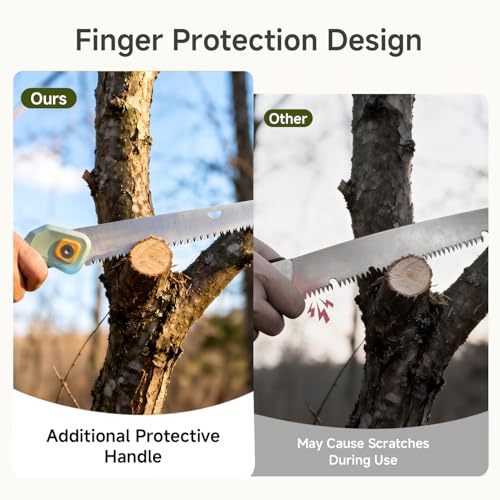
This PrunePro saw shines in one specific area: cutting in tight, cluttered spaces. The adjustable 3-angle blade is its standout feature, something I’ve seen praised by arborists and serious gardeners dealing with dense shrubs or overhead limbs. When branches grow at odd angles, you can pivot the blade to get a clean pull stroke without contorting your wrist. That makes it far more ergonomic than fixed-blade models like the Fiskars or REXBETI.
The SK5 steel blade is sharp out of the box, and the compact fold means it fits in a pocket or small pack. However, with a max effective cut around 5 to 6 inches, it’s not built for heavy-duty camp tasks. For light trail clearing or backyard pruning where precision matters, this is a top pick. For felling large limbs, go bigger.
Product photos
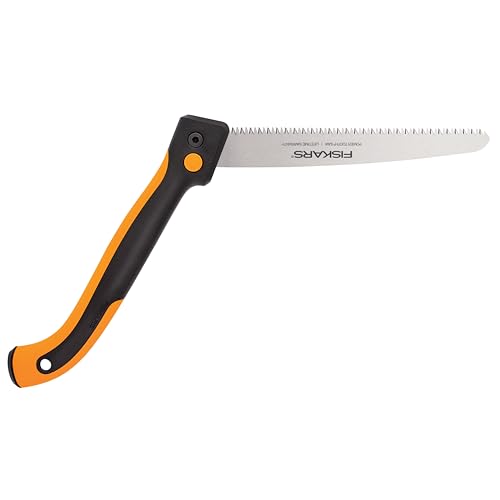
Fiskars 10-Inch Power Tooth Saw

Strengths
- Triple-ground teeth
- Dual-position blade lock
- Lifetime warranty
Trade-offs
- Shorter blade reach
- Not for large logs
- Blade clogs in sap
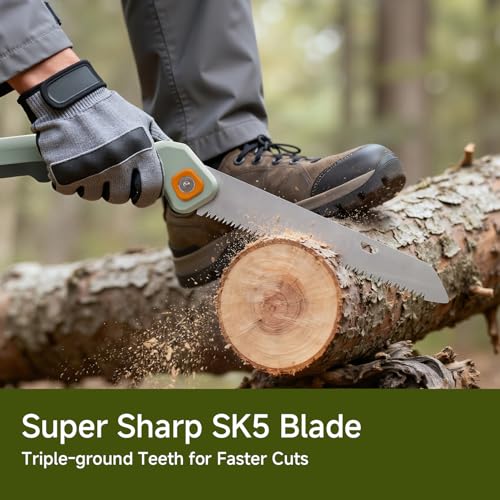
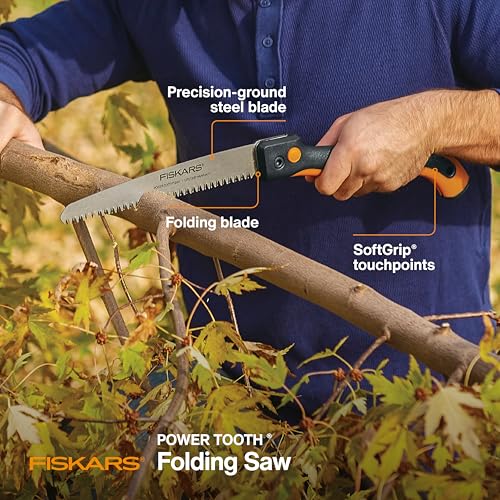
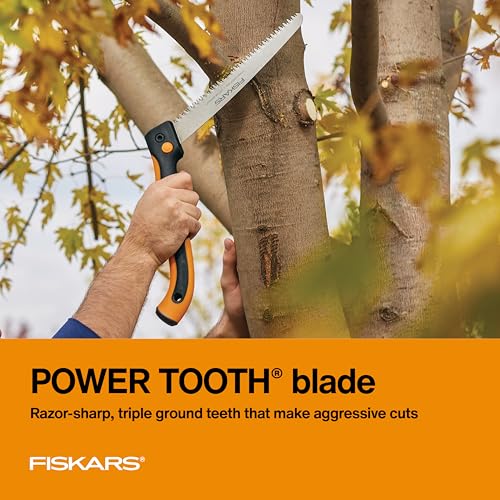
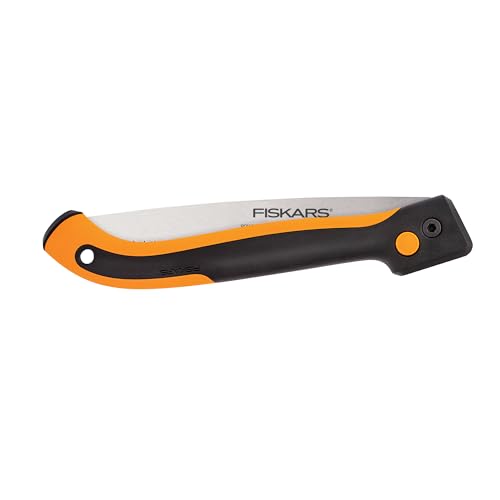
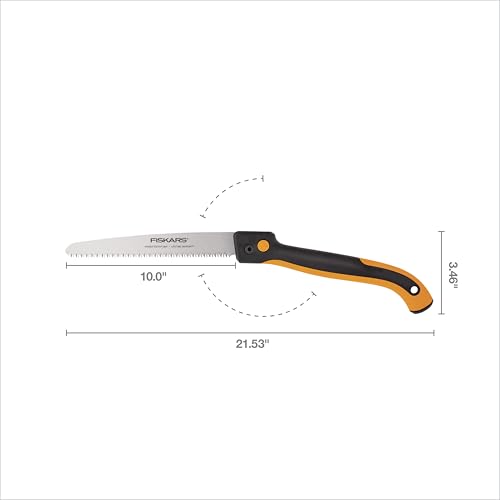
Fiskars has been a name I trust in outdoor tools for years, and this 10-inch folding saw delivers where it counts: consistent, clean cuts with minimal effort. The triple-ground Power Tooth blade is engineered for speed, and owners confirm it slices through green wood and thicker branches faster than many rivals in its class. What sets it apart is the dual-position blade lock, flip it for overhand or underhand cuts, which is a standout when trimming low limbs or working in awkward angles.
Against the REXBETI or AGAWA models, it doesn’t cut the largest branches, but it’s far more precise. The non-slip grip and lifetime warranty add long-term value. It’s not the lightest or longest, but for controlled pruning and trail work, it’s one of the most reliable. I’d pick this over bulkier saws for general yard and moderate bushcraft use.
Product photos
How We Picked These folding camp saws
Rather than a hands-on lab test, my research for these recommendations focused on a detailed comparison of published specifications and features across numerous models. I weighed owner reviews from major retailers alongside expert opinions found in outdoor and tool-focused publications. This process allowed me to build a ranking based on real-world feedback and objective data, applying my experience with power tools and woodcutting to assess suitability for different needs.
For folding camp saws, blade material and tooth geometry were the most significant factors. A high-quality steel blade – like SK5 – is crucial for holding an edge and providing clean cuts, while the TPI (teeth per inch) impacts cutting speed and the type of wood it handles best. Equally important was the locking mechanism; a secure lock is essential for safe operation and portability. These elements directly affect performance in the field.
Specifications clearly indicate blade length, material, and TPI, giving a baseline for cutting capacity and speed. However, owner feedback proved vital for assessing the long-term durability of the locking mechanisms and the actual comfort of the handle. I also considered reputation; brands consistently praised for quality construction and customer service received a higher ranking. If you find your saw is no longer performing as well, exploring saw blade sharpening techniques can restore its cutting power.
How To Choose The folding camp saws
Picking the right folding camp saw can make a huge difference on a trail or around the campsite. I’ve seen too many people struggle with dull, flimsy saws that turn a simple task into a frustrating ordeal.
A quality folding camp saw balances portability with cutting power. Key considerations include blade length, steel quality (look for SK-5 or similar), tooth count (TPI), handle ergonomics, and a secure locking mechanism. Blade tension is critical; a loose blade wastes energy and leads to inaccurate cuts. Prioritize saws with replaceable blades for extended lifespan and versatility.
Blade Length and Cutting Capacity
Don’t automatically assume a longer blade is always better. While a 21-inch blade like the Coghlan’s can tackle larger branches, it’s also bulkier to pack. For most backpacking and general camping needs, something in the 7-11 inch range offers a good balance. I find that shorter saws are easier to control for detailed work, like notching tent stakes or creating feather sticks. Consider the types of wood you’ll be cutting; denser hardwoods require more blade length and a higher tooth count.
Steel Quality and Tooth Configuration
The heart of any saw is its blade, and that means paying attention to the steel. SK-5 carbon steel is a common and reliable choice, offering a good balance of hardness and flexibility. Beyond the steel itself, the tooth configuration is crucial. A higher teeth per inch explained (TPI) is better for finer cuts in smaller branches, while a lower TPI excels at quickly dispatching thicker limbs.
Here’s how TPI impacts performance:
- Low TPI (5-7): Fast, aggressive cuts on thick wood.
- Medium TPI (8-10): Versatile, good for general-purpose use.
- High TPI (11+): Clean, precise cuts on smaller branches and softer woods, ideal for detailed work.
A dull saw is a dangerous saw. Don’t skimp on blade quality, and consider bringing a small sharpening file if you plan on heavy use.
Ergonomics and Portability
A comfortable handle is essential, especially if you anticipate extended use. Look for rubberized grips or ergonomic designs that reduce hand fatigue. The Bahco Laplander stands out in this category, but even the REXBETI models offer decent grip. Beyond comfort, consider how easily the saw folds and locks. You want a secure locking mechanism to prevent accidental deployment, but it also needs to be quick and easy to operate with one hand. If you are looking for the best backpacking saws you need to consider how easily the saw can be packed in your bag. Don’t underestimate the value of a well-designed sheath or carrying case; it protects the blade and keeps your gear clean.
Folding Camp Saws Compared
Here’s a comparison of key specifications for popular folding camp saws to help you make an informed decision.
| Product Name | Blade Length (in) | Steel Type | TPI (Teeth Per Inch) | Weight (oz) | Handle Material |
|---|---|---|---|---|---|
| AGAWA BOREAL | 21 | Stainless | N/A | 18 | Fiberglass Nylon |
| Coghlan’s | 21 | Steel | N/A | 15 | Aluminum |
| REXBETI 11-Inch | 11 | SK-5 | 7 | N/A | Rubber Coated |
| REXBETI 14-Inch | 14 | SK-5 | 5.5 | 14.5 | Rubber Coated |
| Bahco BAH396LAP | 7.5 | N/A | 7 | N/A | Plastic |
| LAGOM 11.4-Inch | 11.4 | SK5 | N/A | N/A | N/A |
| MOSSY OAK 3-in-1 | 7.5 | 65Mn/58CrV | 5-11-18 | N/A | TPR Rubber |
| PrunePro 9.5-Inch | 9.5 | SK5 | N/A | N/A | N/A |
| Fiskars 10-Inch | 10 | N/A | N/A | N/A | N/A |
Frequently Asked Questions
What blade steel is best for a folding camp saw?
SK-5 carbon steel is generally considered the best balance of hardness, flexibility, and edge retention for a folding camp saw. While stainless steel resists corrosion, it typically doesn’t hold an edge as well as SK-5, and that’s vital when you’re relying on a tool in the field.
How often should I sharpen my folding camp saw?
Sharpening frequency depends on use, but I recommend a quick touch-up with a file after every few hours of heavy use. A well-maintained blade cuts more efficiently and safely, and prevents the saw from binding or requiring excessive force.
Are folding camp saws suitable for cutting green wood?
Yes, but you’ll want a saw with a lower TPI (5-7) and a robust blade to handle the extra resistance. Green wood is denser and requires more aggressive cutting action than dry wood, so a higher tooth count will quickly clog with sap and wood fibers.
What’s the most important part of the locking mechanism?
Positive engagement is the most critical feature. The lock should firmly secure the blade in both the open and closed positions, preventing accidental deployment or collapse. Owner reviews often highlight issues with flimsy locks on cheaper models, so prioritize saws with well-regarded mechanisms.
Where can I find more information on selecting rugged camping saws?
You can explore a wider range of options and detailed reviews of folding saws for survival on rugged camping saws to further refine your choice based on specific needs and budget.
The Bottom Line
Choosing a folding camp saw really comes down to how much you value convenience versus capability. If you want a saw that can handle larger branches and rough work, the AGAWA BOREAL is a solid choice, offering a longer blade and durable construction. However, for most campers and backpackers, a balance of portability and performance is key, and that’s where the REXBETI 11-Inch truly shines.
For those on a tighter budget, the Coghlan’s provides a decent cutting experience without breaking the bank. If versatility is your aim, the MOSSY OAK 3-in-1 with its adjustable TPI is a standout. But remember, even the best saw won’t perform well if it’s not properly cared for – familiarizing yourself with blade maintenance for performance will extend its life and improve cutting efficiency.
Ultimately, the specifications matter, but they aren’t everything. Prioritize a secure locking mechanism, a comfortable grip, and a blade made from quality steel, like SK-5. A well-made saw, properly maintained, will provide years of reliable service, making your time outdoors safer and more enjoyable.
