
8 Best Electric Wood Carving Tools of 2026
This post contains affiliate links. As an Amazon Associate, we earn from qualifying purchases.
The Dremel 4300-5/40 is the best overall electric wood carving tool for its precision, speed range, and proven compatibility with a vast array of accessories. If you’re on a budget, the HYCHIKA 180W delivers strong performance and a massive kit at a low price. For cordless freedom, the Fanttik F2 PRO offers excellent runtime and consistent power in a compact design.
Picking the wrong tool can turn a creative project into a frustrating mess, uneven cuts, shaky control, or bits that won’t fit can kill your momentum fast. After comparing specs and digging into owner feedback, I focused on tools that deliver reliable speed control, solid build quality, and real-world usability for both detail work and heavier carving.
This guide breaks down what actually matters in an electric wood carving tool, based on performance data, user experiences, and the kind of precision you need to bring wood to life.
Top 8 Electric Wood Carving Tools in the Market
The Best Electric Wood Carving Tools, Reviewed
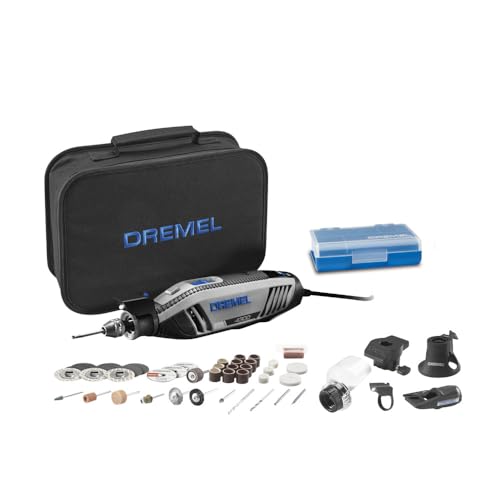
Dremel 4300-5/40 Rotary Tool Kit
Strengths
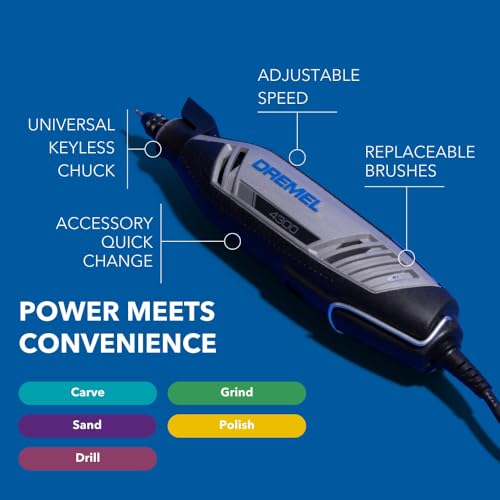
- Universal 3-jaw chuck
- Electronic speed feedback
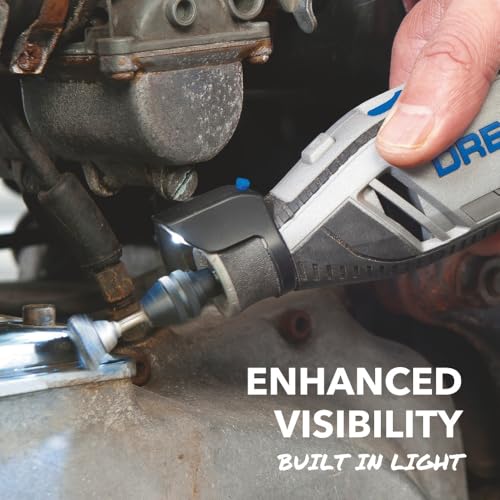
- Pivot light included
- Replaceable motor brushes
- Smooth ball bearing design
Trade-offs
- Corded only
- Higher price
- Accessories wear quickly
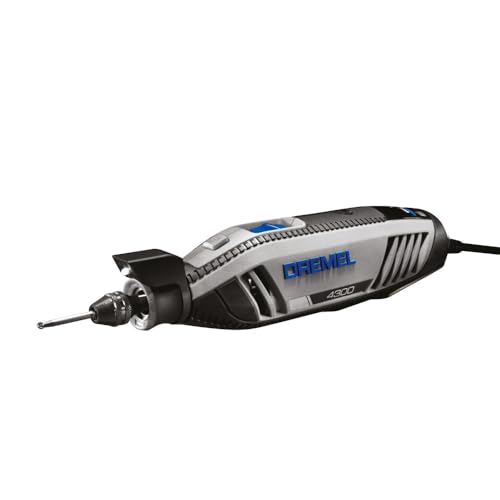
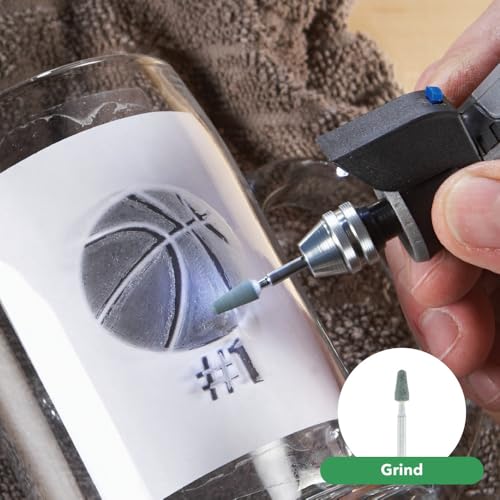
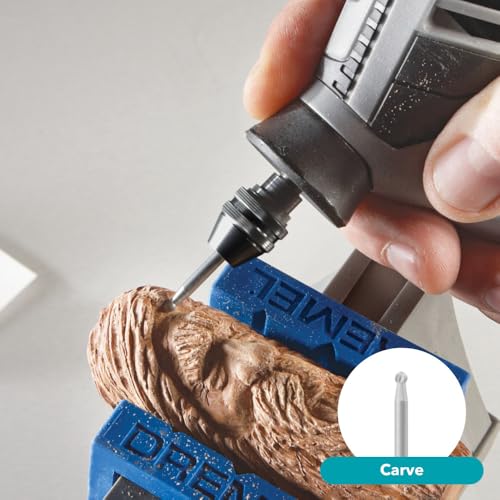
The Dremel 4300 is the benchmark for a reason. It’s not the cheapest, but it’s the most balanced: powerful motor, smooth variable speed from 5,000 to 35,000 RPM, and a universal chuck that accepts all Dremel bits. The electronic feedback ensures consistent speed under load, a rare feature at this level, so it doesn’t bog down when carving hardwood or cutting metal. Add the pivot light and five attachments, and you’ve got unmatched versatility.
Reviewers consistently rate it as the most reliable long-term performer, especially when paired with Dremel’s own accessories. Compared to the PHALANX or HYCHIKA models, it costs more but feels more refined in hand and operation. For most buyers, this is the easy pick if you want one tool that does nearly everything well.
Product photos
PHALANX 180W Rotary Tool Kit

Strengths
- 180W high-torque motor
- 6-speed gear adjustment
- Flex shaft included
- Full collet compatibility
- Low noise design
Trade-offs
- Requires spanner to tighten chuck
- Bulky handle for fine work
- No LED lighting
With a 180W motor and a full flex shaft setup, this PHALANX model is built for users who want professional-level torque without stepping up to a full bench grinder. The 8000–32000 RPM range covers everything from gentle polishing to aggressive cutting, and the six precise speed gears make it easier to match the task than cheaper variable dials. Reviewers note it holds up well under continuous use, especially when paired with the flexible shaft, which reduces wrist strain during long sessions.
It’s clearly modeled after high-end brands like Dremel, but with a broader accessory kit and a sturdier flex shaft. Compared to the Dremel 4300, it lacks the brand’s refined ergonomics and feedback system, but it offers similar performance at a more accessible point. My recommendation? If you need serious power and don’t care about brand prestige, this is a solid workhorse.
Product photos


Fanttik F2 Master Mini Rotary Tool

Strengths
- Ultra-light at 0.22 lb
- Brushless hollow cup motor
- Magnetic Revostor hub
- USB-C charging
- LED speed display
Trade-offs
- Only 3/32″ collet size
- No replaceable brushes
- Limited to 35 accessories
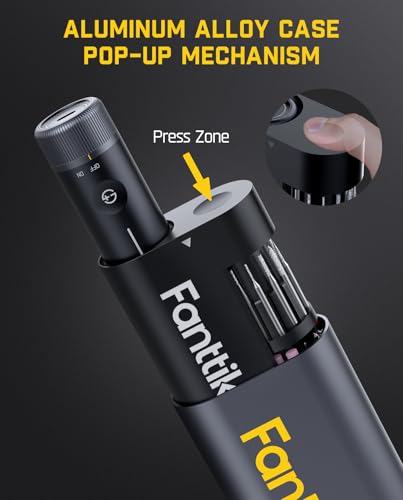
The F2 Master is where precision meets portability. Its brushless hollow cup motor is quieter and cooler than most, and the 5-speed control gives excellent range for delicate work. At just 0.22 lb, it’s one of the lightest serious tools out there, and the aluminum case with magnetic Revostor hub makes storage and access seamless. It’s clearly designed for detail work, like finishing 3D prints or engraving small wood pieces, where control and visibility matter most.
The front LED and speed indicator band are thoughtful touches, and USB-C charging ensures it’s future-proof. Compared to the HARDELL or budget pens, it’s more precise and durable. I’d recommend this over other cordless models if you value clean design, long-term reliability, and ease of use in tight spaces.
Product photos

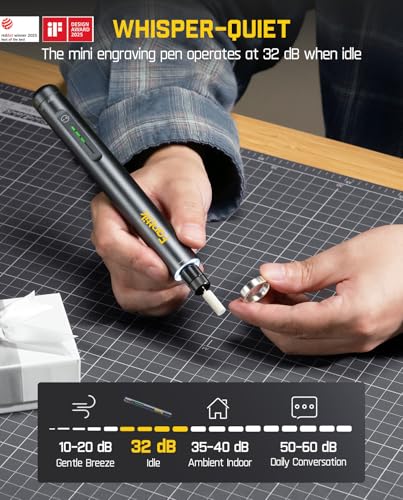
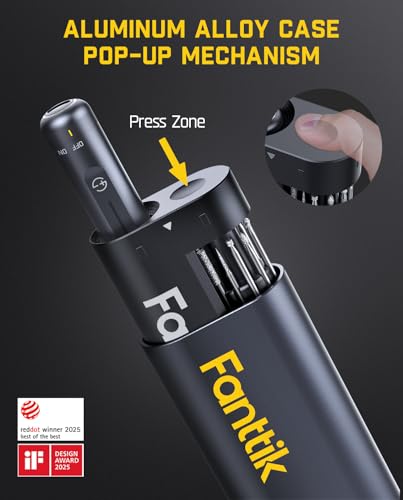
Fanttik F2 PRO Cordless Rotary Tool
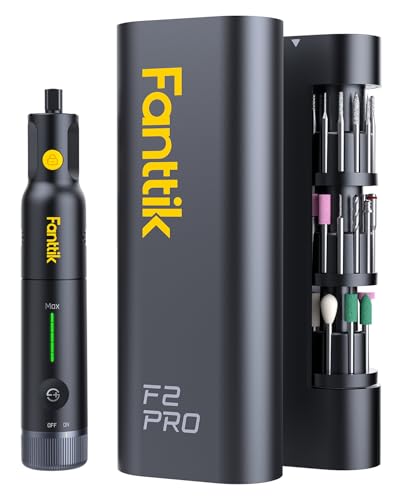
Strengths
- Strong magnetic motor
- RevoStor magnetic hub
- 20–120 min runtime
- LED speed display
- Durable aluminum body
Trade-offs
- No brush replacement option
- 3/32″ collet only
- Higher price point
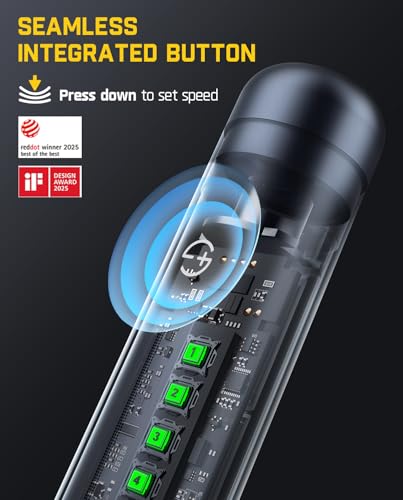
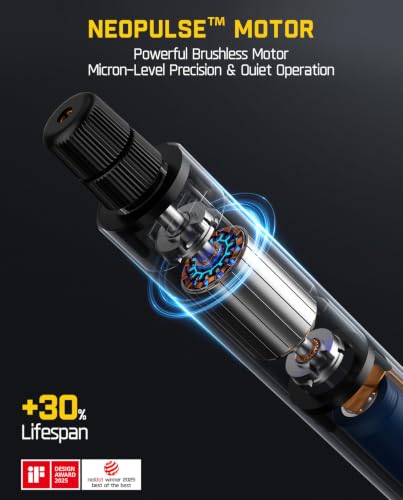
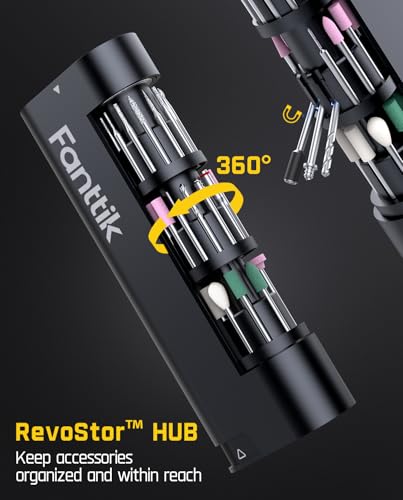
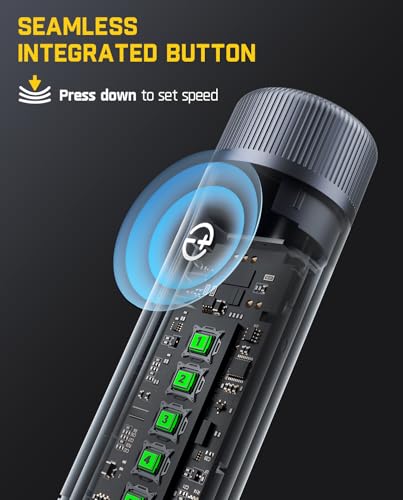
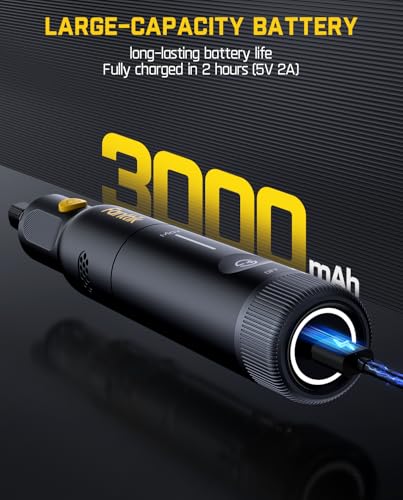
When you need real power in a cordless format, the F2 PRO delivers. Its magnetic motor and 3,000mAh battery give it both torque and runtime, especially at mid to high speeds. At 25,000 RPM, it’s no slouch, and the five speed settings let you dial in exactly what you need, whether you’re smoothing 3D prints or carving deep into softwood. Reviewers praise its balance and the magnetic RevoStor hub, which keeps accessories organized and within reach.
Compared to the Dremel 4300, it trades corded consistency for true portability. But unlike most cordless tools, it doesn’t feel underpowered. The shadow-free LED and real-time speed display add a level of refinement most budget tools skip. If you’re doing heavy-duty carving away from outlets, this is the smarter buy over basic cordless kits.
Product photos
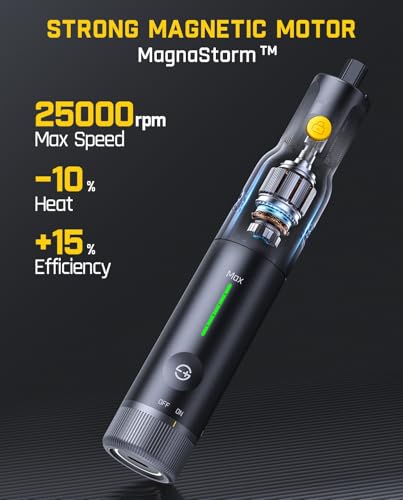
Mini Cordless Electric Engraving Pen
Strengths
- Ultra-lightweight
- USB-C charging
- 30 engraving bits
- LED light
- Smart power-off
Trade-offs
- Short battery life
- Limited to light tasks
- No flex shaft or stand
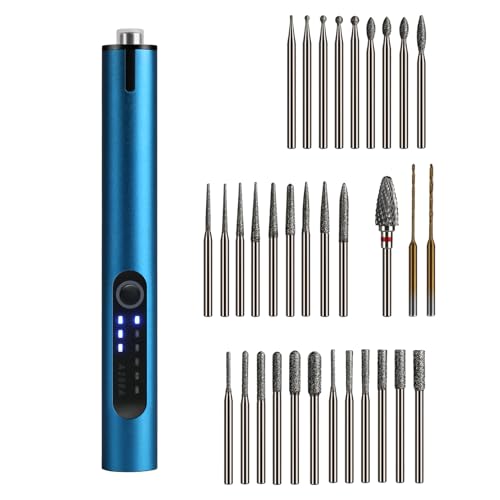
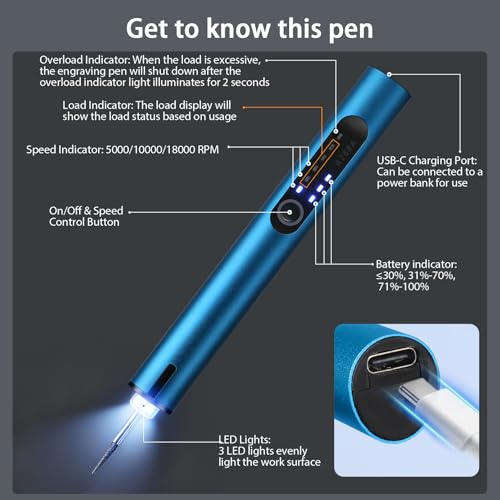
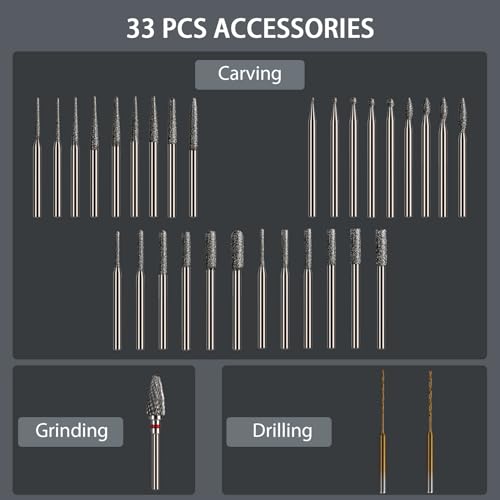
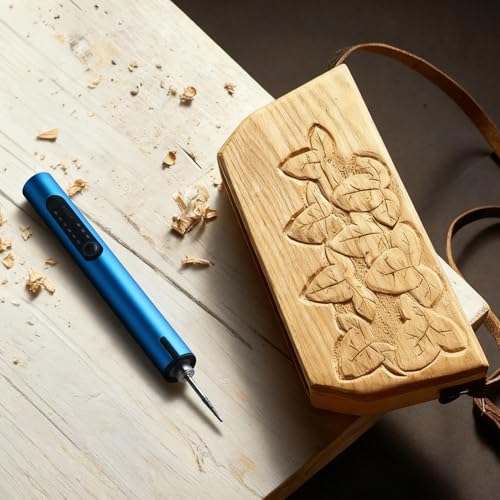
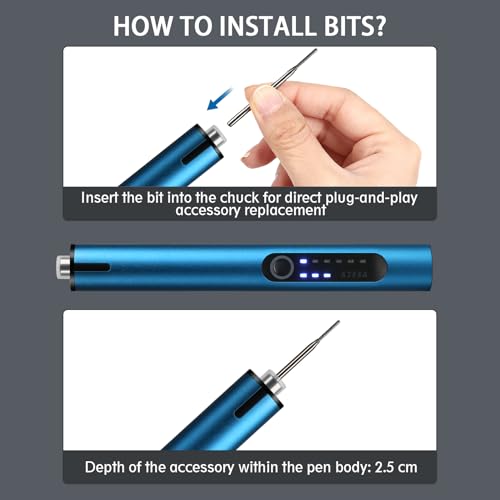
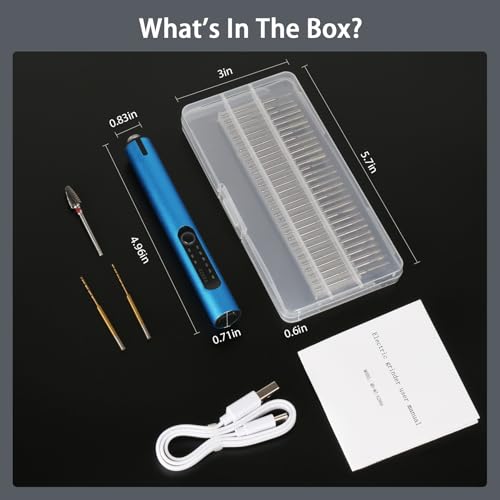
This little pen is a budget win for light-duty engraving and shallow carving. At just 50 grams and with USB-C charging, it’s ultra-portable and ready to go in 30 minutes. The 3-speed settings are modest, but enough for softwood, plastic, or glass etching, common tasks for gift customization or hobby labeling. The 30 engraving bits alone make it a solid value, and the tungsten carbide grinding bit adds unexpected durability.
Owners say it’s great for small, controlled jobs but not for sustained use. The 500mAh battery limits runtime, especially at top speed. Compared to the HARDELL or Fanttik models, it’s less versatile but cheaper and more focused. If you only need to mark wood or personalize crafts occasionally, this is the smarter, simpler buy.
Product photos
HARDELL Mini Cordless Rotary Tool
Strengths
- Beginner-friendly design
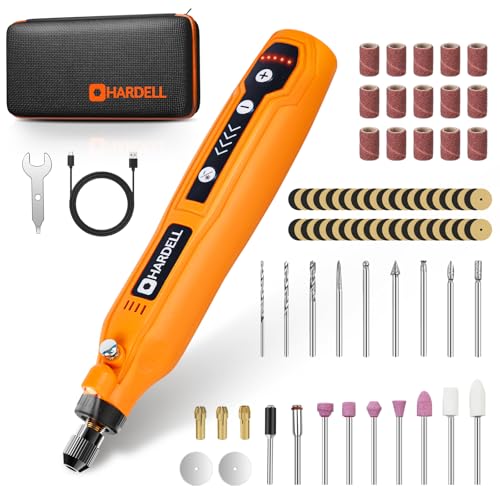
- 69 included accessories
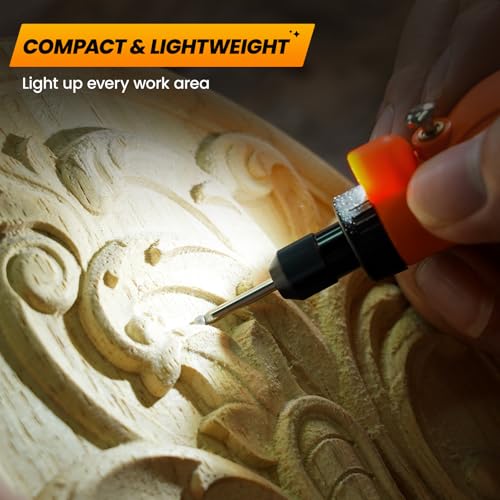
- LED work light
- USB charging
- Lightweight and compact
Trade-offs
- Plastic build feels less durable
- Battery life drops under load
- Not for heavy materials
This is the kind of tool that makes beginners feel confident fast. It’s small, light, and simple, like holding a pen, and the 5-speed settings are clearly marked so you’re not guessing what RPM you’re on. At 18,000 RPM max, it won’t match the power of corded models, but for light sanding, shallow carving, or polishing resin crafts, it gets the job done without overwhelming new users.
The 69 accessories are a big part of its appeal, and owners say the LED light is surprisingly helpful for seeing into tight spots. Battery life is decent at 200 minutes, but that’s under light load, if you’re carving hardwood, expect less. Compared to the Fanttik F2 Master, it’s less refined but more affordable and easier to learn on. I’d recommend this as a starter kit before investing in something more advanced.
Product photos



HYCHIKA 180W Rotary Tool Kit
Strengths
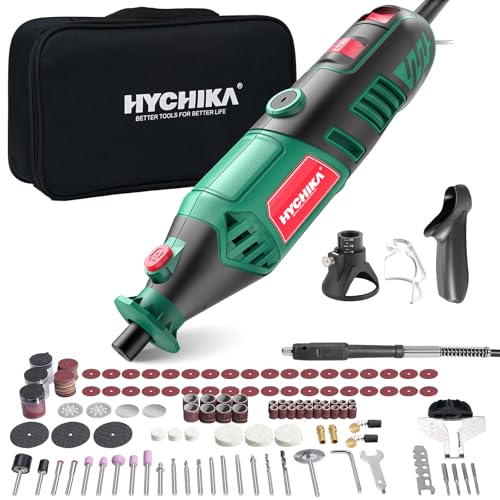
- 179-piece accessory kit
- Grinding chain bracket
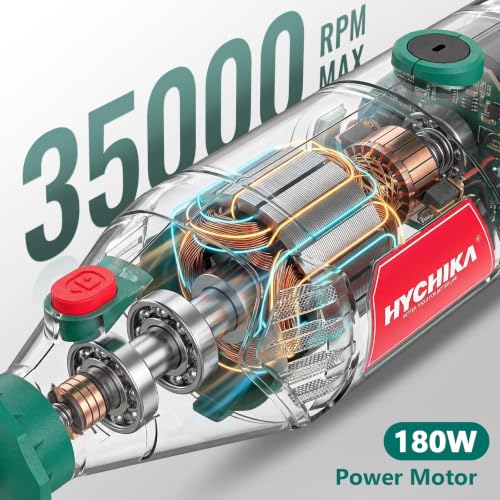
- 180W motor
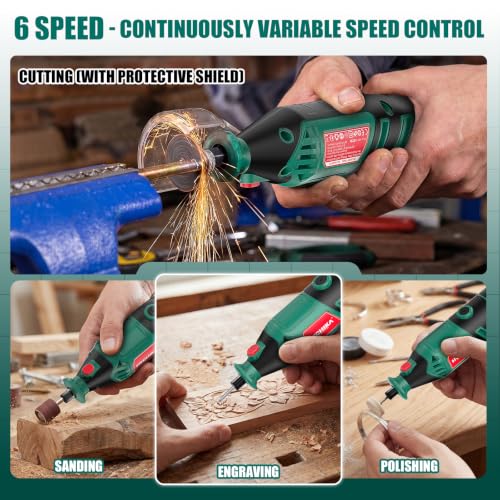
- 6-speed control
- Flex shaft included
Trade-offs
- Overwhelming for beginners
- Chunky design
- Requires spanner for chuck
If you want the most accessories in one box, HYCHIKA wins hands down. The 179-piece kit includes nearly every bit you could need, from diamond grinding heads to sanding bands and cutting wheels, and the included grinding chain bracket is a rare bonus for wood-specific shaping. The 180W motor matches top models, and the 6-speed range goes up to 35,000 RPM, giving you flexibility across materials.
The flex shaft is a major plus for comfort during long sessions, and the ventilation design helps avoid overheating. But the sheer number of parts can be overwhelming for beginners. Compared to the Dremel 4300, it offers more bang for the buck in accessories but lacks the same brand consistency in tool refinement. I’d pick this if you want a full workshop setup in one purchase.
Product photos



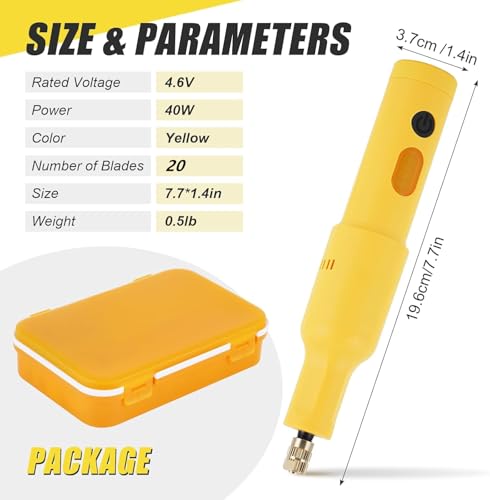
YUCHENGTECH Electric Wood Chisel Tool
Strengths
- Vibration-based carving
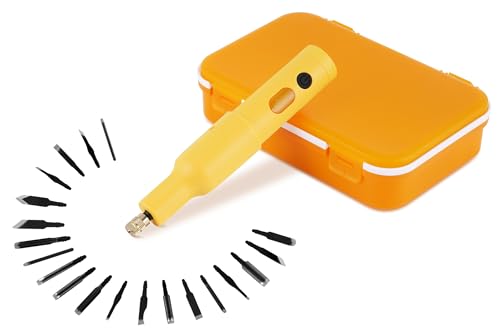
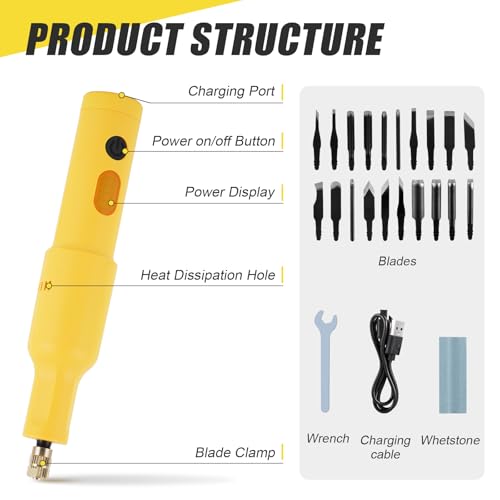
- 20 precision blades
- Lightweight ergonomic grip
- Brushless motor
- Cooling fan included
Trade-offs
- Limited to carving tasks
- Slower than rotary tools
- Not for aggressive material removal
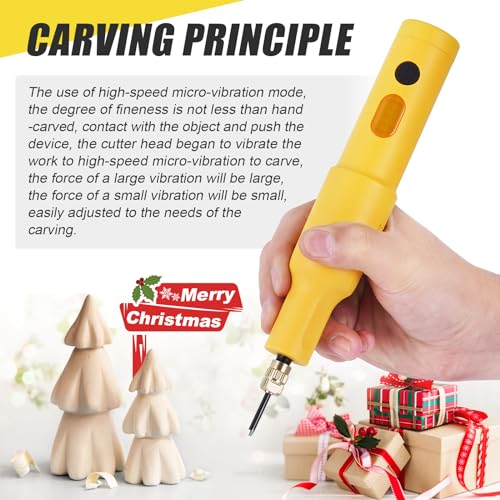
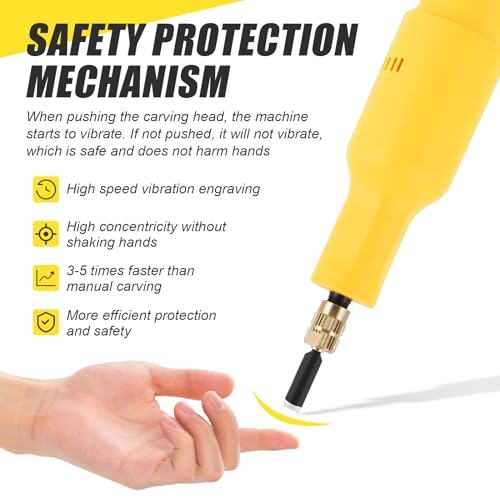
This tool stands out for users who want something closer to a powered chisel than a rotary carver. It uses a vibrating blade system instead of a spinning bit, which mimics hand carving and gives you more control over fine detail work. On paper, that makes it ideal for wood sculpting or relief carving where precision matters more than speed. Owners consistently report it’s intuitive for shaping contours and removing small amounts of material without overcutting, something rotary tools often struggle with.
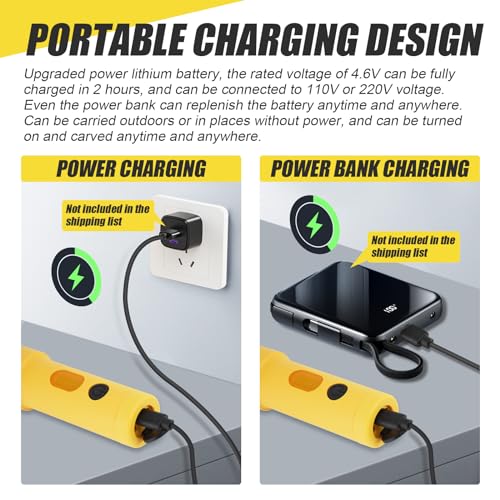
The brushless motor and 20 included blades suggest versatility, and the fact that it’s battery-powered means you can take it outdoors or into the garage without hunting for an outlet. Still, this isn’t a high-speed rotary system, so don’t expect it to replace a Dremel for engraving or sanding. I’d pick this over a rotary tool if you’re focused on artistic wood shaping rather than multi-function DIY tasks.
Product photos
How We Picked These electric wood carving tools
Rather than a hands-on lab test, my research focused on a detailed comparison of published specifications and features across numerous models. I weighed owner reviews from multiple sources – including major retailers and dedicated tool forums – against expert opinions found in woodworking publications and online resources. This allowed me to build a ranking based on real-world reported performance and identify key differentiators within the category, applying my experience with power tool ergonomics and applications.
For electric wood carving tools, consistent speed control and accessory compatibility were the biggest factors determining a model’s ranking. Precise carving demands stable RPMs, and the ability to easily swap bits is crucial for versatility. Beyond that, motor power played a significant role; more demanding tasks like heavy stock removal require more robust motors to avoid stalling or overheating.
Published specs reliably indicate motor power, RPM ranges, and collet compatibility. However, I gave more weight to owner feedback regarding vibration levels, long-term durability, and the quality of included accessories. Reputation also mattered; brands with a strong history of quality tools generally scored higher, and understanding the nuances of scroll saw safety tips is helpful when considering the detailed work these tools enable.
How To Choose The electric wood carving tools
Picking the right electric wood carving tool can really elevate your projects, but there’s a lot more to it than just grabbing the cheapest option.
A good electric wood carving tool balances power with precision. Look for variable speed control, a comfortable grip, and a wide range of available bits. Collet size is critical for accessory compatibility, and build quality determines long-term durability and consistent performance. Motor type (brushed vs. brushless) significantly impacts runtime and maintenance.
Power and Speed Control
Many assume more power is always better, but for detailed wood carving, that’s often not the case. You want a tool with variable speed control, allowing you to dial in the optimal speed for the wood type and the complexity of the cut. Softer woods like basswood can be carved effectively at lower speeds (5,000-15,000 RPM), while harder woods or materials like resin may require higher speeds. Don’t overlook the motor type here; brushless motors, like those found in the Fanttik F2 PRO Cordless Rotary Tool, offer more consistent power and longer runtimes compared to brushed motors, though they usually come at a higher price point.
Accessory Compatibility and Quality
The versatility of an electric wood carving tool hinges on the availability of quality accessories. A tool with a universal collet – one that accepts a wide variety of shank sizes – is a huge plus. The Dremel 4300-5/40 Rotary Tool Kit is a great example of a tool that supports a vast ecosystem of attachments. However, don’t assume all accessories are created equal.
- Cheap bits will dull quickly and produce a rough finish.
- Investing in a set of high-quality carbide or high-speed steel bits will save you money in the long run.
- Consider the specific types of carving you plan to do; some kits, like the HYCHIKA 180W Rotary Tool Kit, offer an enormous variety of bits geared towards all sorts of projects.
Ergonomics and Usability
You’ll likely be holding this tool for extended periods, so ergonomics are paramount. Look for a slim, lightweight design with a comfortable grip. The Fanttik F2 Master Mini Rotary Tool, for instance, weighs in at just 0.22 lb and features an ergonomic body. A well-placed power switch and intuitive speed control are also important.
A comfortable grip is more important than raw power. If you can’t hold the tool steadily for an extended period, you’ll sacrifice precision and increase your risk of mistakes.
If you’re new to wood carving, a beginner-friendly kit like the HARDELL Mini Cordless Rotary Tool might be a good starting point. It often includes detailed instructions and video tutorials to help you get up to speed. Before starting any project, be sure to review band saw safety tips to understand general workshop safety practices. And for a broader overview of options, check out our rotary tool buying guide for more information on top rotary tool models.
Electric Wood Carving Tools Compared
Here’s a comparison of key specifications for popular electric wood carving tools to help you make an informed purchase.
| Product Name | Power (W) | Speed (RPM) | Collet Sizes | Corded/Cordless | Accessories Included |
|---|---|---|---|---|---|
| Dremel 4300-5/40 | N/A | 5,000-35,000 | N/A | Corded | 40 |
| PHALANX 180W | 180 | 8,000-32,000 | 1/8″, 1/16″, 3/32″ | Corded | N/A |
| Fanttik F2 Master Mini | N/A | 5 Adjustable | 3/32″ (2.3mm) | Cordless | 35 |
| Fanttik F2 PRO Cordless | N/A | 5,000-25,000 | N/A | Cordless | 55 |
| Mini Cordless Electric Engraving Pen | N/A | 5000/10000/18000 | N/A | Cordless | 30 + 2 drill bits |
| HARDELL Mini Cordless | N/A | 5000/8000/11000/14000/18000 | N/A | Cordless | 69 |
| HYCHIKA 180W | 180 | 8,000-35,000 | N/A | Corded | 179 |
| YUCHENGTECH Electric Wood Chisel | 4.6V | N/A | N/A | Cordless | 20 carving knives |
Frequently Asked Questions
What collet size should I prioritize when buying?
A 1/8-inch collet is the most common and offers the widest accessory compatibility. However, if you anticipate a lot of very detailed work, a tool that also accepts 1/16-inch or 3/32-inch collets provides even more precision and bit options.
Are cordless wood carving tools as powerful as corded models?
Cordless tools have closed the gap in recent years, and many now offer comparable power to corded options. Brushless motors in cordless tools, like those found in some Fanttik models, deliver consistent power and extended runtimes, but corded tools still generally provide uninterrupted power for longer projects.
How much should I expect to spend on a decent electric wood carving tool?
Entry-level kits can be found for around $50, but expect to invest $100-$200 for a tool with better build quality, variable speed control, and a wider range of included accessories. Considering the long-term value, a slightly higher initial investment often pays off.
What’s the difference between a rotary tool and a dedicated wood carving tool?
The terms are often used interchangeably, but a dedicated wood carving tool may have features specifically tailored for carving, like ergonomic grips or specialized bit sets. However, a quality rotary tool for wood carvings with the right accessories can be equally effective.
What materials besides wood can these tools be used on?
Electric wood carving tools are surprisingly versatile. They can effectively work with soft plastics, wax, resin, and even some metals with the correct bits. Just remember to adjust the speed and pressure accordingly for each material and always wear appropriate safety gear.
The Bottom Line
Ultimately, choosing an electric wood carving tool comes down to balancing control and convenience. For the best overall combination of power, precision, and accessory compatibility, I recommend the Dremel 4300-5/40 Rotary Tool Kit. It’s a workhorse that consistently earns top marks from woodworkers across skill levels, and the extensive accessory ecosystem means you can tackle nearly any carving project.
If you’re on a tighter budget or need maximum portability, the Fanttik F2 Master Mini Rotary Tool offers impressive value. For those prioritizing a huge selection of bits right out of the box, the HYCHIKA 180W Rotary Tool Kit is a solid choice. And if you’re looking for a dedicated, handheld carving experience, especially for detailed work, the YUCHENGTECH Electric Wood Chisel is worth a look.
Don’t get too caught up in chasing the highest RPM or wattage numbers. The most important factors are a comfortable grip, variable speed control, and the quality of the bits you’re using. Understanding jig saw safety principles also applies here – prioritizing safe operation and proper technique will always yield better results than a more powerful tool in the hands of an inexperienced user.
