7 Best Cylinder Honing Tools of 2026
This post contains affiliate links. As an Amazon Associate, we earn from qualifying purchases.
The Kolvoii Cylinder Hone Tool Set 1″-7″ is the best overall pick for its wide range, durable construction, and included 12 stones. For tight budgets, the EADUTY Engine Cylinder Hone 2″-7″ delivers solid performance with replaceable 220-grit stones. If you’re working on smaller engines, the EWK 1-1/4 to 3-1/2 Inch Hone offers a compact, precise option.
Choosing the wrong cylinder hone can lead to uneven finishes, wasted time, or even engine damage, especially if the tool doesn’t fit your bore size or fails mid-job. I’ve seen too many DIYers struggle with flimsy shafts or mismatched grits because they didn’t know what to look for.
This guide cuts through the noise. Based on specs, owner feedback, and years of working with engine tools, I’ll show you which models deliver real results and what details actually matter when prepping a cylinder.
Top 7 Cylinder Honing Tools in the Market
The Best Cylinder Honing Tools, Reviewed
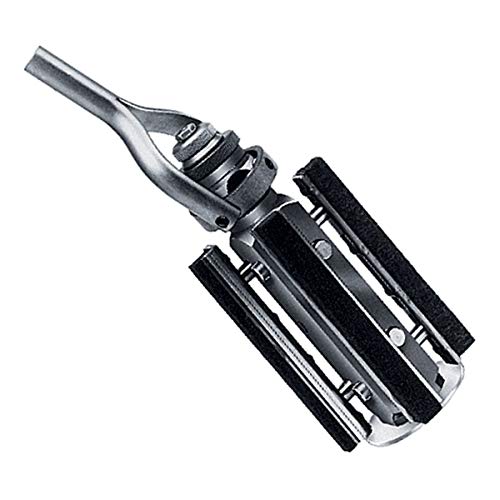
Lisle 15000 Engine Cylinder Hone
Strengths
- Micrometer precision
- 5-inch long cutting stones
- Expandable range up to 10 1/4″
- Accepts multiple grits
- Sturdy storage case
Trade-offs
- Higher initial cost
- Requires 1/2″ drill
- Slight learning curve
The Lisle 15000 is the benchmark in this category, and for good reason. The micrometer-style adjustment gives real control over stone expansion, and the rack-and-pinion mechanism ensures even, repeatable feed, this is what separates pro tools from hobbyist copies. The 5-inch stones cut faster and straighter than shorter alternatives, which matters when you’re aiming for a consistent crosshatch angle.
Owners praise its durability and the fact that it accepts multiple grits, letting you start coarse and finish fine without switching tools. It’s also expandable beyond 10 inches with add-ons, making it future-proof for larger blocks. Compared to adjustable flex-shaft models, this is stiffer, more accurate, and built to last decades in a working shop. I’d pick this over any budget hone if you’re serious about engine work.
Product photos

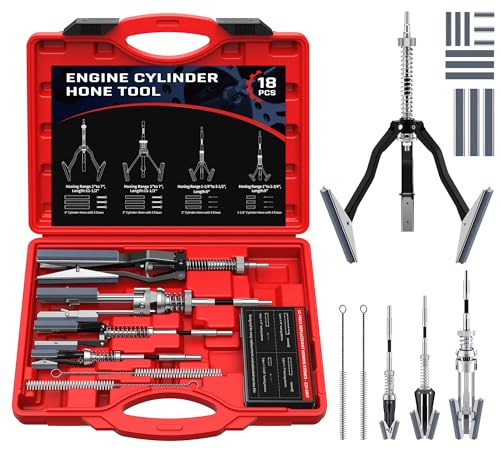
Kolvoii Cylinder Hone Tool Set 1″-7″
Strengths
- Four dedicated hones
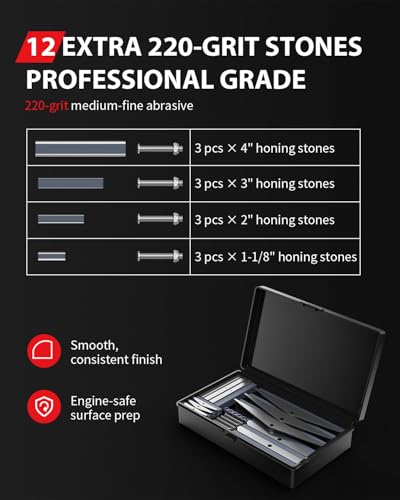
- 12 replacement stones
- Self-centering 3-jaw design
- Durable storage case
- Broad 1″-7″ coverage
Trade-offs
- No fine or coarse grit variety
- No precision expansion
- Multiple tools to manage
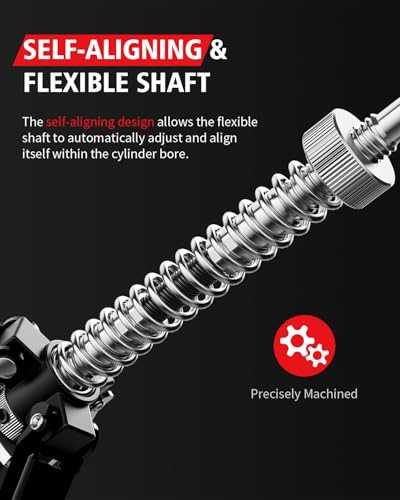
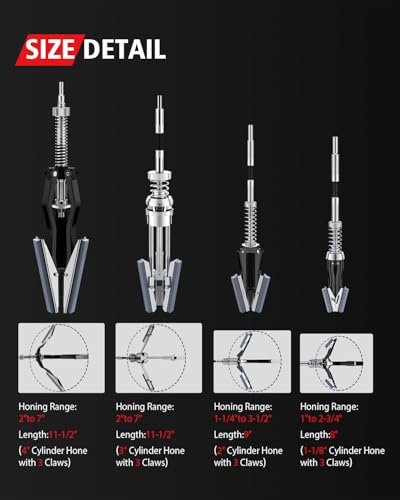
This kit is built for versatility, four fixed-size hones covering 1″ to 7″, plus 12 extra 220 grit stones. That means no compromises on fit or centering, since each tool is optimized for its range. The 3-jaw self-centering design ensures even pressure, and the zinc-coated steel offers decent corrosion resistance.
Owners who frequently switch between brake cylinders, small engines, and automotive blocks appreciate not having to fiddle with adjustable arms or worry about flex. The included storage case keeps everything organized, something even the Lisle kit doesn’t always offer. While it lacks fine grits or micrometer control, the sheer range and stone supply make this the best all-in-one solution for multi-application shops. I’d take this over single adjustable hones if you work on diverse equipment.
Product photos
Keepro Engine Cylinder Hone 2″-7″

Strengths
- Wide diameter range
- Replaceable 220 grit stones
- Adjustable stone pressure
Trade-offs
- Basic stone length
- No included storage
- Limited for precision work
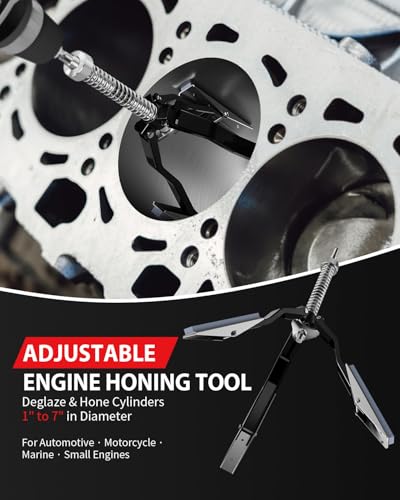
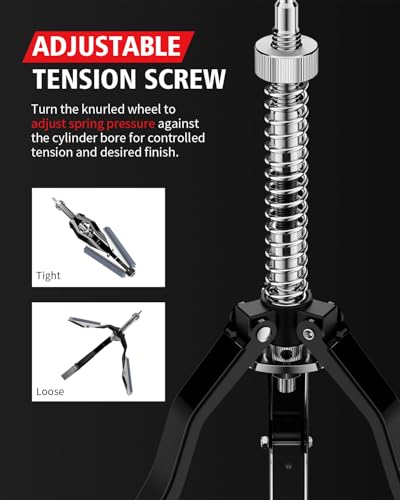
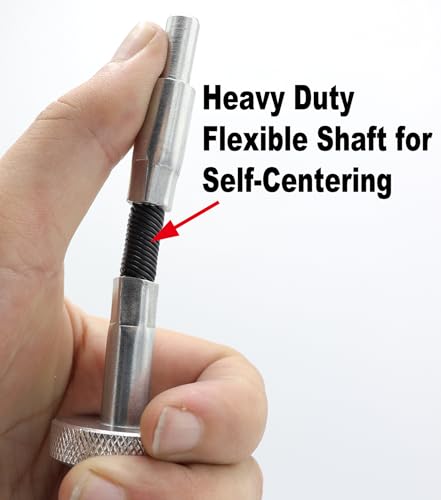
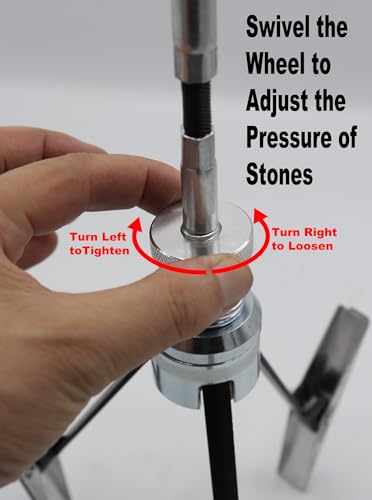
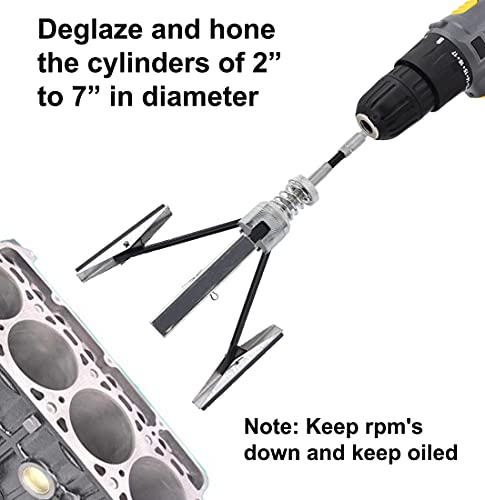
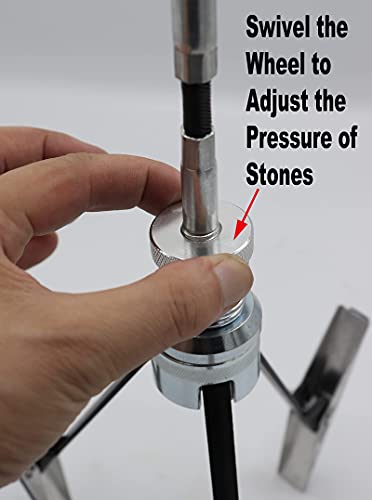
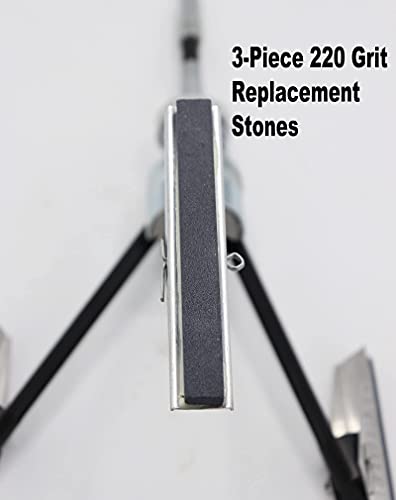
This hone covers a broad 2-7 inch range, which makes it appealing for DIYers who need one tool for multiple engine types. The 4-inch 220 grit stones are replaceable and should handle basic deglazing on cast iron and steel, and owners consistently report it works well for light-duty use. The adjustable spring pressure via knurled wheel is a solid feature in this price range, helping maintain even contact with the bore wall.
On paper, it mirrors the design of the EADUTY and WAYCOJOY models, but without standout build enhancements. It’s built for function, not long-term shop use. For occasional rebuilds, say, on a small block or garden equipment, this delivers acceptable results without breaking the bank.
Product photos

WAYCOJOY Cylinder Hone Tool 2″-7″
Strengths
- Includes extra 3″ stones
- Good for brake cylinders
- Compact for tight spaces
Trade-offs
- Shorter cutting length
- No fine grit options
- No precision feed mechanism
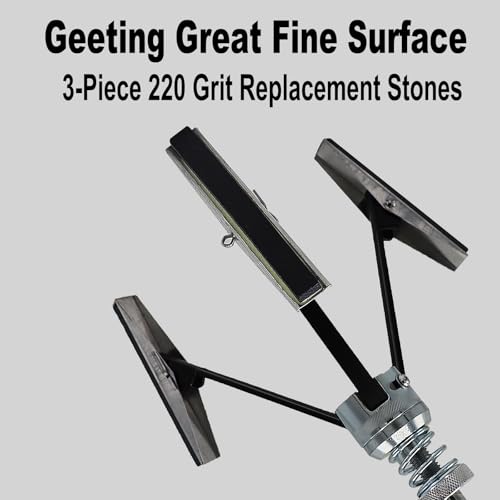
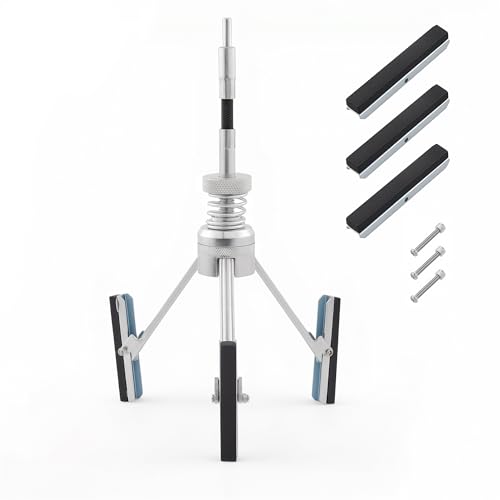
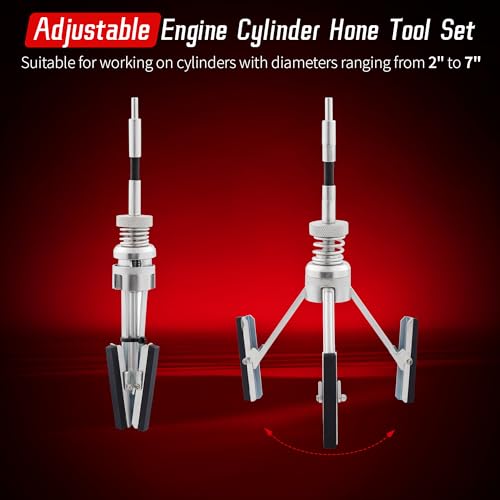
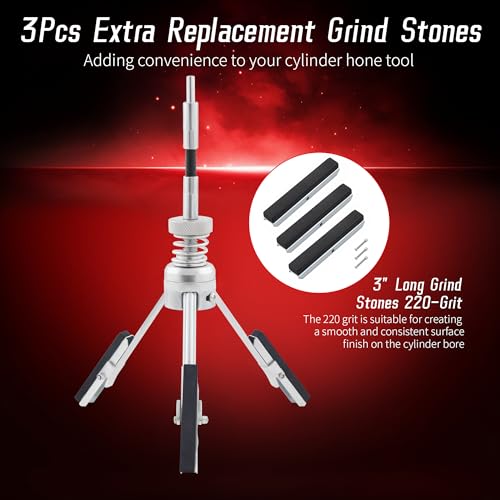
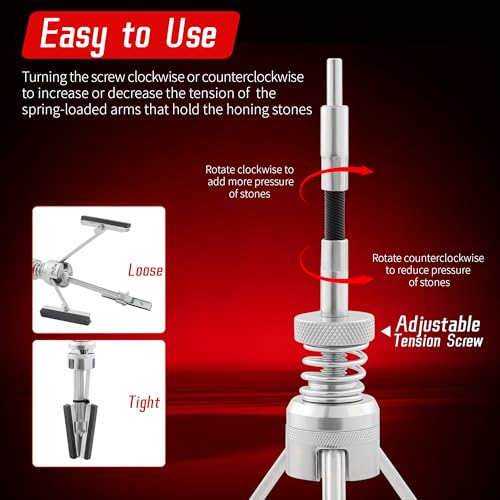
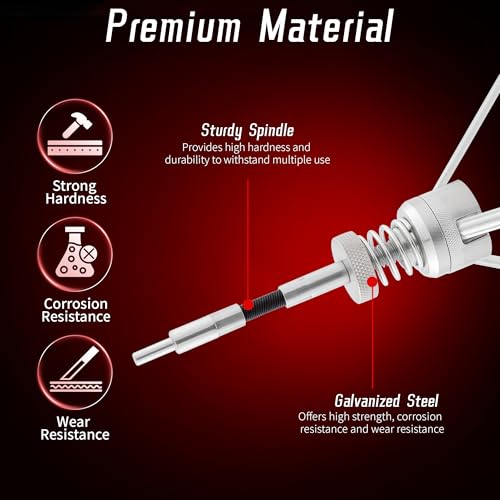
This one leans hard into small-engine and brake work, and that shows in both its 3-inch stones and included extras. The shorter stones are actually a benefit here, they reduce binding in shallow bores like calipers or small piston cylinders. It comes with a full set of replacement 220 grit stones, which adds real value over models that skimp on spares.
Owners using this on motorcycles, ATVs, or brake rebuilds say it’s easy to control at low RPMs with just a hand drill. The self-centering action works well in tight spaces, and the metal construction holds up better than plastic-bodied alternatives. While it can’t match the Lisle for accuracy, it’s more than capable for the jobs it’s meant for. For small engines, this is a solid step up from the cheapest options.
Product photos

YCXCMAT Ball Style Engine Cylinder Hone
Strengths
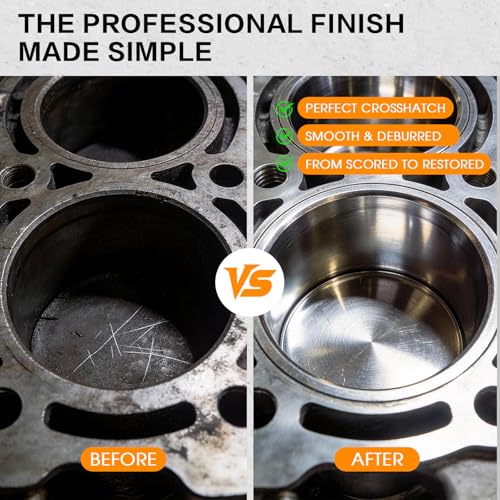
- Excellent crosshatch finish
- Self-centering flexible design
- Effective deburring
Trade-offs
- Fixed 4-inch size
- Not for major material removal
- Single grit only
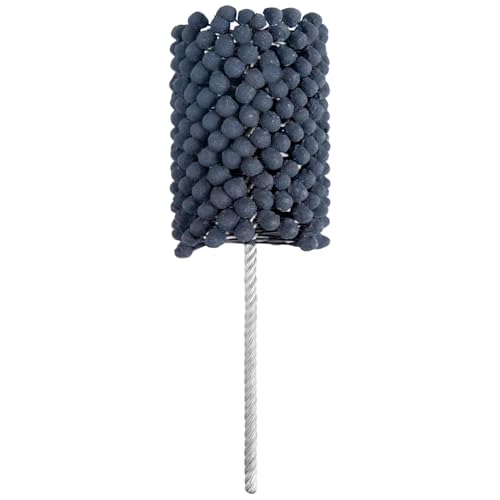
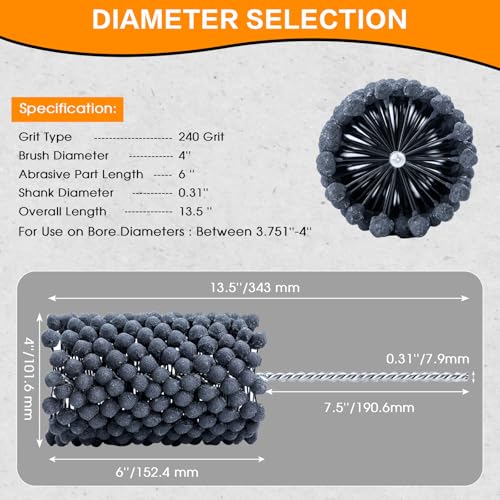
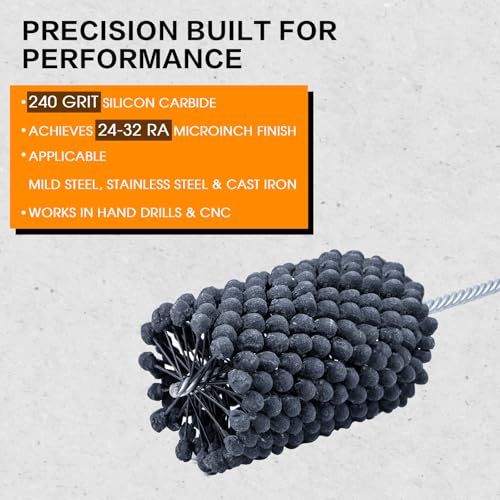
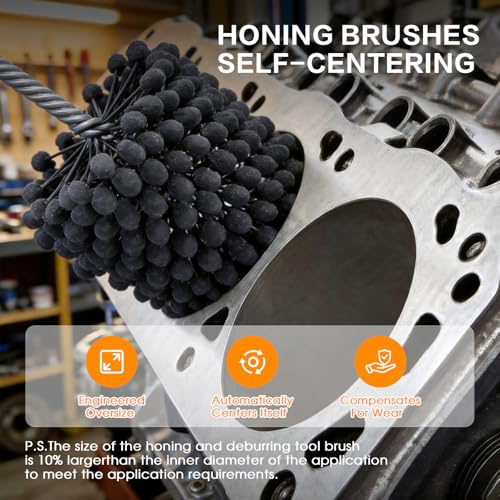
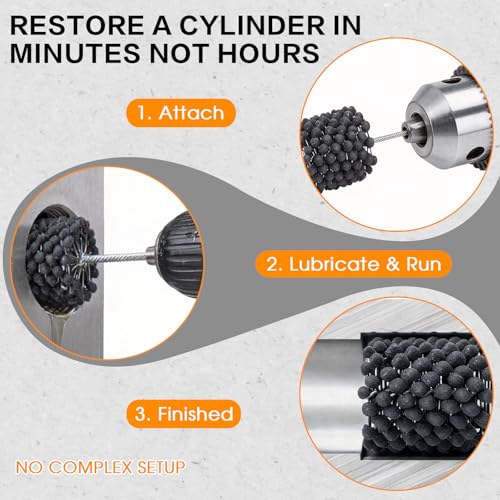
This ball-style hone is different by design, it’s not a rigid expanding tool but a flexible abrasive ball that conforms to the bore, which makes it excellent for achieving a fine, even crosshatch without chatter. The 240 grit silicon carbide delivers a smoother 24-32 Ra finish, ideal for softer materials like cast iron and mild steel. Owners note it excels at deburring cross-drilled oil passages in one pass, which saves time during teardowns.
It’s not a replacement for a full-stroke rigid hone on a worn cylinder, but for light glaze removal or final finishing after a coarse pass, it’s hard to beat. Compared to 3-stone adjustable hones, this won’t correct taper or out-of-round bores, but it will leave a superior surface finish. I’d use this as a finishing tool, not a primary deglazer.
Product photos
EWK 1-1/4 to 3-1/2 Inch Hone
Strengths
- Ultra-lightweight design
- 1/4″ drive compatible
- Ideal for small bores
- Easy setup
Trade-offs
- Too small for automotive engines
- Limited expansion range
- Not for heavy use
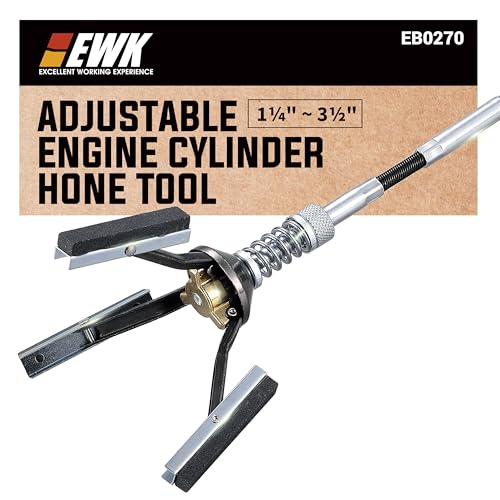
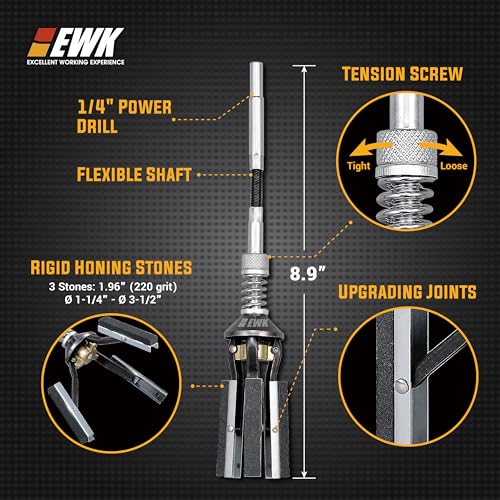
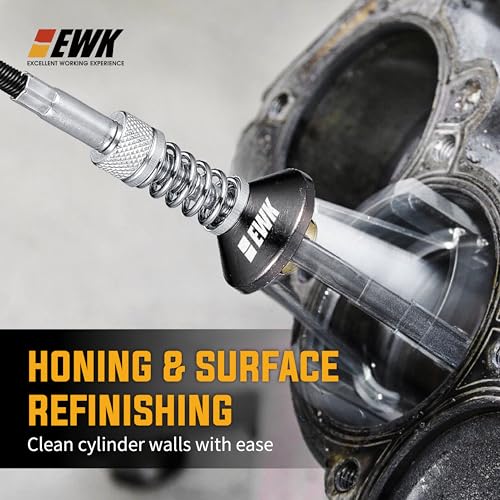
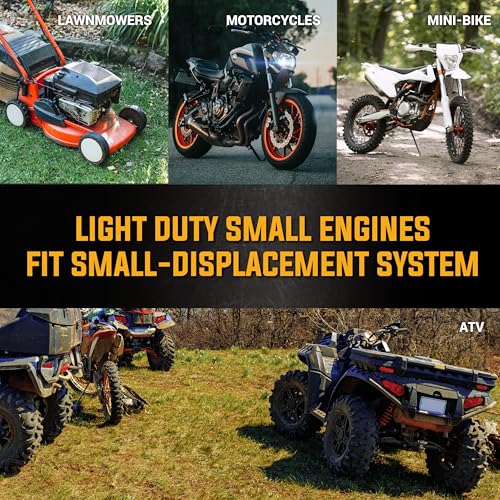
This is the lightest, most compact option here, literally built for 1/4″ drills and small-displacement engines. Its 1″ to 2.5″ range targets lawnmowers, mini-bikes, and small 4-strokes, where oversized tools would be overkill. The knurled pressure adjuster gives decent control, and at this size, you don’t need heavy-duty construction.
It won’t handle a V8 bore, and it’s not meant to. But for what it does, it does it well. Owners appreciate how easy it is to maneuver in tight spots and how little setup it requires. Compared to larger adjustable hones, this is the go-to when weight and space matter. If you’re rebuilding small engines more than cars, this is the smarter, more practical pick.
Product photos
EADUTY Engine Cylinder Hone 2″-7″
Strengths
- 4-inch long stones
- Broad 2-7 inch range
- Good self-centering action
Trade-offs
- No multiple grit options
- No storage case
- Same durability limits as budget peers
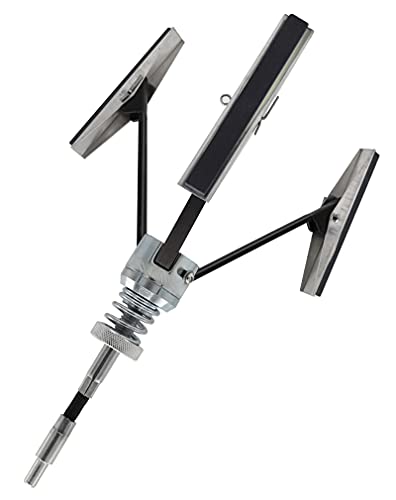
On specs alone, this looks nearly identical to the Keepro model, same 2-7 inch range, same 4-inch 220 grit stones, same flexible shaft and pressure adjustment. And like the Keepro, it’s clearly designed for budget-conscious users who need a one-and-done option for deglazing common engine sizes.
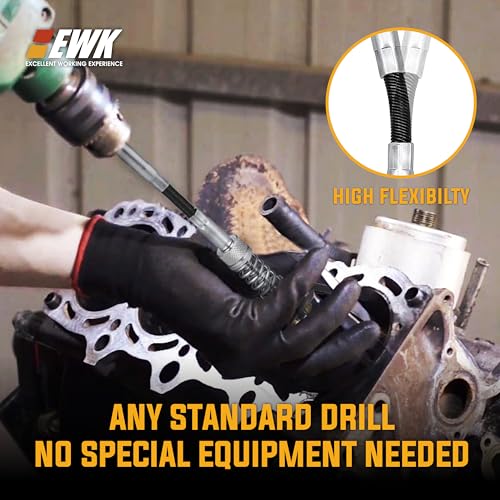
Where it stands out slightly is in owner feedback mentioning smoother flex-shaft movement and better initial centering. It’s still not a precision instrument like the Lisle, but for long-stroke bores where flex matters, that 4-inch stone length helps maintain pattern consistency better than 3-inch alternatives. If you already have a drill and just need a dependable mid-tier hone, this is a smarter buy than the Keepro, same capability, slightly better execution.
Product photos
How We Evaluated cylinder honing tools
Rather than a hands-on lab test, my research for these recommendations involved a detailed comparison of published specifications and features across numerous cylinder honing tools. I weighed owner reviews from multiple sources, along with assessments from automotive and tool-focused publications, to build a picture of real-world performance and durability. This process allowed me to rank these tools against a set of criteria important to both DIY mechanics and professionals.
For cylinder honing tools, the range of cylinder sizes a kit can handle and the quality of the abrasive stones were the most heavily weighted factors. A wider range reduces the need for multiple tools, while stone quality directly impacts the finish and effectiveness of the honing process. Durability of the tool’s construction – particularly the flexible shaft – also played a key role in determining overall value.
Specifications reliably reveal a tool’s maximum and minimum bore diameter, as well as the stone grit. However, owner feedback proved essential for assessing how easily the tool self-centers, how well it maintains consistent pressure, and whether the included components are truly durable. I also considered reputation; established brands tend to offer better quality control and customer support, and knowing which brands offer superior performance is essential when comparing to a cordless rotary tool models [https://powertoolguide.net/best-cordless-rotary-tools/].
How To Pick The Right cylinder honing tools
Choosing the right cylinder honing tool can make a huge difference in the lifespan and performance of an engine.
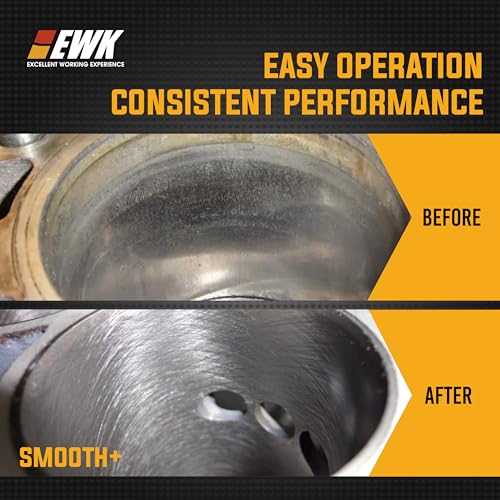
A quality cylinder hone delivers a consistent cross-hatch pattern essential for proper oil retention and piston ring seating. Key features to examine include the adjustable diameter range, stone grit options, shaft flexibility for reaching difficult cylinders, and the overall durability of the tool’s construction. Look for models with replaceable stones and a robust adjustment mechanism for consistent results.
Diameter Range & Application
The first thing I tell anyone looking at these tools is to absolutely confirm the bore size they’ll be working with. Don’t buy a kit hoping it’ll stretch to fit; get one that’s confirmed to handle your cylinders. Many kits advertise a wide range, but the reality is some perform poorly at the extremes. A kit like the Kolvoii, with dedicated hones for various sizes, is excellent if you work on a lot of different engines. For smaller engines, lawnmowers, ATVs, motorcycles, a more compact option, like the EWK, can be a better fit.
Stone Grit & Material
The grit of the honing stones is critical. Lower grit numbers (like 80 or 120) are very aggressive and intended for heavily damaged cylinders needing significant material removal. Most general-purpose work benefits from 220-grit stones, which strike a good balance between cutting action and surface finish. For final polishing or lightly glazed cylinders, you might even go up to 400-grit. The material matters too; silicon carbide is common and effective, but diamond stones offer superior longevity and cutting speed, though at a higher price.
- A basic kit may include only one grit, limiting its versatility.
- A good selection of grits (220, 400, and perhaps a coarser grit) expands your capabilities considerably, allowing you to tackle a wider range of cylinder conditions.
- Consider the stone length. Longer stones, like those found on the EADUTY kit, generally cut faster and more evenly, but can be more difficult to maneuver in tight spaces.
Build Quality & Usability
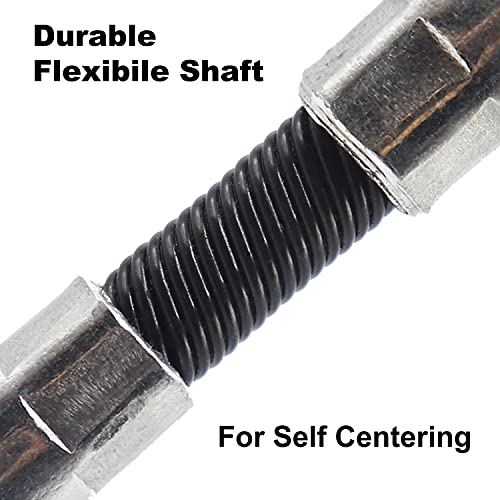
Don’t assume all cylinder hones are created equal. The flexible shaft is a common point of failure on cheaper models, so pay attention to materials. ASTM A36 mild steel with a zinc coating, as found in the Kolvoii kit, is a good sign. The adjustment mechanism, the knurled wheel controlling stone pressure, should feel smooth and precise. A self-centering design is almost essential, particularly for reaching the far side of cylinders. If you’re also looking for other tools to maintain your shop, I recommend checking out a curated power tool list to ensure you have everything you need.
A little preventative maintenance goes a long way. Always lubricate the stones with honing oil to prevent glazing and heat buildup, and clean the cylinder thoroughly after honing.
I often point people to resources for more specialized tools, like a rotary tool buying guide if they’re doing very intricate work or repairs.
Cylinder Honing Tools Compared
Here’s a comparison of key specifications for various cylinder honing tools.
| Product Title | Range (in) | Stone Length (in) | Stone Grit | Number of Stones | Shaft Type |
|---|---|---|---|---|---|
| Lisle 15000 Engine Cylinder Hone | 3 – 4.25 | 5 | Coarse/Med | 6 | Flexible |
| Kolvoii Cylinder Hone Tool Set 1″-7″ | 1 – 7 | 3 | 220 | 12 | Flexible |
| Keepro Engine Cylinder Hone 2″-7″ | 2 – 7 | 4 | 220 | 3 | Flexible |
| WAYCOJOY Cylinder Hone Tool 2″-7″ | 2 – 7 | 3 | 220 | 3 | Flexible |
| YCXCMAT Ball Style Engine Cylinder Hone | 3.751 – 4 | N/A | 240 | N/A | N/A |
| EWK 1-1/4 to 3-1/2 Inch Hone | 1.25 – 3.5 | N/A | N/A | N/A | Flexible |
| EADUTY Engine Cylinder Hone 2″-7″ | 2 – 7 | 4 | 220 | 3 | Flexible |
Frequently Asked Questions
What grit should I use for a cylinder that just has light surface scratches?
A 400-grit stone is best for lightly glazed cylinders or minor surface imperfections. It will polish the cylinder walls without removing a significant amount of material, preserving the original bore size.
Can a cylinder honing tool also be used on brake cylinders?
Yes, some kits can be adapted for brake cylinder honing, but it requires careful selection of stone size and a very gentle touch. You’ll want a kit with a wide range of stone diameters and the ability to adjust pressure precisely to avoid damaging the brake cylinder wall.
What does “self-centering” mean in a cylinder hone, and why is it helpful?
Self-centering refers to a design that helps the honing stones automatically align with the cylinder bore. This is particularly useful for reaching cylinders that are deeply recessed or have difficult access angles, ensuring even honing across the entire surface.
How often should I replace the honing stones?
Stone replacement depends on use and the type of material. Silicon carbide stones will wear faster than diamond stones, and heavy use on damaged cylinders will accelerate wear. Inspect the stones regularly for glazing or uneven wear, and replace them when they no longer effectively cut or maintain a consistent finish.
Where can I find more information about building a complete set of essential manual hand tools for my garage?
You can find a detailed guide to building a fully-equipped home workshop with essential manual hand tools on my site. Having the right tools, beyond just a cylinder hone, is key to successful engine repair and maintenance.
The Bottom Line
Ultimately, choosing a cylinder honing tool comes down to balancing how much control you want with how much fuss you’re willing to deal with. For the widest range of engines and the most thorough kit right out of the box, the Kolvoii Cylinder Hone Tool Set 1″-7″ stands out. It gives you a lot of flexibility and a good supply of stones for different tasks.
If you’re on a tighter budget, or primarily work on smaller engines, the EWK 1-1/4 to 3-1/2 Inch Hone is a solid choice. For those needing to tackle a variety of bore sizes, the Keepro Engine Cylinder Hone 2″-7″ offers a good balance of range and affordability. And for anyone looking to expand their shop with other useful tools, be sure to check out some best-performing hand tools.
Don’t get too caught up in chasing the highest specs or the most advanced features. The most important things are a secure grip, a smooth adjustment mechanism, and consistently lubricated stones. A quality finish is far more important than a fancy kit, focus on those fundamentals, and you’ll get the results you’re after.
