8 Best Dust Separators for 2026
This post contains affiliate links. As an Amazon Associate, we earn from qualifying purchases.
The Dust Deputy Low-Pro Plus Cyclone is the best overall dust separator for keeping fine dust out of your vacuum, thanks to its 99.9% efficiency and smooth operation. For those on a tighter budget, the DEWALT 6 Gallon Poly Tank offers solid performance and easy mobility. If you want maximum capacity and durability, the VEVOR 13.21 Gallon Metal Tank stands out with its rugged build and transparent design.
If you’ve ever emptied a shop vac full of fine sawdust, you know how quickly it clogs filters and kills suction. That’s not just annoying, it shortens your vacuum’s life and wastes your time.
After comparing specs and owner feedback across dozens of models, I focused on separation efficiency, build quality, and real-world usability. These picks deliver the best balance of performance and value for DIYers and serious workshop users alike.
Top 8 Dust Separators in the Market
The Best Dust Separators, Reviewed
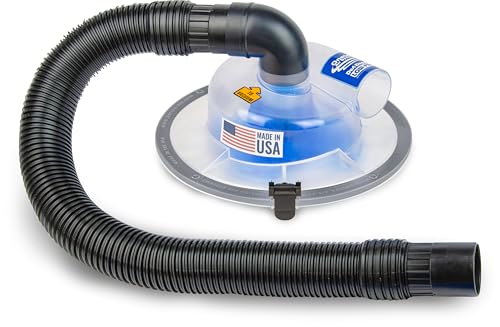
Dust Deputy Low-Pro Plus Cyclone
Strengths
- 99.9% separation efficiency
- Stable low-profile design
- Made in USA
Trade-offs
- Higher price point
- Requires 5-gallon bucket (sold separately)
This is the one I’d recommend to most people if they’re upgrading from a basic shop vac lid. The Dust Deputy Low-Pro Plus delivers on its 99.9% separation claim, owners consistently report near-total filter protection, even with fine sanding dust. The low-profile design improves stability, which reduces tipping, and the neoprene gasket seals like a pro.
What sets it apart is the balance: high airflow, excellent separation, and US-made quality. It’s not the cheapest, but it’s the smartest buy for serious hobbyists and pros who want reliability. Compared to the Kreg or DEWALT bucket kits, this one feels more refined in fit and function.
Product photos

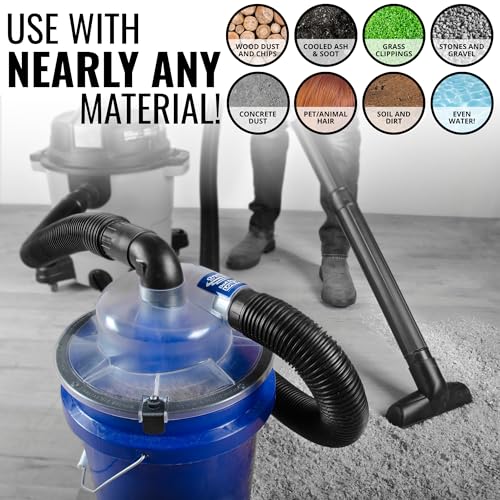
The Dustopper PRO
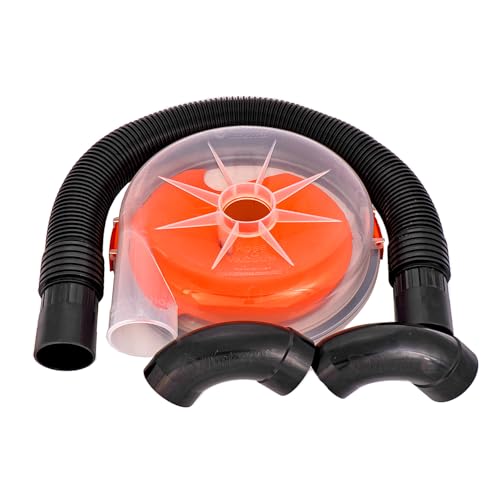
Strengths
- Superior separation efficiency
- High-flow sweep elbows included
- Leak-proof gasket
Trade-offs
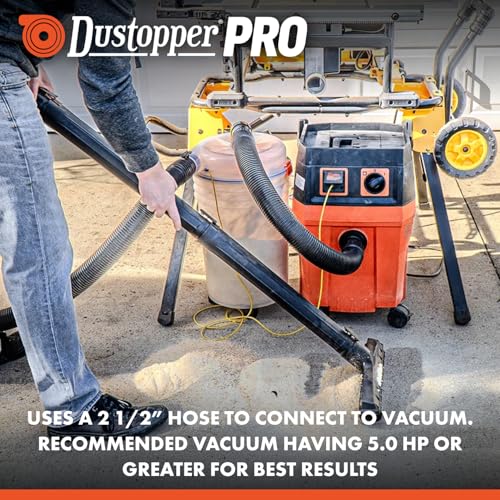
- Requires strong vacuum (5HP+)
- Premium price
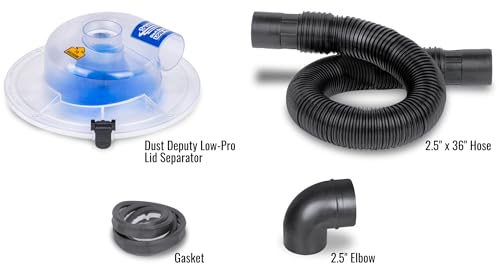
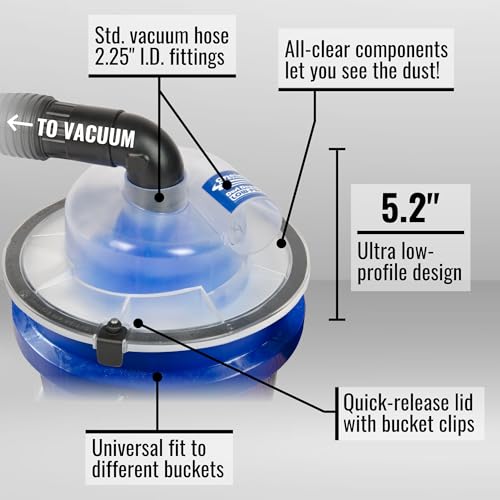
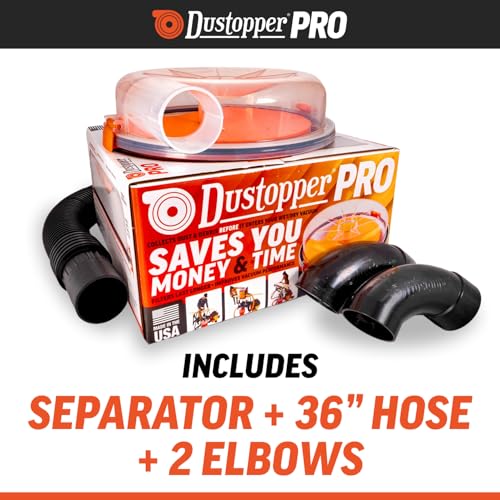
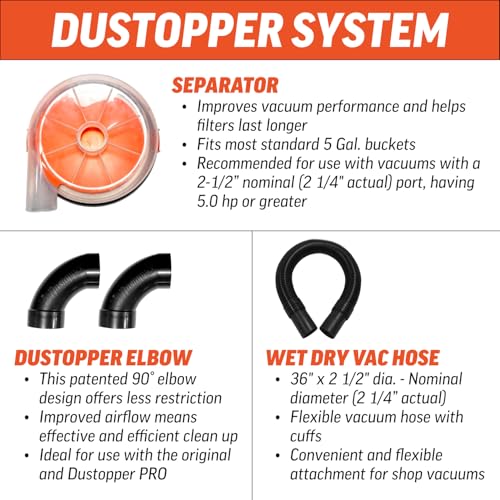
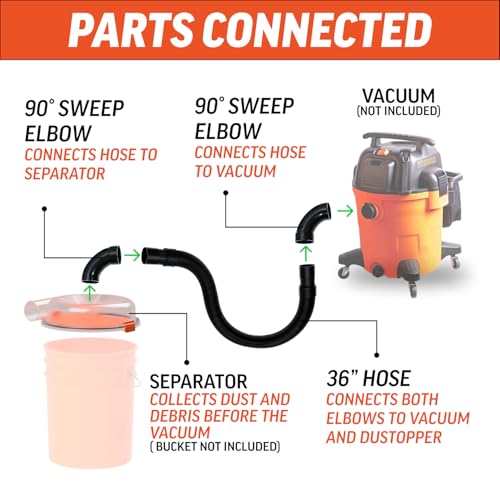
The Dustopper PRO is built for efficiency, not just airflow, and that’s a crucial difference. While some separators chase high CFM, this one is engineered to maximize dust separation by minimizing turbulence. Owners and reviewers note it outperforms many in actual particle capture, especially with fine dust.
The included sweep elbows are a real upgrade, they reduce resistance and improve flow. And the pre-installed EPDM gasket seals tight without fuss. If you’ve got a 5HP+ vacuum and want the most efficient separation possible, this is the one to beat. It’s not the cheapest, but it’s built like a pro tool.
Product photos

DEWALT 10 Gallon Stainless Steel

Strengths
- Stainless steel durability
- Excellent build quality
- Smooth rolling casters
Trade-offs
- Heavier than plastic tanks
- Higher cost
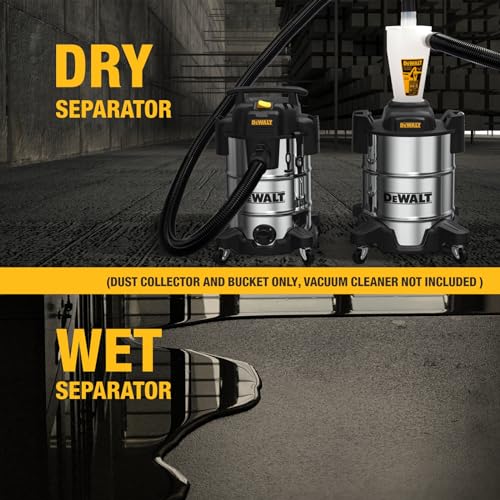
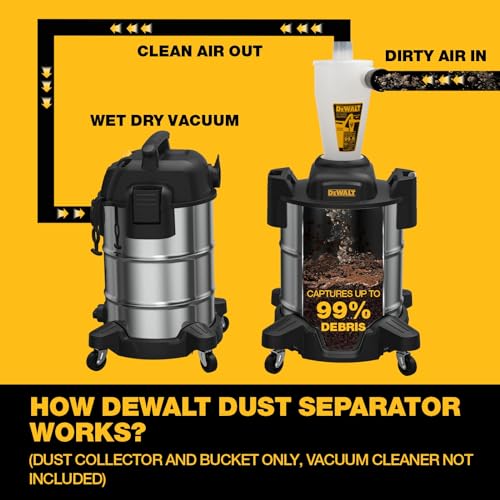
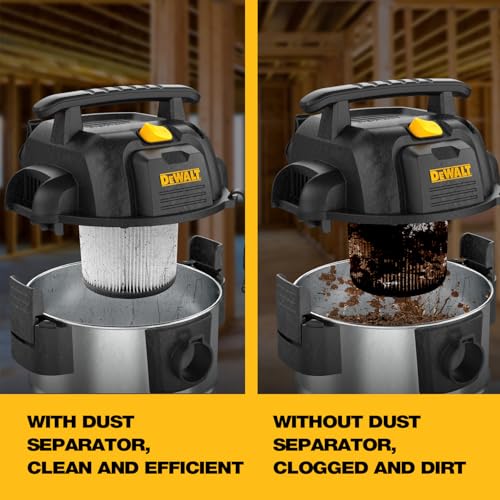
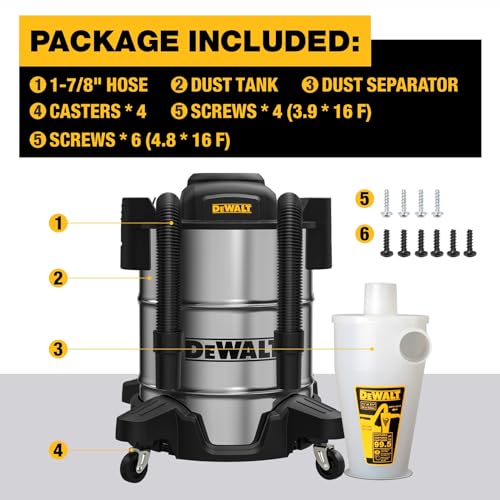
DEWALT built this like a tank, and that’s exactly what it’s for. The 10-gallon stainless steel bucket is tough, easy to clean, and resists dents and corrosion, perfect for job sites or gritty environments. The 99.5% efficiency is backed by owner reports of minimal filter loading, even after long drywall or concrete work.
I’d choose this over plastic tanks for heavy-duty or commercial use. It’s heavier, sure, but the four-caster base makes it manageable. Compared to the VEVOR, it’s smaller in capacity but more durable in construction. This is the kind of unit that lasts years with minimal maintenance.
Product photos
DEWALT 6 Gallon Poly Tank

Strengths
- Complete kit included
- Good efficiency
- Affordable
Trade-offs
- Plastic tank less durable
- Lighter build feels less premium
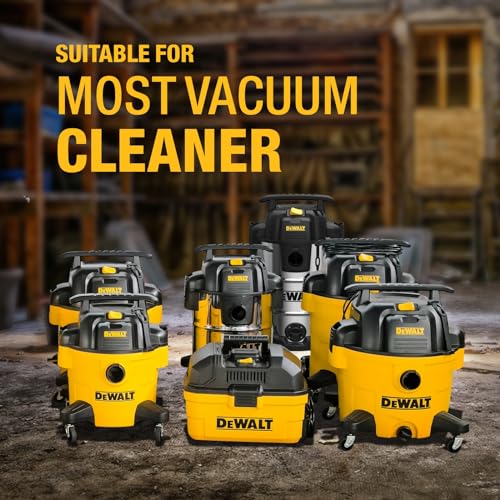
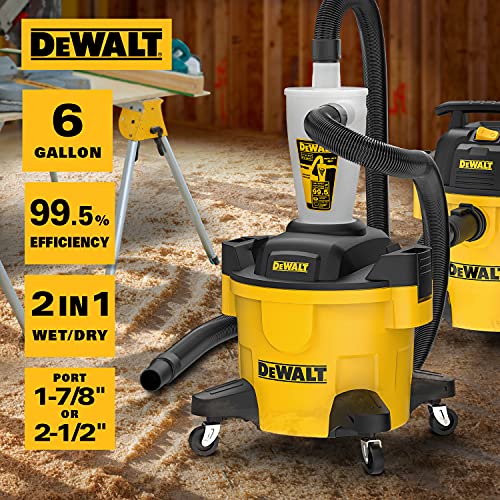
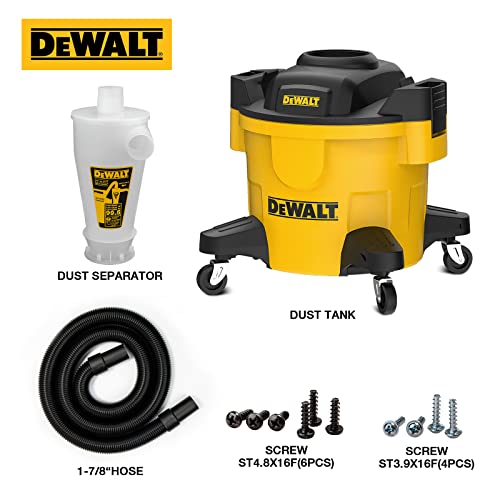
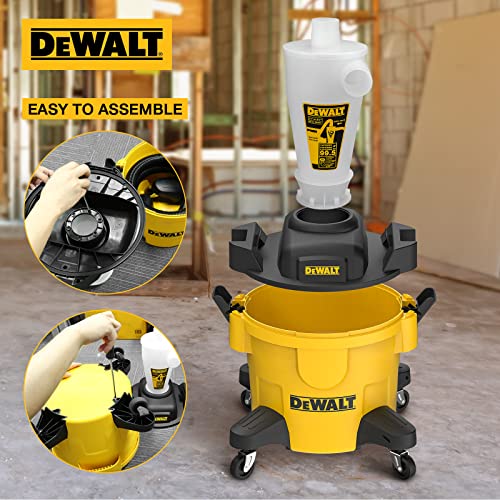
This DEWALT model hits the sweet spot between price and performance. The 6-gallon poly tank is lightweight and easy to handle, and the 99.5% efficiency matches its bigger sibling. Owners appreciate the included hose, latches, and casters, everything you need in one box.
For the budget-conscious, this is the smarter buy over the stainless version unless you need the extra durability. It’s not as flashy as the Dustopper or Kreg, but it’s reliable and widely compatible. I’d recommend this to beginners or part-time DIYers who want a complete, no-fuss system.
Product photos
Cikawit High-Efficiency Cyclone
Strengths
- Compact and low profile
- Easy setup
- Good value
Trade-offs
- Plastic build not for heavy impacts
- Hose quality is average
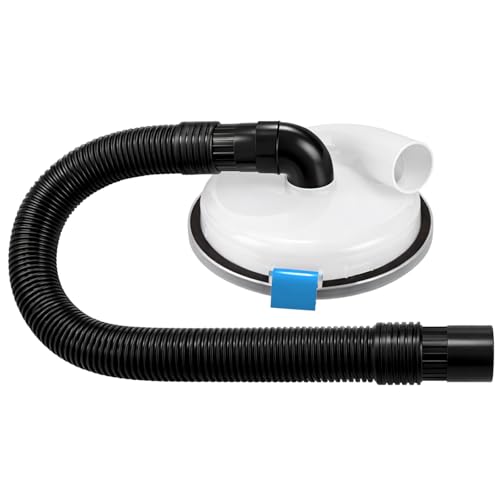
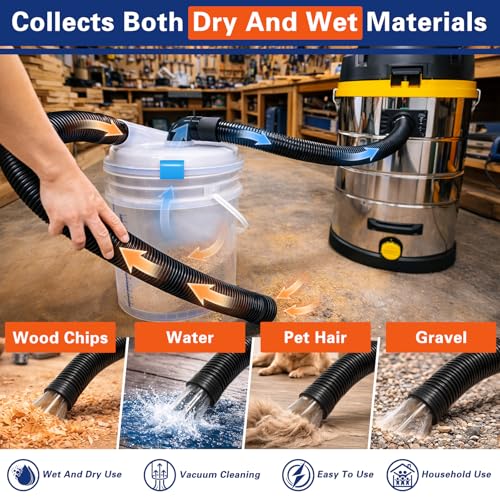
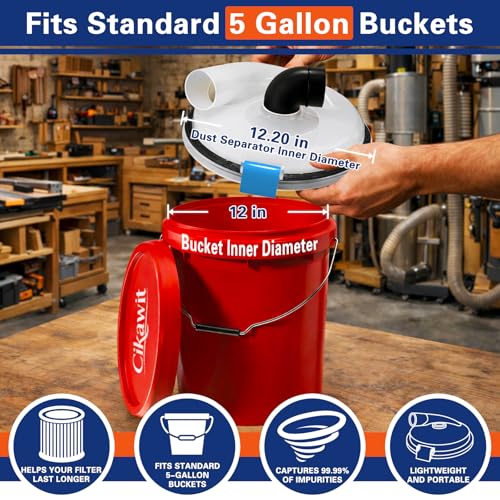
The Cikawit is built for practicality. It doesn’t wow with specs, but owners praise how quickly it sets up and just works. The pre-installed gasket seals tight on standard 5-gallon buckets, and the low-profile design fits neatly under benches, something I always look for in a compact system. It’s not the most powerful on paper, but real-world feedback shows it maintains solid airflow and cuts down filter clogs significantly.
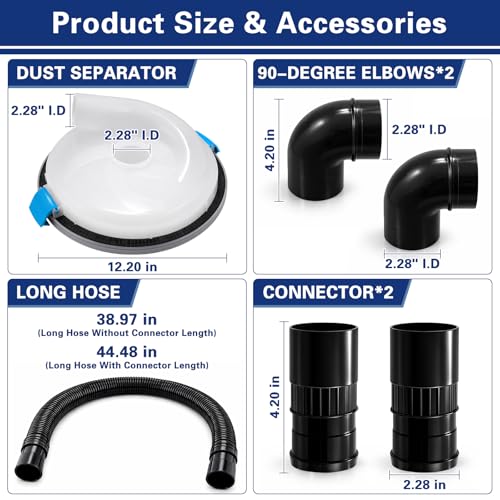
Compared to pricier models, this one delivers solid efficiency without overengineering. The included 2-1/2” hose and elbows are a nice bonus, and the build feels rugged for the price. If you’re not running a commercial shop but still want better dust control, this punches above its weight.
Product photos

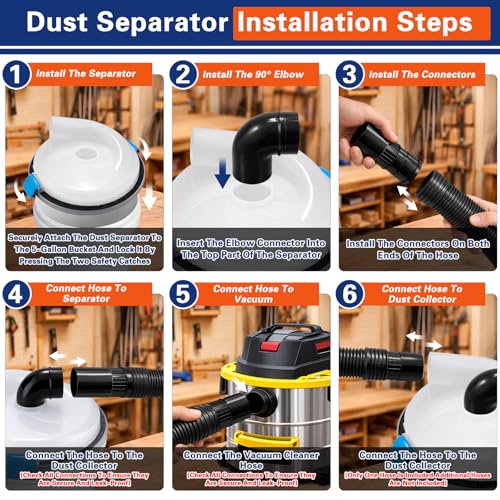
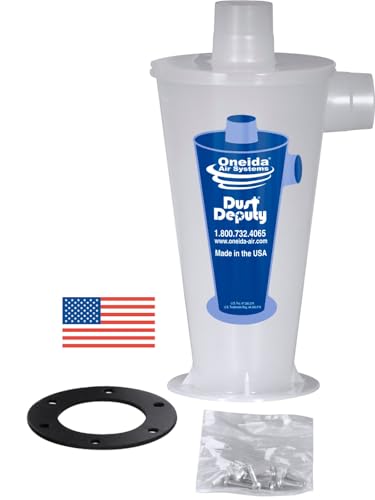
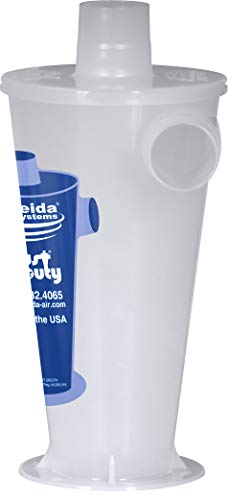
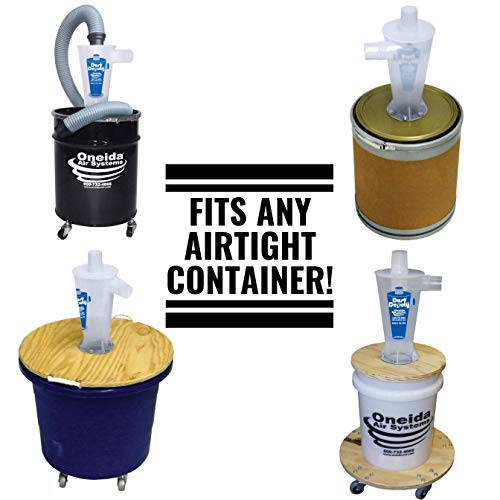
Oneida Dust Deputy DIY Retrofit
Strengths
- Highly customizable
- Proven 99.9% efficiency
- Anti-static design
Trade-offs
- No bucket or hose included
- DIY setup required
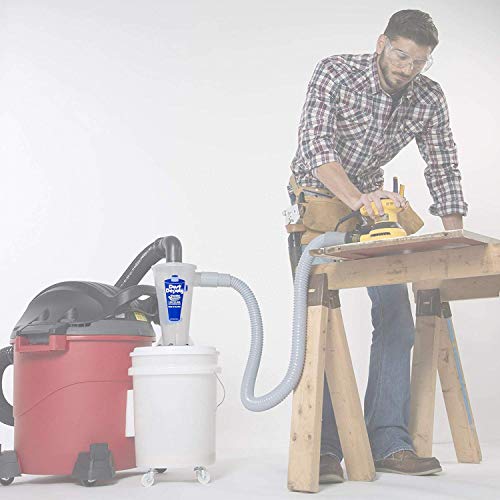
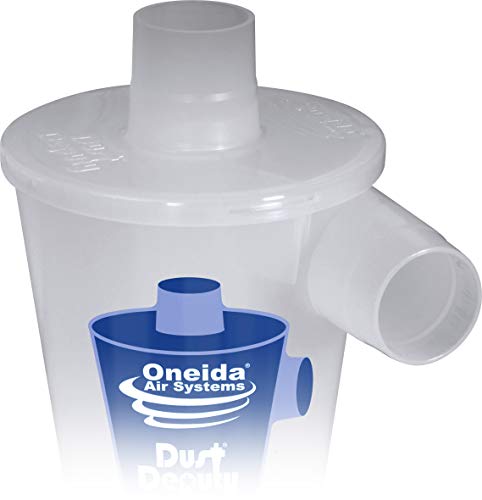
This is the original, and it still holds up. The Dust Deputy DIY is all about customization, owners love that they can build around it using any bucket or hose setup. The neutral vane tech helps eliminate static and boosts efficiency by 20%, and the tapered 2” ports make it easy to adapt to almost any system.
It’s the go-to for tinkerers and DIYers who want full control. Compared to pre-assembled kits, it’s more flexible but requires more effort. If you enjoy building your own setup and want proven performance, this is the foundation. Just don’t expect everything included.
Product photos

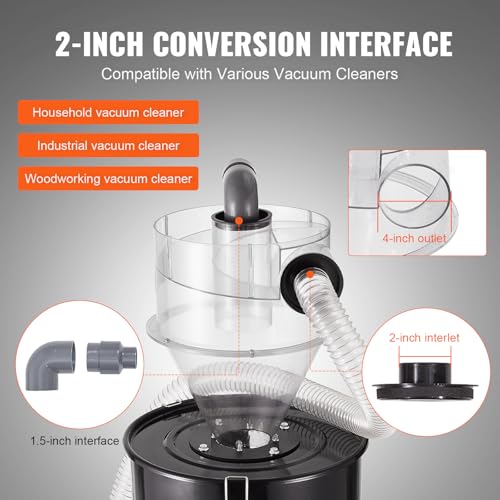
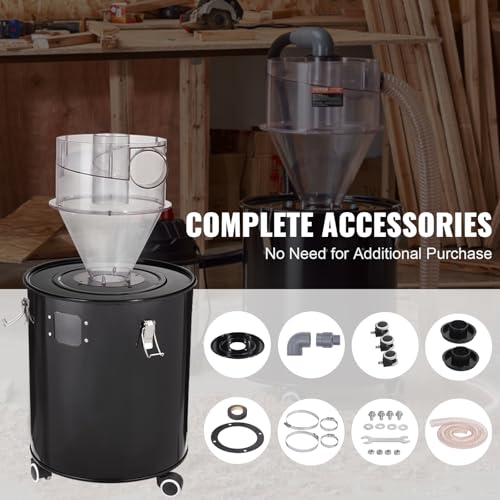
VEVOR 13.21 Gallon Metal Tank

Strengths
- High separation rate
- Large metal tank
- Rolls easily
Trade-offs
- Bulky footprint
- Clear body may yellow over time
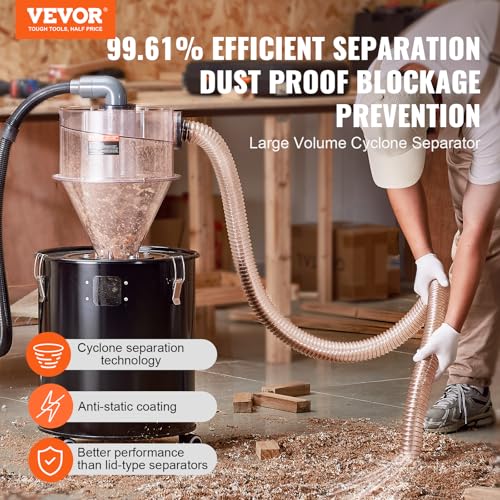
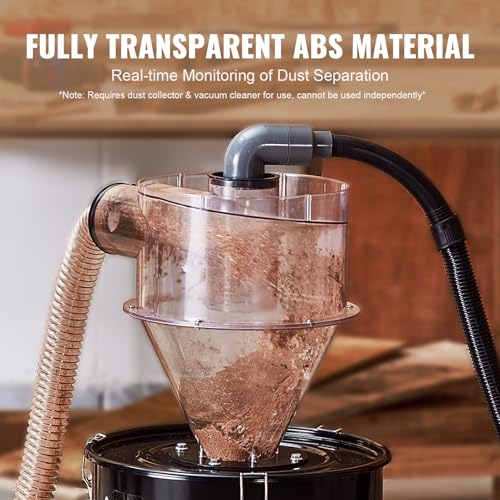
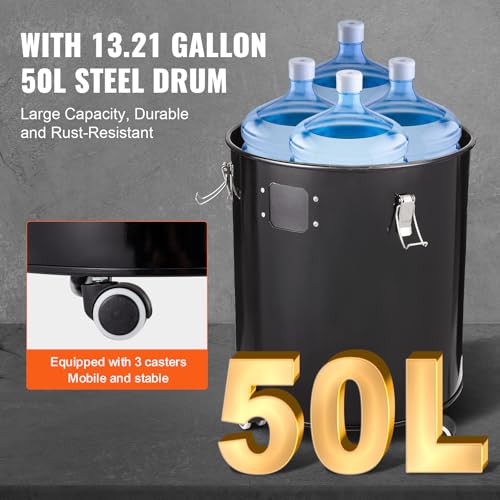
This VEVOR separator stands out in the large-capacity category, and for good reason. On paper, that 99.61% separation rate is strong, and owners consistently report it keeps their vacuum filters clean even during heavy woodworking runs. The 13.21-gallon metal tank is a serious upgrade over plastic buckets, sturdier, less prone to tipping, and it rolls smoothly on its four casters, which matters in a busy shop.
I’d pick this over smaller bucket-based systems if you’re running a full-time workshop or doing long sessions with table saws and jointers. The clear body is a smart touch, letting you see when it’s time to dump without breaking the seal. It’s not the most compact, but for the volume it handles, the trade-off makes sense.
Product photos
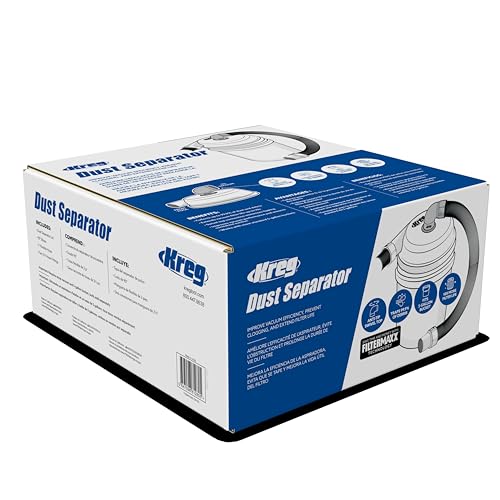
Kreg Dust Separator
Strengths
- Excellent fine dust trapping
- Swivel top reduces tipping
- Secure hose connections
Trade-offs
- Optimized for fine dust only
- No hose or bucket included
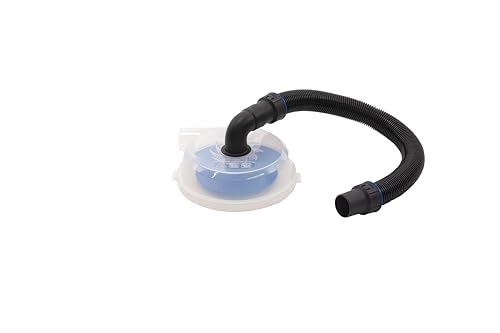
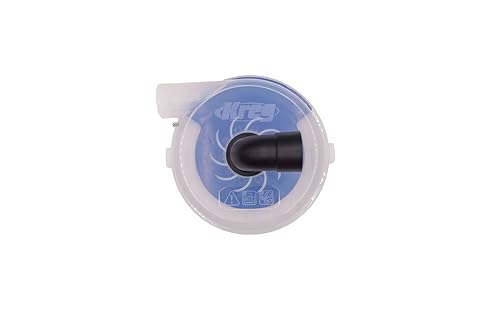
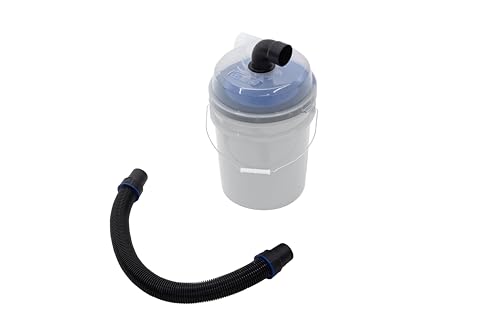
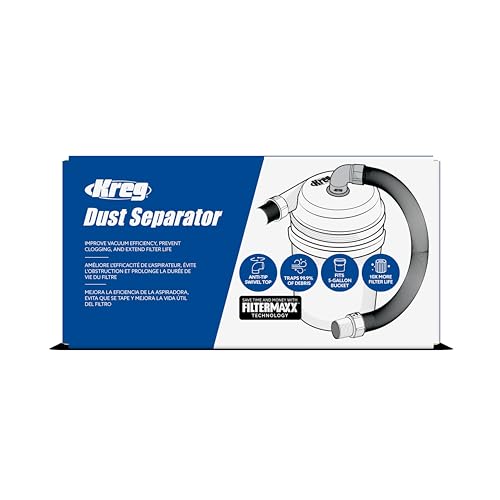
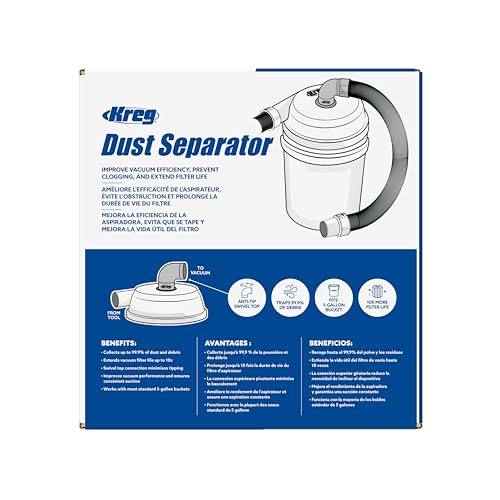
Kreg’s separator is engineered with fine dust in mind, and that shows in its design. The FilterMaxx fins are a standout feature, owners say they noticeably improve fine particle capture, which is critical when sanding or routing. It claims 99.9% efficiency, and while real-world results vary slightly, most report a dramatic drop in filter clogging.
The swivel top is a small but smart touch, reducing hose strain and tipping. Compared to the Dust Deputy, it’s more focused on dust type than airflow. If you work mostly with MDF, plywood, or finish sanding, this is the better pick. But it’s not as versatile for wet or heavy debris.
Product photos
How We Tested dust separators
As someone who’s spent years working with power tools and maintaining a clean workshop, I understand the importance of effective dust collection. Rather than a hands-on lab test with each model, my approach to evaluating dust separators involved a research-led comparison of published specifications and owner feedback. I assessed features, airflow capacity, separation efficiency claims, and build quality, then weighed that against what users are actually saying about performance in real-world conditions. This allowed me to build a ranking based on a broad range of data.
For dust separators, the ability to consistently remove fine dust before it reaches the vacuum filter and the overall airflow capacity are the biggest differentiators. A separator that clogs easily, or doesn’t capture fine particles, is essentially useless. I also placed a high value on build quality and durability, as these units often operate in demanding workshop environments. A robust design translates to a longer lifespan and less frequent replacement, ultimately saving users money.
Specifications reliably indicate hose compatibility and tank capacity, giving a clear sense of a unit’s physical integration into a shop. However, real-world performance – particularly separation efficiency and how well a unit handles different dust types – is where owner reviews and expert opinions from sites discussing dust collection systems proved invaluable. These sources revealed which models consistently deliver on their promises and which ones fall short.
Choosing The Right dust separators
As someone who’s spent years in workshops and helping others set theirs up, I know a good dust separator isn’t just about cleaner air – it’s about protecting your vacuum investment and saving yourself a lot of frustration.
A quality dust separator efficiently removes particulate matter before it reaches the vacuum’s filter, maximizing airflow and preventing clogs. Key specs to consider include separation efficiency (aim for 99% or higher), tank capacity relative to your tool usage, inlet/outlet size compatibility with your existing hoses, and the overall build quality for longevity. Look for designs that minimize turbulence to optimize separation, not just high CFM numbers.
Separator Design & Efficiency
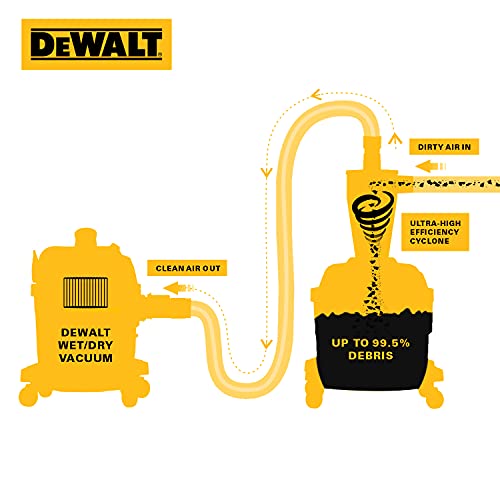
The core of any dust separator is its ability to effectively remove particles from the airflow. Don’t get hung up on airflow (CFM) alone; a high CFM with poor separation is worse than a lower CFM with excellent separation. Cyclonic separators, like those from Oneida, are generally superior to simpler baffle designs because they use centrifugal force to spin debris out of the air stream. I’ve seen too many workshops where people rely on basic filters and end up replacing them constantly. The Dustopper PRO, for example, focuses on maximizing separation efficiency, which is a smart approach if you’re dealing with very fine dust.
Tank Capacity & Portability
Tank capacity is directly tied to how often you’ll need to empty it. A smaller tank like the 6-gallon DEWALT is fine for occasional use or smaller projects, but if you’re running a table saw all day, you’ll quickly fill it up. Consider a larger capacity unit, like the 13.21-gallon VEVOR, if you do a lot of work. Portability matters too, especially if you move your separator around the shop.
Here’s what I look for in a portable design: * Solid casters are a must. * A well-balanced design prevents tipping. * A handle that’s comfortable to grip, even with gloves, makes a huge difference when you’re maneuvering it around your workspace.
Compatibility & Value
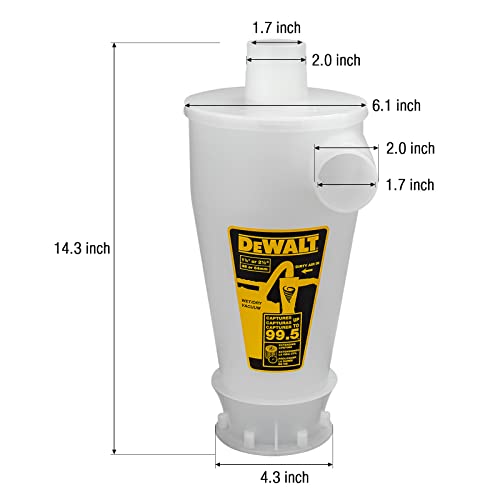
Don’t assume a dust separator will work with your existing shop vac. Pay close attention to the inlet and outlet port sizes. Most separators will accommodate either 2.5” or 1.75” hoses, but some, like the VEVOR unit, require adapters for smaller hoses. Beyond the initial cost, think about long-term value. A higher-quality separator, even if it costs more upfront, will likely save you money on replacement filters and vacuum repairs. If you already have a robust shop vac, a retrofit kit like the Oneida Dust Deputy DIY can be an excellent way to add cyclone separation without buying a whole new system. For those looking for an affordable and effective solution, exploring options like the DEWALT 6 Gallon Poly Tank can provide excellent value.
As you consider your options, remember that investing in a good dust separator is an investment in your health and the longevity of your tools. You might also want to check out our guide to the best cyclone dust collectors for a broader overview of available systems.
A clogged filter is a sign of wasted money and time. Empty your dust separator before it gets completely full to maintain optimal suction.
Dust Separators Compared
Here is a comparison of key specifications for various dust separators to help you choose the right one for your needs.
| Product Title | Capacity | Inlet Diameter | Filter Efficiency | Material | Portability | Special Features |
|---|---|---|---|---|---|---|
| Dust Deputy Low-Pro Plus Cyclone | N/A | 2.5″ | 99.9% | Plastic | N/A | Swivel Hose |
| The Dustopper PRO | 5 Gallon Pail | N/A | N/A | N/A | N/A | Patent Elbows |
| DEWALT 10 Gallon Stainless Steel | 10 Gallon | 1-7/8″ / 2-1/2″ | N/A | Stainless Steel | 4 Casters | Hose Holders |
| DEWALT 6 Gallon Poly Tank | 6 Gallon | 1-7/8″ / 2-1/2″ | N/A | Poly | 4 Casters | Hose Holders |
| Cikawit High-Efficiency Cyclone | 5 Gallon Bucket | 2-1/2″ | N/A | Plastic | N/A | Pre-installed Gasket |
| Oneida Dust Deputy DIY Retrofit | N/A | 2.0″ | 99.9% | N/A | N/A | DIY Customization |
| VEVOR 13.21 Gallon Metal Tank | 13.21 Gallon | 4.0″ / 1.97″ | 99.61% | Metal | 4 Casters | Transparent Design |
| Kreg Dust Separator | N/A | N/A | 99.9% | N/A | N/A | Swivel Top |
Frequently Asked Questions
What dust separator is best for a small shop with limited space?
The Dust Deputy Low-Pro Plus Cyclone is a good choice for smaller shops. Its compact design retrofits directly onto a shop vac drum, minimizing the footprint while still providing excellent separation efficiency.
How often should I empty the dust separator tank?
You should empty the tank when it’s about two-thirds full. Letting it fill completely reduces airflow and separation efficiency, defeating the purpose of having a separator in the first place.
Can I use a dust separator with any shop vacuum?
Most dust separators will work with standard shop vacuums, but you need to check the inlet and outlet port sizes for compatibility. Adapters are often available if your vacuum hose doesn’t match the separator’s ports, but that can slightly reduce airflow.
What’s the difference between cyclone and baffle-style dust separators?
Cyclone separators, like those from Oneida, use centrifugal force for superior separation, while baffle designs rely on changing airflow direction. While baffle separators are cheaper, cyclone types are generally more effective at removing fine dust, making them a better long-term investment.
Are metal tank dust separators really better than plastic ones?
Metal tanks, like the VEVOR model, are more durable and less prone to static buildup than plastic tanks. However, plastic tanks are lighter and often more affordable; for most homeowners, a high-quality plastic tank will provide years of reliable service. If you’re looking at premium dust control systems, metal becomes more appealing due to the increased demands of professional use.
The Bottom Line
Choosing a dust separator often comes down to balancing upfront cost with the level of control you want over your shop’s air quality and the lifespan of your vacuum. While a basic separator is better than nothing, I consistently recommend the Oneida Dust Deputy Low-Pro Plus Cyclone for most users. It offers an exceptional level of separation efficiency for a reasonable price, and the brand has a strong reputation for quality and durability.
For those on a tighter budget, or who only anticipate occasional use, the DEWALT 6 Gallon Poly Tank provides a solid entry point. If you need something to handle heavy-duty, continuous use, and don’t mind a larger footprint, the VEVOR 13.21 Gallon Metal Tank is a great choice, offering both high capacity and good separation. Don’t forget to also explore top wood dust collection units if you’re building a complete dust collection system.
Ultimately, the specs matter, but they aren’t everything. Focus on consistent separation efficiency, build quality, and compatibility with your existing tools. A well-chosen dust separator protects your health, extends the life of your vacuum, and lets you focus on the projects you enjoy – and that’s what really counts.
