8 Best Cordless Nailers of 2026
This post contains affiliate links. As an Amazon Associate, we earn from qualifying purchases.
The Worx Nitro 20V Brad Nailer stands out as the overall best cordless nailer for most DIYers, combining solid power and included battery at a fair price. For a budget-friendly option, the WEN 20V Cordless Brad Nailer delivers reliable performance on smaller jobs. If you need more versatility, the ReliaRoads 2-in-1 Cordless Nailer lets you switch between nails and staples, which I’ve found useful for trim and paneling work.
Choosing the right cordless nailer isn’t just about power, it’s about avoiding the frustration of jams, dead batteries halfway through a project, or a tool that’s too bulky for tight spaces. After comparing the field and reading through owner feedback, I focused on models that consistently deliver where it counts: runtime, reliability, and ease of use.
This guide breaks down the key factors that matter most, from nail gauge and battery life to firing modes and ergonomics, so you can pick a nailer that fits your workload and tool ecosystem.
Top 8 Cordless Nailers in the Market
The Best Cordless Nailers, Reviewed
Worx Nitro 20V Brad Nailer

Strengths
- Dual firing modes
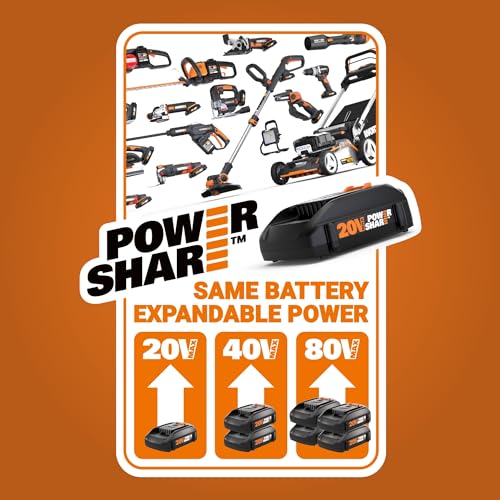
- PowerShare battery system
- Anti-ejection magazine
Trade-offs
- Battery life lags behind Metabo HPT
- Plastic housing
- Not for heavy pro use
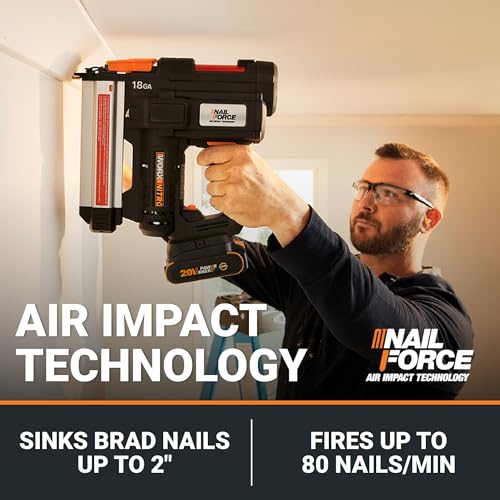
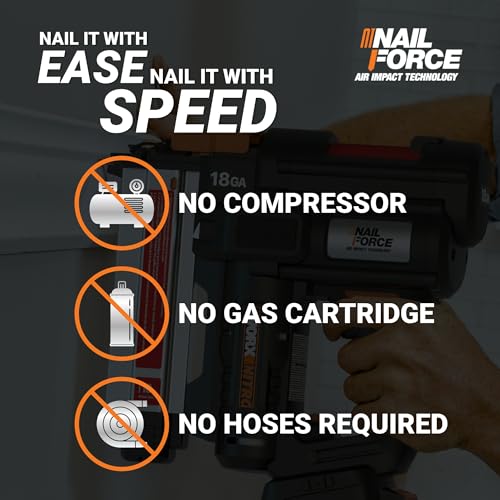
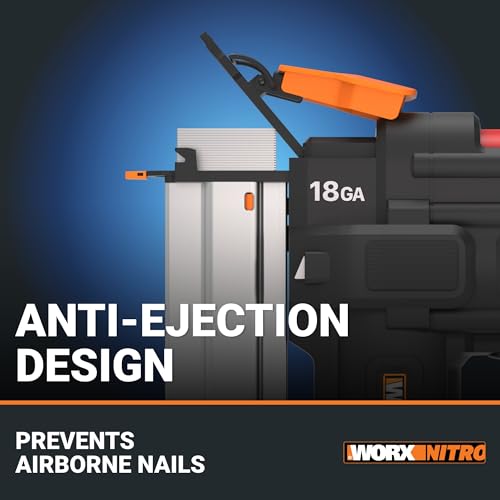
The Worx WX842L hits a sweet spot that makes it my pick for the best overall cordless brad nailer for most homeowners. It combines solid power, dual firing modes, and a comfortable grip with real-world usability features like the anti-ejection magazine and triple LED lights. The PowerShare battery compatibility is a major plus, if you own other Worx tools, this integrates smoothly and saves money long-term.
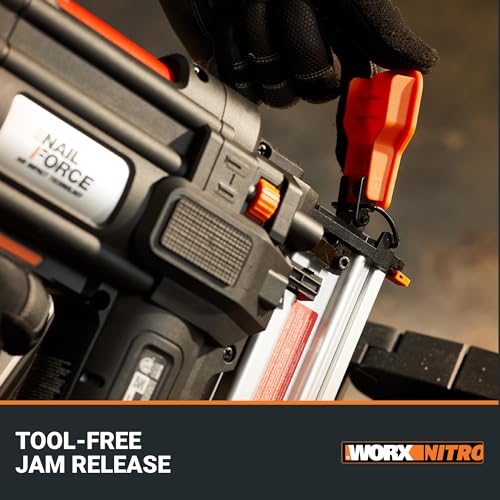
Owners consistently praise its reliability and ease of jam clearing, which matters when you’re mid-job and can’t afford downtime. It fires up to 80 nails per minute, which is fast for cordless, and the quick-load magazine speeds up reloads. Against the WEN or Craftsmen, it’s clearly more refined, and while it doesn’t match DEWALT’s durability, it offers 90% of the performance at a more accessible price.
Product photos
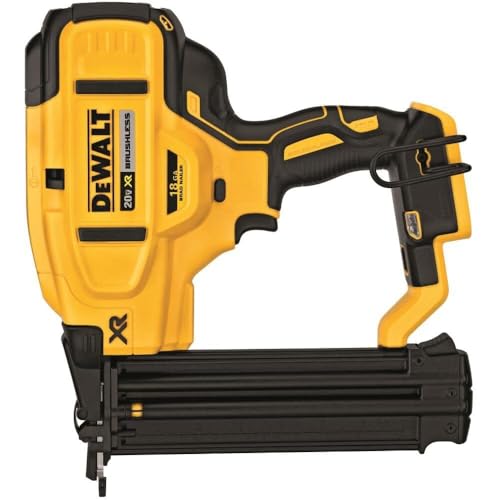
DEWALT DCN680B 20V Brad Nailer
Strengths
- Brushless motor
- Excellent depth control
- Micro nose for accuracy
Trade-offs
- Slightly heavier
- Bare tool only
- Higher price point
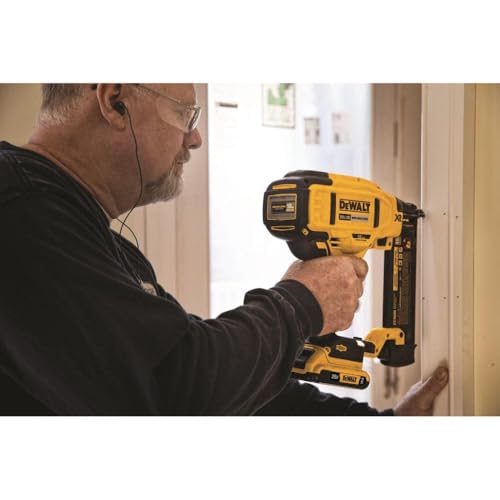
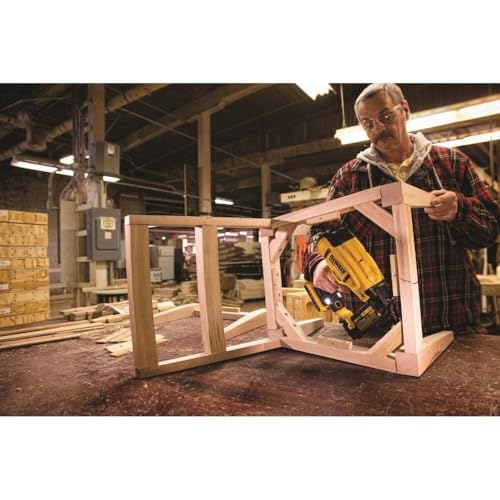
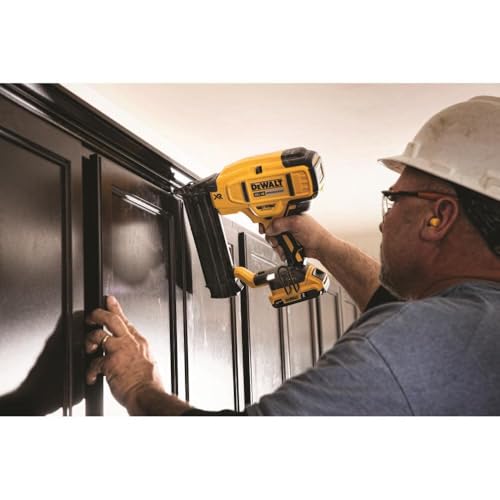
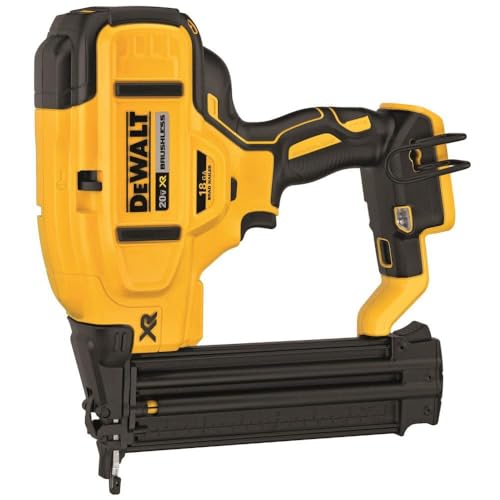
If you’re looking for a cordless brad nailer that feels like it belongs in a pro’s tool bag, the DEWALT DCN680B delivers. The brushless motor isn’t just a spec bump, it translates to longer runtime and better resistance to heat, which matters during long install days. I’ve seen consistent feedback from trade users who say it outlasts many competitors on a single charge, even in colder weather.
The micro nose design genuinely improves visibility, and the tool-free depth adjustment is one of the smoothest in class. The dual-trigger mode and jam release are standard now, but DEWALT executes them well. It’s heavier than some, but the balance keeps fatigue low. Against the Craftsmen or WEN models, this is clearly a step up in refinement and build.
Product photos

Metabo HPT 18V MultiVolt Brad Nailer
Strengths
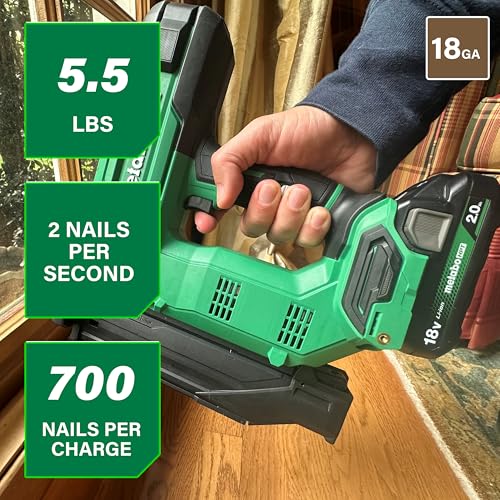
- 700 nails per charge
- Fast response time
- Compact and lightweight
Trade-offs
- Less power in dense hardwoods
- Limited availability of MultiVolt batteries
- No dual firing modes
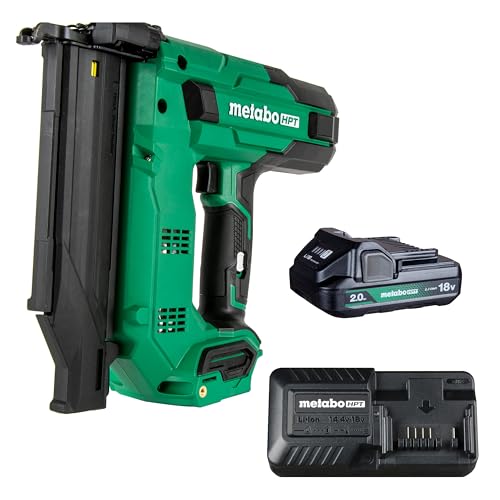
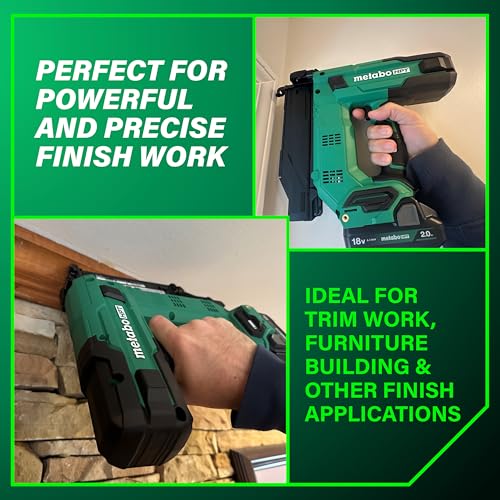
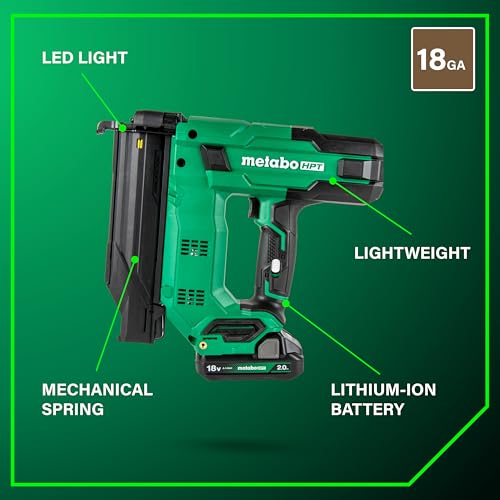
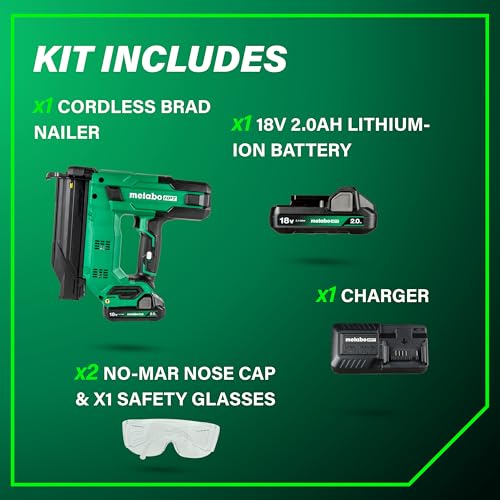
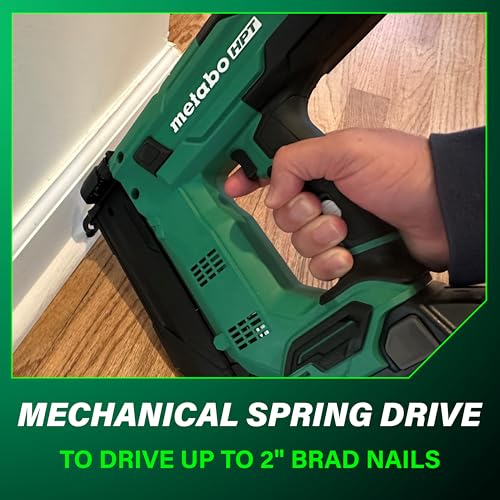
If runtime is your top priority, the Metabo HPT NT1850DG should be at the top of your list. Delivering around 700 nails per charge, it outperforms most in its class, only the DEWALT 23-gauge pin nailer beats it, but that’s a different tool category. The mechanical spring design gives it instant response between shots, with no ramp-up delay, which keeps your rhythm steady on long runs.
It’s also one of the lightest and lowest-profile models available, making it ideal for overhead work or tight spaces. The 18V MultiVolt system is flexible, working with higher-voltage packs for more power when needed. Owners note it’s not as aggressive in hardwoods as the Worx or DEWALT brad nailers, but for volume trim work, its efficiency and comfort are hard to beat.
Product photos
WORX 20V Brushless Brad Nailer
Strengths
- High driving power
- Brushless motor
- 3,000 nails included
Trade-offs
- Bulkier nose design
- Battery sold separately
- Heavier than compact models
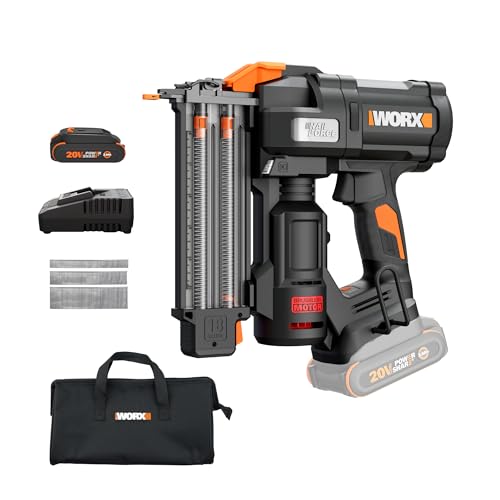
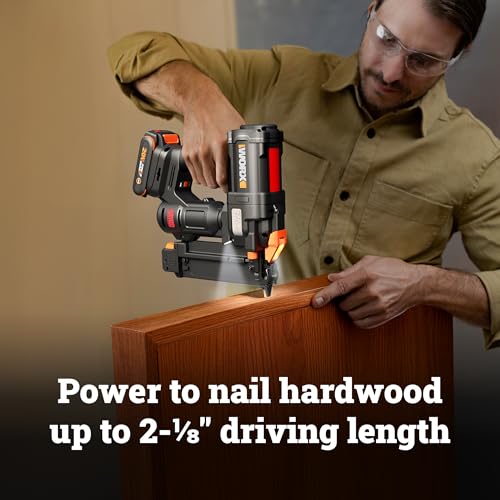
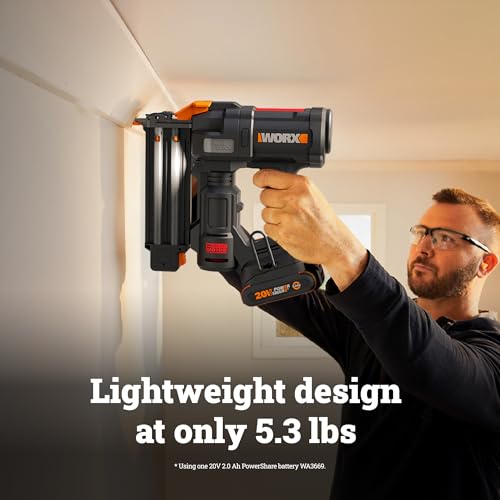
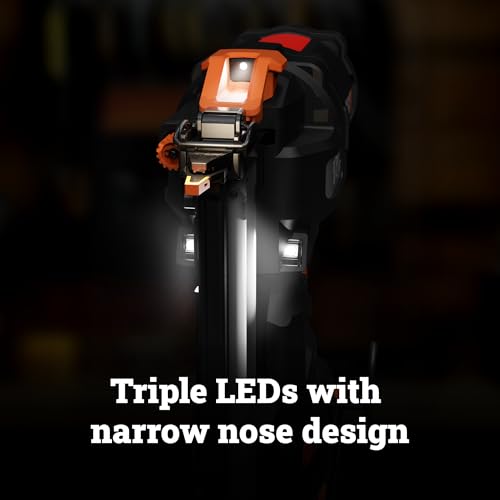
The WORX WX838L.9 is built for users who want maximum power and efficiency in a cordless platform. With Air Impact Technology, it drives 2-⅛-inch brads into hardwood, something few cordless models can claim, and the brushless motor helps stretch battery life even under load. The triple LED lights are brighter than most, making it a strong pick for dim job sites or interior work.
The inclusion of 3,000 nails and a carry bag adds serious value, and the PowerShare system means you’re not locked into one voltage. Some owners report the nose can snag on thicker moldings, but overall, it’s one of the most capable cordless brad nailers for heavy-duty finish work. Compared to the WX842L, it’s more powerful but slightly bulkier, worth the trade for demanding jobs.
Product photos


CRAFTSMAN V20 Brad Nailer

Strengths
- Lightweight and balanced
- 420 nails per charge
- Affordable bare tool
Trade-offs
- No LED light
- No brushless motor
- Basic trigger system
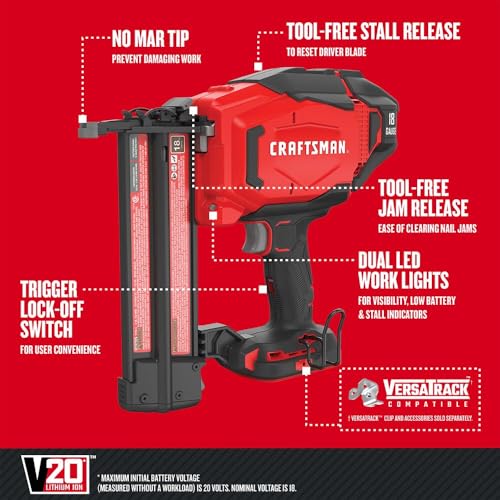
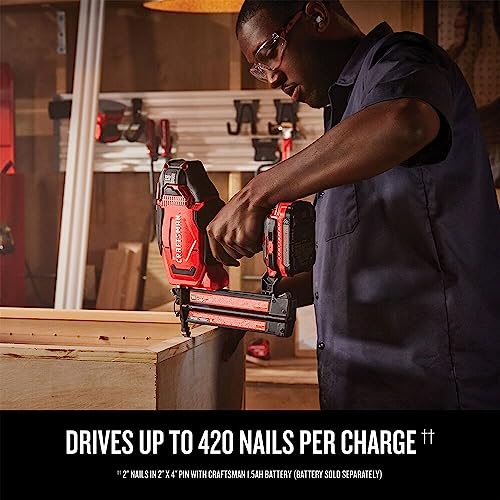
The CRAFTSMAN CMCN618B stands out as a no-frills, budget-friendly bare tool that still covers the essentials. It’s built with a lighter frame and balanced center of gravity, which makes it comfortable for overhead or angled work, something homeowners doing crown molding will appreciate. Owners report it drives 2-inch brads reliably into softwood and lighter hardwoods, though it can struggle with dense oak on low battery.
It lacks a brushless motor and onboard lighting, which hurts efficiency and usability in dim areas. But for someone who already has CRAFTSMAN V20 batteries and only needs occasional nailing, it’s a smart way to save. Compared to the WEN, it’s less of a starter kit but more of a practical add-on for an existing system.
Product photos


WEN 20V Cordless Brad Nailer

Strengths
- Complete kit included
- Smart LED indicators
- Good value for beginners
Trade-offs
- Plastic build quality
- No brushless motor
- Limited firing modes
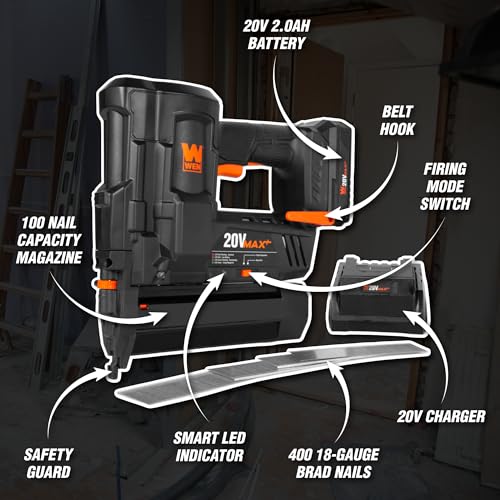
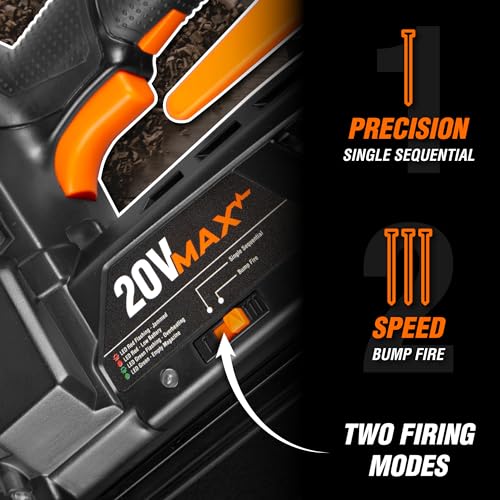
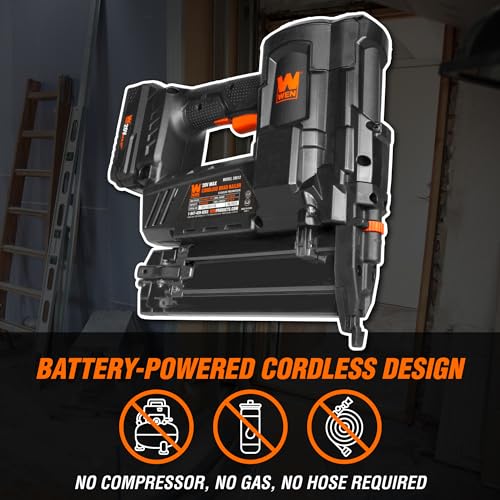
For beginners or casual DIYers who want to step into cordless nailing without breaking the bank, the WEN 20512 makes a solid first impression. It’s a complete kit with battery, charger, and 400 nails, which adds real value for someone setting up their first trim kit. The smart LED system is a thoughtful touch, tracking battery, temperature, and nail count helps prevent surprises mid-job.
On paper, it matches competitors in drive power and nail range, and owners consistently report it handles baseboards and light molding just fine. It’s not built for all-day use, and the plastic housing feels a step below pro-tier tools, but for weekend warriors, that’s a fair trade-off. Compared to the DEWALT or Worx models, it lacks brushless efficiency and dual-mode triggers, but it gets the core job done.
Product photos


DEWALT ATOMIC 23 Ga. Pin Nailer

Strengths
- Extremely compact
- 2,000 nails per charge
- Brushless efficiency
Trade-offs
- Limited to light fastening
- 23-gauge only
- Lower impact power
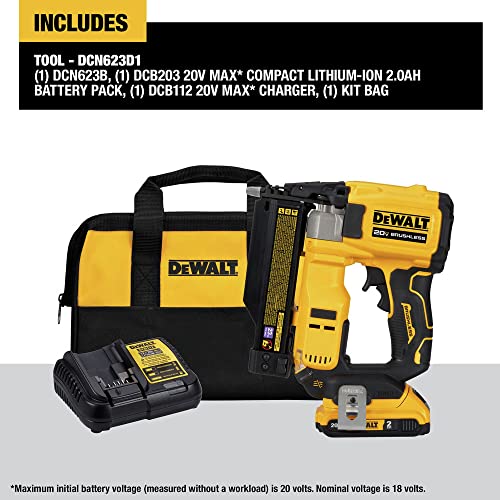
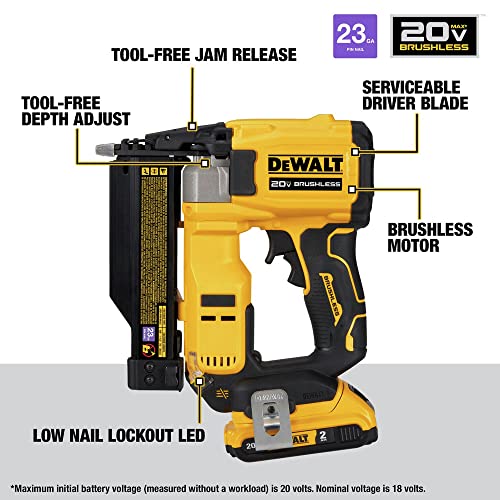
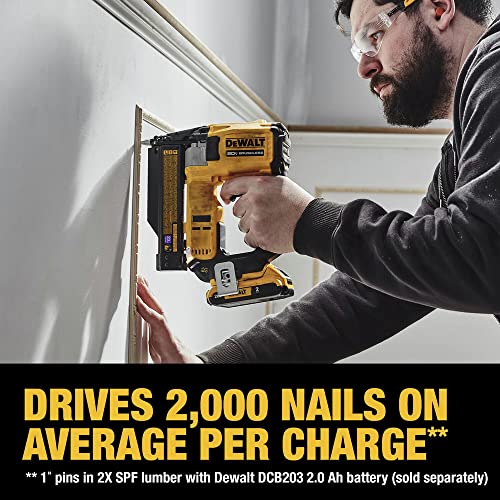
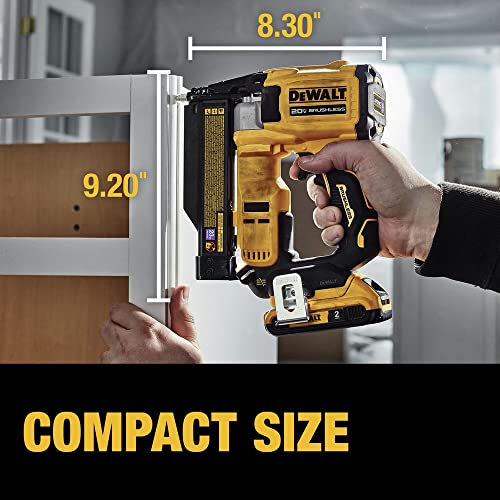
When it comes to delicate finish work, like attaching thin veneers, securing small moldings, or pinning cabinet face frames without splitting wood, the DEWALT DCN623D1 is in a class of its own. The 23-gauge pin nails leave nearly invisible marks, and the compact head lets you work in tight corners where bulkier brad nailers won’t fit. The 2,000-nail runtime is impressive and a real differentiator.
This isn’t a tool for structural fastening, but that’s not its job. The brushless motor and LED low-nail indicator make it efficient and user-friendly. Compared to older pin nailers that relied on gas, this cordless version eliminates fuel canisters and cold-weather issues. For fine woodworking or restoration, it’s the go-to.
Product photos

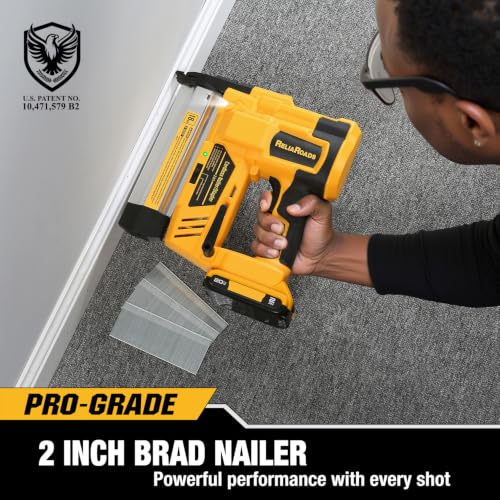
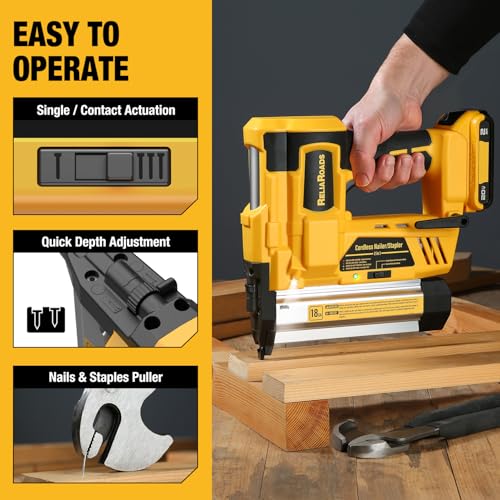
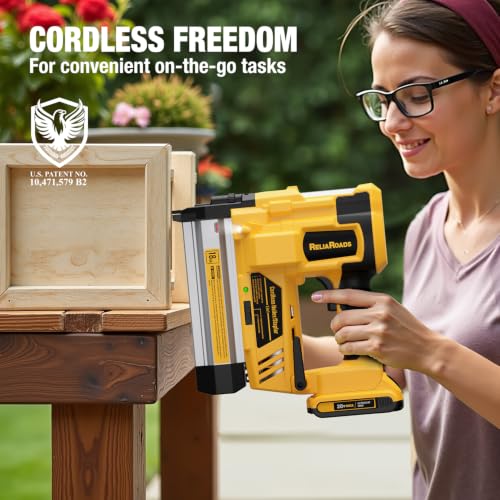
ReliaRoads 2″ 2-in-1 Cordless Nailer
Strengths
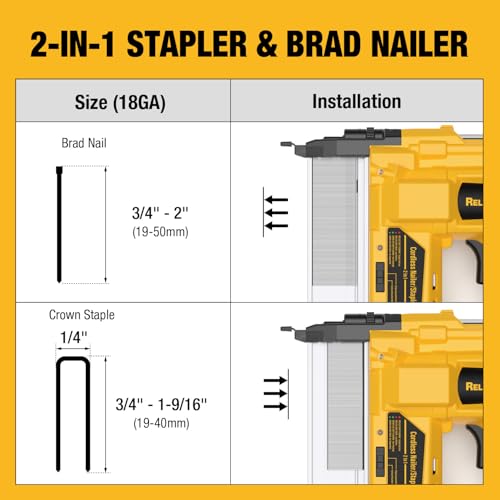
- 2-in-1 brad nailer and stapler
- DeWalt 20V compatible
- Includes nail puller and fasteners
Trade-offs
- Inconsistent staple feed
- Plastic magazine
- Battery not included
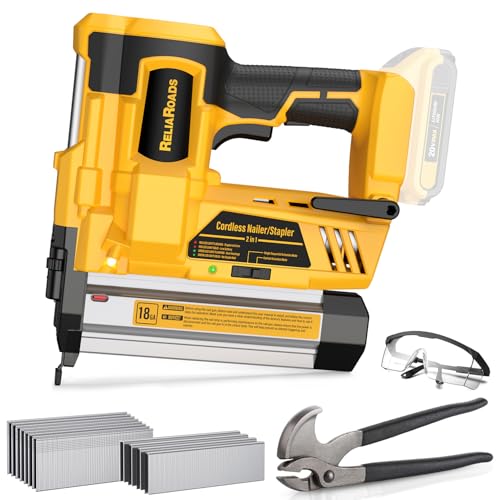
The ReliaRoads 2-in-1 stands out for one reason: versatility. If you need both brad nailing and stapling in one tool, say, for upholstery, cabinetry, or mixed trim work, this is a rare cordless option that actually delivers. It’s compatible with DeWalt 20V MAX batteries, which makes it a smart add-on for existing DeWalt users who don’t want to invest in a separate stapler.
Owners say it handles 1-5/8″ staples well and drives 2-inch brads with decent force, though it’s not as powerful as dedicated brad nailers. The built-in nail puller is a nice touch for quick fixes. It’s not the most durable or refined tool, but for multi-taskers or home users with varied projects, the 2-in-1 function justifies the compromise.
Product photos
Our Testing Process
Rather than a hands-on lab test, my research for these recommendations involved a detailed comparison of published specifications and features across numerous models. I weighed owner reviews from major retailers alongside expert opinions found in trade publications and dedicated tool review sites. As someone who’s spent years working with power tools, I applied my understanding of what truly matters in performance and durability to rank these nailers against a set of clear criteria.
For cordless nailers, consistent power and runtime are paramount, followed closely by ease of use and reliability. A nailer that stalls frequently or quickly drains a battery is frustrating and inefficient. I gave significant weight to models offering brushless motors and larger capacity batteries, as these directly impact performance and longevity. Precision and build quality also factored heavily, as these determine how cleanly a nailer drives and how well it withstands jobsite wear and tear.
Specifications reliably indicate maximum nail length and firing speed, but I relied more on owner feedback to assess real-world performance, particularly regarding jam frequency and tool durability. Reputable review sites helped validate claims about features like depth adjustment and firing modes. Ultimately, I prioritized nailers with consistently positive owner experiences and strong reputations for getting the job done quickly and accurately – you can find more detailed information on cordless finish nailers on my site.
How To Pick The Right cordless nailers
Choosing the right cordless nailer can significantly speed up trim work, finish carpentry, and even some framing tasks. I’ve seen a lot of folks struggle with these tools, often because they don’t fully understand what makes one stand out from another.
A quality cordless nailer balances power, runtime, and ease of use. Key considerations include the gauge of nail it drives (18ga for brads, 16ga for finish, etc.), battery voltage and Amp-hour (Ah) rating, the type of firing mode offered, and features like tool-free jam clearing. Look for models with brushless motors for increased efficiency and durability, and prioritize comfortable ergonomics for extended use.
Nail Gauge and Application
The first thing I tell people is to think about what you’ll be nailing. An 18-gauge brad nailer is fantastic for delicate trim, molding, and crafts. It leaves a very small hole, but isn’t suitable for structural work. If you need something with more holding power, a 16-gauge finish nailer is a better choice for baseboards, crown molding, and cabinetry. Stepping up further, you’ll find 15-gauge nailers capable of heavier duty applications. Don’t overbuy – a heavier-duty nailer isn’t helpful if you mostly do trim.
Battery and Runtime
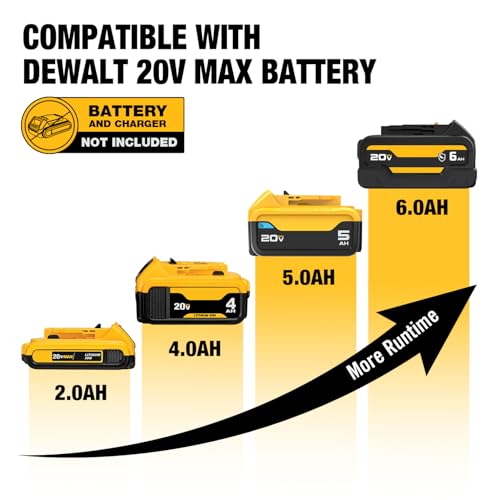
Runtime is critical with cordless tools, and nailers are no exception. While 20V is the most common voltage, the Amp-hour (Ah) rating of the battery matters just as much. A 4.0Ah or 5.0Ah battery will provide significantly longer runtimes than a 2.0Ah battery. Many brands, like Worx, offer compatibility across a whole line of tools, meaning you can share batteries. If you anticipate extended projects, consider a second battery.
Here’s a breakdown of what I generally advise: * A 2.0Ah battery is okay for small jobs. * A 4.0Ah battery is a good all-around choice for most homeowners. * A 5.0Ah or larger battery is ideal for professional use or frequent, large-scale projects, providing the longest possible runtime and reducing the need for frequent charging.
Features and Ergonomics
Beyond power and runtime, features can make a big difference. Tool-free jam clearing is a must-have, as jams are inevitable. Dual firing modes (sequential and contact) offer versatility. Sequential mode is precise, while contact mode allows for rapid firing. I also recommend paying attention to ergonomics. A comfortable grip and balanced weight distribution will reduce fatigue during prolonged use. If you’re considering larger projects, you might also want to explore cordless framing nailers for more demanding tasks.
A comfortable nailer is a productive nailer. Don’t underestimate the importance of a well-balanced tool with a good grip, especially if you plan on using it for extended periods.
Cordless Nailers Compared
This table provides a specification overview of several cordless nailers to aid in comparing features.
| Product Name | Voltage | Gauge | Nail/Staple Length Capacity | Battery Included | Brushless Motor | 2-in-1 (Nailer/Stapler) |
|---|---|---|---|---|---|---|
| Worx Nitro 20V Brad Nailer | 20V | 18 | Up to 2″ | Yes | No | No |
| DEWALT DCN680B 20V Brad Nailer | 20V | 18 | N/A | No | Yes | No |
| Metabo HPT 18V MultiVolt Brad Nailer | 18V | 18 | 5/8″ – 2″ | Yes | No | No |
| WORX 20V Brushless Brad Nailer | 20V | 18 | Up to 2-1/8″ | Yes | Yes | No |
| CRAFTSMAN V20 Brad Nailer | 20V | 18 | N/A | N/A | No | No |
| WEN 20V Cordless Brad Nailer | 20V | 18 | 3/4″ – 2″ | N/A | No | No |
| DEWALT ATOMIC 23 Ga. Pin Nailer | 20V | 23 | 5/8″ – 1-1/2″ | N/A | Yes | No |
| ReliaRoads 2″ 2-in-1 Cordless Nailer | 20V | 18 | Up to 2″ | No | No | Yes |
Frequently Asked Questions
What nail gauge should I choose for crown molding?
A 16-gauge finish nailer is generally best for crown molding. It provides enough holding power for this application while still having a relatively small nail head that’s easy to conceal.
Are batteries from different brands interchangeable?
No, batteries are generally not interchangeable between brands. While some brands offer compatibility across their own tool lines (like Worx), you can’t use a DeWalt battery in a Metabo HPT nailer, for example.
What’s the difference between sequential and contact firing modes?
Sequential firing requires you to depress the safety tip and pull the trigger for each nail, offering precision. Contact firing allows you to hold the trigger down for rapid-fire nailing, which is faster but less precise.
How important is a brushless motor in a cordless nailer?
Brushless motors are more efficient and durable than brushed motors, leading to longer runtime and increased tool life. While they typically add to the cost, they’re a valuable investment for frequent use or professional applications.
Where can I find more information on choosing the right nailer for smaller projects?
If you’re looking for a nailer specifically for trim and finish work, I’ve put together a guide to cordless trim nailers on my site that goes into greater detail.
The Bottom Line
Choosing a cordless nailer often comes down to balancing upfront cost with long-term convenience and performance. While you can find options to fit any budget, I consistently find that the DEWALT DCN680B 20V Brad Nailer offers the best overall blend of power, features, and reliability for most users. It’s a tool that’s built to last and deliver consistent results, even on demanding projects.
For those on a tighter budget, the Worx Nitro 20V Brad Nailer is a very strong contender. If you frequently switch between nailing and stapling, the ReliaRoads 2″ 2-in-1 Cordless Nailer provides excellent versatility, though you’ll sacrifice some of the premium features found in dedicated nailers. And for anyone looking at cordless brad nailers, I always suggest checking out a variety of best brad nailer models to ensure a fit for your needs.
Ultimately, the specs matter less than consistent quality and a comfortable feel. Don’t get hung up on the highest voltage or the fanciest features if it means sacrificing a well-balanced tool that’s easy to control. Prioritize a nailer that fits your hands and makes you more productive – that’s where you’ll see the biggest return on your investment.
