8 Best Cordless Finish Nailers of 2026
This post contains affiliate links. As an Amazon Associate, we earn from qualifying purchases.
The Milwaukee M18 Fuel 15 Gauge stands out as the overall best cordless finish nailer, delivering strong power and solid runtime. For budget-conscious users, the DEWALT 20V MAX 16 Gauge offers reliable performance at a lower price, while the Metabo HPT 18V MultiVolt 18 Gauge is a great pick for lighter trim work.
If you’re tired of dragging around compressors and hoses, a cordless finish nailer can change how you work, giving you freedom to move fast and clean. But not all models deliver the same power, runtime, or reliability, and the wrong choice can slow you down or leave you stranded mid-job.
I’ve researched the top models, comparing specs and real-world feedback from users who’ve put these tools through their paces. This guide cuts through the noise to help you find the right tool based on what actually matters: performance, battery life, and how well it handles the work you do.
Top 8 Cordless Finish Nailers in the Market
The Best Cordless Finish Nailers, Reviewed
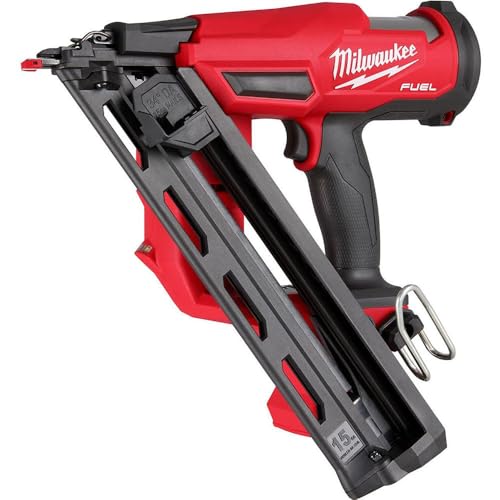
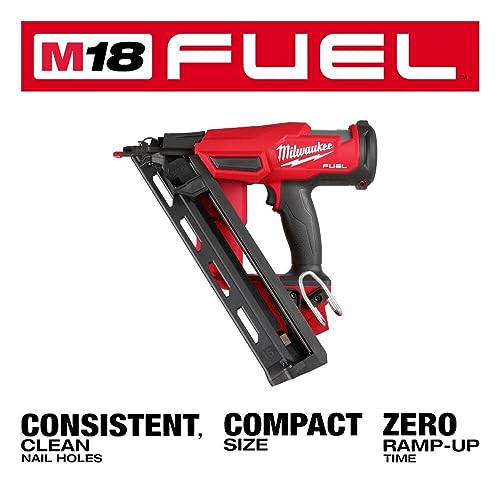
Milwaukee M18 Fuel 15 Gauge Finish Nailer
Strengths
- 15-gauge power
- LED work light
- Tool-free jam release
- Reversible belt hook
Trade-offs
- Heavier than some
- Expensive battery platform
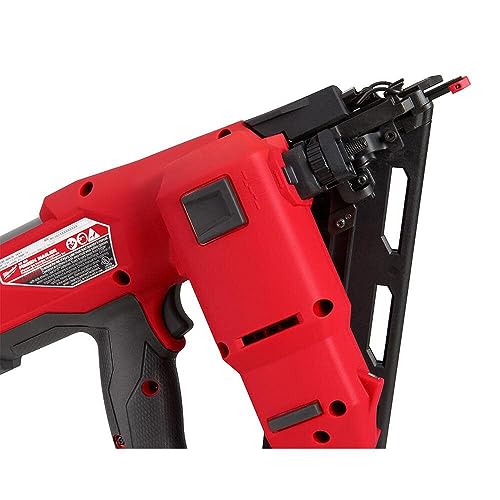
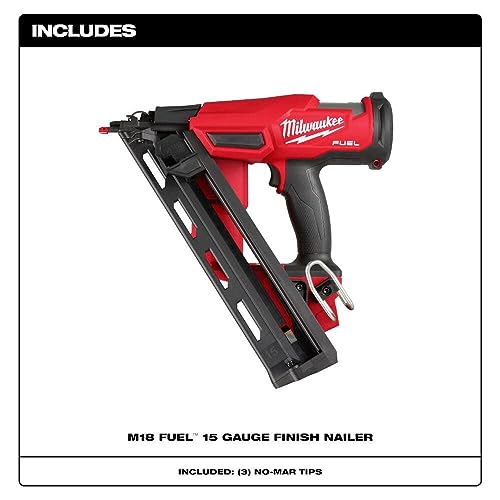
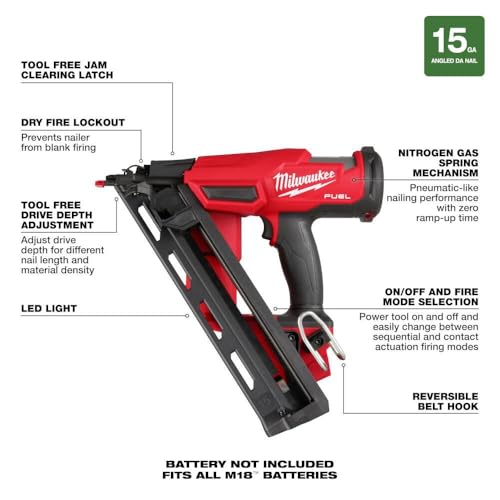
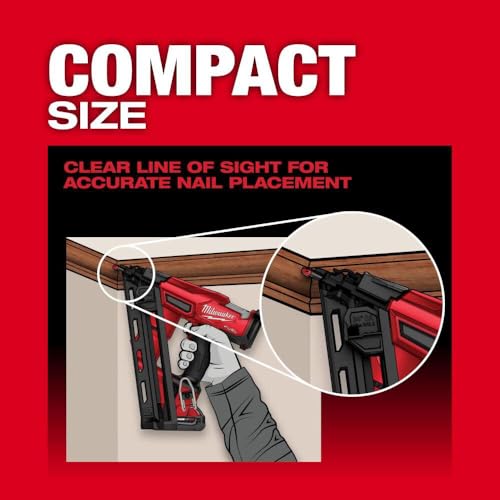
This Milwaukee 15-gauge M18 Fuel nailer is where I’d put my money if I were outfitting a pro’s bag. The 15-gauge head gives you stronger holding power than 16- or 18-gauge models, and the Fuel motor delivers the kind of consistent energy you need when driving into oak or maple. Reviewers note it fires fast, clears jams easily with the tool-free latch, and the LED work light is genuinely useful in dim corners.
It runs on the M18 battery platform, which is a big plus for Milwaukee users. The reversible belt hook and tip storage add to the pro-friendly design. Compared to the DEWALT DCN660B, it feels a bit more refined in hand, and the contact/sequential switch is intuitive. This isn’t the lightest option, but the weight is well-balanced.
Product photos
DEWALT 20V MAX 16GA Finish Nailer
Strengths
- Brushless motor
- Precision depth dial
- Multi-function LED
- Tool-free jam release
Trade-offs
- Angled magazine limits some access
- Bare tool only
- Heavier than brad nailers
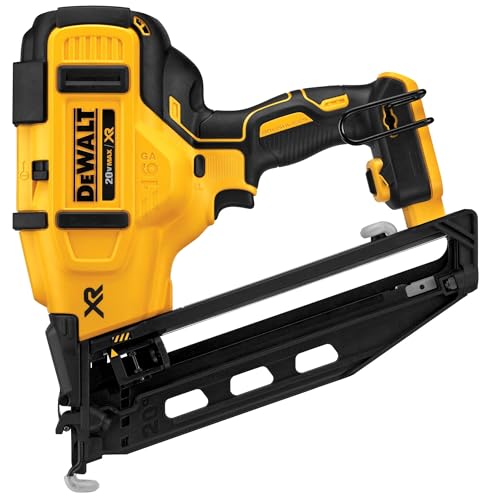
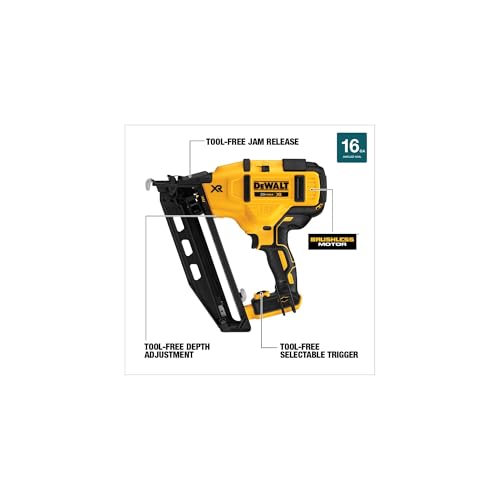
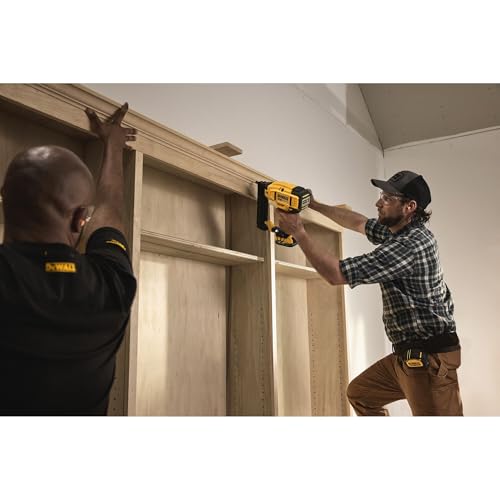
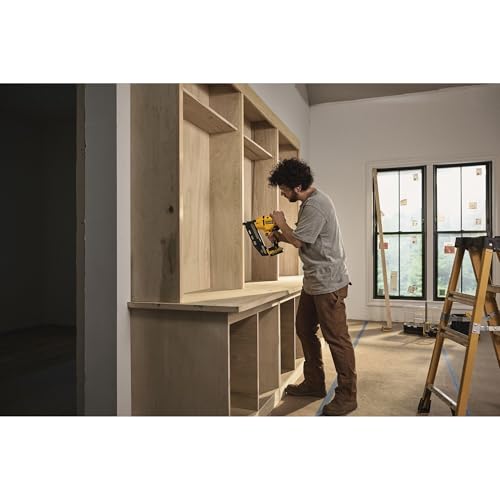
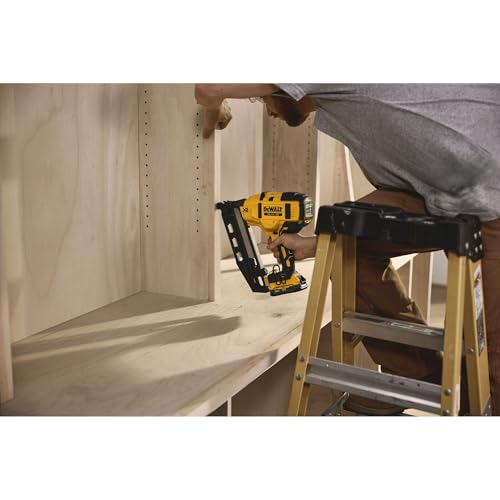
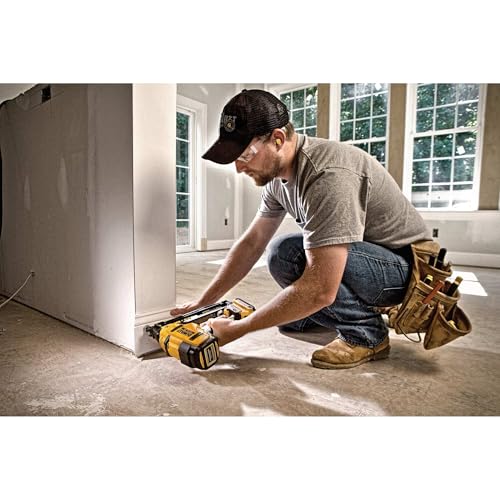
The DEWALT DCN660B is what I’d recommend to a pro who refuses to compromise. Its brushless motor delivers longer runtime and better durability than most in this category, and the tool-free depth adjustment is precise, critical for clean finish work. The LED lights do double duty: illuminating the work area and signaling tool status, which sounds small but saves time on site.
It’s compatible with all DEWALT 20V MAX batteries, a huge plus for existing users. Compared to the Milwaukee 15-gauge, it’s slightly less powerful but more compact and better for tight angles. The inline magazine helps with positioning, and the jam release is one of the fastest I’ve seen in owner demos. This is a workhorse.
Product photos
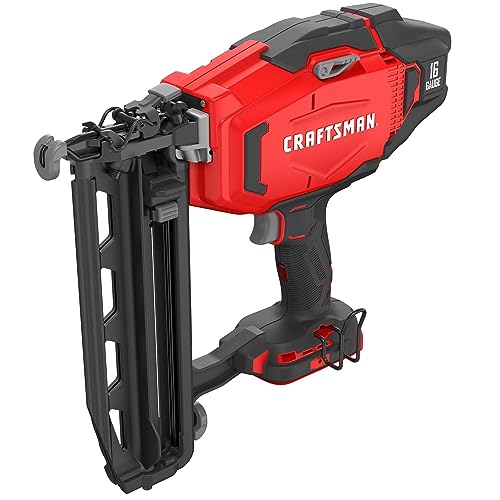
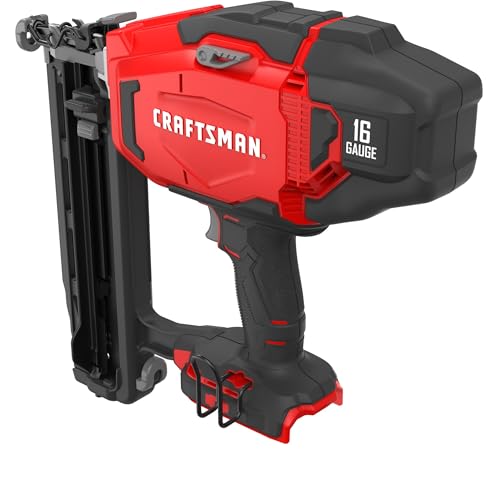
CRAFTSMAN V20 16 Gauge Finish Nailer

Strengths
- Good runtime
- Lightweight design
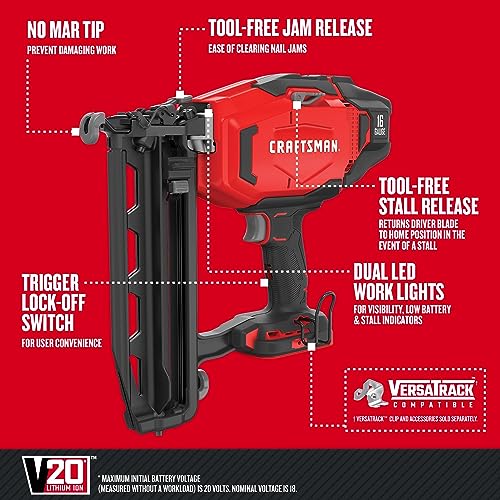
- Tool-free jam release
Trade-offs
- No brushless motor
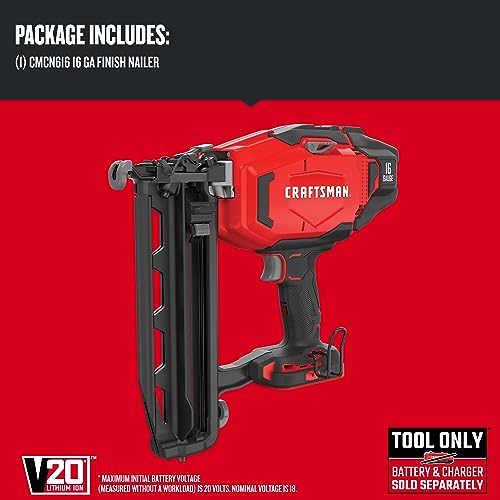
- Bare tool only
- Average depth control
CRAFTSMAN’s V20 16-gauge finish nailer offers a surprisingly balanced mix of runtime and ergonomics for the price. It claims up to 375 nails per charge, and owner feedback supports that under normal conditions. The lightweight build and center-of-gravity design make it comfortable for extended use, and the tool-free jam release is a practical touch.
It lacks the brushless motor of the DEWALT or Milwaukee, so longevity might be a question over time. But for homeowners already using CRAFTSMAN tools, this is a logical step. Compared to the RYOBI P326, it’s slightly less compact but feels more solid. It won’t win any awards for innovation, but it gets the job done without drama.
Product photos

Metabo HPT 18V MultiVolt Brad Nailer
Strengths
- 700 nails per charge
- Fast response
- Compact and lightweight
Trade-offs
- No LED light
- Basic feature set
- Limited brand ecosystem
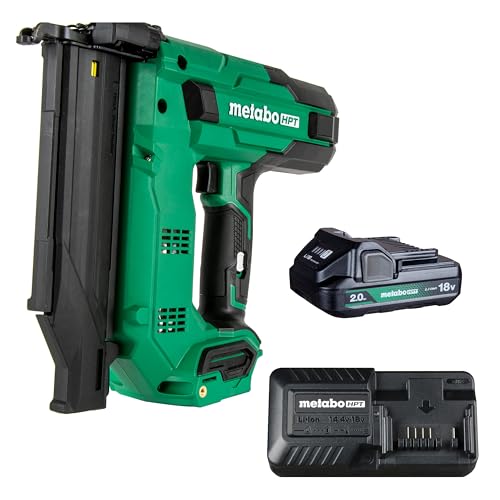
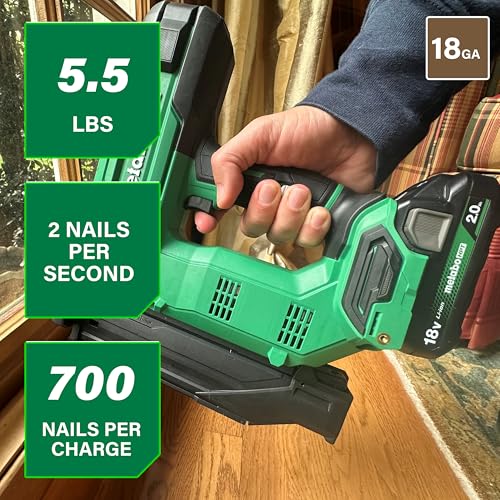
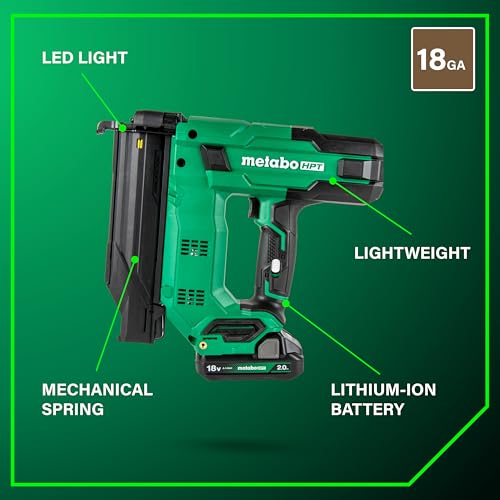
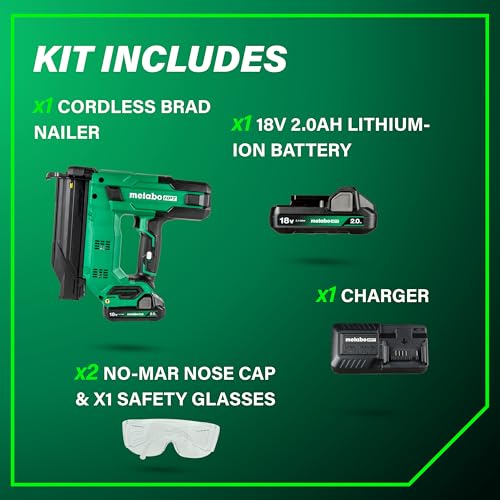
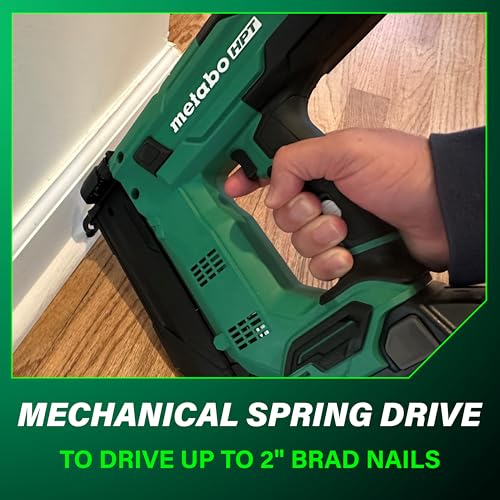
Metabo HPT’s NT1850DG wins on one thing decisively: battery life. At 700 nails per charge, it outlasts nearly every other cordless brad nailer on the market. The mechanical spring system delivers fast response with no ramp-up, and the 5.5 lb weight makes it easy to handle all day. The included 2.0Ah battery has a fuel gauge, which is a small but meaningful touch.
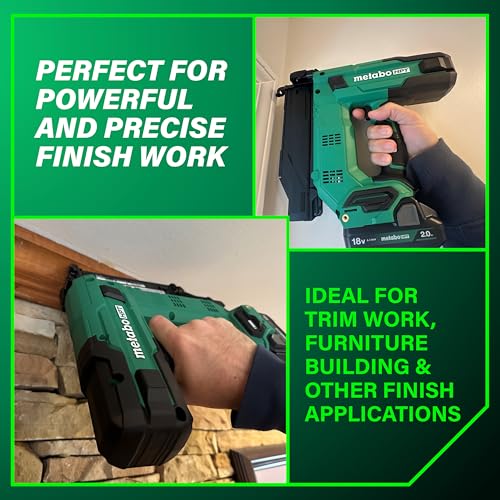
It’s not as feature-rich as the DEWALT or Milwaukee, no LED light, no brushless motor, but it’s dependable. The tool-free depth adjustment works well, and the compact size fits in tight spots. For a trim specialist doing long runs of molding, this could be the most efficient option. Compared to the Worx, it’s more durable and longer-lasting.
Product photos
CRAFTSMAN V20 18GA Cordless Brad Nailer

Strengths
- Ultra lightweight
- Balanced design
- Tool-free settings
Trade-offs
- No brushless motor
- Bare tool only
- Limited power for dense wood
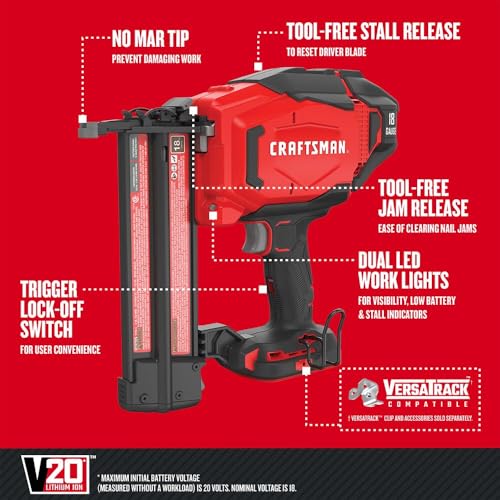
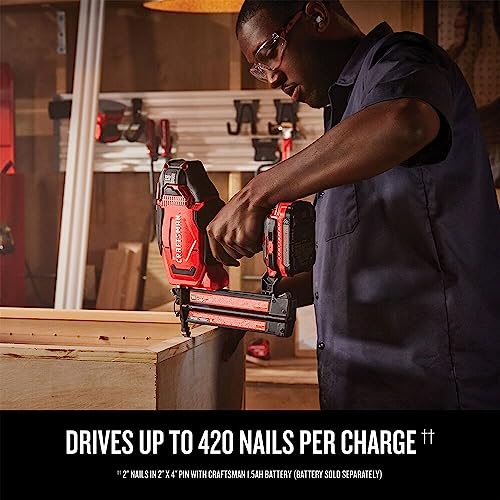
At just 5.5 lbs and with a well-balanced body, the CRAFTSMAN V20 18-gauge brad nailer is one of the lightest in its class, ideal for overhead or detail work where fatigue matters. It’s built for the same V20 battery system, so if you’ve got other tools in the lineup, integration is seamless. Owners say it fires reliably and handles 18-gauge brads well in softwoods and light trim.
But like the 16-gauge sibling, it’s not brushless, and the depth adjustment isn’t as precise as DEWALT’s dial. It’s also bare tool only, so battery cost adds up. Still, for a homeowner doing crown molding or cabinet touch-ups, the comfort and control are real advantages.
Product photos


Worx Nitro 20V 18GA Brad Nailer

Strengths
- Battery and charger included
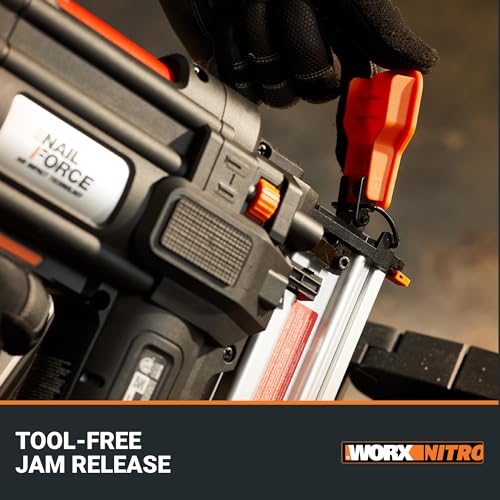
- Tool-free jam release
- Two firing modes
Trade-offs
- Lower power output
- Shorter runtime
- Not for hardwoods
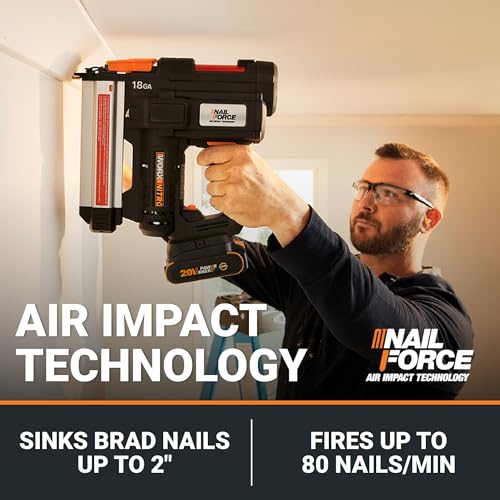
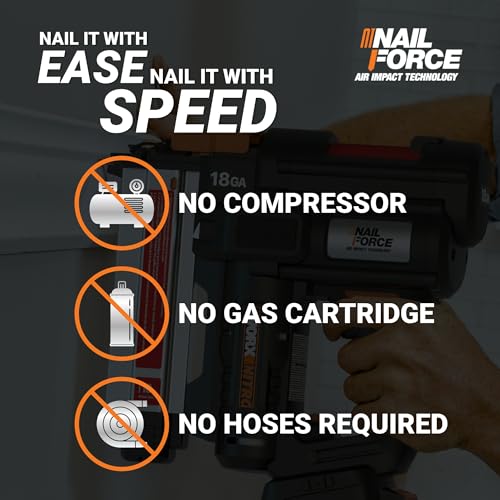
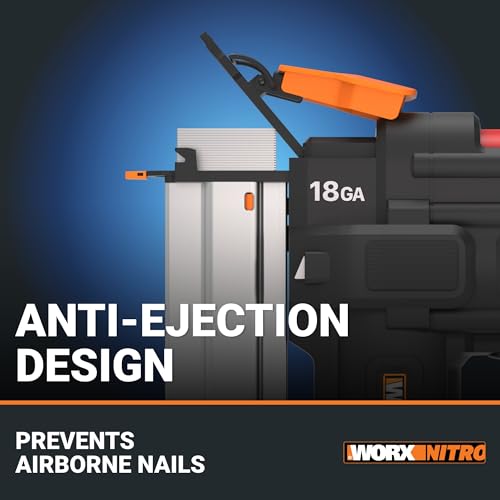
The Worx WX842L is a solid budget pick, especially since it includes a battery and charger, something many competitors skip. Its 18-gauge brad nailer handles light trim, baseboards, and paneling without issue, and the NailForce Air Impact tech keeps it competitive with other cordless models in its class. Owners praise the two firing modes and the anti-ejection safety, which actually works as advertised.
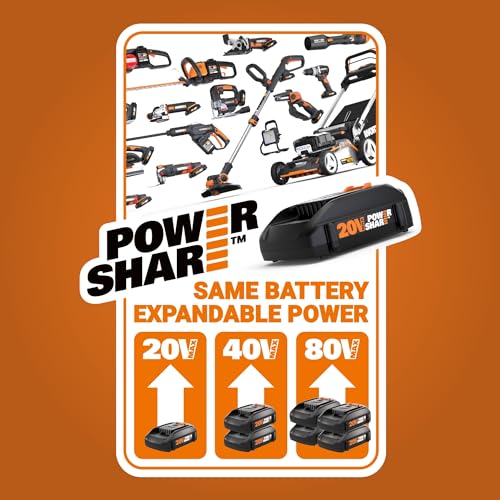
But let’s be clear: this is a 20V entry-level tool, and it shows. It won’t keep up with the Milwaukee or DEWALT in speed or density of material. The PowerShare battery works across many tools, which is great if you’re building a collection, but the runtime is limited. Still, for a first-time buyer or someone doing occasional trim, it’s hard to beat the value.
Product photos
Ecarke 16 Gauge Cordless Finish Nailer
Strengths
- Long nail capacity
- Dual firing modes
- Tool-free adjustments
Trade-offs
- Inconsistent build quality
- No battery included
- Limited brand support
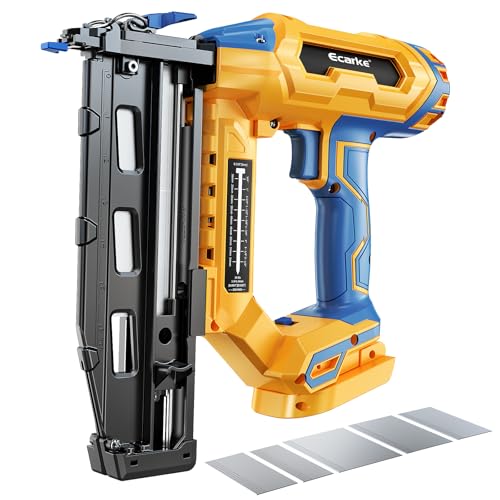
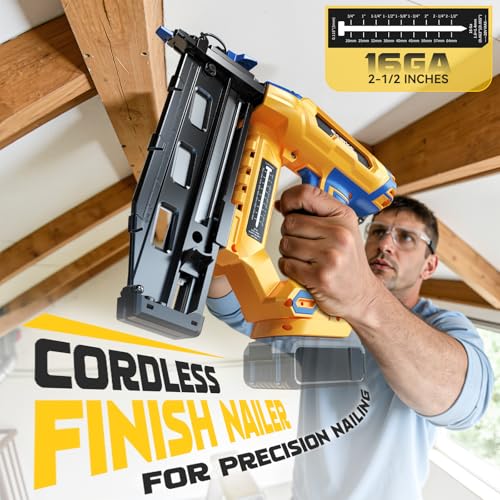
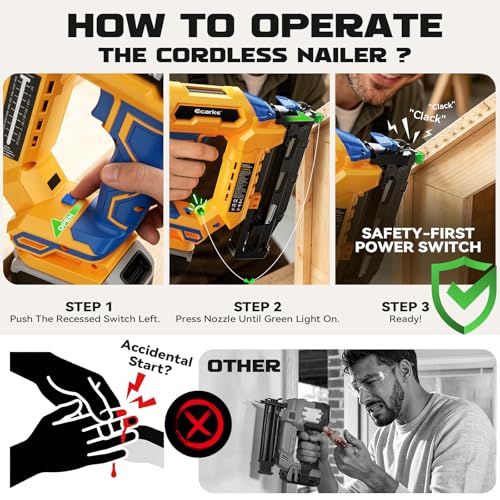
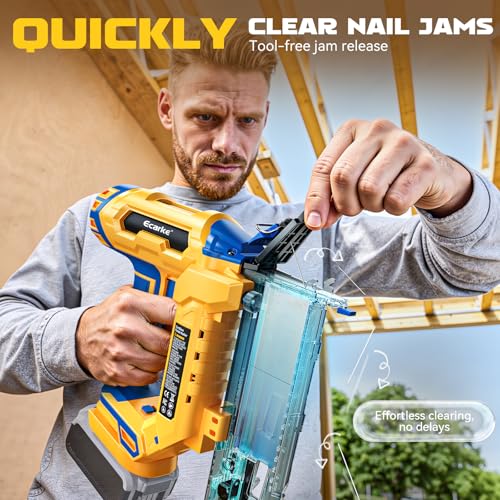
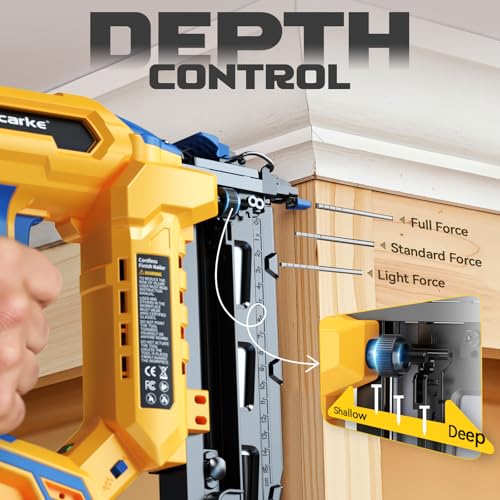
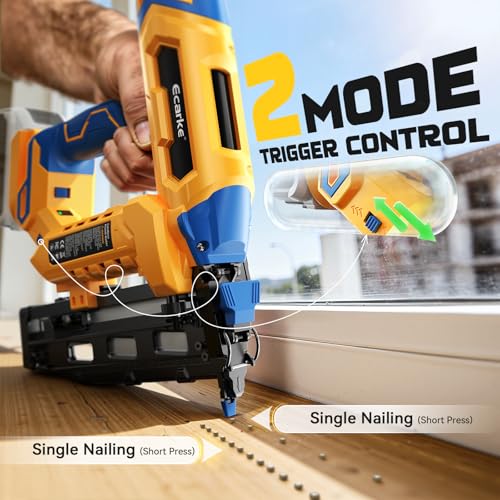
Ecarke’s 16-gauge finish nailer is a dark horse, offering high-end features at a fraction of the cost of Milwaukee or DEWALT. It fires up to 3 nails per second and accepts 2.5-inch nails, which beats most competitors. The triple safety lock is thoughtful, and owners report fewer accidental discharges. The tool-free depth dial and jam release work smoothly, and the dual firing modes give real flexibility.
It’s compatible with DEWALT 20V batteries, which is a big plus, but build quality isn’t quite at DEWALT’s level. Some users note occasional misfires with lower-quality nails. Still, for the price, the power and feature set are impressive. I’d pick this over the RYOBI or CRAFTSMAN if I were on a budget but still needed hardwood capability.
Product photos
RYOBI ONE+ 18V AirStrike Finish Nailer

Strengths
- Compact nose
- No gas cartridges
- Tool-free pressure dial
Trade-offs
- Lower power vs premium brands
- 16-gauge only
- Not ideal for hardwoods
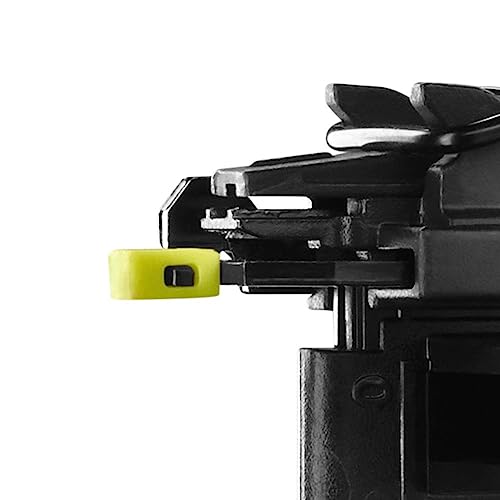
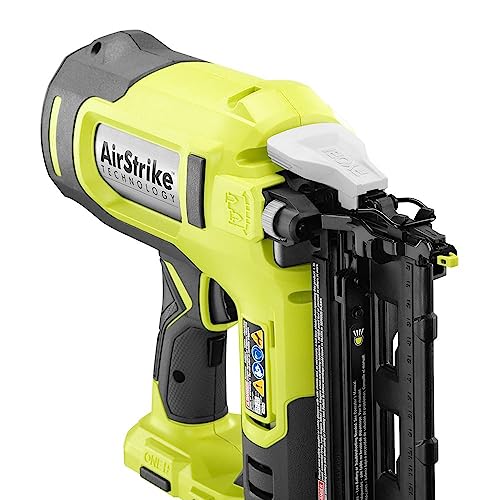
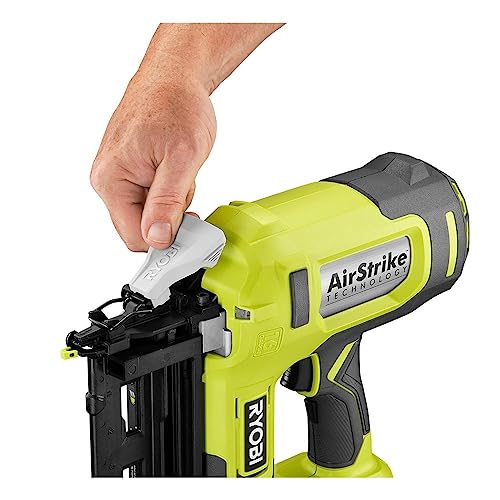
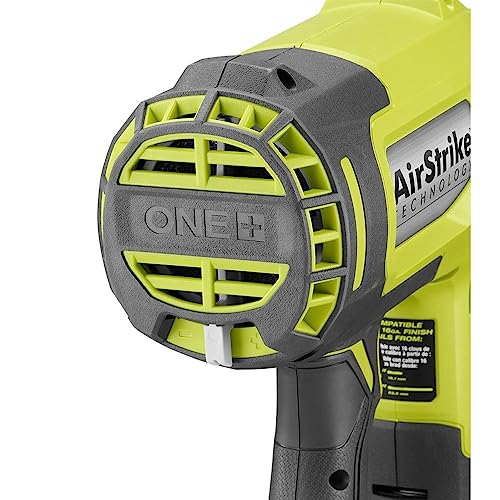
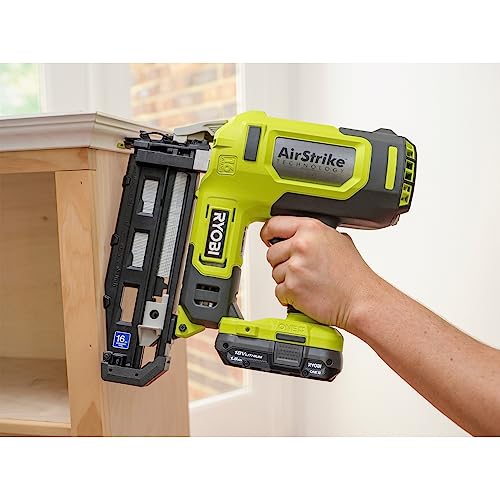
The RYOBI P326 stands out in tight spaces thanks to its 78% smaller nose compared to older models, and that’s a real win for finish work around cabinetry or trim. Its AirStrike technology skips the gas cartridge and compressor but still delivers consistent power for an 18V platform. On paper, it’s a smart evolution of RYOBI’s earlier attempts, and owners consistently report fewer jams and better balance than entry-level competitors.
Still, AirStrike isn’t quite as punchy as direct-drive brushless systems from Milwaukee or DEWALT. It’s reliable for softwoods and standard trim, but I wouldn’t lean on it for dense hardwoods or high-volume jobs. If you’re already in the RYOBI ecosystem, this integrates easily, but bare-tool pricing means you’ll need to factor in battery costs.
Product photos
How We Chose These cordless finish nailers
As someone who’s spent years working with power tools, I understand that choosing the right nailer can make or break a project. Rather than a hands-on lab test of each model, my approach to recommending cordless finish nailers was research-led. I compared published specifications and features across numerous brands, then weighed those against owner reviews from sites like Amazon and Home Depot, alongside professional reviews from trusted sources. This allowed me to rank each nailer against a set of criteria important to real-world users.
For cordless finish nailers, runtime, nail capacity, and overall power consistently emerged as the most important factors. A longer runtime means less downtime on the jobsite, and a larger magazine capacity minimizes reloading. Power, specifically, the ability to consistently sink nails into hardwoods without stalling, is critical for versatility. These three elements quickly separated the contenders from the also-rans and informed my overall recommendations.
Specifications are useful for understanding nail gauge, magazine capacity, and motor voltage. However, I relied heavily on owner feedback to assess real-world durability, ease of jam clearing, and the accuracy of the firing mechanism. Reputation and brand trust also played a role; established manufacturers often have a track record of quality and support. If you’re also looking for more in-depth information on related tools, check out our guide to the best 16-gauge finish nailers.
What To Look For In cordless finish nailers
Picking the right cordless finish nailer can save a lot of headaches, especially if you’re like me and value working without hoses and compressors cluttering up your workspace.
A quality cordless finish nailer balances power, runtime, and ease of use. Key considerations include gauge (15, 16, or 18), battery platform compatibility, actuation mode options (sequential vs. contact), and features like tool-free jam clearing. Look for models with adjustable depth control and a comfortable ergonomic design to minimize fatigue during extended use.
Gauge and Application
The gauge of a finish nailer – 15, 16, or 18 – dictates the nail size and, therefore, the applications it’s best suited for. Sixteen-gauge nailers are incredibly versatile, handling most trim work, baseboards, and crown molding. Eighteen-gauge brad nailers are ideal for delicate trim, picture frames, and crafts where a smaller nail head is desired. Fifteen-gauge angled finish nailers offer the most holding power and are often used for heavier-duty applications like installing casing and larger trim pieces. Don’t assume a single nailer can do it all; consider the types of projects you’ll tackle most frequently.
Battery Platform and Runtime
Since these are cordless tools, the battery platform is critical. If you already have a substantial investment in a 20V MAX DeWalt or 18V Milwaukee system, sticking with that brand is often the most economical choice. However, don’t let existing batteries completely dictate your decision. Consider the overall runtime you’ll actually need.
Here’s what I see owners prioritizing: * A single 2.0Ah battery might be sufficient for small jobs. * A 4.0Ah or 5.0Ah battery provides considerably more runtime for larger projects. * Models with brushless motors generally offer improved runtime and tool life, but come at a higher upfront cost, and that’s a tradeoff worth considering if you use the tool frequently.
Features and Usability
Beyond the basics, look for features that improve usability and reduce frustration. Tool-free jam clearing is a must-have; clearing a jammed nail shouldn’t require a screwdriver. Depth adjustment is also important; you want to be able to dial in the perfect setting to avoid overdriving or underdriving nails. And, as someone who’s spent a lot of time on ladders, I appreciate a lightweight design and a reversible belt hook. If you’re looking for more options in the realm of nailers, check out our guide to recommended cordless nailers for a broader look.
Don’t skimp on the battery. A higher amp-hour (Ah) rating translates directly to more nails driven per charge, reducing downtime and maximizing productivity.
Finally, if you’re also considering options for smaller fastening tasks, exploring top cordless trim nailers could be a smart move.
Cordless Finish Nailers Compared
Here’s a comparison of key specifications for popular cordless finish nailers.
| Product Name | Gauge | Nail Length Capacity | Battery Voltage | Firing Modes | Weight (lbs) |
|---|---|---|---|---|---|
| Milwaukee M18 Fuel | 15 | N/A | 18V | Sequential/Contact | N/A |
| DEWALT 20V MAX | 16 | N/A | 20V | Sequential/Contact | N/A |
| CRAFTSMAN V20 | 16 | N/A | 20V | N/A | N/A |
| Metabo HPT 18V MultiVolt | 18 | Up to 2″ | 18V | N/A | 5.5 |
| CRAFTSMAN V20 18GA | 18 | N/A | 20V | N/A | N/A |
| Worx Nitro 20V | 18 | Up to 2″ | 20V | Sequential/Contact | N/A |
| Ecarke 16 Gauge | 16 | Up to 2.5″ | 20V (DeWALT) | Sequential/Contact | 5.7 |
| RYOBI ONE+ 18V AirStrike | N/A | N/A | 18V | N/A | N/A |
Frequently Asked Questions
What nail gauge should I choose for crown molding?
Sixteen-gauge nailers are generally best for crown molding, as they provide sufficient holding power for this application. While 15-gauge offers even more strength, it often leaves a more visible nail hole, which isn’t ideal for aesthetic trim work.
Are batteries from different brands compatible with these nailers?
No, batteries are not universally compatible. Each manufacturer uses its own battery platform, so a DeWalt battery won’t work in a Milwaukee nailer, for example. Sticking with a brand you already use can save money.
How can I prevent nail jams when using a cordless finish nailer?
Using the recommended nail type and length for the material you’re working with is the first step. Also, avoid angling the nailer excessively during firing, and regularly clean the tool to remove dust and debris.
What’s the difference between sequential and contact firing modes?
Sequential firing requires you to depress the safety contact and then pull the trigger to fire each nail, offering more precision. Contact firing allows you to hold the trigger down and fire a nail each time the safety contact touches the work surface, increasing speed but potentially reducing accuracy.
If I only occasionally do finish work, should I consider a cordless brad nailer instead?
If your projects are primarily small-scale trim or crafts, exploring recommended cordless brad nailers might be a better fit. Brad nailers use smaller nails and are ideal for delicate work, though they lack the holding power of a 15 or 16-gauge finish nailer.
The Bottom Line
Choosing a cordless finish nailer often comes down to balancing upfront cost with long-term convenience and quality. While there are many options available, the Milwaukee M18 Fuel consistently rises to the top as the strongest overall performer, offering a great blend of power, runtime, and features for serious DIYers and professionals. It’s an investment, but one that will likely pay off in time saved and projects completed with confidence.
For those on a tighter budget, or for lighter-duty tasks, the Ecarke 16 Gauge stands out as an excellent value. Similarly, if you’re already invested in the Ryobi ONE+ system, the Ryobi ONE+ 18V AirStrike is a logical choice to expand your tool collection. If you need to tackle heavier trim work and want to explore more robust options, our guide to the best 15-inch gauge models can help you narrow down the field.
Ultimately, the best cordless finish nailer isn’t about the highest number of features or the biggest brand name. It’s about finding a tool that feels comfortable in your hands, consistently delivers the power you need, and fits smoothly into your existing tool ecosystem. Prioritize those fundamentals, and a quality battery, above all else, and you’ll be well-equipped to tackle any trim project.
