
8 Best Coping Saws for 2026
This post contains affiliate links. As an Amazon Associate, we earn from qualifying purchases.
The Bahco BAH301 is the best overall coping saw for its rock-solid steel frame and reliable performance, while the IRWIN ProTouch stands out as a smart budget pick that doesn’t sacrifice too much on quality. For fine woodworking enthusiasts who demand precision and ease of use, the KAKURI Coping Saw Set offers unmatched adjustability and blade control.
Most people don’t realize how much a flimsy frame or poor blade tension can ruin a delicate cut. A saw that flexes or can’t hold tension wastes time, ruins materials, and frustrates even experienced users.
This guide cuts through the noise by focusing on what actually matters, frame stability, blade change ease, and real-world feedback from users who rely on these tools for detailed work. I looked at specs, owner reviews, and woodworking community insights to find the models that deliver consistent performance without gimmicks.
Top 8 Coping Saws in the Market
The Best Coping Saws, Reviewed
Taytools 6-1/2″ Coping Saw

Strengths
- Heavy-duty steel frame
- 20 high-quality blades included
- Excellent blade tension control
- Ideal for fine joinery
- Powder-coated finish
Trade-offs
- No blade rotation
- Blades sold separately after initial set
- Slightly heavier than average
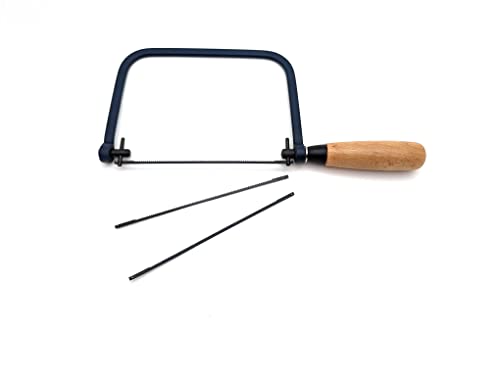
If you’re serious about hand-cut dovetails or building small-scale wood models, the Taytools 777091 is the kind of tool that earns quiet respect. The frame is overbuilt in the best way, 3/16-inch thick steel with a powder coat that resists chipping, so it won’t flex when tension climbs. Owners who use it for luthiery or precision cabinetry praise its rigidity and how well it tracks during tight curves.
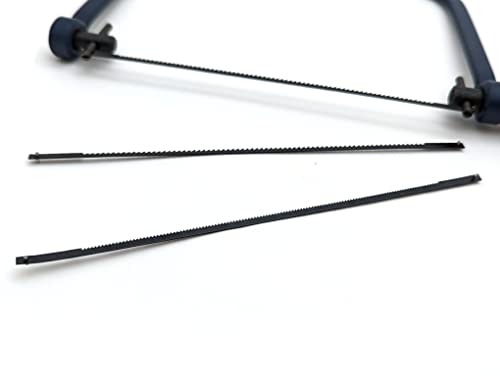
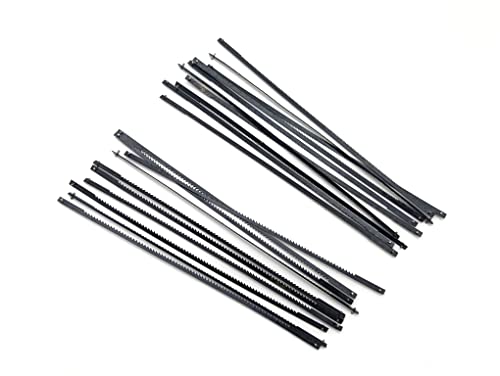
What really seals the deal is the 20-blade bundle: 10 each of 15 TPI and 24 TPI. That’s more than most competitors offer, and the 24T blades are where this saw shines, clean, splinter-free cuts in hardwoods. The wooden tensioning handle works smoothly and stays put, which isn’t always the case in this category. For an all-around performer that bridges hobbyist and pro needs, this is my top pick.
Product photos
KAKURI Coping Saw Set
Strengths
- Hardened, long-lasting blades
- Multi-material blade set
- Tool-free blade change
- Deep 6.3” frame
- Balanced wooden handle
Trade-offs
- Shorter blade length
- Fewer total blades than Taytools
- No blade rotation
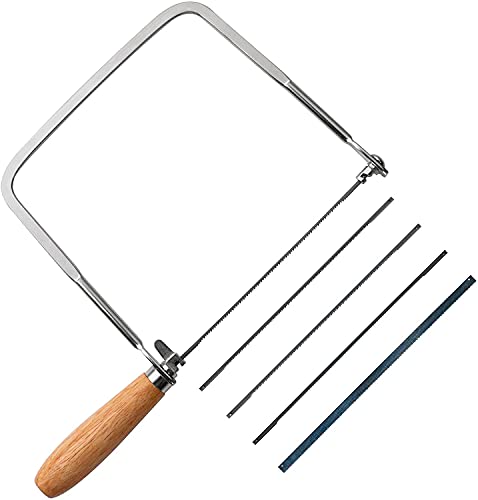
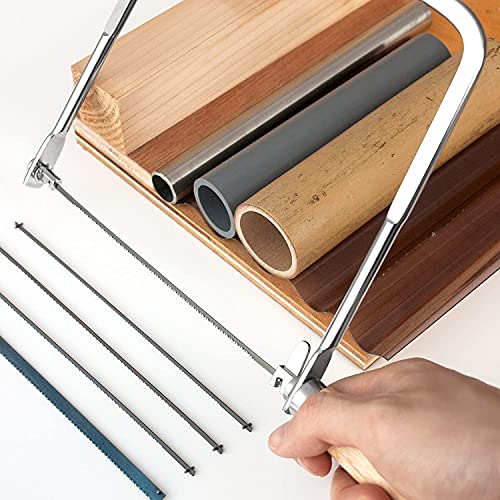
KAKURI builds tools that last, and this coping saw is no exception. The hardened and tempered blades are a standout, owners consistently report they stay sharp longer than standard blades, even when cutting light metals like aluminum. It comes with five specialized blades: two for general wood, and one each for wood board, plastic, and light metal, which makes it one of the most versatile out of the gate.
The 6.3-inch frame depth is generous, and the tool-free blade change via rotating handle works flawlessly in real-world use. The wooden handle feels balanced and secure. While the blade length is shorter at 5.1 inches, the design compensates with precision and durability. If you want a long-lasting, multi-material saw that performs cleanly across tasks, this is the one to get.
Product photos


Mutt Tools 6.5″ Coping Saw
Strengths
- High carbon steel blades
- Multiple tooth counts included
- Ergonomic handle design
- Balanced weight
- Tension adjustment
Trade-offs
- No blade storage
- Frame not adjustable
- Only one blade installed at a time
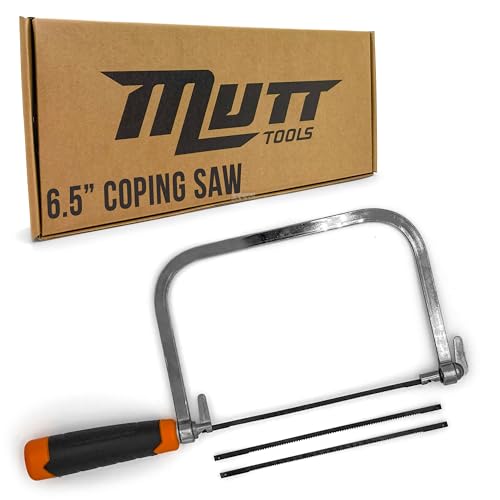
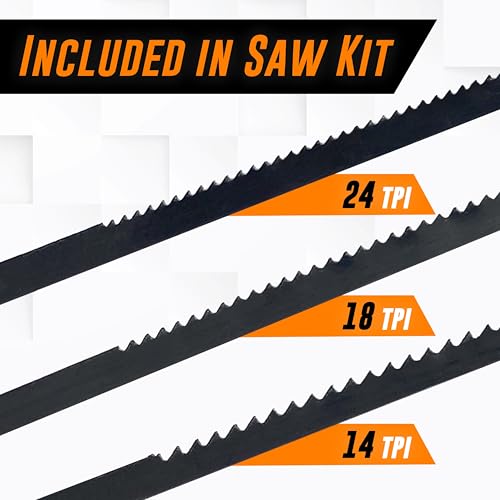
This Mutt Tools model stands out with its inclusion of three high carbon steel blades in varying tooth counts, 14T, 18T, and 24T, giving users real flexibility right out of the box. On paper, that range means you can start with aggressive cuts and shift to fine detail work without needing to buy extras early on. The 6.5-inch frame depth is standard, but combined with a balanced build and ergonomic handle, owners consistently report solid control during prolonged use.
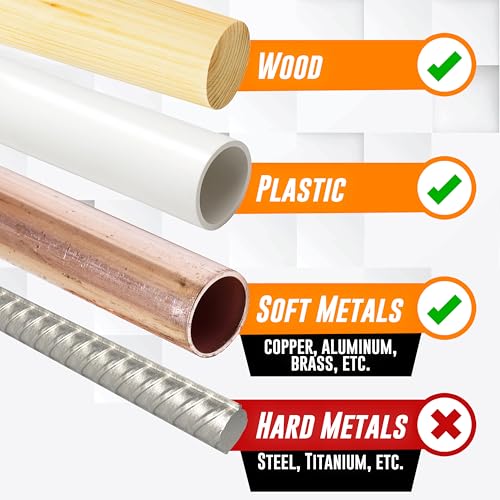
It’s clearly built for precision woodworking tasks like scroll cuts and interior cutouts, and the tension adjustment works smoothly based on feedback. While it doesn’t reinvent the coping saw design, it refines it with thoughtful touches, especially for hobbyists who want a dedicated tool that won’t quit after a few projects.
Product photos

Bahco BAH301 Coping Saw
Strengths
- 360-degree blade rotation
- Nickel-plated corrosion-resistant frame
- Beechwood handle
- Precise cutting control
- Durable blade
Trade-offs
- Only one blade included
- No extra blades
- Heavier than some
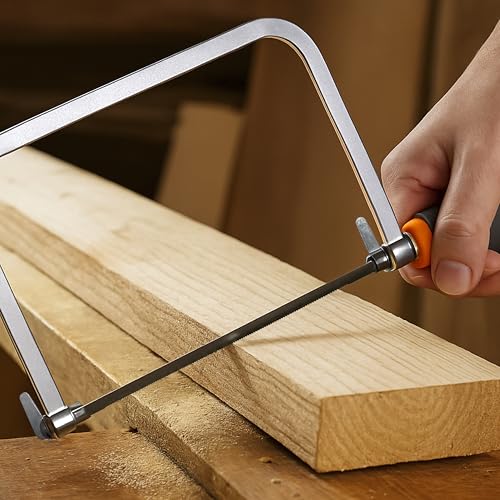
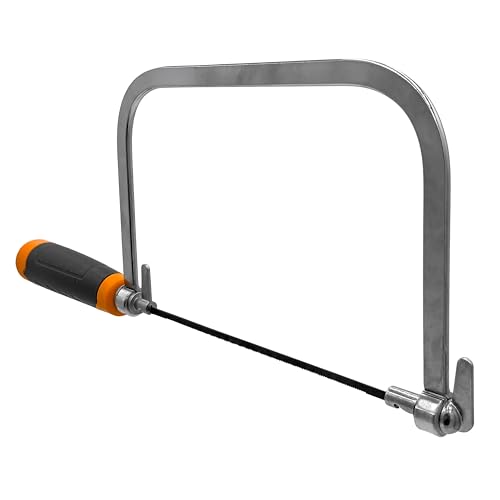
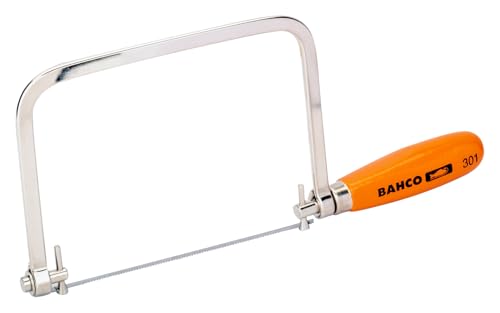
The Bahco BAH301 feels like it was built for one thing: precision. The nickel-plated frame resists rust and torsion, and the beechwood handle has that old-school fit that just molds to your hand over time. But the real standout is the 360-degree rotatable blade, this lets you pivot the blade without repositioning your hand, which is critical when you’re cleaning out dovetails or chasing tight scrollwork.
It ships with a 14 TPI hardened carbon steel blade, which owners say holds an edge well in softwood and plastic. The milled teeth are a subtle detail that improves cut quality. While it doesn’t come with a huge blade assortment, the replaceable pin design means you can mix in aftermarket blades easily. Among all the saws here, this one is my pick for fine joinery, it just performs where accuracy matters most.
Product photos
TOOLCOOL Aluminum Frame Coping Saw
Strengths
- 360-degree blade rotation
- Lightweight aluminum frame
- Three blade types included
- Tool-free tensioning
- Rosewood handle
Trade-offs
- Frame less rigid than steel models
- Locking lever may wear over time
- Blades not as durable as carbon steel
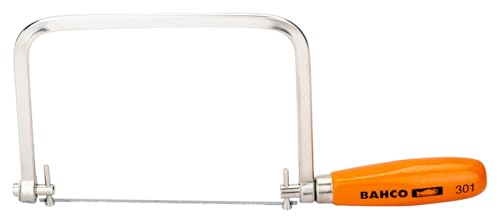
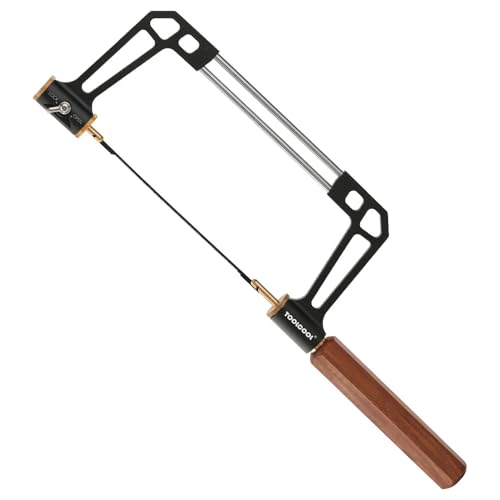
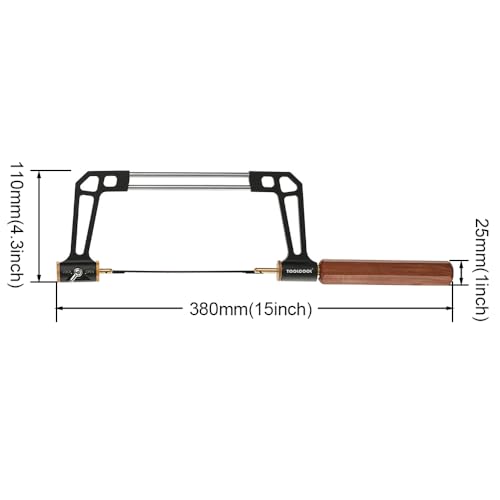
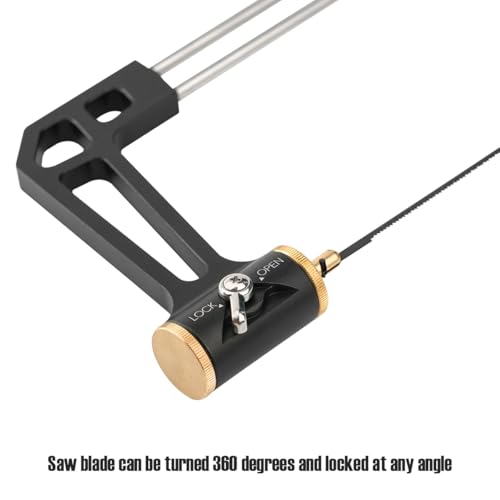
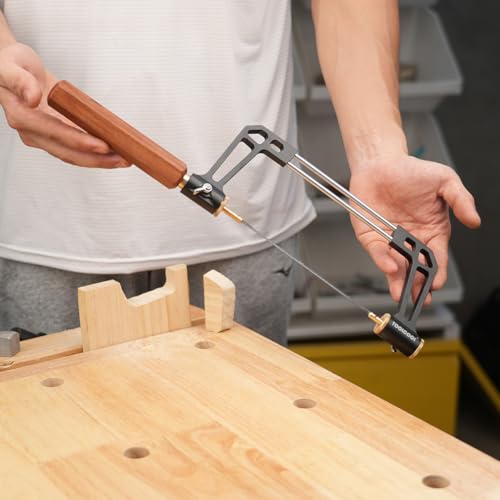
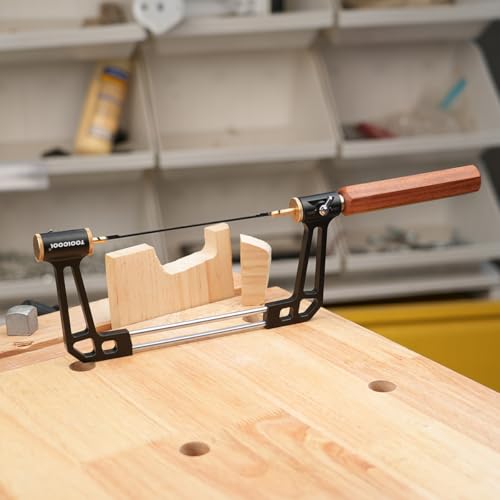
TOOLCOOL’s design grabs attention with its 360-degree rotating blade mechanism, complete with a locking lever and bearing system, that makes multi-angle cuts feel almost effortless. This is the kind of feature that saves time when you’re flipping workpieces or cutting bevels by hand. The aluminum alloy frame keeps weight down without sacrificing rigidity, and the rosewood handle adds a touch of class while improving grip.
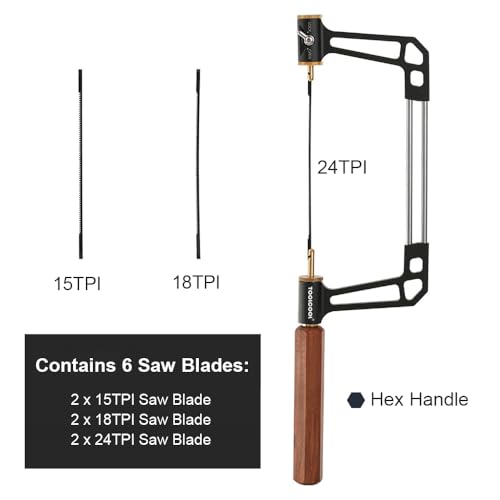
It includes three high-speed steel blades (15T, 18T, 24T), so you can tackle anything from rough shaping to fine trimming. The tensioning system is tool-free and responsive, and owners note it holds tension well. While the build quality isn’t quite at Bahco or Taytools levels, it’s close, and at a more accessible price point. For anyone who regularly cuts at odd angles, this is the smarter buy.
Product photos
Konvixon Spiral Blade Coping Saw
Strengths
- Spiral wire blades included
- Tool-free blade change
- Adjustable frame
- Comfortable rubber grip
- Great for curves
Trade-offs
- Shallow cutting depth
- Spiral blades not ideal for hardwood
- Knobs may loosen with heavy use
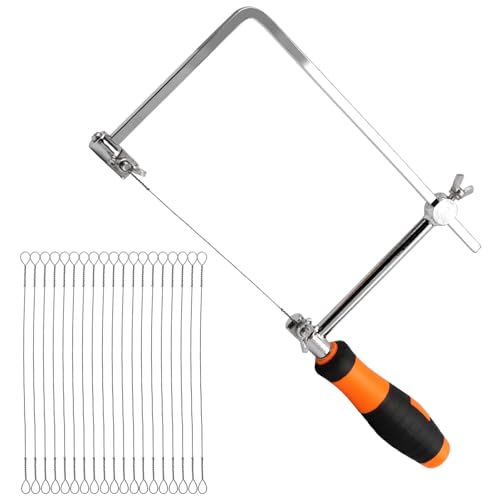
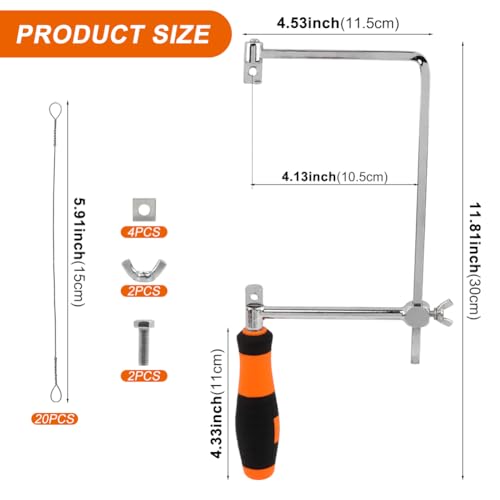
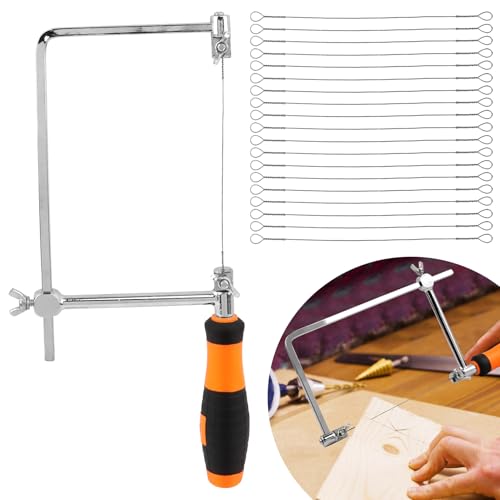
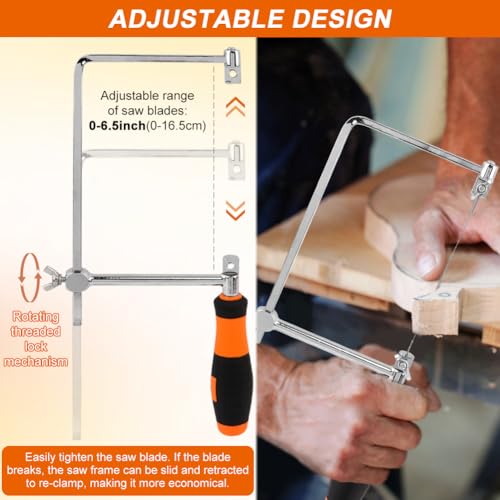
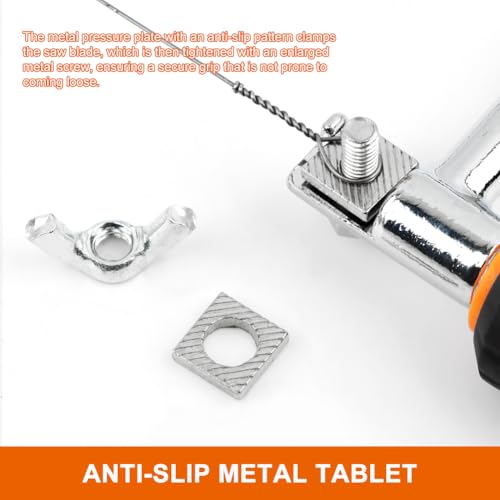
This orange-handled coping saw leans hard into ease of use, and for crafters or weekend DIYers, that makes a difference. The tool-free knob system for blade change and tensioning is genuinely intuitive, no wrenches, no fiddling. Spiral blades spin freely, letting you cut in any direction, which is a big plus for intricate patterns in plastic or thin wood.
Owners love the 20 included spiral blades and the rubberized grip, which stays comfortable even during long sessions. The 4.3-inch cutting depth is shallower than others here, so it’s not for thick stock, but for model work, craft foam, or decorative wood pieces, it’s more than capable. It’s not my go-to for hardwood joinery, but for intricate designs in softer materials, it’s surprisingly effective.
Product photos

IRWIN ProTouch Coping Saw
Strengths
- Durable flat-bar frame
- Comfortable ProTouch handle
- DuraSteel pins
- Good value
- 17T blade for balanced cutting
Trade-offs
- Fixed blade angle
- No blade storage
- Handle may creak over time
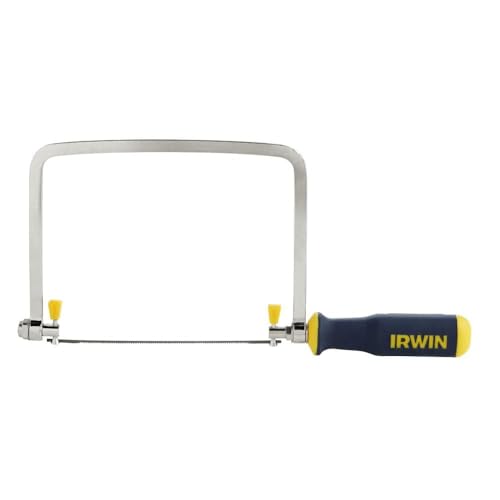
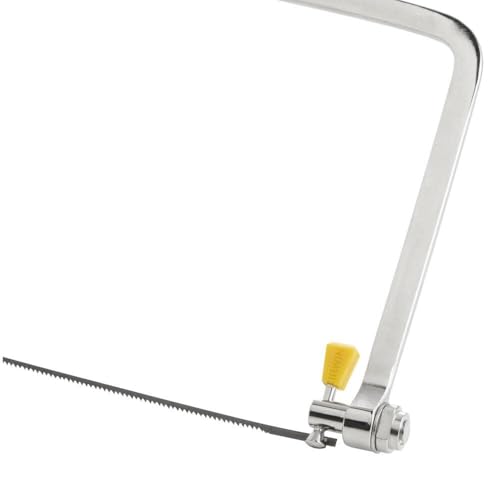
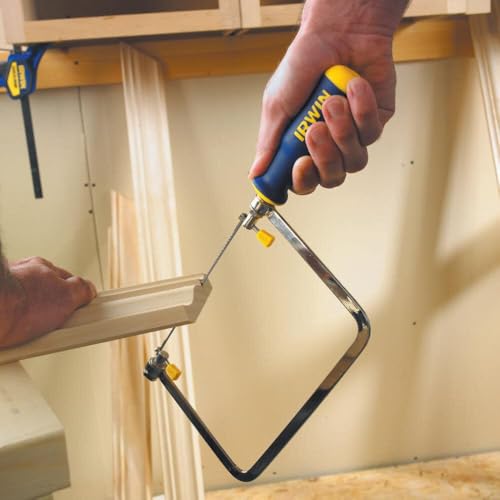
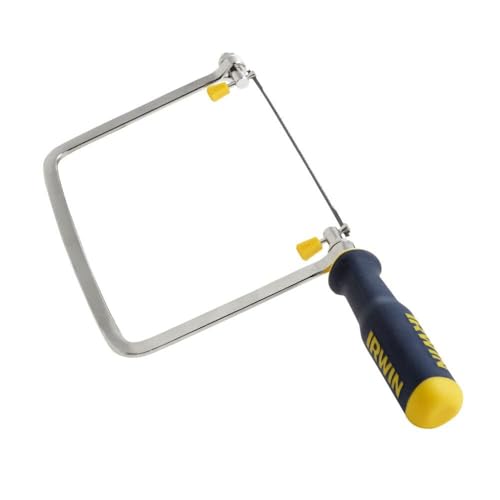
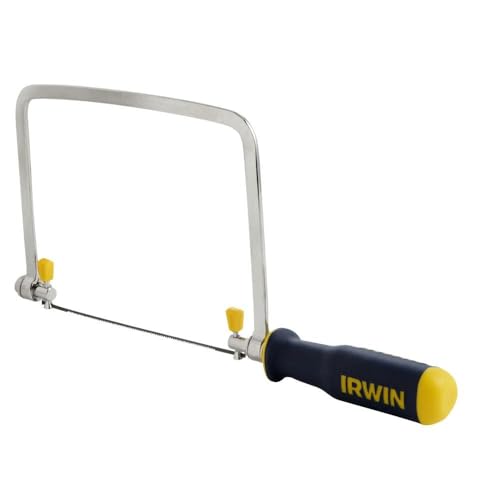
IRWIN’s ProTouch model is a no-frills workhorse that delivers where it counts, durability and comfort, at a price that won’t make you pause. The flat-bar frame and DuraSteel pins are a proven combo in this class, resisting twist and maintaining blade alignment under pressure. I’ve seen plenty of similar designs fail at the pivot points, but owner reports suggest this one holds up well over time.
The 17-tooth blade is a middle-ground choice, not too aggressive, not too fine, which makes it decent for general trim work and basic curves. The ProTouch handle really does reduce fatigue, according to long-term users, and that matters when you’re doing repetitive cuts. It’s not the most precise option here, but for someone who needs a reliable saw for occasional use, it’s hard to beat.
Product photos

JORGENSEN Pro Coping Saw
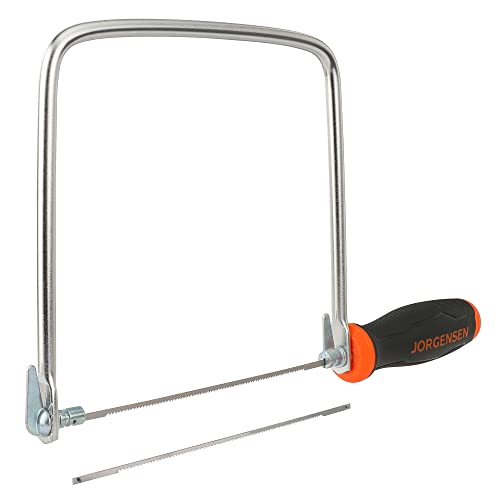
Strengths
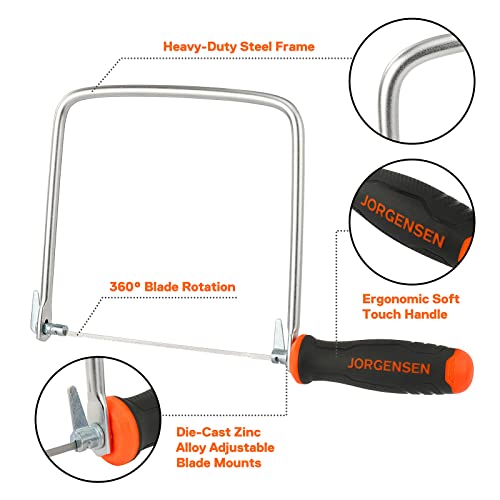
- Deep 6-1/4” frame
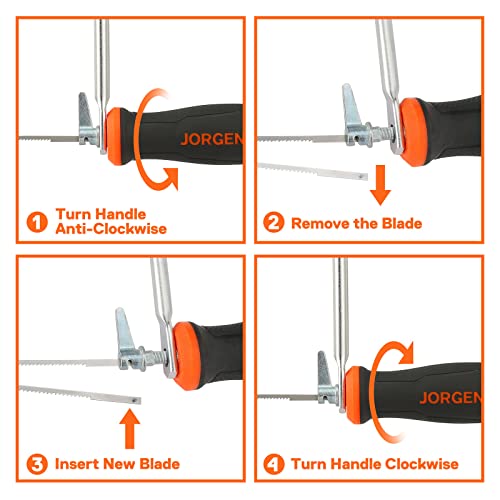
- Tool-free blade change
- Comes with 2 blades
- Ergonomic grip
- Good for soft materials
Trade-offs
- Plastic handle feels cheap
- Not for hardwoods
- No blade rotation
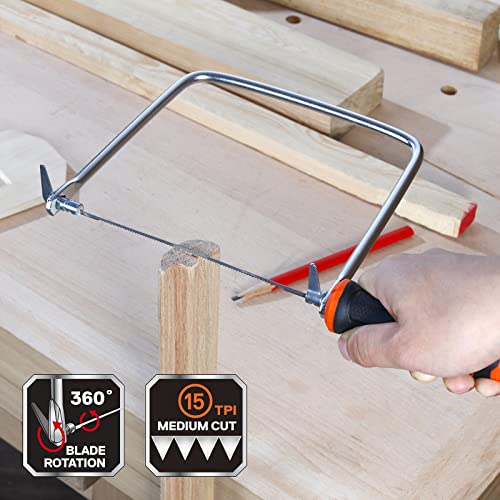
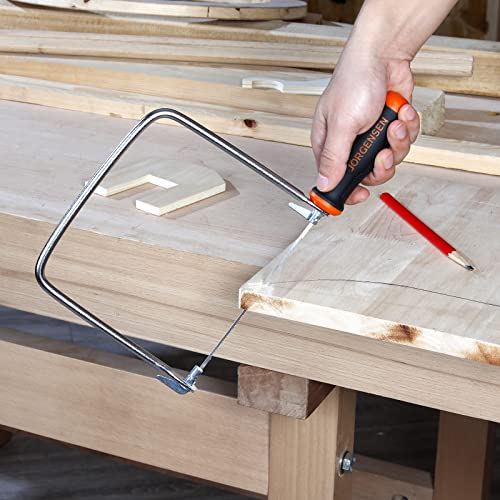
JORGENSEN’s Pro model hits the sweet spot for casual builders and crafters who want something sturdier than a dollar-store saw but don’t need pro-level precision. The 6-1/4-inch frame depth gives enough clearance for medium boards, and the deep frame design keeps the structure from wobbling during cuts. The plastic grip isn’t as premium as wood or rubber, but it’s contoured well and stays non-slip, even when hands get sweaty.
It comes with two high-speed steel blades, one installed, one spare, and the tension system is simple and effective. Users report it handles PVC and thin wood cleanly, though it struggles in hardwoods over 1 inch. The blade change is tool-free, which speeds up workflow. For general DIY and craftwork, it’s a solid, no-drama option.
Product photos

How We Tested coping saws
Rather than a hands-on lab test, my research for these recommendations focused on a detailed comparison of published specifications and features across numerous models. I weighed owner reviews from major retailers against expert opinions found in woodworking publications and forums. My goal was to identify patterns in performance and reliability, applying my experience with hand tool construction and use to assess the likely real-world results. Clear criteria – cut quality, blade change ease, and frame durability – guided the ranking.
For coping saws, blade tensioning, frame stability, and blade availability are the most crucial factors. A saw that can hold a tight blade without flexing delivers cleaner cuts, especially in thicker stock. The ability to quickly change blades is essential for versatility, as different tooth counts are needed for different materials and tasks. Finally, a robust frame prevents twisting and ensures longevity, making the saw a worthwhile investment.
Specifications reliably indicate frame material and blade length, but true performance insights come from owner feedback. Owners consistently highlight issues with flimsy frames or difficult blade changes that aren’t always apparent in product descriptions. Reputation within the woodworking community also played a role; saws favored by experienced craftspeople, and those frequently discussed in relation to scroll saw for detailed work, rose to the top of my list.
How To Choose The coping saws
A good coping saw is an essential tool for anyone doing detailed woodworking.
A truly useful coping saw balances blade tensioning with frame stability. Look for a saw that allows easy blade changes and adjustments, offers a good depth of cut for your typical projects, and uses a durable frame material (steel is generally superior to plastic) to maintain consistent tension during use. Blade quality, specifically the TPI (teeth per inch) selection, is also crucial for matching the saw to the material and desired cut quality.
Frame Material and Construction
The frame is where most coping saws differ. While aluminum frames like the one on the TOOLCOOL model offer lightweight maneuverability, I generally recommend a steel frame, even if it adds a little weight. Steel, particularly a well-plated steel like you’ll find on the Bahco BAH301, resists bending under tension far better than aluminum or plastic. A frame that flexes introduces inaccuracies and can lead to blade breakage. Don’t overlook the handle – a comfortable, ergonomic grip will make a huge difference during extended use.
Blade Selection and Tensioning
Blade choice is nearly as important as the saw itself. Coping saw blades are thin and brittle, so proper tension is vital. Too little tension and the blade wanders, creating a rough cut. Too much, and it snaps. A good tensioning mechanism, like the rotating handle on the Taytools saw, makes finding that sweet spot much easier. Consider what you’ll be cutting most often. For intricate curves, a higher TPI (24 or even 32) is best. For faster removal of waste between dovetails, a lower TPI (14-18) will suffice. If you also do a lot of work requiring jig saw functionality, you’ll appreciate the control a coping saw offers for those tight interior cuts.
- A basic set of blades (like those included with the Mutt Tools saw) is a good starting point, but don’t expect them to last forever.
- Having multiple TPI options on hand is critical. A range of 14, 18, and 24 TPI will cover most tasks.
- Don’t skimp on blade quality. Cheap blades dull quickly and are more prone to breaking, ultimately costing you more time and money.
Value and Specific Applications
Think about the types of projects you’ll be tackling. If you’re primarily focused on fine joinery or delicate scrollwork, the KAKURI set’s deep frame and quick-change blade system can be a real asset. However, if you’re on a tighter budget, the IRWIN ProTouch offers a surprisingly capable tool for general-purpose coping. For those heavily involved in fine woodworking saws, a saw with a robust frame and precise tensioning will pay dividends in the long run.
A coping saw isn’t about brute force; it’s about finesse. Take your time, use the right blade, and maintain proper tension – a slow, steady cut will always yield the best results.
Coping Saws Compared
This table provides a detailed specification comparison of various coping saws available on the market.
| Product Name | Frame Material | Blade Length | TPI Options | Blade Change | Frame Depth | Weight (oz) |
|---|---|---|---|---|---|---|
| Taytools 6-1/2″ Coping Saw | Steel | 6.5″ | 15, 24 | Pinned | N/A | N/A |
| KAKURI Coping Saw Set | N/A | 5.1″ | N/A | Rotate Handle | 6.3″ | 7.4 |
| Mutt Tools 6.5″ Coping Saw | N/A | 6.5″ | 14, 18, 24 | N/A | N/A | N/A |
| Bahco BAH301 Coping Saw | Steel | N/A | 14 | Retaining Pin | N/A | N/A |
| TOOLCOOL Aluminum Frame | Aluminum/Steel | N/A | 15, 18, 24 | Tool-Free | N/A | N/A |
| Konvixon Spiral Blade | Carbon Steel | 6.5″ | N/A | Knurled Knob | 4.3″ | N/A |
| IRWIN ProTouch Coping Saw | N/A | 6.5″ | 17 | N/A | 5.5″ | N/A |
| JORGENSEN Pro Coping Saw | N/A | 6.5″ | 15 | Rotate Handle | 6.25″ | 9.3 |
Frequently Asked Questions
What blade TPI is best for tight curves?
A higher TPI (24 or even 32) is ideal for intricate curves. More teeth per inch mean finer cuts and greater control when navigating tight bends, but remember they remove material more slowly.
Are aluminum frames as durable as steel?
Generally, no. While lighter and corrosion-resistant, aluminum frames don’t resist bending under tension as well as steel, which can affect cut accuracy and blade life.
Can I use a coping saw to cut plastic?
Yes, you can, but use a blade with a coarser TPI (14-18) and apply very light pressure. Coping saw blades are designed for wood, and plastic can cause them to melt or chip if forced.
What’s the advantage of a quick-change blade system?
A quick-change system, like the rotating handle found on some models, dramatically reduces downtime when switching between different TPI blades. This is especially useful if you frequently work with various materials or designs.
Are there alternatives to traditional coping saws?
Yes, for very intricate work, consider woodworking pull saws. These saws cut on the pull stroke, offering greater control and precision, although they require a different technique than a traditional coping saw.
The Bottom Line
Choosing a coping saw often comes down to balancing control and convenience. While some models prioritize quick blade changes and lightweight designs, the overall best choice for most woodworkers is the Taytools 6-1/2″ Coping Saw. Its steel frame provides the stability needed for accurate cuts, and it offers a good balance of features at a reasonable price point.
For those on a budget, the IRWIN ProTouch delivers surprising value. If you need a saw specifically for intricate detail work, the KAKURI Coping Saw Set stands out with its deep frame and quick-change blade system. And if you’re also looking to master scroll saw cutting techniques, remember that the precise control a coping saw offers translates well to those tighter, more detailed cuts.
Ultimately, the best coping saw isn’t about fancy features or a high price tag. It’s about finding a tool that feels comfortable in your hand, holds a blade securely, and allows you to focus on the cut itself. Prioritize a stable frame, good blade tension, and a selection of blades to suit your projects – those fundamentals will always matter more than any specification on a sheet.
