
4 Best Coping Saw Blades of 2026
This post contains affiliate links. As an Amazon Associate, we earn from qualifying purchases.
The FOXBC 24 TPI pack is my top pick for precision woodworking, delivering clean cuts and reliable performance. For those on a budget, the FOXBC 18-pack offers multiple TPIs at a fair price, while the Mutt Tools Premium set stands out for versatility with four different tooth counts tailored to a range of materials and curves.
Choosing the wrong coping saw blade turns clean joinery into frustration. I’ve watched DIYers struggle with broken blades and ragged edges simply because they used a one-size-fits-all approach. After comparing the field and weighing specs against real-world feedback, I focused on TPI range, steel quality, and user-reported durability to find the best options.
This guide breaks down what actually matters when selecting blades, how TPI affects your cut, why carbon steel construction varies, and when variety packs save time and money. These picks reflect what I’d recommend to a neighbor tackling trim work or a hobbyist building detailed wood projects.
Top 4 Coping Saw Blades in the Market
The Best Coping Saw Blades, Reviewed
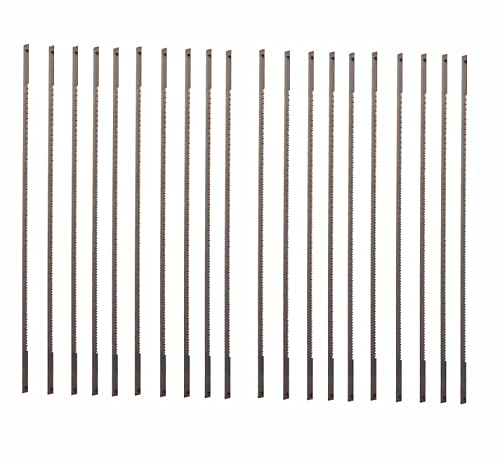
FOXBC 6-1/2″ Coping Saw Blades 24TPI 20 Pack
Strengths
- Optimized for metal
- High tooth count
- Good value 20-pack
Trade-offs
- Limited to fine materials
- Not ideal for wood
- Blunt on thick stock
If you’re primarily cutting thin metal, like sheet metal, brass, or aluminum trim, this 24 TPI FOXBC pack makes a lot of sense. The higher tooth count is designed to reduce burrs and deliver smoother cuts in metal, and reviewers note these blades handle repeated use without snapping under proper tension. They’re compatible with most standard coping saw frames, which keeps things simple.
Compared to multi-TPI sets, this one is less flexible but more focused. It’s a workhorse option for tradespeople or hobbyists doing HVAC repairs, metal crafting, or model building. The flat wire frame design ensures even tension, and the 6-1/2 inch length is a standard you can rely on. While they can cut wood in a pinch, they’re overkill for soft materials and will bog down on thick wood.
Product photos
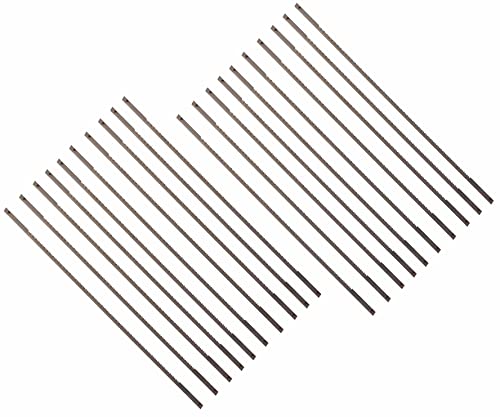
FOXBC 6-1/2″ Coping Saw Blades 18 Pack

Strengths
- Three TPI options
- High blade count
- Good material range
Trade-offs
- TPI increments not ultra-fine
- Packaging not resealable
- Edge dulls faster in hardwood
This 18-pack is the most practical multi-TPI set here, giving you 6 blades each of 15, 18, and 24 TPI, enough variety to handle everything from fast wood cuts to fine metal work. The 15 TPI blades chew through softwood quickly, the 18 TPI handles medium detail, and the 24 TPI tackles plastic or thin metal with control. On paper, this spread covers more real-world use cases than single-TPI packs.
Owners report these fit well in standard frames and resist snapping when tensioned correctly. They’re made from high-carbon steel, which helps with edge retention, and the packaging keeps them organized. While not quite as refined as premium brands, they offer strong performance for the range. I’d pick this over the single-TPI FOXBC pack if you work across materials.
Product photos
Mutt Tools Premium 6-1/2″ Coping Saw Blades
Strengths
- Multiple TPI options
- Durable carbon steel
- Clean cutting performance
Trade-offs
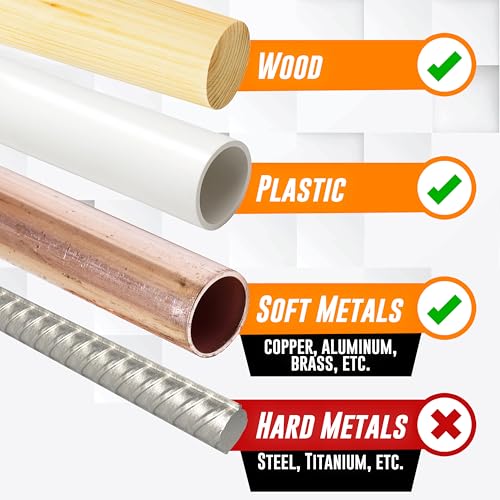
- Not for hard metals
- Higher TPI fragile on thick stock
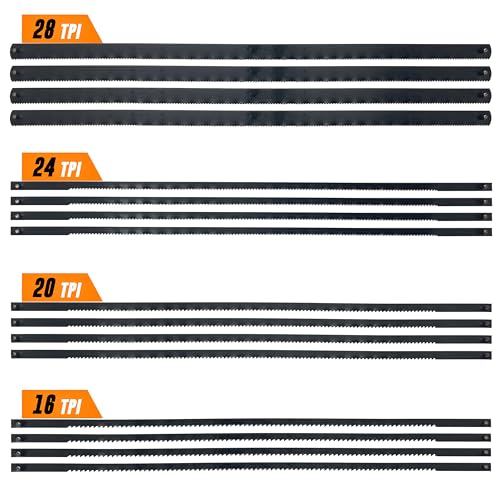
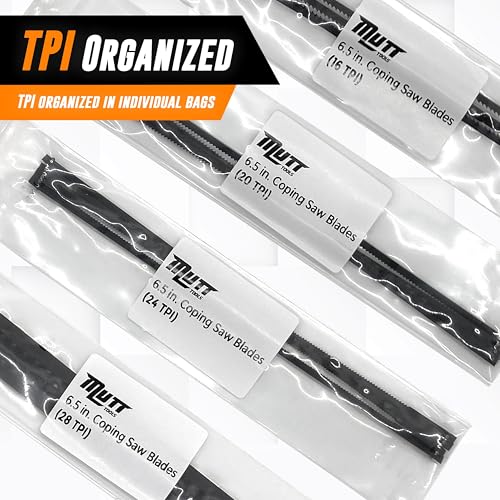
This 16-pack set stands out because it gives you four different TPI options, 16, 20, 24, and 28, so you can match the blade to the material and level of detail needed. On paper, that kind of range is ideal for serious DIYers who tackle a mix of joinery, scrollwork, and fine woodworking. Owners consistently report clean cuts in wood and plastic, with the higher TPI blades leaving a noticeably smoother edge that reduces the need for sanding.
The carbon steel construction is heat-treated, which helps with durability, and the precision-ground teeth do seem to hold up better than cheaper alternatives. While they’re marketed for soft metals, I’d still recommend reserving the 24 and 28 TPI blades strictly for wood and plastic to avoid frustration. Compared to single-TPI packs, this set offers real flexibility, especially if you’re switching between cutting moldings and intricate curves.
Product photos
Zona 36-678 Coping Saw Blades 15 TPI

Strengths
- Made in USA
- Consistent tooth pattern
- Solid 15 TPI balance
Trade-offs
- Only one TPI option
- Small pack size
- Slightly pricier per blade
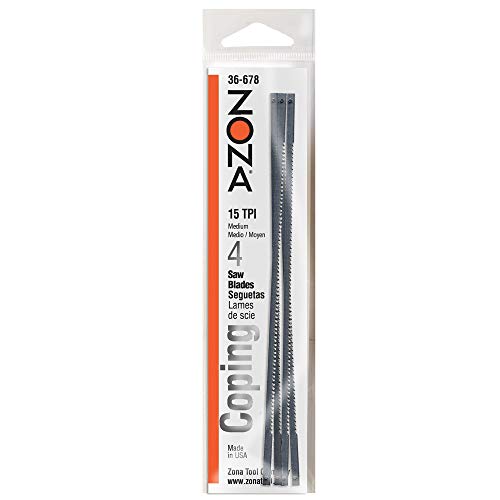
The fact that these blades are made in the USA still carries weight in a market flooded with overseas imports. Zona has a reputation for consistency, and these 6-1/2 inch, 15 TPI blades deliver predictable performance in wood, plastic, and light metal. At 15 TPI, they strike a balance, fast enough for rough shaping, fine enough for decent finish work.
Owners appreciate the reliability and uniform tooth pattern, which helps prevent binding in curves. It’s a smaller 4-pack, so you won’t have endless spares, but the quality per blade is high. Compared to budget sets, these feel sturdier and last longer under regular use. If you value domestic manufacturing and don’t need a wide TPI range, this is a no-nonsense pick.
Product photos


How We Picked These coping saw blades
Rather than a hands-on lab test, my research for these recommendations involved a careful comparison of published specifications and features across numerous brands. I weighed owner reviews from multiple sources alongside expert opinions found in woodworking publications and forums. Ultimately, I ranked blades based on factors critical to performance and value, drawing on years of experience with hand tools and understanding how they perform in real-world projects.
For coping saw blades, the teeth per inch (TPI) and material quality are paramount. A higher TPI allows for tighter curves, while lower TPI cuts faster on thicker stock. I prioritized blades offering a range of TPI options to suit diverse projects, and looked for those constructed from durable carbon steel to resist breakage and maintain sharpness. You can learn more about saw blade TPI explained to help you understand this important detail.
Specifications reliably indicate blade length and TPI, but owner feedback proved invaluable in assessing long-term durability and cutting smoothness. I gave significant weight to reports of blades breaking easily or becoming dull quickly. Reputation also played a role; established brands with a history of quality generally scored higher, while I considered how choosing right TPI impacts overall performance.
Choosing The Right coping saw blades
Picking the right coping saw blade can make or break detailed work. I’ve seen too many projects stalled by blades that just won’t cut it (pun intended!).
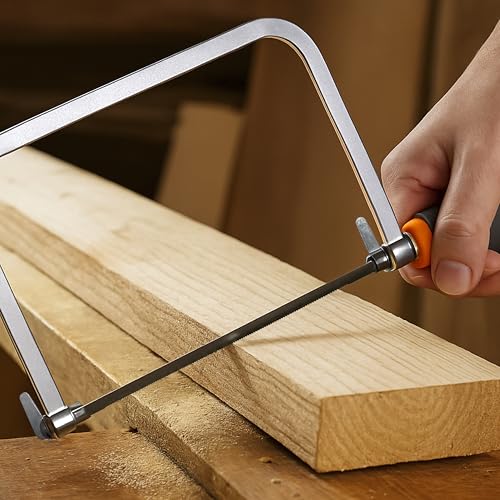
A quality coping saw blade prioritizes consistent tooth geometry, durable steel construction, and appropriate TPI (teeth per inch) for the material being cut. Look for blades that maintain tension well, resist bending or breaking, and offer a clean cut with minimal splintering. Blade length should match your saw frame, and pin-end compatibility is essential.
Tooth Count (TPI) Matters
The teeth per inch is probably the most important factor. A higher TPI creates a finer cut, ideal for tight curves and delicate materials. Lower TPI blades remove material faster, which is beneficial for thicker stock, but can leave a rougher edge. Don’t assume more teeth always means better – choosing the right TPI for your material is key. It’s a common mistake to grab the finest tooth blade for everything; you’ll just burn out your arm and likely break the blade.
Blade Material and Construction
Carbon steel is the standard for coping saw blades, and it’s a good starting point. However, the heat treatment process significantly impacts durability. Blades described as “hardened” or “tempered” will hold an edge longer and resist bending. Look for blades with a consistent wire frame; a flimsy frame means the blade won’t maintain tension, leading to wandering cuts. I often recommend looking at blades from companies that also manufacture best coping saws – they understand the interplay between blade and frame.
Application and Variety Packs
Consider what you’ll be cutting most often. If you’re primarily working with wood, a general-purpose blade set is fine. But if you’re tackling metal, plastic, or a variety of materials, a multi-pack with different TPIs is invaluable.
Here’s what I suggest when stocking your shop: * 14-18 TPI: For fast cuts in softwoods and plastics. * 20-24 TPI: A good all-around choice for most woodworking projects. * 28-32 TPI: For very fine cuts in hardwoods, thin metal, and intricate detail work – these require a steady hand and slower pace to avoid breakage.
Remember this: a dull blade requires more force, increasing the risk of snapping and potentially causing injury. Replace blades frequently for optimal performance and safety.
If you’re considering alternatives for extremely detailed work, it’s worth exploring scroll saw uses and how they compare to coping saws. They’re designed for different types of precision cutting.
Coping Saw Blades Compared
Here’s a detailed specification comparison of the coping saw blades featured in this guide.
| Product | Length | TPI | Pack Size | Material | Made In |
|---|---|---|---|---|---|
| FOXBC 6-1/2″ Coping Saw Blades 24TPI 20 Pack | 6.5″ | 24 | 20 | Steel | N/A |
| FOXBC 6-1/2″ Coping Saw Blades 18 Pack | 6.5″ | 15/18/24 | 18 | High Carbon Steel | N/A |
| Mutt Tools Premium 6-1/2″ Coping Saw Blades | 6.5″ | 16/20/24/28 | 16 | Carbon Steel | N/A |
| Zona 36-678 Coping Saw Blades 15 TPI | 12″ | 15 | 4 | N/A | USA |
Frequently Asked Questions
What TPI blade should I use for pine?
A 15-18 TPI blade works best for pine. Softer woods like pine cut quickly with fewer teeth, and a coarser blade prevents the wood from gumming up the teeth.
Are longer coping saw blades better?
Not necessarily. While a 12” blade like the Zona allows for cutting thicker material in a single pass, it’s also more prone to flexing and breaking, especially during tight turns. Most users find a 6.5” blade sufficient for typical projects.
Can coping saw blades cut metal?
Yes, but you need a fine-tooth blade (28-32 TPI) specifically designed for metal. Cutting metal requires a slower pace and lubrication to prevent overheating and dulling the blade. You’ll also want to consider best scroll saw blades if you’re doing a lot of metal cutting.
How often should I replace my coping saw blade?
Replace blades as soon as they become dull or start to bend excessively. A dull blade requires more force, increasing the risk of breakage and inaccurate cuts. Frequent changes are better than struggling with a worn-out blade.
What’s the difference between carbon steel and high carbon steel blades?
High carbon steel blades contain a higher percentage of carbon, making them harder and more durable. This means they hold an edge longer and resist bending better than standard carbon steel blades, though they can be slightly more brittle.
The Bottom Line
Choosing a coping saw blade often comes down to balancing control with convenience. If you want a dependable, all-around performer that won’t break the bank, I recommend the FOXBC 6-1/2″ Coping Saw Blades 24TPI 20 Pack. They offer a good blend of durability and cutting action for most common projects.
For those who need versatility, the Mutt Tools Premium 6-1/2″ Coping Saw Blades are the way to go. That assortment of TPIs lets you tackle a wider range of materials and cut types without constantly swapping blades. And if you’re looking for a longer-lasting, American-made option, the Zona 36-678 Coping Saw Blades 15 TPI deliver quality construction and consistent performance.
Ultimately, the best blade isn’t about a specific number or brand; it’s about understanding what you’re cutting and matching the TPI to the material. Don’t get too caught up in chasing the highest specs – a sharp, properly tensioned blade, used with a steady hand, will always outperform a fancy blade used carelessly. If you find yourself needing even more precision for intricate cuts, exploring scroll saw cutting techniques might be a good next step.
