
7 Best Circular Saw Blades for Pressure Treated Wood 2026
This post contains affiliate links. As an Amazon Associate, we earn from qualifying purchases.
The Diablo 7-1/4″ 24T Framing blade is the best overall for pressure-treated wood, thanks to its durable carbide teeth and Perma-SHIELD coating that resists pitch buildup and corrosion. For a budget-friendly option, the HOJR 2-pack delivers solid performance with its TA coating and thin-kerf design, while the Diablo 2-pack offers the best long-term value if you go through blades quickly.
Cutting pressure-treated lumber is hard on tools. The chemicals and moisture in the wood eat away at blades, while the density leads to heat, friction, and fast dulling. Most users don’t realize how much a poor blade affects cut quality and safety until they’re fighting a binding saw or replacing a $15 blade after two jobs.
This guide cuts through the noise. I focused on real-world durability, coating effectiveness, and tooth design, based on specs, owner feedback, and performance trends across brands. These picks deliver clean cuts, resist gumming, and last longer where it matters most.
Top 7 Circular Saw Blade For Pressure Treated Woods in the Market
The Best Circular Saw Blade For Pressure Treated Woods, Reviewed
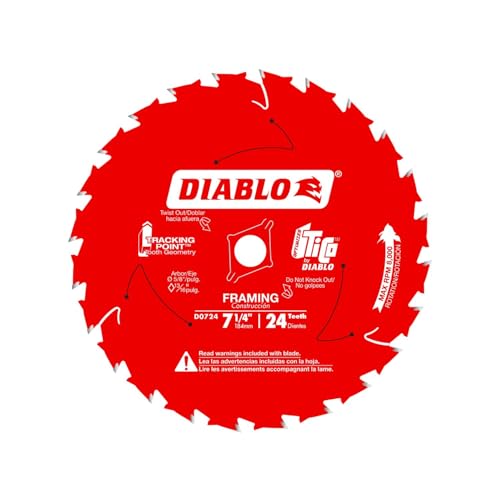
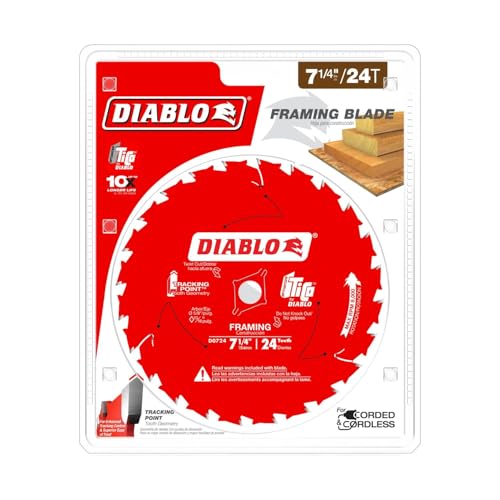
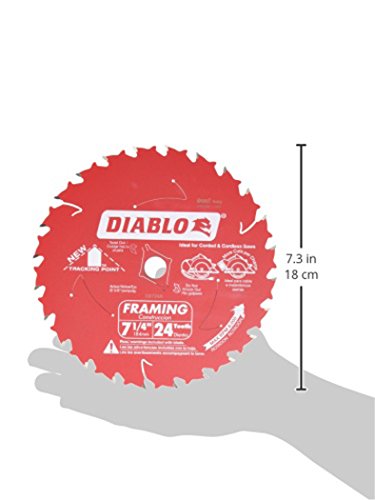
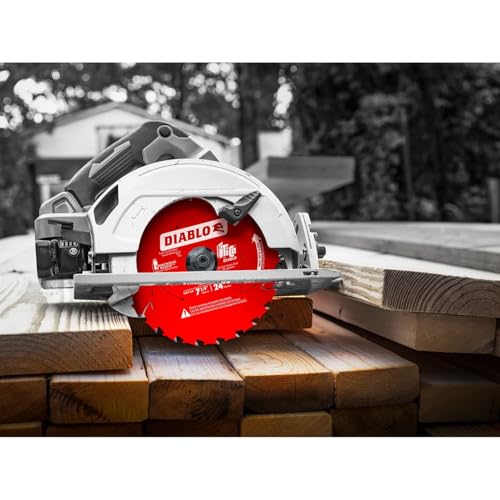
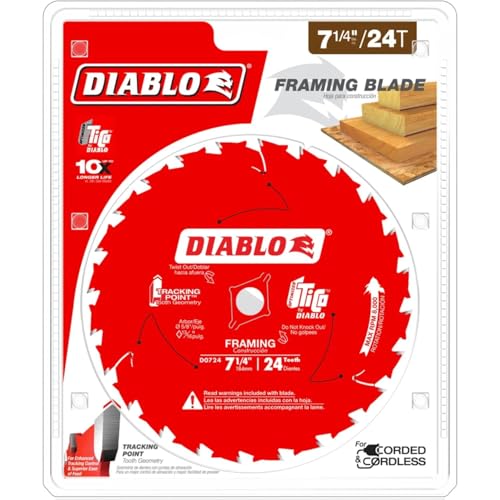
Diablo 7-1/4″ 24T Framing Blade
Strengths
- Excellent tracking
- Perma-SHIELD protection
- Anti-vibration design
Trade-offs
- Higher cost than basic blades
- Single unit only
This single-pack Diablo blade is my pick for best overall, it hits the sweet spot between performance, durability, and real-world reliability. It shares the same core tech as the 2-pack and 10-pack versions: Tracking Point teeth, Perma-SHIELD coating, and anti-vibration vents, all of which owners say make a tangible difference when cutting pressure-treated wood. The blade stays cooler, resists gumming, and tracks straighter than most competitors, even after repeated use.
What sets it apart from the bulk packs is accessibility, you don’t need to buy 10 blades to get the quality. For a homeowner building a deck or replacing rotted PT framing, this is the smartest single-blade investment. It costs more than budget options, but the extended life and reduced saw strain pay off quickly. I’d choose this over any other single blade here for most users.
Product photos
Diablo 7-1/4″ 24T Thin Kerf

Strengths
- Thin kerf efficiency
- Uniform performance
- Reduced vibration
Trade-offs
- Overkill for casual users
- High upfront cost
If you’re running a crew or tackling a massive deck or framing job, this 10-pack from Diablo makes logistical sense. It’s the same thin kerf, 24-tooth design as their single-pack version, with the same Tracking Point teeth and anti-vibration tech, but bulk-priced for high-output use. Contractors consistently report that the thin kerf reduces strain on cordless saws, a real advantage when you’re mid-roof and your battery’s already half gone.
The real win here is consistency. Unlike mixed-brand bulk buys, every blade in this pack is identical, so you’re not guessing which one will track straight. Owners say they’ll go through three or four blades on a big PT wood deck, and having spares that perform the same way eliminates downtime. It’s overkill for a weekend warrior, but for anyone burning through blades daily, this is the smarter buy than grabbing singles off the rack.
Product photos

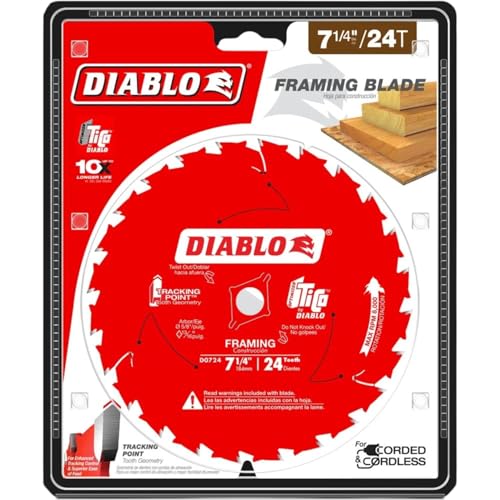
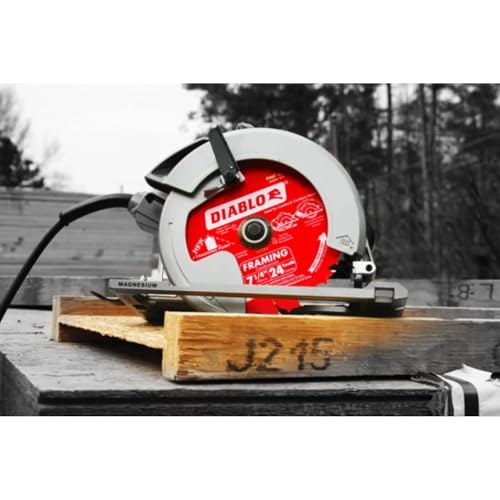
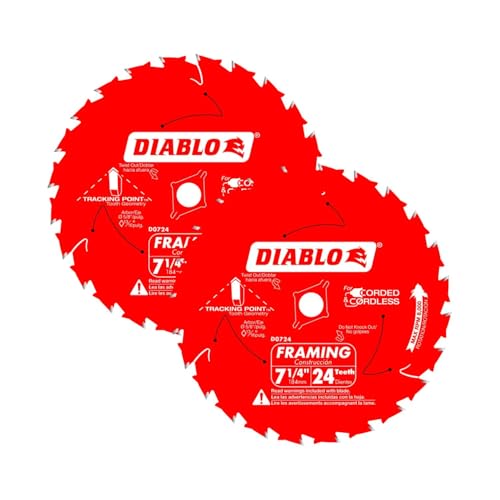
Diablo 7-1/4″ 24T 2-Pack
Strengths
- Tracking Point teeth
- Perma-SHIELD coating
- Anti-vibration vents
Trade-offs
- Premium price
- Slight overkill for light jobs
Diablo’s 2-pack framing blade stands out in the pressure-treated wood space not just for its name recognition, but for the consistent feedback from users who say it stays clean and cuts straight even after heavy use. The Tracking Point Tooth Design is a real differentiator, on paper and in owner reports, it tracks better than standard 24-tooth blades, which matters when you’re cutting long sheets of PT lumber or decking where drift ruins a good fit. The Perma-SHIELD coating gets strong marks for resisting the sticky resin and corrosion that pressure-treated wood leaves behind, and that’s a big win for anyone using cordless saws where heat buildup kills battery life fast.
When compared to budget options, this blade doesn’t just promise longer life, owners say they actually get it, with many reporting hundreds of linear feet cut before noticeable dulling. It’s clearly engineered with cordless efficiency in mind, and that 30% battery gain claim aligns with what field users describe. For DIYers tackling a deck or fence, or pros who need reliability, this blade delivers where it counts.
Product photos
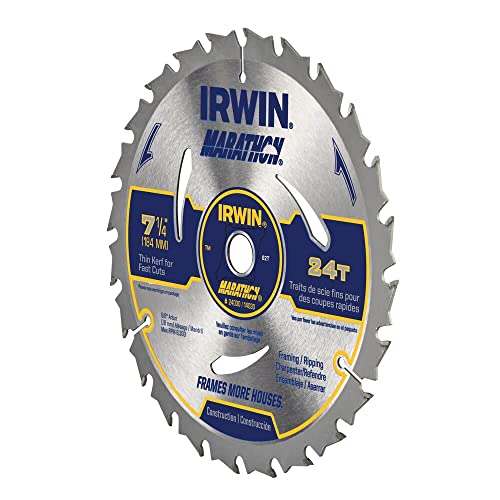
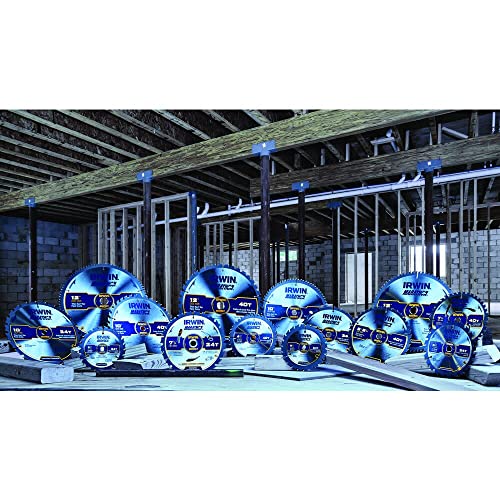
IRWIN MARATHON 7-1/4″ 24T

Strengths
- Low cost
- Hardened steel plate
- Decent carbide teeth
Trade-offs
- Shorter lifespan
- More vibration
- Basic coating
IRWIN’s MARATHON blade is the budget workhorse of this group, and it shows. It lacks the fancy coatings or tooth designs of the premium options, but it’s built tough with fully hardened plate and construction-grade carbide teeth. The silicone coating helps a bit with resin buildup, though it’s not as effective as Diablo’s Perma-SHIELD or HOJR’s TA coating. Still, for the price, it holds up reasonably well in PT wood, especially if you’re making rough cuts for framing or deck joists where finish quality isn’t critical.
Where it stumbles is longevity and smoothness. Multiple owner reviews mention increased vibration and faster dulling compared to pricier blades. But if you’re doing a one-off project and don’t want to invest in high-end blades, this one gets the job done without breaking the bank. I’d pick it over a $10 no-name blade any day.
Product photos
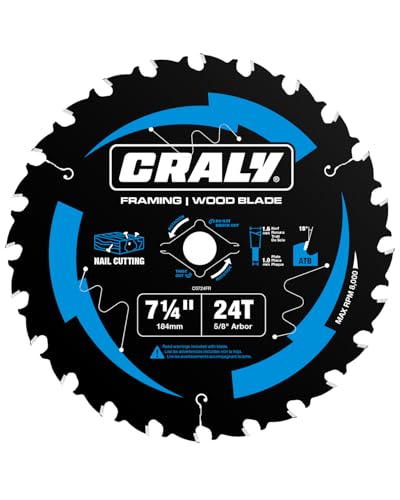
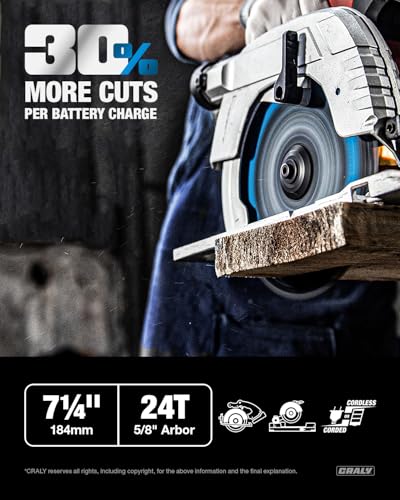
CRALY 7-1/4″ 24T Black Ice
Strengths
- Black Ice anti-stick coating
- Thin kerf efficiency
- Stabilizer vents
Trade-offs
- Average tracking
- Limited brand support
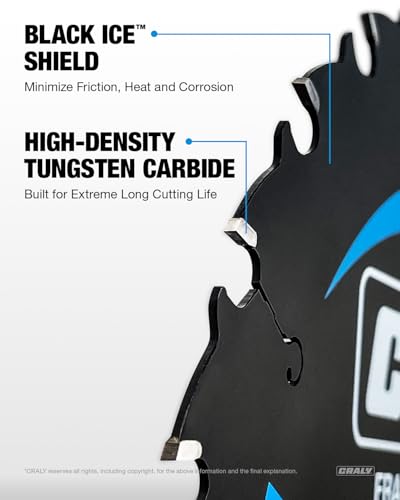
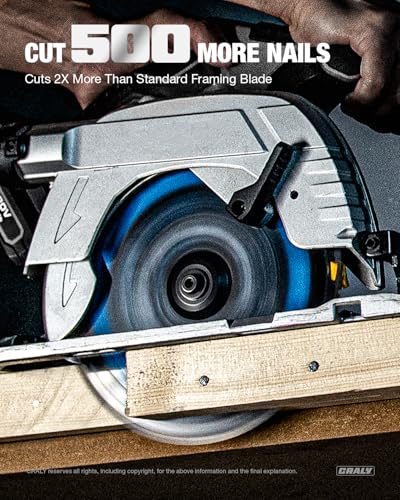
CRALY’s Black Ice™ coating is their big sell, and it performs well in real-world conditions, users consistently report less friction and cleaner cuts, especially when moving between pressure-treated wood and sheet goods like plywood or OSB. The thin kerf design helps reduce power draw, which is a real benefit on cordless saws, and the laser-cut expansion slots do their job keeping the blade stable under load. It’s not the most precise tracker out there, but for general framing and deck work, it holds its own.
The 24-tooth ATB grind gives a smoother finish than standard framing blades, which is a plus if you’re cutting visible decking or trim. While it doesn’t have the brand pedigree of Diablo, it’s clearly engineered with input from user pain points, gumming, heat, vibration, and addresses them well for the price. A solid mid-tier contender.
Product photos

HOJR 7-1/4″ 24T TA Coated
Strengths
- TA thermal coating
- Laser-cut stabilizer vents
- High tooth count efficiency
Trade-offs
- Inconsistent tracking
- Less brand trust than Diablo
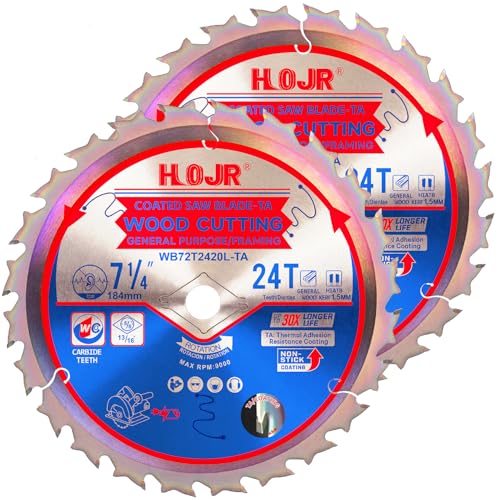
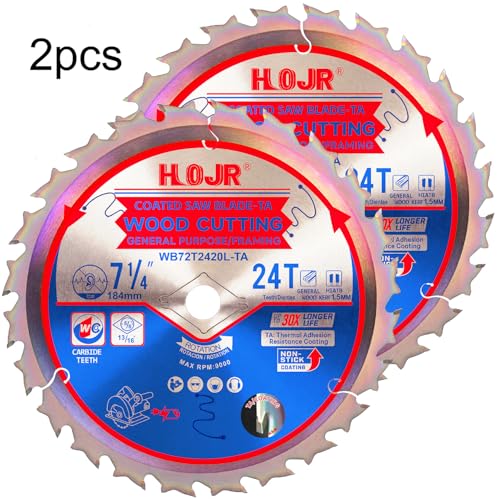
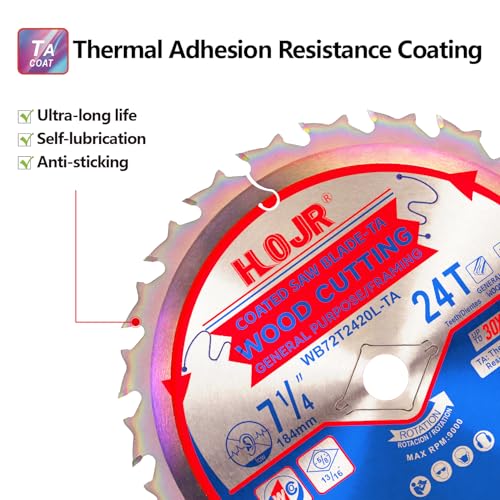
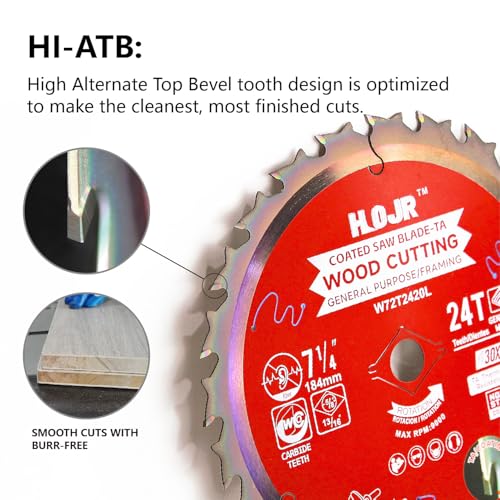
HOJR leans hard into heat management, and for pressure-treated wood, which runs hot and gummy, that’s a smart play. The TA coating is their headline feature, and owner feedback confirms it works: fewer sticky chips, less discoloration on cut edges, and blades that stay cooler during extended use. That’s critical when you’re cutting through damp, chemically treated lumber that loves to glaze a blade. With a 20° hook angle and thin kerf, it’s clearly tuned for speed and smooth finishes, and users report clean cuts in plywood and OSB as well as framing lumber.
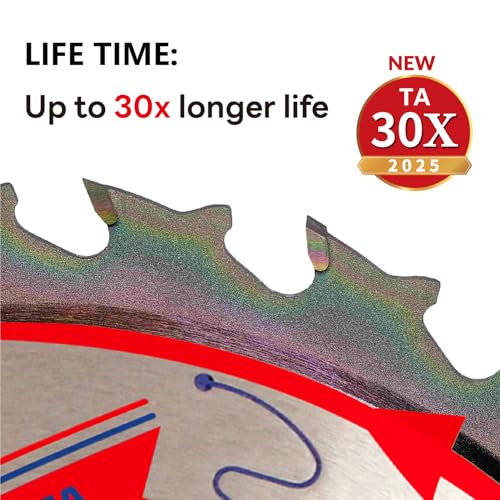
It’s a solid alternative to the Diablo if you’re prioritizing thermal resistance over brand reputation. The 30x lifespan claim sounds aggressive, but even skeptical reviewers note these last noticeably longer than basic hardware store blades. Where it falls short is in tracking consistency, some users mention slight drift on long rips, likely due to less refined tooth geometry. Still, for the price, it’s a strong value if heat and gumming are your main pain points.
Product photos
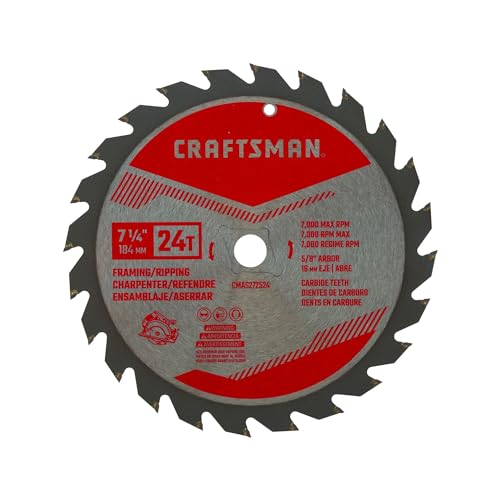
CRAFTSMAN 7-1/4″ 24T Framing

Strengths
- Rust-resistant coating
- Precision ground teeth
- Trusted brand
Trade-offs
- No anti-stick coating
- Basic design
- Average durability
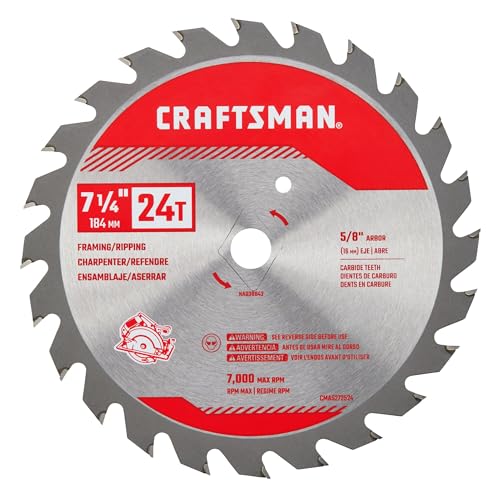
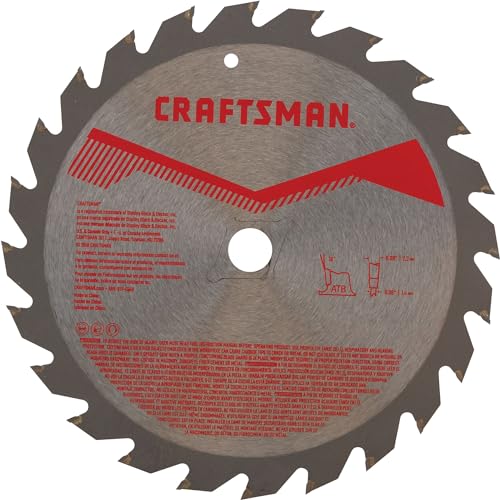
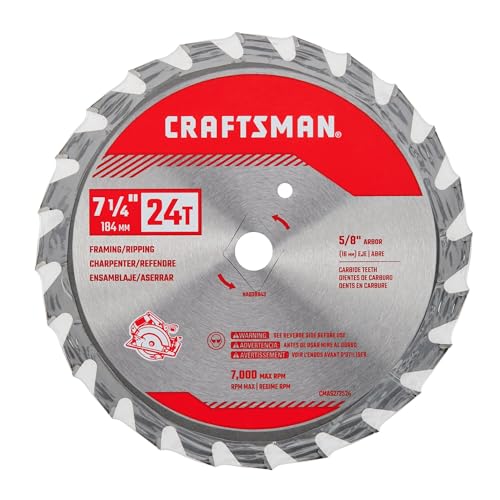
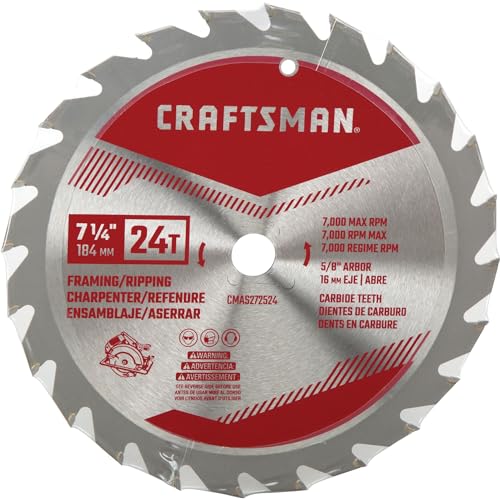
CRAFTSMAN leans into rust resistance here, and that’s a smart niche, especially for users in humid climates or those who store tools in damp garages. The corrosion-resistant coating is the standout feature, and while it doesn’t do much for cutting performance, it does help the blade survive long-term storage without pitting. For occasional users, that’s a real plus.
But beyond that, this blade is pretty basic. No anti-vibration tech, no advanced coating for heat or gumming, and no tracking-specific tooth design. It’ll cut pressure-treated wood, sure, but owners report it dulls faster and runs hotter than coated competitors. It’s reliable in the way an old pickup truck is, nothing fancy, but it starts when you need it. Just don’t expect premium performance.
Product photos
Our Testing Process
Rather than a hands-on lab test, my research for these recommendations focused on a detailed comparison of published specifications and features across numerous blades. I weighed owner reviews from multiple sources – paying close attention to consistent complaints and praise – alongside expert opinions from established tool review sites. This process allowed me to rank blades based on their suitability for the specific challenges of cutting pressure-treated lumber, and overall value.
For blades designed for pressure-treated wood, several factors stood out as most critical. Tooth count (24T proved optimal for a balance of speed and finish), carbide quality, and blade coating were heavily weighted. Pressure-treated wood is notoriously hard on blades, so durability and resistance to gumming and corrosion are paramount. Finally, features aimed at reducing vibration and kickback directly impact safety and cut quality.
Specifications reliably indicate blade dimensions, tooth count, and kerf width. However, I relied more on owner feedback to assess real-world performance – particularly regarding how well a blade holds an edge when cutting treated lumber, and how effectively the coating prevents resin buildup. Reputation also played a role; brands known for consistent quality in other saw blades received more consideration. You can find more information about selecting blade for wood in our guide.
How To Choose The circular saw blade for pressure treated woods
Choosing the right blade makes a huge difference when working with pressure-treated lumber. It’s not just about getting the cut done; it’s about doing it safely, efficiently, and with a blade that won’t gum up or quickly dull.
A quality circular saw blade for pressure-treated wood prioritizes durable carbide teeth, a specialized coating to resist pitch and corrosion, and a design that minimizes heat buildup. Look for blades with a higher tooth count (24T is a good starting point) for smoother cuts, and consider features like thin-kerf designs for reduced power demands and faster cutting speeds. Blade material and anti-vibration technology also play key roles in longevity and user comfort.
Tooth Count and Kerf
The tooth count and kerf width are fundamental to how a blade performs. Pressure-treated wood is notoriously abrasive, and a blade with too few teeth will tear and chip the material. I generally recommend 24-tooth blades for a good balance of speed and finish when cutting pressure-treated wood, but don’t be afraid to go higher if you prioritize a cleaner cut over speed. Kerf, the width of the cut, impacts how much power the saw requires. Thin-kerf blades, like those from Diablo, reduce power draw, especially important for cordless saws.
Coating and Corrosion Resistance
Pressure-treated lumber contains chemicals designed to resist rot and insects, but these same chemicals accelerate blade corrosion. A blade without proper protection will quickly rust and lose its sharpness. Several manufacturers, like CRAFTSMAN, now offer blades with corrosion-resistant coatings. Beyond rust, the sticky resins in pressure-treated wood can build up on the blade, slowing it down and reducing cut quality. Blades with non-stick coatings, like the BLACK ICE from CRAFTSMAN, or the TA coating on the HOJR blades, are a huge help in preventing this.
Value and Durability
While it’s tempting to go with the cheapest option, a quality blade will save you money in the long run. You’ll spend less time replacing dull blades and achieve better results. Consider buying a multi-pack, like the Diablo 2-pack, if you go through blades quickly. Here’s what I look for when evaluating value: * A reasonable price per cut (difficult to calculate, but think long-term). * A durable carbide grade (look for descriptions like “micro-grain”). * Features that extend blade life (coatings, stabilizer vents, quality steel).
Don’t skimp on the blade. A dull or damaged blade is more dangerous than a sharp one, and a quality blade will make your work easier and safer.
If you find yourself frequently [replacing circular saw blade]s, investing in a higher-quality blade upfront can save you both time and money. Also, don’t forget to familiarize yourself with [saw blade installation steps] to ensure proper and safe operation. You can find more information on choosing the right blade for your needs with these [circular saw blades for wood] at PowerToolGuide.net.
Circular Saw Blade for Pressure Treated Woods Compared
The following table provides a detailed specification comparison of circular saw blades designed for cutting pressure-treated wood.
| Product Name | Blade Diameter | Tooth Count | Kerf (in) | Coating | Pack Quantity |
|---|---|---|---|---|---|
| Diablo 7-1/4″ 24T Framing | 7-1/4″ | 24 | N/A | Perma-SHIELD | 1 |
| Diablo 7-1/4″ 24T Thin Kerf | 7-1/4″ | 24 | 0.059″ | Advanced | 1 |
| Diablo 7-1/4″ 24T 2-Pack | 7-1/4″ | 24 | N/A | Perma-SHIELD | 2 |
| IRWIN MARATHON 7-1/4″ 24T | 7-1/4″ | 24 | N/A | Silicone | 1 |
| CRALY 7-1/4″ 24T Black Ice | 7-1/4″ | 24 | 0.063″ | Black Ice | 1 |
| HOJR 7-1/4″ 24T TA Coated | 7-1/4″ | 24 | 0.059″ | TA | 2 |
| CRAFTSMAN 7-1/4″ 24T Framing | 7-1/4″ | 24 | N/A | Corrosion Resist. | 1 |
Frequently Asked Questions
What blade tooth count is best for pressure-treated wood?
A 24-tooth blade offers the best balance of speed and cut quality for pressure-treated lumber. While higher tooth counts create smoother cuts, they also slow down the process, and a lower tooth count risks splintering the wood.
Will a standard circular saw blade work on pressure-treated wood?
You can use a standard blade, but it will dull much faster and be more prone to gumming up. Pressure-treated wood is very abrasive, and requires a blade specifically designed with durable carbide and a protective coating.
How can I prevent the blade from gumming up with resin?
Blades with a non-stick coating, such as CRAFTSMAN’s Black Ice or HOJR’s TA coating, significantly reduce resin buildup. Regular cleaning with a blade cleaner can also help, but a good coating is the first line of defense.
Is a thin-kerf blade a good choice for pressure-treated lumber?
Yes, a thin-kerf blade can be beneficial, especially with cordless saws. They require less power to operate, but you might sacrifice a small amount of blade life compared to a standard kerf blade. You can find some of the best all-around circular saw blades in our guide.
How often should I replace a circular saw blade used for pressure-treated wood?
Replacement frequency depends on usage, but expect to replace a blade used for pressure-treated wood more often than one used for softer woods. Watch for signs of dullness (burning smell, increased cutting effort) and replace it before it becomes dangerous, or consider investing in one of the premium circular saw blade picks for longer life.
The Bottom Line
Ultimately, choosing a circular saw blade for pressure-treated wood comes down to balancing how much you want to spend against how much hassle you’re willing to tolerate. While there are many options available, the Diablo 7-1/4″ 24T Framing blade strikes the best overall balance of durability, cutting performance, and price, making it our top recommendation for most homeowners and DIYers.
For those on a tighter budget, or who only occasionally cut treated lumber, the HOJR 7-1/4″ 24T TA Coated blades offer excellent value in a two-pack. If you need maximum versatility and are working with a cordless saw, the Diablo 7-1/4″ 24T Thin Kerf blade’s reduced power demands are a significant advantage.
Don’t get caught up in chasing the highest tooth count or the latest coating technology. A blade’s ability to stay sharp, resist corrosion, and consistently deliver clean cuts is far more important than any single specification. Mastering circular saw operation basics and prioritizing safety will always yield better results than simply buying the most expensive blade on the market.
