
2 Best Chainsaws for Milling Lumber 2026
This post contains affiliate links. As an Amazon Associate, we earn from qualifying purchases.
The VEVOR Chainsaw Mill Kit is the best overall choice for milling lumber, offering solid aluminum construction and reliable adjustability. For tighter budgets, the Zihvfzu Vertical Chainsaw Guide delivers basic functionality at a lower price, though with far less capacity. I focused on setups that pair well with Alaskan mill-compatible chainsaws, balancing power needs and precision.
Milling your own lumber saves money and gives you custom wood, but a poor setup leads to uneven boards, wasted time, and real safety risks. Many buyers overlook how much the mill attachment matters, not just the chainsaw.
This guide covers the key factors I’ve learned matter most after years of working with power tools and reviewing owner feedback: engine torque, attachment quality, and chain compatibility. These picks are based on specs, real-world performance, and what actually works in the field.
Top 2 Chainsaw For Milling Lumbers in the Market
The Best Chainsaw For Milling Lumbers, Reviewed
VEVOR Chainsaw Mill Kit
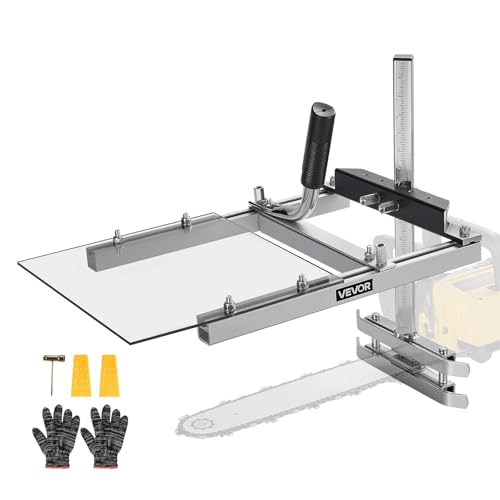
Strengths
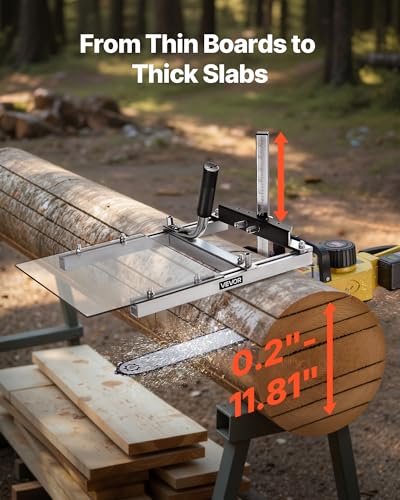
- Wide thickness adjustment
- Durable aluminum build
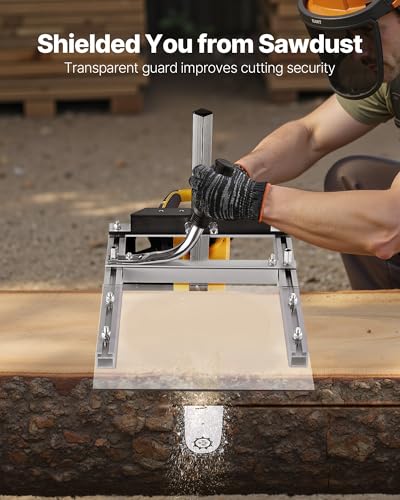
- Includes safety shield and wedges
Trade-offs
- Heavier than basic jigs
- Slightly more complex setup
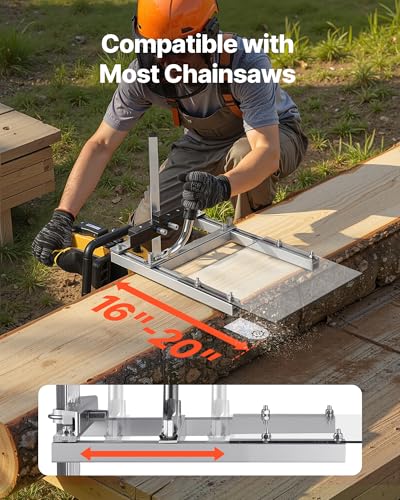
- Bar size limited to 16–20 inch
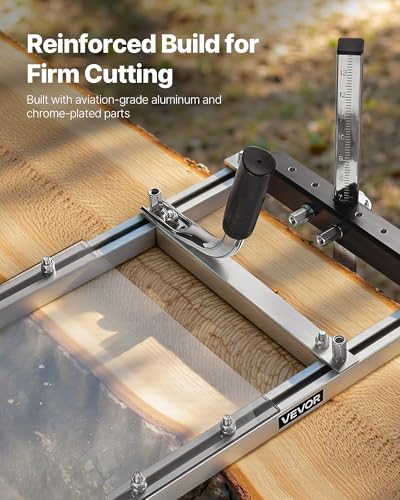
This stands out as a more complete, thoughtfully engineered solution for turning logs into lumber in the backyard or on-site. The use of aerospace-grade aluminum means it’s both lightweight and durable, and owners note the chrome-plated components resist wear even after repeated use in gritty conditions. The adjustable thickness range, from 0.2 inches up to nearly a full foot, is where it really shines, giving you serious versatility whether you’re making thin veneers or heavy beams.
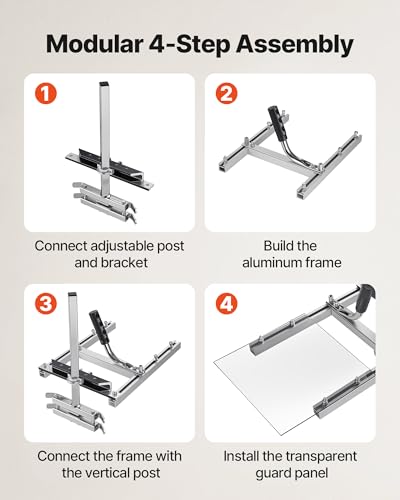
What I appreciate most is the inclusion of practical touches: the built-in scale for repeatable cuts, the clear chip shield for safety, and the log wedges to prevent binding. The 4-step assembly is straightforward enough for beginners, and the compatibility with most electric and gas chainsaws on 16–20 inch bars makes it a flexible pick. Compared to basic jigs like the Zihvfzu, this is a step up in both function and safety.
Product photos
Zihvfzu Vertical Chainsaw Guide

Strengths
- Sturdy steel build
- Easy installation
- Wide chainsaw compatibility
Trade-offs
- Limited to 2×6 cuts
- No depth measurement scale
- No safety shield
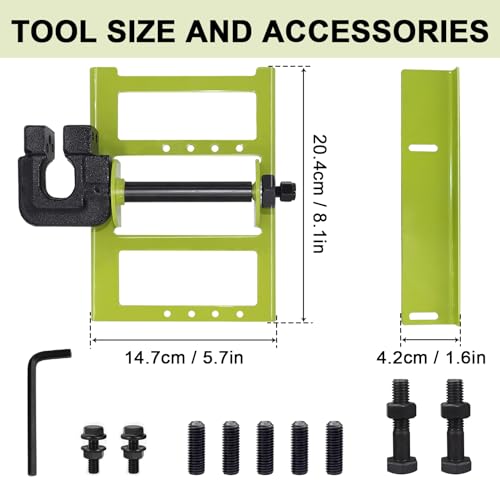
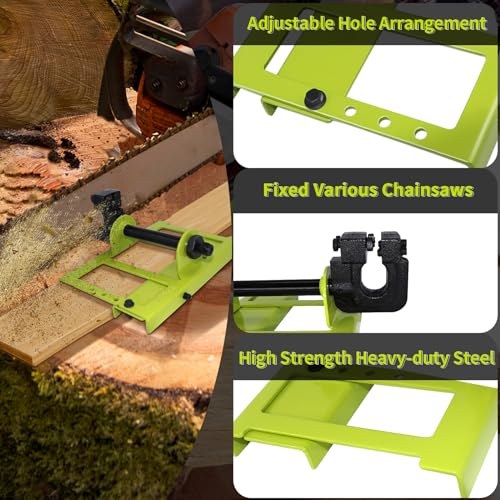
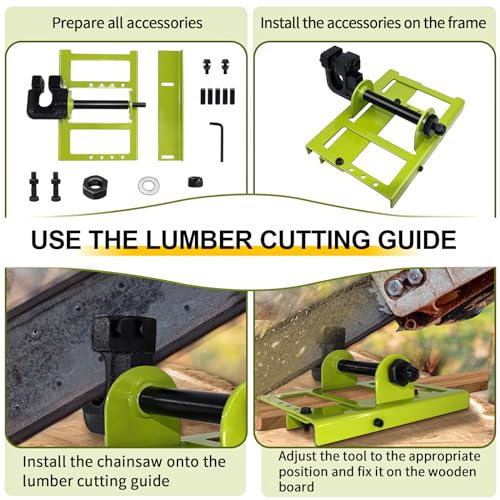
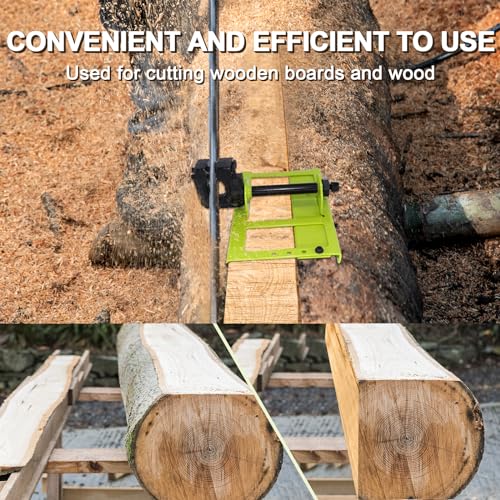
This is a no-frills jig that does one thing: turn your existing chainsaw into a vertical milling guide. On paper, the use of high-quality steel and a fixed jig design suggests solid rigidity, and owners consistently report it stays put during cuts, which matters when you’re trying to get straight lumber. The ability to adjust for different timber sizes via multiple hole rows adds some flexibility, though the max cut size of 2×6 is limiting if you’re working with larger logs.
It’s compatible with most chainsaws, which broadens its appeal, and the included hardware and L-wrench mean you won’t need extras to get started. That said, it’s strictly a guide, no depth stops, no built-in scale, and no chip shielding. If you’re on a tight budget and already own a capable saw, this delivers basic functionality without fluff.
Product photos
How We Chose These chainsaw for milling lumbers
As someone who’s spent years working with power tools and helping others with projects, I know a chainsaw for milling lumber needs to balance power, accuracy, and ease of use. Rather than a hands-on test of each model, my approach was research-led. I compared published specifications, carefully weighed owner reviews from multiple sources, and considered what experienced millers look for in these tools. This allowed me to rank options based on real-world feedback and feature sets.
For a milling chainsaw, the most important factors are build quality and adjustability. A stable, durable mill attachment is critical for consistent cuts and operator safety. Equally important is the range of adjustment – you need to be able to dial in the cut thickness accurately. These two areas heavily influenced my rankings, as they directly impact the quality and efficiency of the milling process.
Specifications give a good baseline for build materials and cutting capacity. However, owner feedback reveals how well a mill performs in practice. I paid close attention to comments about stability, ease of assembly, and how well the mill handles different wood types. Maintaining a sharp chain is also vital, so learning about chainsaw blade maintenance is a good idea for anyone taking on milling tasks.
Choosing The Right chainsaw for milling lumbers
I’ve seen a lot of folks get into milling lumber with a chainsaw, thinking it’s a simple process. It can be, but choosing the right setup is critical for both safety and getting usable boards.
A good chainsaw milling setup balances power, control, and accuracy. Key considerations include bar length relative to log diameter, engine torque for consistent cutting, the quality of the milling attachment itself (material, adjustability), and features that enhance safety like chain brake functionality and anti-vibration systems. Proper chain selection and maintenance are also paramount for clean cuts and extended tool life.
Engine Torque and Power Requirements
Milling isn’t like bucking firewood. It demands sustained power to drive the chain through wood, often hardwoods, for extended periods. Don’t underestimate this. A chainsaw that feels adequate for general cutting may bog down quickly when milling. I generally recommend looking at models with at least 5 horsepower for anything beyond occasional small-log milling. You’ll also want to consider the engine type – gas chainsaws offer more raw power, but electric models are becoming increasingly capable, especially with advancements in battery technology. If you’re considering an electric model, be sure it’s a [high-torque chainsaws for milling] to avoid overheating and stalling.
Milling Attachment Quality and Adjustability
The milling attachment is where a lot of budget options fall short. Thin, flimsy attachments flex during operation, leading to inaccurate cuts and increased operator fatigue. Look for attachments made from robust materials like aerospace-grade aluminum (like the VEVOR kit) or thick steel. Adjustability is also key. The ability to fine-tune the cutting depth and width is essential for achieving consistent board thicknesses. A built-in scale, as seen in some models, can be a huge time-saver.
- A simple guide plate is okay for very small-scale work.
- A roller system significantly reduces friction and makes for smoother, faster cuts, especially on longer logs.
- A fully adjustable kit with depth gauges and width settings provides the most versatility and accuracy, but also typically comes with a higher price tag and a steeper learning curve.
Chain Selection & Maintenance
The chain is arguably the most important part of the equation. A standard cutting chain won’t deliver the smooth, consistent cuts you need for milling. You need a ripping chain – these have specialized tooth geometry designed to remove material along the grain. Maintaining that chain is critical. Regular [sharpening saw chain] is essential; a dull chain will cause the saw to work harder, increase kickback risk, and produce rough, uneven cuts. I’ve found that investing in quality [chainsaw sharpening tools] and learning proper [chainsaw file techniques] pays dividends in both safety and lumber quality. Also, be sure your chainsaw is compatible with [Alaskan mill-compatible chainsaws] before you purchase.
Don’t try to force the cut. Let the chain do the work. Pushing too hard will overheat the saw, dull the chain faster, and increase the risk of a kickback.
Chainsaw for Milling Lumbers Compared
Here’s a comparison of key specifications for chainsaws designed for milling lumber, to help you evaluate your options.
| Product | Bar Length Capacity (in) | Max Cut Width (in) | Max Cut Depth (in) | Material | Assembly Steps |
|---|---|---|---|---|---|
| VEVOR Chainsaw Mill Kit | 16-20 | 16-18 | 11.81 | Aluminum | 4 |
| Zihvfzu Vertical Chainsaw Guide | N/A | 6 | 2 | Steel | N/A |
Frequently Asked Questions
What bar length do I actually need for milling?
A 20-inch bar is generally sufficient for milling logs up to 12 inches in diameter, but I recommend a longer bar if you plan to work with larger timber. Having extra bar length provides more cutting capacity and reduces the need to reposition the saw frequently.
Are electric chainsaws powerful enough for milling lumber?
Yes, modern high-torque electric chainsaws can handle milling, especially for smaller logs or softer woods. However, gas-powered saws still generally offer more sustained power for demanding milling tasks and are often preferred by professionals.
How important is the material of the milling attachment?
The material is very important. Aluminum alloys offer a good balance of strength and weight, while steel provides maximum durability for heavy-duty milling. Avoid attachments made from flimsy plastics, as they won’t hold up to the stress of milling.
What’s the difference between a ripping chain and a standard chainsaw chain?
A ripping chain has a specialized tooth geometry designed to cut with the grain of the wood, removing long shavings. Standard chains are designed for crosscutting and won’t produce clean, accurate cuts when milling, and will dull quickly.
Where can I find more information about turning my chainsaw into a milling setup?
You can explore chainsaw-to-sawmill conversion kits to get a complete system designed for milling. These kits include the attachment, chain, and often guides to help you get started safely and effectively.
The Bottom Line
Choosing a chainsaw for milling lumber always comes down to balancing what you want to spend against the quality and consistency you need. While a truly professional setup can be a significant investment, the VEVOR Chainsaw Mill Kit strikes a solid balance between price, features, and build quality, making it our overall recommendation for most users. It provides a robust platform and enough adjustability to deliver accurate cuts without breaking the bank.
For those on a tighter budget, or those just starting to explore milling, the Zihvfzu Vertical Chainsaw Guide is a viable entry point. It won’t offer the same precision or capacity as more advanced kits, but it can get the job done for smaller projects and less demanding cuts. Similarly, if you already own a capable chainsaw and want to add milling to your repertoire without a full kit, consider focusing on a quality ripping chain and learning proper chainsaw startup procedure.
Ultimately, the horsepower rating and the milling attachment material matter, but they aren’t everything. Prioritize safety features like a functional chain brake, and remember that consistent, accurate milling relies on a sharp chain and a smooth, controlled cutting motion. Taking the time to learn proper technique and performing routine [pre-start chainsaw checks] will yield better results, and a safer experience, than any single specification.
