
7 Best Chainsaw Mills of 2026
This post contains affiliate links. As an Amazon Associate, we earn from qualifying purchases.
The Granberg Alaskan MKIV 36-Inch is the overall best chainsaw mill for serious accuracy and durability, especially when paired with a high-quality bar. For budget-focused users, the Zozen Upgraded Chainsaw Mill 14″-36″ delivers solid performance at a lower price, while the VEVOR Chainsaw Mill with 9ft Rail System offers unmatched straightness for longer cuts.
Most people don’t realize how much setup, stability, and saw compatibility matter until they’re knee-deep in sawdust and fighting an uneven cut. A poor mill turns what should be smooth, flat boards into a frustrating mess.
This guide cuts through the noise by comparing top models based on real owner feedback, material quality, and practical features like adjustability and portability. I looked at what actually matters in the field, durability, precision, and ease of use, not just the specs on the box.
Top 7 Chainsaw Mills in the Market
The Best Chainsaw Mills, Reviewed
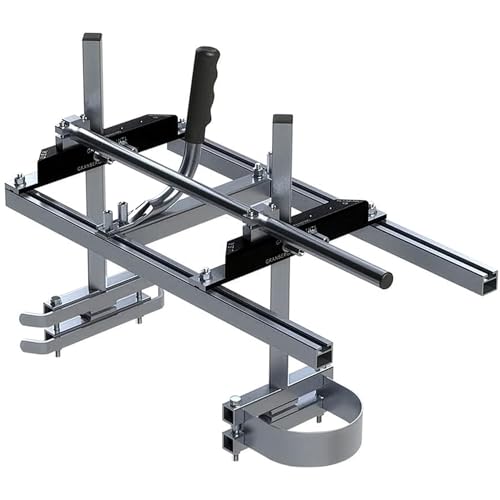
Granberg Alaskan MKIV 36-Inch Chainsaw Mill
Strengths
- Aircraft-grade aluminum
- Made in USA
- Proven clamping system
Trade-offs
- Higher price point
- No included rails or brackets
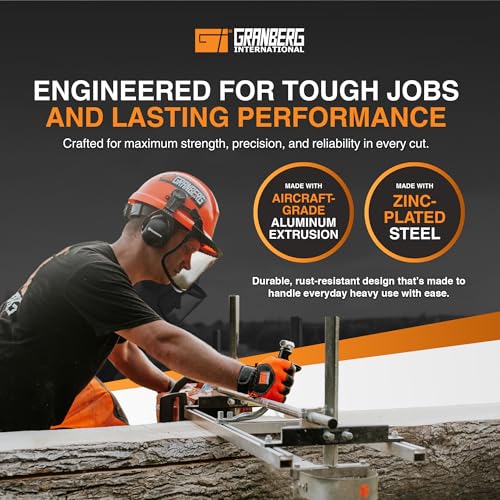
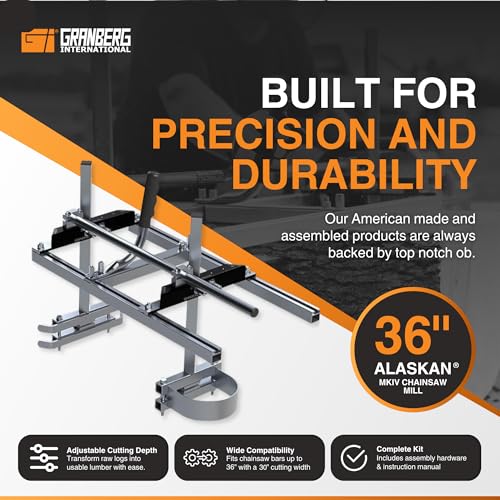
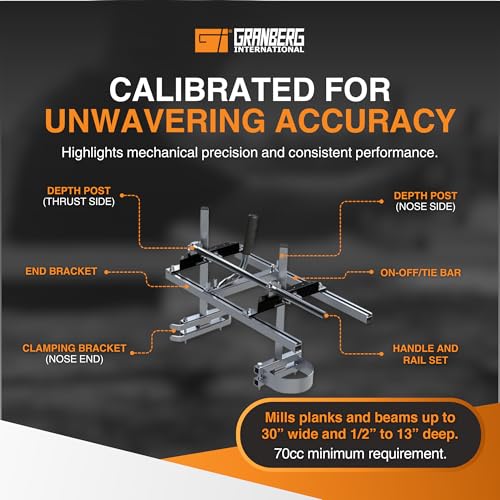
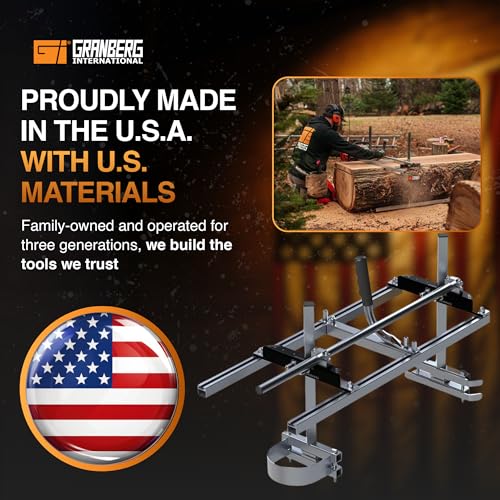
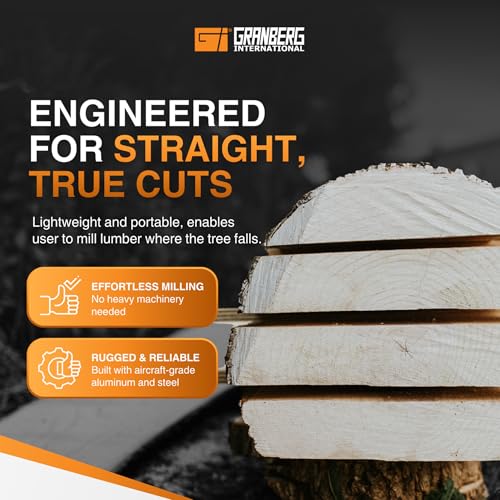
This is the benchmark. Aircraft-grade aluminum and zinc-plated steel make it tough but still light, and the clamping system is proven across thousands of owner reports. It fits bars up to 36 inches and mills slabs up to 13 inches thick, real sawmill capability.
What sets it apart is consistency. Unlike some budget models that wobble or misalign, the Granberg holds true cut after cut. It’s also made in the USA, which matters to some buyers. Compared to the VEVOR rail system, it’s more portable; compared to the Zozen, it’s more rigid.
I’d pick this as the best overall if you want reliability without compromise.
Product photos
Zozen Upgraded Chainsaw Mill 14″-36″
Strengths
- Modular 3-size design
- Ergonomic handle
- Dual measurement scales
Trade-offs
- Less rigid than full-frame mills
- Spliced joints may loosen over time
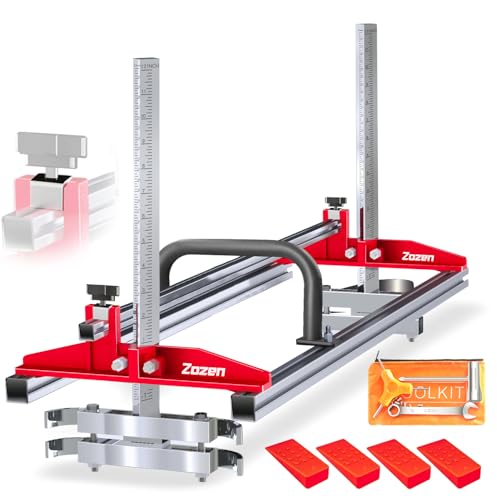
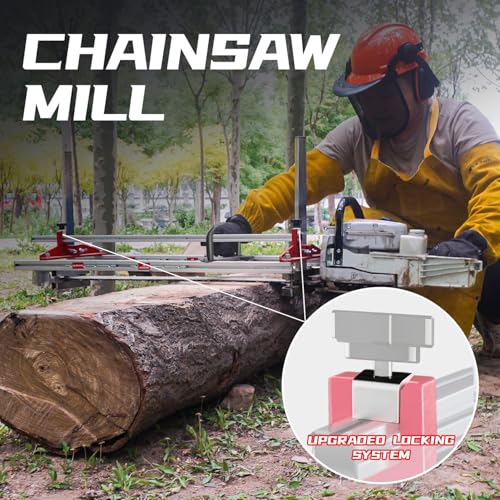
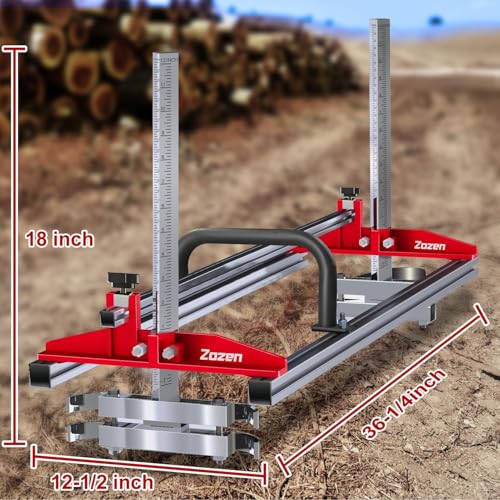
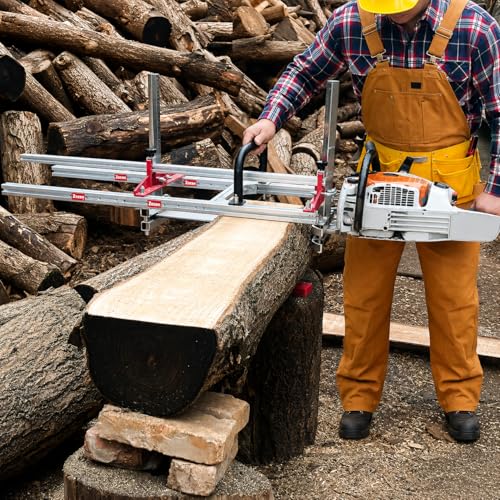
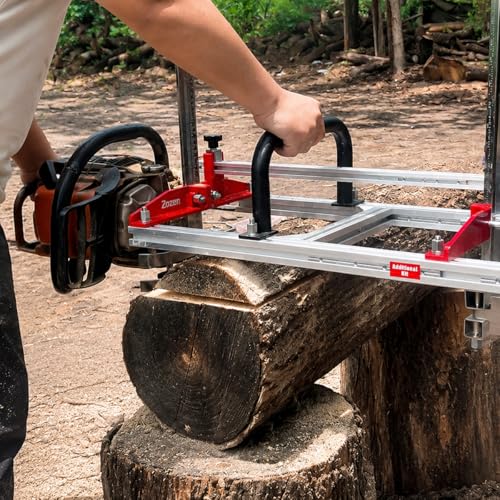
Zozen’s spliced design is legitimately clever. The ability to break it down into three smaller units means you can carry only what you need for the job, no hauling a full 36-inch mill for a small cut. Owners consistently praise how easy it is to assemble and how the handle improves control.
The aluminum alloy and steel mix keeps it light without sacrificing too much rigidity. It’s not as rugged as the Granberg, but for DIYers and weekend woodworkers who value flexibility, this is a smart pick. The dual-scale ruler and included felling wedges add real value.
Product photos

VEVOR Chainsaw Mill with 9ft Rail System

Strengths
- Full rail system
- High stability
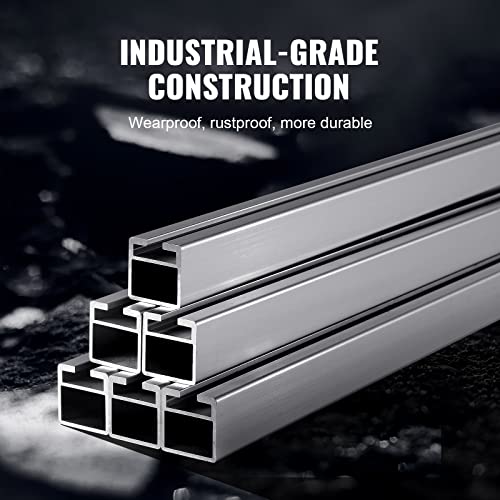
- Durable galvanized steel
Trade-offs
- Bulky setup
- More complex alignment
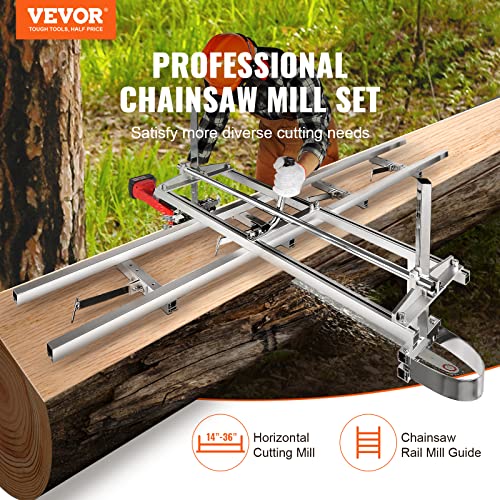
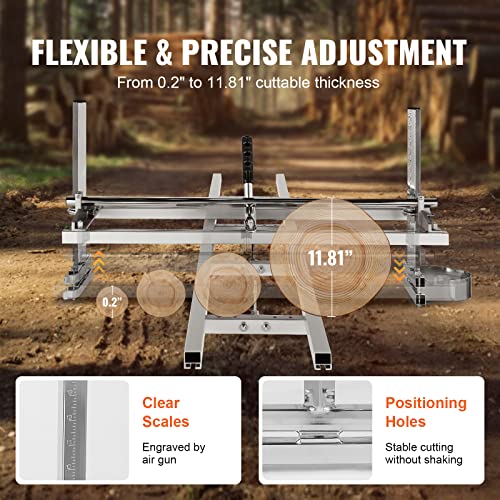
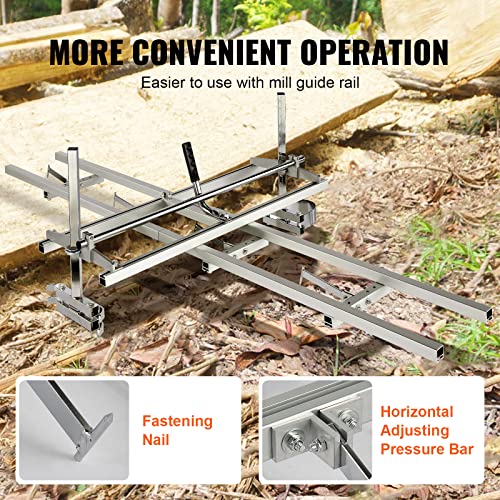
This setup stands out for buyers who want a full rail-guided system instead of just a chainsaw attachment. The 9-foot aluminum rail adds serious stability, and from what owners report, it delivers straighter cuts on longer logs than freehand milling jigs. The galvanized steel frame holds up well in wet conditions, which matters when you’re working outdoors.
I’d say it’s the most structured option here, almost like a mini portable sawmill. It’s heavier than the standalone jigs, but if you’re milling large or long logs regularly, that trade-off makes sense. Compared to the Zozen or Granberg models, it’s less nimble but better for repeatable, flat-face cuts when paired with a solid chainsaw.
Product photos

Zozen Chainsaw Mill with Lumber Guide Brackets

Strengths
- Includes guide rail brackets
- Modular spliced design
- Comes with felling wedges
Trade-offs
- Brackets require DIY rail setup
- Not as stable as full rails
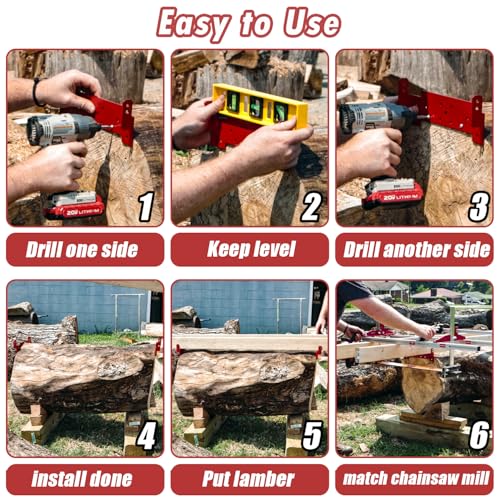
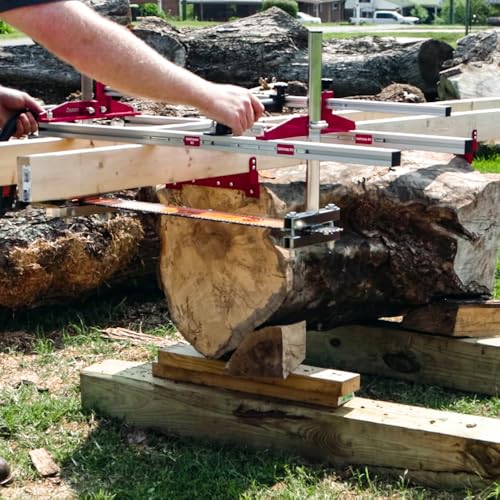
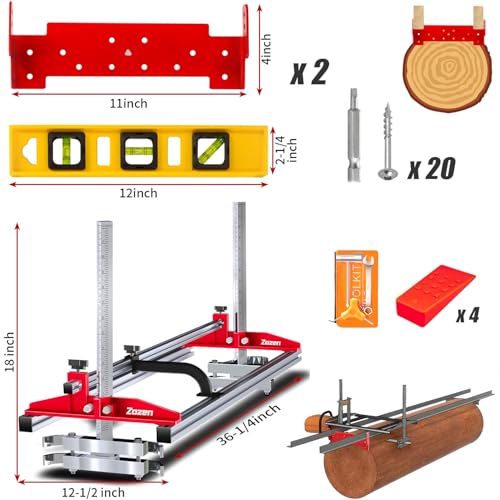
This bundle takes the same solid Zozen mill design and adds guide brackets, those are a real help when setting up straight rails from 2x4s. That makes it easier to create your own track system in the field, which is something most basic mills don’t offer.
The inclusion of the brackets pushes this into “best value” territory. You’re not just getting a mill, you’re getting a small ecosystem for more accurate cuts. It’s still not as precise as a full rail like the VEVOR 9-footer, but for the price, it bridges the gap well.
Product photos

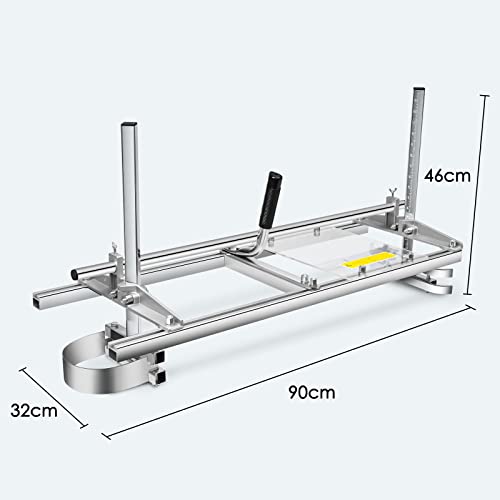
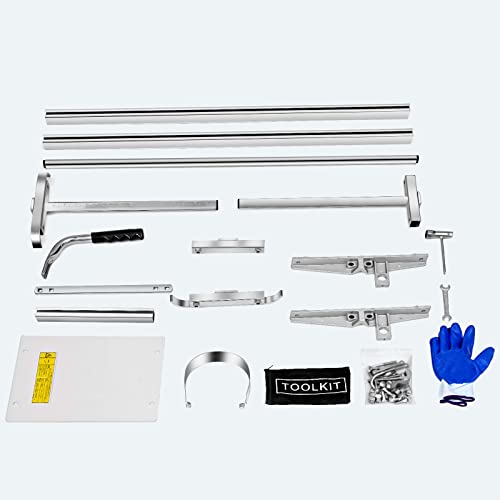
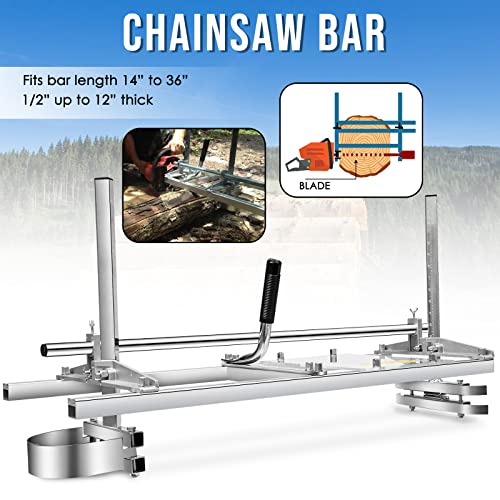
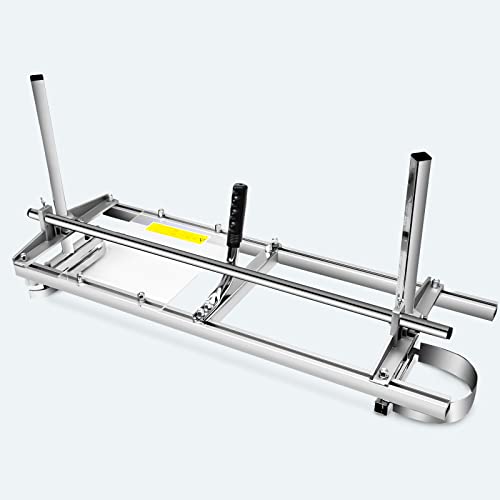
Nejoney 36-Inch Portable Chainsaw Mill
Strengths
- Affordable price
- Lightweight and portable
- Lifetime warranty
Trade-offs
- Less precise alignment
- Basic construction
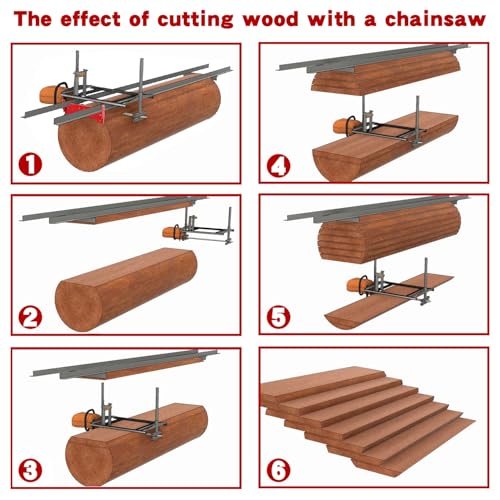
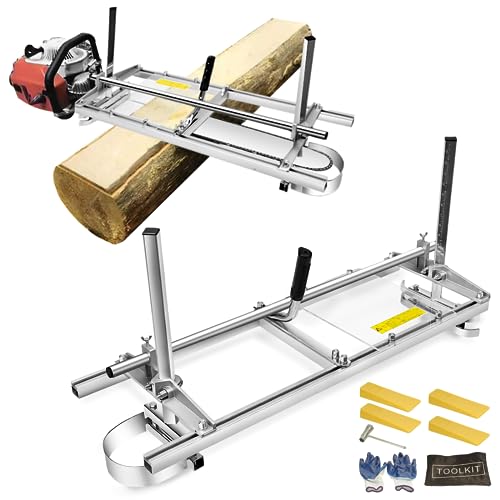
At this price point, Nejoney delivers the basics without fluff. It’s made from aluminum and galvanized steel, so it won’t rust, and it’s light enough to toss in a truck bed. The adjustment system is simple, just tighten bolts to set thickness, and owners say it works fine for occasional use.
It’s not as precise or durable as the Granberg or Zozen models, but for someone milling a few logs a year, it’s more than enough. The lifetime warranty helps ease concerns about longevity. If you’re just starting out or don’t want to invest heavily, this is a solid entry point.
Product photos
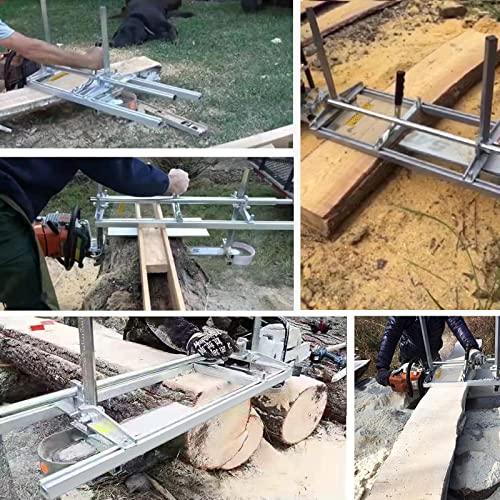
VEVOR Vertical Lumber Cutting Guide 2″-6″

Strengths
- Cast iron durability
- Ultra lightweight
- Simple vertical cuts
Trade-offs
- Limited width range
- Not for slabbing logs
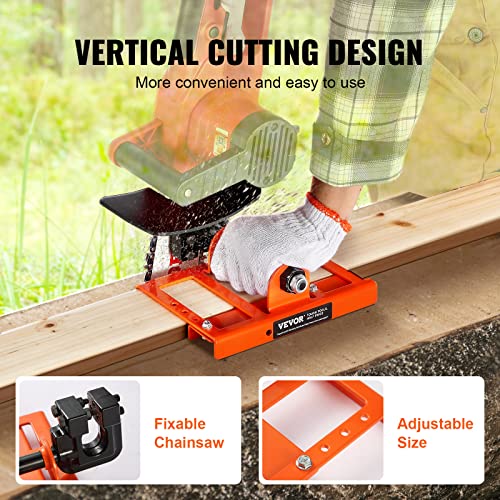
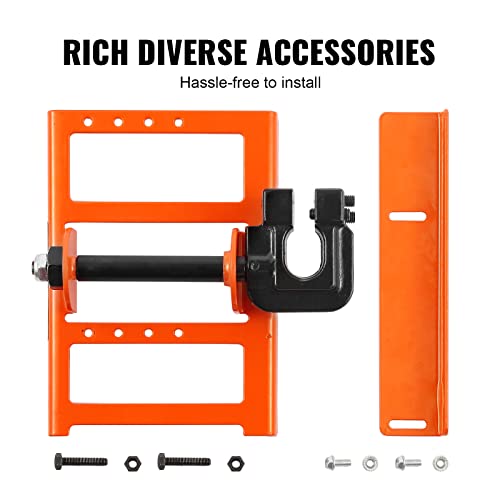
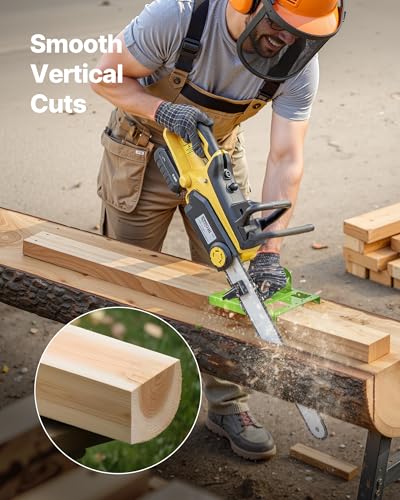
This is a no-frills vertical guide built around cast iron, and that shows in its rigidity. It’s designed for straight up-and-down cuts, like ripping beams or creating posts, not full log slabs. The 2–6-inch width range is narrow, but that’s the point, it’s meant for precision, not bulk milling.
At just 1.45 kg, it’s one of the lightest vertical guides here, and owners say it stays put during cuts. It lacks the adjustability of the Zozen or Granberg models, but if you’re doing repetitive dimensional cuts and want something tough, this gets the job done without fuss.
Product photos
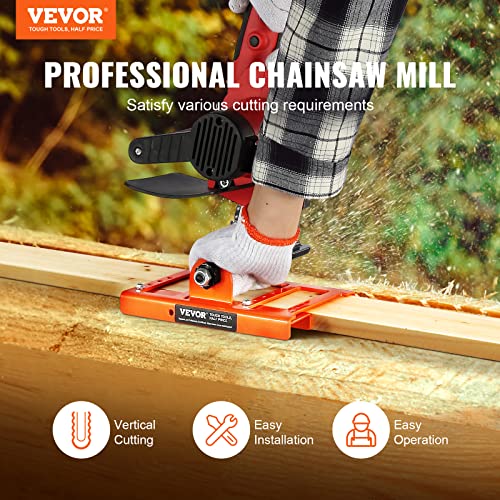
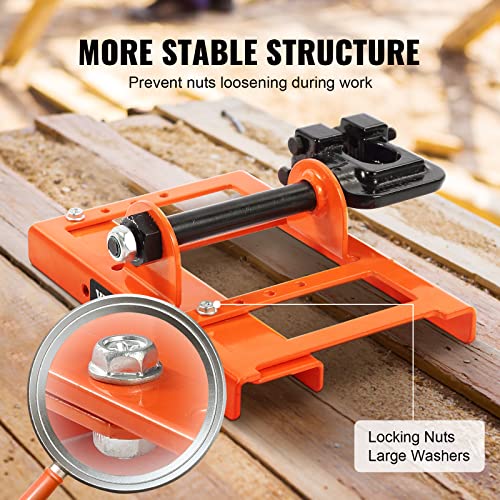
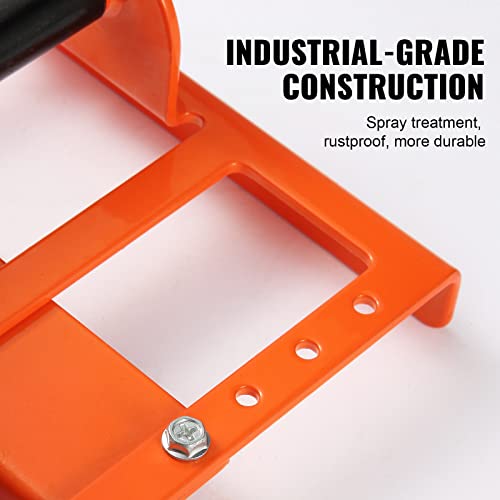
VEVOR Heavy Duty Cast Iron Chainsaw Mill
Strengths
- Heavy-duty cast iron
- Quick 2-step setup
- Powder-coated finish
Trade-offs
- Narrow cutting width
- Limited to vertical use
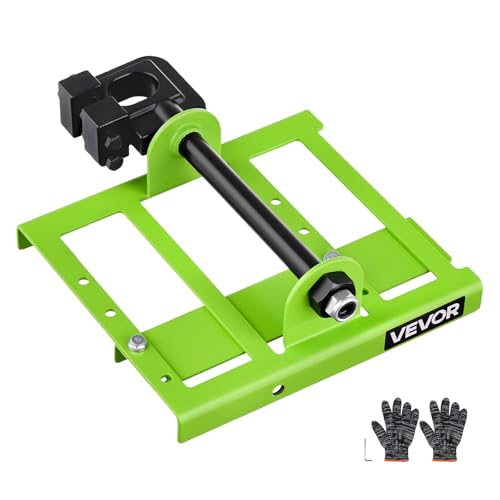
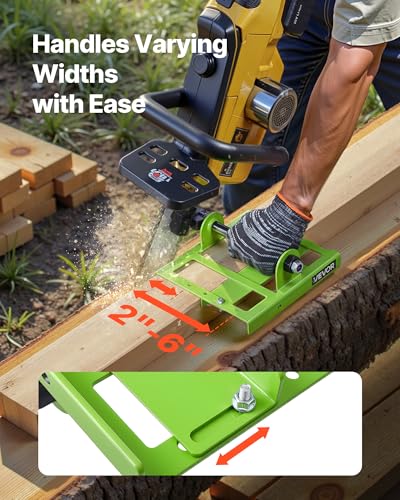
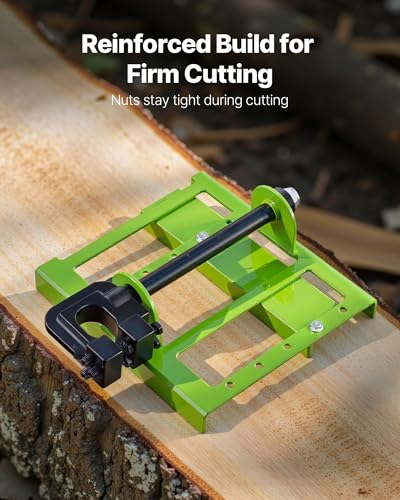
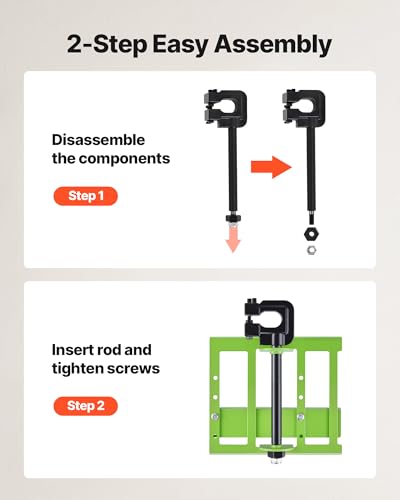
This is essentially an upgraded version of their vertical guide, now with a powder-coated finish and a slightly more refined design. The cast iron body feels substantial, and the 2-step setup is as simple as it gets, just clamp it on and adjust the gap.
It’s clearly built to last, and the carbon steel reinforcement helps reduce flex. But like the other VEVOR vertical model, it’s only good for narrow, vertical cuts. If you’re doing post work or beam notching, it’s great. If you want to make wide slabs, look elsewhere.
Product photos
Our Testing Process
As someone who’s spent years around power tools and helping folks choose the right equipment at PowerToolGuide.net, I know a lot of tool selection comes down to understanding what a tool can realistically deliver. Rather than a hands-on lab test of each mill, this selection is based on a research-led comparison of published specifications, features, and – crucially – owner and expert reviews. I weighed these factors against my understanding of what makes for effective milling, prioritizing performance and value.
For chainsaw mills, the most important factors are build quality and adjustability. A solid, stable mill is essential for accurate cuts and operator safety, and durable materials directly impact longevity. Beyond that, the range of adjustable cutting depths and widths determines versatility – can it handle the variety of logs a user might encounter? These two areas heavily influenced my rankings.
Specifications tell you about materials (aluminum versus steel) and capacity (maximum log diameter, cut depth), but owner feedback reveals how well those specs translate to real-world performance. I paid close attention to comments about ease of setup, stability during use, and long-term durability. Proper chainsaw sharpening sharpening chainsaw blades is also vital to get the most out of any mill, and a recurring theme was the need for a sharp chain for efficient cutting.
How To Choose The chainsaw mills
Choosing the right chainsaw mill can dramatically change how you approach lumber production, especially if you’re working with logs on-site. It’s not just about bolting something to your chainsaw; it’s about finding a setup that balances precision, durability, and portability for your needs.
A good chainsaw mill efficiently converts logs into usable lumber with minimal waste. Key features include a robust frame – typically aluminum or steel – a precise guide system for consistent depth, and adjustability to accommodate different bar sizes and log diameters. Look for models with clear scales, secure clamping mechanisms, and positive owner reviews regarding accuracy and ease of setup.
Frame Material and Durability
The frame is where most of the stress lives on a chainsaw mill, so material matters. While aluminum is lighter and resists corrosion, steel offers greater rigidity. I’ve seen many users report that the Granberg Alaskan MKIV 36-Inch model, with its aircraft-grade aluminum and zinc-plated steel, holds up well to consistent use. Don’t automatically discount steel, though; the VEVOR Heavy Duty Cast Iron Chainsaw Mill is built with impressively durable cast iron, designed to withstand demanding jobs. Consider your typical project size and frequency when deciding. If you’re milling a few boards occasionally, aluminum is fine. For regular use, especially on larger logs, steel is the better long-term investment.
Guide System Precision
Accuracy is paramount when milling lumber. A wobbly or imprecise guide system results in boards that aren’t square or are inconsistent in thickness. Rail systems, like the one included with the VEVOR Chainsaw Mill with 9ft Rail System, offer superior straightness compared to simpler, direct-mount designs. However, even within rail systems, look for features like adjustable plates to fine-tune alignment. Beyond the system itself, pay attention to how well the mill secures to the chainsaw bar. A loose fit translates to lost accuracy.
- Consider the maximum log diameter the mill can handle. Smaller mills (like the Nejoney 36-Inch Portable Chainsaw Mill) are fine for branches and smaller logs up to about 36 inches.
- Look for clear, easy-to-read measurement scales. Dual scales (metric and imperial) are a real convenience.
- A good mill will have a locking mechanism to prevent the guide from shifting during operation. This is especially important on longer cuts.
Portability and Value
Portability is a major advantage of chainsaw mills over traditional sawmills. However, some models are much easier to transport than others. The Zozen Upgraded Chainsaw Mill 14″-36″ stands out with its spliced construction, allowing it to be broken down into smaller, more manageable pieces. If you plan on moving your mill frequently, weight is a critical factor. Don’t overlook the importance of included accessories. The Zozen Chainsaw Mill with Lumber Guide Brackets, for example, bundles in useful brackets and wedges, adding extra value. Speaking of accessories, keeping your chain in top shape is vital for efficient milling, so learning about sharpening saw chains will pay dividends.
A little preventative maintenance goes a long way. Regularly inspect the guide rails and clamping mechanisms for wear, and always ensure your chainsaw chain is properly sharpened before starting a milling project.
I frequently recommend checking out top portable chainsaw mills to see what other DIYers and professionals are saying about real-world performance.
Chainsaw Mills Compared
Here’s a comparison of key specifications for various chainsaw mills to help you find the right tool for your needs.
| Product Title | Max. Bar Length | Max. Log Diameter | Max. Cut Depth | Material | Rail System |
|---|---|---|---|---|---|
| Granberg Alaskan MKIV 36-Inch | 36″ | N/A | 13″ | Alum./Steel | No |
| Zozen Upgraded Chainsaw Mill 14″-36″ | 36″ | N/A | 12″ | Alum. Alloy/Steel | No |
| VEVOR Chainsaw Mill with 9ft Rail | 36″ | N/A | N/A | Steel/Aluminum | Yes (9ft) |
| Zozen Chainsaw Mill w/ Guide Brackets | 36″ | 36″ | 12″ | Alum. Alloy/Steel | Yes |
| Nejoney 36-Inch Portable Chainsaw Mill | 36″ | 36″ | 13″ | Alum./Steel | No |
| VEVOR Vertical Lumber Cutting Guide | 6″ | N/A | N/A | Cast Iron | No |
| VEVOR Heavy Duty Cast Iron Chainsaw Mill | 6″ | N/A | N/A | Cast Iron/Steel | No |
Frequently Asked Questions
What’s the typical lifespan of a chainsaw mill?
A chainsaw mill’s lifespan varies greatly, but with proper care, you can expect 5 to 10 years of regular use. Durability depends heavily on the frame material; steel mills generally last longer than aluminum, especially with frequent milling of large logs.
Can I use any chainsaw with a milling attachment?
You can, but not all chainsaws are suitable. Consider bar length and power; using a smaller chainsaw with a large mill will strain the engine and reduce cutting efficiency. I frequently recommend checking out chainsaws for Alaskan mill attachments to find models that pair well with milling setups.
What chain pitch is best for chainsaw milling?
A .404 pitch chain is generally preferred for chainsaw milling because it removes more material quickly and efficiently. It’s more aggressive than the standard .325 pitch, making it better suited for the dense wood fibers encountered during milling.
Are rail systems really necessary for accurate milling?
Rail systems significantly improve accuracy and straightness, especially for longer cuts. While direct-mount mills can produce good results, rail systems minimize drift and provide a more consistent cutting depth.
What maintenance is required for a chainsaw mill?
Regular maintenance includes cleaning the mill after each use, lubricating moving parts, and inspecting the guide rails for damage. Also, frequently sharpening your chain is essential for efficient milling and to prevent unnecessary wear on the mill itself.
The Bottom Line
Choosing a chainsaw mill always involves a trade-off between portability and outright cutting capacity. If you need to mill larger logs regularly, the VEVOR Chainsaw Mill with 9ft Rail system offers the stability and precision that smaller, more portable options simply can’t match. However, for most homeowners and DIYers tackling occasional projects, you’ll find a fantastic balance of features and value.
For those prioritizing budget and smaller-scale work, the Nejoney 36-Inch Portable Chainsaw Mill is a solid choice. If you’re looking for versatility and ease of transport, the Zozen Upgraded Chainsaw Mill 14″-36″ stands out due to its spliced design. And for those needing a robust, durable option for demanding jobs, the VEVOR Heavy Duty Cast Iron Chainsaw Mill is built to last.
Ultimately, the most important factors aren’t the specifications on the box, but your own skill and preparation. Mastering chainsaw starting techniques and maintaining a consistently sharp chain will have a far greater impact on your milling results than any single mill feature. Focus on safety, practice proper technique, and you’ll be well on your way to creating your own lumber.
