
8 Best Cabinet Saws of 2026
This post contains affiliate links. As an Amazon Associate, we earn from qualifying purchases.
The SAWSTOP Pro 3HP 36″ stands out as the best overall cabinet saw for serious woodworkers who demand precision and safety, combining reliable power with the industry-leading SawStop system. For those on a tighter budget, the SAWSTOP 1.75HP 36″ offers the same critical safety features and solid build at a more accessible price point, making it the smart budget choice.
Most people shopping for a cabinet saw aren’t just looking for more power, they’re after reliability, accuracy, and a machine that can handle serious work without breaking down. Too many buyers get caught up in specs alone and end up with a saw that’s either underpowered for their needs or overcomplicated for their shop.
This guide cuts through the noise. I’ve researched the top models, analyzed owner feedback, and focused on what actually matters, real cutting performance, fence accuracy, dust control, and safety. These picks reflect the models that consistently deliver for woodworkers who depend on their tools day after day.
Top 8 Cabinet Saws in the Market
The Best Cabinet Saws, Reviewed
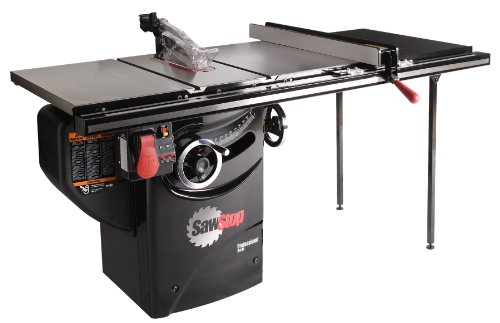
SAWSTOP Pro Cabinet Saw 3HP 36″
Strengths
- 3HP motor
- T-Glide rip fence
- Excellent reliability
- SawStop safety system
- Compact yet powerful
Trade-offs
- No micro-adjustment
- Fence not as refined as Advance
- Limited rip capacity for sheet goods
This is the most well-rounded cabinet saw in the SawStop lineup and earns the ‘Best Overall’ tag for good reason. It combines a 3HP motor with the proven 36” T-Glide rip fence, capable, reliable, and intuitive. While it doesn’t have the micro-adjustment of the Advance fence, the standard T-Glide is still one of the best in the business, especially for general-purpose work. Owners consistently report smooth operation, excellent dust control, and long-term durability.
Compared to the PCS31230-ATGP36, you lose a bit of fine-tuning, but for most users, the standard fence is more than sufficient. And unlike the 1.75HP models, you’re not sacrificing power. This saw balances performance, safety, and usability better than any other in the group. If you want one saw that does everything well without overcomplicating things, this is it.
Product photos
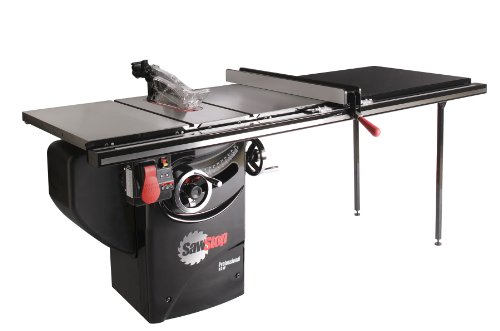
SAWSTOP Pro Cabinet Saw 3HP 52″
Strengths
- 3HP motor
- 52” rip capacity
- Good support for sheet goods
- SawStop safety system
- Solid build quality
Trade-offs
- Standard fence only
- No micro-adjustment
- Less precise than Advance version
This model gives you the 3HP motor and 52” rip capacity but uses the standard T-Glide rip fence instead of the Advance version. That means you get excellent power and reach, but lose the fine-tuning features that make the Advance fence so valued in precision work. For general ripping, panel cutting, and framing tasks, the standard fence is perfectly capable, owners report it’s sturdy and reliable. But if you’re doing high-end cabinetry or repetitive joinery, the lack of micro-adjustment will be noticeable.
Compared to the PCS31230-ATGP52, this one saves a bit on cost by skipping the Advance fence. But given how much shop efficiency depends on fence performance, I’d argue the upgrade is worth it. This saw makes sense only if you’re primarily cutting large sheets and don’t need surgical precision. Otherwise, the ATGP52 is the smarter buy.
Product photos
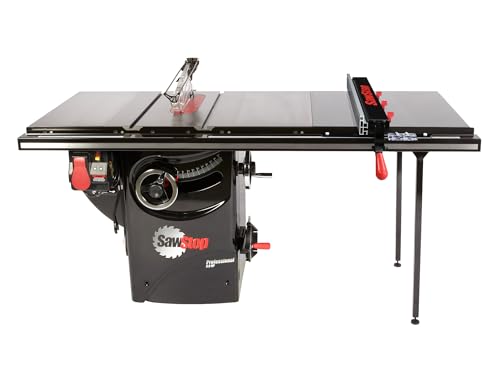
SAWSTOP Pro Cabinet Saw 3HP Advance 36″
Strengths
- 3HP motor
- Advance T-Glide fence
- Compact footprint
- Excellent precision
- SawStop safety system
Trade-offs
- 36” rip limit
- Less support for large panels
- Still heavy for small shops
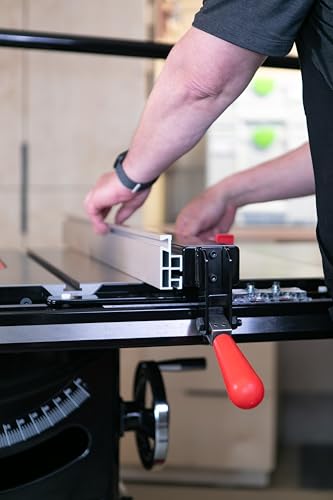
This model hits a sweet spot for shops that need precision in a compact form. The 3HP motor delivers strong performance, and the 36” Advance rip fence brings all the accuracy and smooth operation that pros love. Owners consistently praise how easily it maintains alignment and how quickly it locks down with micro-adjustments, critical for batch work and tight-fitting joinery.
At 69” wide, it’s more space-efficient than the 52”-fence models, making it a better fit for smaller professional shops. Compared to the PCS175-ATGP36, it has the same fence but with a much more capable 3HP motor, eliminating the power bottleneck. It’s not ideal for full-sheet handling, but few 36”-fence saws are. For cabinetmakers and custom furniture builders, this is one of the most balanced options available.
Product photos
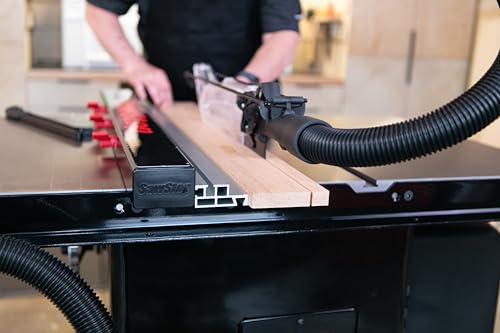

SAWSTOP Pro Cabinet Saw 3HP Advance 52″
Strengths
- 3HP motor
- 52” Advance T-Glide fence
- Superior dust collection
- SawStop safety system
- Excellent repeatability
Trade-offs
- High price point
- Large footprint
- Heavy and hard to move
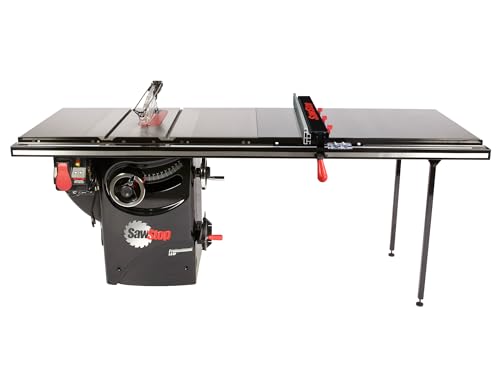
This is the full package for serious woodworkers who need both power and precision at scale. The 3HP motor delivers consistent performance under load, while the 52” Advance T-Glide rip fence offers unmatched accuracy and ease of adjustment across wide panels. Owners consistently highlight how smooth and repeatable the fence is, even after months of daily use. The extended width also gives you better support for large sheet goods, reducing the risk of binding or misalignment.
When compared to the JET JTAS-10XL50-1DX, this SawStop model wins on safety, finish, and fence technology. The JET has a solid XACTA fence and great cast-iron wings, but it lacks contact-sensing safety. For anyone running a pro shop where safety and precision are essential, this SawStop is hard to beat. The footprint is large, but that’s the trade-off for industrial-grade performance.
Product photos
SAWSTOP Pro Cabinet Saw 1.75HP 36″
Strengths
- SawStop safety system
- T-Glide rip fence
- Solid cast-iron table
- Lower price point
- Compact footprint
Trade-offs
- 1.75HP motor underpowered
- No Advance fence option
- Limited for thick stock
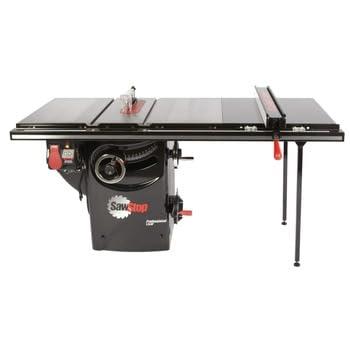
The 1.75HP motor is the main compromise here, making this the most budget-friendly option in the SawStop PCS lineup. It still carries the full SawStop safety system and the same rigid cabinet design as its bigger siblings, which means you’re not sacrificing protection or build quality. For lighter-duty tasks like trim work, cabinetry, or hobbyist furniture builds, it performs reliably. But once you start pushing wide hardwood stock or dense plywood, the motor can feel underpowered compared to the 3HP models.
What keeps this saw competitive is the 36” T-Glide rip fence, a proven, intuitive design that owners praise for repeatability and ease of setup. It’s not the Advance version, so you lose some micro-adjustability, but it’s still far better than many stock fences on lesser brands. Compared to the JET, it wins on safety and finish, but the lower horsepower means it’s not a direct rival in heavy cutting. I’d pick this only if your workload is moderate and budget is tight.
Product photos
SAWSTOP Pro Cabinet Saw 1.75HP Advance 36″
Strengths
- Advance T-Glide fence
- Micro-adjustment capability
- SawStop safety system
- Excellent fit and finish
- Great for fine woodworking
Trade-offs
- Underpowered motor
- Fence capability outpaces motor
- Limited for heavy tasks
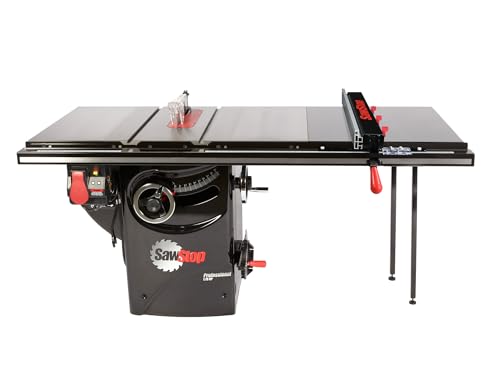
This model takes the same 1.75HP base but upgrades to the Advance T-Glide rip fence, a big deal for precision work. The Advance fence offers micro-adjustments and smoother travel, which matters when you’re dialing in fine cuts for cabinetry or joinery. Owners note that the difference in fence performance is immediately noticeable compared to the standard T-Glide, especially when working with sheet goods or tight-tolerance builds.
But the same motor limitation applies. Even with a superior fence, you’re still capped by a 1.75HP motor that may bog down on tough materials. That makes this a bit of a mismatch, high-end fence paired with a lower-tier motor. If precision is your top priority and power isn’t, this could make sense. But for most, I’d rather see the 3HP models with the same fence.
Product photos
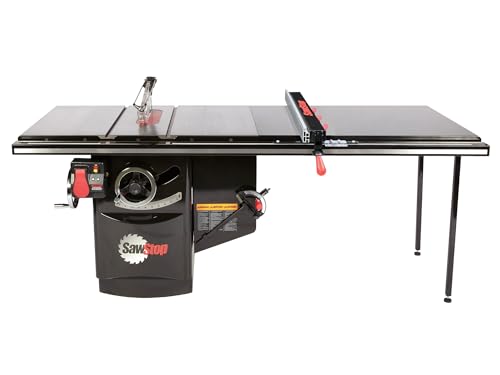
SAWSTOP Industrial 5HP Cabinet Saw 52″
Strengths
- 5HP motor
- 52” T-Glide Advance fence
- Exceptional dust collection
- 700lb steel and iron build
- Lock-Out Tag-Out switch
Trade-offs
- Overkill for most shops
- Bulky footprint
- Higher power requirements
This is a no-compromise cabinet saw built for serious industrial environments. At nearly 700lbs, it’s engineered for rock-solid stability and long-term durability under constant use. The 5HP motor stands out in a market where most competitors top out at 3HP, giving it serious muscle for ripping thick hardwoods or dense engineered materials all day. On paper, that extra power, combined with the 52” T-Glide Advance fence, makes it a compelling pick for production shops that need reliability and precision in equal measure.
The inclusion of the SawStop Safety System is a major plus, but in this class, it’s less about novelty and more about peace of mind when fatigue sets in during long shifts. Owners consistently report excellent dust collection thanks to the shrouded design above and below the table, a detail often overlooked in heavy-duty models. Compared to the JET and even the higher-end SawStop PCS models, this one leans harder into industrial ruggedness than finesse, though the fit and finish still meet professional standards.
Product photos
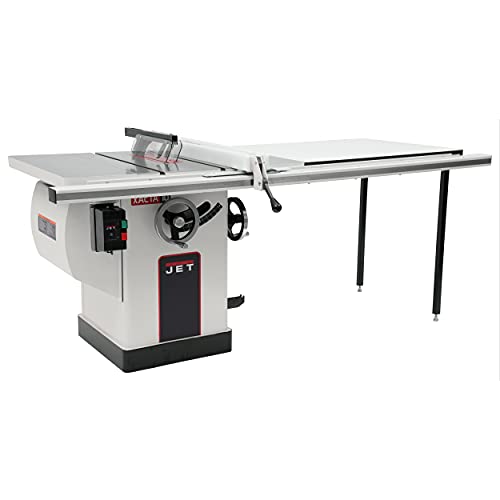
JET Deluxe XACTA Table Saw 3HP
Strengths
- 3HP motor
- 50” XACTA fence
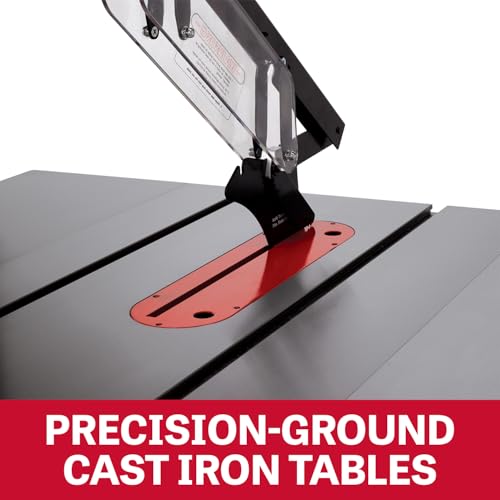
- Large cast-iron table
- Quiet Poly-V drive
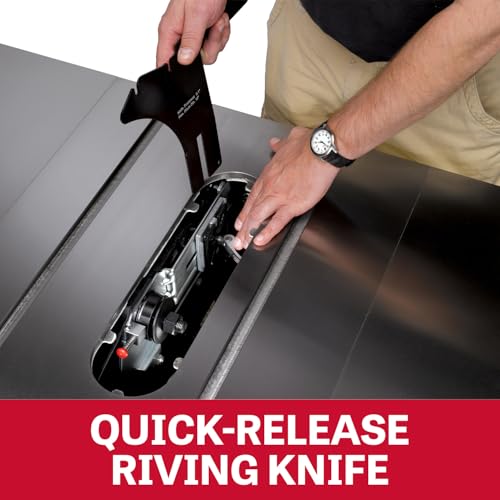
- Quick-release riving knife
Trade-offs
- No SawStop safety
- Fence slightly less refined
- Heavier maintenance reported
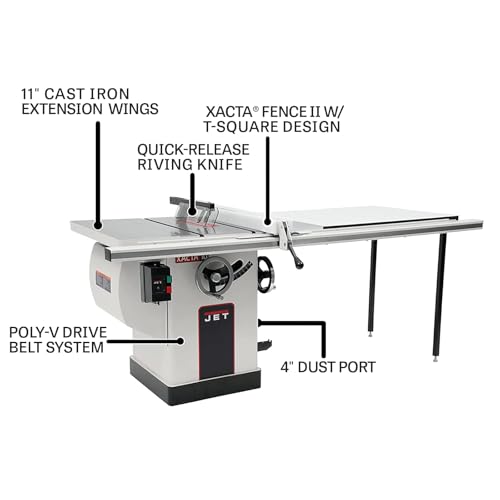
The JET stands out as the strongest non-SawStop contender in this lineup. With a 3HP motor and a 50-inch rip capacity, it’s built for serious work. The XACTA fence II is a well-regarded system, T-square design, smooth glide, and excellent locking mechanism. Owners appreciate the wide cast-iron wings that create one of the largest table surfaces in its class, giving great support for big panels. The Poly-V belt system also means quieter operation than many direct-drive competitors.
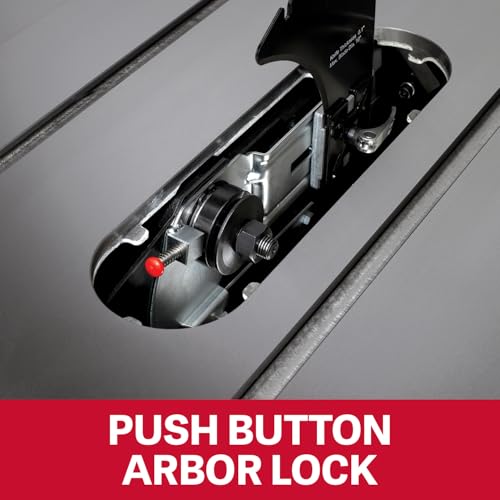
But the biggest gap? No active safety system. That’s a real concern when you’re comparing it to SawStop models at a similar price and performance tier. The quick-release riving knife and push-button arbor lock are smart touches that improve usability and safety marginally, but they don’t replace contact-based blade stopping. If you’re committed to a non-SawStop brand or need a robust alternative, this JET is one of the few that can hang. But you’re trading peace of mind for value.
Product photos

How We Evaluated cabinet saws
My approach to evaluating cabinet saws relies on a research-led comparison of specifications and owner feedback. I looked closely at published data – horsepower, table size, fence features, and safety systems – then weighed that against what users say about real-world performance and durability. Expert reviews from woodworking publications added another layer of insight, helping me rank these saws against the needs of serious woodworkers.
For cabinet saws, the most important factors are cutting power and precision. A robust motor (3HP or higher) allows for tackling thick hardwoods without bogging down, while a quality rip fence is essential for accurate, repeatable cuts. The integrated safety systems, like SawStop’s, are also heavily weighted; minimizing risk is paramount when working with powerful machinery. Understanding whether a saw is a hybrid table saw can also impact your decision.
Specifications reliably tell you about a saw’s capacity and core features, like table dimensions and motor horsepower. However, owner feedback is crucial for understanding long-term reliability and the true quality of the fence mechanism. Reputation matters too; brands with a consistent track record for quality and customer support naturally rank higher in my assessment. I paid close attention to comments about vibration, dust collection, and ease of maintenance.
How To Pick The Right cabinet saws
Finding the right cabinet saw is about more than just horsepower. It’s about matching the tool to the kind of work you do, and understanding what features truly deliver precision and longevity.
A quality cabinet saw offers stability, power, and accuracy for demanding cuts. Key considerations include motor size (typically 3HP or higher for heavy use), fence quality (look for robust, T-square designs), dust collection effectiveness, and safety features like the SawStop system. Pay attention to table size, as this dictates the capacity for larger workpieces.
Motor Power and Intended Use
Too many folks jump straight to horsepower without thinking about how they’ll use the saw. A 1.75HP model can handle most homeowner projects and light duty work, but if you’re constantly ripping hardwoods or running the saw for extended periods, you’ll quickly wish you’d stepped up to a 3HP or even 5HP motor. The Industrial 5HP models are built for continuous, demanding operation, while a smaller motor will struggle and potentially overheat. Consider the thickness and density of the materials you’ll be cutting most often. Don’t overspend on power you won’t use, but don’t shortchange yourself if you anticipate heavy workloads.
Fence Quality: The Heart of Accuracy
The fence is where a cabinet saw truly separates itself from a contractor saw. A flimsy fence means inaccurate cuts, frustration, and wasted material. Look for a heavy-duty, T-square style fence like those offered by SawStop or JET. These designs minimize deflection and provide a more reliable reference point for your cuts.
Here’s what I look for when evaluating a fence:
- Solid locking mechanism: It needs to stay put.
- Smooth gliding action: Easy adjustments are vital for efficiency.
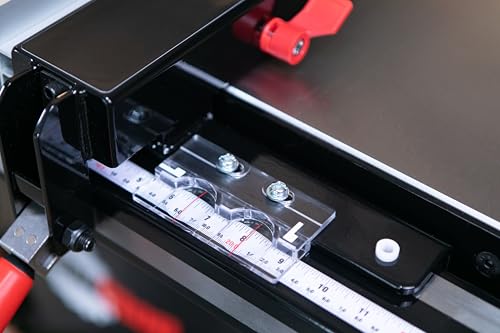
- Accurate measurements: A fence with a clear, precise scale is essential for repeatable results, especially when dealing with fine woodworking projects.
Safety and Dust Collection
Safety must be a top priority. The SawStop safety system is, frankly, revolutionary, and it’s a feature I highly recommend, especially if you have kids or are prone to distractions. Beyond that, a well-designed riving knife and blade guard are crucial. Don’t remove them unless absolutely necessary. I also suggest reviewing table saw safety tips before operating any new saw.
A good cabinet saw isn’t just about making cuts; it’s about making them safely and cleanly.
Effective dust collection is often overlooked, but it’s vital for maintaining a clean and healthy workspace. Look for a saw with a robust dust port and consider pairing it with a good shop vacuum or dust collector. You’ll be thankful you did when you’re not breathing sawdust all day. If you’re looking at the best-performing cabinet saws, you’ll notice dust collection is consistently highlighted as a key feature.
Cabinet Saws Compared
Here’s a comparison of key specifications for the cabinet saws discussed.
| Product Name | HP | Width (in) | Depth (in) | Fence Length (in) | Safety System |
|---|---|---|---|---|---|
| SAWSTOP Pro 3HP 36″ | 3 | 69 1/8 | 33 | 36 | SawStop |
| SAWSTOP Pro 3HP 52″ | 3 | 85 1/4 | 33 | 52 | SawStop |
| SAWSTOP Pro Advance 36″ | 3 | 69 1/8 | 33 | 36 | SawStop |
| SAWSTOP Pro Advance 52″ | 3 | 85 1/4 | 33 | 52 | SawStop |
| SAWSTOP 1.75HP 36″ | 1.75 | 69 1/8 | 33 | 36 | SawStop |
| SAWSTOP 1.75HP Advance 36″ | 1.75 | 69 1/8 | 33 | 36 | SawStop |
| SAWSTOP Industrial 5HP 52″ | 5 | 85 1/4 | 36 1/2 | N/A | SawStop |
| JET Deluxe XACTA 3HP | 3 | N/A | N/A | 50 | N/A |
Frequently Asked Questions
What’s the difference between a cabinet saw and a contractor saw?
A cabinet saw, unlike a contractor table saw models, is built with a heavier, fully enclosed base that reduces vibration and provides greater stability for more accurate cuts. This construction generally results in a more powerful and precise machine suited for demanding work.
Is a 3HP motor powerful enough for most woodworking tasks?
Yes, a 3HP motor is sufficient for the vast majority of woodworking projects, but those frequently working with very thick hardwoods or needing constant, extended run times may benefit from a 5HP model. The higher horsepower prevents bogging down and overheating during heavy use.
How much space do I actually need for a cabinet saw?
Cabinet saws are large machines; you’ll need a minimum of 6ft x 3ft of floor space for the saw itself, plus additional room to safely maneuver around it and accommodate infeed/outfeed support. Larger saws, particularly those with 52” tables, require even more space.
Can I install a cabinet saw in a standard home garage?
You can, but consider dust collection and electrical requirements. A dedicated 240V circuit is usually necessary, and a good dust collection system is vital for a healthy workspace, especially in an enclosed garage.
Are all rip fences created equal?
No. While all fences guide wood during a cut, the quality varies greatly. A T-square style fence, like those found on SawStop and JET models, will offer significantly more accuracy and stability than simpler designs, minimizing deflection and ensuring repeatable cuts.
The Bottom Line
Choosing a cabinet saw often comes down to balancing control and convenience. You can spend a lot to get every bell and whistle, or you can focus on the core features that deliver accuracy and power. For most serious woodworkers, the SAWSTOP Pro 3HP 36″ strikes that balance perfectly – offering a robust 3HP motor, the unmatched safety of the SawStop system, and a quality fence, all in a manageable package.
If budget is a primary concern, the SAWSTOP 1.75HP 36″ provides a surprising amount of capability for the price, while still benefiting from SawStop’s safety technology. For those needing maximum versatility and capacity, the SAWSTOP Industrial 5HP 52″ is the clear choice, geared towards professionals and those tackling large-scale projects. Understanding different table saw primary uses will help you pinpoint your needs.
Ultimately, the specs are less important than your own skill and attention to detail. A powerful motor and a precise fence won’t make up for poor technique or a lack of safety awareness. Invest in learning proper procedures, maintain your saw diligently, and always prioritize safe working habits – those are the fundamentals that will deliver the best results, regardless of which cabinet saw you choose.
