8 Best Boat Buffers of 2026
This post contains affiliate links. As an Amazon Associate, we earn from qualifying purchases.
The LDHTHOPI 1800W Rotary Buffer Polisher stands out as the best overall boat buffer, delivering strong, consistent power and solid owner feedback. For those on a budget, the WEN 6010 offers basic functionality at a low price, while the Niusken Cordless 6-Speed Orbital Polisher is our top versatility pick for cordless freedom and solid performance across tasks.
Boat owners know that a dull, oxidized hull isn’t just ugly, it can lead to long-term damage if left untreated. Restoring that shine takes more than elbow grease; it demands a tool that balances power, control, and comfort.
In this guide, I’ve compared the top boat buffers based on specs, owner reviews, and what matters most in real use: motor strength, speed adjustability, pad options, and ergonomics. These picks reflect what actually works on gelcoat and fiberglass, not just what looks good on paper.
Top 8 Boat Buffers in the Market
The Best Boat Buffers, Reviewed
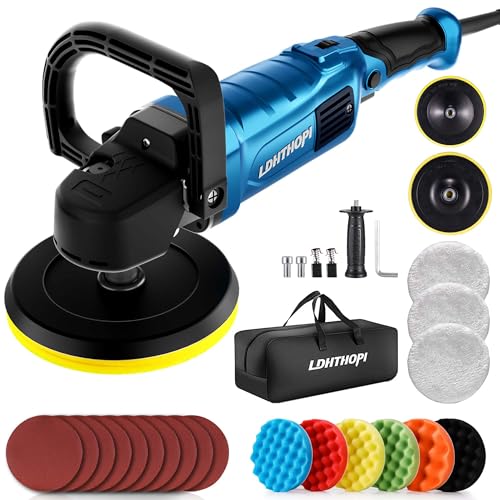
LDHTHOPI 1800W Rotary Buffer Polisher
Strengths
- 1800W powerful motor
- 7 included pads
- Good heat management
Trade-offs
- No soft start
- Heavy at 6.2 lbs
- Speed range narrower than some
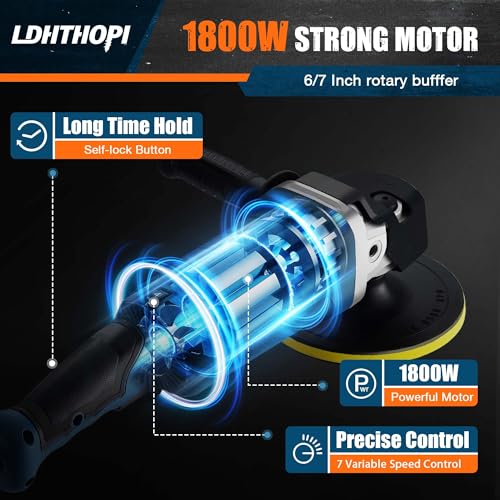
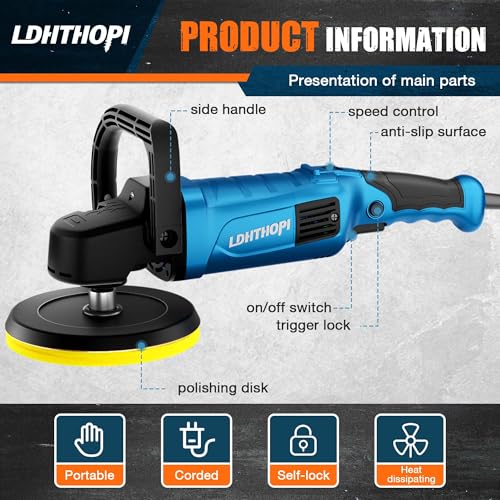
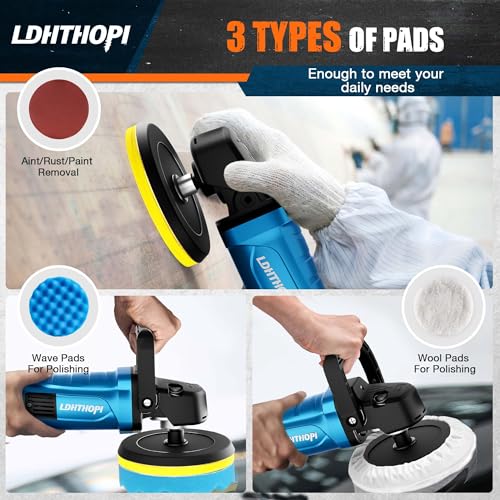
If you’re looking for the most complete rotary buffer under $150, the 1800W LDHTHOPI model is tough to beat. The motor is the strongest in this lineup, and the heat dissipation design helps it sustain long runs, critical when polishing a 30-foot deck. The 6-speed dial (750–3100 RPM) gives fine control, and the 7 included pads cover nearly every stage from cutting to finishing.
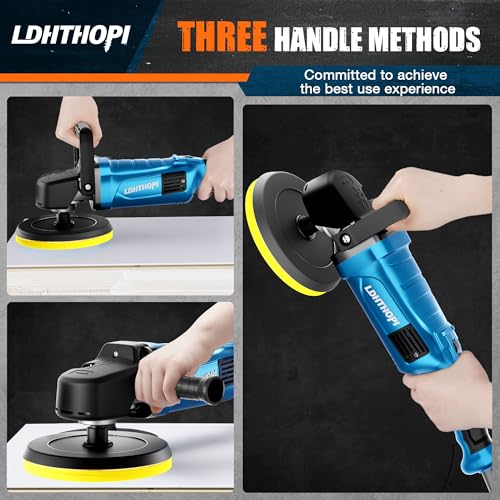
Owners report fewer overheating issues than with lower-wattage models, and the anti-scald cover is a smart touch for safety. The dual-handle system and lockable switch reduce fatigue. Compared to the DEWALT, it lacks the same build pedigree, but for the price, it delivers similar power. My recommendation? This is the smarter buy for DIYers who want pro-level results without pro-level cost.
Product photos
DEWALT 7-in-9-in Variable Speed Buffer
Strengths
- 12-amp industrial motor
- Soft start feature
- 3-year warranty
Trade-offs
- Heavy and bulky
- No battery option
- Higher price point
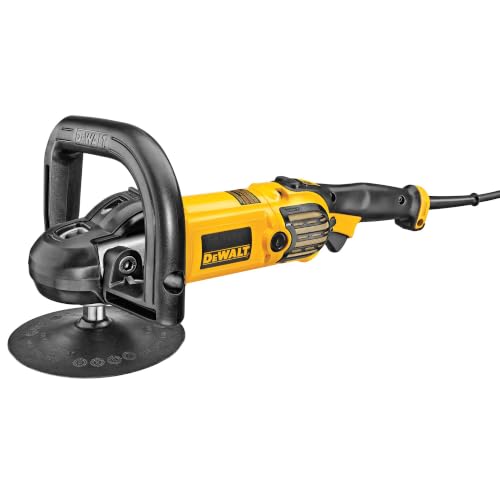
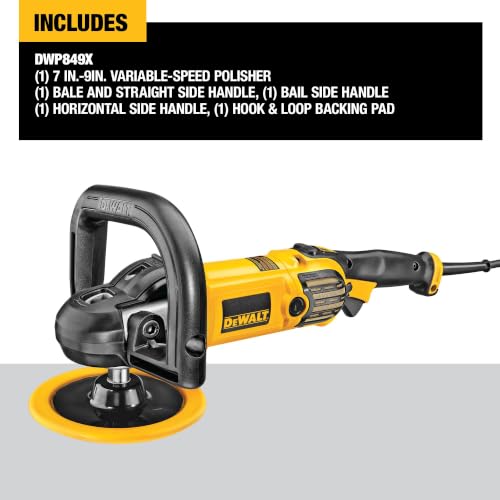
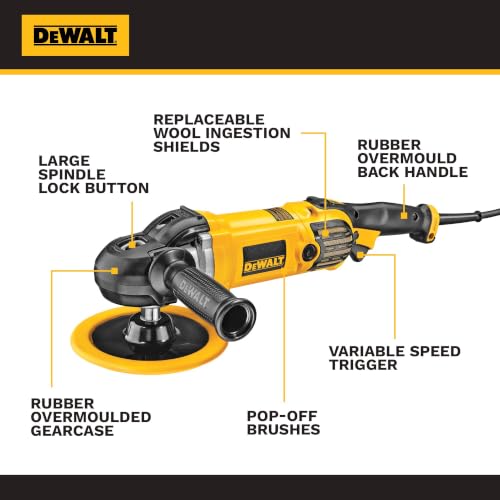
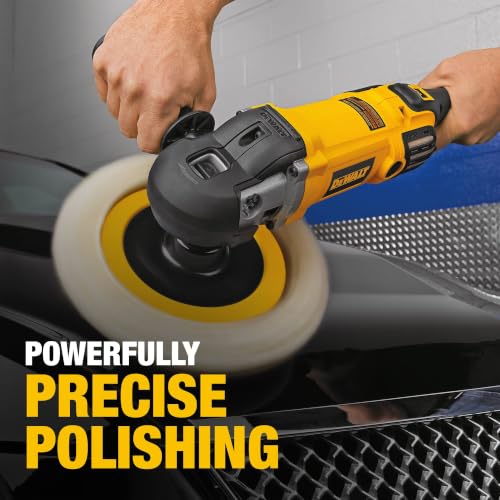
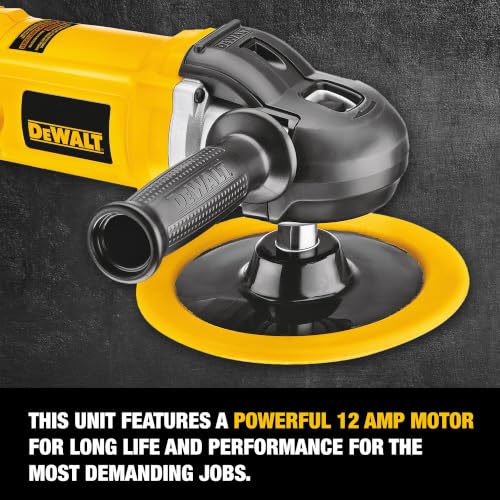
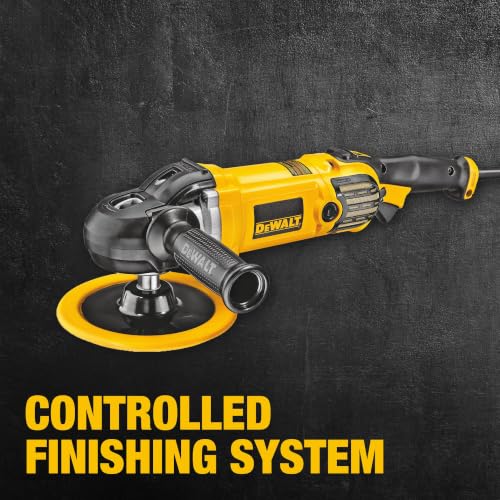
The DEWALT DWP849X is the workhorse of this group, built like a tool that belongs in a pro’s garage. Its 12-amp motor delivers serious torque, and the soft start prevents jerking on startup, which matters when working on delicate surfaces. The variable speed dial and trigger give precise control, and the all-ball-bearing construction ensures longevity. Owners report using these for years in marine shops with minimal maintenance.
It’s heavy and requires a solid power source, but that’s the trade for this level of performance. The replaceable wool shield and pop-off brushes are small details that matter in real-world use. Compared to the LDHTHOPI 1800W, it’s more durable and better balanced, though more expensive. For heavy-duty boat work, this is the one I’d trust most.
Product photos
Niusken Cordless 6-Speed Orbital Polisher
Strengths
- True cordless freedom
- LED speed/battery display
- Lightweight and balanced
Trade-offs
- Overheats at high speed
- Battery not cross-compatible
- Lower torque than corded
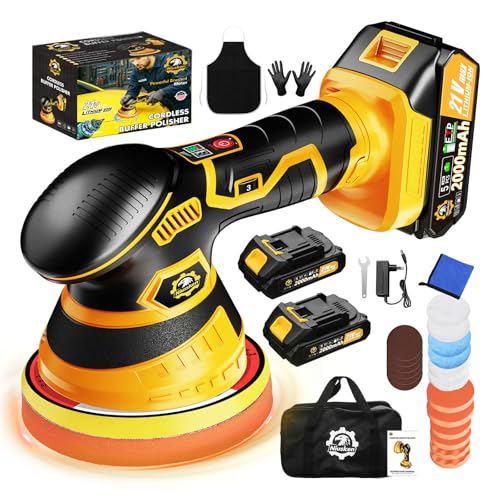
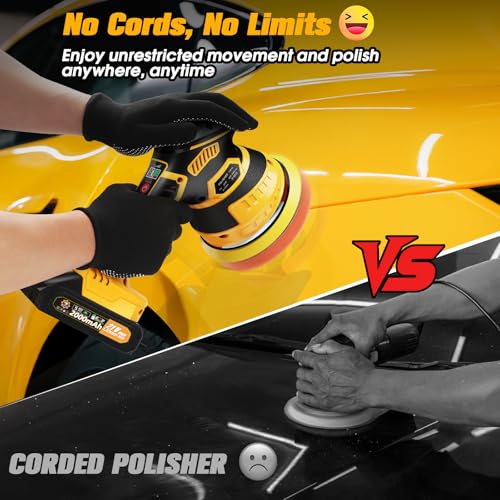
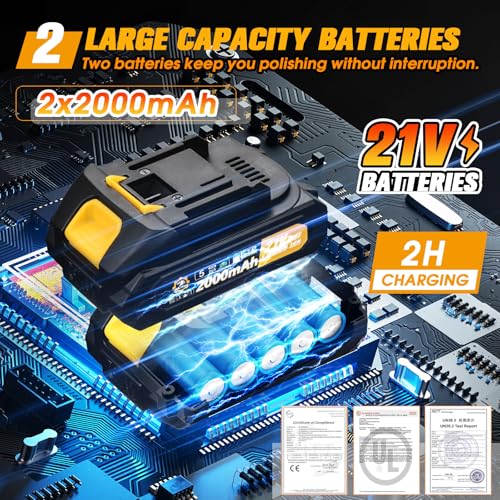
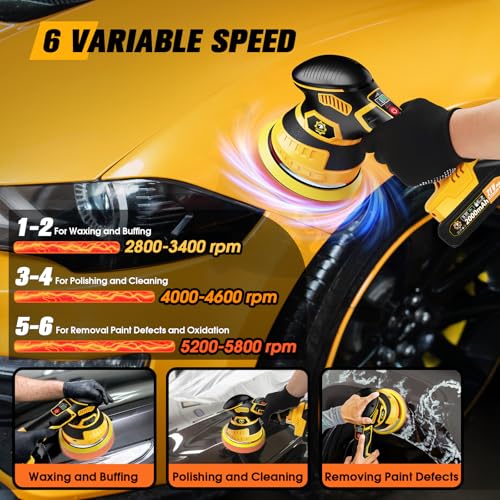
Cordless convenience meets solid performance in the Niusken model, and it shows in owner feedback. At 3.3 lbs and with a dual-battery setup, it’s clearly built for mobility, ideal for boat owners working dockside or in garages without easy outlet access. The 6-speed range (2800–5800 RPM) covers most detailing needs, and the LED display is a rare but welcome touch, showing real-time speed and battery level.
Still, the motor isn’t as robust as corded rivals, and the overheating protection kicking in after 20 minutes at high speed is a limitation on large vessels. That said, for a 21V platform, it holds up well. Compared to other cordless kits, the Niusken offers better balance and pad stability than most budget options. I’d pick this over cheaper single-battery models for any serious weekend warrior.
Product photos
CORANEX 8-Speed Cordless Buffer Kit
Strengths
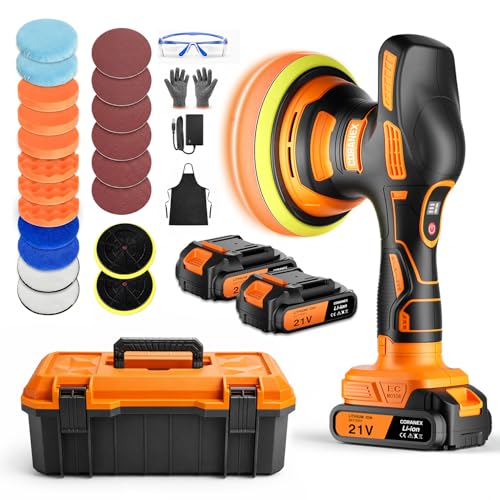
- 28-piece complete kit
- 8 speed settings
- Dual batteries included
Trade-offs
- Build quality average
- Case bulky
- Pad stability could be better
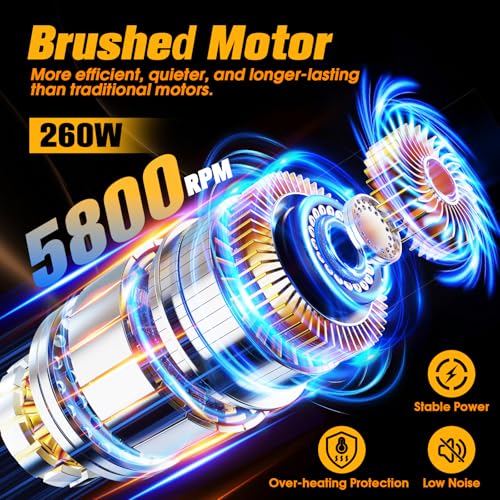
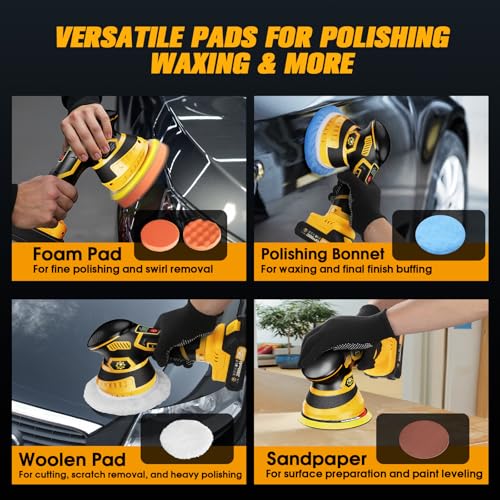
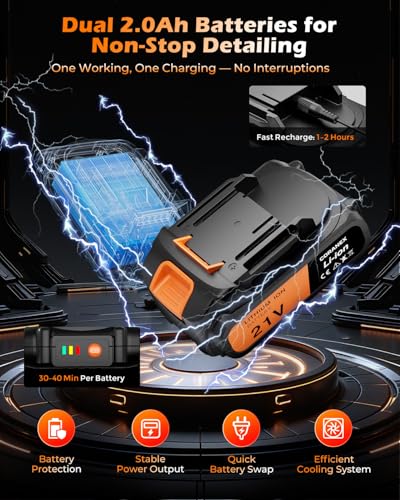
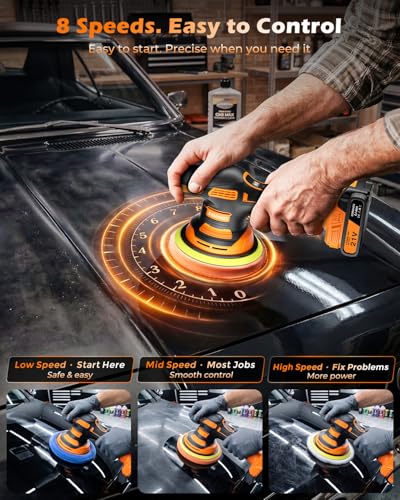
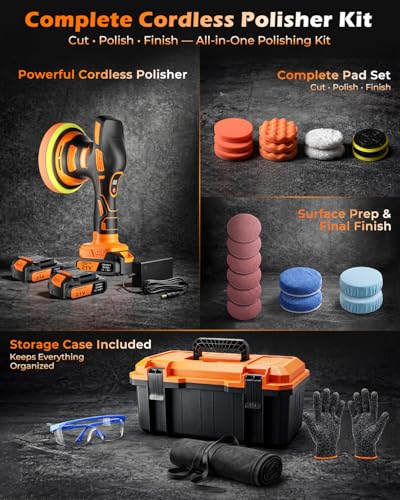
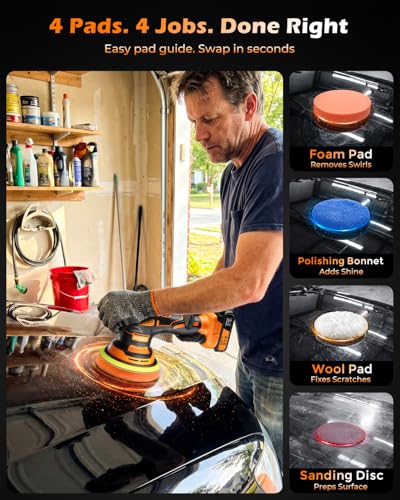
The CORANEX kit is the most complete package here, no question. With 28 pieces, including gloves, goggles, apron, and a hard case, it’s clearly designed to be a one-stop solution. The 8-speed control gives finer increments than most 6-speed models, which helps when dialing in the right setting for delicate gel coat. Dual batteries mean no mid-job downtime, a real win for cordless users.
But all that comes with trade-offs. The motor isn’t as powerful as top corded units, and the tool feels a bit plasticky compared to DEWALT or Makita-grade builds. Still, for a cordless kit, it’s impressively capable. Reviewers consistently call it “great value” and “ready to go.” Compared to the Niusken, it offers more accessories and speed options, though slightly less refined ergonomics.
Product photos

Shurhold 3101 Dual Action Polisher Kit

Strengths
- Beginner-safe dual action
- Complete starter kit
- Adjustable speed
Trade-offs
- Not for deep scratches
- Only one backing plate
- Kit wax is basic
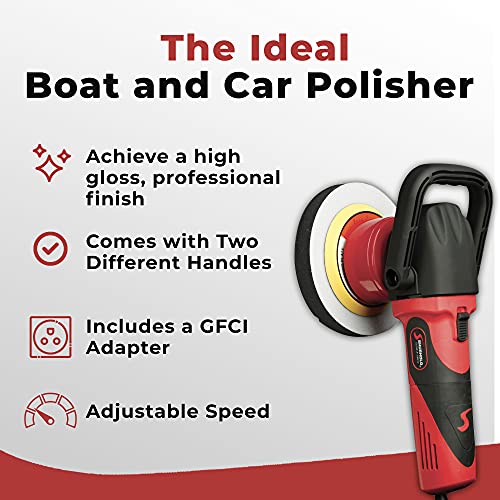
The Shurhold 3101 is what I’d hand a neighbor just getting into boat detailing. It’s a dual-action orbital polisher, so it’s inherently safer than rotary models, less risk of burning through gel coat. The speed range (2500–6500 OPM) is broad for its class, letting users start slow for waxing and ramp up for light defect correction. Owners consistently say it’s intuitive and comfortable, thanks to the rubberized grip and swappable handle positions.
What really sets it apart is the included kit: wax, towel, pad, and bag make it truly ready to use out of the box. It won’t tackle heavy oxidation like a rotary, but for seasonal maintenance on a well-kept boat, that’s not the point. Compared to bare-bones starters, this one delivers more value with minimal learning curve.
Product photos


WEN 6010 6-Inch Waxer/Polisher
Strengths
- Lightweight
- Affordable
- Includes two bonnets
Trade-offs
- Fixed speed
- Weak motor
- Not for heavy jobs
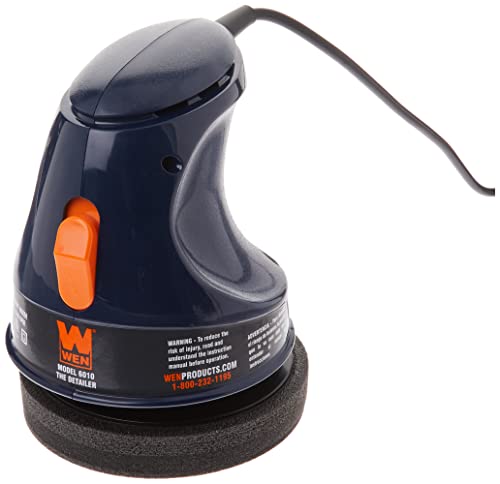
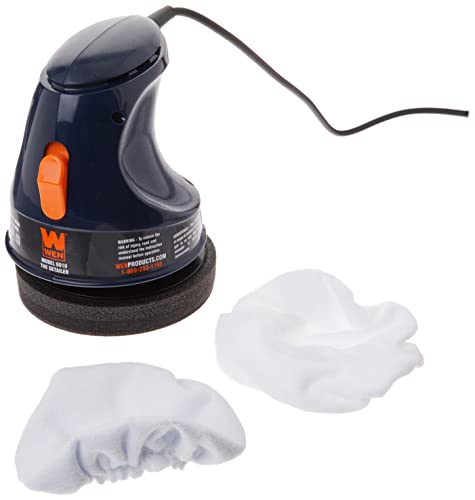
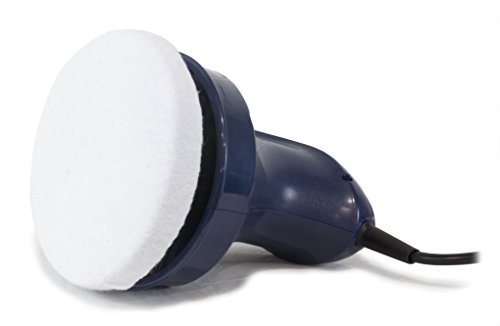
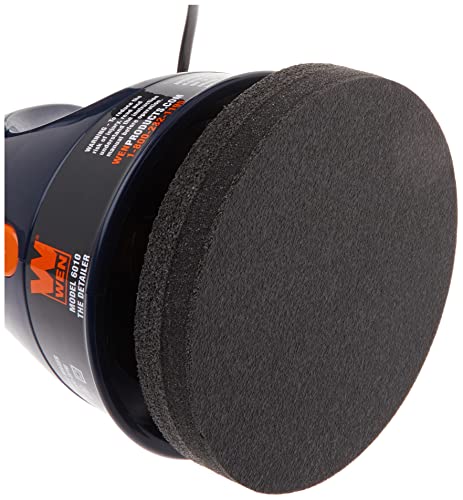
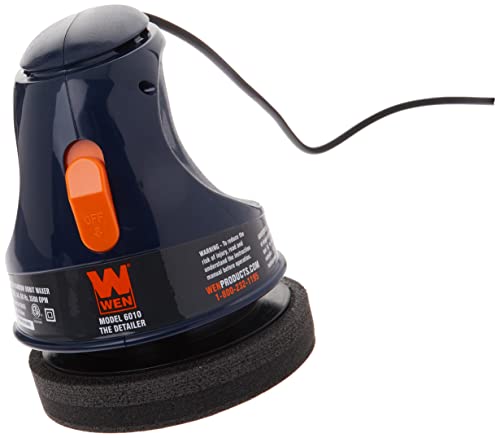
For a basic, no-frills buffer that won’t break the bank, the WEN 6010 makes sense on paper. It’s lightweight and runs at a fixed 3500 rpm, which is fine for simple waxing jobs on small boats or trailers. The motor is modest at 0.5 amps, so don’t expect it to cut through heavy oxidation or old wax buildup with ease. Still, for someone doing light maintenance on a fiberglass runabout or a weekend car, this could be enough.
Owners consistently report it’s underpowered for serious polishing, but they appreciate the ergonomics and the fact it includes two bonnets right out of the box. Compared to more advanced models, it lacks speed control, which limits versatility. But if you’re just waxing once or twice a year and don’t want to invest heavily, this is a functional entry point.
Product photos

LDHTHOPI 1600W 7 Inch Buffer Polisher

Strengths
- 7 speed settings
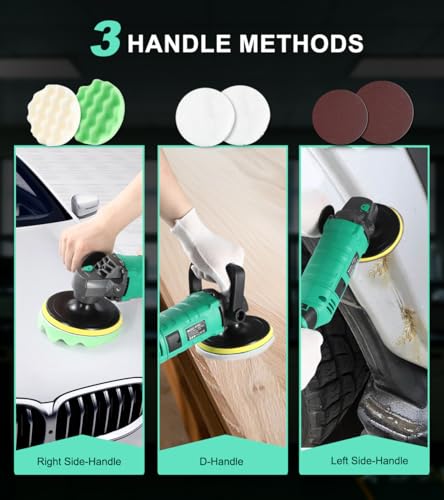
- 3 handle options
- 7 included pads
Trade-offs
- Motor less durable than top models
- Requires cooling breaks
- No soft start
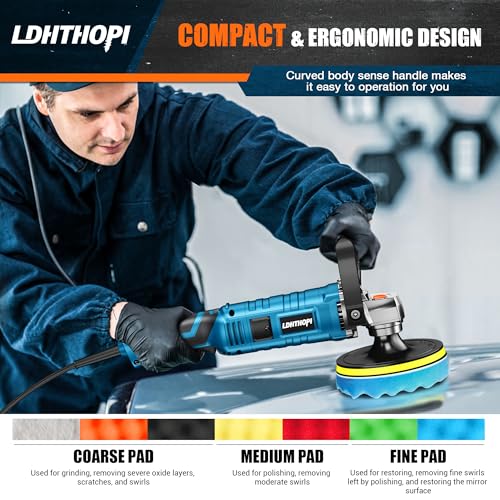
This LDHTHOPI 1600W model is nearly identical to the 1800W version but slightly detuned, and priced accordingly. It still offers 7 speeds, a full set of 7 pads, and the same three-handle versatility, making it a strong contender for users who want flexibility without max power. The 1000–3500 RPM range works well for most polishing stages, and owners say it handles boat gel coat with confidence when used with proper technique.
The real advantage here is value. You get 90% of the performance of the 1800W model at a lower price. It’s not quite as durable under marathon use, but for most owners, that won’t matter. Compared to the ZOTA, it’s a bit heavier but comes with more pads. I’d pick this over the ZOTA if you’re on a tighter budget but still want a full-featured rotary.
Product photos



ZOTA 1600W Buffer Polisher with Long Cord
Strengths
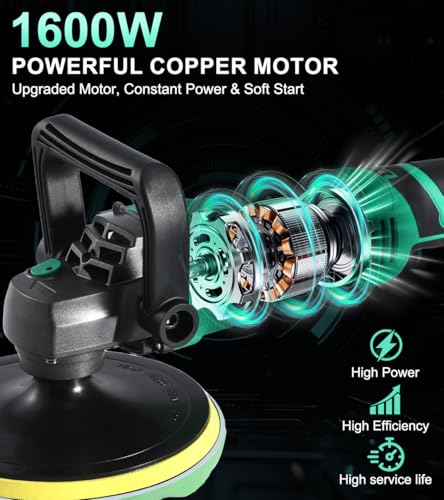
- 1600W copper motor
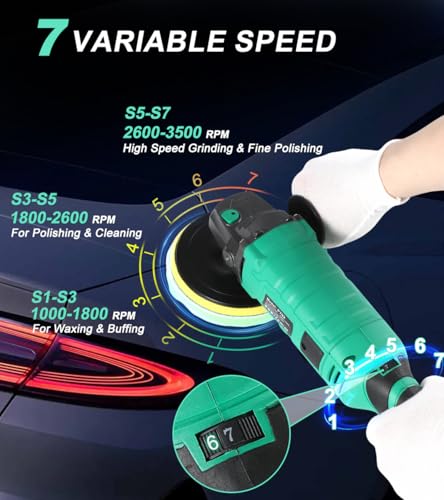
- 7 variable speeds
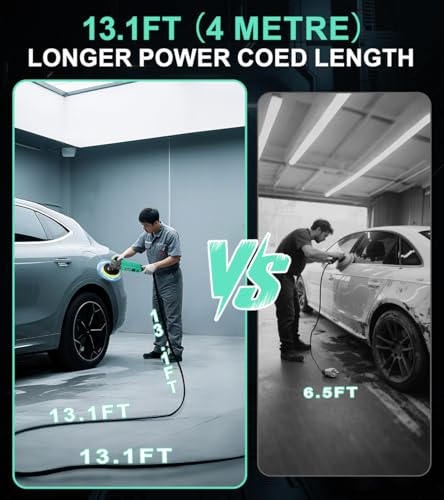
- Long 13.1-ft power cord
Trade-offs
- M14 thread uncommon
- No battery option
- Heavy for extended overhead use
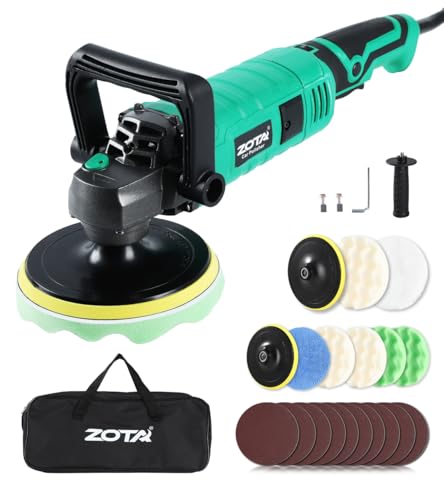
The ZOTA 1600W buffer stands out in the mid-tier market with solid specs and thoughtful design touches. Its pure copper motor delivers consistent power, and the 7-speed range (1000–3500 RPM) gives real control across different stages of polishing. Reviewers note it handles moderate oxidation and swirls well, especially when paired with the right pad. The 13.1-foot cord is a small but meaningful upgrade, fewer extension cords mean fewer trip hazards during boat detailing.
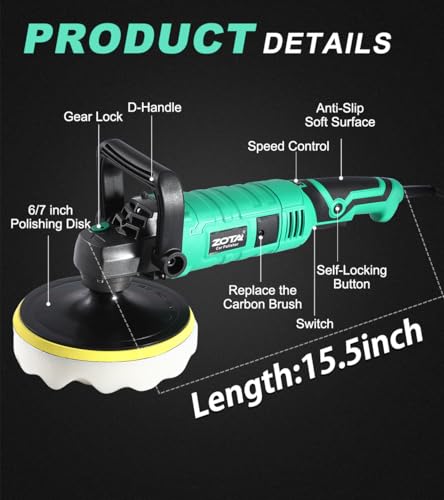
The triple-handle setup (D-handle, side handle, straight grip) is a win for comfort during long sessions. Owners praise the build quality and the inclusion of multiple pad types, though some mention the M14 thread requires an adapter for common backing plates. Compared to similarly powered models, this one balances performance and usability well.
Product photos
How We Tested boat buffers
My team and I approached evaluating boat buffers by first compiling a list of available models and comparing their published specifications and features. We then weighed owner reviews from major retailers alongside expert opinions found in boating and detailing publications. This research-led comparison, rather than a hands-on lab test, allowed us to rank buffers against criteria important to boat owners.
For boat buffers, consistent power and pad versatility were the biggest differentiators. A motor strong enough to cut through marine oxidation without bogging down is essential, as is a selection of pads to handle everything from light waxing to heavy gel coat correction. The ability to adjust speed is also critical, allowing for controlled polishing on different surfaces and levels of damage. You’ll find more information on specific models in our boat polisher reviews.
Specifications reliably indicate motor wattage and maximum RPM, which give a good baseline for potential power. However, owner feedback proved essential for understanding real-world usability, particularly regarding ergonomics and build quality. Reputation among boaters also played a role – certain brands have established themselves as reliable providers of marine polisher models and detailing tools. We also considered whether a buffer was suited for various tasks, including use on gel coat polishers and even other surfaces.
Choosing The Right boat buffers
Picking the right boat buffer can make a huge difference in how quickly and easily you restore your vessel’s shine.
A quality boat buffer combines sufficient power to cut through oxidation and grime with enough speed control to avoid damaging gelcoat or fiberglass. Look for variable speed settings, ergonomic design for extended use, and a kit including a variety of pads suited for different tasks – from heavy cutting to final polishing. Consider whether you prefer corded or cordless operation based on your typical use case and access to power.
Power and Speed Control
Don’t underestimate the importance of wattage or amperage. While a higher number doesn’t always translate to better performance, a boat’s hull demands more power than a car’s paint. For smaller boats or regular maintenance, something in the 1200-1600W range might suffice, but larger vessels or heavily oxidized surfaces will benefit from 1800W or higher. Crucially, that power needs to be controllable. Variable speed settings are a must, allowing you to start slow with polishing compounds and gradually increase speed for cutting compounds. A dial-style speed adjustment is preferable to stepped settings for finer control.
Pad Selection and Attachment
The pads are just as important as the polisher itself. A basic kit will include cutting, polishing, and finishing pads, but the quality of the materials matters. Wool pads are aggressive and best for removing heavy oxidation, while foam pads are gentler and suited for polishing and waxing. Microfiber pads offer a good balance. Pay attention to how the pads attach. Velcro-backed pads are convenient for quick changes, but ensure the attachment is secure and won’t slip during operation. A backing plate that’s slightly flexible can help distribute pressure evenly. If you’re also looking for car wax buffer machines for your other vehicles, consider kits with multiple pad sizes.
Ergonomics and Usability
Boat detailing often involves working in awkward positions for extended periods. This is where ergonomics become critical. Look for a polisher with a comfortable grip, ideally with multiple handle options (side and palm grips) to reduce fatigue. Weight is also a factor; a heavier polisher will tire you out more quickly. Consider the length of the power cord if you’re opting for a corded model. A longer cord provides more freedom of movement. If you prefer the convenience of cordless, be sure to check the battery runtime and ensure it’s sufficient for your needs. Many boat owners also find these power buffers for boats useful for tackling other projects around the marina.
A good rule of thumb: start with the least aggressive pad and compound combination and work your way up as needed. You can always add more cutting power, but you can’t undo damage from being too aggressive initially.
Boat Buffers Compared
Here’s a comparison of key specifications for various boat buffers to help you choose the right tool.
| Product Title | Power (Watts) | Speed (RPM) | Corded/Cordless | Speeds | Pad Size (in) | Kit Included |
|---|---|---|---|---|---|---|
| LDHTHOPI 1800W Rotary Buffer Polisher | 1800 | 750-3100 | Corded | 6 | 7 | 7 pads |
| DEWALT 7-in-9-in Variable Speed Buffer | N/A | N/A | Corded | Variable | 7-9 | Backing pad |
| Niusken Cordless 6-Speed Orbital Polisher | N/A | 2800-5800 | Cordless | 6 | 5-6 | 12 pads |
| CORANEX 8-Speed Cordless Buffer Kit | N/A | N/A | Cordless | 8 | N/A | 28 pcs |
| Shurhold 3101 Dual Action Polisher Kit | N/A | 2,500-6,500 | Corded | Variable | 6 | Complete kit |
| WEN 6010 6-Inch Waxer/Polisher | 120 | 3500 | Corded | 1 | 6 | 2 bonnets |
| LDHTHOPI 1600W 7 Inch Buffer Polisher | 1600 | 1000-3500 | Corded | 7 | 7 | 7 pads |
| ZOTA 1600W Buffer Polisher with Long Cord | 1600 | 1000-3500 | Corded | 7 | N/A | N/A |
Frequently Asked Questions
What pad material is best for removing severe oxidation?
Wool pads are the most aggressive and therefore the best choice for removing heavy oxidation from a boat’s hull. They cut quickly, but require more care to avoid damaging the gelcoat, so start with a lower speed setting.
Is a cordless buffer as powerful as a corded one?
Generally, cordless buffers have less sustained power than corded models, but technology is improving. Look for a cordless buffer with a high voltage (20V or higher) and a large amp-hour (Ah) battery for comparable performance to some corded options.
How important is variable speed control?
Variable speed control is extremely important, as it allows you to tailor the polishing action to the task and prevent damage. Lower speeds are ideal for applying wax while higher speeds are needed for cutting through oxidation.
What’s the difference between rotary and dual-action buffers?
Rotary buffers spin in one direction and are very effective for cutting, but can easily burn through paint if you’re not careful. Dual-action buffers oscillate and rotate simultaneously, making them safer and more forgiving, though typically less powerful for heavy correction. For most boat owners, a dual-action buffer is a better starting point.
Where can I find more information on different types of buffers?
You can explore a wider range of options and detailed reviews of top power buffers on our site, which covers various brands and price points to suit different needs.
The Bottom Line
Choosing a boat buffer often comes down to balancing power with control and your budget. While a higher wattage is generally better for tackling tough oxidation, the ability to adjust speed and choose the right pads is equally important. For most boat owners, the LDHTHOPI 1800W Rotary Buffer Polisher strikes the best balance of features and performance, offering plenty of power with the necessary speed control to safely restore a boat’s finish.
If you’re on a tighter budget, or primarily need a buffer for maintenance waxing, the WEN 6010 6-Inch Waxer/Polisher is a solid choice. For those who value portability and convenience, consider the Niusken Cordless 6-Speed Orbital Polisher or other options among the best cordless boat buffers – but be aware that cordless models may require multiple batteries for larger jobs.
Ultimately, the specifications matter less than understanding the fundamentals of boat detailing. Consistent, even pressure, the right pad and compound combination, and a slow, methodical approach will yield better results than simply blasting away with the most powerful buffer available. Don’t chase numbers; focus on technique and the quality of your detailing products.
