
5 Best Belt Sanders for Making Knives 2026
This post contains affiliate links. As an Amazon Associate, we earn from qualifying purchases.
The Bucktool 2×42 Belt Sander and Bench Grinder Combo is the best overall choice for knife making, combining power and versatility, while the Blissthrill Mini Belt Sander delivers strong performance at a budget-friendly price. For dedicated, precision work, the Bucktool 1×30 Inch Low-Speed Belt Sander stands out with its controlled grind and solid build.
If you’re shaping a blade and need clean, consistent bevels, the wrong sander can turn a promising project into a frustrating mess. Overheating, poor tracking, or too much vibration can ruin hours of work, especially when you’re chasing precision.
This guide cuts through the noise, focusing on models that deliver real results for knife makers. I looked at specs, owner feedback, and build quality to find sanders that offer control, durability, and the right features, so you can pick one that fits your workflow and confidence level.
Top 5 Belt Sander For Making Knives in the Market
The Best Belt Sander For Making Knives, Reviewed
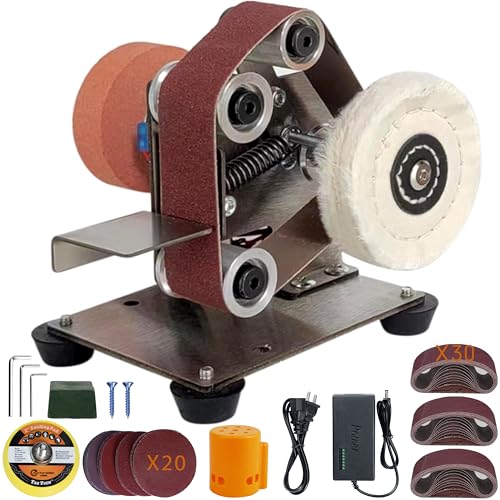
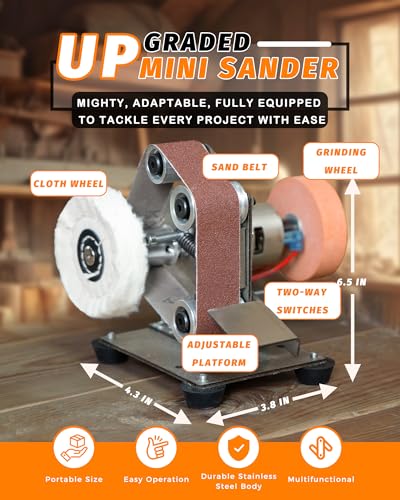
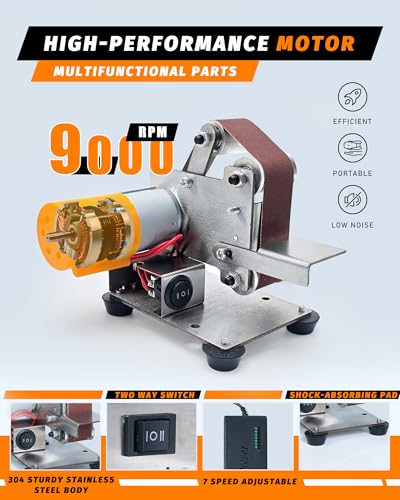
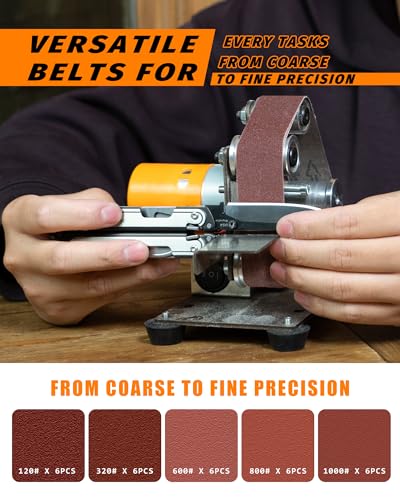
Blissthrill Mini Belt Sander for Knife Making
Strengths
- 7-speed control
- Forward/reverse rotation
- 30 belts included
- Stainless steel frame
- Multi-function capability
Trade-offs
- No built-in angle guide
- Motor can overheat under load
- Belt tracking less stable than full-size units
This mini 775 motor sander is surprisingly capable for its size. With speeds ranging from 4000 to 9000 RPM and forward/reverse rotation, it offers a level of control you rarely see in compact grinders. The 30 included belts and 20 disc papers make it one of the best-equipped starter kits on the list, no scrambling to buy extras right after unboxing. The stainless steel build is rigid, and the rubber feet do a decent job minimizing vibration, which matters when you’re working small or delicate pieces.
Where this really shines is adaptability. It can function as a belt sander, disc sander, polisher, and even a light-duty lathe with the right attachments. Owners use it for knife bevels, small metal parts, and even jewelry. Compared to the Bucktool 1×30, it’s faster and more flexible, though less stable for long grinding sessions. The lack of a fixed angle guide is a drawback for serious bladesmithing, but for tinkerers and multi-material crafters, the speed control and included accessories make it the most well-rounded option. My recommendation? This is the best overall pick if your work spans more than just knife making.
Product photos

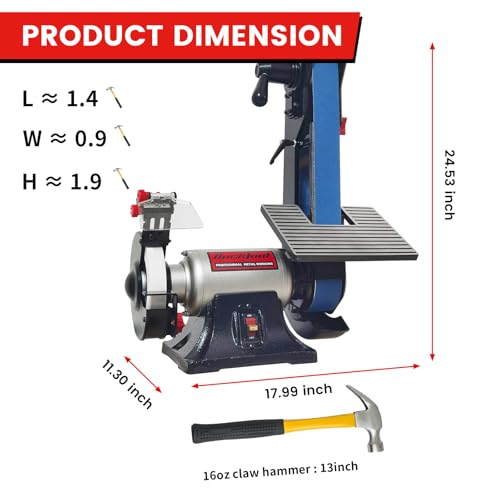
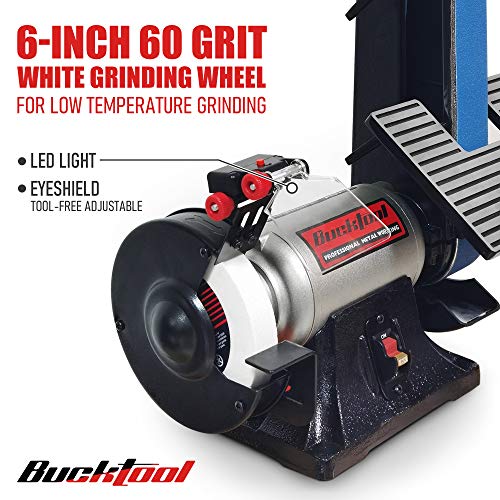
Bucktool 2×42 Belt Sander and Bench Grinder Combo

Strengths
- 4480 FPM belt speed
- Stable cast iron base
- Dual worktables
- Swivel belt housing
- LED light on grinder
Trade-offs
- Grinder wheel is coarse (60 grit)
- Belt tension mechanism can be stiff
- Heavier setup requires secure mounting
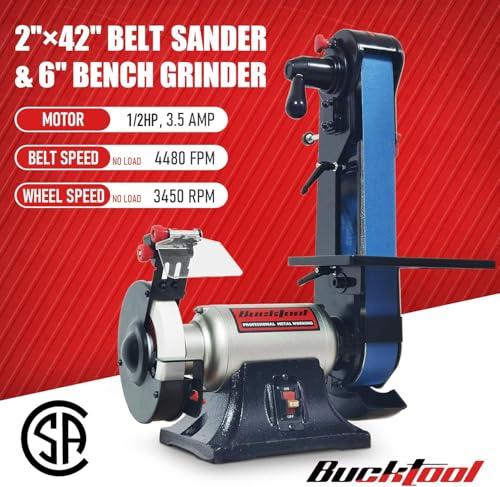
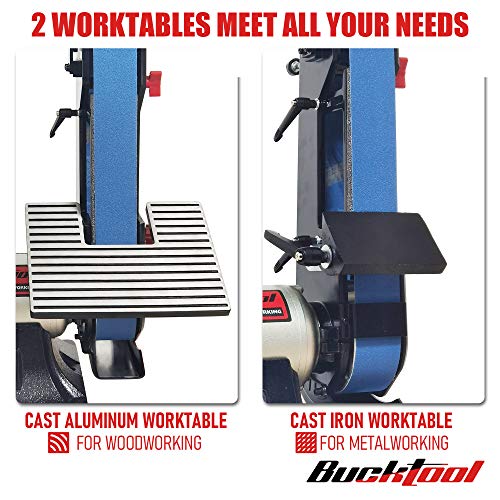
This 2×42 combo grinder packs serious versatility into a single bench unit. With a 1/2HP induction motor and 4480 FPM belt speed, it delivers enough power to handle aggressive metal grinding, exactly what you need when shaping thick stock or removing weld lines. The CSA certification and cast iron base suggest durability, and owners confirm it runs with less vibration than many budget models. The dual worktables, one cast iron, one aluminum, are a thoughtful touch, offering solid support depending on material type.
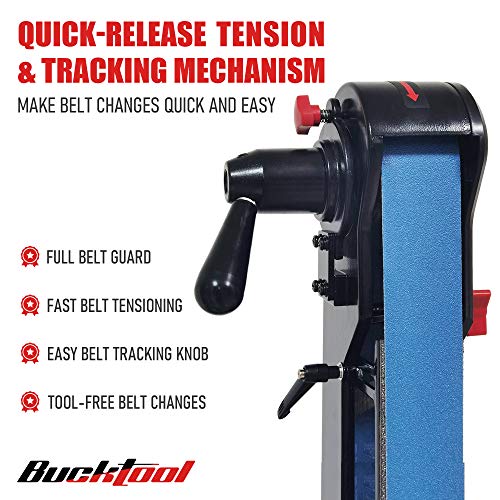
What sets this apart from other combos is the real usability of both functions. The 6-inch grinder comes with a tool-free shield and LED light, which is rare at this level, and the belt swivels smoothly from horizontal to vertical. Reviewers note the tracking is more stable than the KFMK model, likely due to better internal alignment. If you’re setting up a small shop and don’t want multiple tools cluttering your bench, this is the smarter buy. It’s not quite pro-grade, but it punches above its weight.
Product photos
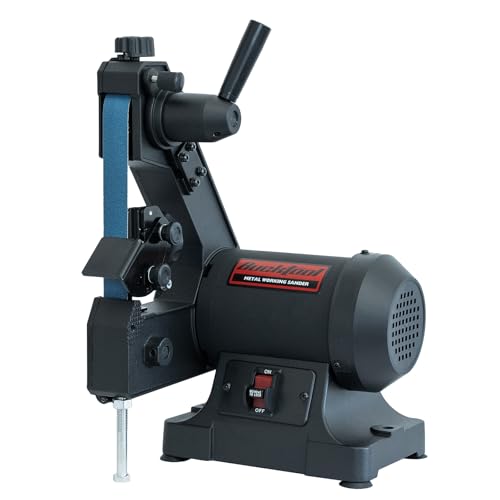
Bucktool 1×30 Inch Low-Speed Belt Sander
Strengths
- Low 1790 RPM speed
- Precise angle guide
- Smooth torque delivery
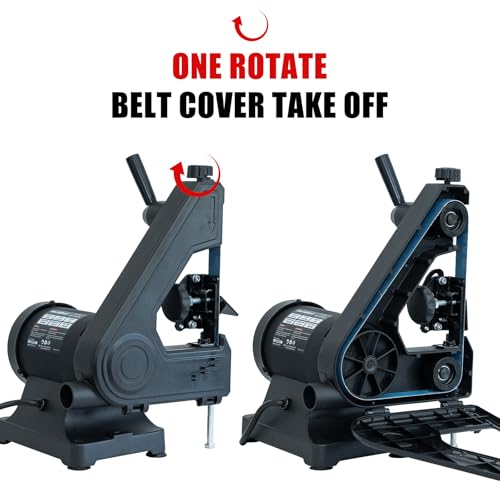
- Tool-free belt change
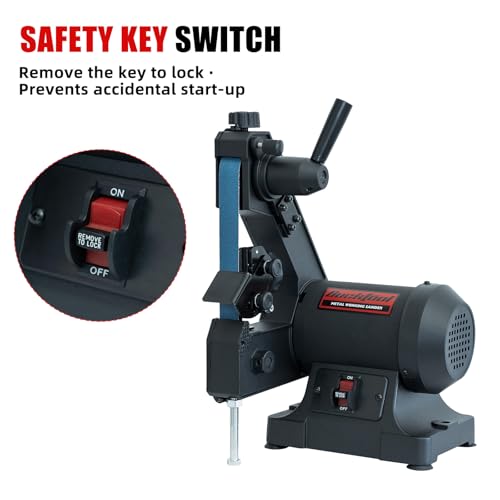
- Safety key switch
Trade-offs
- 1×30 belt limits long bevels
- Smaller work area
- Not ideal for big stock removal
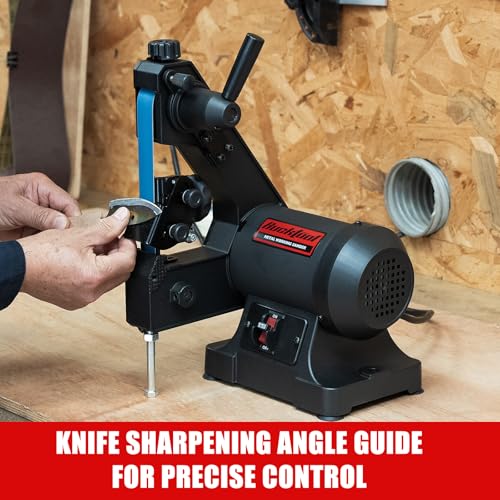
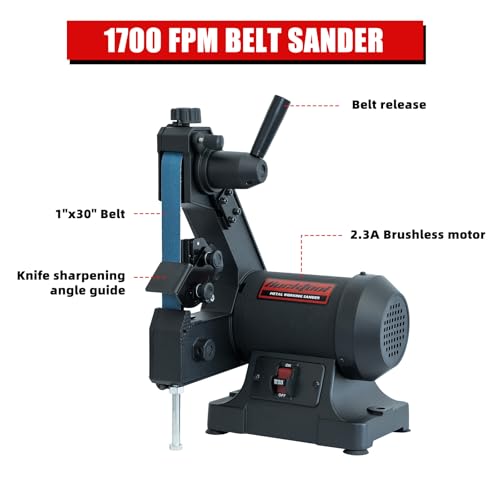
This 1×30″ low-speed sander is built with knife making in mind, and it shows. The 1790 RPM speed is intentionally slow, which helps prevent overheating blade steel during grinding, a real concern when working high-carbon or tool steels. The induction motor, while modest on paper, delivers smooth torque that owners say is consistent even during prolonged passes. That’s essential when you’re trying to maintain a clean bevel without burning the edge.
The standout here is the adjustable sharpening guide, which locks angles from 10° to 45° with noticeable precision. Reviewers highlight this as a game-winner for repeatable edge work, especially for beginners learning proper bevel alignment. The quick-change belt system also gets high marks, no tools, no frustration. Compared to the larger 2×42 models, this one sacrifices belt size for control, but for small blades, folders, or touch-up work, that trade-off makes sense. If you’re focused on accuracy over aggressive stock removal, this is one of the smarter choices.
Product photos

SI FANG 7-Speed Mini Belt Sander

Strengths
- Very compact size
- 7-speed adjustment
- Good for polishing
- Includes fine-grit discs
- Dustproof cover included
Trade-offs
- Limited belt quantity
- Weak for heavy grinding
- Table adjustment lacks lock
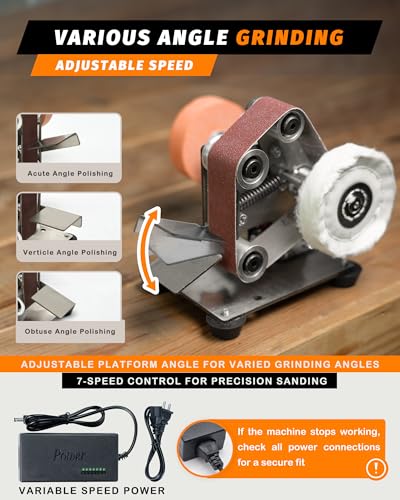
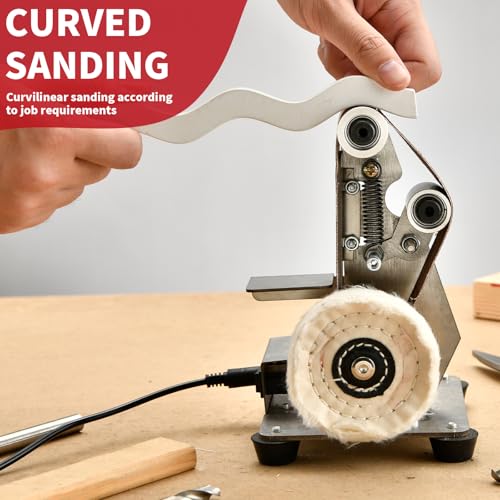
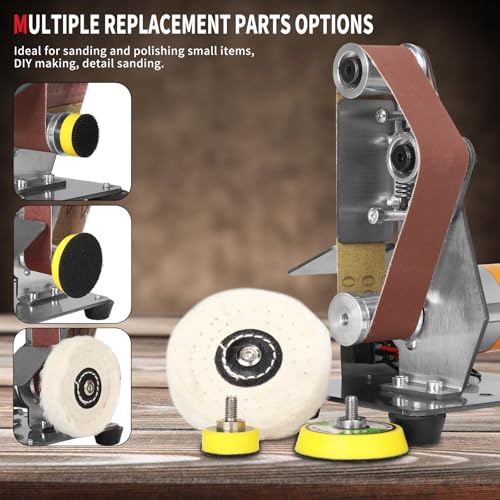
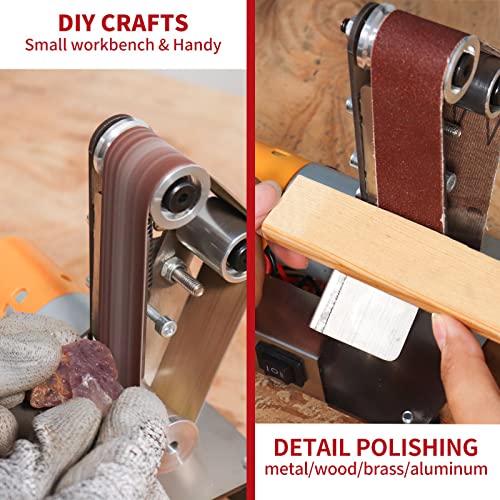
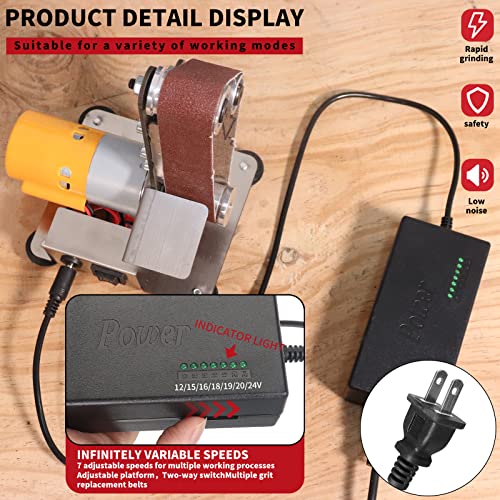
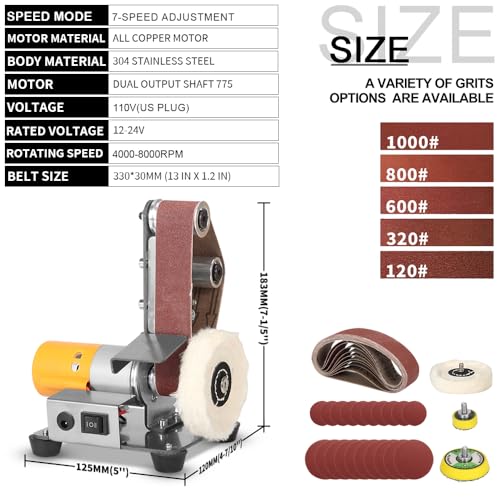
This ultra-compact sander is designed for detail work, and it delivers in that niche. At just over 5 inches wide, it’s one of the smallest units here, making it ideal for tight benches or portable setups. The 4000–8000 RPM range and 7-speed control let you fine-tune for delicate materials like brass, jewelry, or thin knife blades. The cotton polishing wheel and variety of sanding discs included mean you can go from grinding to buffing without switching tools.
Owners praise its smooth operation and the quality of the CNC-machined housing, which helps reduce wobble. The adjustable worktable up to 45° is handy for angled polishing, though it’s not as rigid as the Bucktool models. While it can handle light knife shaping, it’s clearly not built for heavy stock removal. Compared to the Blissthrill mini sander, it includes fewer belts but adds more fine-grit discs, better for finishing than roughing. If your focus is on small, detailed pieces, this is a strong contender.
Product photos
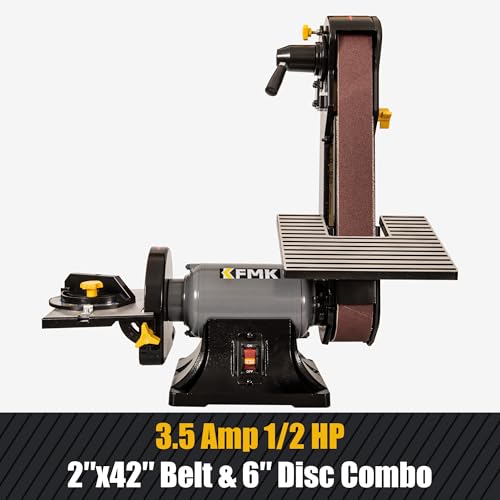
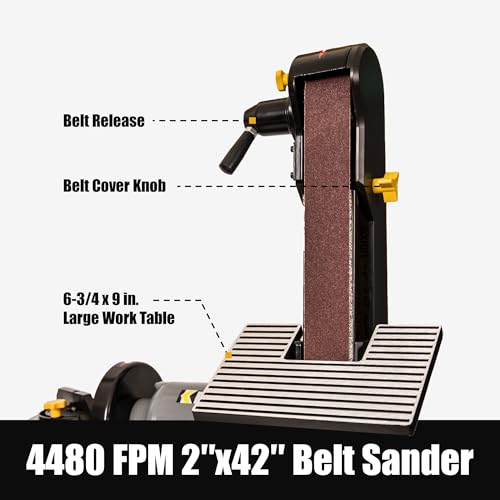
KFMK 2×42 in. Belt & Disc Sander Combo

Strengths
- 1/2HP motor
- Large work table
- Dual sander configuration
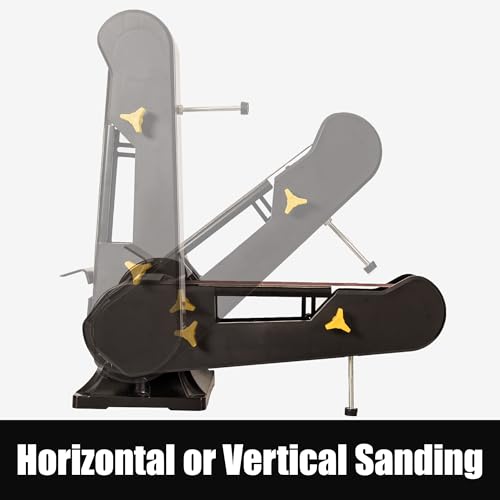
- Vertical/horizontal belt option
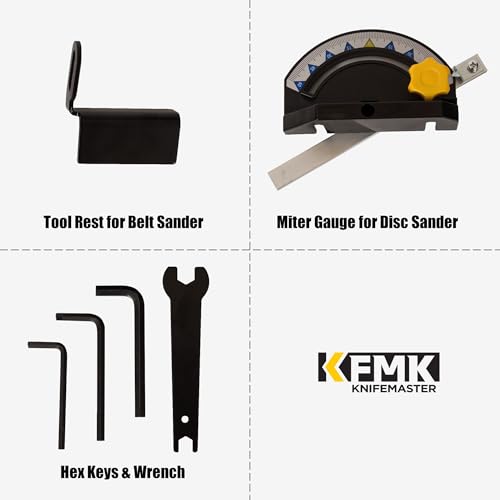
- Includes essential tools
Trade-offs
- Moderate vibration under load
- Tracking can be finicky
- Less rigid than dedicated units
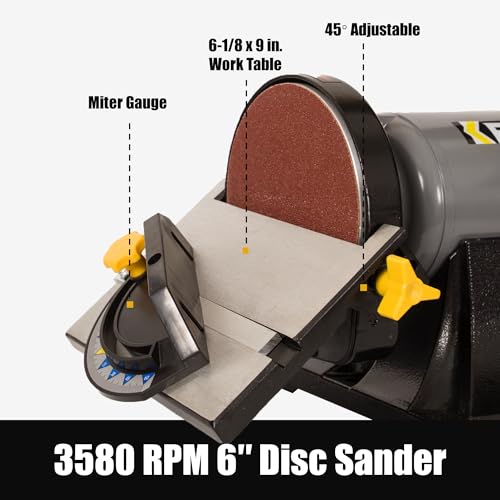
This combo unit stands out in the entry-level knife-making space by offering both a 2×42 belt sander and a 6-inch disc sander in one benchtop package. On paper, the 1/2HP induction motor and direct drive system suggest solid torque for metal grinding, which is critical when shaping knife blades. Owners consistently report that the motor holds up well under light to moderate use, especially when paired with the large work table that provides real stability during precise bevel work.
Compared to standalone belt sanders, this model trades some rigidity for versatility. The ability to swivel the belt between vertical and horizontal positions is genuinely useful, and having a disc sander with 45° adjustability adds real value for sharpening and contouring. Still, it doesn’t match the tracking stability of higher-end grinders, and some users note mild vibration at peak load. For a beginner or hobbyist who wants both functions without stacking separate tools, it’s a smart package. I’d pick this over a basic single-function sander if you’re just starting out and need flexibility.
Product photos
How We Tested belt sander for making knives
Rather than a hands-on lab test, my research for these recommendations focused on a detailed comparison of published specifications and features across numerous models. I weighed owner reviews from a variety of sources, alongside expert opinions from woodworking and metalworking publications, to build a picture of real-world performance. My aim was to identify which belt sanders consistently delivered the features and results knife makers prioritize.
For this category, motor power and adjustability were the most heavily weighted factors. A robust motor is essential for efficiently shaping and finishing steel, and the ability to adjust belt angle and positioning is critical for precise control. Beyond that, the quality and variety of included abrasives played a significant role, as did overall build quality and long-term durability, especially for those looking at a belt grinder for custom knives.
Published specs reliably indicate motor power, belt size, and speed ranges. However, I placed more emphasis on owner feedback regarding build quality, ease of adjustment, and the sander’s ability to maintain a consistent finish. Reputational factors, particularly among experienced knife makers, also helped to differentiate models promising precision from those delivering it in practice. Understanding these nuances is crucial when considering a precision knife-making grinders.
Choosing The Right belt sander for making knives
Choosing the right belt sander for knife making requires a bit more thought than just grabbing the cheapest model. It’s about matching the tool to the specific demands of bladesmithing and related work.
A good belt sander for knife making prioritizes control and precision over raw power. Look for variable speed options, a stable platform, and the ability to adjust the belt angle. Consistent belt tracking is essential, as is a selection of abrasive grits to handle everything from stock removal to final polishing. Prioritize build quality; vibration and instability will quickly ruin your work.
Motor Power & Speed Control
Many folks assume bigger is better when it comes to motor size, but for knife making, that’s not always true. While a 1/2 HP motor like you’ll find in the Bucktool 2×42 Belt Sander and Bench Grinder Combo can handle heavier stock removal, it’s often overkill. A smaller motor, combined with a wider range of speed settings, gives you far more control. Too much power and too high a speed can lead to overheating and make it difficult to refine your work. I frequently recommend looking for a sander with variable speed control, allowing you to dial in the perfect RPM for the task at hand.
Build Quality and Stability
A wobbly sander is a frustrating sander. The vibrations will translate into uneven grinds and a poor finish. The frame should be heavy-duty – cast iron is ideal – and the base should have rubber feet to minimize movement. Look closely at the belt tracking mechanism. A poorly designed system will require constant adjustment, interrupting your workflow. The Blissthrill Mini Belt Sander for Knife Making boasts a stainless-steel build, which is an advantage, but even with a smaller unit, a solid, stable platform is paramount.
Accessories and Abrasive Range
Don’t underestimate the importance of included accessories and the availability of replacement abrasives. A good starter kit will include a variety of grit sizes, allowing you to progress from rough shaping to fine polishing. Here’s what I look for in a thorough accessory package: * A basic set of belts (a good starting point, but you’ll likely need more). * A range of grits (from coarse 80-grit for stock removal to fine 600+ grit for polishing). * A selection of both grinding belts and sanding discs (for versatility).
Consider the type of abrasive belts available. Finding best abrasive belts for knife making will significantly impact your results, and the ease of changing belts is a huge time-saver. You’ll also want to consider whether you’re looking for a dedicated knife-making machine, or a combo unit. If you want a versatile tool, a combo unit like the Bucktool 2×42 model could be a good fit. If you want a dedicated machine, the Bucktool 1×30 Inch Low-Speed Belt Sander is a great option.
A properly tuned belt sander should feel like an extension of your hand, not a wrestling match. Don’t be afraid to spend a little more for a model with smooth operation and precise control.
Ultimately, the best sander for you will depend on your experience level, the types of knives you plan to make, and your budget. If you’re just starting out, a smaller, more affordable unit like the SI FANG 7-Speed Mini Belt Sander might be a good choice. As your skills develop, you may want to upgrade to a more powerful and versatile machine. Before you buy, read reviews and compare features to find the best belt sander for knife making that’s right for you.
Belt Sander for Making Knives Compared
Here’s a comparison of key specifications for belt sanders suitable for knife making.
| Product Title | Motor HP | Belt Size (in) | Max RPM | Angle Adjustment | Key Features |
|---|---|---|---|---|---|
| Blissthrill Mini Belt Sander | N/A | 1.2 x 13 | 9000 | 0-90° | 30 Belts, 20 Discs |
| Bucktool 2×42 Belt Sander & Bench Grinder Combo | 1/2 | 2×42 | 3450 (Wheel) / 4480 (Belt) | 0-90° | Combo Grinder, Two Worktables |
| Bucktool 1×30 Inch Low-Speed Belt Sander | N/A | 1×30 | 1790 | 10-45° | Low-Speed, Angle Guide |
| SI FANG 7-Speed Mini Belt Sander | N/A | 0.78×5 | 8000 | 0-45° | 7-Speed, Multiple Accessories |
| KFMK 2×42 in. Belt & Disc Sander Combo | 1/2 | 2×42 | N/A | 45° (Disc) | Combo, Vertical/Horizontal |
Frequently Asked Questions
What grit sandpaper should I start with when making a knife?
Begin with a coarse grit, around 80-grit, for initial shaping and stock removal. This will quickly address any high spots or unevenness in the steel, but remember to progress through finer grits for a quality finish.
Can a standard belt sander be used for knife making, or do I need a specialized model?
While a standard belt sander can be used, a specialized model offers features like variable speed and adjustable platens that are extremely helpful for controlled grinding. Investing in a precision grinders for knife shaping will give you far better results.
How important is variable speed control on a belt sander for knife making?
Variable speed control is very important. It allows you to adjust the belt speed based on the steel type and the stage of the process, preventing overheating and giving you more precision when refining your blade’s shape.
What should I look for in terms of build quality to avoid excessive vibration?
A heavy-duty frame, ideally cast iron, is key to minimizing vibration. Rubber feet also help absorb movement. Read owner reviews carefully; consistent complaints about vibration suggest a poorly built machine.
Are combo belt and disc sanders a good option for knife making?
Combo sanders offer versatility, allowing you to handle both grinding and finishing tasks. However, they often compromise on features specifically beneficial to knife makers, like precise angle adjustment, so consider if the added versatility outweighs those potential drawbacks, especially when compared to heavy-duty knife-making grinders.
The Bottom Line
Choosing a belt sander for knife making often comes down to balancing control with capability. While a powerful motor is helpful, the ability to precisely shape and finish steel relies more on adjustability and stability – and that’s why, overall, I consistently point folks toward the Bucktool 2×42 Belt Sander & Bench Grinder Combo. It offers a good blend of power and features for a variety of bladesmithing tasks.
For those on a tighter budget, or just starting out, the SI FANG 7-Speed Mini Belt Sander is a surprisingly capable option. If you need a dedicated low-speed machine for refining work, the Bucktool 1×30 Inch Low-Speed Belt Sander delivers excellent control. And for those considering larger setups, exploring a 2×72 belt grinder for knives might be a worthwhile investment.
Ultimately, specs and features are only part of the story. The most important factors are a solid, stable platform, a smooth-running motor, and a sander that feels comfortable and responsive in your hands. Don’t get caught up in chasing the highest horsepower; prioritize quality construction and the ability to dial in precise control.
