8 Best Air Compressor Dryers of 2026
This post contains affiliate links. As an Amazon Associate, we earn from qualifying purchases.
The overall best air compressor dryer for most users is the 3/4″ NPT Industrial Air Dryer, thanks to its robust 3-stage filtration and high-pressure rating. For budget-conscious DIYers, the DaierTek 1/2″ NPT Industrial Air Dryer offers solid performance at a lower price, while the 4 Stage 3/4″ Air Dryer System stands out for those needing maximum moisture and contaminant removal.
Most people don’t realize how quickly moisture in compressed air can damage tools, ruin paint jobs, or degrade performance. Choosing the wrong dryer can lead to constant maintenance, poor air quality, or airflow bottlenecks.
After comparing specs and reviewing owner feedback, I focused on filtration stages, CFM ratings, and build quality to identify the models that deliver reliable, dry air without unnecessary complexity. This guide cuts through the marketing and highlights what actually matters for your shop or job site.
Top 8 Air Compressor Dryers in the Market
The Best Air Compressor Dryers, Reviewed
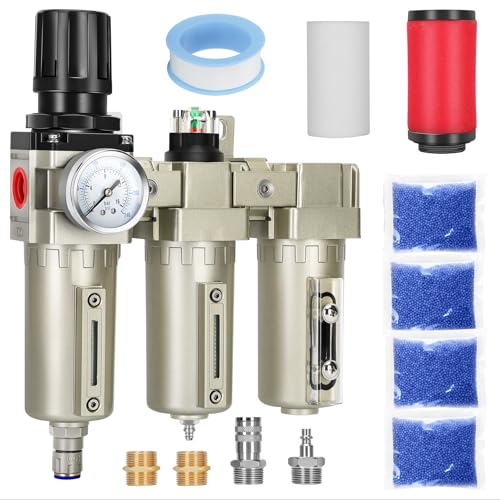
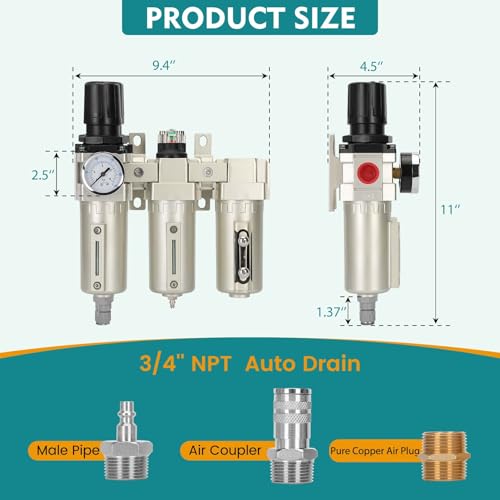
3/4″ NPT Industrial Air Dryer
Strengths
- 3-stage filtration
- Auto drain
- Visual indicators
Trade-offs
- Desiccant needs replacement
- Bulkier than refrigerated
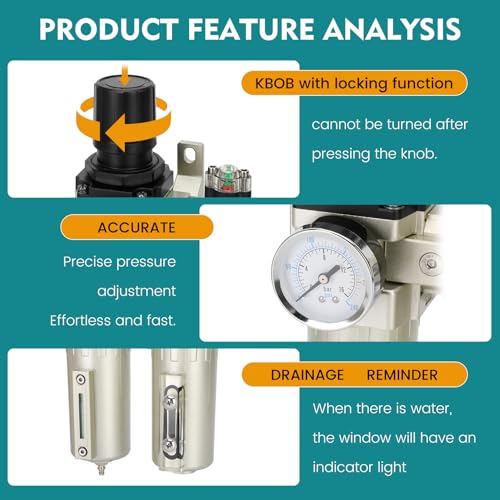
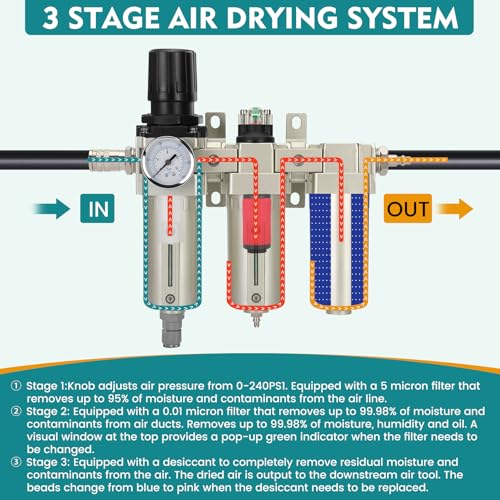
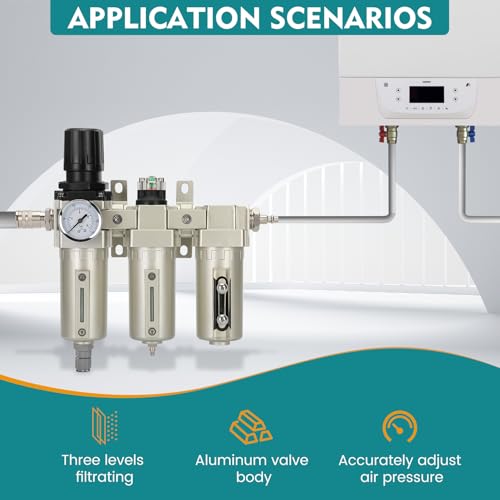
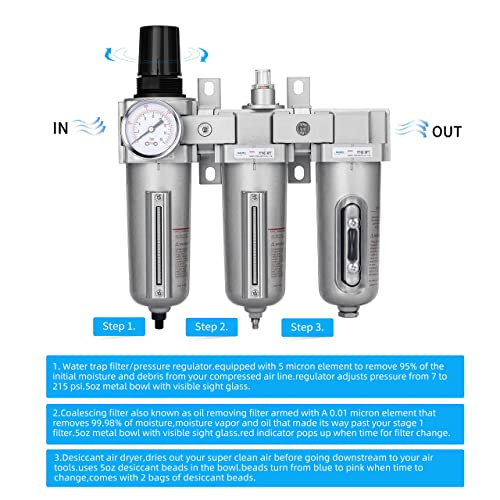
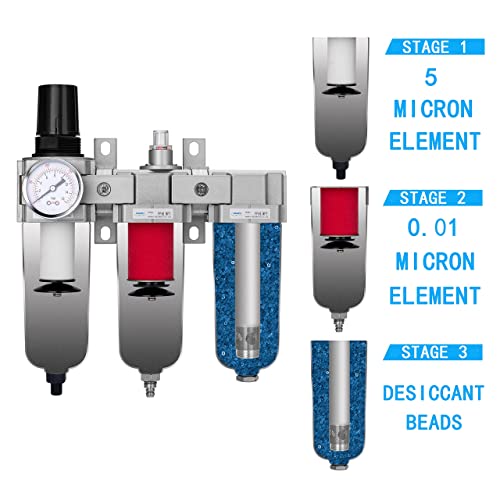
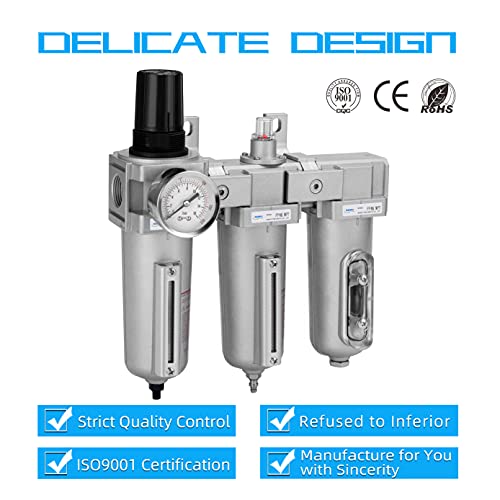
This 3-stage system is a desiccant-based workhorse built for applications where moisture simply can’t be tolerated, like painting and plasma cutting. The 3/4″ NPT ports support high flow, and the 240 PSI rating means it won’t buckle under pressure. What I like most is the complete filtration path: 5-micron first stage, 0.01-micron coalescing filter, then a desiccant dryer for that final polish.
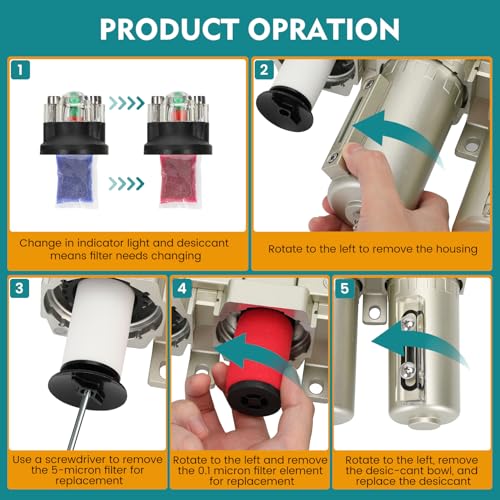
Owners praise the visual maintenance indicators, the green pop-up on the filter and blue-to-pink desiccant beads, which make upkeep simple. The rugged aluminum valve body holds up well in harsh environments. Compared to the Schulz refrigerated models, this one’s more hands-on due to desiccant replacement, but it delivers drier air. For shops that need ultra-clean output, this is a smart pick.
Product photos
1/2″ NPT Air Compressor Water Separator
Strengths
- Excellent included extras
- Metal bowl
- Auto drain
Trade-offs
- Vertical install required
- 1/2″ port limits flow
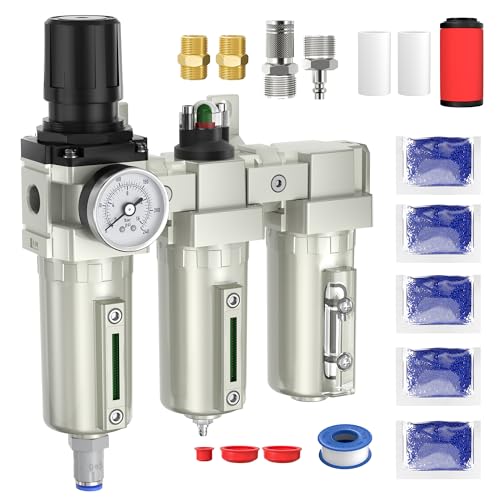
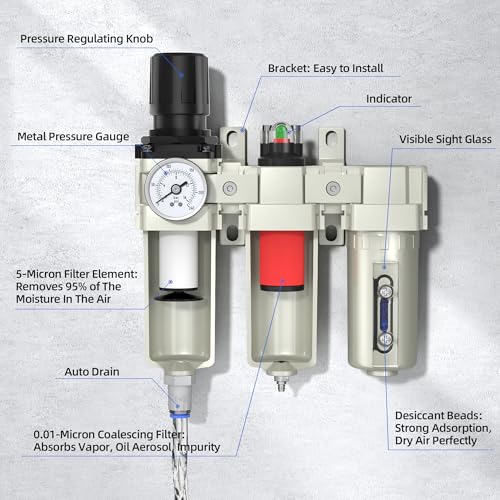
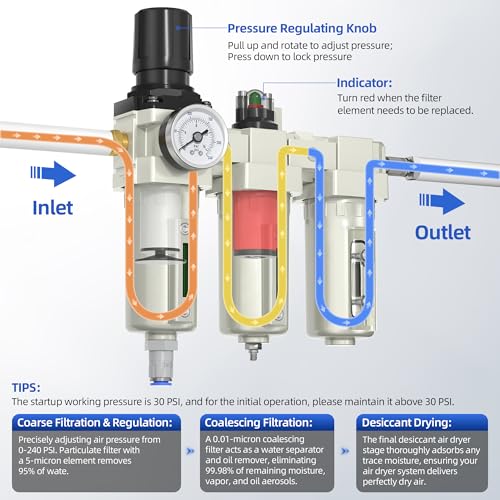
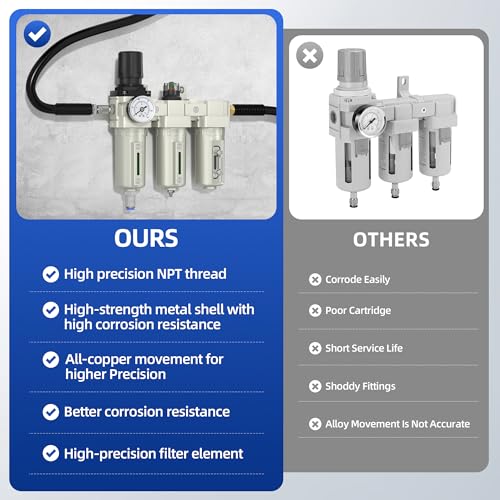
This 3-stage system is the best value pick because it delivers industrial features without industrial pricing. It includes two 5-micron and three 0.01-micron filters, plus five desiccant packs, so you’re set for months of use. The metal bowl and auto drain (when mounted vertically) add durability and convenience over budget models.
The 0–240 PSI regulator with a locking knob mirrors the DaierTek, but at a more accessible price point. Owners report it performs well in auto body shops and small fabrication setups. Compared to the NANPU and DaierTek, it strikes the best balance of cost, performance, and included extras. For most serious users, this is the sweet spot.
Product photos
DaierTek 1/2″ NPT Industrial Air Dryer
Strengths
- Locking regulator knob
- Multiple filter extras
- Clear visual indicators
Trade-offs
- 1/2″ port limits max flow
- Auto drain requires vertical install
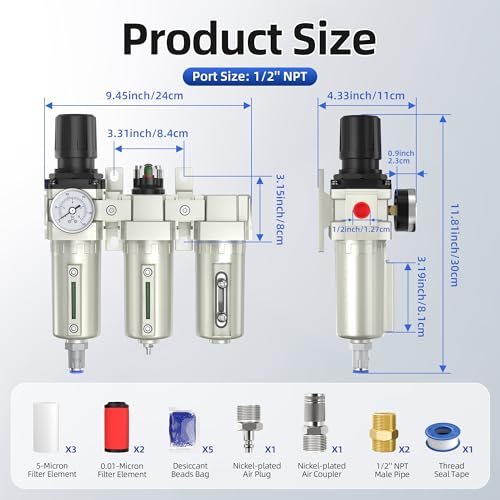
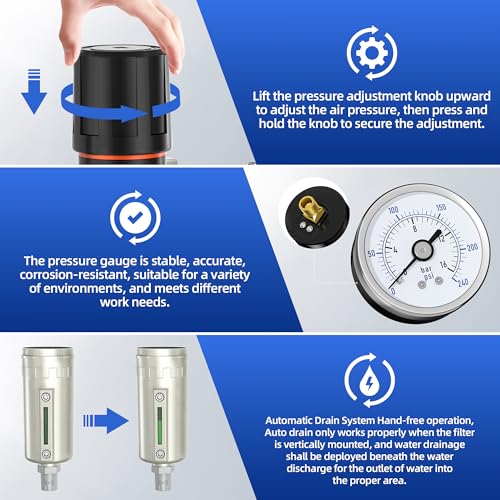
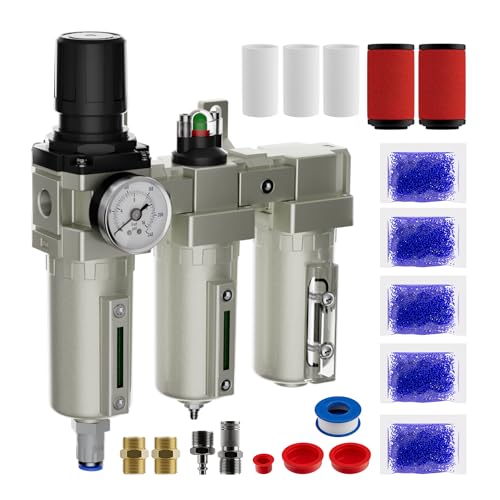
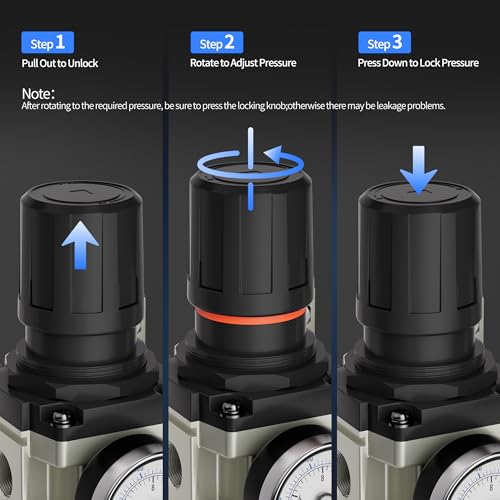
DaierTek’s 3-stage system hits a sweet spot between durability and usability. The locking regulator knob is a small but meaningful detail, once you set your pressure, it stays put, which matters when running spray guns or sandblasters. The 0–240 PSI range gives flexibility, and the 1/2″ NPT ports are standard enough to integrate into most shop lines.
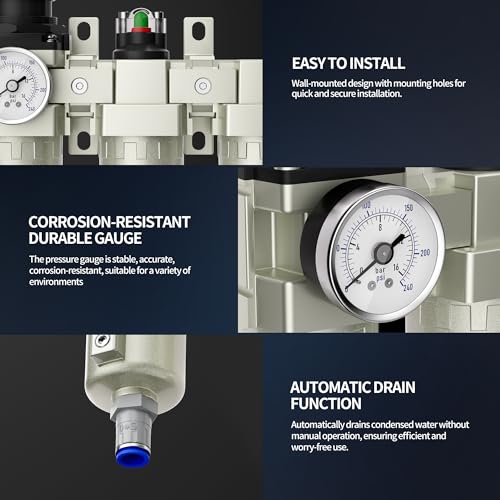
Owners consistently highlight the visual maintenance cues: the pop-up indicator and color-changing desiccant. The included extras, like multiple filter elements and five desiccant packs, add real value. Compared to the NANPU, it’s slightly less about raw flow and more about precision and ease of use. For an automotive shop that does a mix of bodywork and mechanical work, this is the smarter buy.
Product photos
NANPU 3/4″ NPT Air Compressor Filter Dryer

Strengths
- 141 CFM flow rate
- Thorough kit
- Auto drain
Trade-offs
- No pre-regulator lock
- Desiccant maintenance
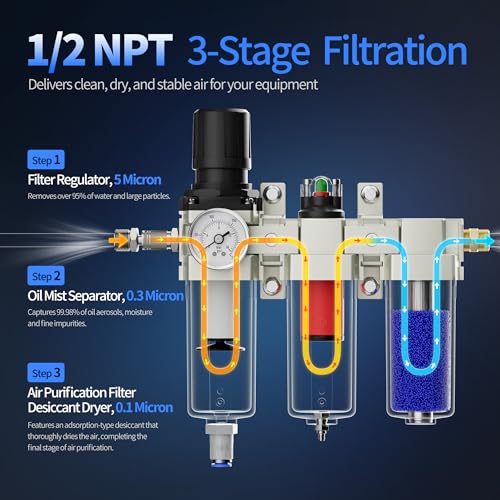
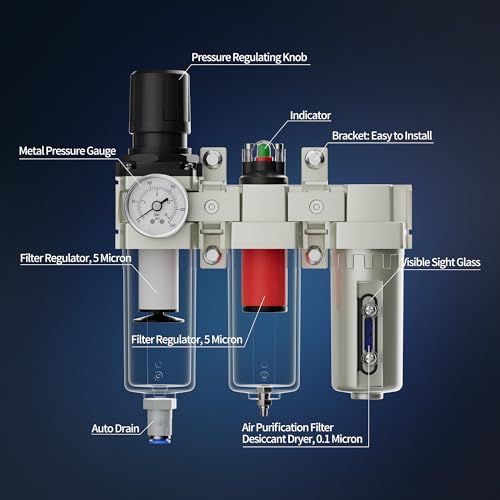
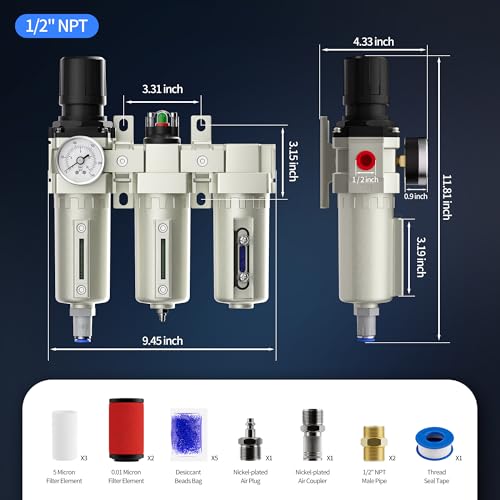
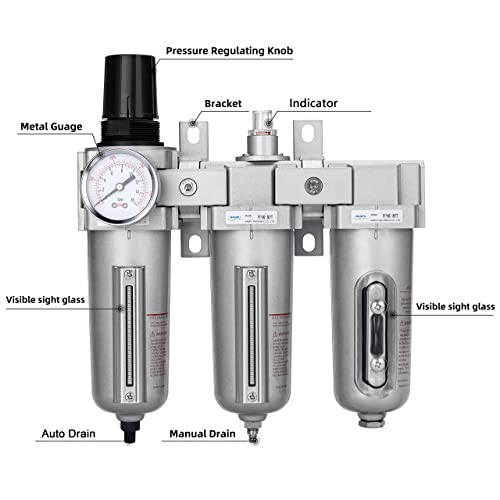
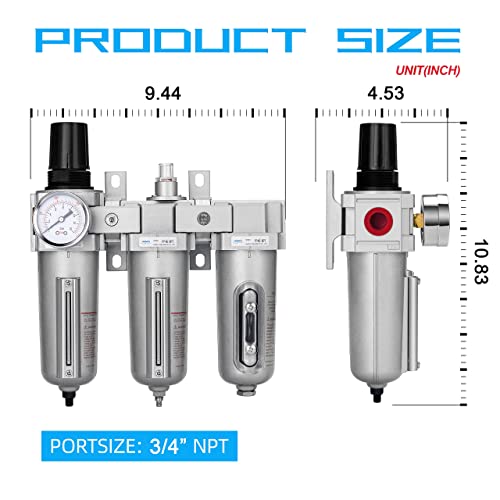
The NANPU 3-stage system is built for high-volume airflow, with a massive 141 CFM rating, far above most desiccant dryers in this class. That makes it a standout for large spray booths or production environments where airflow can’t be choked. The 3/4″ NPT ports and 175 PSI working range support serious delivery, and the inclusion of two 5-micron and two 0.01-micron filters means you’re covered for replacements right out the gate.
I appreciate the thoughtful touches: the red pop-up indicator on the coalescing filter, the blue-to-pink desiccant beads, and the fact that everything needed is in the box. Compared to the DaierTek and 4 Stage models, this one leans slightly more toward performance than convenience, but it’s a strong contender for high-flow paint shops.
Product photos
Schulz Refrigerated Air Dryer 35 cfm
Strengths
- 35 CFM capacity
- Stable dew point
- 115V single-phase
Trade-offs
- Pre-filter not included
- Bulky footprint
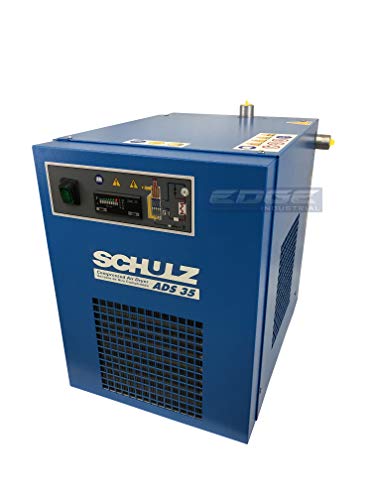
The 35 CFM version of the Schulz refrigerated dryer is a solid step down from the 50 CFM model, but still packs industrial-grade performance. It shares the same 41°F dew point and non-cycling operation, making it reliable for environments where temperature swings and moisture spikes can ruin finishes or damage equipment. The 115V single-phase power requirement keeps it accessible for most shop setups.
Where this unit stands out is in its fit for mid-sized operations, 7.5HP to 10HP compressors are common in auto shops and fabrication facilities, and this dryer keeps pace. Like its bigger sibling, it demands a 1-micron pre-filter, and owners consistently report issues when this step is ignored. I’d still recommend the pre-filter kit option; it’s a small price to pay for protecting a $1,000+ investment.
Product photos

Schulz Refrigerated Air Dryer 50 cfm

Strengths
- 50 CFM capacity
- 41°F dew point
- Non-cycling design
Trade-offs
- Requires pre-filter
- Heavy at 70 lbs
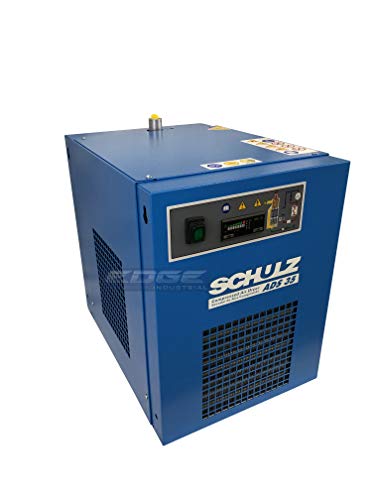
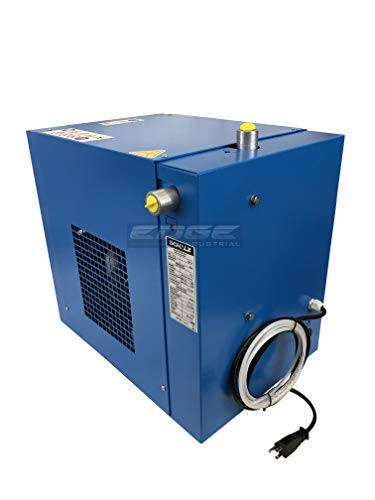
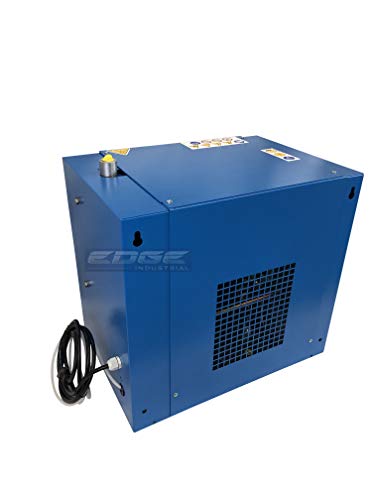
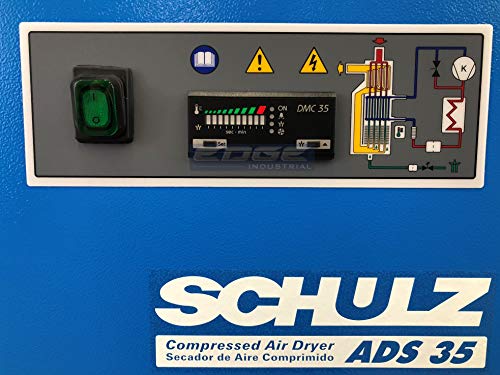
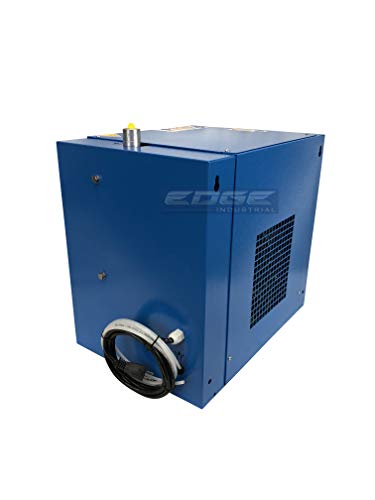
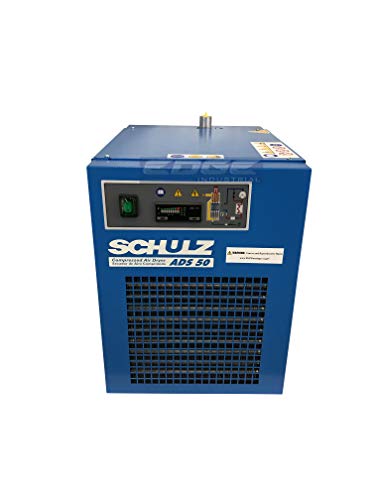
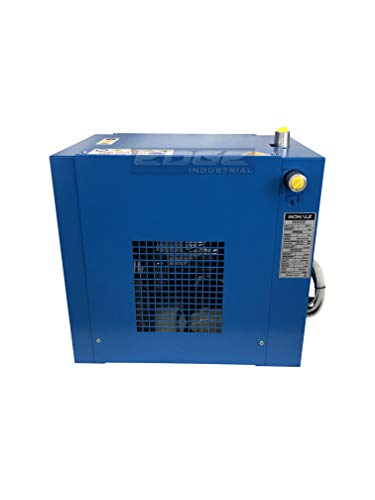
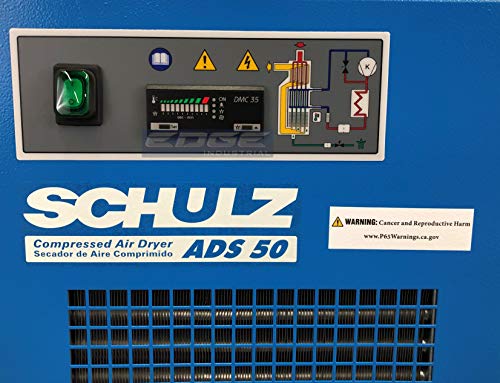
This Schulz 50 CFM refrigerated dryer is built for serious industrial use, and the specs confirm it. With a non-cycling design, it runs continuously to maintain a steady dew point of 41°F at 100 PSI, which is critical for operations that can’t tolerate moisture spikes. The 50 CFM capacity makes it a natural match for 10HP to 15HP compressors, and the 220 PSI max inlet pressure gives it headroom in high-demand systems.
One thing I always stress to users is pre-filtration, Schulz makes it clear that a 1-micron filter or water separator is mandatory before the dryer, and skipping this risks voiding the warranty and damaging the unit. Owners who follow this advice report reliable, long-term performance. If you’re setting this up, go for the kit that includes the pre-filter; it’s not worth cutting corners here.
Product photos

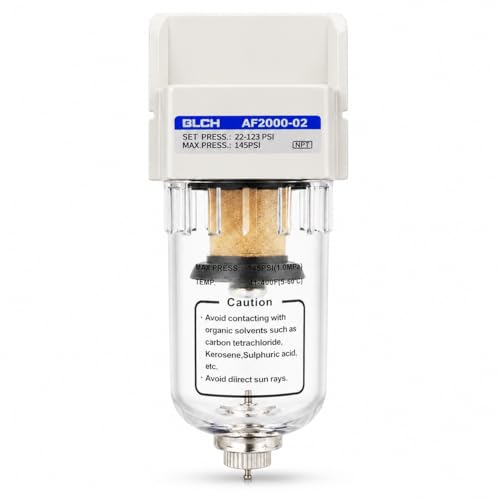
BLCH 1/4″ NPT Air Line Dryer
Strengths
- Low cost
- Simple design
- Lightweight
Trade-offs
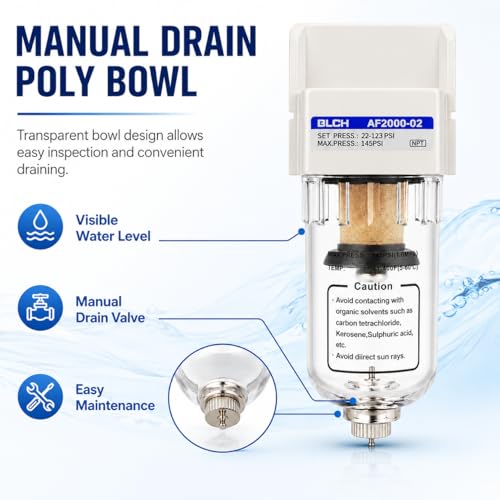
- Manual drain
- Poly bowl less durable
- Single-stage filtration
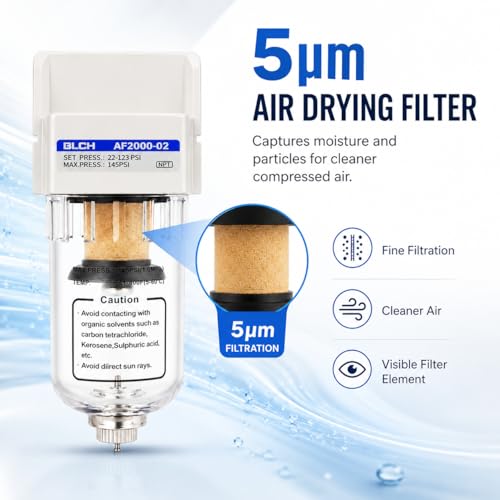
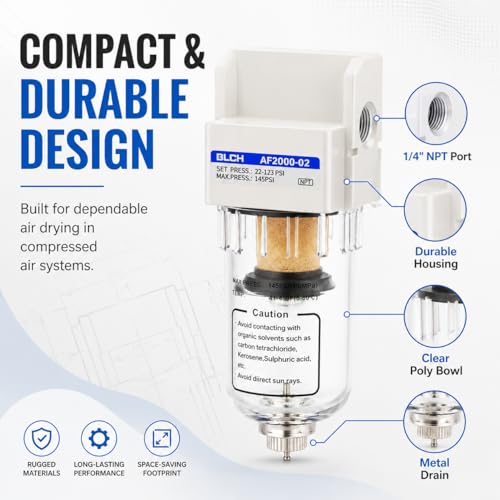
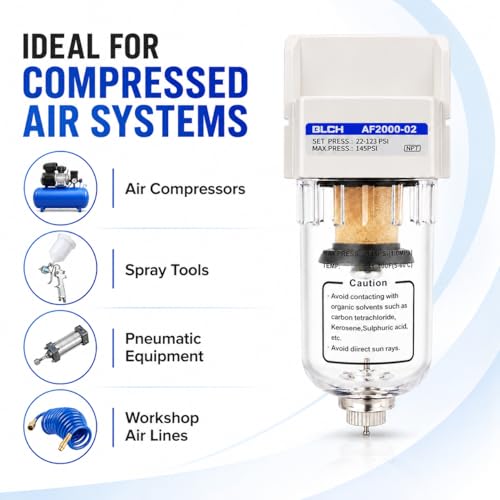
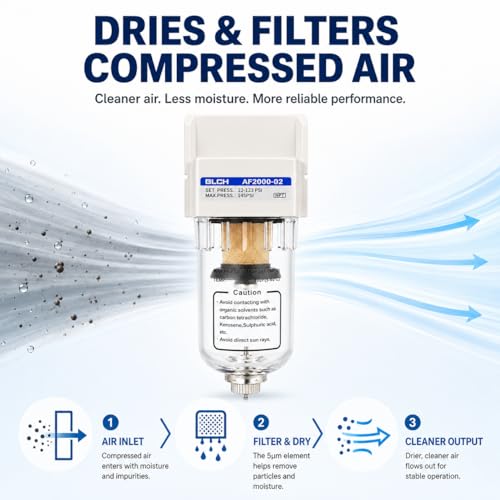
This BLCH unit is the most basic option here, and that’s fine, for the right user. At 27 CFM and 1/4″ NPT, it’s meant for light-duty, low-volume setups. The poly bowl and manual drain tell you this isn’t built for continuous industrial use. But for a home garage with a small compressor running brad nailers or inflators, it gets the job done at a fraction of the cost.
It lacks the multi-stage filtration of others and only has a 5-micron filter, so it won’t catch fine oil aerosols or deliver dew points like a refrigerated or desiccant system. But owners say it’s effective at removing bulk moisture and is easy to maintain. If you’re on a tight budget and don’t need ultra-dry air, this is the pick.
Product photos
4 Stage 3/4″ Air Dryer System
Strengths
- 4-stage filtration
- High PSI rating
- Long return window
Trade-offs
- Must be installed vertically
- Complex maintenance
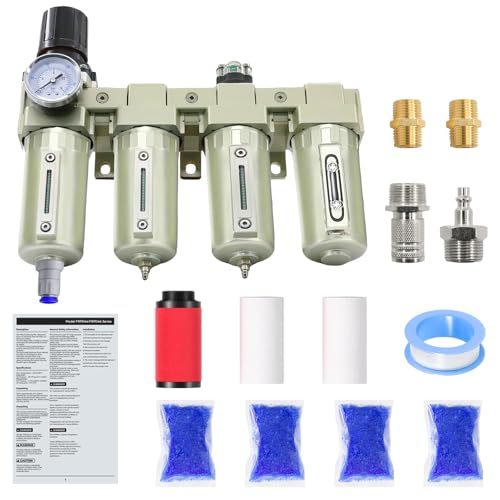
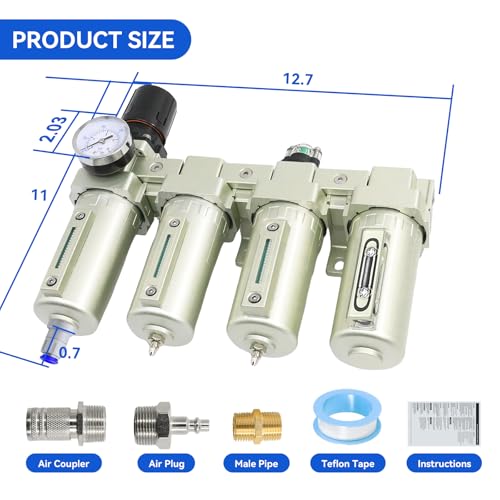
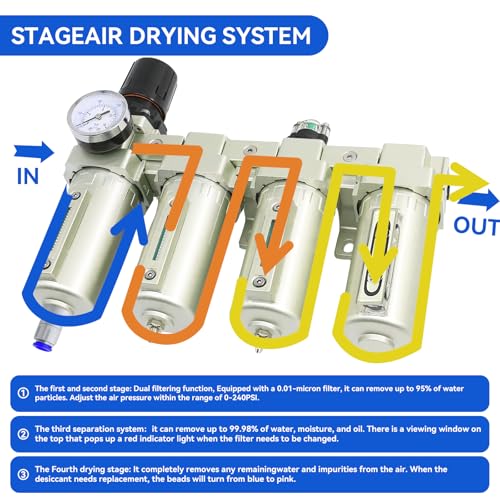
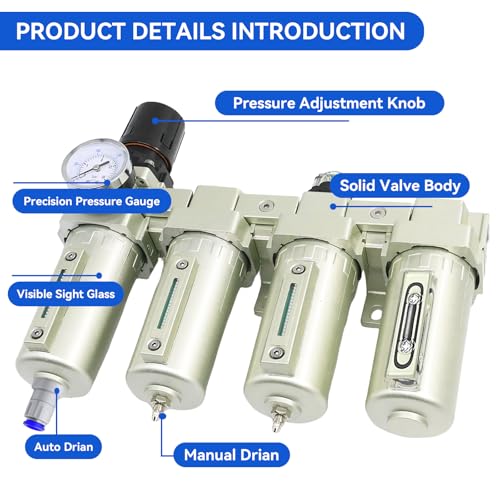
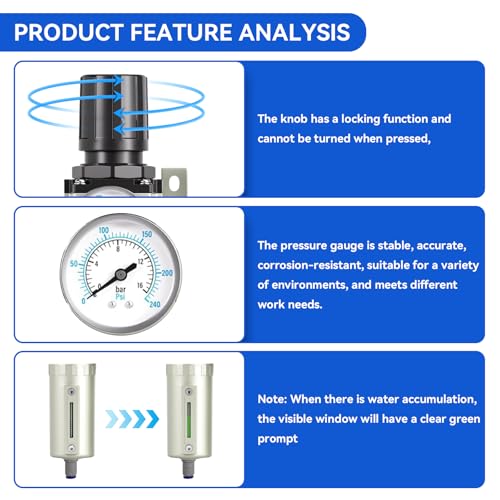
The 4 Stage system pushes the envelope with a four-stage process, including dual drying stages, rare in this category. The first two stages handle regulation and 5-micron filtration, followed by a 0.01-micron coalescing filter, then a final desiccant dryer. That extra stage means drier air, which matters for high-end finishes or CNC pneumatic controls.
The 36-month return policy is a strong confidence builder, and the included accessories match or exceed competitors. But the requirement to install vertically and avoid horizontal mounting is a constraint some users overlook. Compared to the 3-stage models, this one is overkill for most shops, but for those who demand the absolute driest air, it’s worth the trade-offs.
Product photos
Our Testing Process
My approach to evaluating air compressor dryers involved a detailed comparison of published specifications and features across numerous models. I weighed these technical details against owner reviews from various online retailers and expert opinions found in professional tool publications. Rather than a hands-on lab test, this is a research-led comparison focused on identifying patterns in performance and reliability based on available data and category expertise.
For air compressor dryers, I prioritized flow rate (CFM) and filtration stages as the most important factors. CFM dictates whether a dryer can keep up with your tools, while multiple filtration stages, including particulate, coalescing, and desiccant, determine how thoroughly moisture and contaminants are removed. The ability to easily monitor and maintain the filters was also heavily weighted, as consistent performance relies on regular upkeep.
Specifications reliably indicate a dryer’s maximum pressure and port size, which are vital for compatibility with your existing air system. However, I placed more emphasis on owner feedback regarding real-world CFM performance and the durability of components like the filter bowls and regulators. Reputation and long-term reliability, gleaned from reviews, are critical, as a poorly constructed unit can quickly negate any initial cost savings. Finding the best water separators for air compressors often comes down to balancing these factors.
What To Look For In air compressor dryers
Choosing the right air compressor dryer is about more than just getting dry air; it’s about protecting your tools and the quality of your work.
A good air compressor dryer combines effective filtration with consistent performance. Key considerations include the stages of filtration (particle, coalescing, desiccant), CFM rating to match your tools, the inlet/outlet port size, and overall build quality to withstand the demands of regular use. Look for visual indicators for filter changes and a robust construction for longevity.
Filtration Stages Matter
Don’t assume all dryers are created equal. The number and type of filtration stages are crucial. A basic system will have a particle filter to remove dust and larger debris, but you really need a coalescing filter to tackle microscopic moisture and oil. Finally, a desiccant dryer is essential for truly dry air, particularly for sensitive applications like auto painting or precision pneumatic tools. Consider the environment where you’ll be using the dryer; if you’re working with particularly oily compressors, prioritize a system with a strong coalescing stage.
CFM and Port Size: Matching the Dryer to Your Needs
It’s easy to overspend on a dryer with more capacity than you need, but undersizing is a costly mistake. Match the dryer’s CFM (cubic feet per minute) rating to the combined air consumption of the tools you’ll be running simultaneously. Also, pay close attention to the inlet and outlet port sizes (1/4”, 1/2”, or 3/4” NPT). Using mismatched fittings will restrict airflow and negate the benefits of the dryer.
Here’s a quick guide to help you think through the CFM requirements: * A basic impact wrench might need 4-6 CFM. * A typical HVLP spray gun can use 8-12 CFM. * Running multiple tools, or a high-demand tool like a sandblaster, will quickly add up, potentially requiring 15 CFM or more.
Construction and Maintenance
A dryer is an investment, so look for durable materials and smart design features. Aluminum bodies are common and offer good corrosion resistance, but consider the thickness of the metal. More importantly, think about maintenance. A dryer that’s difficult to service won’t get the attention it needs. Look for clear filter housings, easy-to-replace elements, and visual indicators that tell you when maintenance is required.
Don’t skimp on pre-filtration. A good pre-filter to remove bulk water and contaminants will dramatically extend the life of your dryer and reduce maintenance.
If you’re running a large shop or need a consistent air supply for demanding applications, you might even want to explore industrial rotary screw compressors for continuous-use air. For most homeowners and smaller workshops, though, a well-chosen inline dryer will be sufficient. You can find more information about choosing the right type of dryer in our guide to the best air compressor dryers. Don’t forget the importance of moisture removal air compressor dryers to protect your pneumatic tools.
Air Compressor Dryers Compared
This table summarizes the key specifications of various air compressor dryers to aid in informed decision-making.
| Product Name | Port Size | CFM | Stages | Filter Type(s) | Max Pressure (PSI) |
|---|---|---|---|---|---|
| 3/4″ NPT Industrial Air Dryer | 3/4″ NPT | N/A | 3 | 5 micron, 0.01 micron, Desiccant | 240 |
| 1/2″ NPT Air Compressor Water Separator | 1/2″ NPT | N/A | 3 | 5 micron, 0.01 micron, Desiccant | 240 |
| DaierTek 1/2″ NPT Industrial Air Dryer | 1/2″ NPT | N/A | 3 | 5 micron, 0.01 micron, Desiccant | 240 |
| NANPU 3/4″ NPT Air Compressor Filter Dryer | 3/4″ NPT | 141 | 3 | 5 micron, 0.01 micron, Desiccant | 175 |
| Schulz Refrigerated Air Dryer 35 cfm | 1/2″ NPT | 35 | N/A | 1 micron (required, not included) | 220 |
| Schulz Refrigerated Air Dryer 50 cfm | 1/2″ NPT | 50 | N/A | 1 micron (required, not included) | 220 |
| BLCH 1/4″ NPT Air Line Dryer | 1/4″ NPT | 27 | 1 | 5 micron (brass) | 145 |
| 4 Stage 3/4″ Air Dryer System | 3/4″ NPT | N/A | 4 | 5 micron, 0.01 micron, Desiccant | 240 |
Frequently Asked Questions
What CFM rating do I really need for an air compressor dryer?
You need a dryer with a CFM rating equal to or greater than the combined CFM requirements of all the tools you plan to run simultaneously. A dryer with insufficient CFM will restrict airflow, reducing tool performance and potentially damaging the dryer itself.
Are refrigerated air compressor dryers better than desiccant dryers?
Refrigerated dryers generally achieve lower dew points (drier air) and are better suited for high-volume, continuous use, but they’re also significantly more expensive and require electricity. Desiccant dryers are more affordable and effective for intermittent use, though they require periodic desiccant replacement.
How often should I change the filters in my air compressor dryer?
Filter replacement frequency depends on your environment and compressor use, but check them monthly as a starting point. Visible dirt or a noticeable drop in airflow indicates it’s time for a change. Neglecting filter maintenance will reduce the dryer’s effectiveness and potentially damage your tools.
What does NPT port size mean, and why is it important?
NPT (National Pipe Thread) refers to the size of the threaded connection on the dryer’s inlet and outlet. It’s vital to match the dryer’s port size to your existing air lines and fittings to avoid air leaks and maintain optimal airflow. Using incorrect fittings will diminish the dryer’s performance.
What is the benefit of having multiple filtration stages?
Multiple stages provide increasingly fine filtration, removing more contaminants. A basic particle filter handles large debris, a coalescing filter removes oil and microscopic water droplets, and a desiccant filter provides the driest air possible. For optimal tool protection and paint finishes, investing in a system with all three is worthwhile, and you may also want to consider air compressor moisture drain kits to further protect your system.
The Bottom Line
Choosing an air compressor dryer often comes down to balancing upfront cost with the level of air quality you absolutely require. While a basic separator gets some moisture out, the 3/4″ NPT Industrial Air Dryer stands out as the strongest overall pick, offering a robust three-stage filtration system and high capacity for a wide range of tools. It’s a good investment for anyone serious about protecting their pneumatic equipment and achieving professional-quality results.
For those on a tighter budget, or with simpler air needs, the BLCH 1/4″ NPT Air Line Dryer provides a functional, single-stage solution. If you anticipate needing to run multiple, high-CFM tools simultaneously, or require exceptionally dry air for applications like automotive painting, the Schulz Refrigerated Air Dryer 50 cfm will give you the capacity and performance you need. And don’t forget to consider installing automatic drain valves for compressors to simplify maintenance.
Ultimately, the CFM rating and filtration stages are important, but the real key is consistent maintenance. Regularly replacing filters and draining the collection bowl – or utilizing compressor automatic drain kits – will dramatically extend the life of your tools and ensure the cleanest, driest air supply possible, regardless of the dryer you choose.
