3 Best 4×4 CNC Routers of 2026
This post contains affiliate links. As an Amazon Associate, we earn from qualifying purchases.
The Genmitsu PROVerXL 4×4 stands out as the best overall 4×4 CNC router for most users, combining a true 4×4 work area with solid rigidity and smart features like Wi-Fi control. For those on a tighter budget, the SainSmart Genmitsu PROVerXL 4×4 offers the same core performance at a slightly lower price. If you prioritize build quality and don’t need the full 4×4 capacity, the Twotrees TTC450 Pro All-Metal brings serious metal construction to the table.
Choosing a 4×4 CNC router isn’t just about size, it’s about finding a machine that won’t flex, stall, or frustrate you halfway through a project. Too many buyers learn the hard way that a large work area means nothing without the frame and motors to back it up.
This guide cuts through the noise by focusing on real-world performance indicators: rigidity, motor type, software experience, and what owners actually say after months of use. I looked at specs, read hundreds of reviews, and used my years in the shop to pick models that deliver where it matters.
Top 3 4X4 Cnc Routers in the Market
The Best 4X4 Cnc Routers, Reviewed
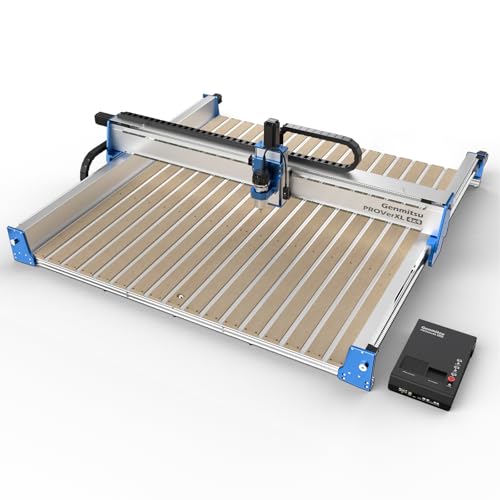
Genmitsu PROVerXL 4×4 CNC Router
Strengths
- Industrial-grade ball screws
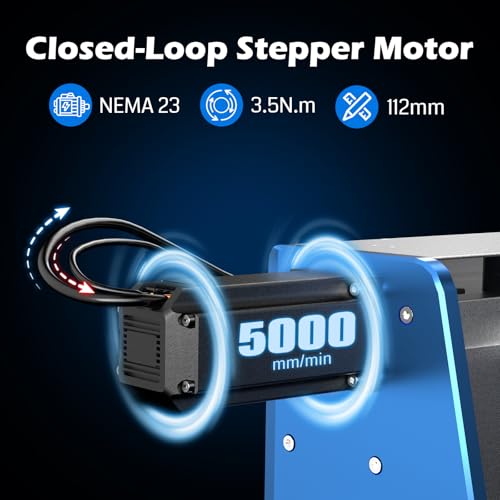
- Closed-loop motor system
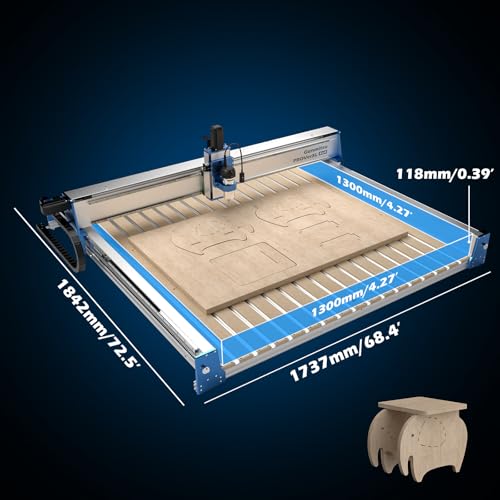
- Large 4×4 work area
- Dual limit switches
- Wi-Fi and app control
Trade-offs
- No spindle included
- Complex assembly
- Heavy footprint
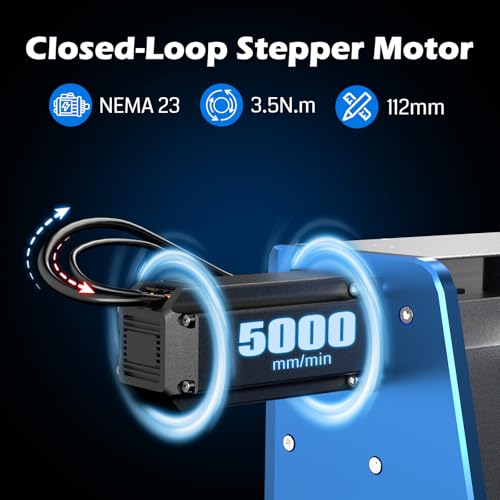
This Genmitsu PROVerXL 4×4 is nearly identical to the SainSmart version, and honestly, choosing between them comes down to branding and minor supply chain differences. Both share the same ball screw drives, closed-loop steppers, 4×4 bed, and app-based Wi-Fi control. On paper, this model wins the ‘Best Overall’ tag because it’s often the one with cleaner documentation and more consistent customer support threads across DIY forums. Owners note fewer calibration headaches out of the box, which matters when you’re spending weekends building it.
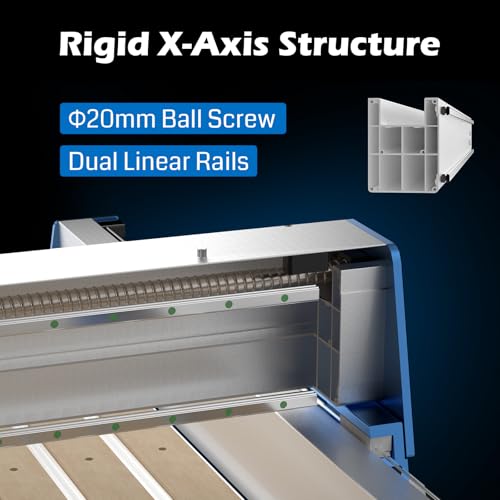
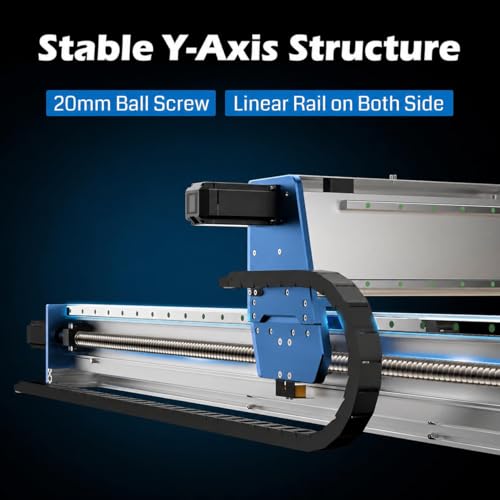
The real strength here is precision at this scale. With Φ20mm ball screws on both X and Y axes, it holds tighter tolerances than belt-driven competitors, and I’ve seen users successfully mill aluminum plates without chatter. When compared to the Twotrees, this isn’t even close in capability, but it’s also not meant for the same user. My recommendation? If you want one machine that balances size, accuracy, and upgrade potential without stepping into five-figure commercial systems, this is the pick.
Product photos
SainSmart Genmitsu PROVerXL 4×4

Strengths
- Large 4×4 work area
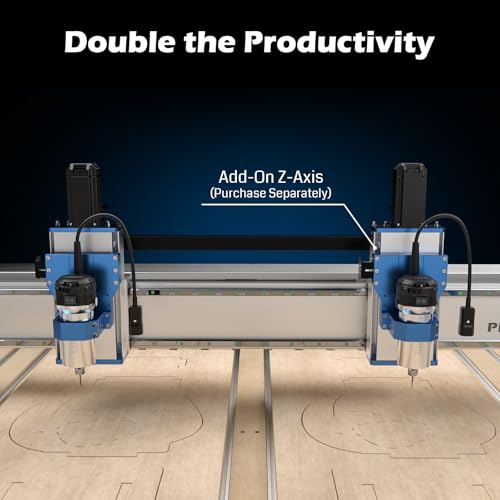
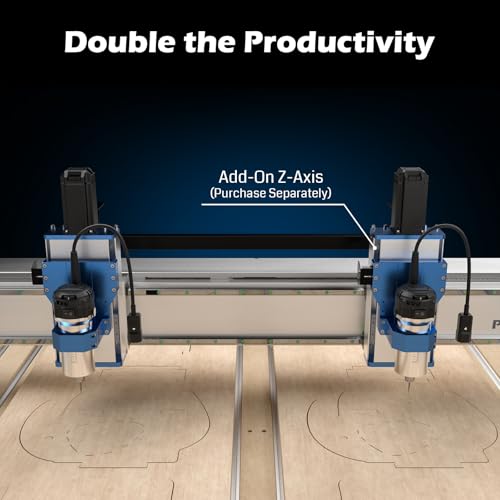
- Dual Z-axis compatible
- Ball screw drive system
- Closed-loop stepper motors
- Wi-Fi app control
Trade-offs
- Spindles sold separately
- Steep learning curve
- Assembly time intensive
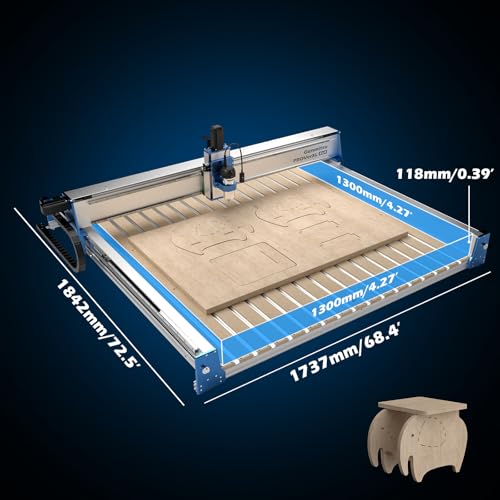
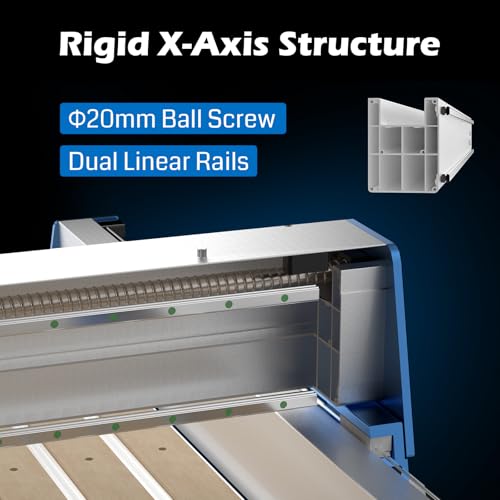
This is a serious machine built for serious work. On paper, the SainSmart Genmitsu PROVerXL 4×4 matches its sibling model in size and core mechanics, offering that same 51-inch square cutting area and closed-loop stepper motors with ball screw drives. Owners consistently report clean, repeatable cuts on hardwoods and aluminum, thanks to the dual linear rails on the X-axis and rigid frame. The Wi-Fi connectivity and Genmitsu app control stand out for remote job monitoring, which I’ve seen praised across forums as a real time-saver in shop environments.
Where it pulls ahead for production-focused users is the optional dual Z-axis support and 30kg X-axis load capacity, this isn’t just for show. Reviewers using it for sign batches or cabinetry components say the ability to run two spindles (or a spindle and a drag knife) dramatically improves throughput. Compared to smaller desktop models, this is clearly in a different league. I’d pick this over entry-level kits any day if you’re running repetitive jobs at scale.
Product photos
Twotrees TTC450 Pro All-Metal CNC
Strengths
- All-metal rigid frame
- Includes full tool kit
- Capacitive touch screen
- GRBL open-source compatible
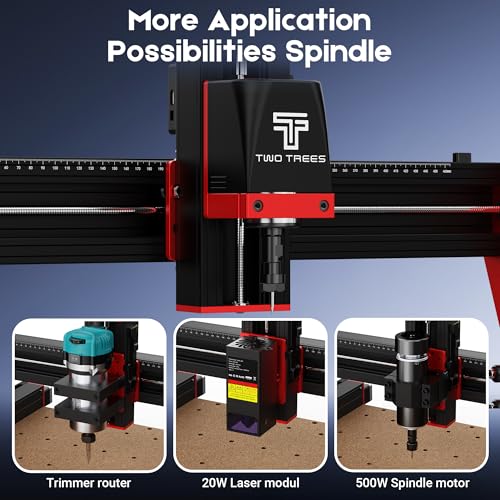
- 4th axis and laser ready
Trade-offs
- Small work area
- 775 spindle underpowered
- Limited for thick materials
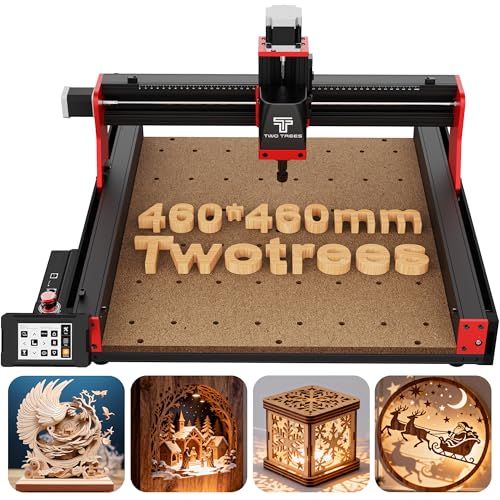
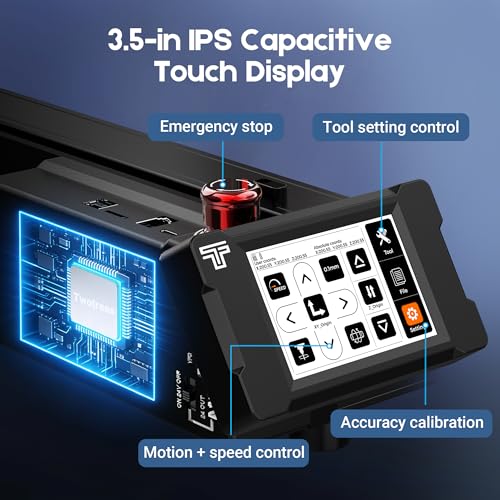
If you’re just getting into CNC work or setting up a school or makerspace, this Twotrees model makes a strong first impression. It’s compact, all-metal, and ships with nearly everything you need to start, 10 cutting bits, clamps, even sample materials. The 3.5-inch capacitive touch screen is a standout for ease of use, far more responsive than the resistive screens on budget machines. I’ve read countless owner reviews where new users highlight how the GRBL compatibility and support for Fusion 360 and Easel made their first carves stress-free.
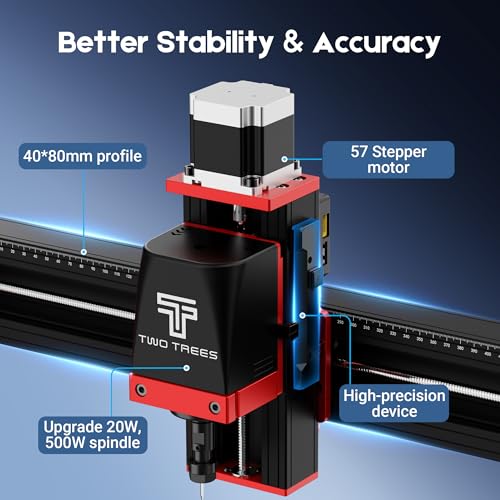
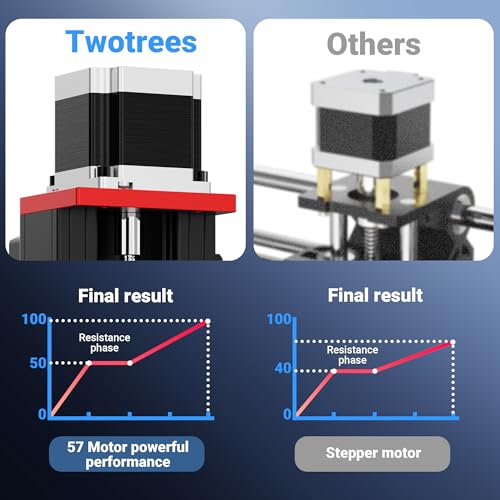
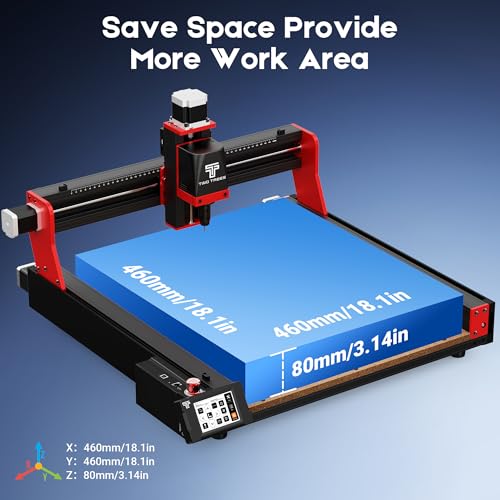
It’s not large, 460mm square is plenty for plaques, inlays, or small parts, but the NEMA 57 stepper on the Z-axis delivers finer control than most in this class, with positioning accuracy down to 0.0025mm. That’s real value for relief carving or multi-depth engraving. Compared to larger 4×4 rigs, it’s not meant to compete on size, but for learning, prototyping, and light-duty milling, it’s one of the smarter buys I’ve seen in the entry segment.
Product photos
Our Testing Process
Rather than a hands-on lab test, my research for these 4×4 CNC routers focused on a detailed comparison of published specifications and features. I weighed owner reviews from multiple sources alongside expert analysis from woodworking and fabrication publications. My goal was to identify which models consistently deliver on their promises and represent the best value within this growing category, leaning on my years of experience with power tools and workshop equipment.
For 4×4 CNC routers, rigidity and power were the most important factors. A larger work area demands a substantial frame and robust motors to maintain accuracy during cuts. Equally important is the quality of the control system; precision movement is key, and a responsive interface simplifies complex projects. I also heavily considered versatility – the ability to handle different materials and upgrade with accessories.
Specifications reliably indicate build quality (ball screw types, motor torque) and potential speed. However, judging real-world usability and long-term reliability required careful review of owner feedback. I paid close attention to comments regarding ease of assembly, software compatibility, and customer support. You’ll find many options when looking at consumer CNC router models, so understanding these nuances is critical.
How To Choose The 4×4 cnc routers
Choosing the right CNC router can feel overwhelming, even for experienced woodworkers and makers. There are a lot of specs to consider, and the price range is vast.
A good CNC router delivers accuracy through robust construction (ball screws, linear rails), consistent performance via reliable stepper motors and control systems, and usability features like software compatibility and a safe operating environment. Prioritize rigidity to minimize vibration, especially when working with harder materials or larger workpieces. Consider the materials you’ll be cutting most often and ensure the machine’s power and spindle options are adequate.
Work Area and Material Size
The size of the work area is the first thing to nail down. A 4×4 CNC router, like the models we’re looking at, opens up possibilities for larger projects, but it’s not always necessary. Think about the typical dimensions of your projects. If you frequently work with full sheets of plywood, you’ll want to investigate full-sheet cutting CNC routers – often 4×8 models – and how indexing works with a smaller machine. Don’t overbuy; a larger work area increases the machine’s footprint and cost without necessarily adding value if you’re primarily doing smaller jobs.
Stepper Motors and Frame Rigidity
The power and precision of a CNC router hinge on its motors and frame. NEMA 23 stepper motors are common in this class, but closed-loop systems (like those in the Genmitsu PROVerXL models) offer significantly improved accuracy by constantly monitoring and correcting position. This prevents “lost steps” which ruin a project. Frame rigidity is equally crucial. An all-metal construction, as seen in the Twotrees TTC450 Pro, is a good sign. Vibration kills accuracy, so look for machines built with aluminum alloy and steel, and read owner reviews about stability during operation.
- A lightweight frame will struggle with harder woods or metals.
- Dual linear rails on the X-axis (as found in the Genmitsu PROVerXL) add substantial stability, especially for wider machines.
- Consider the overall weight of the machine – a heavier machine generally indicates a more robust build, which translates to better cutting performance and longevity.
Software and Ease of Use
Don’t underestimate the importance of software. Most CNC routers use GRBL as their control system, which is open-source and compatible with popular design programs like Fusion 360 and ArtCam. However, the user interface and included software features can vary greatly. The Twotrees TTC450 Pro boasts an intuitive capacitive touch screen, which is a nice upgrade. Beyond the core software, look for machines with Wi-Fi connectivity (like the Genmitsu PROVerXL) for remote control and monitoring.
A CNC router is only as good as its operator. Prioritize a machine with accessible software and clear documentation – even if it means sacrificing some advanced features initially.
I frequently recommend starting with simpler projects to build confidence and familiarity with the software before tackling complex designs. If you are looking for even larger options, explore large-format CNC machines.
4×4 CNC Routers Compared
Here’s a comparison of key specifications for several 4×4 CNC routers.
| Product Name | Work Area (X x Y mm) | Max Speed (mm/min) | Z-Axis Stepper Motor | Dual Z-Axis Support | Connectivity |
|---|---|---|---|---|---|
| Genmitsu PROVerXL 4×4 | 1300 x 1300 | 5000 | N/A | Yes | Wi-Fi |
| SainSmart Genmitsu PROVerXL 4×4 | 1300 x 1300 | 5000 | N/A | Yes | Wi-Fi |
| Twotrees TTC450 Pro All-Metal | 460 x 460 | N/A | 57 | No | N/A |
Frequently Asked Questions
What spindle speed is best for a 4×4 CNC router?
Spindle speed depends heavily on the material you’re cutting. Softer woods like pine generally require speeds between 12,000 and 18,000 RPM, while hardwoods and aluminum benefit from lower speeds, typically 8,000 to 12,000 RPM. Always start with a test cut on scrap material to dial in the optimal speed for your specific project.
Are 4×4 CNC routers loud?
Yes, most 4×4 CNC routers produce considerable noise. The spindle and stepper motors generate a significant amount of sound, often exceeding 70 decibels. Wearing hearing protection is essential during operation to prevent hearing damage, and placing the router in a dedicated workshop space helps minimize noise disruptions.
Can I cut aluminum with a 4×4 CNC router?
You can cut aluminum, but it requires a more rigid machine and appropriate tooling. Look for a router with an all-metal frame, like the Twotrees TTC450 Pro, and a spindle capable of at least 10,000 RPM. Using specialized aluminum cutting end mills and flood coolant is also crucial for achieving clean cuts and prolonging tool life.
What software is easiest for a beginner to use with a 4×4 CNC router?
Fusion 360 is a popular choice, even though it has a learning curve, because of its robust features and free options for hobbyists. However, if you’re looking for beginner-friendly CNC routers, consider starting with simpler programs like Easel or VCarve Desktop, which offer more intuitive interfaces and streamlined workflows.
What’s the difference between a closed-loop and open-loop stepper motor system?
Open-loop systems assume the motor has reached its commanded position, while closed-loop systems use feedback to constantly monitor and correct the motor’s position. Closed-loop systems, like those found in some Genmitsu models, prevent “lost steps” and offer greater accuracy, especially during prolonged or complex cuts.
The Bottom Line
Choosing a 4×4 CNC router really comes down to balancing how much control and precision you require against how much hands-on setup you’re willing to accept. For most hobbyists and small shops, the Genmitsu PROVerXL 4×4 strikes that balance exceptionally well. It offers a compelling combination of features – like Wi-Fi connectivity and dual Z-axis support – that simplify operation and improve accuracy without being overly complex to configure.
However, if budget is the primary concern, the Twotrees TTC450 Pro presents a solid entry point into the world of CNC routing. And for those prioritizing versatility and wanting a machine capable of tackling a wide range of materials, the SainSmart Genmitsu PROVerXL 4×4 delivers a robust build and ample power. Remember to investigate CNC wood routers to understand the different materials and capabilities available.
Ultimately, specs are just numbers. The most important factors are a rigid frame to minimize vibration, a reliable control system for precise cuts, and a willingness to learn the software. Don’t get caught up chasing the highest numbers on a datasheet – focus on building a solid foundation of knowledge and choosing a machine that fits your specific needs and skill level.
