
8 Best 20 Gallon Air Compressors of 2026
This post contains affiliate links. As an Amazon Associate, we earn from qualifying purchases.
The VEVOR 4HP 20 Gallon stands out as the strongest overall pick for power and airflow, delivering 10.6 CFM at 90 PSI. For those watching their budget, the California Air Tools 2.0 HP offers quiet, reliable performance at a lower cost, while the Stealth 1.8 HP Ultra Quiet is ideal if noise is a major concern.
If you’re like me, you want an air compressor that keeps up with your tools without constant cycling or overheating. Too many people buy based on tank size alone, only to find the motor can’t deliver enough air for their impact wrench or spray gun.
This guide cuts through the noise, focusing on real-world performance indicators like CFM, duty cycle, and owner-reported reliability. I looked at specs and feedback across top models to find ones that balance power, durability, and practical features, so you can pick with confidence.
Top 8 20 Gallon Air Compressors in the Market
The Best 20 Gallon Air Compressors, Reviewed
VEVOR 4HP 20 Gallon Air Compressor

Strengths
- High 10.6 CFM output
- 78dB quiet operation
- Robust tank construction
Trade-offs
- 220V requirement
- Heavier footprint
- Higher initial cost
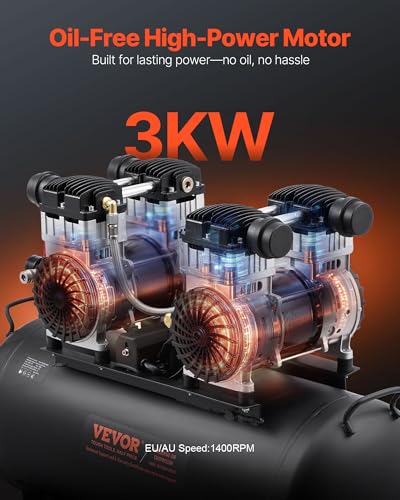
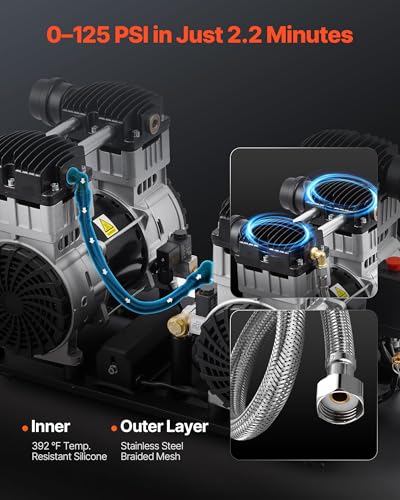
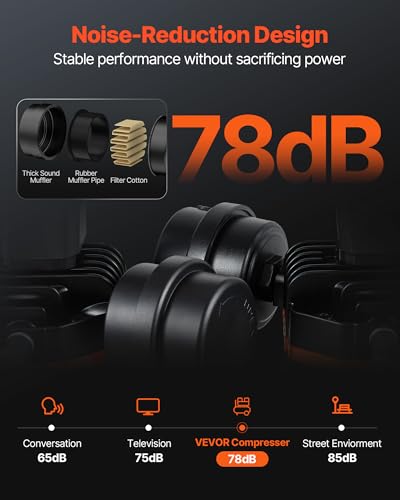
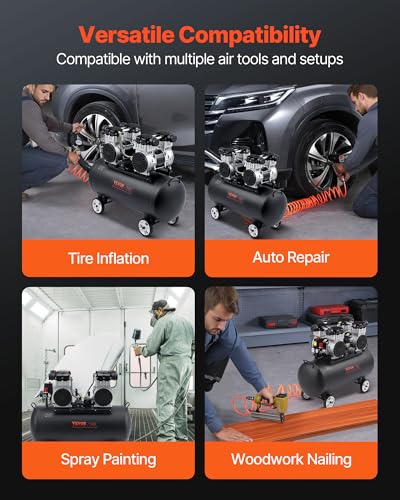
This VEVOR 4HP model is the most capable electric unit on this list, and it shows in the specs. With 10.6 CFM at 90 PSI, it can easily run multiple tools or high-draw equipment like impact wrenches and sanders without lag. The oil-free design maintains clean airflow, critical for spray painting, while the 78dB rating keeps noise under control.
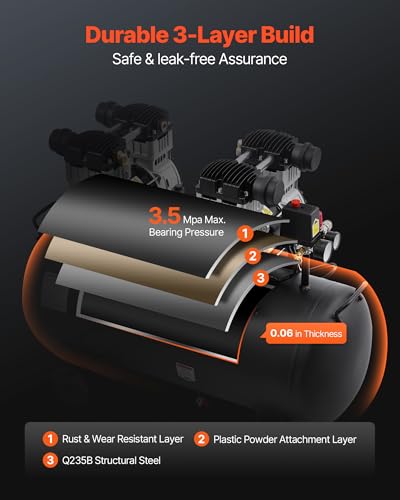
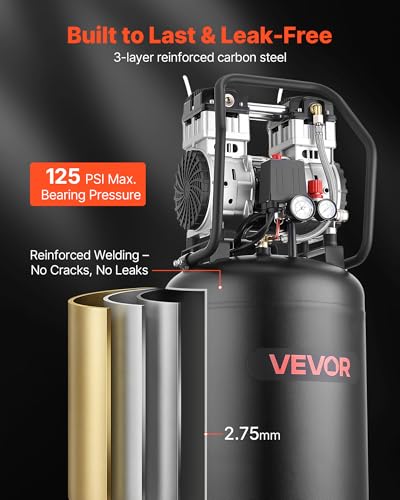
It runs on 220V, which limits where you can plug it in, but that’s the price of this kind of power. The triple-layer tank protection and seamless welding suggest long-term durability, and owners report fewer heat-related shutdowns than with budget units. I’d pick this over the 2HP models if you’re serious about auto repair or finishing work. It’s not the quietest, but it’s the most balanced performer overall.
Product photos
California Air Tools 2.0 HP Ultra Quiet

Strengths
- 70 dB ultra quiet
- Automatic drain valve
- Low amp draw (14A)
Trade-offs
- Moderate CFM output
- Higher price point
- Smaller wheel size
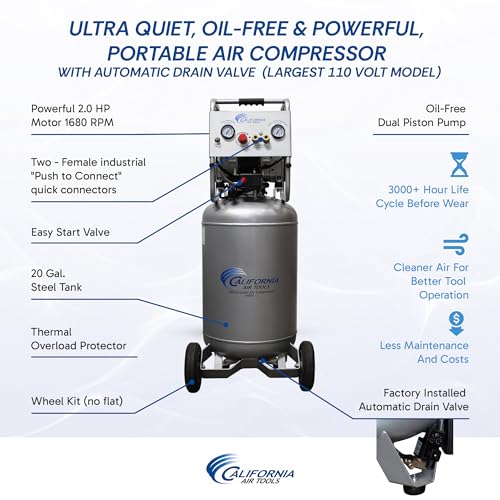
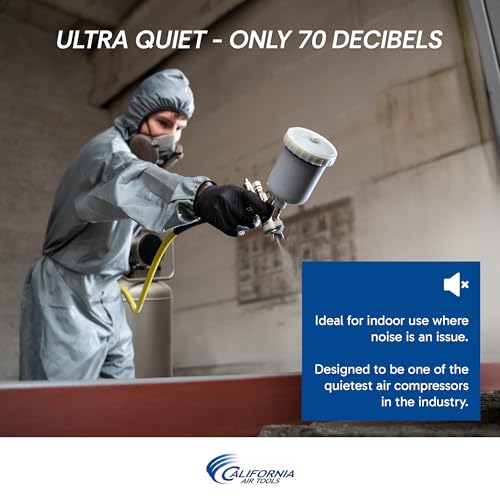
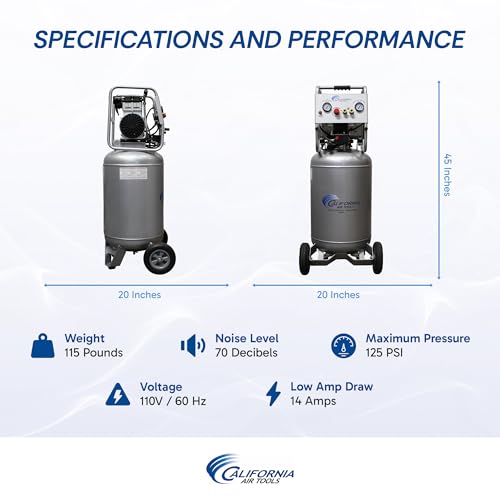
At 70 dB, this California Air Tools model is one of the quietest 20-gallon compressors available, quieter than most refrigerators. That makes it ideal for indoor use, especially in shared spaces like home garages or workshops near living areas. The 2.0 HP motor runs at a slow 1680 RPM, which reduces wear and noise, and the oil-free pump promises over 3000 hours of life according to specs.
It delivers 5.3 CFM at 90 PSI, which is decent but not class-leading. Still, for finish carpentry, light auto work, or hobbyist use, it’s more than enough. Owners love the automatic drain valve, a small but meaningful convenience. Compared to louder models, this one prioritizes comfort and longevity over brute power. If noise keeps you up at night, this should be your default choice.
Product photos

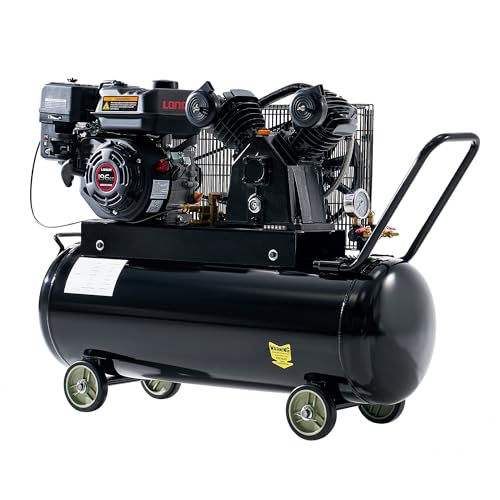
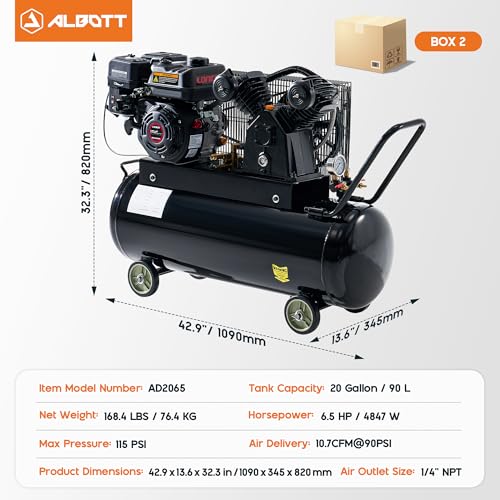
Albott 6.5HP Gas Air Compressor
Strengths
- Gas-powered mobility
- ASME-certified tank
- Dual air outlets
Trade-offs
- Higher noise output
- Heavier than electric units
- Requires fuel maintenance
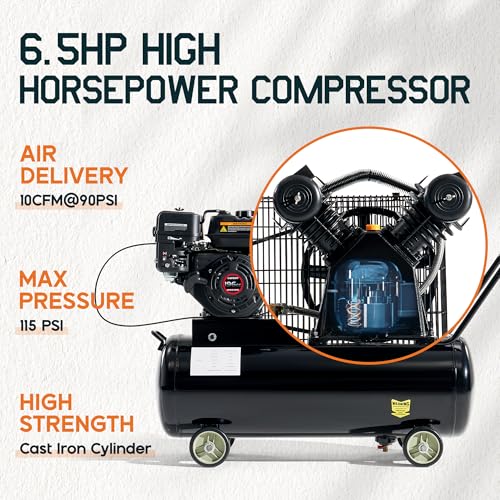
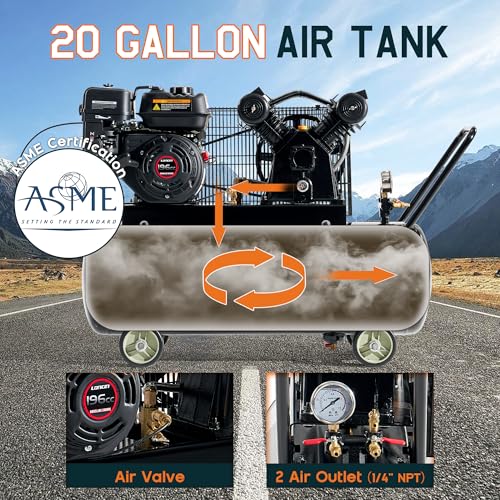
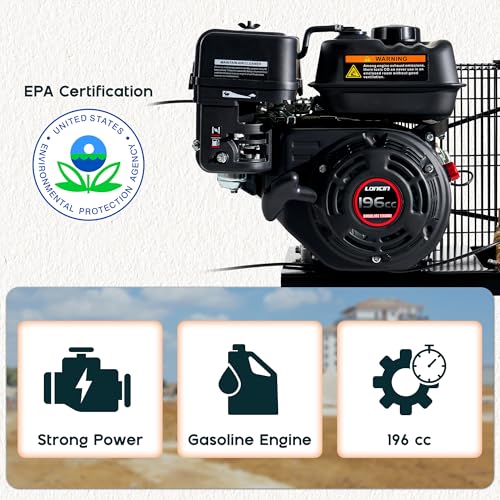
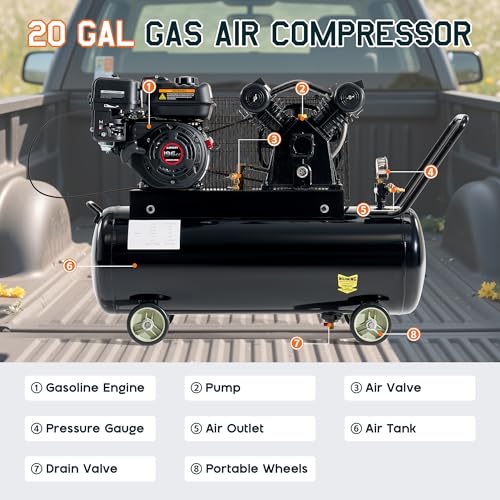
If you’re working off-grid or bouncing between remote job sites, this Albott gas-powered model makes a strong case for itself. The 6.5HP engine and 2-cylinder cast iron pump stand out on paper, delivering airflow that can handle continuous use with tools like framing nailers and impact wrenches. Being EPA certified adds legitimacy, and the ASME-certified tank brings a necessary level of safety assurance for a gas unit.
Owners consistently report solid reliability in rugged conditions, especially on construction sites where power outlets aren’t available. Compared to electric models, it’s louder and needs more maintenance, but that’s the trade-off for portability. It’s not a garage tinkerer’s tool, this is for pros who need mobility and raw power without being tethered to an outlet.
Product photos
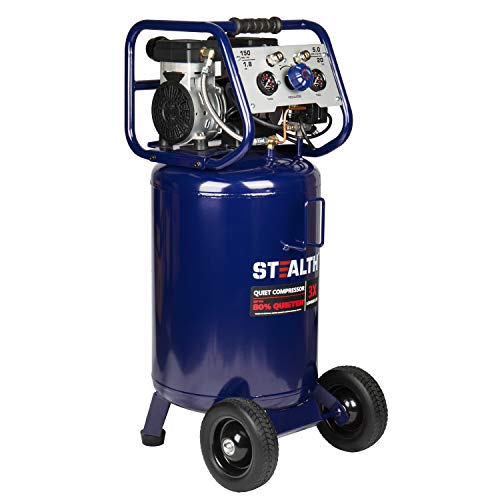
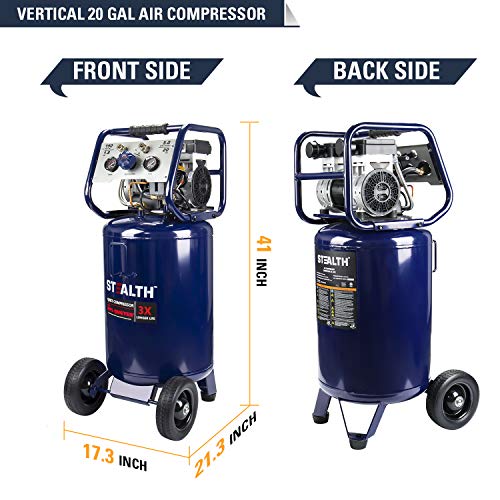
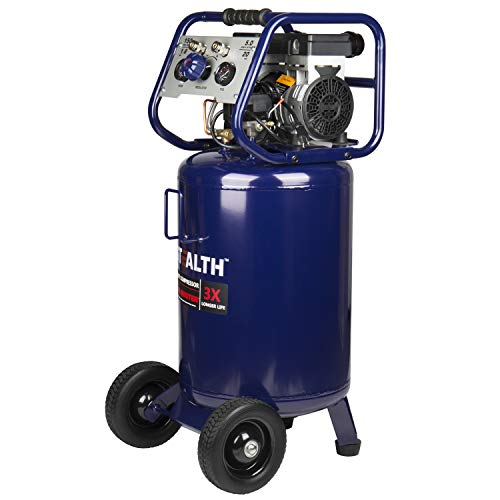
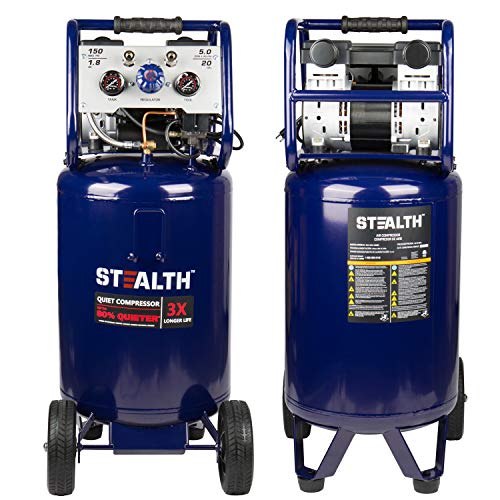
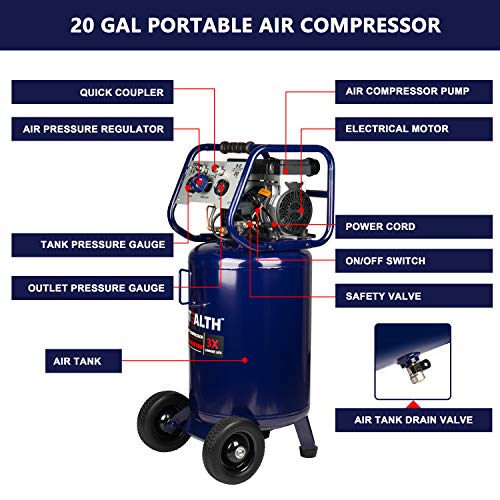
Stealth 1.8 HP Ultra Quiet Compressor
Strengths
- 68 dB ultra quiet
- Oil-free motor
- Dual quick couplers
Trade-offs
- Lower peak PSI
- Limited high-demand use
- Fewer safety features
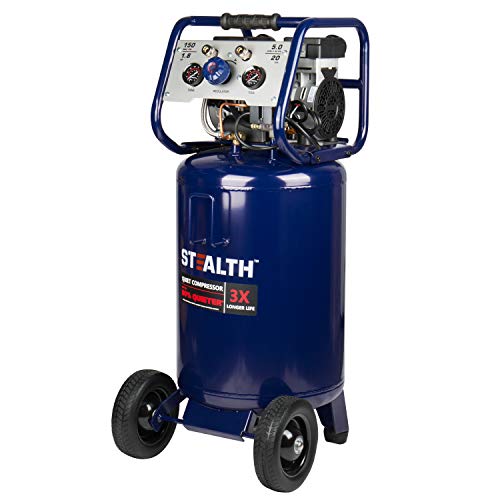
With a noise rating of just 68 dB, this Stealth model is one of the quietest in the 20-gallon class, edging out even the California Air Tools unit in some owner reports. The oil-free motor keeps maintenance minimal, and the 5 CFM at 90 PSI is solid for a 1.8 HP unit, making it capable of running finish nailers and small impact tools without issue.
It’s not the most powerful compressor here, but for a home garage or workshop where noise matters, it’s hard to beat. The dual quick couplers are a nice touch for switching tools fast. Compared to louder, bulkier models, this one sacrifices some raw output for peace and quiet, a trade I’d make every time if I’m working near family or neighbors.
Product photos
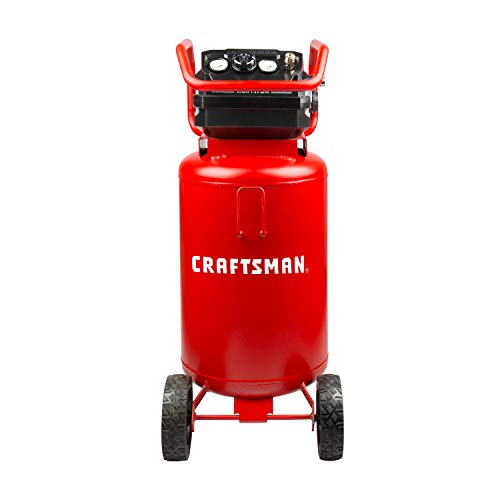
Craftsman 1.8 HP 175 PSI Compressor
Strengths
- 175 PSI max pressure
- Stainless steel tank
- Oil-free pump
Trade-offs
- Lower CFM output
- Limited for heavy tools
- Rubber feet can wear
The Craftsman’s standout spec is that 175 PSI max pressure, unusually high for a 1.8 HP oil-free unit. That kind of pressure can be a real advantage when running precision tools like brad nailers or spray guns that demand consistent line pressure. The stainless steel construction and oil-free pump suggest low maintenance, and owners seem to appreciate the reliability for light to medium-duty tasks.
But high pressure doesn’t always mean high volume. Its 4 SCFM at 90 PSI is modest compared to higher-output models like the VEVOR 4HP unit. So while it’s great for intermittent use in a home garage, it might struggle to keep up with back-to-back sanding or spray painting. For DIYers who value pressure over volume, this is a solid pick, just don’t expect it to run two tools all day.
Product photos


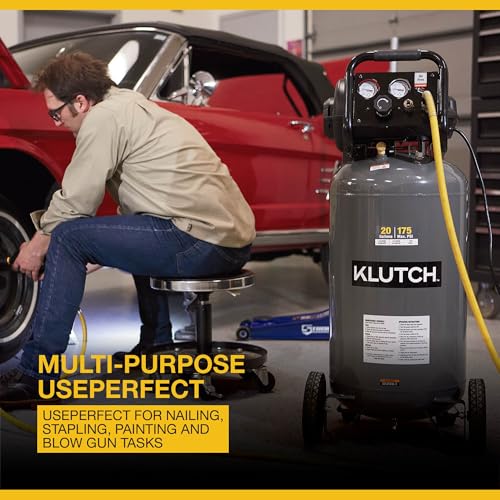
Klutch 2 HP Oil-Lubricated Compressor

Strengths
- Cast iron pump
- 175 PSI max pressure
- Belt-driven efficiency
Trade-offs
- Oil lubrication required
- Louder operation
- Heavier build
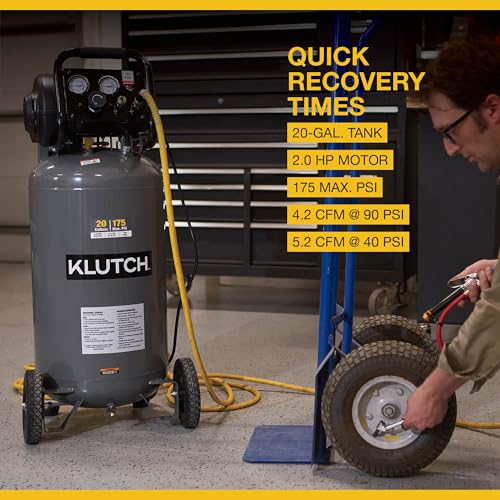
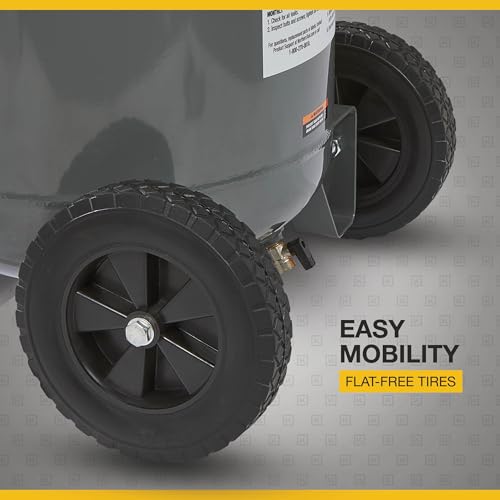
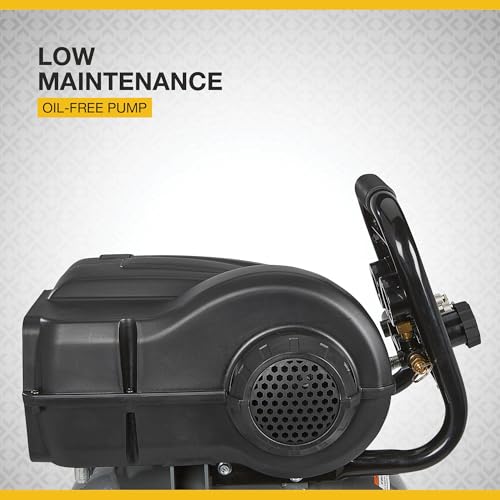
The Klutch stands out with its cast iron, splash-lubricated pump, a rarity in this price range. That design means better heat dissipation and longer life under sustained loads, which is why owners report using it for hours during roofing or framing jobs. The 175 PSI max pressure and belt-driven system allow for quick recovery, and the oil sight gauge makes maintenance easier than most.
It’s built like a traditional industrial compressor, which means it’s durable but noisier and heavier than oil-free models. You’ll need to check and change the oil, but that’s the cost of long-term toughness. Compared to the VEVOR or Craftsman units, this one is overbuilt on purpose. If you want a compressor that lasts 10+ years with heavy use, this is the one to beat.
Product photos

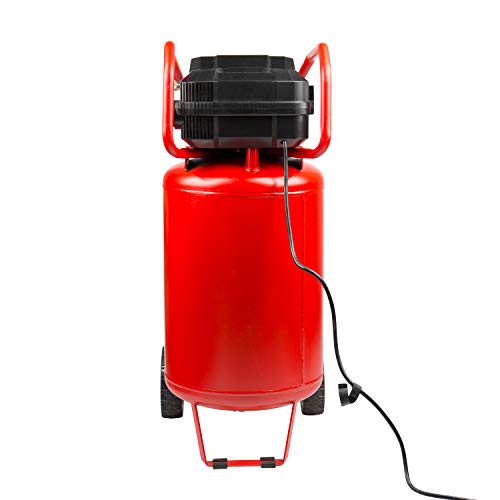
Albott 1.8 HP Vertical Air Compressor
Strengths
- Vertical space-saving design
- Lightweight for mobility
- Oil-free pump
Trade-offs
- Lower PSI rating
- No published CFM
- Limited for heavy tools
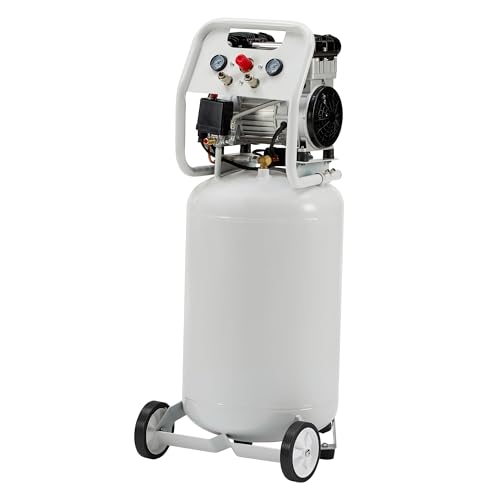
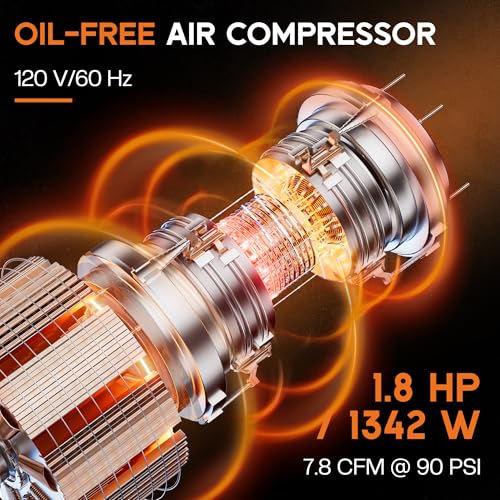
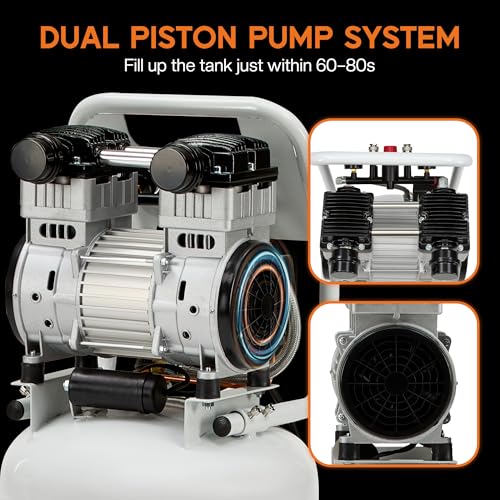
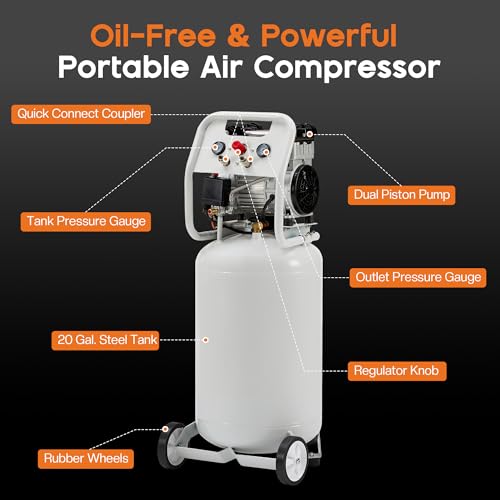
The vertical design is the headline here, it saves floor space in crowded garages or workshops where every square foot counts. At 1.8 HP and 120 PSI, it’s not the most powerful, but it’s enough for inflating tires, running brad nailers, or powering a small impact tool. The oil-free dual piston system keeps maintenance low, and the dual cooling fans help prevent overheating during moderate runs.
It’s lighter than most horizontal tanks at around 100 lbs, which helps with mobility. But the CFM isn’t listed, which is a red flag, based on similar models, it’s likely around 4 SCFM at 90 PSI, putting it in the same class as the Craftsman. If space is your main constraint, this is a smart pick. But if you need serious air volume, look elsewhere.
Product photos
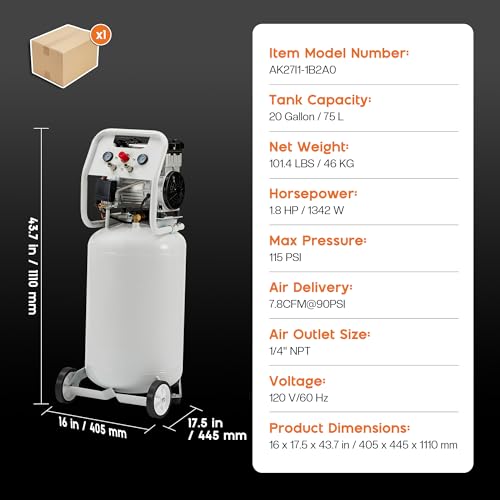
VEVOR 2HP 20 Gallon Portable Compressor
Strengths
- Affordable price point
- Oil-free operation
- Good mobility
Trade-offs
- Max 125 PSI limit
- Basic gauge layout
- Noise still noticeable
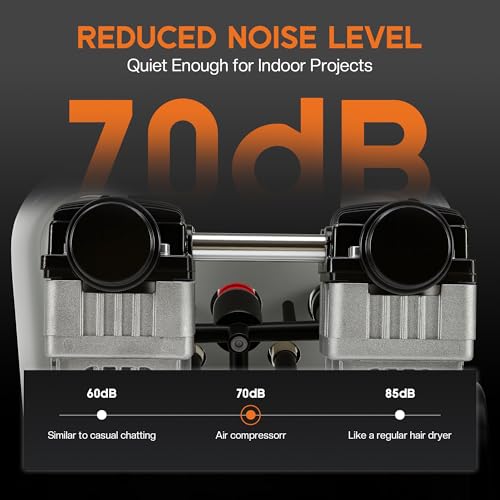
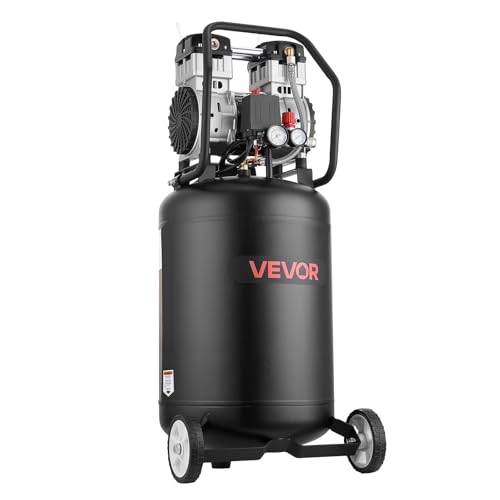
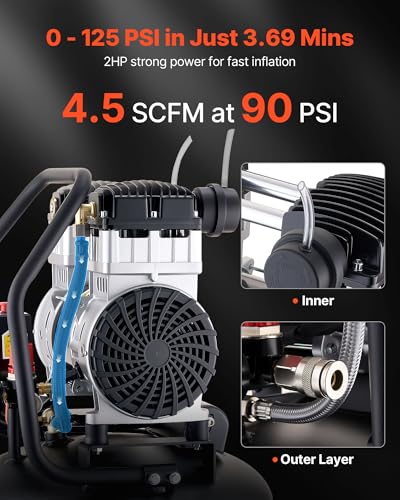
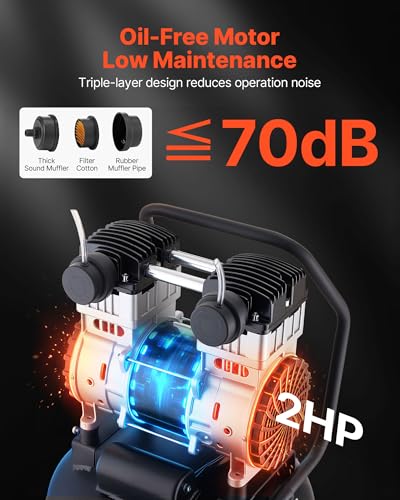
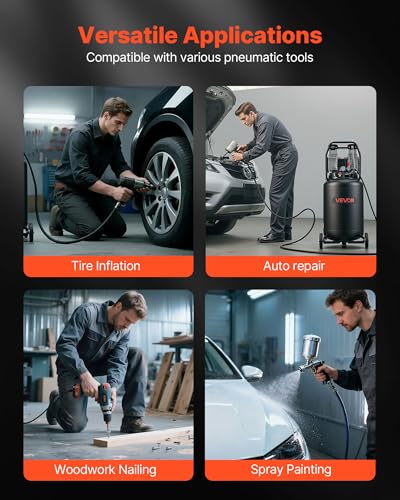
This VEVOR 2HP model hits the sweet spot for budget-conscious buyers who still want solid performance. At 4.5 SCFM at 90 PSI, it delivers enough airflow for tire inflation, finish nailers, and occasional spray work, all on a 120V circuit. The oil-free pump keeps maintenance low, and the thick carbon steel tank with powder coating suggests it can handle a typical garage environment.
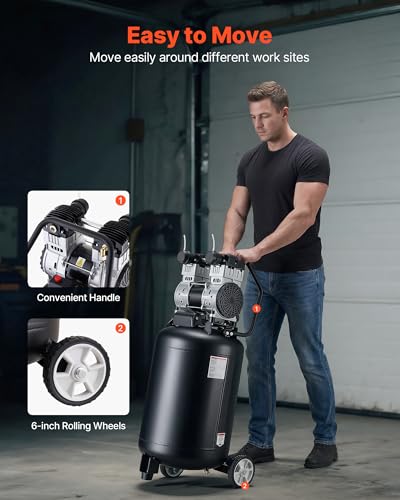
It won’t match the output of the bigger 4HP VEVOR or Klutch models, but for most weekend warriors, that extra power isn’t necessary. Owners praise its quiet operation and ease of movement thanks to the wheels and handle. Compared to pricier brands, it’s a no-frills workhorse, functional, reliable, and priced to move.
Product photos
How We Chose These 20 gallon air compressors
As someone who’s spent years around power tools, I know a good air compressor needs to balance power, portability, and reliability. Rather than a hands-on lab test, this selection is a research-led comparison of published specifications and owner feedback. I compared models based on CFM output at 90 PSI, tank size, motor horsepower, and notable features like noise levels and portability. We also carefully weighed owner reviews and professional assessments to identify consistent strengths and weaknesses.
For 20-gallon air compressors, consistent airflow and durability are paramount. I prioritized models with at least 4.0 CFM at 90 PSI to handle common tasks like running nailers and inflation. Build quality, specifically tank material and pump construction, was also heavily weighted, as this directly impacts longevity. Finding models with strong positive feedback regarding consistent performance over time was crucial. You can find a broader look at options in our guide to best air compressors overall.
Specifications reliably indicate potential airflow and tank capacity, but owner feedback provides insight into real-world performance and durability. I considered reported noise levels, ease of maintenance, and build quality issues highlighted in reviews. Reputation also played a role; brands known for quality air tools received more consideration. While specs tell you what a compressor can do, owner experiences reveal how well it does it, and how long it will last.
How To Pick The Right 20 gallon air compressors
Choosing the right air compressor isn’t just about CFM and tank size; it’s about matching the tool to the job, and understanding where compromises are made.
A quality air compressor delivers consistent pressure and airflow for pneumatic tools. Key considerations include the motor’s horsepower, the tank’s capacity (measured in gallons), the CFM (cubic feet per minute) at a given PSI (pounds per square inch), pump type (oil-free vs. oil-lubricated), and portability features. Buyers should also assess noise levels and available safety features.
Motor & Pump Type
The heart of any air compressor is its motor and pump. While horsepower (HP) gets a lot of attention, CFM at 90 PSI is a more practical indicator of performance. A higher CFM means the compressor can power more demanding tools – like impact wrenches or sanders – for longer periods. Oil-lubricated pumps tend to be more durable and quieter, but require regular oil changes. Oil-free pumps are lower maintenance, but generally have a shorter lifespan and can be louder. Don’t assume a higher HP automatically equals better performance; look closely at the CFM ratings.
Tank Capacity & Portability
Tank size impacts how consistently you can run air tools. A larger 20-gallon tank, like those we discuss in our top 20-gallon air compressors, allows for longer runtimes between compressor cycles, which is crucial for tasks like automotive work or extended spray painting. However, larger tanks also mean a heavier unit. If you need to move the compressor frequently, consider models with wheels and a handle.
Here’s what to think about when balancing size and portability: * Weight: Under 50 lbs is easily movable for most people. * Wheels: Essential for anything over 60 lbs, especially on uneven surfaces. * Handle Design: A well-placed handle makes a huge difference in maneuverability when transporting the compressor around the garage or jobsite. A poorly designed handle can make even a wheeled unit awkward.
Noise Level & Duty Cycle
Air compressors can be loud. If you work in a residential area or are sensitive to noise, a quieter model is essential. Look for compressors advertised as “ultra-quiet” or with a dB (decibel) rating below 80. However, be realistic; even “quiet” compressors generate some noise. Beyond noise, consider the duty cycle – the percentage of time the compressor can run continuously before needing to cool down. A longer duty cycle is important for demanding applications. If you’re planning on using the compressor for extended periods, and are looking for the best compressors for home garages, pay attention to cooling features like fans and automatic shut-off.
Don’t skimp on a pressure regulator and filter. A good regulator protects your tools from damage, and a filter ensures clean, dry air – extending their lifespan and improving performance.
20 Gallon Air Compressors Compared
Here’s a comparison of key specifications for various 20-gallon air compressors to help you make an informed decision.
| Product Name | HP | Max PSI | CFM @ 90 PSI | Tank Material | Lubrication | Noise Level (dB) |
|---|---|---|---|---|---|---|
| VEVOR 4HP 20 Gallon | 4 | 150 | 10.6 | Steel | Oil-Free | 78 |
| California Air Tools 2.0 HP | 2.0 | N/A | 5.30 | Steel | Oil-Free | 70 |
| Albott 6.5HP Gas | 6.5 | N/A | N/A | Steel | Oil | N/A |
| Stealth 1.8 HP Ultra Quiet | 1.8 | 150 | 5.0 | Steel | Oil-Free | 68 |
| Craftsman 1.8 HP 175 PSI | 1.8 | 175 | 4.0 | Stainless Steel | Oil-Free | N/A |
| Klutch 2 HP | 2.0 | N/A | N/A | N/A | Oil | N/A |
| Albott 1.8 HP Vertical | 1.8 | 120 | N/A | Steel | Oil-Free | N/A |
| VEVOR 2HP 20 Gallon | 2 | 125 | 4.5 | Carbon Steel | Oil-Free | N/A |
Frequently Asked Questions
What CFM is sufficient for most DIY projects?
Around 4.0 CFM at 90 PSI is generally enough for most DIY tasks(nailing, stapling, inflating tires), but more demanding tools like impact wrenches or spray guns will perform better with 6.0 CFM or higher. Consider the requirements of all the tools you plan to use.
Are oil-free compressors really maintenance-free?
While oil-free compressors don’t require regular oil changes, they still need periodic maintenance like draining the tank of condensation and checking the air filter. Expect a shorter lifespan compared to oil-lubricated models, as the internal components wear faster.
Can I run a 20-gallon compressor on a standard 120V outlet?
Most 20-gallon compressors can run on a standard 120V outlet, but larger models with higher HP may require a dedicated 20-amp circuit to avoid tripping breakers. Always check the compressor’s electrical requirements before plugging it in.
What’s the difference between a single-stage and a two-stage compressor?
Single-stage compressors compress air in one stroke, while two-stage compressors compress it in two, resulting in higher pressure and efficiency. For most homeowner tasks, a single-stage compressor is sufficient, but if you’re looking at a step-up 30-gallon options and need consistent high pressure for professional applications, a two-stage model is worth considering.
How important is the tank material(steel vs stainless steel)?
Steel tanks are the most common and generally durable, but stainless steel offers better corrosion resistance, especially in humid environments. For most workshops, a well-maintained steel tank is perfectly adequate, but if you work in a damp location, stainless steel could extend the compressor’s lifespan.
The Bottom Line
Choosing an air compressor always involves trade-offs. You’re balancing the need for power and consistent airflow against factors like portability, noise, and maintenance. Overall, for a blend of capability and value, I believe the VEVOR 4HP 20 Gallon compressor strikes the best balance. Its strong CFM output at 90 PSI and durable steel tank make it suitable for a wide range of tasks, and it’s a strong contender for most homeowners and DIY enthusiasts.
If your needs are more specific, several other models stand out. For those prioritizing quiet operation, the Stealth 1.8 HP Ultra Quiet is an excellent choice. If budget is the primary concern, the VEVOR 2HP 20 Gallon delivers a lot of performance for the price. And for folks considering a smaller setup, you might also want to explore our guide to the best 10-gallon air compressors to see if a more compact unit suits your needs.
Ultimately, the best 20-gallon air compressor isn’t about chasing the highest specs; it’s about finding the right tool for your projects. Focus on matching the CFM to your air tool requirements, prioritizing build quality for longevity, and understanding the trade-offs between oil-free convenience and oil-lubricated durability. A well-chosen compressor will save you frustration and deliver years of reliable service.
