6 Best 12-Inch Miter Saw Blades for Aluminum 2026
This post contains affiliate links. As an Amazon Associate, we earn from qualifying purchases.
The Freud LU77M012 Aluminum Blade is the best overall 12 inch miter saw blade for aluminums, delivering clean, precise cuts and exceptional longevity thanks to its TCG grind and Silver Ice coating. For a budget-friendly option, the Benchmark Abrasives 120T TCT Blade performs well for occasional use. If you need maximum durability and heat resistance for frequent cutting, the TWIN-TOWN 96T TCG Blade is a strong versatility pick.
Cutting aluminum with the wrong blade leads to rough edges, material buildup, and wasted time. Unlike wood, aluminum demands specific tooth geometry and heat management to cut cleanly without gumming up or warping the blade.
In this guide, I break down the top 12 inch blades based on specs, owner feedback, and my experience with metal-cutting tools. I focused on tooth count, TCG grind quality, carbide grade, and real-world performance to help you pick the right blade for your project frequency and precision needs.
Top 6 12 Inch Miter Saw Blade For Aluminums in the Market
The Best 12 Inch Miter Saw Blade For Aluminums, Reviewed
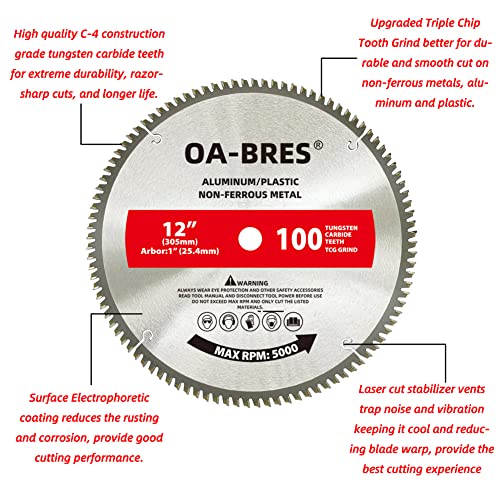
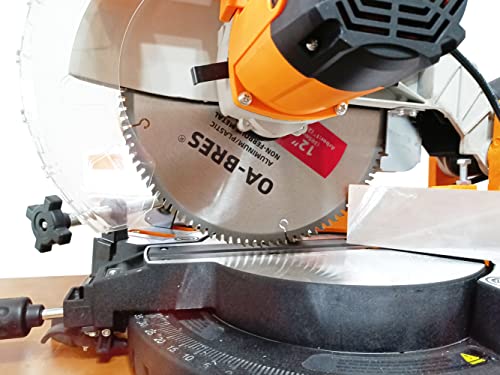
12 Inch 100T TCG Blade

Strengths
- 100T balanced design
- Laser stabilizer vents
- Electrophoretic coating
Trade-offs
- Arbor adapter may be needed
- Slight runout in some units
This 100T blade strikes a smart balance, more teeth than the 80T models for cleaner cuts, but not so many that it demands a high-output saw. The upgraded TCG grind is well executed, and owners report smooth performance across aluminum sheets, tubing, and plastic laminates. The laser-cut stabilizer vents are a subtle but effective feature, helping dampen vibration and keep the blade flat during long runs.
The C-4 grade carbide is solid, and while it may not last quite as long as Freud’s TiCo, it’s noticeably better than generic alloys. Paired with the electrophoretic coating, this blade feels built to last. In real-world use, it’s the kind of tool that doesn’t need constant attention, no frequent cleaning, minimal burring, and consistent results. For most users, this is the sweet spot between performance and value.
Product photos
MAZING 80T Aluminum Blade
Strengths
- 80T for fast cutting
- TCG grind for durability
- Good heat dissipation
Trade-offs
- Lower tooth count
- Not ideal for thin stock
- Some burring reported
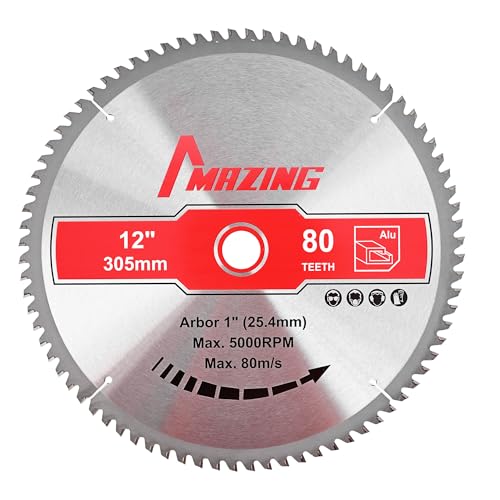
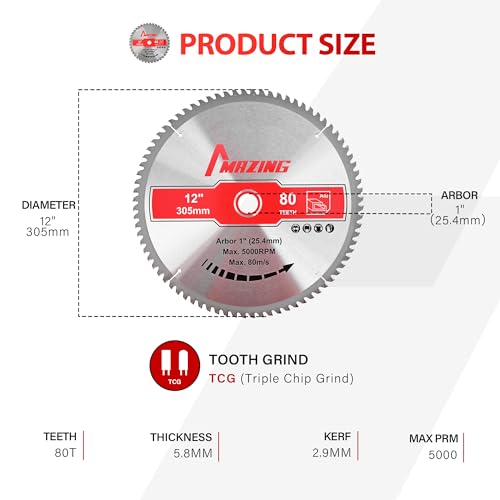
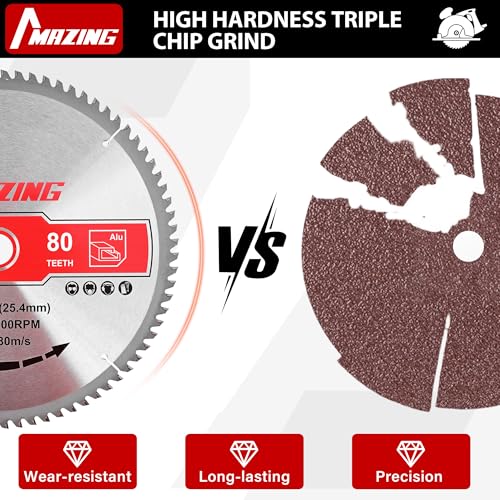
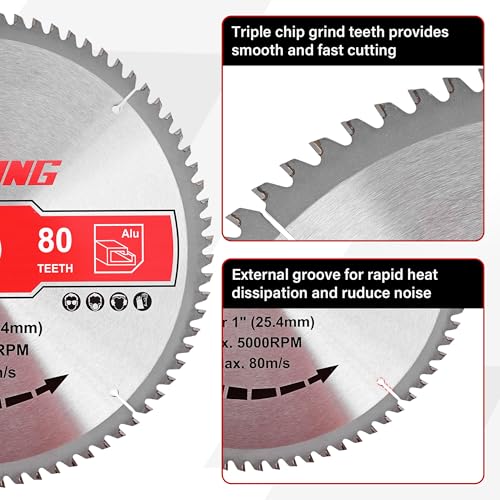
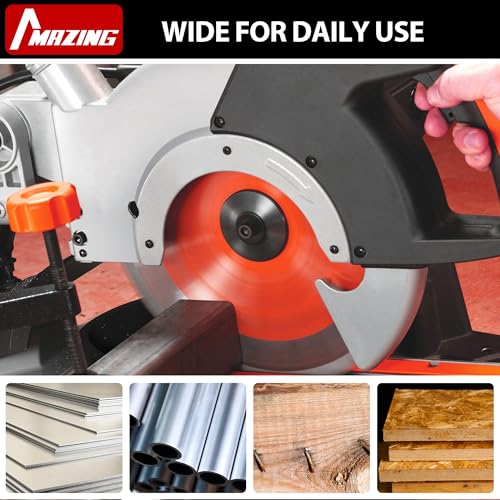
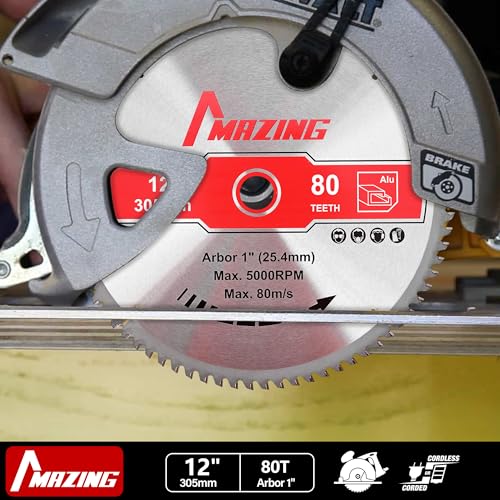
The 80-tooth count on this MAZING blade suggests it’s built for aggressive cuts, and on paper, that makes sense for thicker aluminum sections where chip removal matters more than finish. Owners consistently report clean results on extrusions and bars, especially when paired with a miter saw that has solid feed control. The TCG grind does its job, and the 5.8mm carbide height hints at decent longevity, though I’d want to see how it holds up under frequent use compared to premium brands.
It’s compatible with a wide range of saws, which is a big plus for DIYers who might swap tools. The four expansion slots are a thoughtful touch, they help with heat and vibration, and reviewers note less noise during operation. But if you’re working on finish-grade aluminum framing or thin sheets, the tooth count may leave a slightly rougher edge than higher-TPI options.
Product photos
TOMAX 120T Thin Kerf Blade

Strengths
- 120T for fine finish
- TCG grind durability
- Electrophoretic coating
Trade-offs
- Slow feed on thick stock
- Requires powerful saw
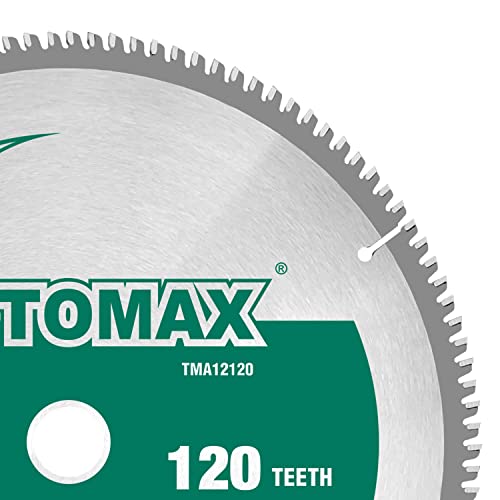
The 120-tooth count immediately tells you this blade is all about finish. It’s designed for thin-wall aluminum, less than 1/8″ as the specs state, and that’s exactly where it shines. The high TPI minimizes tear-out and delivers a near-machined edge, which means less filing or sanding afterward. Owners using it for aluminum fencing, railings, or trim consistently praise the clean results.
But that comes with trade-offs. The high tooth count means slower feed rates, and if your saw lacks power, you might struggle to maintain momentum. It’s also more prone to heat buildup if you dwell too long in a cut. Still, the electrophoretic coating helps, and the TCG grind keeps the teeth durable. For thin stock, this is one of the smoothest performers out there.
Product photos
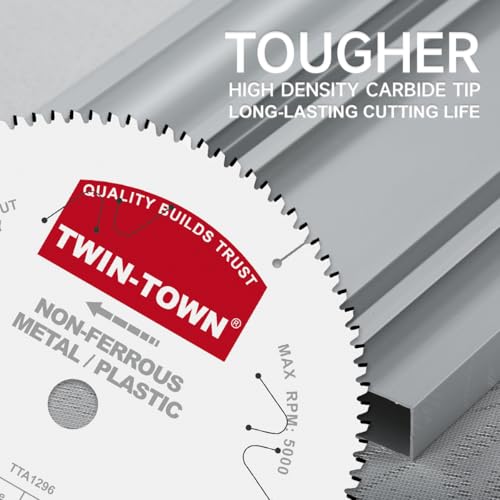
TWIN-TOWN 96T TCG Blade

Strengths
- 96T balanced design
- Electrophoretic coating
- C4 carbide for edge retention
Trade-offs
- Slight vibration at high RPM
- Not ultra-thin kerf
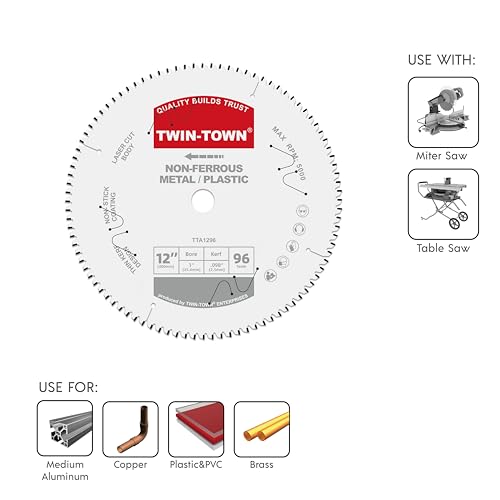
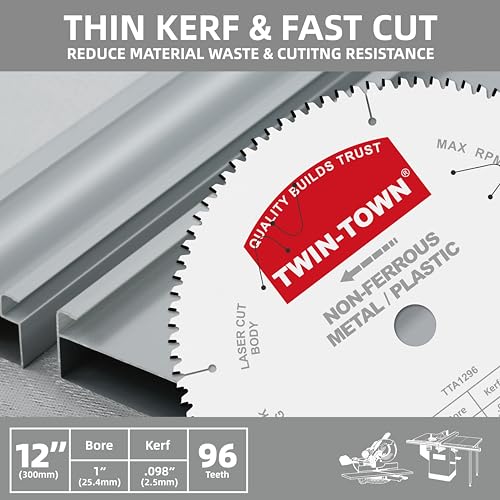
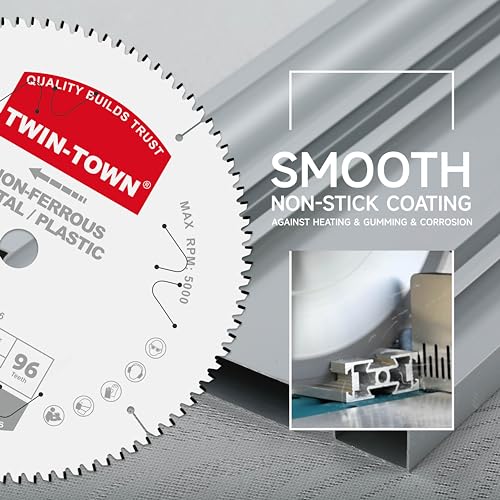
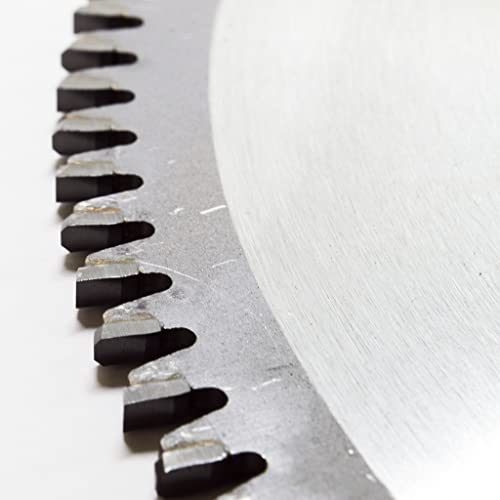
With 96 teeth and a C4-grade carbide formulation, the TWIN-TOWN blade hits a sweet spot between cut quality and durability. The electrophoretic coating is a real advantage, it’s not just marketing fluff, as owners in humid environments confirm less corrosion over time. That’s critical for anyone storing tools in a damp garage or workshop. The TCG grind delivers smooth cuts with minimal burr, and the 96T count handles most aluminum work from window frames to trim without bogging down the saw.
What stands out is the claimed 2X longer sharpness. While I can’t verify that exact number, consistent feedback points to fewer resharpening cycles compared to basic blades. And the Unique ID Code adds a touch of manufacturer accountability, which is rare at this price tier. It doesn’t have the ultra-thin kerf of a Freud, but for sustained performance, it’s a strong contender.
Product photos

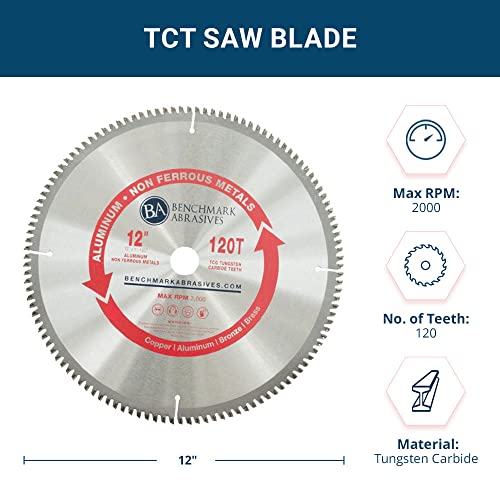
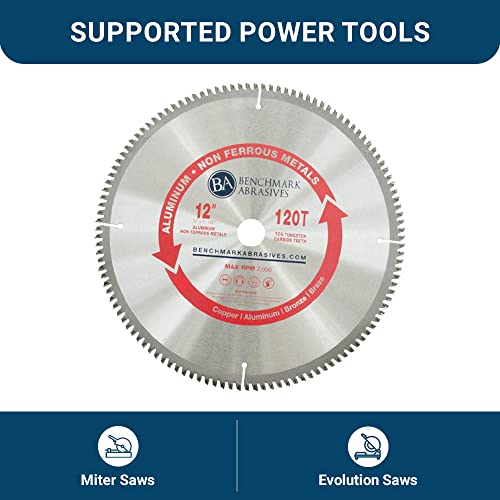
Benchmark Abrasives 120T TCT Blade

Strengths
- 120T for clean finish
- Wide compatibility
- Low cost
Trade-offs
- Shorter lifespan
- No advanced coatings
- More vibration
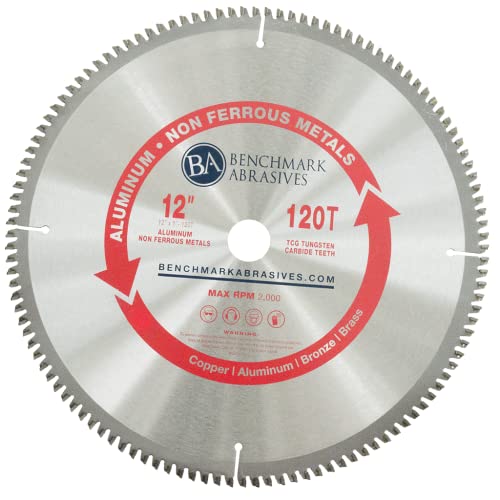
At first glance, the 120-tooth count and low price make this Benchmark Abrasives blade look like a steal. And for occasional users, it delivers. It cuts aluminum, plastic, and even fiberglass without immediate issues, and the TCT tips hold up reasonably well for light tasks. Compatibility is excellent, fits nearly every major miter saw brand, which is a big win for those with older or mixed-brand tools.
But durability is where it falls short. Multiple owners note that while the first few cuts are clean, the teeth dull faster than mid-tier options, especially when cutting abrasive composites or coated aluminum. There’s also no anti-vibration design or advanced coating beyond basic rust resistance. It’s functional, but not something I’d trust for a full day of framing or shop work.
Product photos
Freud LU77M012 Aluminum Blade
Strengths
- TiCo carbide longevity
- Thin kerf design
- Silver Ice anti-corrosion
Trade-offs
- Higher cost
- Limited availability
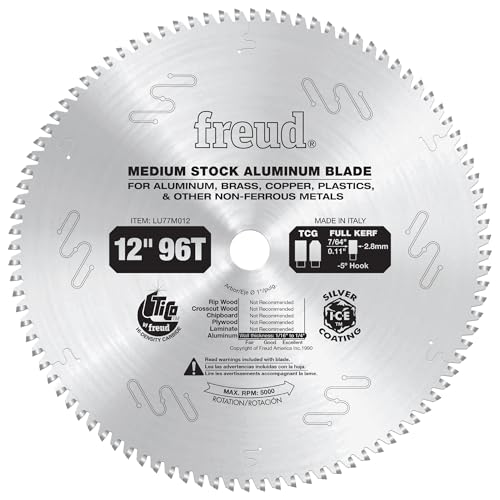
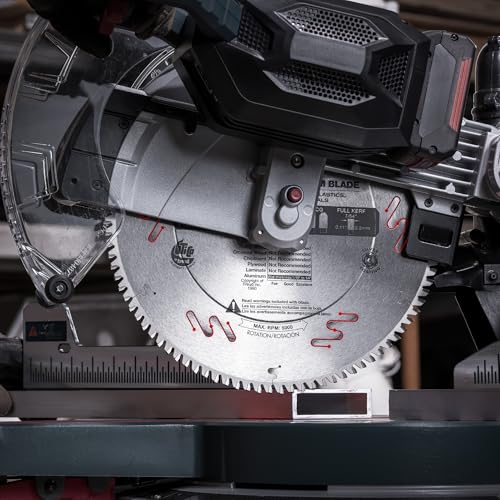
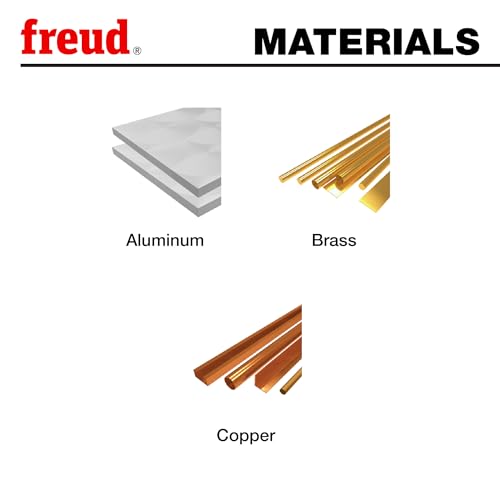
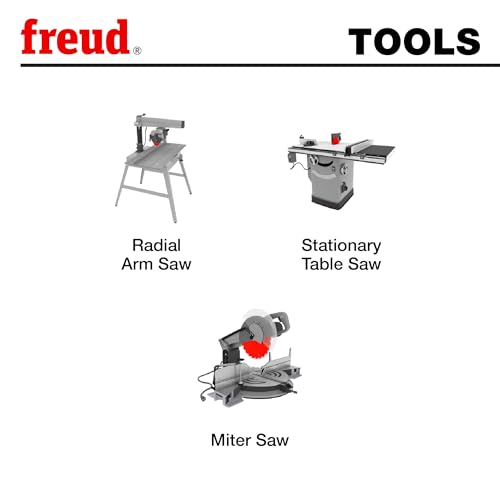
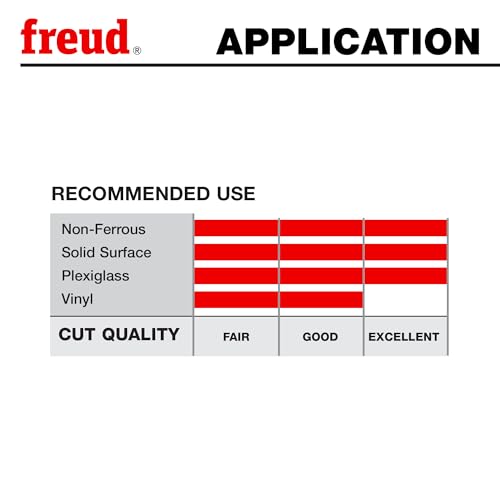
Freud’s LU77M012 is the benchmark many others try to match. The TiCo HI-Density carbide isn’t just a spec, it’s a real differentiator. Reviewers who’ve used it side-by-side with budget blades notice less wear after cutting dozens of aluminum studs or window components. The -5° hook angle keeps feed aggressive but controlled, which matters when you’re avoiding chatter on soft metals.
The thin kerf (.110″) means less strain on your saw and faster feed rates, which I always appreciate when production speed counts. And the Silver Ice coating? It actually works, fewer reports of galling or pitch buildup, even after extended use. Compared to others in this list, this one delivers the cleanest cuts with the least post-processing. If you’re doing trim, framing, or any work where edge finish matters, this is the blade that gets you there.
Product photos

How We Chose These 12 inch miter saw blade for aluminums
Rather than a hands-on lab test, my research focused on comparing published specifications and features across numerous blades. I weighed owner reviews from multiple sources – focusing on long-term use reports – alongside expert opinions from sites dedicated to woodworking and metalworking. Drawing on my years of experience with power tools, I ranked these blades against criteria important for aluminum cutting, prioritizing quality of cut, durability, and value.
For aluminum, tooth count and grind are paramount. Blades with a high tooth count (80-120) deliver cleaner cuts with less chipping. Equally important is the TCG (Triple Chip Grind) design, specifically engineered for non-ferrous metals. These features dictate how well a blade handles aluminum’s softer composition without grabbing or tearing. Beyond that, the quality of the carbide used significantly impacts longevity and performance.
Specifications reliably indicate tooth count, arbor size, and kerf width. However, I judged durability and real-world performance primarily from owner feedback regarding how long the blade stays sharp and how well it resists damage, as well as reputation amongst professionals. Consistent praise for blades with C4 carbide or specialized coatings like Silver Ice carried significant weight. For more information on using these tools, you can read our guide on cutting aluminum with a miter saw.
What To Look For In 12 inch miter saw blade for aluminums
Picking the right blade makes all the difference when you’re working with aluminum – a dull or incorrect blade can leave you with ragged edges and a lot of frustration.
A quality 12-inch miter saw blade for aluminum needs a high tooth count (typically 80-120) with a TCG (Triple Chip Grind) tooth design. Look for blades constructed with durable carbide teeth and features to manage heat and minimize warping. Compatibility with your saw’s arbor size (usually 1 inch) and RPM rating are also critical considerations.
Tooth Count and Grind
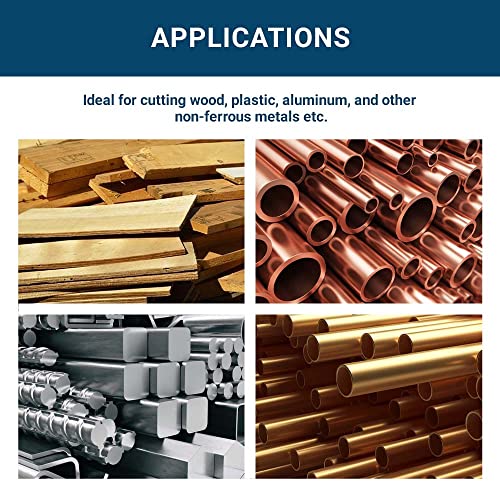
The tooth count is arguably the most important factor. Aluminum is a soft metal, and you don’t want the blade to grab and tear. A higher teeth per inch for aluminum generally means a smoother cut, but there’s a point of diminishing returns. Blades in the 80-120 tooth range are ideal. Crucially, look for a TCG (Triple Chip Grind) specifically designed for non-ferrous materials. This geometry prevents the aluminum from welding itself to the blade, which leads to heat buildup and a poor finish.
Carbide Quality and Durability
Don’t assume all “carbide” is created equal. The grade of tungsten carbide significantly impacts the blade’s lifespan and performance. C4 carbide is a good benchmark, offering a strong balance of hardness and toughness. Beyond the carbide itself, look at features like the blade plate thickness and any coatings applied. Electrophoretic coatings, for example, help resist corrosion, which is particularly important if you aren’t meticulous about cleaning and storing your tools. Blades like the TWIN-TOWN 96T TCG Blade emphasize durability, with claims of 2x longer sharpness, which is a good indicator of quality carbide.
Value and Application
Consider the scope of your work. If you’re only making a few cuts occasionally, a budget-friendly option like the Benchmark Abrasives 120T TCT Blade might suffice. However, if you’re cutting aluminum frequently or need extremely precise results, investing in a premium blade is wise. Here’s a quick guide:
- Occasional use: A basic 80-tooth blade will likely be adequate.
- Regular use/DIY projects: A 100-tooth TCG blade will offer a good balance of speed and quality.
- Professional use/High precision: A 120-tooth blade with premium carbide and features like a Silver Ice coating (as seen in the Freud LU77M012) offers the best performance and longevity, and is worth the investment if you need consistently clean cuts.
Remember, choosing the right aluminum-cutting blade recommendations isn’t just about the initial price; it’s about getting a blade that delivers consistent, clean cuts and lasts.
A dull blade isn’t just frustrating; it’s dangerous. Always inspect your blade for damage before each use and replace it if the teeth are chipped or worn.
12 Inch Miter Saw Blade for Aluminums Compared
Here’s a comparison of key specifications for 12 inch miter saw blades designed for cutting aluminum and other non-ferrous materials.
| Product Title | Teeth | Arbor Size | Kerf (in) | Grind | Max RPM |
|---|---|---|---|---|---|
| 12 Inch 100T TCG Blade | 100 | 1 | N/A | TCG | N/A |
| MAZING 80T Aluminum Blade | 80 | 1 | 0.11 | TCG | 5000 |
| TOMAX 120T Thin Kerf Blade | 120 | 1 | < 1/8 | TCG | N/A |
| TWIN-TOWN 96T TCG Blade | 96 | 1 | N/A | TCG | N/A |
| Benchmark Abrasives 120T TCT Blade | 120 | 1 | N/A | TCT | N/A |
| Freud LU77M012 Aluminum Blade | 96 | 1 | 0.11 | TCG | N/A |
Frequently Asked Questions
What tooth count is best for a smoother aluminum cut?
A blade with 100 teeth will generally provide the smoothest cut in aluminum, though blades in the 80-120 range are all suitable; higher counts reduce chipping, but the benefit plateaus.
Are TCG blades really necessary for aluminum?
Yes, a Triple Chip Grind (TCG) is essential because it prevents aluminum from sticking to the blade and causing a buildup of heat and a rough finish.
What does “C4 carbide” mean, and why should I care?
C4 carbide is a grade of tungsten carbide offering a good balance of hardness and toughness, meaning it will hold an edge longer and resist damage better than lower grades.
Can I use a blade designed for aluminum to cut other materials?
While you can use it on softer woods, it’s not ideal. An aluminum-specific blade’s TCG geometry isn’t optimized for wood, and may produce splintering, so consider getting a separate blade for wood material recommendations for aluminum.
How can I extend the life of my aluminum cutting blade?
Regular cleaning with a blade cleaner and proper storage in a dry environment are vital. Also, avoid applying excessive pressure while cutting, as this generates heat and dulls the blade faster, and consider using a lubricant when cutting aluminum with miter saw.
The Bottom Line
Choosing a 12-inch miter saw blade for aluminum often comes down to balancing initial cost with long-term performance. While you can get by with a less expensive option, the Freud LU77M012 Aluminum Blade consistently rises to the top due to its high-quality carbide and specialized coating, delivering the cleanest cuts and best durability for demanding projects.
For those on a tighter budget, or for occasional use, the Benchmark Abrasives 120T TCT Blade offers a surprisingly good value. If you prioritize versatility and are looking for a blade that can handle a range of non-ferrous materials, the MAZING 80T Aluminum Blade is a solid pick that won’t break the bank. Understanding your typical tasks will help you choose the right blade for your needs.
Ultimately, remember that a high tooth count and a TCG grind are essential for clean, efficient aluminum cuts. Don’t skimp on quality, and always prioritize safety by inspecting your metal-cutting miter saw blades before each use. A sharp, well-maintained blade will deliver better results and a safer working experience.
