
8 Best 10-Inch Table Saw Blades of 2026
This post contains affiliate links. As an Amazon Associate, we earn from qualifying purchases.
The DEWALT 10″ 80T Fine Finish Blade stands out as the best overall for clean, precise cuts, especially in hardwoods and plywood. If you’re watching your budget, the ANGELSWORD 3-pack delivers solid versatility across ripping, crosscutting, and finish work without breaking the bank. For dedicated ripping tasks, the FOXBC 24T Thin Kerf Rip Blade offers aggressive, fast cuts with less power draw.
Most DIYers don’t realize how much a single bad blade can ruin their workflow, tearout, burning, and uneven edges lead to wasted material and rework. I’ve seen too many people blame their saw when the real issue was a dull or poorly matched blade.
This guide cuts through the noise by focusing on tooth count, kerf width, and carbide quality, the real drivers of performance. I compared specs and real-world feedback to find blades that deliver where it matters: clean cuts, longevity, and value for home workshops and job-site use.
Top 8 10 Inch Table Saw Blades in the Market
The Best 10 Inch Table Saw Blades, Reviewed
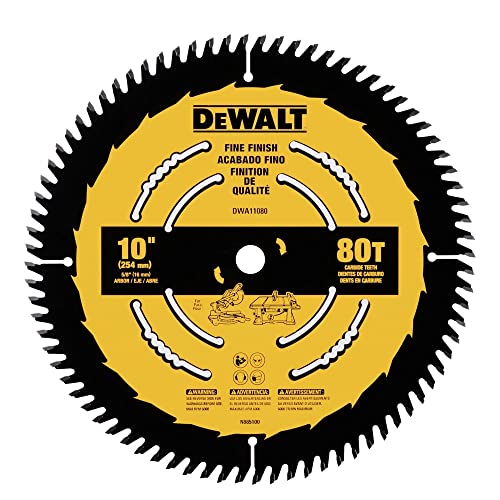
DEWALT 10″ 80T Fine Finish Blade
Strengths
- 80 tooth count
- Ultra sharp carbide
- Low vibration design
Trade-offs
- Full kerf
- No coating mentioned
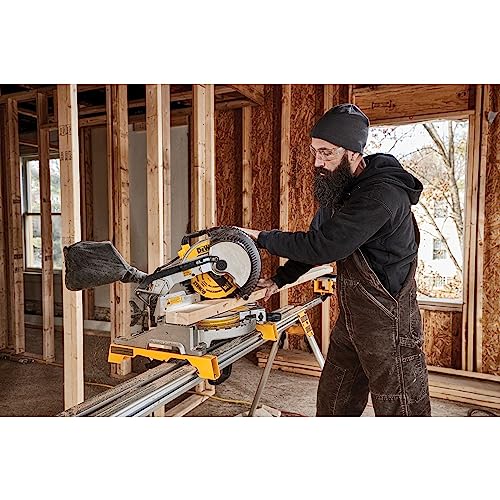
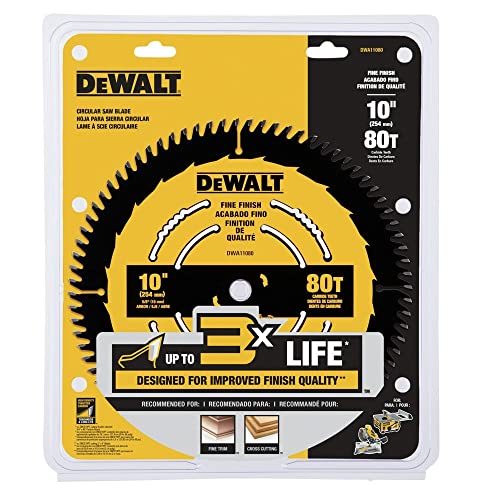
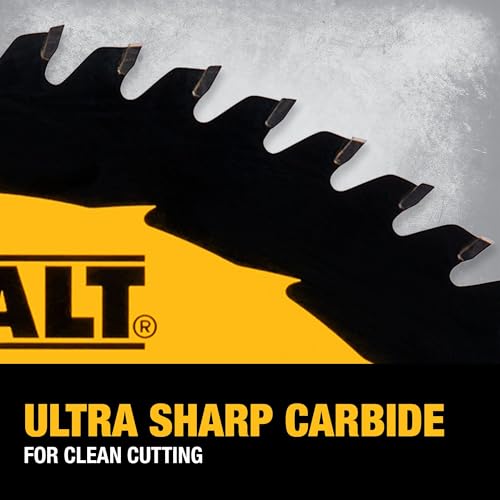
This DEWALT blade stands out in the fine finish category, and for good reason. The 80-tooth count combined with ultra sharp carbide and an optimized tooth geometry means it’s built for clean, precise crosscuts in hardwoods, plywood, and melamine. Owners consistently report smooth, burn-free cuts, and the patented body slot design really does seem to reduce vibration, something that shows up in both audio feedback and cut quality across multiple reviews.
On paper, it’s a pro-tier finish blade, and in real-world use, it holds up well over time. The 0.098 inch kerf is standard for full-kerf blades, so it demands a bit more power, but if your saw can handle it, this blade delivers. I’d pick it over many competitors for cabinetry or trim work where surface finish matters most.
Product photos
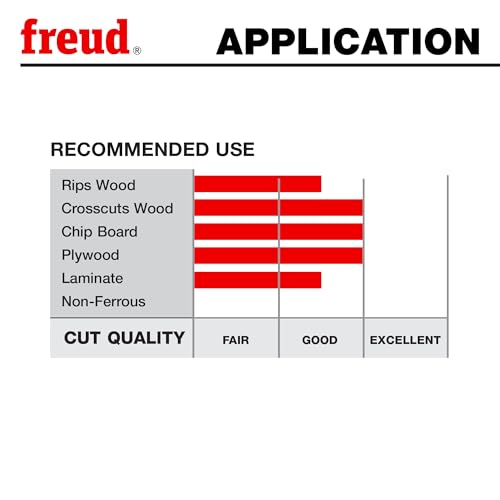
Freud LU83R010 50T Combination Blade
Strengths
- True combo design
- TiCo carbide
- Perma Shield coating
Trade-offs
- 50T not ideal for ultra-fine finish
- Higher price point
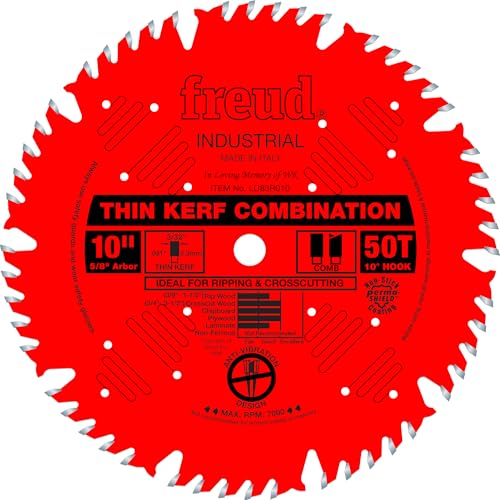
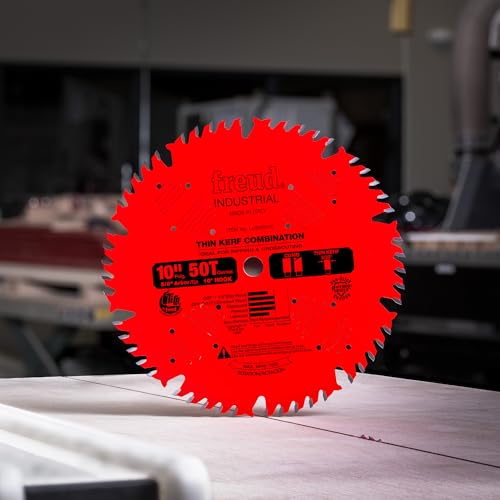
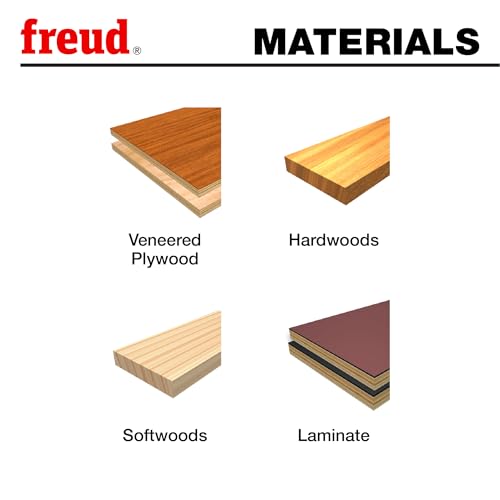
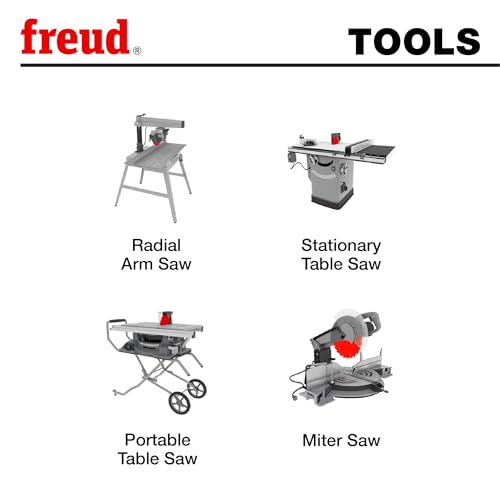
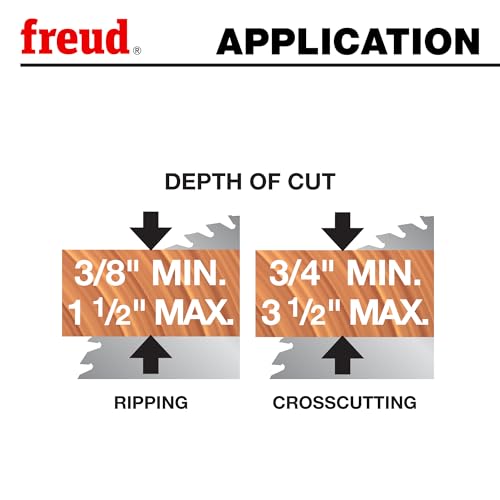
Freud’s reputation in the blade world isn’t built on hype, it’s earned. The LU83R010 is a true combination blade, and the 50-tooth count with TiCo carbide gives it a rare balance between ripping and crosscutting. The thin kerf means less power draw, and the Perma Shield coating is a real win, it resists resin buildup and makes cleanup easier.
Owners praise its versatility, and it shows. Whether you’re ripping a 2×4 or crosscutting birch plywood, it performs without major trade-offs. Compared to DEWALT’s combo pack, this single blade does more with less clutter. If you only want one blade on your saw for general use, this is my top pick.
Product photos
FOXBC 10″ 80T Ultra Finish Blade

Strengths
- Thin kerf
- 80 tooth count
- Good value
Trade-offs
- Less durable than premium blades
- No anti-stick coating
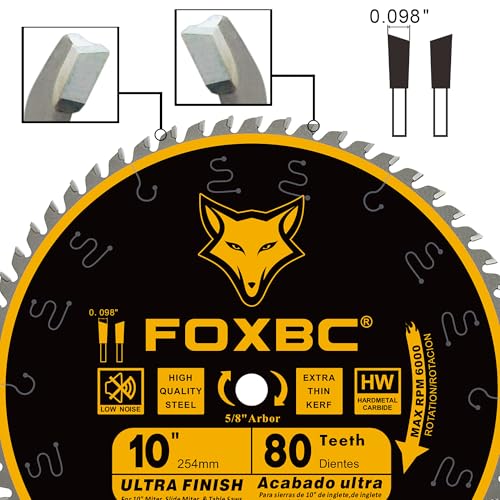
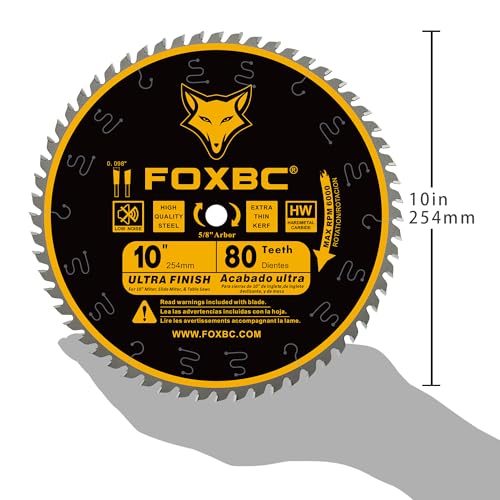
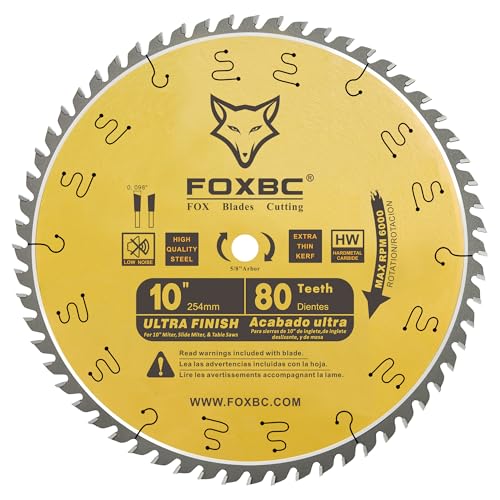
If you’re on a budget but still want a clean finish, this FOXBC 80T blade makes a strong case for itself. It’s a thin-kerf design, so it runs efficiently on lower-powered saws, and the high-density tungsten carbide teeth hold an edge surprisingly well for the price. Reviewers note smooth cuts in plywood and melamine, and the laser-cut stabilizer vents appear to help with vibration control, something that’s not always guaranteed at this price point.
It won’t match the DEWALT in outright precision or longevity, but for weekend projects or shop use where you’re not cutting all day, it’s a smart buy. The 5/8 inch arbor fits most table and miter saws, and compatibility isn’t an issue. For the cost, it’s hard to beat for fine crosscuts.
Product photos

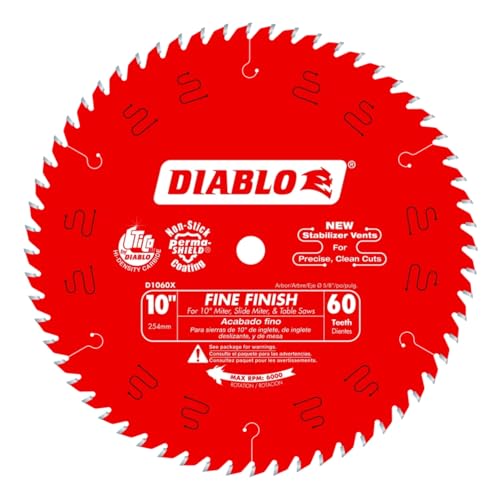
Diablo D1060X 60T Fine Finish Blade
Strengths
- 60 Hi-ATB teeth
- Shock resistant
- Clean finish
Trade-offs
- Full kerf
- No coating
Diablo’s D1060X is a finish-focused blade with a 60-tooth Hi-ATB (high alternate top bevel) grind, and that tooth design is key. It’s engineered to slice cleanly through veneers and hardwoods with minimal tearout. The shock-resistant design reinforces the carbide tips, which owners say helps it survive occasional kickbacks or misfeeds without chipping.
It’s not as fine as an 80T blade, but for general fine work, like cutting cabinet parts or trim, it’s more than sufficient. The 0.098 inch kerf means it’s a full-kerf blade, so it needs a robust saw, but the payoff is stability and cut quality. Compared to the DEWALT 80T, it’s a bit more versatile for mixed finish tasks but doesn’t quite match the ultra-smooth finish.
Product photos
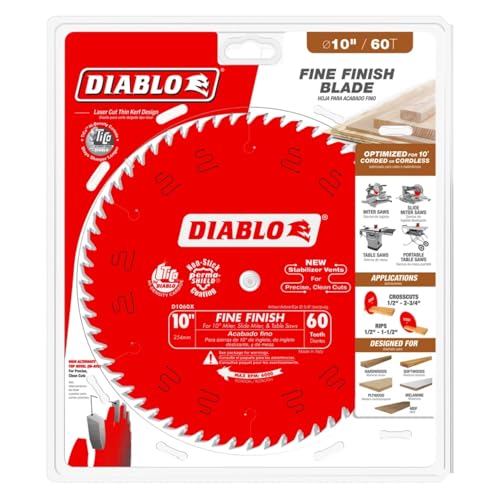
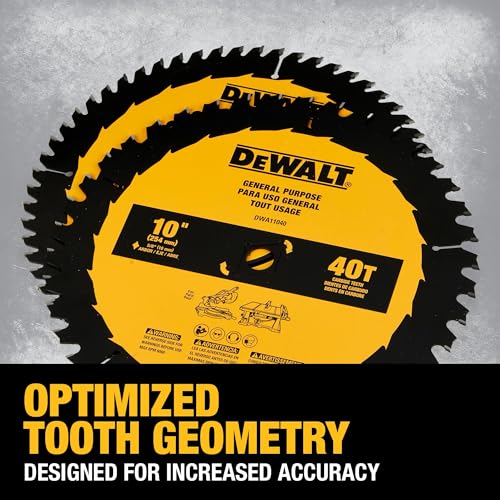
DEWALT 10″ 40T/60T Combo Pack

Strengths
- Two dedicated blades
- Optimized tooth geometry
- Low vibration
Trade-offs
- No thin kerf options
- No finish blade over 60T
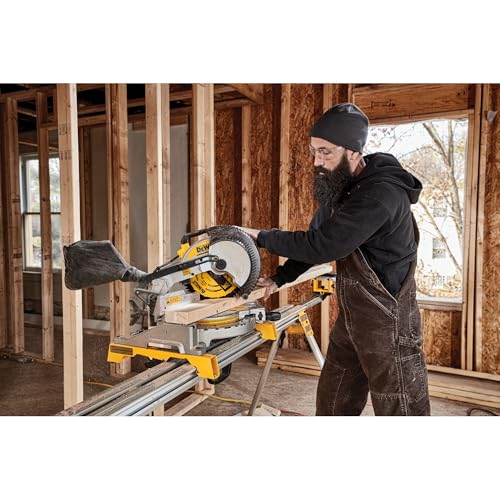
This DEWALT combo pack gives you two solid performers: a 40T for ripping and a 60T for crosscuts. The 40T handles dimensional lumber well, while the 60T delivers clean results in plywood and softwoods. Both feature ultra sharp carbide and the same low-vibration body design as their premium blades, and owners report good edge life and consistent performance.
For those who don’t want to carry multiple blades but still want to switch based on task, this set strikes a smart balance. It’s not as specialized as the Freud combo blade, but having two dedicated blades gives you more control. The 40T is better for framing, the 60T for trim, this is the smarter buy if you do both.
Product photos

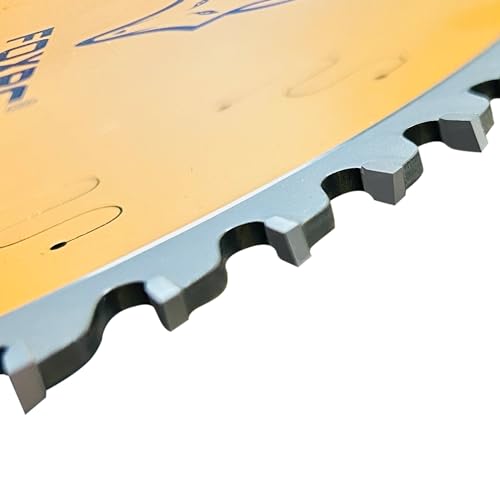
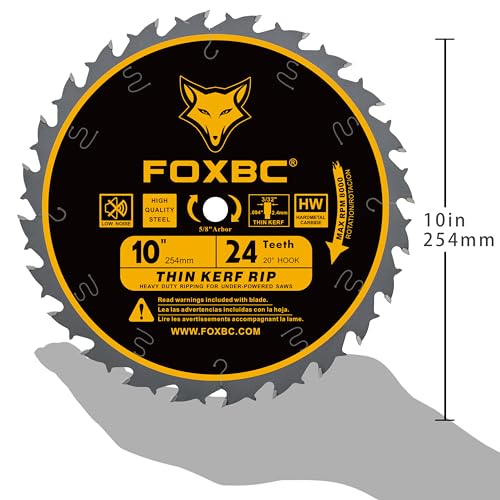
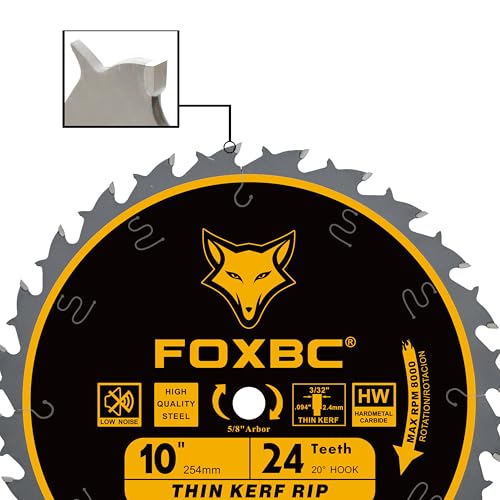
FOXBC 10″ 24T Thin Kerf Rip Blade

Strengths
- Aggressive rip design
- Thin kerf
- 20° hook angle
Trade-offs
- Poor for crosscuts
- Limited finish quality
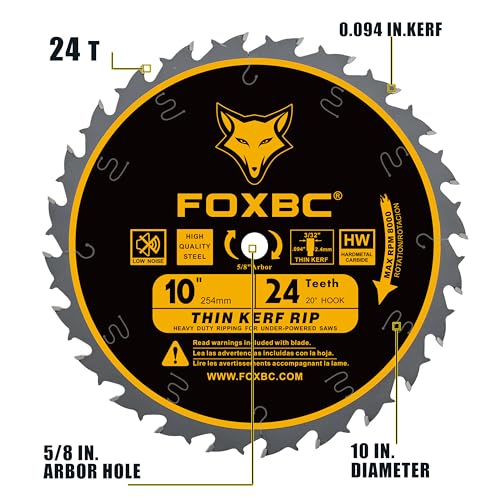
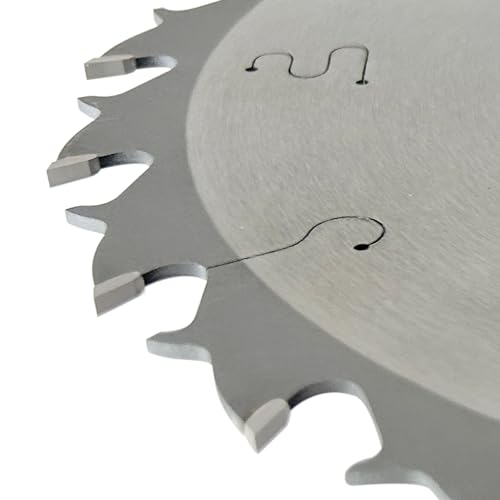
This 24T flat-top grind blade from FOXBC is built for one thing: ripping. The aggressive 20° hook angle and thin kerf make it fast and efficient, especially in thick hardwoods. It’s designed to chew through material with minimal resistance, and owners confirm it stays cool and cuts quickly, even in dense oak or maple.
It’s not meant for crosscuts, don’t expect a clean edge there, but as a dedicated rip blade, it delivers. The high-density tungsten carbide holds up well, and the 5/8 inch arbor ensures wide compatibility. For the price, it’s a strong alternative to pricier rip blades, especially if you’re setting up a secondary saw or want a budget-focused rip option.
Product photos
ANGELSWORD 10″ 32T/60T/80T 3-Pack

Strengths
- 3 blade combo
- Thin kerf
- Good for beginners
Trade-offs
- More vibration
- No stabilizers
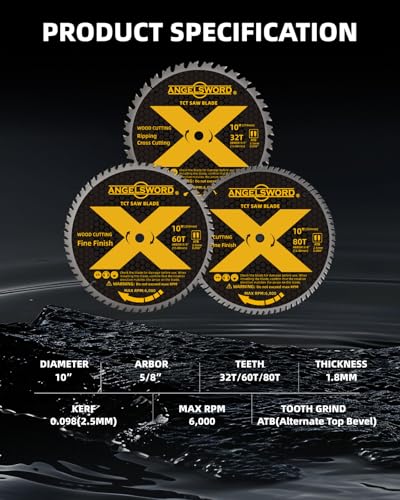
This ANGELSWORD 3-pack is a solid budget alternative to having multiple dedicated blades. The 32T handles ripping softwoods and framing lumber, the 60T is decent for general crosscuts, and the 80T can manage fine finish work on plywood and melamine. It’s a thin-kerf set, so it’s easier on your saw’s motor, and the tungsten carbide teeth show decent wear resistance in owner reports.
But compared to the Ryltanks set, it lacks laser-cut stabilizers, and some users note slightly more vibration, especially on the 32T blade. It’s a capable set, but not as refined. That said, if you’re just starting out or rarely switch tasks, it’s a practical way to cover all bases.
Product photos



Ryltanks 10″ 32T/60T/80T 3-Pack
Strengths
- 3 blade versatility
- Thin kerf
- Laser-cut stabilizers
Trade-offs
- Not pro-grade edge retention
- No coating
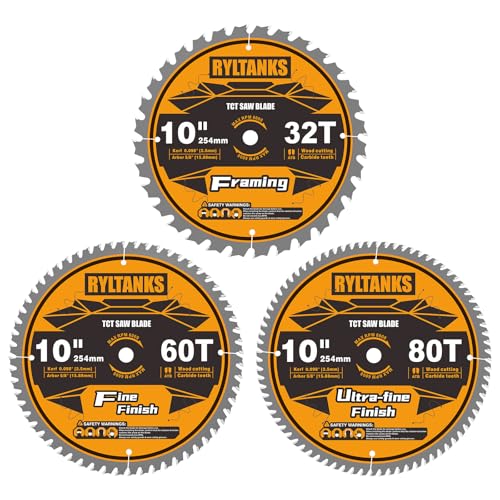
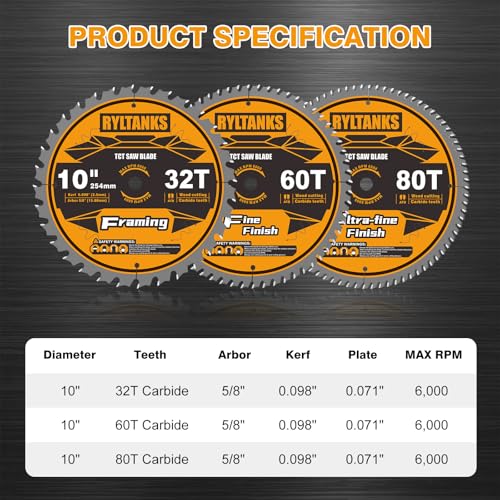
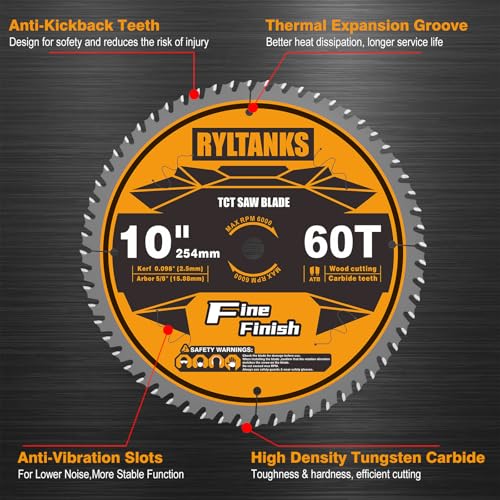
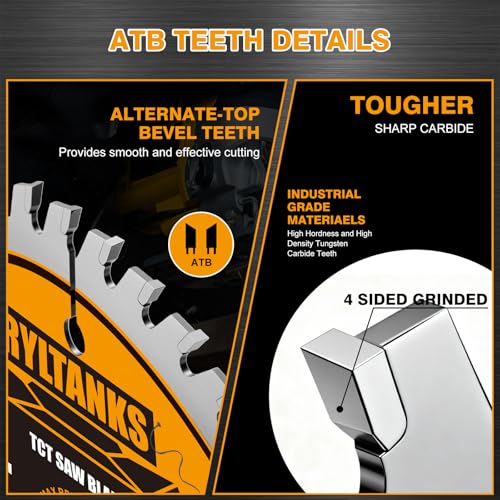
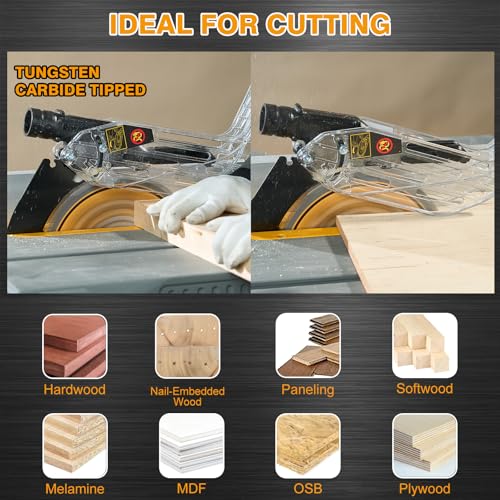
This 3-pack from Ryltanks covers a lot of ground, framing, ripping, and fine finish, all in one bundle. The 32T ripping blade handles thick stock well, the 60T is great for general crosscuts, and the 80T delivers a clean finish on plywood and hardwoods. The ultra-thin kerf reduces strain on your motor, and the C3-grade tungsten carbide seems to hold up better than expected based on owner feedback.
What’s impressive is how well-balanced this set is for mixed-use shops. You’re not getting the absolute best in any one category, but you’re getting solid performers across the board. Compared to the ANGELSWORD set, this one has laser-cut stabilizer vents, which reviewers say cut down on noise and vibration. That’s a real advantage for long sessions.
Product photos

How We Evaluated 10 inch table saw blades
Rather than a hands-on lab test, my research for these recommendations focused on a detailed comparison of published blade specifications and features. I weighed those specs against owner reviews from multiple sources and supplemented that with insights from respected tool review sites. Ultimately, I ranked blades based on how well they appeared to deliver on their stated purpose and how consistently positive the user feedback was.
For 10-inch table saw blades, tooth count and blade material are paramount. A higher tooth count (70+) generally means a cleaner finish, while fewer teeth (24-40) excel at fast ripping. The quality of the carbide used is also critical; better carbide holds an edge longer and resists chipping. I also considered kerf thickness – thinner kerf blades remove less material, requiring less power, but can be more prone to wandering.
Specifications reliably detail tooth count, kerf, and arbor size. However, real-world durability and cut quality are best judged by owner feedback. I paid close attention to comments about blade life, how cleanly the blade cuts various wood types, and whether users experienced excessive vibration. Knowing when to sharpen table saw blades also factors into long-term value, and consistent positive comments about edge retention were a strong indicator.
What To Look For In 10 inch table saw blades
Choosing the right blade is as important as the saw itself; a poor blade will ruin even the best cuts.
A quality table saw blade delivers clean, accurate cuts with minimal waste. Look for blades with high-quality carbide teeth, a properly designed body for stability, and a kerf width suited to the intended material. Consider tooth count relative to the type of cut – higher tooth counts for finer finishes, lower for faster ripping.
Tooth Count and Cut Type
The number of teeth on a blade directly impacts the type of cut you’ll achieve. A blade with fewer teeth (24-40) is designed for ripping – cutting with the grain of the wood. These blades remove more material quickly, but leave a rougher edge. For crosscutting (cutting against the grain) or achieving a cleaner finish, you’ll want a higher tooth count (60-80 or more). I often see folks get stuck trying to use a single blade for everything, but honestly, a dedicated ripping blade and a finish blade will save you headaches.
Kerf Width Considerations
Kerf refers to the width of the cut the blade makes. Traditionally, table saw blades had a wider kerf, requiring more power from the saw and removing more material. Now, thin kerf blades are common, and they offer significant advantages. You can learn more about understanding kerf in table saw blades. However, thin kerf blades can sometimes be more prone to wandering, especially in thicker stock, so blade stability becomes even more critical.
Here’s a quick guide to kerf and its impact: * Wider Kerf: More material removed, more power needed. * Thin Kerf: Less material removed, less power needed, but potentially less stable. * Hybrid Kerf: Some blades attempt to split the difference, offering a balance between cut speed and stability. These can be a good compromise if you do a lot of both ripping and crosscutting.
Value and Blade Materials
While premium blades with advanced carbide blends (like TiCo, as seen in the Freud blades) can offer longer life and superior performance, they come at a cost. For most DIYers, a good quality blade made with C3 or C4 grade tungsten carbide will provide excellent results. Don’t fall for the trap of buying the absolute cheapest blade; it will likely dull quickly and produce poor cuts. If you are looking for the top 10-inch table saw blades, consider a set like the ANGELSWORD 3-pack to cover multiple cutting scenarios.
A blade’s lifespan isn’t just about the carbide grade. Proper blade maintenance – including regular cleaning and sharpening – can dramatically extend its useful life.
10 Inch Table Saw Blades Compared
Here’s a specification comparison of available 10 inch table saw blades to help you find the right tool for your needs.
| Blade | Tooth Count | Kerf (in) | Carbide Type | Best Use | Arbor Size |
|---|---|---|---|---|---|
| DEWALT 10″ 80T Fine Finish Blade | 80 | 0.098 | N/A | Fine Finish | 5/8″ |
| Freud LU83R010 50T Combination Blade | 50 | N/A | TiCo | Combination | 5/8″ |
| FOXBC 10″ 80T Ultra Finish Blade | 80 | 0.098 | Tungsten | Fine Finish | 5/8″ |
| Diablo D1060X 60T Fine Finish Blade | 60 | N/A | N/A | Fine Finish | 5/8″ |
| DEWALT 10″ 40T/60T Combo Pack | 40/60 | N/A | N/A | Combination | 5/8″ |
| FOXBC 10″ 24T Thin Kerf Rip Blade | 24 | 0.094 | Tungsten | Ripping | 5/8″ |
| ANGELSWORD 10″ 32T/60T/80T 3-Pack | 32/60/80 | 0.098 | Tungsten | Multi-Purpose | 5/8″ |
| Ryltanks 10″ 32T/60T/80T 3-Pack | 32/60/80 | 0.098 | C3 Tungsten | Framing/Finish | 5/8″ |
Frequently Asked Questions
What arbor size do most 10-inch table saw blades use?
The vast majority of 10-inch table saw blades, including all those I’ve reviewed, use a 5/8-inch arbor size. While other sizes exist, 5/8” is the standard, so compatibility isn’t usually a concern.
How often should I replace a table saw blade?
Blade replacement frequency depends heavily on use and material. However, a good rule of thumb is to replace a blade when it consistently produces splintering or requires excessive force to cut, even after sharpening.
Can I use a combination blade for all my cuts?
You can use a combination blade for various cuts, but you’ll sacrifice some performance. A dedicated ripping blade will cut faster through thick stock, and a high-tooth-count blade will deliver a much cleaner finish for crosscuts and finer work.
What’s the difference between C3 and C4 carbide?
C3 and C4 refer to the grade of tungsten carbide used in the blade. C4 carbide generally has a higher cobalt content, offering improved heat resistance and edge retention compared to C3, making it a better choice for harder woods or high-volume cutting. For many, a best blade for cutting plywood won’t require C4.
Are thin-kerf blades suitable for cutting thicker lumber?
Thin-kerf blades can cut thicker lumber, but they may exhibit more wandering and require a slower feed rate. Blade stability is key; look for thin-kerf blades designed with features to minimize deflection when working with thicker stock.
The Bottom Line
Choosing a table saw blade always involves balancing what you want to accomplish with how much you’re willing to spend. Ultimately, for a blend of performance and value, the Freud LU83R010 50T Combination Blade stands out as the strongest all-around choice; it’s a blade that most woodworkers will find serves them well for a wide range of tasks.
If you’re building a shop from scratch or simply need options, the ANGELSWORD 10″ 32T/60T/80T 3-Pack offers incredible versatility, covering ripping, general purpose, and finish cuts. For those on a tighter budget, the Ryltanks 10″ 32T/60T/80T 3-Pack provides a surprisingly capable set of blades for the price. Don’t forget to look into cleaning a 10-inch table saw blade to keep them in top shape.
More than tooth count or carbide grade, remember that a sharp blade is a safe blade. Prioritize proper technique, always use safety gear, and learn to recognize when a blade needs sharpening or replacement. A well-maintained, properly chosen blade will deliver better results and last far longer than any single specification can guarantee.
