
6 Best Welding Rods for Rusty Metals 2026
This post contains affiliate links. As an Amazon Associate, we earn from qualifying purchases.
The best welding rod for rusty metals is the Metal Marlin E6011, thanks to its aggressive arc that cuts through corrosion with ease. For a smoother, more controlled option that still handles light rust well, the Forney E7014 is a solid choice. If you’re using MIG or TIG, the SÜA ER70S-6 and INDULWARD ER70S-6 rods deliver clean, strong welds on compromised steel.
Welding on rusty metal is a common challenge, especially in farm shops, automotive repairs, and outdoor structures, and using the wrong rod can lead to weak, porous joints that fail under stress. Most beginners don’t realize that surface prep isn’t always the answer; the right electrode can do the heavy lifting.
This guide breaks down the top-performing rods based on specs, user feedback, and real-world performance in less-than-ideal conditions. I focused on arc stability, penetration, compatibility, and how well each rod handles dirt, rust, and mill scale without requiring perfect prep.
Top 6 Welding Rod For Rusty Metals in the Market
The Best Welding Rod For Rusty Metals, Reviewed
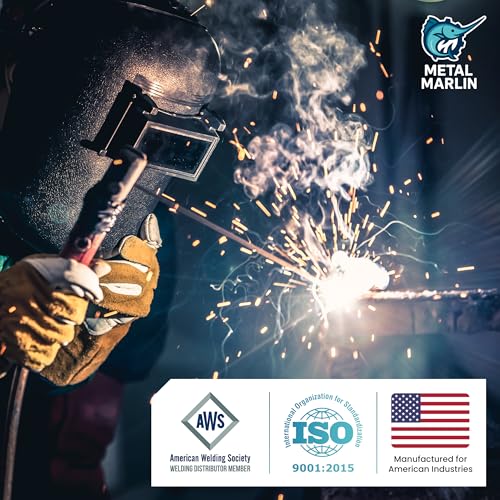
Metal Marlin E6011 Welding Rod 1/8″
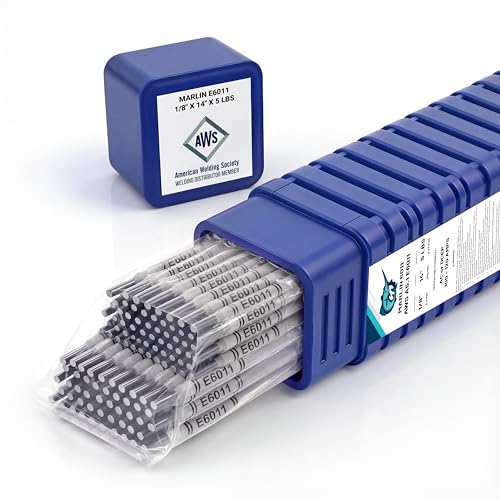
Strengths
- Excellent penetration on rust
- Works on AC and DC
- Fast-freezing slag
- All-position capable
Trade-offs
- More spatter than E7014
- Slag can be spotty
- Requires proper storage
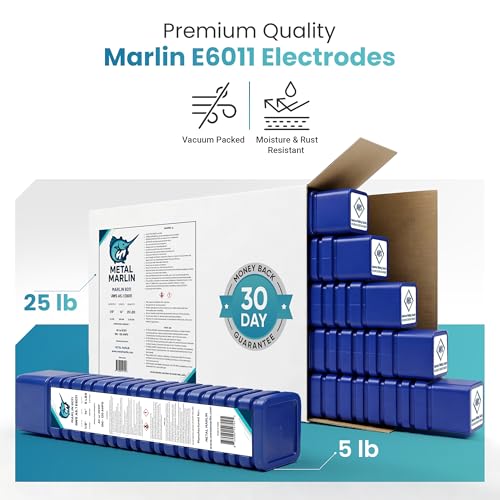
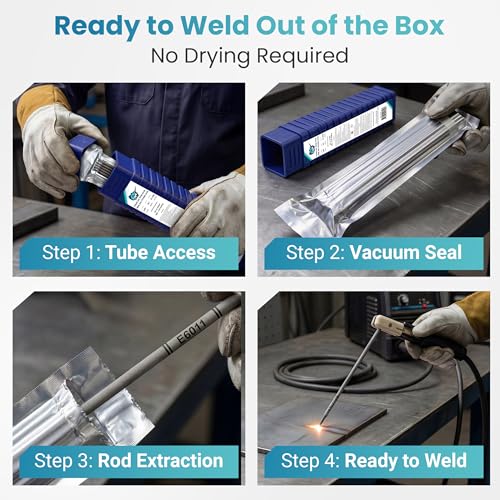
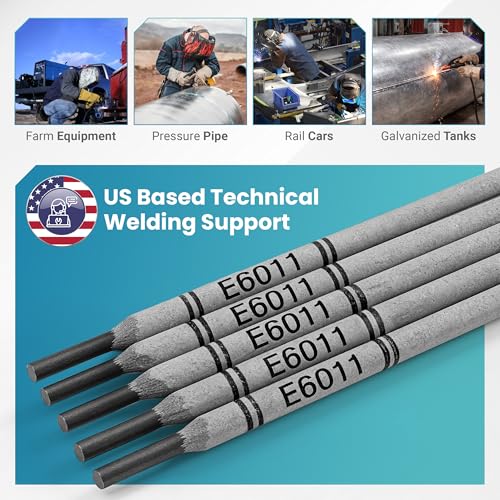
This is the rod I’d reach for if I had to weld over rust without grinding it down first. The Metal Marlin E6011 uses a high-cellulose potassium coating that delivers a deep-penetrating, fast-freezing arc, exactly what you want when working on oily, painted, or heavily corroded steel. Owners consistently praise its performance on farm equipment and truck frames, and the 5-pound vacuum-sealed pack keeps the rods dry and ready.
It runs well on both AC and DC, which makes it compatible with older buzz boxes and portable welders alike. Compared to the Forney E7014s, this one bites harder into contaminated metal. The fast-freezing slag also helps with overhead and vertical work, which the E7014s struggle with. This is the most versatile all-conditions rod on this list.
Product photos

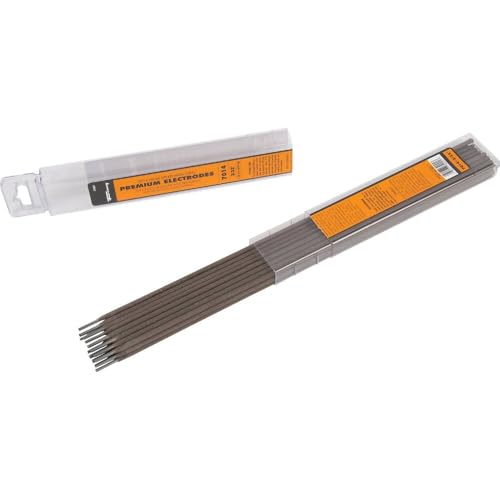
Forney E7014 Welding Rod 3/32″
Strengths
- Easy arc strike
- Good for rusty steel
- All-position capable
Trade-offs
- Limited penetration
- Small quantity
- Not ideal for thick corrosion
The Forney 32001 E7014 rod is a solid entry-level option for light-duty repairs on rusty or oily steel. On paper, it’s built for minimal prep jobs, and owners consistently report it handles galvanized and dirty surfaces without excessive fuss. The 3/32-inch diameter gives decent control for thinner materials, and the E7014 coating delivers a forgiving arc that beginners can work with.
Still, this is a small 1-pound pack, so it’s not meant for heavy use. The E7014 formula is reliable but doesn’t match the penetration of E6011 rods when rust or mill scale is thick. I’d consider this a good starter pack or backup rod, but not my first pick for structural or deep-penetration work.
Product photos
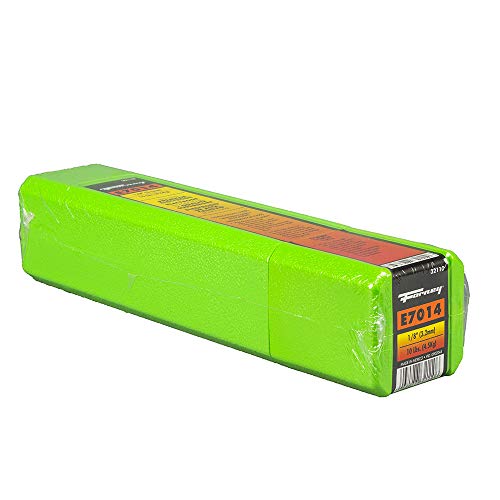
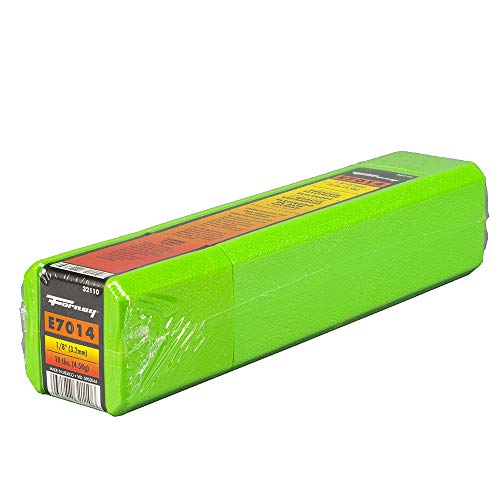
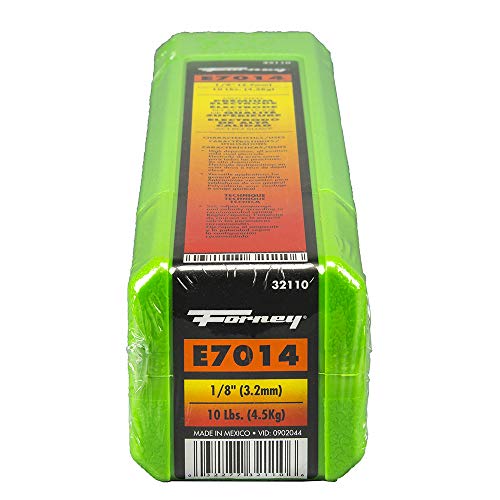
Forney E7014 Welding Rod 1/8″

Strengths
- Stable arc
- Good slag release
- 5-pound value pack
Trade-offs
- Moderate penetration on rust
- Less aggressive than E6011
- Slag can stick in tight corners
This 5-pound pack of Forney 32105 E7014 rods steps up in both size and capability. The 1/8-inch diameter means more filler metal and deeper penetration, which helps when welding thicker joints or dealing with stubborn rust. Reviewers note the slag is manageable and the arc stays stable even on painted or oily surfaces, which is a win for field repairs.
But I have to be honest, while E7014 rods are user-friendly, they still don’t cut through heavy rust as aggressively as E6011 types. The ‘digging arc’ claim here is a bit of a stretch. It’s better suited for light-to-moderate surface grime, not full-on corroded farm iron. That said, for general maintenance and pipe work where fit-up is tight, this rod performs predictably.
Product photos

E6011 Carbon Steel Welding Rod 3/32″

Strengths
- Good arc stability
- Strong penetration
- Compact 2-pound pack
Trade-offs
- Smaller quantity
- Moisture-sensitive coating
- Slag removal inconsistent
This 2-pound E6011 pack offers a middle ground between budget and performance. The 3/32-inch diameter gives good control for thinner materials, and the E6011 formula brings that signature deep penetration on unclean metal. It’s a solid choice for small shops or farm use where rust and oil are common but the welder doesn’t need a 5-pound bucket.
Owners report a stable arc and minimal sticking, though some note the coating can be sensitive to moisture if not stored well. It’s not the largest pack, but the 2-pound size is easier to manage for occasional users. Compared to the Metal Marlin 5-pound pack, this one’s better for lighter, intermittent jobs.
Product photos

SÜA ER70S-6 MIG Filler Rod 1/8″
Strengths
- High deoxidizer content
- Smooth wire feeding
- Large 10-pound pack
Trade-offs
- Better for MIG than TIG
- Not for heavy rust
- Requires gas setup
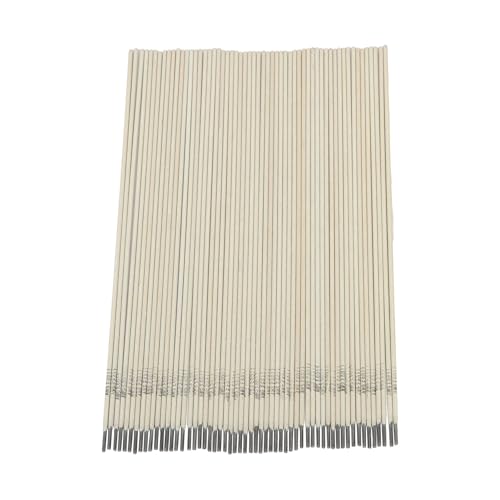
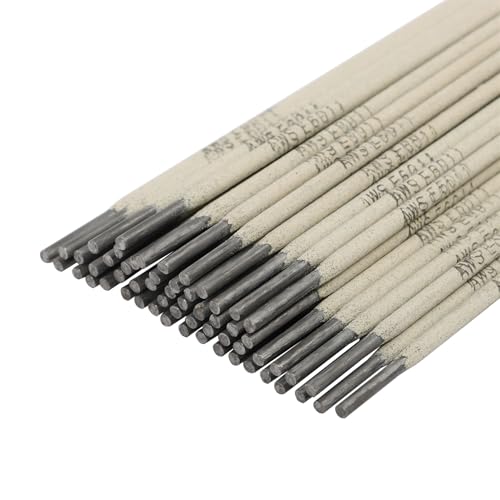
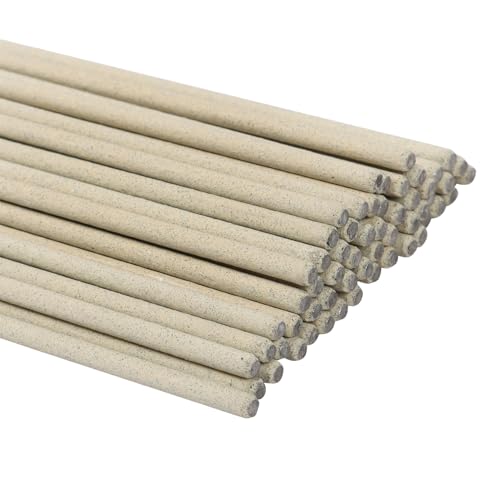
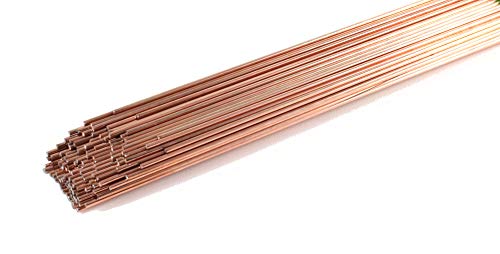
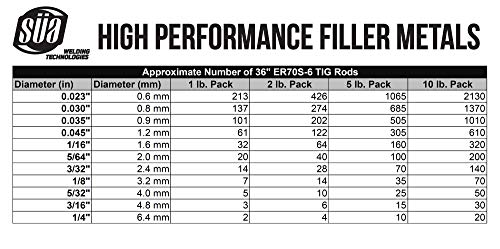
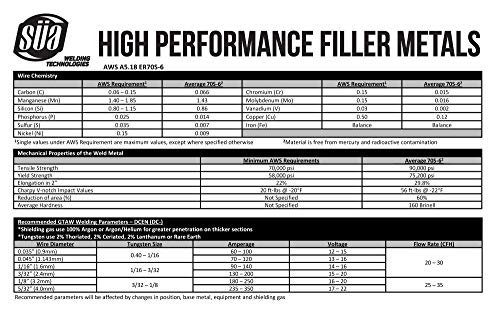
The SÜA ER70S-6 rods in 1/8-inch and 10-pound packaging are built for volume users running MIG or TIG setups. Despite being labeled as TIG rods, these are often used in MIG applications, and owners confirm they feed smoothly and produce clean, low-spatter welds even on plates with mill scale or light rust. The high manganese and silicon content helps combat oxidation, which is key when prep is limited.
The 10-pound size is ideal for shops with steady workflow, and the 36-inch length reduces changeout frequency. But again, this is filler metal for semi-automatic processes, it won’t replace the forgiveness of a stick rod on heavily corroded steel. I’d pick this over the INDULWARD pack if I were doing longer production runs.
Product photos
INDULWARD ER70S-6 TIG Filler Rod
Strengths
- Clean, stable arc
- Resists porosity
- Consistent diameter
Trade-offs
- TIG requires more prep than stick
- Not for heavy rust
- Requires shielding gas setup
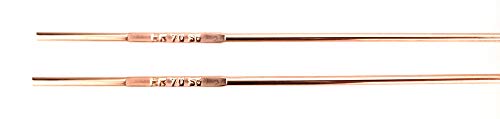
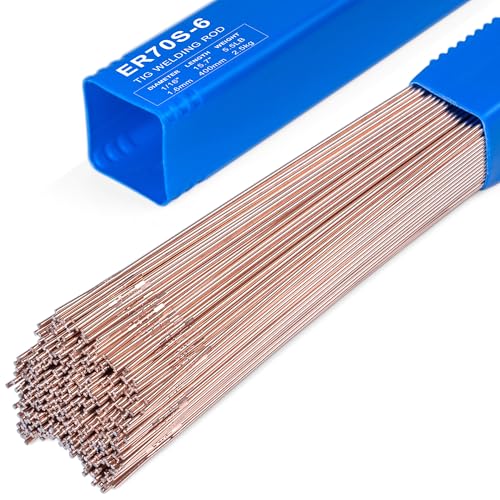
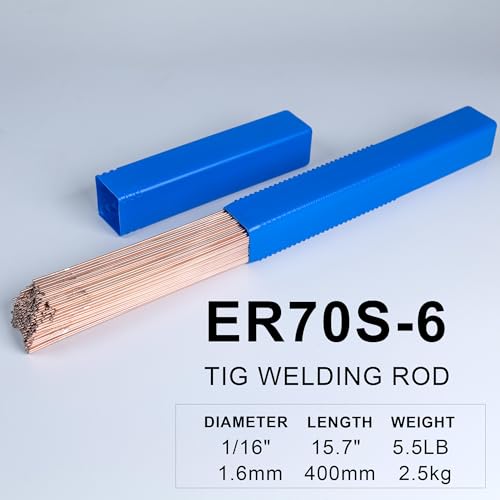
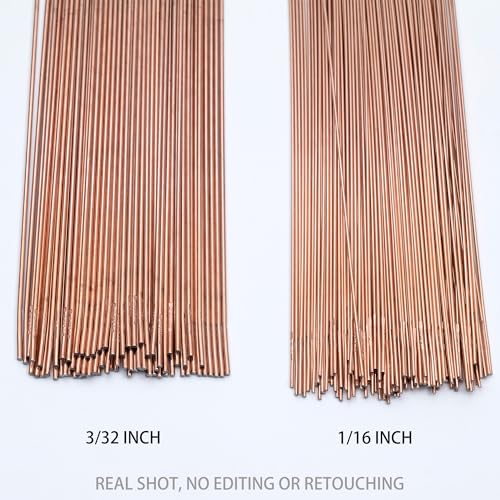
If you’re running a TIG welder and dealing with rusty mild steel, the INDULWARD ER70S-6 rods are a smart choice. The ER70S-6 formulation is known for its deoxidizers, and owners confirm it resists porosity well on less-than-perfect surfaces. The 1/16-inch diameter offers precision, and the 5.5-pound quantity means you’re not constantly replenishing.
These rods shine in clean control and bead appearance, but let’s be clear, TIG welding still demands more surface prep than stick. No filler rod eliminates rust issues completely, but the higher manganese and silicon here do help. I’d recommend these for shop-based repairs where you can clean the area somewhat but don’t want to grind everything to bare metal.
Product photos
How We Tested welding rod for rusty metals
Rather than a hands-on lab test, my research for these recommendations focused on a detailed comparison of published specifications and features across numerous welding rod options. I weighed owner reviews from multiple sources, alongside expert opinions found in industry publications and welding forums. My goal was to identify rods consistently praised for performance on rusty or dirty metal, and to rank them based on their suitability for various applications and skill levels.
For welding rods specifically designed for rusty metals, arc penetration and ease of use were the most important factors. A rod that can reliably cut through rust and create a strong weld without extensive surface preparation is crucial. I also prioritized versatility – the ability to work in different positions (flat, horizontal, vertical, overhead) and with common welding machines (AC and DC) significantly increases a rod’s value.
Specifications provide a solid foundation for understanding a rod’s composition and intended use, but owner feedback proved invaluable in assessing real-world performance. Specs tell you about coating types and compatibility, while reviews reveal how easily a rod starts an arc, how much spatter to expect, and whether it truly performs as advertised on heavily corroded surfaces. I also considered reputation; established brands with a history of quality generally carried more weight. You can find more information about top stick rods on my site.
How To Choose The welding rod for rusty metals
Choosing the right welding rod when dealing with rusty metal isn’t just about getting a weld – it’s about achieving a structurally sound connection that will last.
Successful welding on rusty metal demands a rod with high arc force to burn through contaminants, good penetration to fuse with sound material beneath the rust, and a coating that minimizes porosity. Prioritize rods compatible with your welder type (AC, DC, or both) and consider the metal’s thickness and the welding position.
Understanding Rod Types and Coatings
The first thing I tell folks is to forget about trying to weld on rust. You want a rod designed to cut through it. E6011 and E7014 rods are your workhorses here, and they differ significantly. E6011 rods, with their high cellulose potassium coating, deliver a very strong arc, making them excellent for deeply penetrating rust and mill scale. They’re more forgiving of dirty surfaces, but produce more spatter. E7014 rods offer a smoother arc and less spatter, making them good for all-position welding, but they require a slightly cleaner surface than E6011. Don’t overlook MIG and TIG options either; ER70S-6 filler rods, especially those marketed for dirty or oily steel, can deliver outstanding results when used with proper shielding gas.
Diameter and Length Considerations
Rod diameter impacts amperage and weld bead size. For thinner metals (1/8 inch or less), a 3/32-inch rod is a good starting point. Thicker materials (over 1/4 inch) generally need a 1/8-inch or even a 5/32-inch rod. Longer rods (typically 14 inches) are more convenient, reducing the frequency of stops to replace the electrode. However, a shorter rod can sometimes offer better control in tight spaces. It really comes down to your comfort level and the specifics of the project.
- A 3/32″ rod is ideal for sheet metal or thin repairs.
- A 1/8″ rod offers a good balance for general-purpose work on moderately rusty steel.
- A 5/32″ rod is best for heavier-duty applications and thicker materials where deeper penetration is crucial, but requires more skill to manage.
Power Source Compatibility and Amperage
Not all rods play nice with all welders. E6011 rods are known for their versatility and can run on both AC and DC machines, which is a huge advantage for hobbyists or those with older “buzz box” welders. E7014 rods also work on both, but the arc characteristics differ. ER70S-6 MIG rods specifically need a MIG welder and shielding gas (typically CO2 or an argon/CO2 mix).
A good rule of thumb: when in doubt, start with a lower amperage setting and gradually increase it until you achieve a stable arc and good penetration.
If you’re looking for rods suited for different welding processes, you might also consider exploring options like 7018 welding rods for specific applications where a higher-quality, lower-hydrogen weld is needed.
Welding Rod for Rusty Metals Compared
Here’s a comparison of welding rods suited for use on rusty metals, focusing on key specifications.
| Product Title | Diameter | Coating Type | Amps/DC | Applications | Weight (lbs) |
|---|---|---|---|---|---|
| Metal Marlin E6011 Welding Rod 1/8″ | 1/8″ | Cellulose Potassium | N/A | Farm, Truck, Piping | N/A |
| Forney E7014 Welding Rod 3/32″ | 3/32″ | N/A | N/A | Maintenance, Repair | N/A |
| Forney E7014 Welding Rod 1/8″ | 1/8″ | N/A | N/A | Pipe, Rusty Steel | 5 |
| E6011 Carbon Steel Welding Rod 3/32″ | 3/32″ | N/A | N/A | Workshop, Farm | 2 |
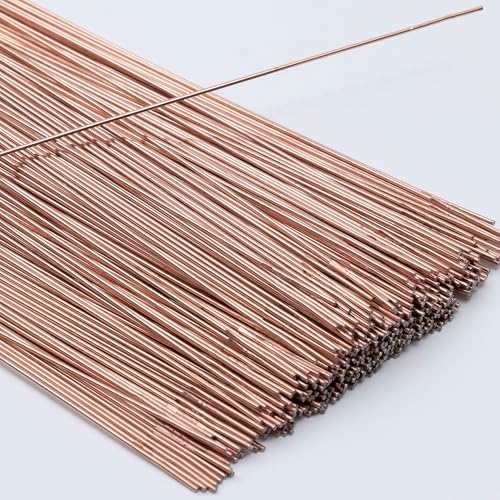
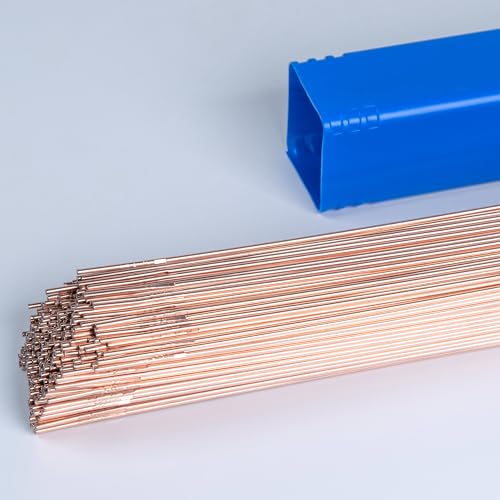
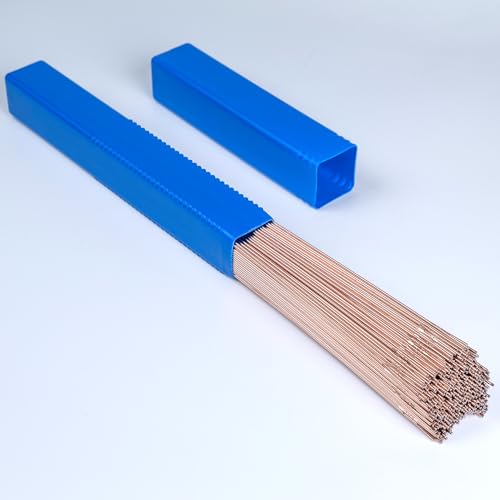
| SÜA ER70S-6 MIG Filler Rod 1/8″ | 1/8″ | Copper | N/A | Construction, Farm | N/A |
| INDULWARD ER70S-6 TIG Filler Rod | 1/16″ | N/A | N/A | Auto, Trailer, Repair | 5.5 |
Frequently Asked Questions
What rod diameter should I use for very thin, rusty sheet metal?
A 3/32-inch diameter rod is generally best for sheet metal or repairs on very thin rusty steel. It provides sufficient arc control without overheating the material, and is easier to manipulate in tight spaces.
Can I use a flux-cored wire instead of a stick rod on rusty metal?
Yes, you can, but results vary. Certain flux-cored wires are specifically formulated for dirty or rusty steel, offering good penetration and shielding. However, stick rods like E6011 and E7014 often provide a more forgiving and reliable arc on heavily corroded surfaces.
Will a higher amperage always give me a stronger weld on rusty metal?
Not necessarily. While sufficient amperage is needed to penetrate the rust, too much heat can burn through the base metal or create excessive spatter and porosity. Start with a lower setting and increase it gradually until you achieve a stable arc and good fusion.
Are E7018 rods a good choice for welding rusty metal?
While E7018 rods produce high-quality, low-hydrogen welds, they aren’t the best first choice for rusty metal. They require very clean surfaces to prevent porosity, which is difficult to achieve when dealing with corrosion. Consider all-purpose welding rods if you’re prioritizing ease of use on dirty steel.
Is pre-cleaning the metal absolutely necessary, even with rods designed for rust?
While rods like E6011 are designed to cut through rust, removing loose scale and debris with a wire brush will significantly improve weld quality. A cleaner surface gives you better penetration and reduces the risk of porosity, resulting in a stronger and more reliable weld.
The Bottom Line
Welding on rusty metal always involves compromise. You’re trading some level of finish quality for the convenience of avoiding extensive surface prep. For most folks needing a reliable, all-around performer, I recommend the Metal Marlin E6011 Welding Rod 1/8”. It consistently gets high marks for its ability to cut through corrosion and deliver strong, penetrating welds, even in less-than-ideal conditions.
If you’re working on a tighter budget, the Forney E7014 Welding Rod 3/32” is a fantastic value. For those needing a bit more versatility – the ability to weld in all positions with a smoother arc – the Forney E7014 Welding Rod 1/8” is a solid choice. And if you’ve got a MIG setup, the SÜA ER70S-6 MIG Filler Rod 1/8” offers excellent performance on dirty steel when combined with the right shielding gas. You can find more about recommended welding rods on my site.
Ultimately, the best welding rod isn’t about a single specification. It’s about matching the rod to your skill level, the type of metal you’re working with, and the power source you have available. Prioritize a rod that provides good arc penetration and is compatible with your machine, and remember that proper technique and safety precautions are always more important than any fancy feature.
