
7 Best Welding Respirators of 2026
This post contains affiliate links. As an Amazon Associate, we earn from qualifying purchases.
The 3M 6502QL Rugged Comfort Respirator stands out as the best overall welding respirator for its reliable P100 filtration, strong comfort features, and smooth breathing valve. For budget-conscious buyers, the 3M Particulate Welding Respirator 8212 offers solid N95 protection for light or occasional use. If you need maximum versatility and don’t have a tight facial seal due to facial hair, the ANDELI PAPR Welding Helmet is the top choice.
Welding throws off dangerous fumes and fine particulates that can harm your lungs over time. Choosing the wrong respirator means risking exposure, discomfort, or constant interruptions to adjust your gear.
This guide cuts through the noise by focusing on what matters: filtration performance, real-world comfort, and compatibility with your welding helmet and workflow. I compared specs, analyzed owner feedback, and looked at how each model holds up under long sessions and tough conditions to help you pick the one that fits your needs and keeps you protected.
Top 7 Welding Respirators in the Market
The Best Welding Respirators, Reviewed
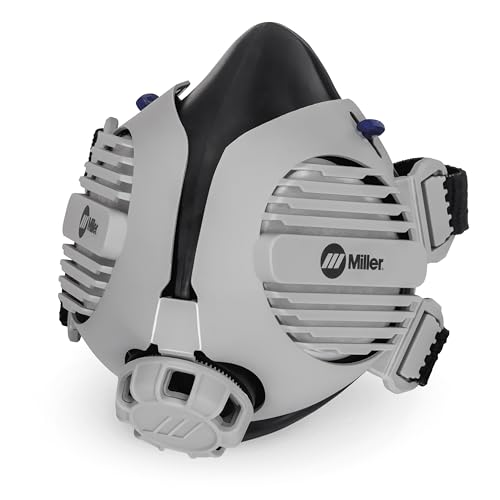
Miller LPR-100 Gen. II Half Mask
Strengths
- Nuisance vapor relief
- Low breathing resistance
- Quick-change filters
Trade-offs
- Filters sold separately
- Limited color options
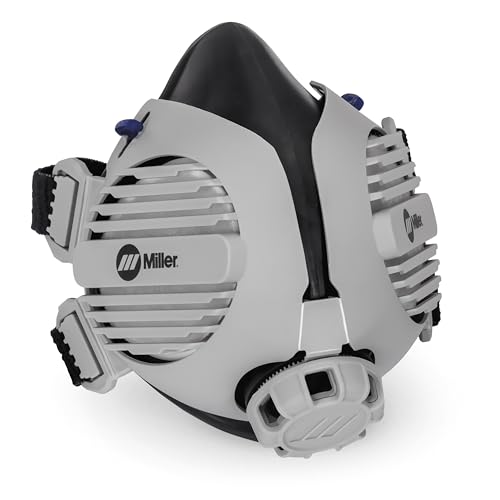
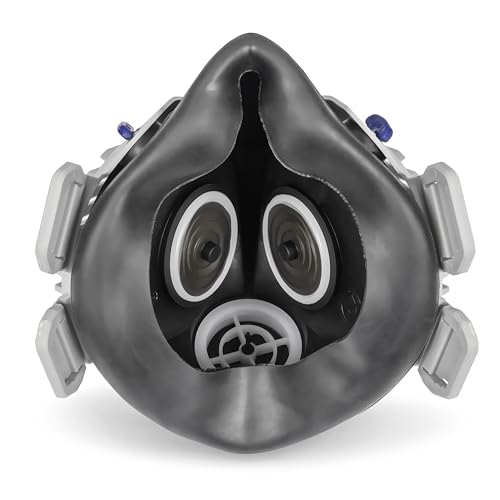
This is my pick for best overall welding respirator, it hits the sweet spot between performance, comfort, and smart design. The nuisance-level organic vapor relief with the carbon layer is a real advantage over basic P100 filters, especially in mixed-fume environments. And the 99.97% filtration with oil resistance means it handles metal fumes, dust, and mists without breaking a sweat.
Owners love the low-profile fit under helmets and the four-point adjustable strap, which locks in a secure seal without over-tightening. The quick-change filters and large exhalation valve reduce fatigue, small touches that add up over an 8-hour shift. Compared to the 3M 6500QL, it’s lighter and more tailored to welding-specific needs. If you want one mask for all your welding work, this is the smarter buy.
Product photos

Klein Tools 60552 P100 Half-Mask

Strengths
- P100 oil-resistant filters
- Low-profile design
- Affordable entry point
Trade-offs
- Filters sold separately
- Basic strap system
- Less vapor protection
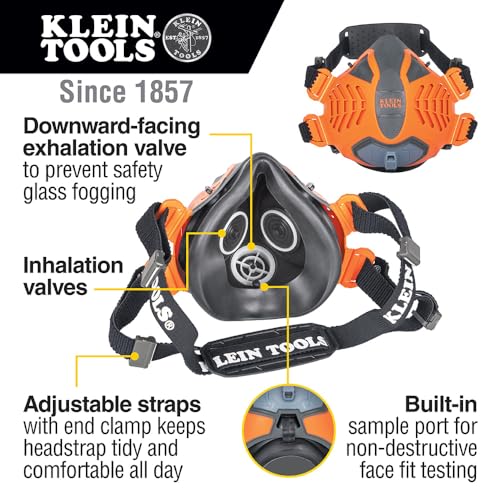
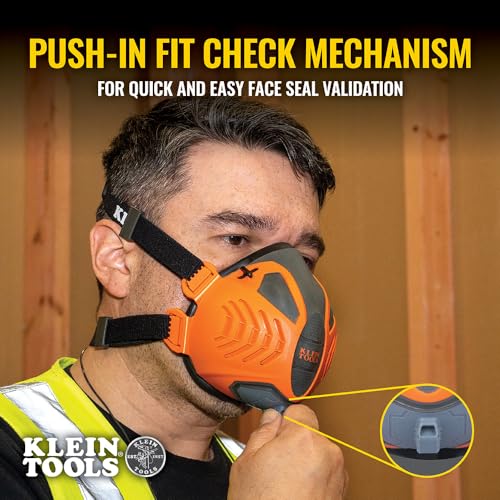
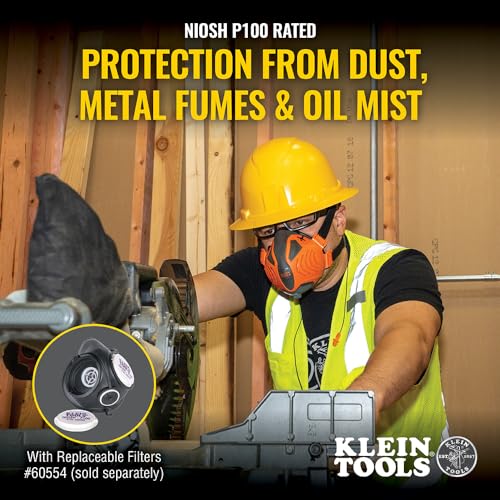
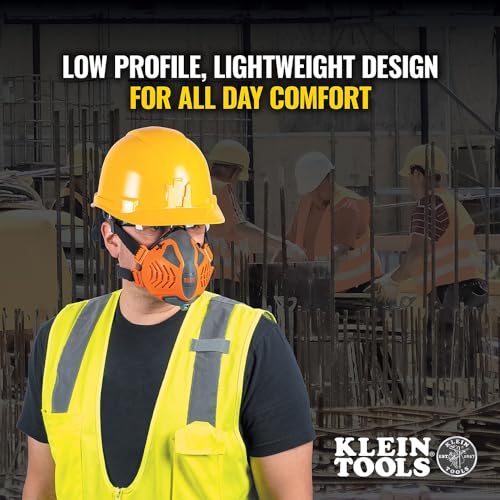
Klein Tools enters the respirator space with a budget-friendly P100 half-mask that punches above its weight. It delivers NIOSH P100-rated filtration, meaning it handles oil-based particulates and metal fumes effectively, on paper, it’s close to the Miller LPR-100. The push-in fit check is a handy feature for confirming seal integrity without extra tools, and the downward exhalation valve helps keep safety glasses fog-free.
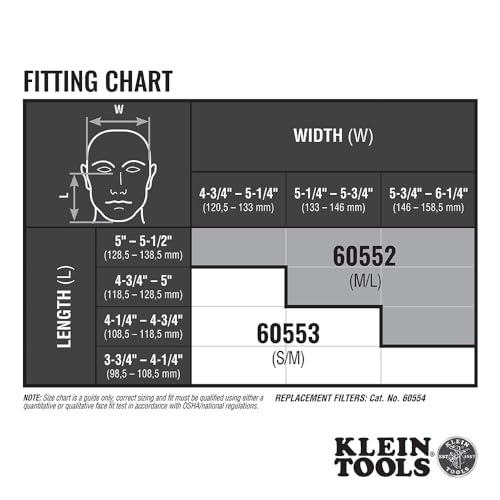
Owners note it’s simple to adjust and lightweight enough for long use. The catch? Filters are sold separately, which adds to the long-term cost. Still, for a DIYer or small shop wanting reusable protection without a big upfront investment, this is a solid entry point. I’d recommend it over disposables, but not over the Miller if you weld daily.
Product photos
ANDELI PAPR Welding Helmet
Strengths
- Powered air purification
- Full 180° visibility
- Auto-darkening lens
Trade-offs
- Bulky and heavy
- Higher maintenance
- Battery dependency
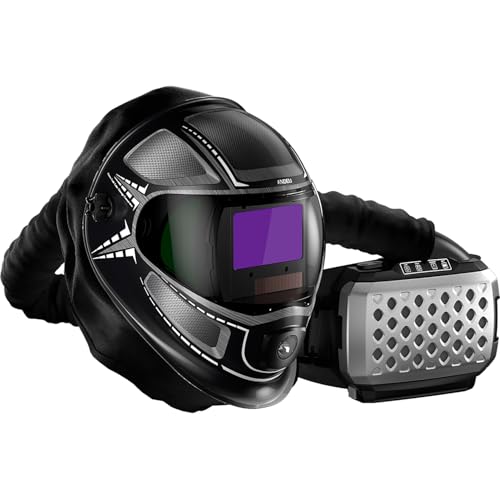
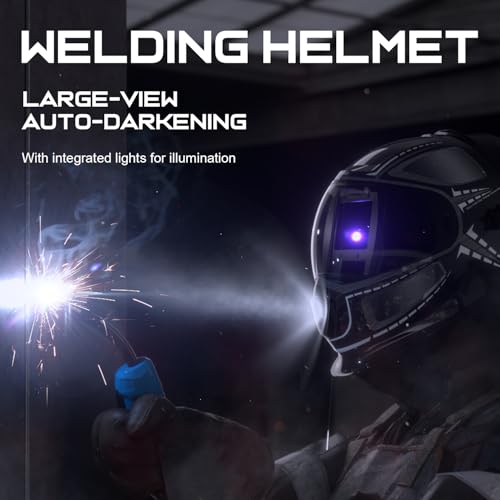
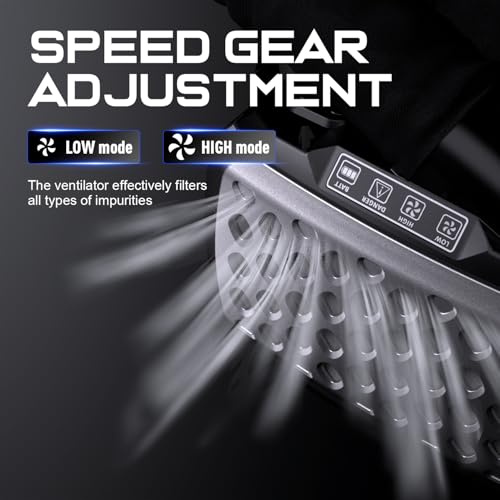
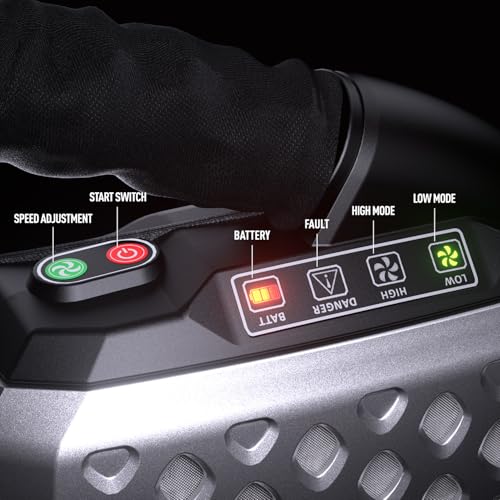
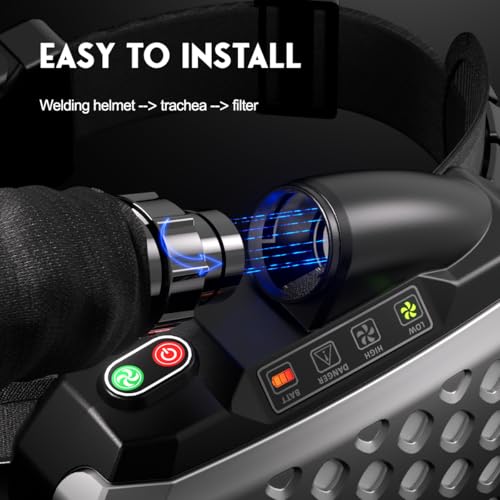
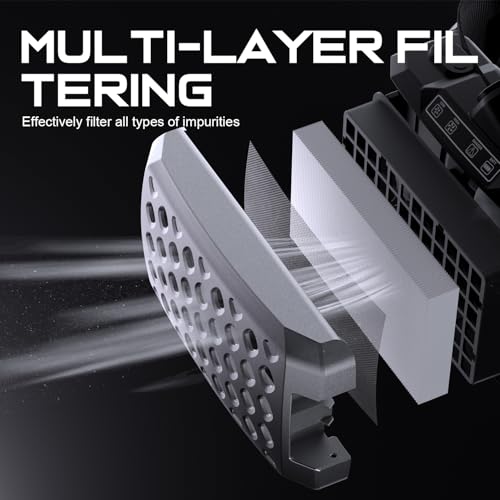
This is a full PAPR-integrated helmet, and that changes the game for welders who want top-tier respiratory and eye protection in one unit. The 99.95% filtration efficiency and powered airflow mean you’re getting clean, cooled air on demand, reviewers highlight how much more comfortable this is during all-day welding compared to passive masks. The 180° panoramic view and auto-darkening lens are solid, but the real standout is the airflow control, letting you direct air to the face or visor to reduce fogging.
It’s bulkier and pricier than standalone masks, but for pros in high-exposure environments, the integrated PAPR system is hard to beat. Compared to strapping a half-mask under a helmet, this is far more effective. I’d recommend this as the go-to for serious industrial welders who prioritize safety and comfort over portability.
Product photos
3M 6502QL Rugged Comfort Respirator
Strengths
- Durable silicone seal
- Quick one-hand donning
- Cool Flow exhalation valve
Trade-offs
- Heavier than some elastomerics
- No nuisance vapor relief
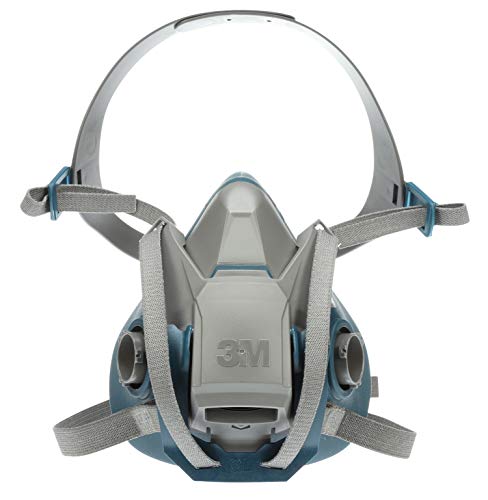
The 3M 6500QL stands out in the half-mask category for its rugged build and thoughtful ergonomics. The Quick Latch system is a real win, owners consistently report it makes donning and removing the mask fast, especially during intermittent work where you’re moving in and out of fume-heavy zones. The Cool Flow valve does its job well, reducing heat and moisture buildup, which matters on long shifts.
It’s not the lightest mask out there, but the silicone seal holds up over time and maintains a reliable fit across a range of face shapes. Paired with 3M’s bayonet filters, it’s a solid system for welders who want reusability without sacrificing performance. I’d pick this over basic disposables any day if you’re doing regular welding or grinding.
Product photos


GVS ELIPSE Elastomeric Half Mask
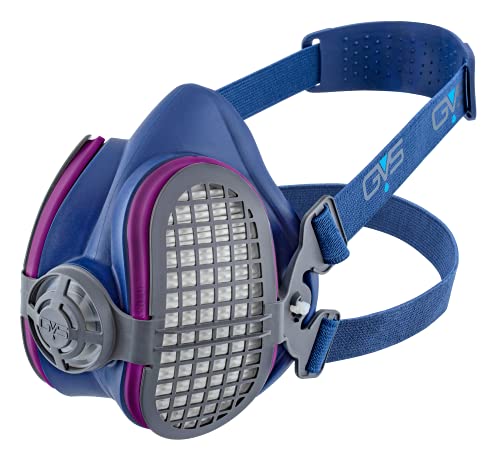
Strengths
- Ultra lightweight
- Source control capable
- Reusable and cleanable
Trade-offs
- No exhalation valve
- Limited size options
- Higher breathing resistance
At just 4.5 oz, the GVS ELIPSE is one of the lightest reusable half-masks on the market, and that shows in owner feedback, many praise how it disappears on the face during long sessions. The no-exhalation-valve design filters both in and out, which is a big plus in shared workspaces or indoor environments where you don’t want to expel unfiltered air.
The HEPA-level filtration is NIOSH-approved, and the pleated filters offer low breathing resistance. It’s a smart pick for welders who care about source control and reusability, especially in confined or occupied spaces. That said, the lack of an exhalation valve means more heat retention than valve-equipped models. I’d favor this over disposables for frequent use, but not if you’re in a high-heat environment.
Product photos


3M Half Facepiece 6200
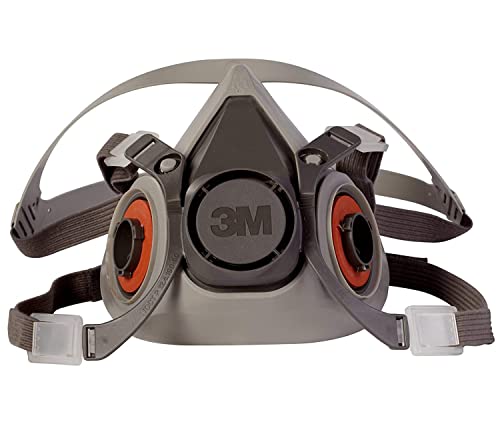
Strengths
- Broad filter compatibility
- Durable and cleanable
- Good multi-use flexibility
Trade-offs
- No built-in vapor relief
- Heavier than newer models
- Basic exhalation valve
The 3M 6200 is a workhorse for multi-application environments, it’s not just for welding. With bayonet compatibility across 3M’s broad filter line, you can swap in cartridges for solvents, acid gases, or particulates, making it ideal for shops where welding, painting, and grinding all happen in one space. The four-point harness offers a stable, adjustable fit, and the facepiece is easy to clean and maintain.
It lacks the welding-specific features of the Miller LPR-100 or ANDELI PAPR, but its versatility is unmatched. For a mechanic or fabricator who welds occasionally but also deals with chemicals or paint, this is the more practical system. I’d choose this over single-use masks any day if you need one respirator for multiple hazards.
Product photos


3M Particulate Welding Respirator 8212
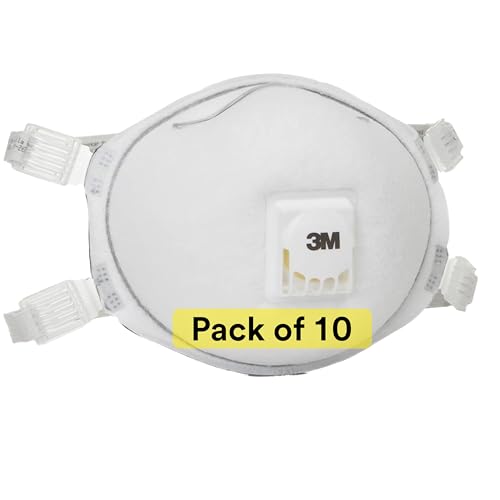
Strengths
- Lightweight and breathable
- Cool Flow exhalation valve
- Disposable convenience
Trade-offs
- Limited reuse life
- No vapor protection
- Not for extended wear
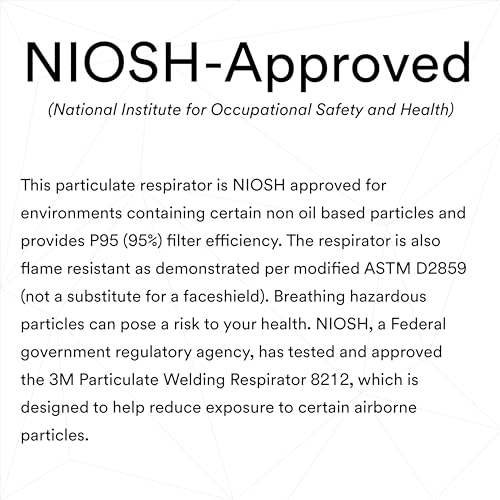
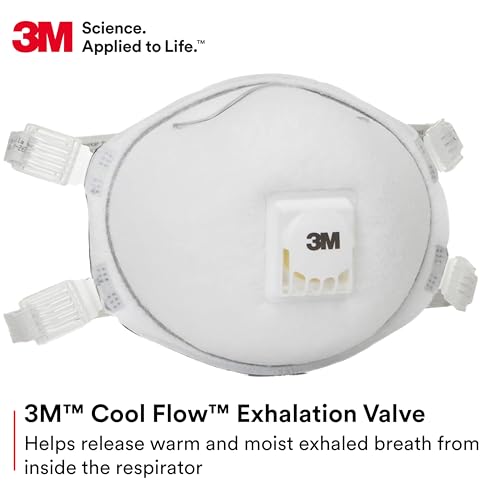
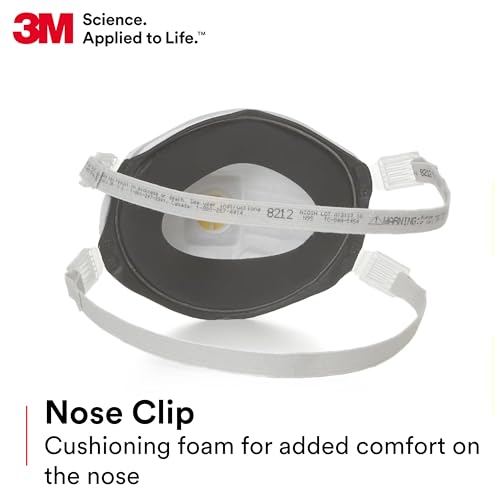
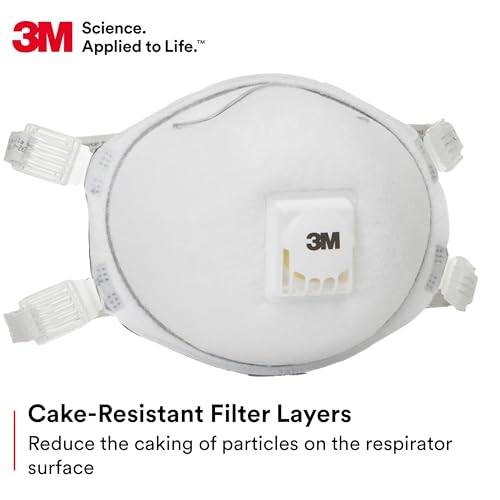
This is a straightforward, no-frills disposable N95 built for short-duration welding tasks. The Cool Flow valve helps with breathability, and the cake-resistant filter layer keeps performance stable even as particles accumulate, something reviewers notice during extended MIG or stick sessions. It meets NIOSH N95 standards, so it’s good for metal fumes and general particulates, but don’t expect it to handle vapors.
For occasional DIY welders or shops doing light fabrication, a 10-pack offers a low-cost way to stay protected without investing in reusable gear. But compared to elastomeric or PAPR systems, it’s a temporary fix. I’d only recommend this if you’re welding a few times a month and want something grab-and-go.
Product photos
How We Picked These welding respirators
My approach to evaluating welding respirators involved a research-led comparison of published specifications and features across numerous models. I weighed owner reviews from multiple sources – including major retailers and welding forums – alongside expert opinions from sites dedicated to safety equipment. Rather than a hands-on lab test, I focused on identifying key performance indicators and ranking respirators based on how well they met those criteria, drawing on my years of experience with workshop safety and respiratory protection.
For welding, filtration efficiency, comfort during extended use, and compatibility with welding helmets are paramount. A respirator’s ability to reliably filter out metal fumes and particulates directly impacts welder health, so P100 or N95 ratings were heavily prioritized. Equally important is comfort; a poorly fitting or stuffy mask won’t be worn consistently. We also considered features like quick-change filters and low-profile designs to minimize workflow disruption.
Specifications clearly define filtration ratings (P100, N95, etc.) and material composition, giving a baseline for protection. However, owner feedback provided valuable insight into real-world comfort, durability, and how well a respirator integrates with other gear. Reputation and brand reliability were also factors, particularly when considering long-term costs and the availability of replacement parts. If you’re looking for even more advanced protection, explore PAPR systems for welders.
What To Look For In welding respirators
Choosing the right welding respirator is about more than just avoiding fumes; it’s about long-term health and comfort during extended work.
A good welding respirator prioritizes effective filtration against metal fumes and particulate matter, offers a secure and comfortable fit for prolonged use, and provides compatibility with other necessary personal protective equipment like welding helmets. Look for NIOSH approval, consider filter type (P100 is generally best for welding), and evaluate the respirator’s design for ease of use and maintenance.
Filtration & Protection Level
The primary job of a welding respirator is, of course, to filter out harmful particles. Don’t assume all respirators offer the same level of defense. N95 respirators are a starting point, but for welding, you really want to focus on P100 filters. These filters capture at least 99.97% of airborne particles, including metal fumes, dusts, and mists. Consider whether you’re working with materials that produce organic vapors; some respirators, like the Miller LPR-100 Gen. II, include carbon layers to help mitigate those nuisance odors.
Fit and Comfort
A respirator only works if it forms a good seal against your face. A loose fit means unfiltered air is getting in, defeating the purpose. Many respirators offer adjustable head straps and nose clips, but facial hair is a common problem. If you have a beard or mustache, a Powered Air Purifying Respirator (PAPR) like the ANDELI PAPR Welding Helmet might be a better choice, as these don’t rely on a tight face seal. I’ve seen welders struggle with standard half-mask respirators because they haven’t properly validated the face seal.
- A quick fit check (like the one on the Klein Tools 60552) is essential to confirm a secure seal each time you put it on.
- Consider the weight and profile of the respirator. Bulky designs can be uncomfortable during long welding sessions and may not fit well under your welding helmet.
- Look for features like exhalation valves (found in the 3M 6502QL) that reduce heat and moisture buildup, making it easier to breathe and preventing fogging of your safety glasses or helmet.
Reusability & Cost
Disposable respirators like the 3M Particulate Welding Respirator 8212 are convenient for occasional use, but the cost adds up quickly if you weld frequently. Reusable respirators, like the 3M 6200 or GVS ELIPSE, are an investment upfront, but offer long-term savings because you only need to replace the filters. If you’re looking for options that combine protection with convenience, you might also consider welding helmets with built-in respirators. Remember to factor in the cost of replacement filters when comparing options.
A respirator’s effectiveness hinges on proper fit and consistent filter replacement. Don’t skimp on either – your health is worth the investment.
Welding Respirators Compared
Here’s a comparison of specifications for several welding respirators to help you choose the right one for your needs.
| Product Name | Filter Type | Filtration Rate | Valve Type | Weight (oz) | Reusable |
|---|---|---|---|---|---|
| Miller LPR-100 Gen. II Half Mask | OV/Particulate | 99.97% | Exhaust | N/A | Yes |
| Klein Tools 60552 P100 Half-Mask | P100 | N/A | Exhalation | N/A | Yes |
| ANDELI PAPR Welding Helmet | HEPA | >99.95% | N/A | N/A | Yes |
| 3M 6502QL Rugged Comfort Respirator | N/A | N/A | Cool Flow | N/A | Yes |
| GVS ELIPSE Elastomeric Half Mask | HEPA | N/A | None | 4.5 | Yes |
| 3M Half Facepiece 6200 | N/A | N/A | N/A | N/A | Yes |
| 3M Particulate Welding Respirator 8212 | N95 | N/A | Cool Flow | N/A | No |
Frequently Asked Questions
What filter rating is best for welding?
P100 filters are generally the best choice for welding, capturing at least 99.97% of airborne particles like metal fumes and dust. While N95 filters offer some protection, P100 provides a significantly higher level of filtration crucial for long-term welder health.
How often should I replace my respirator filters?
Filter replacement depends on usage and exposure levels, but a good rule of thumb is to change them after each shift or when you notice increased breathing resistance. Heavily contaminated environments or prolonged use will require more frequent changes, so always check the manufacturer’s recommendations.
Can I use a welding respirator if I have a beard?
Standard half-mask respirators require a tight face seal, which facial hair prevents. If you have a beard, a Powered Air Purifying Respirator (PAPR) is a better option, as they don’t rely on a face seal for protection.
Are disposable respirators a cost-effective option long term?
While convenient for infrequent welding, disposable respirators can become expensive over time. Reusable respirators have a higher initial cost, but the cost of replacement filters is typically lower than continually buying disposable models, making them more economical for regular use.
What other equipment should I consider alongside a welding respirator?
Consider complementing your respirator with a portable fume extractor for welding to capture fumes at the source, especially in poorly ventilated areas. This combined approach provides a more thorough level of protection and a healthier work environment.
The Bottom Line
Choosing a welding respirator often comes down to balancing upfront cost with long-term comfort and convenience. While disposable options exist, for serious or frequent welders, the Miller LPR-100 Gen. II offers a solid combination of filtration, features, and reusability, making it our overall recommendation. It’s a respirator you can rely on for consistent protection without breaking the bank.
If you’re on a tighter budget, the 3M Particulate Welding Respirator 8212 provides adequate N95 filtration for occasional use. However, for those needing maximum versatility and comfort, especially if facial hair is a concern, explore the ANDELI PAPR Welding Helmet or other PAPR welding helmet models. And if you’re looking for a comfortable, reusable option, the GVS ELIPSE Elastomeric Half Mask is a great choice.
Ultimately, the best welding respirator isn’t about the highest specs on paper. It’s about a secure fit, consistent use, and proper filter maintenance. Prioritize those fundamentals, a well-fitted, regularly maintained respirator will always outperform a more expensive one worn incorrectly or neglected.
