
7 Best Welding Gears of 2026
This post contains affiliate links. As an Amazon Associate, we earn from qualifying purchases.
The Lincoln Electric Ready-Pak Welding Gear stands out as the best overall setup, giving you reliable protection for low-to-medium amperage work without overcomplicating things. For hand protection, the vclpower 14IN Fireproof Leather Welding Gloves are a strong budget-friendly pick, offering solid heat resistance and Kevlar stitching. If you’re focused on body protection, the Uno Mejor FR Flame Resistant Welding Shirt delivers HRC2-rated safety in a comfortable, durable package.
Welding without the right gear isn’t just risky, it’s distracting. A single spark in the wrong place can ruin a project or worse, cause injury. Most beginners underestimate how much coverage, fit, and material quality matter until they’ve had a close call.
This guide cuts through the marketing noise. I looked at specs, safety standards, and real user feedback to find gear that balances protection, comfort, and value, because what you wear on the job should help you focus on the weld, not the hazards.
Top 7 Welding Gears in the Market
The Best Welding Gears, Reviewed
Lincoln Electric Ready-Pak Welding Gear

Strengths
- Complete PPE kit
- FR-certified jacket
- Includes tools and bag
Trade-offs
- No auto-darkening helmet
- One-size helmet fit
If you’re setting up a new welding station or outfitting a team, this Ready-Pak is the most practical starting point I’ve seen. It bundles nine essentials, from a shade 11 helmet to gloves, jacket, chipping hammer, and even a duffle bag, into one coordinated kit. The fact that the jacket and gloves are FR-rated and the helmet includes passive shade 11 protection makes this more than just a beginner bundle; it’s a legit entry-level pro setup.
What impresses me most is how often owners say it saved them from buying mismatched gear or forgetting a critical item. Compared to piecing together individual components, this pack eliminates guesswork. The helmet isn’t auto-darkening, so it’s not for advanced users, but for stick or MIG beginners, it’s everything you need in one go. My take: this is the smarter buy for new welders or training programs.
Product photos
vclpower 14IN Fireproof Leather Welding Gloves
Strengths
- 14-inch forearm coverage
- Kevlar stitching
- Multi-use capability
Trade-offs
- Stiffer out of the box
- Less fine dexterity
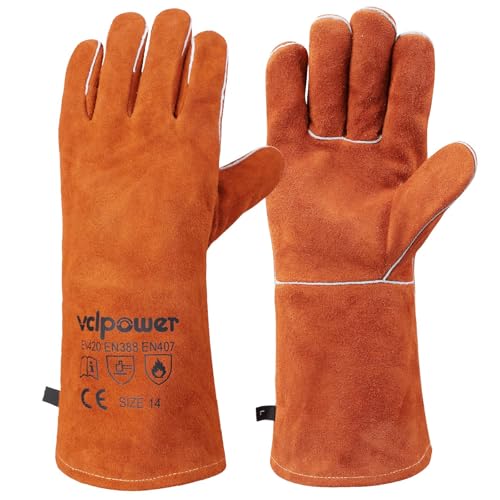
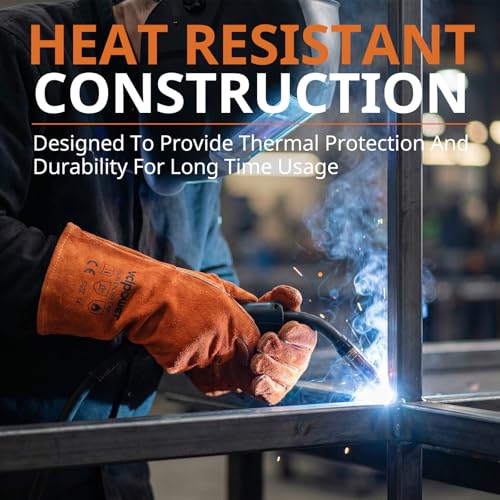
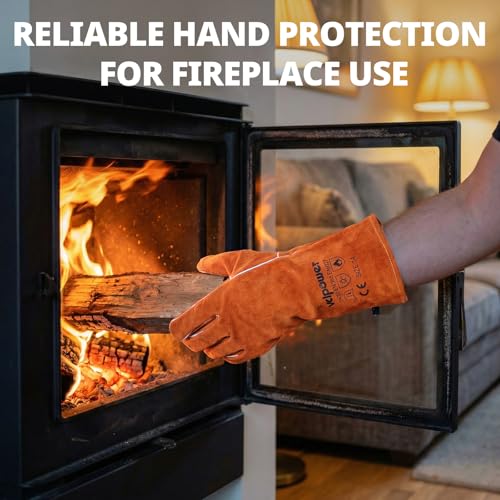
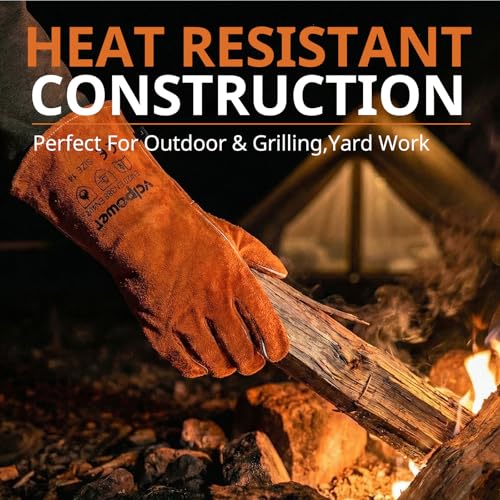
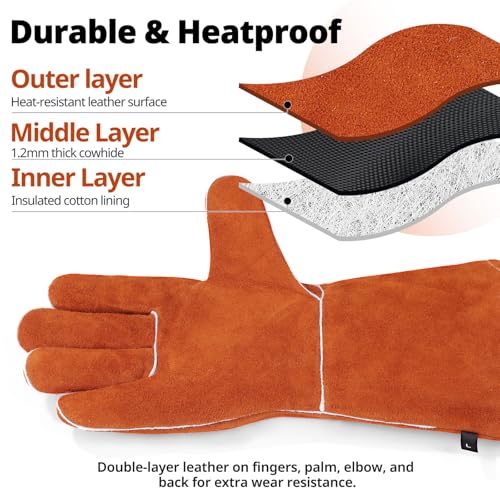
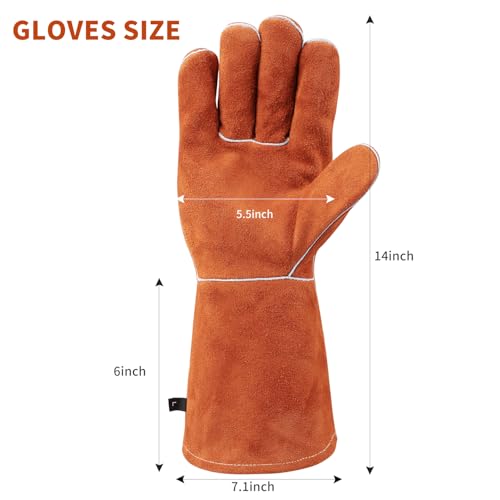
These gloves are built for value-first buyers who still want solid heat resistance and durability. The 1.2mm cowhide leather offers protection up to 662°F, which is respectable for the price, and the Kevlar stitching reinforces the seams where most budget gloves fail. At 14 inches, the cuff covers well up the forearm, a feature usually seen in pricier models.
Reviewers highlight their versatility, many use them beyond welding, for grilling, fire pits, or even gardening. But in direct comparison to premium gloves like those from Lincoln or Wells, they lack the refined dexterity and long-term suppleness. Still, for DIYers or part-time users, the trade-off makes sense. My recommendation here is clear: if you’re welding occasionally and want one pair that pulls double duty, these are a smart pick.
Product photos
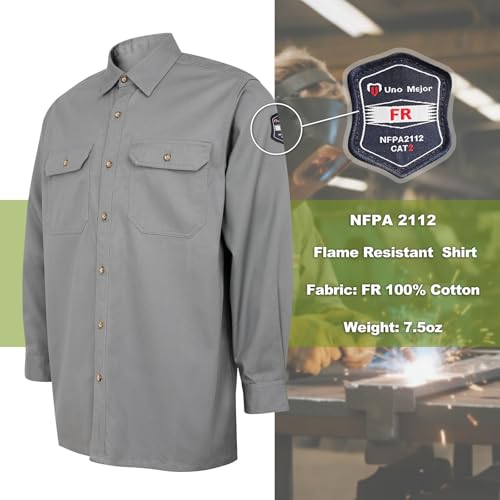
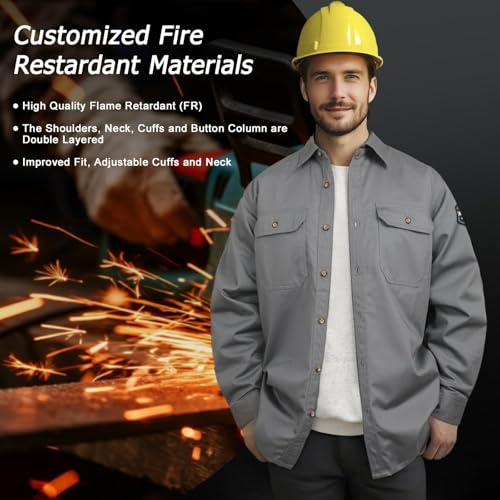
Uno Mejor FR Flame Resistant Welding Shirt
Strengths
- NFPA2112 compliant
- Prewashed and soft
- Durable stitching
Trade-offs
- Boxy fit
- Not for high-spatter work
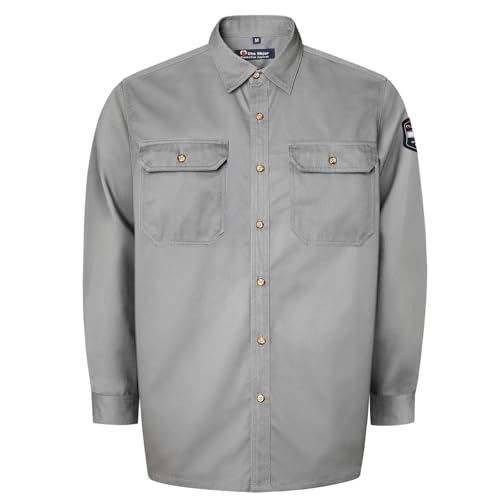
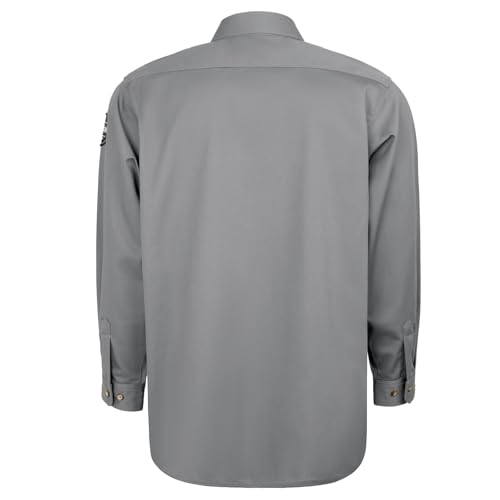
This shirt checks the right boxes for flame-resistant workwear at a reasonable price. With a 7.5 oz cotton twill FR-treated fabric and an ATPV of 9.2 cal/cm², it meets NFPA 2112 and CAT II standards, making it legit for welding and electrical work, not just marketing. The prewashed, wrinkle-free finish is a small but meaningful detail that adds to wearability, especially for daily use.
Owners appreciate the balance of durability and comfort, though some note the fit runs a bit boxy. Compared to heavier FR jackets, this is better for warmer shops or mobile work where mobility matters. It won’t replace a leather jacket for heavy slag exposure, but for general welding and fabrication, it’s a solid layer. I’d pick this over cotton blends any day for real protection.
Product photos


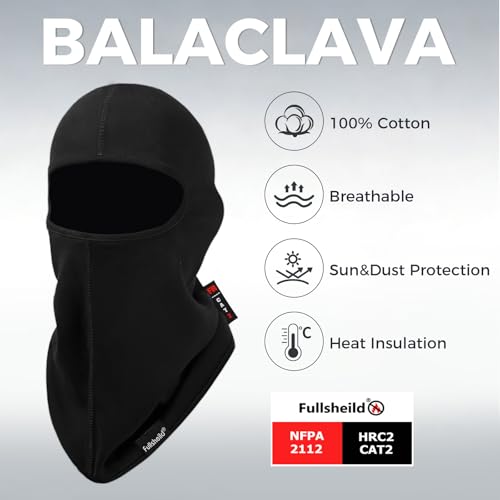
FR Cotton Welding Balaclava Hood

Strengths
- Arc and flame rated
- Breathable cotton
- Skin-safe material
Trade-offs
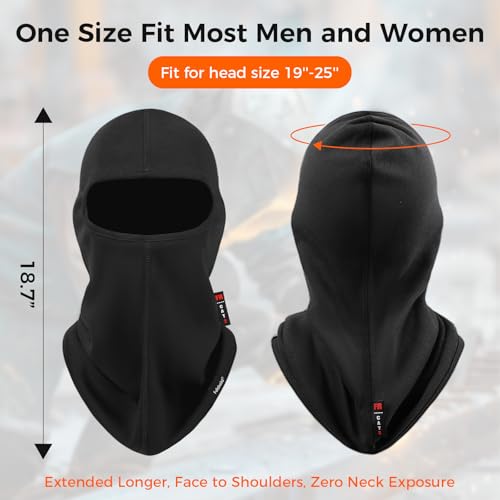
- One size only
- No UV neck coverage
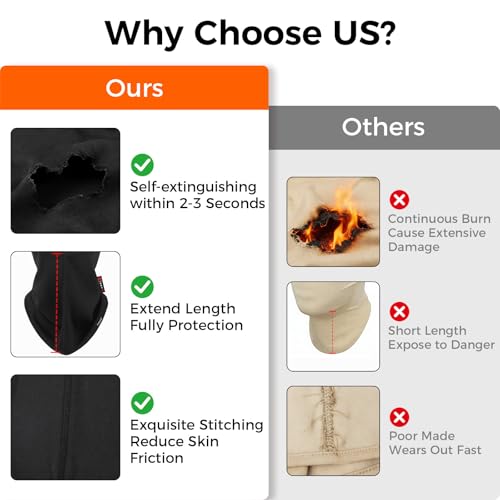
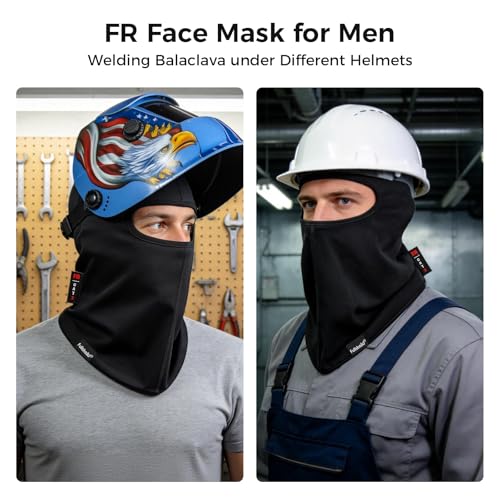
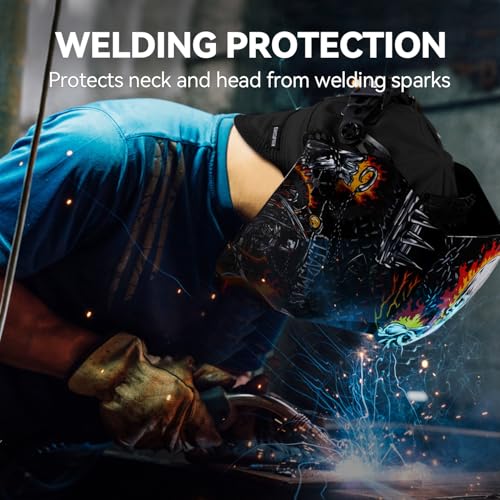
This balaclava delivers solid protection with a rare focus on comfort and wearability. Made from 7 oz arc-rated cotton, it meets NFPA 70E HRC 2 standards with an EBT of 12 cal/cm², which means it’s rated for real electrical and welding hazards, not just incidental exposure. Reviewers note it’s breathable and soft against the skin, something you don’t always get with flame-resistant headgear.
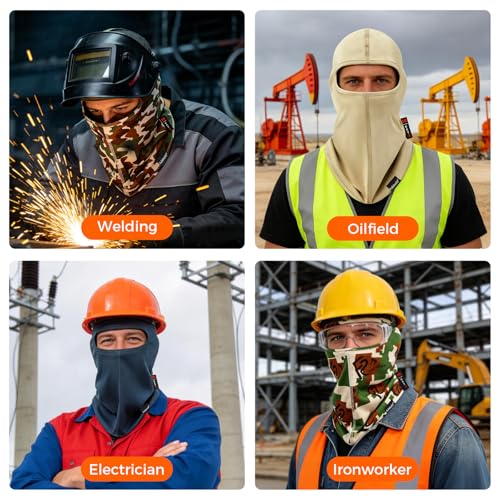
What sets it apart is how often it’s praised outside welding circles, linemen, oil & gas workers, and electricians wear it under helmets in hot climates. That tells me it’s not just compliant, it’s actually worn willingly, which is a win in PPE. Compared to synthetic FR hoods that trap heat, this cotton version strikes a better balance between safety and all-day usability.
Product photos
ARCCAPTAIN Reversible 8-Panel Welding Cap

Strengths
- Reversible design
- Thick, durable cotton
- Sweat-absorbing brim
Trade-offs
- Slight break-in period
- Reversing requires removal
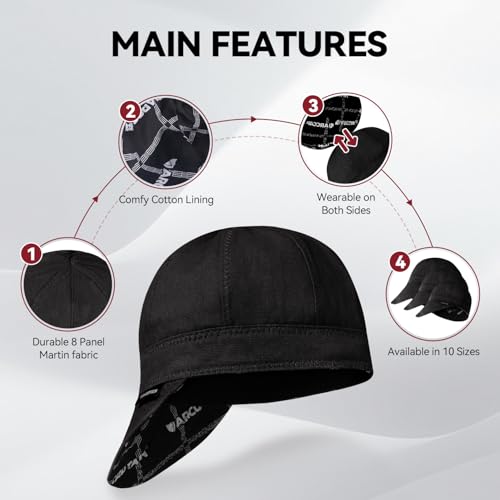
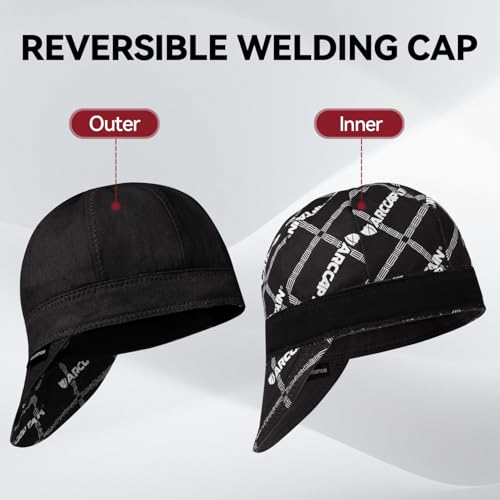
This cap stands out for comfort and thoughtful design in a category that often gets overlooked. At 260 grams, the Martin cloth is nearly 2.5 times thicker than standard welding beanies, which translates to real heat resistance without sacrificing breathability. The reversible feature is more than a gimmick, it lets you flip the clean side out when one gets dirty, extending wear between washes.
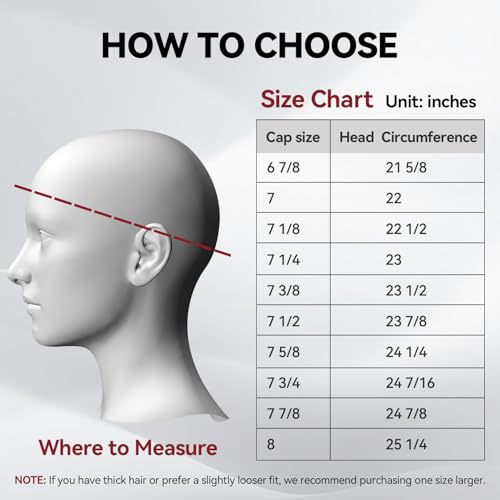
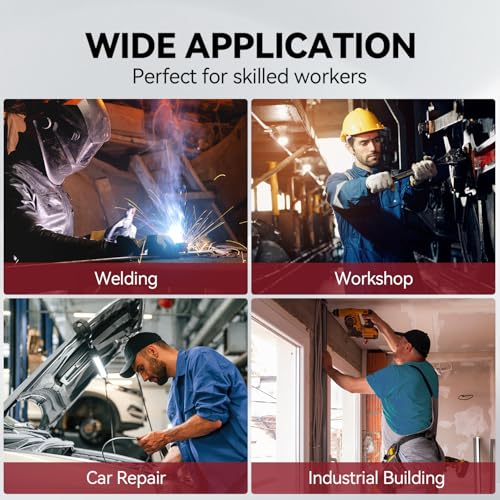
Owners praise the sweat-absorbing brim and how well it fits under helmets without bunching. With 10 sizes available, it’s one of the few caps that actually accommodates a range of head shapes. Compared to basic FR beanies, this offers better structure and durability. I’d recommend it to anyone spending hours under a hood where heat and sweat are constant issues.
Product photos
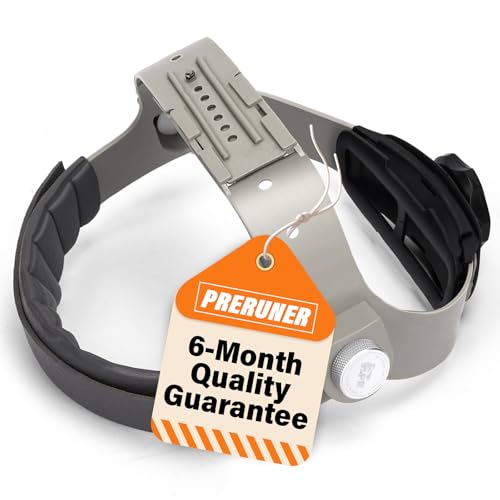
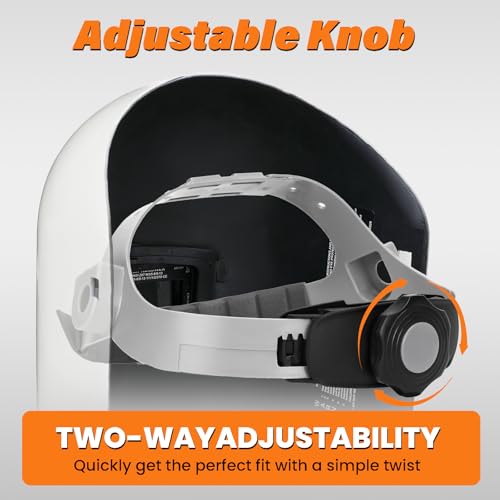
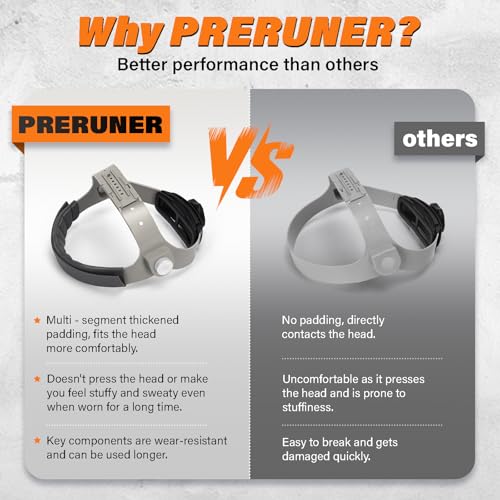
PRERUNER Adjustable Welding Helmet Headgear
Strengths
- Lightweight design
- Adjustable ratchet dial
- Sweat-resistant headband
Trade-offs
- May not fit all non-listed hoods
- Plastic feels less rugged
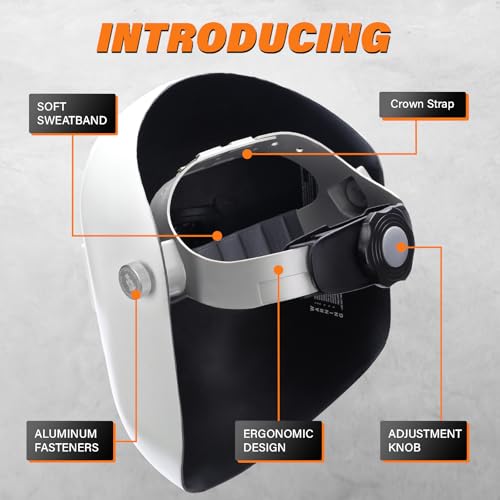
This replacement headgear is a standout for comfort and ease of upgrade, especially for pipeliners and field welders who wear their gear all day. The ultra-lightweight plastic frame cuts neck strain significantly compared to older metal designs, and the ratcheting dial with thick cushioned pad distributes pressure evenly, reviewers consistently mention less forehead fatigue after 8-hour shifts.
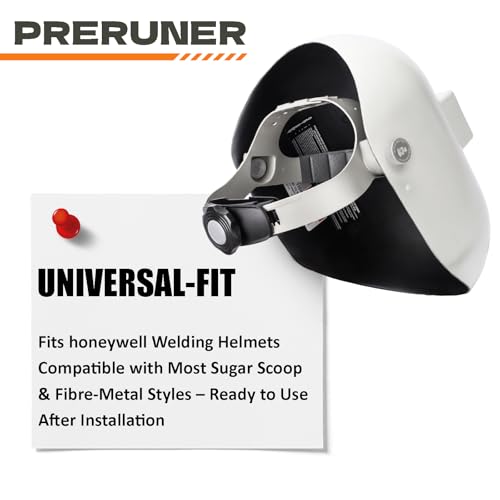
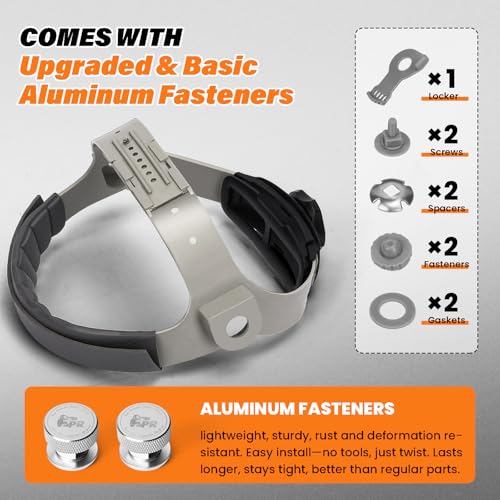
It installs easily with aluminum fasteners and fits Fibre Metal, Sugar Scoop, and similar hoods, making it a reliable spare or upgrade. Compared to OEM replacements, it’s often more affordable and comes with all needed hardware. The removable, sweat-resistant headband is a small but smart touch for hygiene. If you’re tired of bulky, uncomfortable headgear, this is the smarter fix.
Product photos
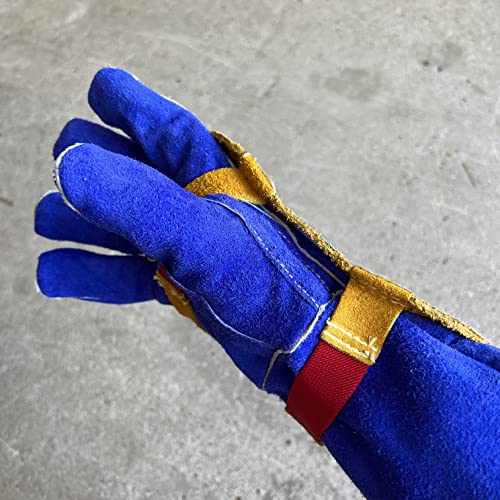
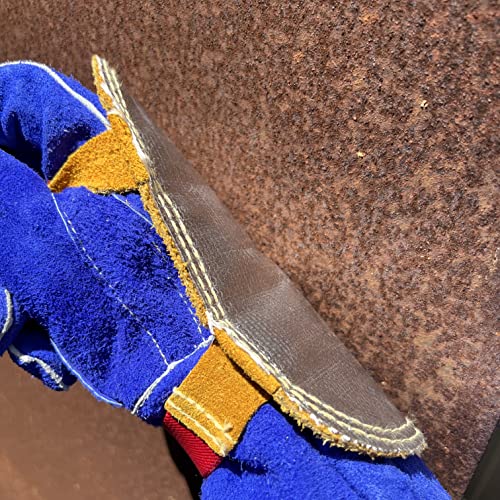
Weldas Aluminized Back Hand Pad

Strengths
- Aluminized heat reflection
- Kevlar stitching
- Compact design
Trade-offs
- Limited coverage area
- Not standalone protection
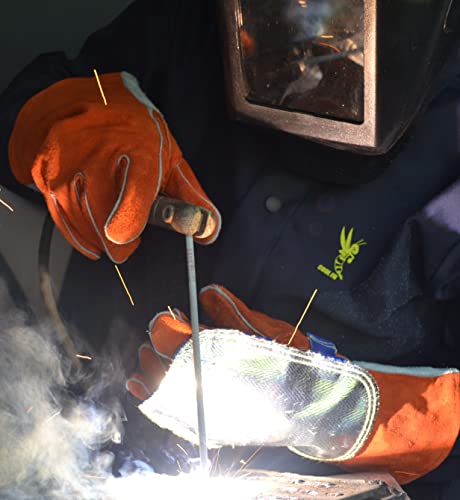
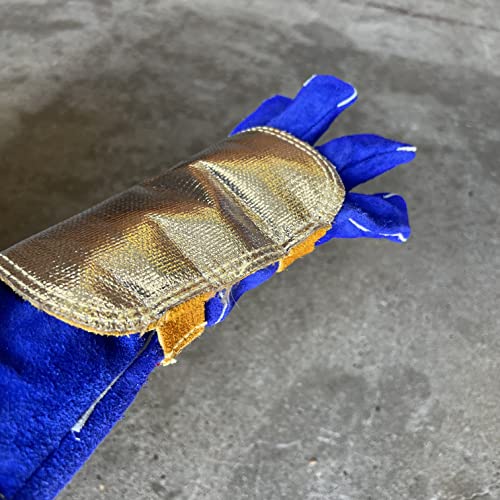
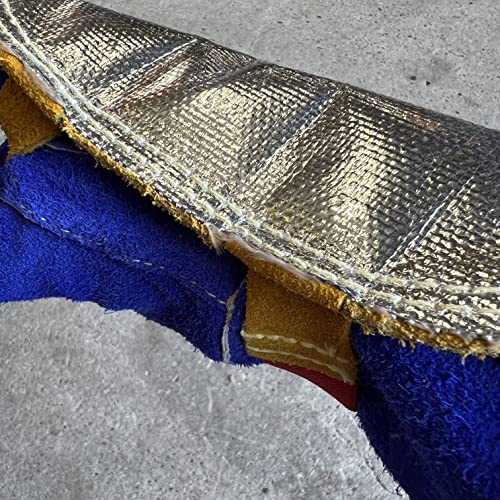
This hand pad stands out in high-heat environments where radiant heat and spatter are constant threats. The aluminized outer layer reflects up to 95% of radiant heat, which on paper makes it one of the better passive shields available for overhead or tight-angle welding. Paired with the split cowhide backing and Kevlar stitching, it’s built to endure the kind of punishment seen in MIG and stick welding setups where gloves alone aren’t enough.
Owners consistently report that it adds a critical layer of protection when working near molten metal splatter or prolonged arc exposure. While it doesn’t replace full arm coverage, it fills a niche for welders who need quick, targeted defense without bulk. Compared to heavier sleeves, this is a minimalist but effective solution for those moments when your glove coverage ends and the risk begins.
Product photos
How We Picked These welding gears
Rather than a hands-on lab test, my research for these welding gear recommendations focused on a detailed comparison of published specifications and features across numerous products. I weighed owner reviews from multiple sources – Amazon, specialist welding forums, and retailer sites – alongside professional reviews from publications focused on industrial safety and tool performance. My background maintaining workshops and assisting with various projects informs my evaluation of what features truly matter in real-world use.
For welding gear, reliable hand and body protection, and effective eye and face shielding were the primary factors guiding my selections. Comfort and adjustability also played a significant role, as extended wear is common in many welding applications. A good setup needs to minimize fatigue and distraction, allowing the welder to focus on the task. Finding durable welding gloves is particularly critical for long-term use and safety.
Product specifications reliably indicate materials used – leather thickness, fabric weight, FR treatment levels – and compliance with safety standards like NFPA. However, I placed greater emphasis on owner feedback regarding real-world durability, fit, and comfort. Reputation and brand consistency also influenced my choices; established manufacturers often deliver more consistent quality control. Ultimately, the goal was to identify gear that provides a strong balance of protection, functionality, and value.
How To Pick The Right welding gears
Choosing the right welding gear isn’t just about safety; it’s about comfort and being able to focus on the work itself. A poorly chosen setup can lead to burns, fatigue, and ultimately, lower quality welds.
Welding gear prioritizes protection from intense heat, sparks, and radiation. Key considerations include flame-resistant materials (cotton, leather, and specialized synthetics), adequate coverage of skin and eyes, and a comfortable, secure fit that allows for extended work periods. Look for items meeting relevant safety standards (NFPA 70E, ASTM F1506) and assess the type of welding you’ll be doing – stick, MIG, TIG – as requirements vary.
Prioritize Flame Resistance
Don’t skimp on materials. While cotton seems innocuous, standard cotton burns readily. You absolutely need flame-resistant (FR) treated cotton, or better yet, inherently FR fabrics. Look for garments labeled as meeting NFPA 2112 standards. The Uno Mejor FR Flame Resistant Welding Shirt, for example, is designed to meet HRC2 standards, offering a good balance of protection and comfort. Beyond shirts, consider a balaclava – a FR Cotton Welding Balaclava Hood offers excellent head and neck protection, and many are comfortable enough for all-day wear. A common mistake I see is people thinking a regular baseball cap under their helmet is sufficient; it isn’t.
Glove Up – Seriously
Welding gloves aren’t one-size-fits-all. The thickness of the leather and the stitching are crucial. Thinner gloves are fine for light work, but for serious amperage, you need substantial cowhide, ideally 1.2mm or thicker. Kevlar stitching is a must; standard thread will melt. The vclpower 14IN Fireproof Leather Welding Gloves get this right, offering reliable heat protection up to 662°F.
Here’s a breakdown of what to look for in gloves: * Short cuff: Suitable for quick tasks, minimal forearm protection. * Medium cuff: Offers a good balance of protection and dexterity for most general welding. * Long cuff (14″+): Provides the most thorough protection, extending well up the forearm, essential for overhead work or situations with heavy spatter, and worth the extra coverage.
A good rule of thumb is to always err on the side of more protection with gloves. You can always remove a liner for better dexterity, but you can’t add protection after a burn.
Don’t Neglect Head and Eye Protection
Beyond a quality welding helmet (check out our guide to the top welding helmets), consider the headgear. A comfortable, properly adjusted headgear is vital, especially during long projects. The PRERUNER Adjustable Welding Helmet Headgear is a solid option, designed to reduce neck strain. And remember, a helmet is only as good as its lens; when it comes to clarity, investing in high-clarity welding shields is always a good idea. Don’t forget about the need for welding fume protection masks – especially if you’re working in an enclosed space.
A well-fitted welding helmet and appropriate headgear can make or break a long welding session. Prioritize comfort, adjustability, and clear visibility.
Welding Gears Compared
Here’s a comparison of key specifications for various welding gear options.
| Product Title | Best For | Material | Protection Level | Features | Size |
|---|---|---|---|---|---|
| Lincoln Electric Ready-Pak Welding Gear | Best Overall | Cotton, Leather | Low-Medium Amperage | 9-Piece Kit | N/A |
| vclpower 14IN Fireproof Leather Welding Gloves | Best Budget Friendly | Cowhide Leather | 662°F | Kevlar Stitching | 14 inch |
| Uno Mejor FR Flame Resistant Welding Shirt | Best for Body Protection | Cotton Twill (FR treated) | HRC2, 9.2 Cal/cm² | NFPA Compliant | N/A |
| FR Cotton Welding Balaclava Hood | Best for Head and Face Protection | Cotton | HRC/CAT 2, 12 cal/cm² | NFPA 70E Compliant | One Size |
| ARCCAPTAIN Reversible 8-Panel Welding Cap | Best Comfortable Welding Cap | Martin Cloth, Cotton | Heat Resistant | Reversible Design | 6-7/8”~8” |
| PRERUNER Adjustable Welding Helmet Headgear | Best Lightweight Headgear | Plastic | N/A | Adjustable Ratchet | N/A |
| Weldas Aluminized Back Hand Pad | Best for Spark Protection | Aluminized Layer, Cowhide | 95% Radiant Heat Reflection | Fiberglass, Kevlar Sewn | 7″ x 8″ |
Frequently Asked Questions
What level of flame resistance do I really need?
The level of flame resistance depends on the welding process and amperage. For hobbyist work, NFPA 2112-compliant garments offering HRC2 protection are generally sufficient. However, if you’re working with higher amperages or in a professional setting, you may require HRC3 or HRC4 protection, and should consult safety guidelines.
How often should I replace my welding gloves?
Welding gloves should be inspected before each use for holes, burns, or worn stitching. Depending on usage frequency and the intensity of the work, you should plan on replacing them every 6-12 months, or sooner if damage is apparent.
Are leather welding jackets still necessary, or are FR shirts enough?
While FR shirts offer good upper body protection, a leather welding jacket provides a substantial additional layer of defense against sparks and radiant heat, particularly for overhead welding. It’s a worthwhile investment if you weld frequently or work with high amperage.
What’s the difference between aluminized and regular welding blankets?
Aluminized welding blankets reflect up to 95% of radiant heat, offering significantly better protection than standard fabrics. They’re crucial for preventing fires and burns in areas where sparks and hot metal are likely to fall, especially during cutting operations.
Beyond a helmet, what other eye protection should I consider?
Even with a good auto-darkening helmet, safety glasses underneath offer an extra layer of protection against debris and UV radiation. If you’re doing a lot of grinding after welding, dedicated arc-flash protective pants are also a smart addition to your gear.
The Bottom Line
Choosing welding gear often comes down to balancing upfront cost with long-term comfort and protection. While you can piece together a functional setup on a budget, investing in quality gear, like the Lincoln Electric Ready-Pak Welding Gear, provides a solid foundation for any project, offering a good mix of essential protection without breaking the bank. It’s a thorough kit that gets you started without compromising on core safety features.
For specific needs, we’ve highlighted standouts. If you’re prioritizing affordability, the vclpower 14IN Fireproof Leather Welding Gloves are hard to beat for reliable hand protection. Those focused on all-around body protection should look to the Uno Mejor FR Flame Resistant Welding Shirt. And don’t forget about your feet – a good pair of steel-toe welding boots is a critical component of a safe welding setup and can prevent serious injury.
Ultimately, the specifications matter, but fit and comfort are paramount. A comfortable welder is a focused welder, and a focused welder is a safe welder. Don’t get bogged down in chasing the highest numbers for heat resistance if the gear is restrictive or irritating. Prioritize a secure fit, flame-resistant materials, and adequate coverage, those fundamentals will serve you better than any single feature.
