
7 Best Saw Blades for Meat Cutting (2026 Guide)
This post contains affiliate links. As an Amazon Associate, we earn from qualifying purchases.
The FOXBC 12-Inch Stainless Steel Meat Blade is the best overall pick for most home butchers, offering reliable performance and solid durability. For budget-focused buyers, the Caliastro 12-Inch Frozen Meat Blades deliver decent value, while the A-KARCK 9″ and 12″ Combo Blades stand out for versatility across different cuts and saw sizes.
If you’ve ever struggled to cut through frozen meat or ended up with ragged, uneven portions, you know the wrong blade makes the job harder and less safe. After comparing the field and analyzing owner feedback, I focused on blades that combine proper TPI, food-safe materials, and compatibility with common home saws. This guide breaks down what actually matters, so you can pick a blade that performs consistently, lasts, and keeps your processing hygienic.
Top 7 Type Of Saw Blade For Meat Cuttings in the Market
The Best Type Of Saw Blade For Meat Cuttings, Reviewed
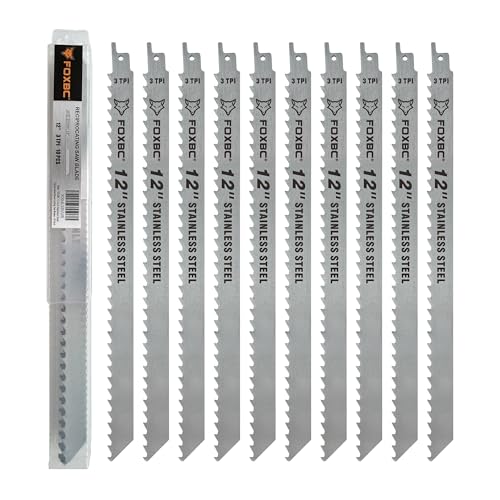
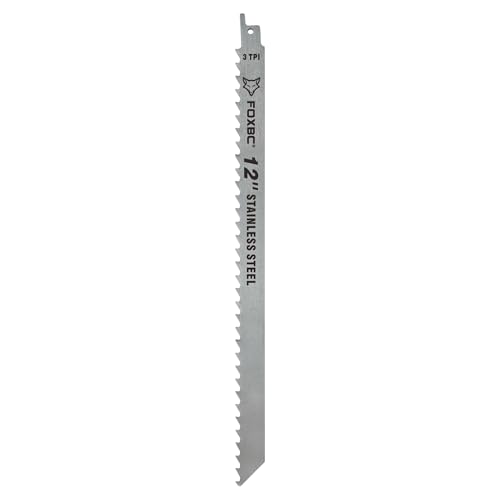
FOXBC 12-Inch Stainless Steel Meat Blades
Strengths
- 10-pack for heavy use
- Food-grade stainless steel
- 3TPI aggressive cut
Trade-offs
- No storage case
- Bulk packaging only
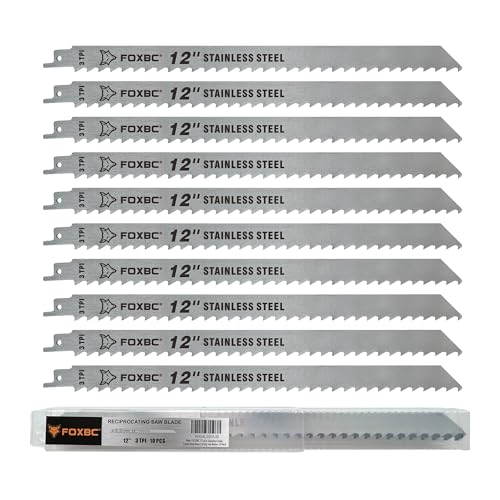
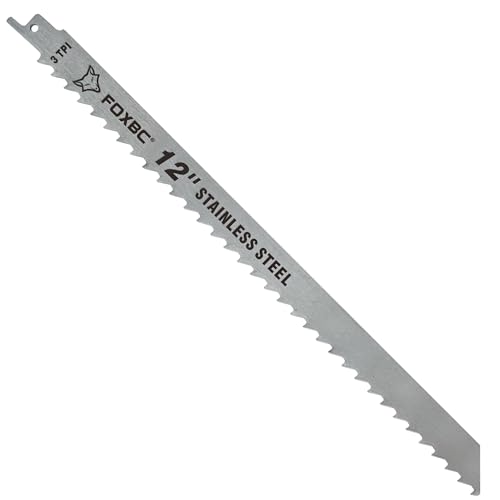
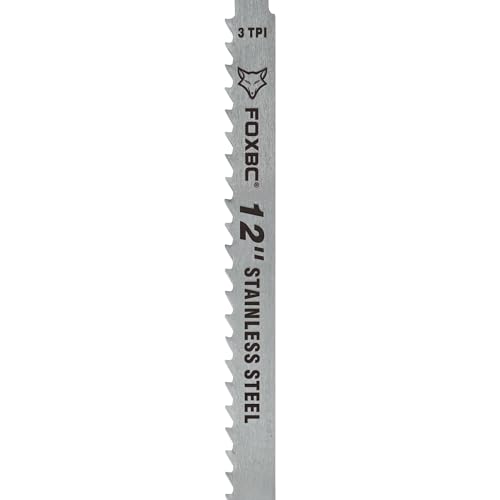
FOXBC’s 10-pack is the move if you’re cutting meat regularly and don’t want to keep reordering. Ten blades of food-grade stainless steel at 12 inches with 3TPI means you’re covered for heavy use, whether you’re breaking down whole animals or prepping freezer-stored cuts. The lack of paint or coating is a must for food safety, and reviewers confirm these resist rust even when stored in humid environments.
What pushes this one to ‘Best Overall’ is the mix of volume, material quality, and compatibility. It fits all major recip saws, and the aggressive tooth design delivers fast cuts without frequent dulling. While it doesn’t include a fancy case, the sheer number of blades makes it the most practical long-term buy.
Product photos

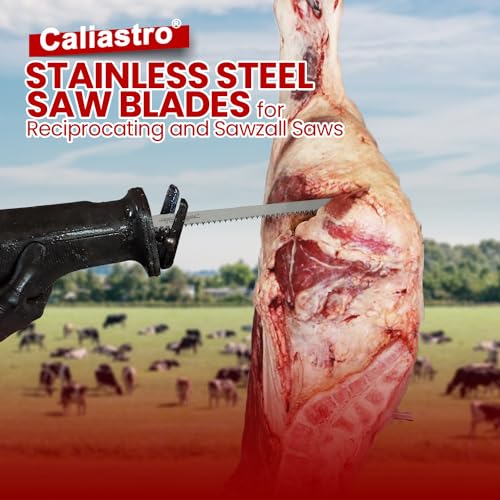
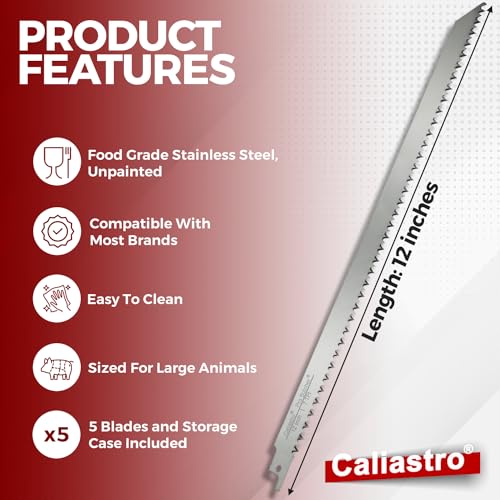
Caliastro 12-Inch Frozen Meat Blades

Strengths
- Unpainted stainless steel
- 5-pack value
- Universal shank fit
Trade-offs
- No storage case included
- Same length only
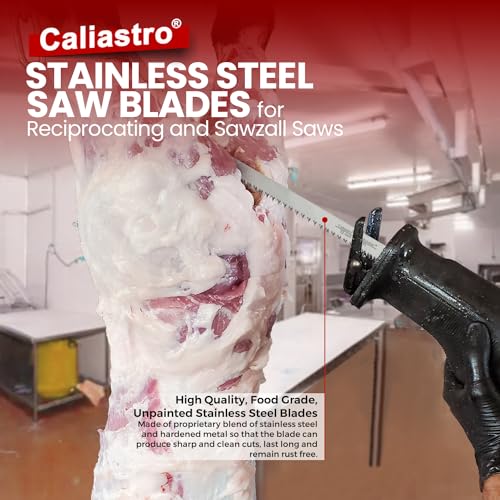
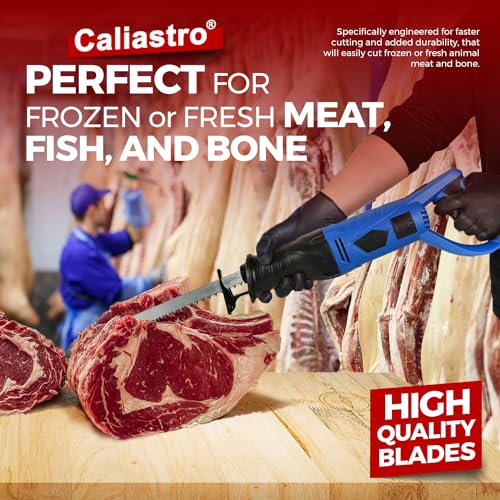
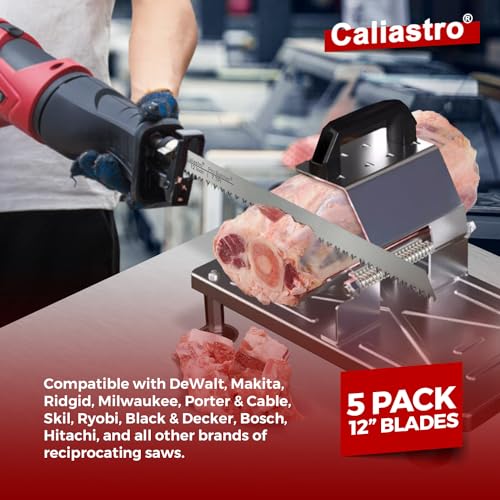
Caliastro delivers a solid mid-tier option here with a 5-pack of 12-inch stainless steel blades built for durability and clean meat cutting. These are unpainted, which helps avoid any risk of flakes mixing into food, and owners report they hold up well against rust even after repeated washdowns. The 3TPI design is consistent across the pack, making them predictable performers on frozen pork, venison, or turkey.
Where this pack shines is balance, good material, solid compatibility, and a reasonable count, without the branding markup. It doesn’t include storage like LEILUO, but for someone who already has a blade case or just needs dependable spares, this is a no-frills workhorse.
Product photos
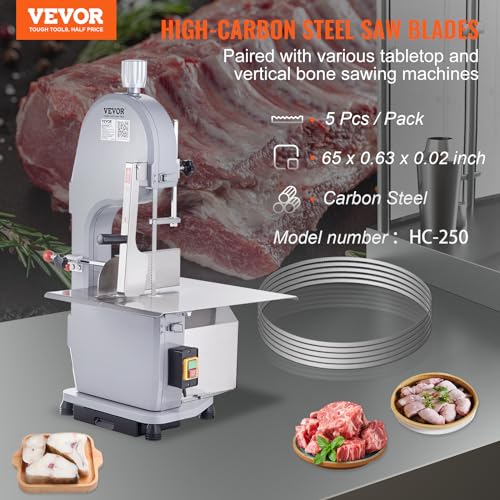
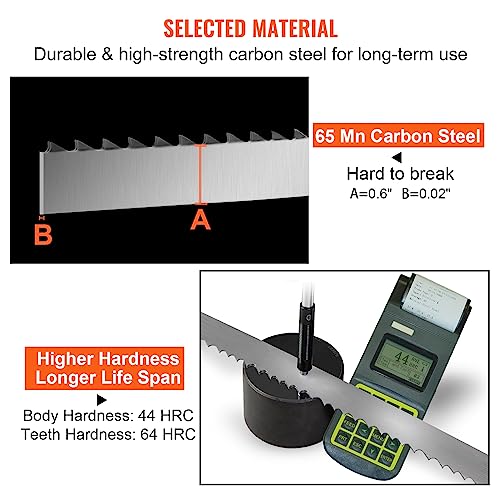
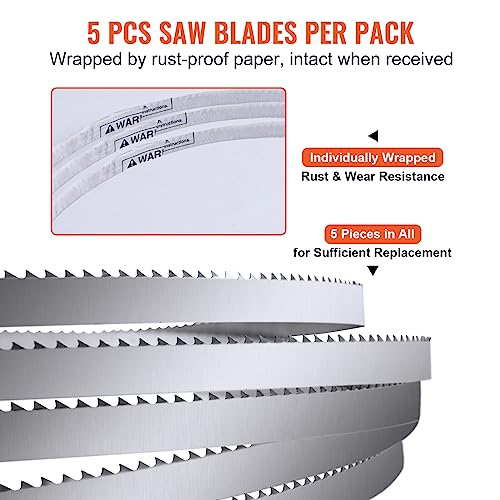
VEVOR 65-Inch Meat Bandsaw Blades

Strengths
- 4TPI for smooth cuts
- High hardness (64 HRC teeth)
- 5-pack for high use
Trade-offs
- Not stainless steel
- Limited to specific machines
VEVOR’s 65-inch band saw blades are built for commercial-grade machines, and that’s exactly who they’re for, shops, butcher counters, or food processors running high-volume operations. The 65Mn carbon steel is harder than average, with teeth hardened to 64 HRC, which translates to longer life under constant use. The 4TPI design is tighter than most, meaning smoother cuts and less meat loss, a detail commercial users care about.
Owners using compatible VEVOR or similar machines report these blades last noticeably longer than cheaper alternatives. The rust-proof paper wrap helps, but these aren’t stainless, so sanitation requires more diligence. If you’re running a central kitchen or slaughterhouse, the durability here makes it a smart investment.
Product photos


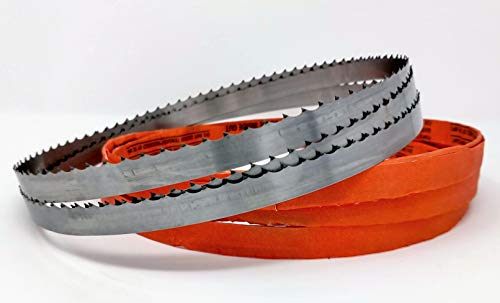
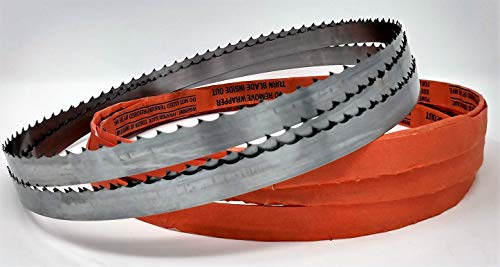
82-Inch 3TPI Bandsaw Blade for Bone
Strengths
- 3TPI for fast cutting
- High carbon spring steel
- Rust-inhibiting wrap
Trade-offs
- Only 2 pack quantity
- Limited compatibility
If you’re running a bandsaw built for meat processing, especially one similar to the Northern Tool 168650, this 82-inch blade hits right where it counts. The 3TPI design is aggressive enough for fast cutting through bone-in and frozen sections, and the high carbon spring steel is what you’d expect from an industry-standard blade. Owners consistently report clean cuts and decent longevity, especially when the blade is properly tensioned and maintained.
The rust-inhibiting wrap is a small but appreciated touch, making storage safer and helping prevent surface corrosion before first use. While the specs don’t stand out as elite, they’re solid for home butchers or small-scale processors who need reliable performance without stepping into premium pricing.
Product photos
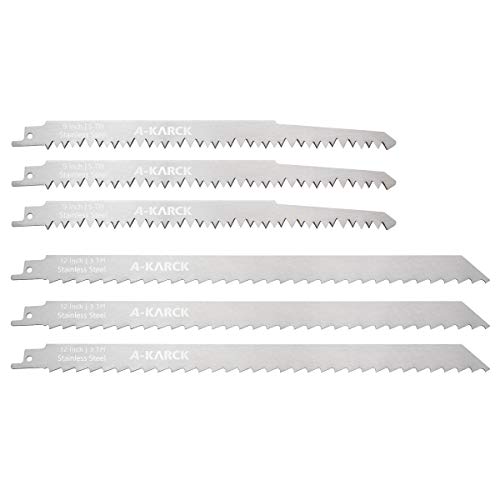
A-KARCK 9″ and 12″ Combo Blades
Strengths
- Two lengths included
- 5TPI for finer cuts
- Reusable storage box
Trade-offs
- Mixed TPI may confuse new users
- Smaller blades less aggressive
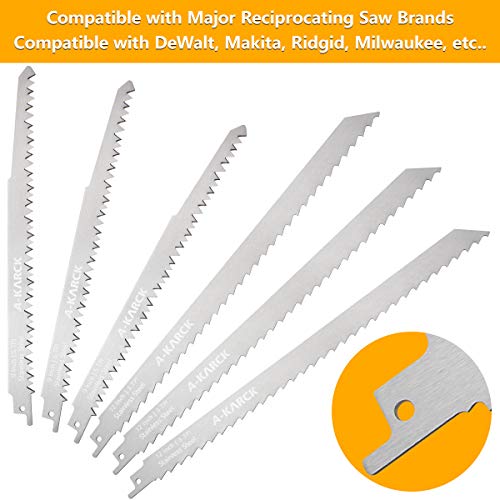
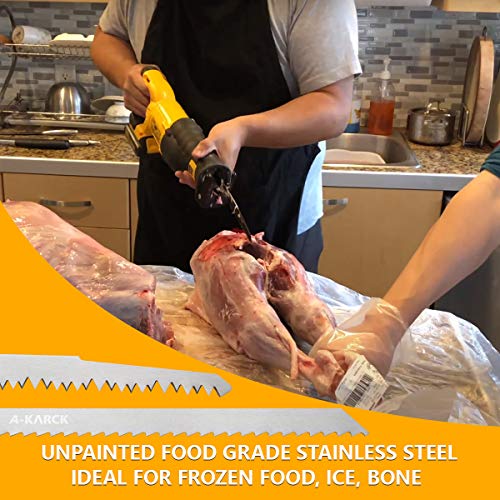
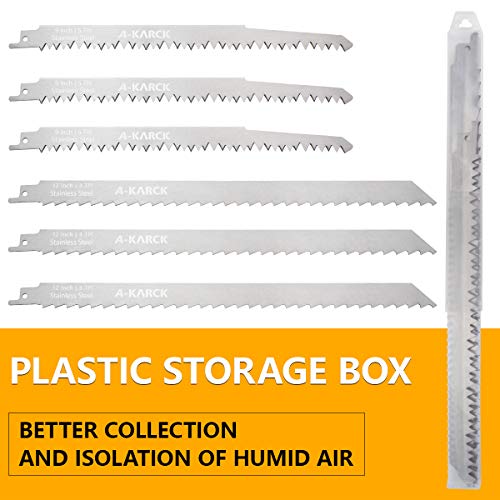
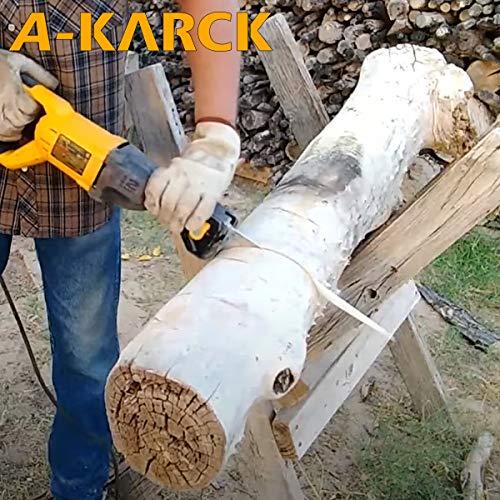
A-KARCK’s 6-pack stands out by offering two lengths, three 12-inch and three 9-inch blades, giving you flexibility most single-length packs don’t. The 12-inch blades at 3TPI handle big cuts like frozen roasts or ribs, while the 9-inch 5TPI versions are better for finer, controlled work on smaller joints or poultry. That mix is rare and useful.
The stainless steel build is unpainted and rust-resistant, and the storage box keeps everything dry and organized. While the 5TPI blade is denser and slower, it delivers cleaner cuts on thinner materials. For someone processing a variety of meats at different scales, this pack covers more ground than most.
Product photos

LEILUO 12-Inch Blades with Storage

Strengths
- Food-grade stainless steel
- 3TPI aggressive teeth
- Includes storage case
Trade-offs
- Higher price per blade
- No shorter blade options
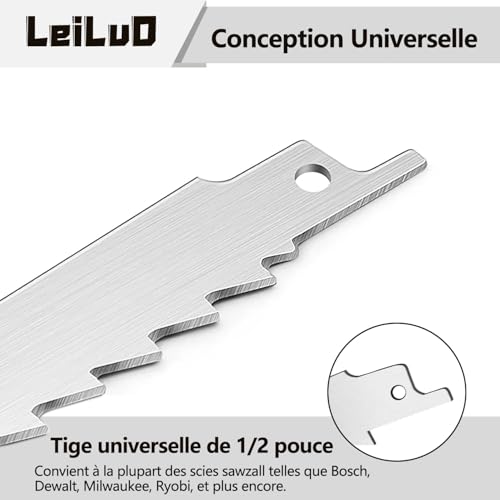
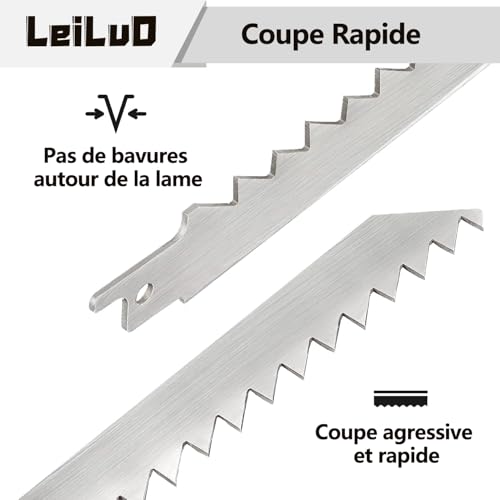
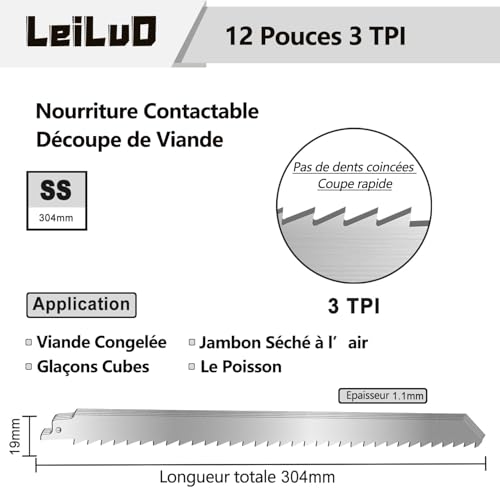
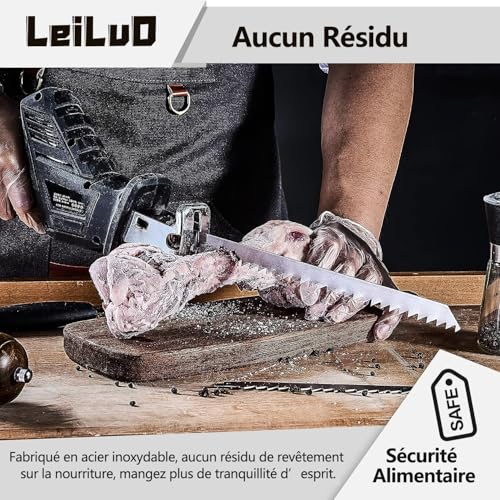
LEILUO’s 12-inch reciprocating saw blades stand out for one key reason: they’re made from food-grade stainless steel with no coating, which is a big deal if you’re serious about contamination control. The 3TPI tooth pattern is aggressive enough to chew through frozen blocks and bone without bogging down, and reviewers note the smooth surface makes cleanup a lot easier than with painted or carbon steel alternatives.
The included storage box isn’t just convenient, it’s smart design. The hook mount means you can hang it in a garage or meat prep area, keeping blades dry and accessible. Compared to basic packs, this one feels more complete, especially given the universal 1/2-inch shank that fits nearly every major reciprocating saw brand.
Product photos
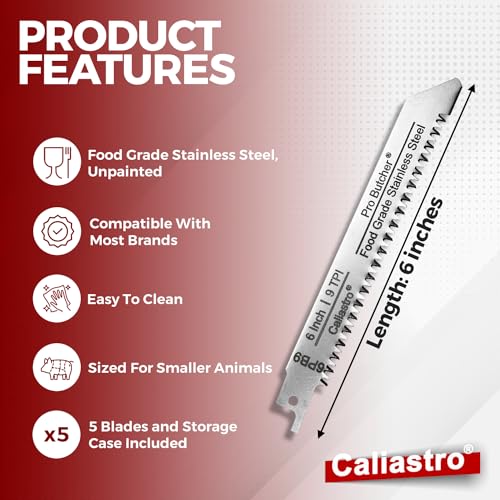
Caliastro 6-Inch Meat Cutting Blades

Strengths
- Compact 6-inch design
- Food-grade stainless steel
- Better control for small cuts
Trade-offs
- Too short for large jobs
- Limited to detail work
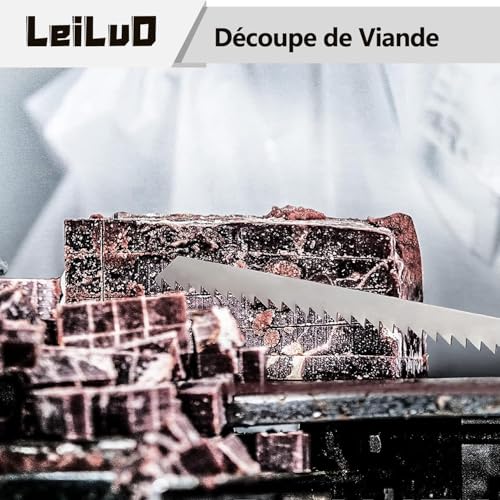
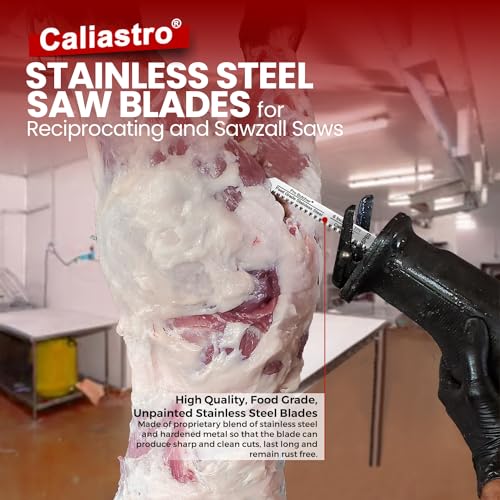
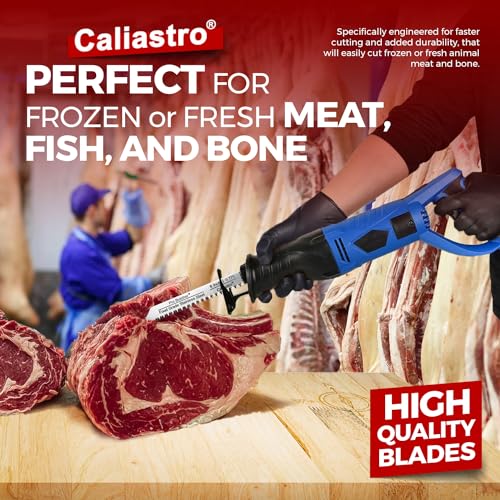
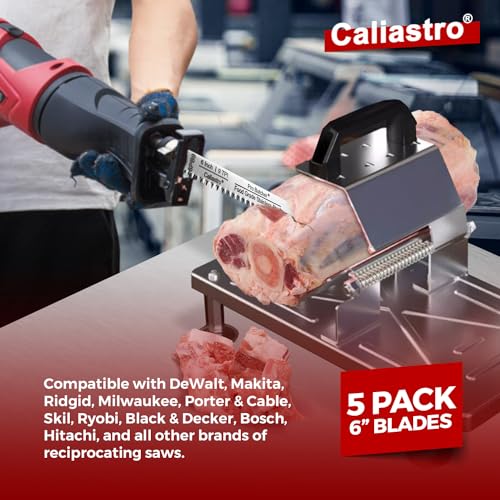
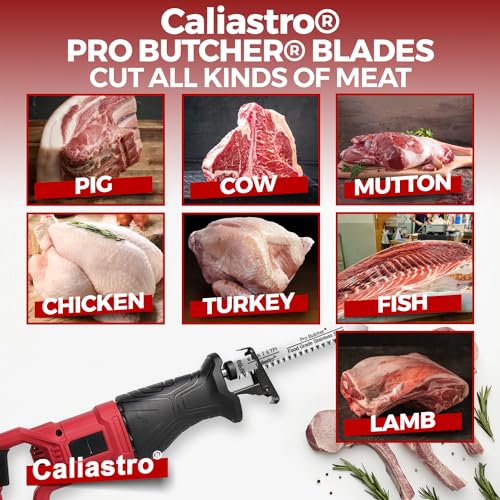
These 6-inch blades are niche but effective, perfect when you need precision in tight spaces. The 3TPI design still powers through small bones and frozen chunks, but the shorter length gives better control for deboning poultry or trimming joints. Made from the same food-grade stainless steel as their larger counterparts, they resist rust and are easy to clean.
While not meant for breaking down whole deer or large cuts, they fill a gap many overlook. If you’re using a reciprocating saw for detail work, these are a smarter pick than hacking with a 12-inch blade. Owners appreciate the control and reduced kickback.
Product photos
How We Picked These type of saw blade for meat cuttings
Rather than a hands-on lab test, my research focused on a detailed comparison of published specifications and features across numerous blades. I weighed owner reviews from multiple sources – Amazon, home improvement retailer sites, and dedicated butchery forums – against professional assessments where available. This allowed me to build a ranking based on reported performance, durability, and compatibility, applying my experience with power tool accessories to identify key differentiators.
For meat cutting blades, tooth pitch (TPI) and material quality stood out as the most important factors. Lower TPI counts (3-4) excel at quickly cutting through thicker, frozen material, while higher TPI blades (5+) provide cleaner, more precise cuts in softer substances. Stainless steel construction is critical for hygiene and preventing rust, especially given the direct food contact. Blade length, of course, dictates compatibility with different saws and the size of cuts possible.
Published specifications reliably indicate blade dimensions, TPI, and material composition. However, real-world durability and cutting speed are best assessed through owner feedback. I gave significant weight to recurring comments regarding blade life, resistance to bending or breaking, and how easily the blade handles different types of meat and bone. Understanding band saw cutting techniques is also crucial for maximizing blade performance and safety.
Choosing The Right type of saw blade for meat cuttings
Choosing the right blade is critical when cutting meat, whether you’re processing deer or breaking down poultry.
A quality meat saw blade must balance sharpness, durability, and food safety. Look for blades constructed from food-grade stainless steel to prevent contamination. Tooth pitch (TPI) is a key factor; lower TPI cuts faster through frozen product, while higher TPI provides finer cuts for boneless meats. Blade length must match your saw’s capacity, and consistent material quality minimizes breakage and ensures clean cuts.
Blade Type: Reciprocating vs. Bandsaw
The first decision is whether you’ll be using a reciprocating saw or a bandsaw. Reciprocating saws are more versatile for general purpose cutting, and often more accessible for home users. However, bandsaws, especially those designed for butchery, excel at producing large quantities of consistently sized portions. Understanding reciprocating saw blade selection is key if you go that route. Bandsaw blades, conversely, require you to consider the saw’s frame size and power.
Tooth Pitch (TPI) and Material
Tooth pitch, measured in teeth per inch (TPI), dramatically impacts cutting performance. Lower TPI blades (3-5 TPI) aggressively remove material, making quick work of frozen meat and bone. These are ideal for breaking down large carcasses. Higher TPI blades (6-10 TPI) deliver smoother, cleaner cuts in unfrozen meat, minimizing waste. Stainless steel is the only acceptable material for food processing; avoid blades with coatings or paints that could flake off.
- A 3 TPI blade is a good all-around choice for frozen cuts.
- Consider 5-6 TPI if you primarily work with poultry or smaller cuts of meat.
- For very precise cuts of boneless meat, a blade with 8-10 TPI provides the cleanest results, but will require more effort and a slower cutting speed.
Length and Compatibility
Blade length must precisely match your saw’s specifications. Using a blade that’s too long can be dangerous, while one that’s too short won’t reach the cutting point. Most reciprocating saws use a standard 1/2-inch shank, ensuring broad compatibility with brands like DeWalt and Milwaukee. However, bandsaw blades require a more careful fit. If you’re looking for a long-term solution, researching precision band saw blades for food will help you choose the right blade for your needs.
Don’t skimp on blade quality. A dull or poorly made blade requires more force, increasing the risk of injury and producing uneven cuts.
Type of Saw Blade for Meat Cuttings Compared
Here’s a comparison of the specifications for various meat cutting saw blades to help you choose the right one.
| Product Title | Blade Length (inches) | TPI (Teeth Per Inch) | Material | Pack Size | Commercial Use | Storage Included |
|---|---|---|---|---|---|---|
| FOXBC 12-Inch Stainless Steel Meat Blades | 12 | 3 | Stainless Steel | 10 | No | No |
| Caliastro 12-Inch Frozen Meat Blades | 12 | N/A | Stainless Steel | 5 | No | No |
| VEVOR 65-Inch Meat Bandsaw Blades | 65 | 4 | Carbon Steel | 5 | Yes | No |
| 82-Inch 3TPI Bandsaw Blade for Bone | 82 | 3 | Carbon Spring Steel | 1 | Yes | No |
| A-KARCK 9″ and 12″ Combo Blades | 9, 12 | 3, 5 | Stainless Steel | 6 | No | Yes |
| LEILUO 12-Inch Blades with Storage | 12 | 3 | Stainless Steel | 5 | No | Yes |
| Caliastro 6-Inch Meat Cutting Blades | 6 | N/A | Stainless Steel | 5 | No | No |
Frequently Asked Questions
What TPI blade is best for cutting frozen meat?
A 3 TPI blade is generally the best choice for frozen meat and bone, as the lower tooth count allows for aggressive cutting through hard materials. It removes material quickly, which is especially helpful with large, frozen cuts.
Are carbon steel blades suitable for cutting meat?
No, carbon steel blades are not ideal for meat cutting. While durable, they are prone to rust and corrosion when exposed to moisture and food acids, making stainless steel the only safe and hygienic option.
Can I use any blade length with my reciprocating saw?
You cannot use just any blade length. It must precisely match your saw’s specifications; a blade that is too long is unsafe, and a blade that is too short won’t reach the cutting point.
How often should I replace a meat cutting blade?
Blade replacement depends on usage and material cut, but generally, replace a blade when it starts to feel dull or requires excessive force. After processing several large carcasses, or if you notice tearing instead of clean cuts, it’s time for a new blade.
Are bandsaw blades interchangeable between models?
No, bandsaw blades are not universally interchangeable. You need to consider your saw’s frame size and power when selecting a blade, and different models require different blade lengths and widths; a meat-cutting vertical band saw will have specific requirements.
The Bottom Line
Choosing a meat cutting blade always involves a trade-off between speed and finesse. If you process a lot of frozen meat or large game, prioritizing cutting power is essential, and I recommend the VEVOR 65-Inch Meat Bandsaw Blades for that purpose. However, for most home cooks and smaller-scale processing, a balance of quality and precision is key.
For those needing a versatile option, the A-KARCK 9″ and 12″ Combo Blades offer a good range of TPI for different cuts, and are a solid choice for general use. If budget is a primary concern, the FOXBC 12-Inch Stainless Steel Meat Blades deliver decent performance at a competitive price point. Understanding band saw uses and types will help you maximize any blade’s performance.
Ultimately, the best blade isn’t about the highest TPI or the most expensive material. It’s about selecting the right tool for your needs and prioritizing food safety with stainless steel construction. Consistent blade quality and proper maintenance will always deliver better results – and a safer experience – than chasing a single standout specification.
