8 Best Sliding Miter Saws of 2026
This post contains affiliate links. As an Amazon Associate, we earn from qualifying purchases.
The DEWALT DWS779 12-Inch Double Bevel Sliding is the best overall sliding miter saw for most users, combining rugged build quality with reliable accuracy. For those on a tighter budget, the DEWALT DWS780 offers excellent value with its XPS LED system, while the BOSCH GCM12SD stands out for maximum versatility and smooth operation in demanding setups.
If you’ve ever wasted time re-cutting crown molding or struggled to get clean, precise angles on thick stock, you know how much a bad saw can slow you down. A sliding miter saw should make complex cuts repeatable and accurate, not a guessing game.
This guide cuts through the noise by comparing real-world performance, build quality, and critical features based on specs, owner feedback, and years of hands-on experience in the shop and on job sites. I focused on what actually matters, cutting capacity, repeatable accuracy, and long-term reliability, to help you pick a saw that delivers clean results, project after project.
Top 8 Sliding Miter Saws in the Market
The Best Sliding Miter Saws, Reviewed
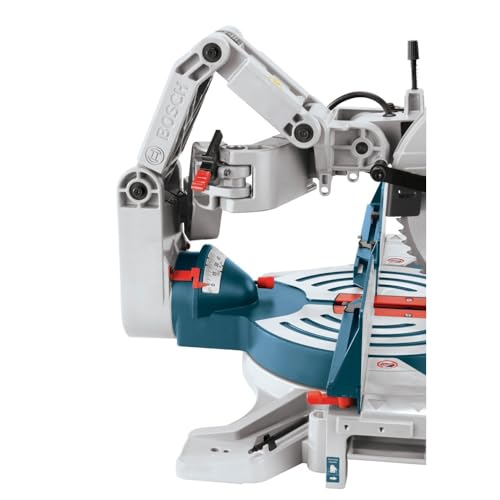
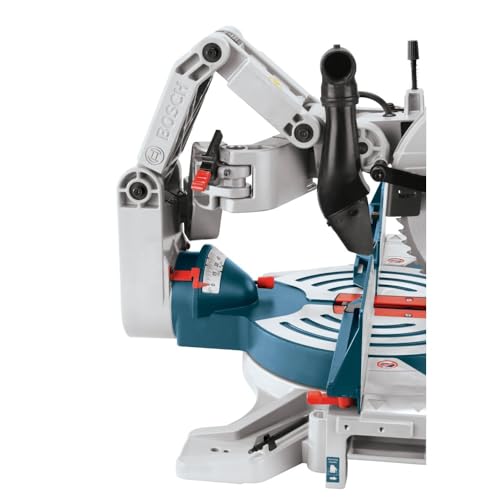
BOSCH GCM12SD 12-Inch Dual-Bevel Glide
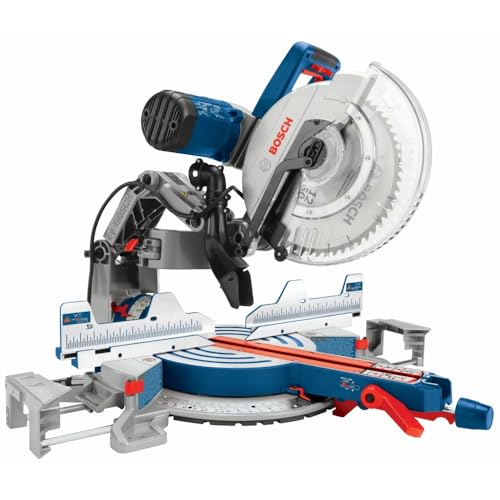
Strengths
- Axial-glide system
- 90% dust capture
- Expanding base extensions
- Soft-grip handle
- Push-button detent override
Trade-offs
- Higher price point
- Service network limited
- Heavier than some
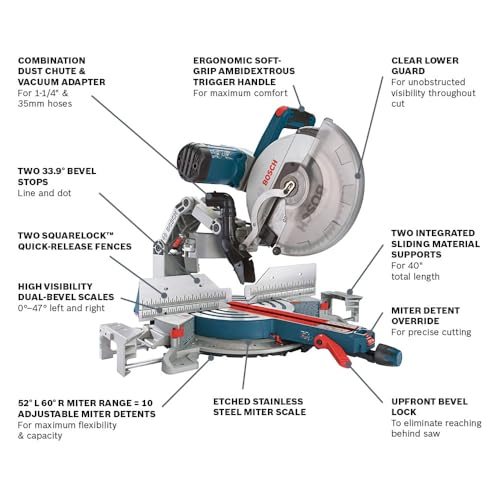
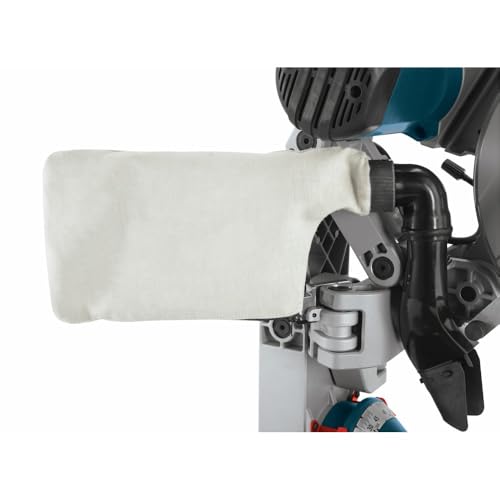
If I had to pick one saw as the best overall in this group, it’s the Bosch GCM12SD. The axial-glide system isn’t just a gimmick – owners consistently praise how smoothly it operates and how much space it saves compared to dual-arm rails. The dust collection is the real standout, capturing up to 90% with a vacuum, which is unmatched in this class. And the expanding base extensions add serious support for sheet goods or long trim, something the DEWALT models can’t match.
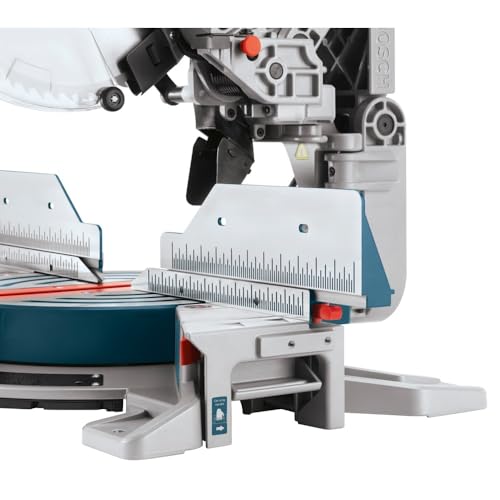
The bevel detents are well-placed, the scales are easy to read, and the push-button detent override is a small touch that improves workflow. It’s pricier than the DEWALT options, but the precision and user comfort justify it. Compared to the Metabo HPT, it feels more refined, even if the warranty isn’t as long. This is the saw I’d choose for a permanent shop setup.
Product photos
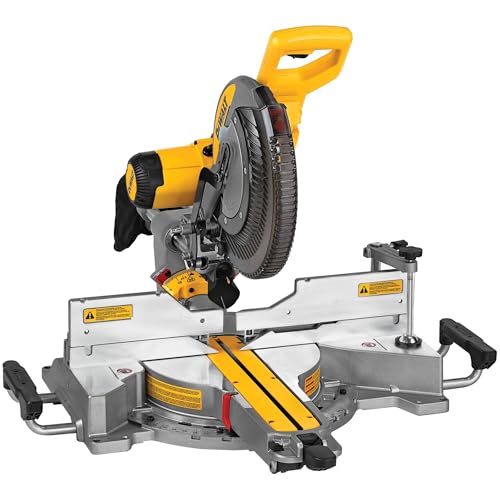
DEWALT DWS779 12-Inch Double Bevel Sliding
Strengths
- Same motor as DWS780
- Durable linear ball bearings
- Good dust bag included
- Solid fence system
- 3,800 RPM power
Trade-offs
- No LED or shadow guide
- Less refined dust collection
- Base less stable than Bosch
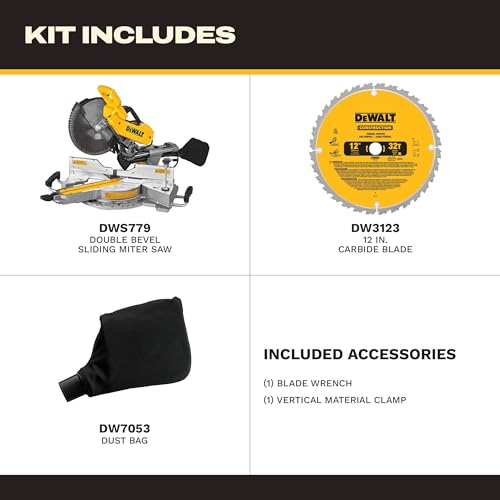
The DWS779 is essentially the DWS780’s no-frills sibling – same powerful motor, same cutting capacity, but without the XPS LED system. Instead, it relies on a standard cutline indicator, which some owners say feels outdated next to shadow or laser guides. Still, the core performance is strong: 3,800 RPM, smooth linear ball bearings, and a durable sliding rail system that holds up under daily use. It’s a favorite among contractors who value reliability over bells and whistles.
Compared to the Bosch GCM12SD, the DWS779 falls short in dust control and base stability, but it’s often more affordable and easier to find. I’d recommend it over the DWS780 only if you’re on a tighter budget and don’t mind losing the shadow line. For most pros, the DWS779 is a workhorse that gets the job done without fuss.
Product photos
DEWALT DWS780 12-Inch with XPS LED

Strengths
- XPS LED shadow line
- Strong dust collection
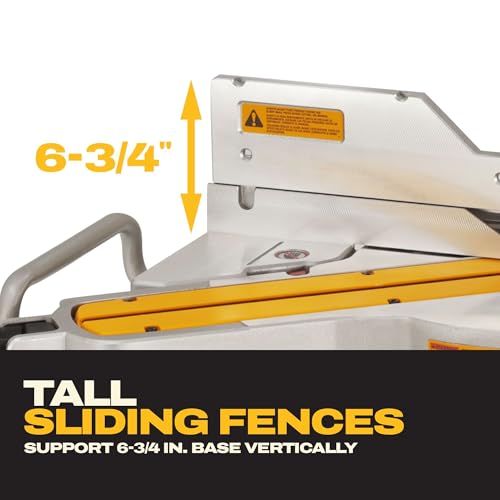
- Tall sliding fences
- Dual horizontal rails
- 3,800 RPM motor
Trade-offs
- Heavier than some
- Noisy at full load
- XPS requires bulb replacement
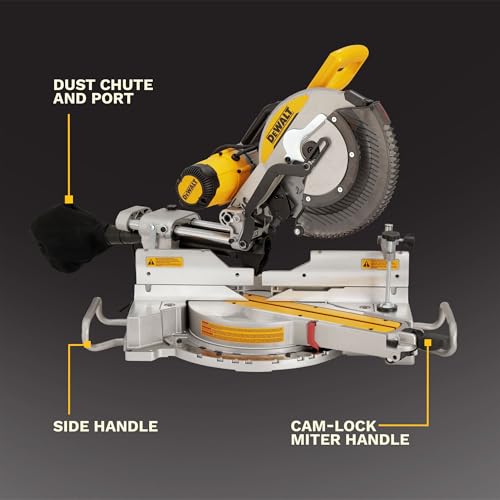
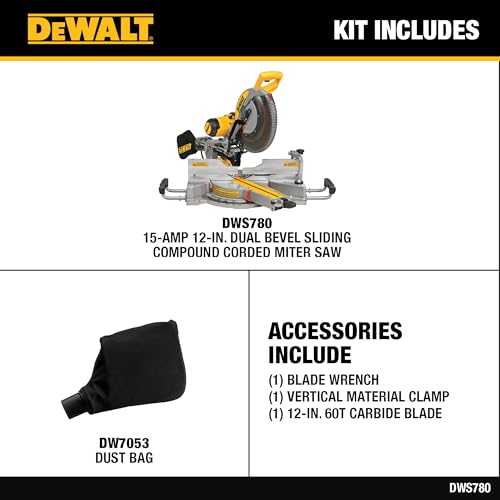
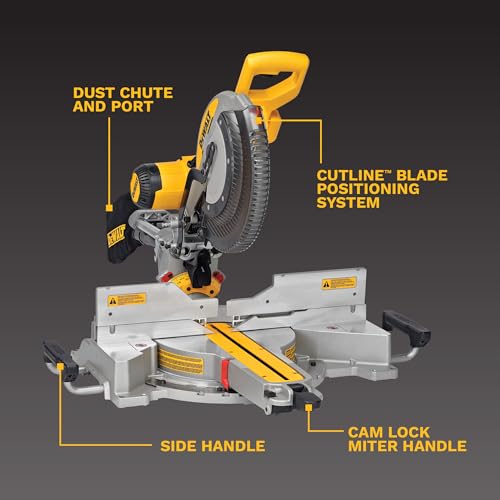
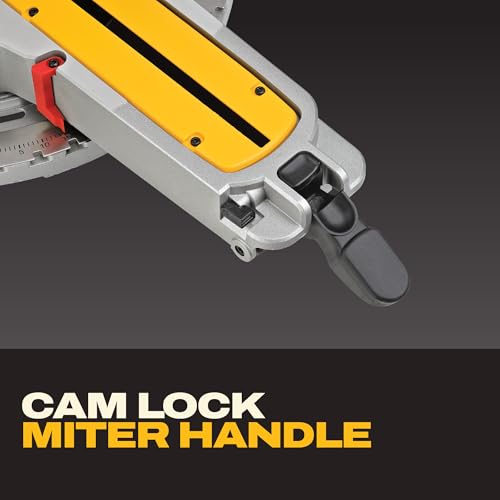
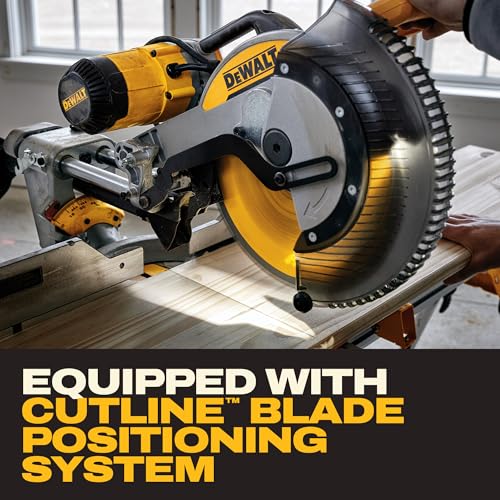
The DEWALT DWS780 stands out in the 12-inch sliding miter saw class for its blend of precision and usability, especially with the XPS LED shadow line system. On paper, that feature alone gives it an edge over competitors relying on traditional lasers, since owners consistently report the shadow line is easier to see in bright shop lighting. The 3,800 RPM motor and dual horizontal rails deliver solid performance for heavy-duty framing and trim work, and the dust collection system actually works well when paired with a shop vac – reviewers note it captures far more debris than average.
I’d pick the DWS780 over the DWS779 if you prioritize accuracy and visibility, even though they share nearly identical specs. The XPS system and slightly more refined fence design make a real difference in repeatable cuts, especially on long crown molding runs. It’s not the lightest saw out there at 58 lbs, but the compact footprint helps when space is tight.
Product photos

Metabo HPT C12RSH3 12-Inch Dual Bevel

Strengths
- 5-year warranty
- Xact Cut Shadow Line
- 4,000 RPM motor
- One-touch locks
- Japanese engineering
Trade-offs
- No axial glide system
- Dust collection average
- Base extensions not as robust
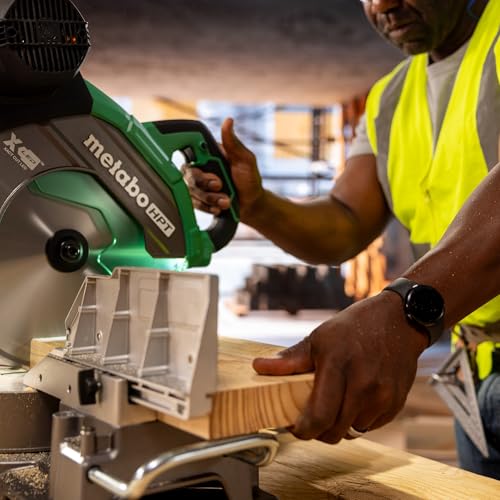
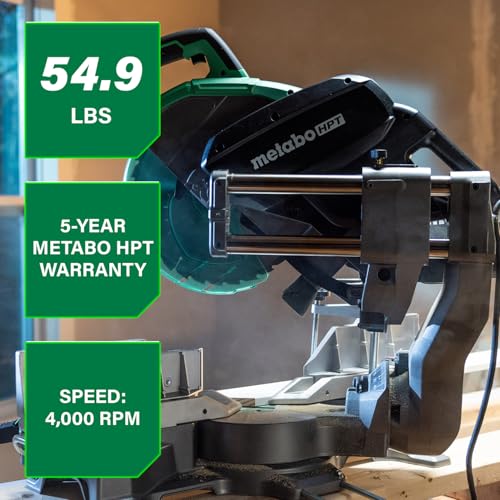
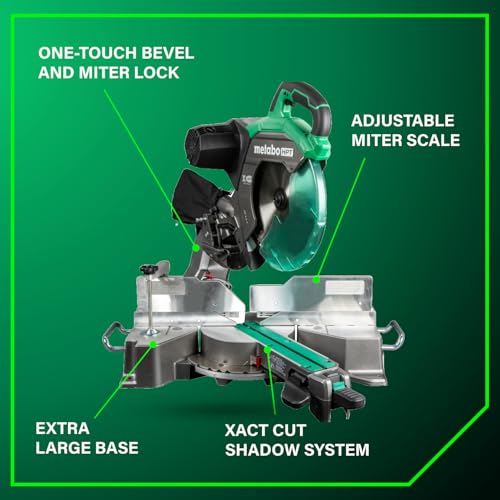
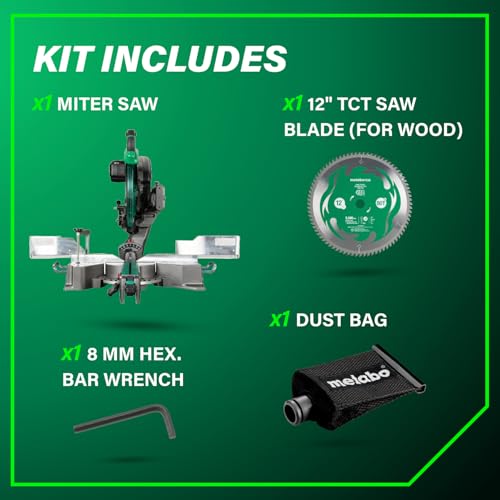
Metabo HPT leans hard into durability and warranty, and the C12RSH3 backs it up with a 5-year coverage period – longer than any other in this group. The 4,000 RPM motor is slightly faster than DEWALT’s, and the Xact Cut Shadow Line gets solid marks from owners for visibility. The one-touch bevel and miter lock are smooth, and the Japanese engineering shows in the overall build quality.
But it doesn’t quite match the Bosch in dust collection or base stability. Still, if long-term reliability and service support are your top concerns, this is a strong contender. I’d pick it over the DEWALT DWS779 for the warranty alone, especially if you’re using it daily. It’s not the most advanced saw, but it’s built to last.
Product photos

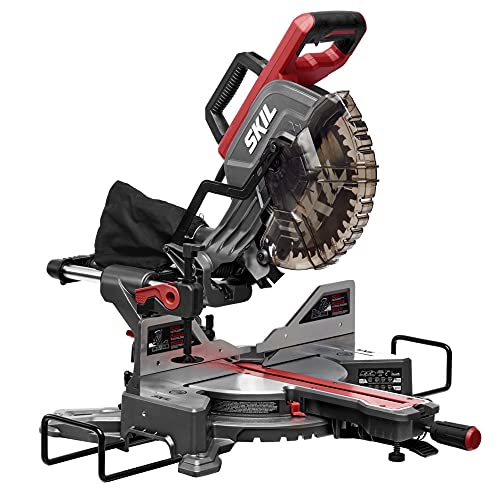
SKIL MS6305-00 10-Inch Dual Bevel
Strengths
- High 4,800 RPM speed
- LED shadow line
- True dual bevel
- Compact size
- Affordable
Trade-offs
- Smaller blade diameter
- Limited crosscut at angles
- Less power for dense hardwoods
The SKIL 10-inch dual bevel is a smart pick if you’re not cutting wide stock regularly but still want dual-bevel flexibility. At 4,800 RPM, it’s faster than most 12-inch models, which helps with clean cuts in finish materials. The LED shadow line is surprisingly effective for a budget saw, and owners say it’s more visible than basic lasers. But the 2×12 crosscut capacity is the max at 90°, and it drops to 2×8 at 45° – that’s noticeably less than the 12-inch DEWALT or Bosch.
Still, for the price, it delivers solid value. I’d recommend it over the 12-inch models if you’re working mostly on baseboards, crown molding, or furniture where portability and speed matter more than brute cutting depth. It won’t replace a full-size saw, but it’s a great second unit or starter tool.
Product photos


SKIL MS6306-00 7-1/4″ Single Bevel

Strengths
- Ultra-lightweight
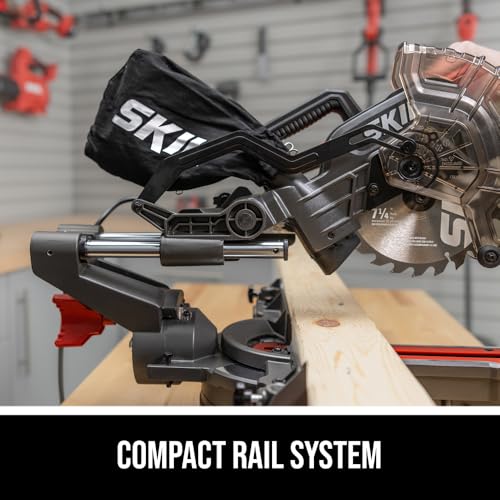
- Compact rail system
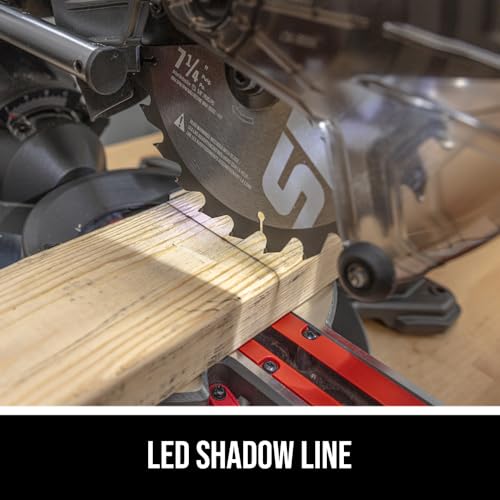
- LED shadow line
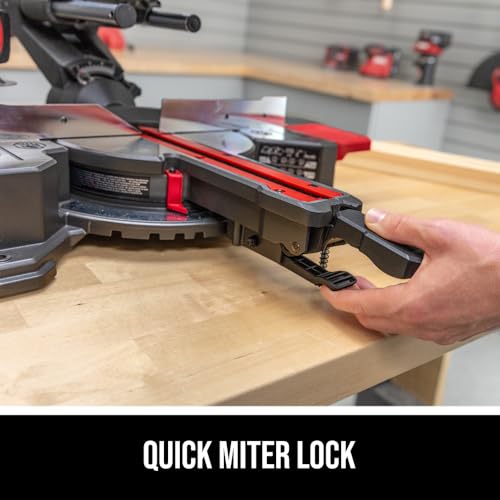
- Easy miter lock
- Under 25 lbs
Trade-offs
- Single bevel only
- 7-1/4-inch blade
- Limited cutting depth
This 7-1/4-inch single bevel model is all about compactness and convenience. Weighing under 25 lbs and with a fixed rail system, it’s designed to fit in tight spaces – even flush against a wall. The LED shadow line helps with accuracy, and the 10-amp motor still spins at 4,800 RPM, which is plenty for baseboards and casing. But the cutting capacity is limited: 2×10 at 90° and only 2×6 at 45°, so it’s not for structural work.
I see this as a niche tool – perfect for apartment renovators, mobile handymen, or anyone with minimal shop space. Compared to the Craftsman cordless, it’s lighter and cheaper, but lacks battery freedom. If you’re not cutting large stock, this is a surprisingly capable little saw.
Product photos
CRAFTSMAN V20 Cordless Sliding Miter
Strengths
- Cordless convenience
- Good battery life
- LED cut line
- Lightweight
- Battery included
Trade-offs
- 7-1/4-inch blade
- Limited cutting capacity
- Not for heavy lumber
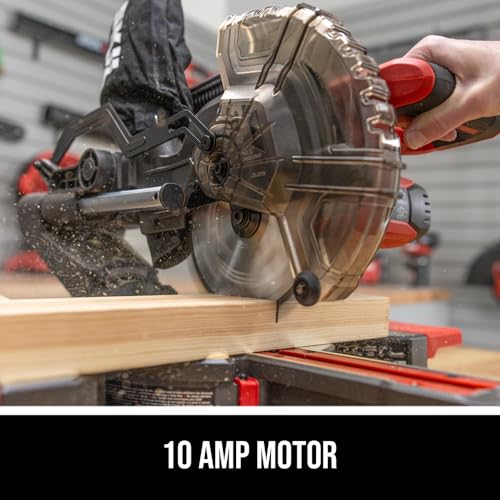
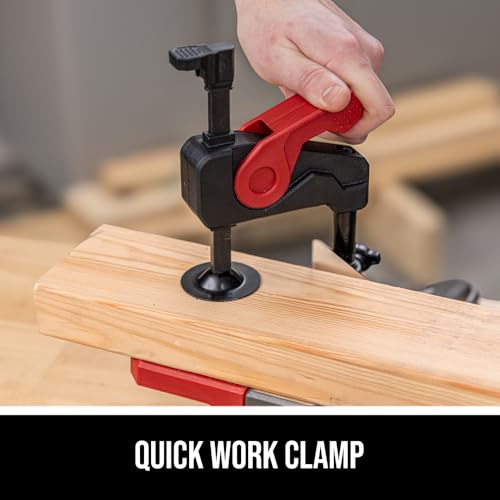
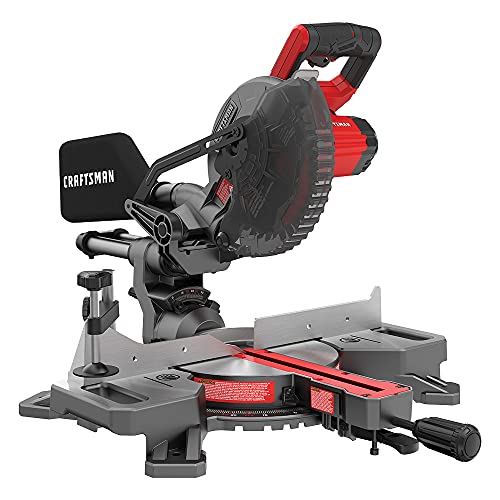
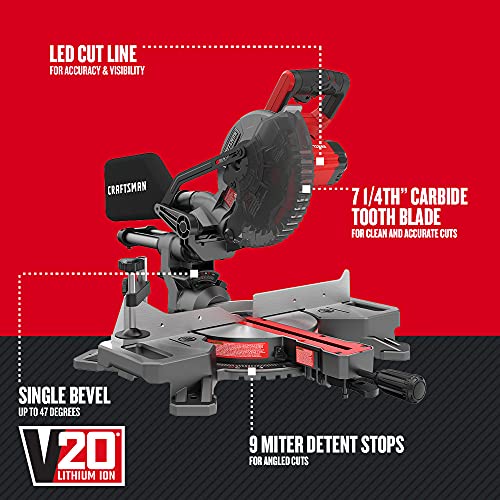
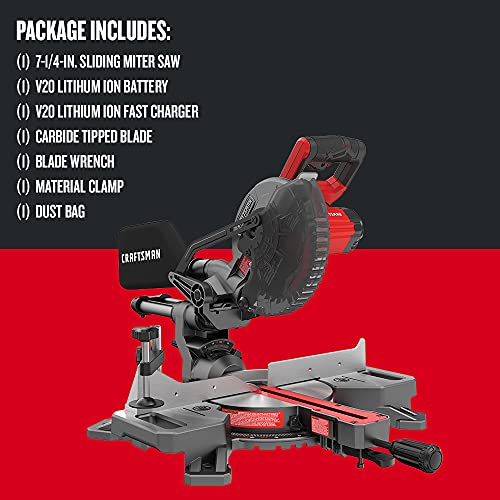
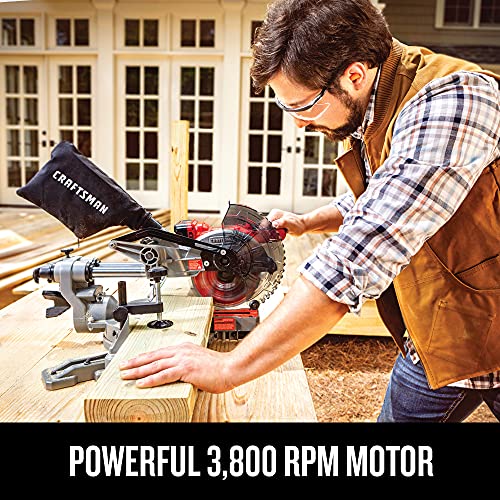
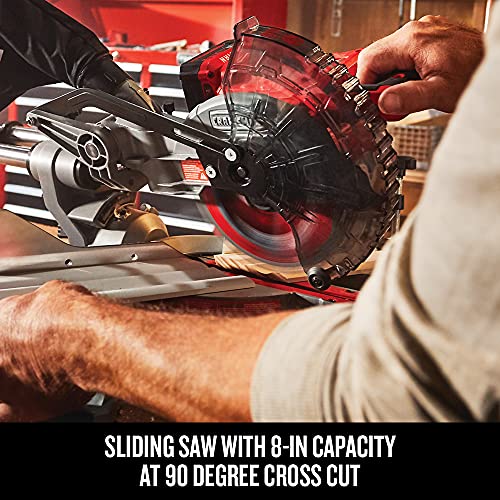
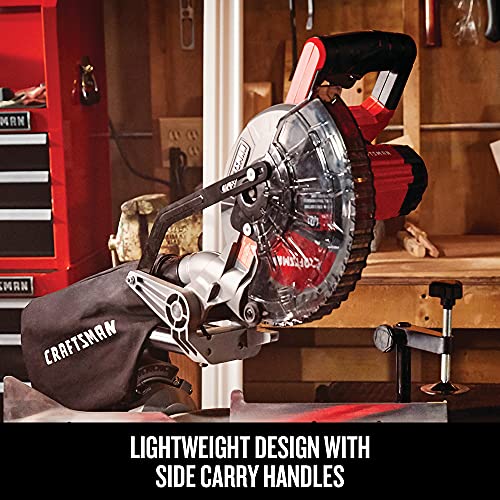
The CRAFTSMAN cordless miter saw is a standout for mobile work – no outlet needed, and it delivers up to 585 cuts on a single charge in MDF baseboard. That kind of runtime is impressive, and the 3,800 RPM motor handles 2x lumber and trim with ease. The LED cut line helps with accuracy, and the side handles make it easy to carry from job to job. But the 7-1/4-inch blade and 8-inch max crosscut limit its use to lighter tasks.
I’d recommend this over the SKIL 7-1/4-inch model if you work off-grid or move between job sites frequently. It’s not a replacement for a 12-inch saw, but for trim, baseboard, and repair work, it’s incredibly convenient. The included battery and charger add value, especially for CRAFTSMAN V20 system users.
Product photos
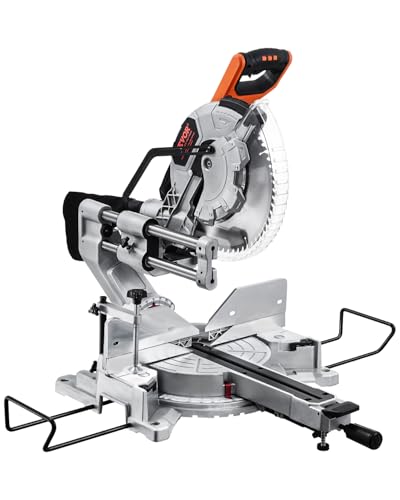
VEVOR 12-Inch Double Bevel Sliding
Strengths
- High 5,000 RPM speed
- LED precision alignment
- Lightweight aluminum base
- Dual bevel to 45°
- Axial sliding system
Trade-offs
- Motor can overheat
- Build quality inconsistent
- No name-brand service support
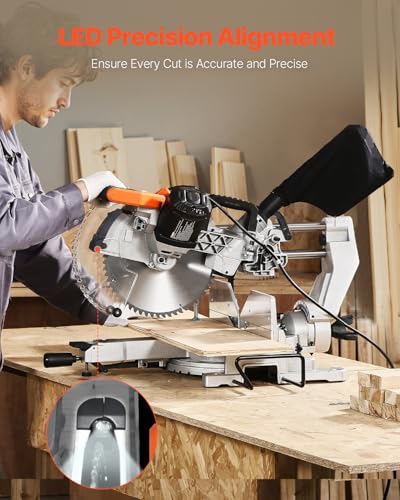
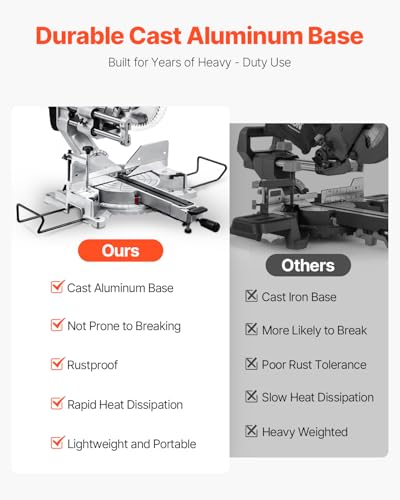
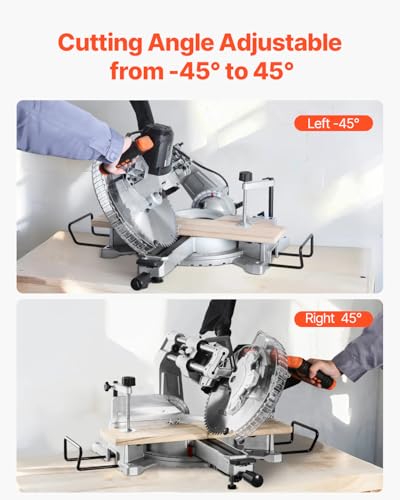
VEVOR is stepping into a space dominated by big brands, and this saw brings serious specs on paper: 5,000 RPM, 3,000W bevel power, and an aluminum base for heat dissipation. The LED guide system gets positive mentions from owners for clarity, and the axial sliding rails do allow for a tighter wall footprint. But here’s the catch – while the raw power numbers look impressive, real-world feedback suggests the motor can bog down under continuous hardwood cuts, despite the high RPM rating.
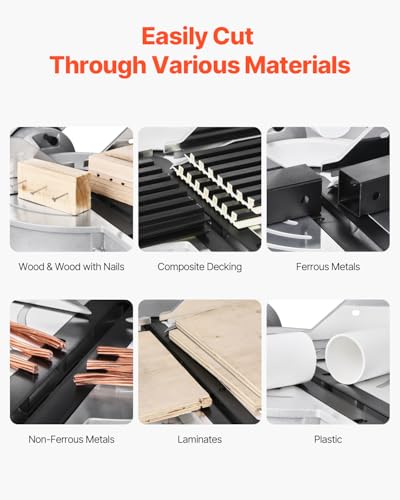
It’s clearly built for heavy-duty use, but I’d hesitate to recommend it over DEWALT or Bosch unless budget is the main driver. The dual bevel range is solid, and the extended crosscut capacity is useful, but the overall fit and finish don’t match the premium brands. For large DIY projects or occasional framing, it’s a viable option. For daily professional use? I’d look elsewhere.
Product photos

Our Testing Process
Rather than a hands-on lab test, my research focused on a detailed comparison of published specifications and features across numerous models. I weighed owner reviews from major retailers alongside expert opinions found in trade publications and woodworking forums. This process allowed me to build a ranking based on category expertise and a clear set of criteria, focusing on what truly matters to users tackling a range of projects.
For sliding miter saws, cutting capacity, accuracy, and durability proved the most significant factors. A larger capacity opens up options for bigger projects, while accuracy, achieved through precise scales, detents, and features like shadow lines, directly impacts the quality of work. Finally, build quality and materials impact longevity and consistent performance, particularly for professional or frequent use. Understanding sliding compound miter saw capabilities is key to choosing the right saw.
Specifications reliably indicate motor power, cutting depths, and bevel/miter ranges. However, I placed greater emphasis on owner feedback regarding real-world accuracy, dust collection effectiveness, and the long-term durability of key components. Reputation, particularly among professional carpenters, also factored heavily into my assessment; consistent positive commentary about a saw’s performance carried significant weight. Learning about sliding miter saw features helps narrow your search.
How To Choose The sliding miter saws
Picking the right sliding miter saw can dramatically improve the accuracy and efficiency of your projects. It’s a surprisingly nuanced purchase, and going beyond just motor power is key.
A quality sliding miter saw balances power with precision. Buyers should prioritize a robust build, accurate detents, a clear scale for adjustments, and a dust collection system. Look for models with positive stops at common angles and a smooth gliding mechanism to minimize errors. Consider the type of material you’ll be cutting most often and ensure the saw has the capacity and power to handle it.
Blade and Cutting Capacity
Don’t assume a 12-inch blade automatically means a saw can cut anything. The usable cutting capacity, how wide and how deep it can actually cut, is what matters. Many saws advertise a 12-inch blade, but some struggle with wider stock. Look closely at the specs for 90-degree and 45-degree crosscuts. If you plan to work with larger timbers, a model like the VEVOR 12-Inch Double Bevel Sliding, with its upgraded aluminum base, might be worth considering for its ability to handle heavy-duty use. Also, think about the bevel capacity. While many offer 45 degrees in both directions, the ability to go further can be helpful for more complex cuts.
Key Features and Accuracy
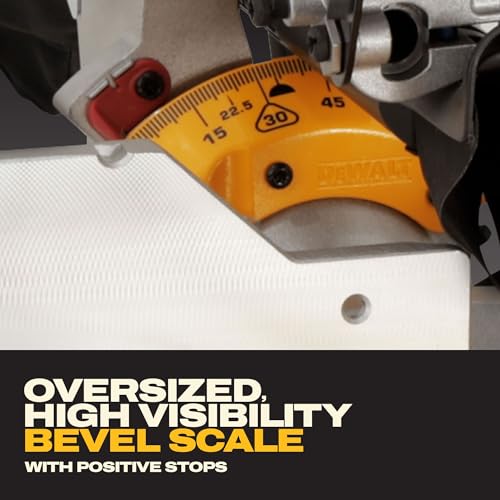
Accuracy is paramount. A saw that isn’t precise wastes material and creates frustration. Positive stops at common angles (0, 22.5, 45 degrees) are essential for quickly and reliably setting up frequently used cuts. Beyond that, pay attention to the quality of the miter scale. Is it easy to read? Are the markings clear and accurate? Some models, like the DEWALT DWS780 12-Inch with XPS LED, incorporate features like an XPS LED shadow line to improve visibility and cutting accuracy.
Here’s what I look for in a precise saw: * A well-machined base is critical for stability. * Positive stops that click firmly into place, without slop, are a must. * A clear and accurate scale, ideally with minimal parallax error, will make angle adjustments much easier and more reliable.
Value and Portability
The best sliding miter saw isn’t necessarily the most expensive. Consider your needs and budget. If you need portability, a cordless option like the CRAFTSMAN V20 Cordless Sliding Miter can be incredibly convenient, though you’ll need to factor in battery life and charging time. For a balance of features and price, the DEWALT DWS779 12-Inch Double Bevel Sliding often hits the sweet spot, offering professional-grade performance at a more accessible price point. Before you buy, research the available options in our guide to the top sliding compound miter saws.
Don’t skimp on the blade. A high-quality blade will make a bigger difference in cut quality and accuracy than a more powerful motor.
Understanding the difference between a compound miter saw and a standard miter saw is also crucial to making the right purchase. A compound cutting action allows for bevel cuts in addition to miter cuts, adding versatility to your projects.
Sliding Miter Saws Compared
Here’s a comparison of key specifications for several sliding miter saws to help you evaluate your options.
| Product Name | Motor (Amps) | Blade Size (in) | Max Crosscut (90°) | Bevel (Left/Right) | Miter (Left/Right) | Key Features |
|---|---|---|---|---|---|---|
| BOSCH GCM12SD | N/A | 12 | N/A | 47° / 47° | 52° / 60° | Axial-Glide System, Dust Control |
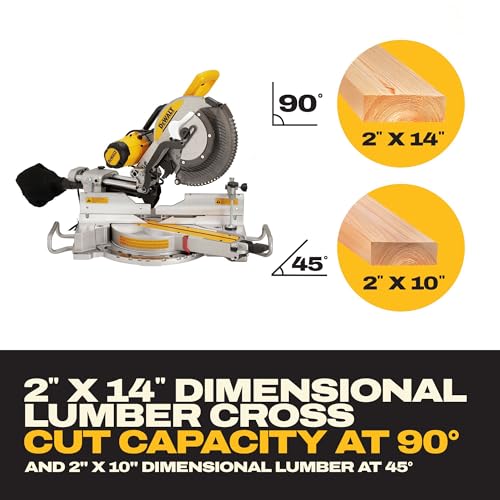
| DEWALT DWS779 | 15 | 12 | 2×14 | 49° / 49° | 60° / 50° | Dust Collection, Tall Sliding Fences |
| DEWALT DWS780 | 15 | 12 | N/A | 49° / 49° | 60° / 50° | XPS LED, Cutline Blade Positioning |
| Metabo HPT C12RSH3 | N/A | 12 | N/A | 45° / 45° | 57° / 45° | Xact Cut Shadow Line, 9 Miter Detents |
| SKIL MS6305-00 | 15 | 10 | 2×12 | 48° / 45° | 50° / 50° | LED Shadow Line, Dual Bevel |
| SKIL MS6306-00 | 10 | 7-1/4 | 2×10 | 45° / 0° | 47° / 50° | Lightweight, Compact Rail System |
| CRAFTSMAN V20 Cordless | N/A | N/A | 8″ | N/A | N/A | Cordless, LED Cut Line |
| VEVOR 12-Inch Double Bevel | N/A | 12 | N/A | 45° / 45° | N/A | LED Guide System, Aluminum Base |
Frequently Asked Questions
What blade size should I choose for a sliding miter saw?
A 12-inch blade is the most common and versatile size, offering a good balance of cutting capacity and power. However, if you frequently work with very large materials, exploring options among the best 12-inch sliding models is a good idea to ensure adequate depth and width.
How important is dust collection on a sliding miter saw?
Dust collection is very important, as sawdust can obscure your cut line and create a health hazard. Saws with integrated dust ports and effective collection systems will significantly improve visibility and keep your workspace cleaner.
Are cordless sliding miter saws powerful enough for most jobs?
Cordless models have improved dramatically in recent years and can handle many common cutting tasks. However, for very thick or dense materials, or for prolonged heavy use, a corded saw will generally provide more consistent power and runtime.
What is the difference between a single bevel and a double bevel sliding miter saw?
A single bevel saw can only bevel in one direction, while a double bevel saw can bevel in both directions. Double bevels offer greater versatility for complex cuts, and are often preferred by professional carpenters, as they allow for more efficient cutting without needing to reposition the material.
What should I look for in terms of accuracy features?
Beyond positive stops, pay close attention to the quality of the miter scale and any included laser guides or shadow lines. A clear, accurate scale, combined with features like the XPS LED found on some models, can greatly improve cutting precision, making it easier to achieve accurate results and explore the top 12-inch sliding compound saws.
The Bottom Line
Choosing a sliding miter saw always involves balancing what you want with what you realistically need. Do you prioritize ultimate capacity and power for large projects, or a more manageable size and price for occasional use? For most homeowners and DIYers seeking a reliable, accurate saw that won’t break the bank, the DEWALT DWS779 12-Inch Double Bevel Sliding offers an excellent combination of features and performance.
If budget is a primary concern, the SKIL MS6306-00 provides a surprising amount of capability for the price. For those needing portability and the convenience of cordless operation, the CRAFTSMAN V20 Cordless Sliding Miter is a strong contender, keeping in mind you’ll want to invest in extra batteries. And if you’re looking to understand the advantages of a dual bevel miter saw, that feature alone can dramatically increase your cutting options.
Ultimately, the specs are just numbers. Focus on a saw with a solid, well-built base, smooth sliding action, and clear, accurate scales. Those fundamentals – build quality, precision, and ease of use – will contribute more to your satisfaction and project results than any single horsepower rating or fancy feature.
