
6 Best Saws for Cutting Christmas Trees 2026
This post contains affiliate links. As an Amazon Associate, we earn from qualifying purchases.
The Corona 13-Inch RazorTOOTH Saw is the best overall for cutting Christmas trees, delivering aggressive, clean cuts through thick trunks with its SK5 steel blade. For budget-minded users, the 11-Inch Folding Camping Saw offers excellent value and portability without sacrificing performance. If you need reach for taller trees, the 26FT Telescoping Manual Pole Saw stands out as the most versatile pick.
Cutting down a Christmas tree looks simple until you’re out in the woods with a dull, flimsy saw that binds in the wood. Most people don’t realize how much blade quality, tooth design, and overall handling affect the effort and safety of the job.
I researched the top options by analyzing specs, owner feedback, and brand reputation to find saws that actually perform when it matters. This guide breaks down what really works, whether you’re felling a tree, trimming branches, or need something compact for backcountry hikes.
Top 6 Saw For Cutting Christmas Trees in the Market
The Best Saw For Cutting Christmas Trees, Reviewed
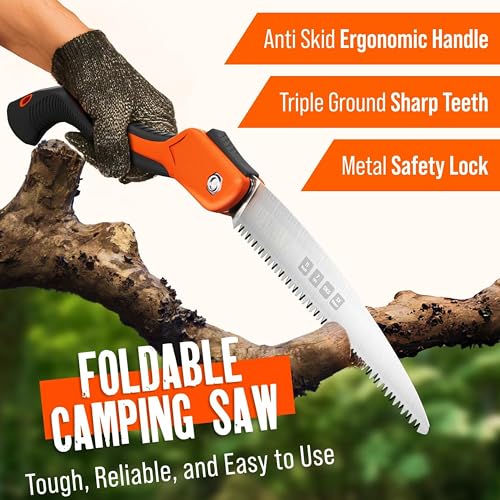
11-Inch Folding Camping Saw

Strengths
- Aggressive 7TPI teeth
- Curved blade design
- Compact and portable
Trade-offs
- No angle adjustment
- Basic locking mechanism
- Blade can bind in wet wood
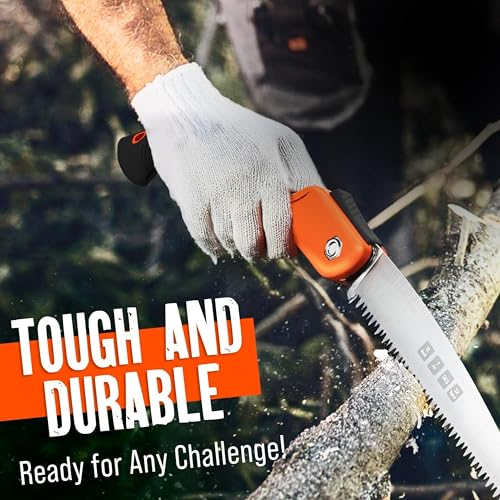
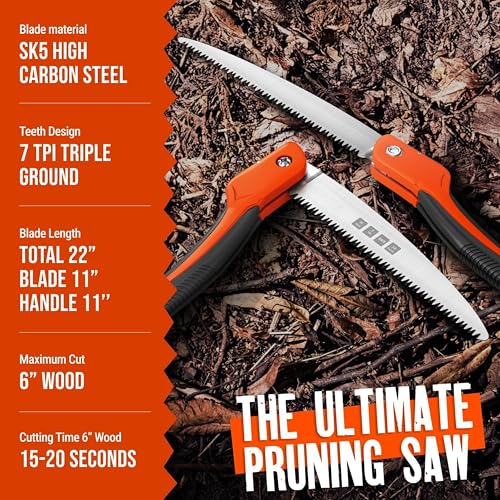
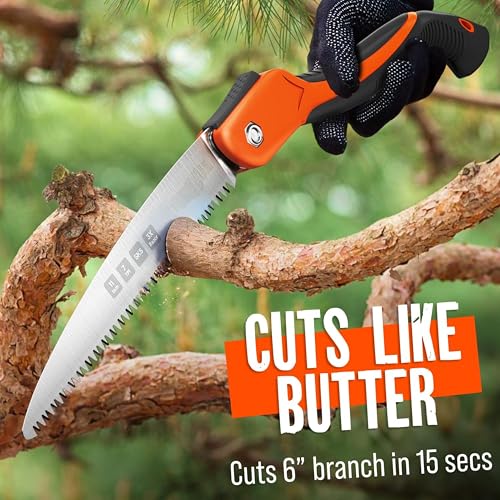
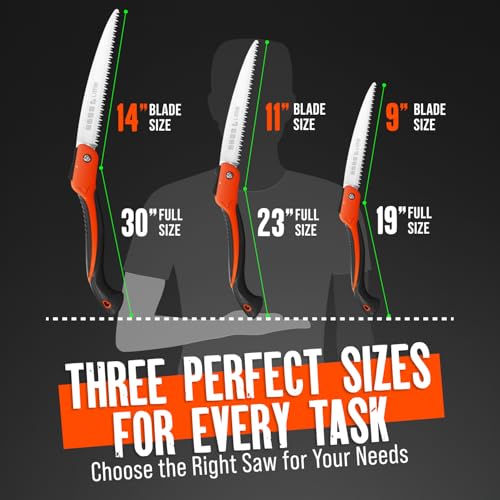
On paper and in owner feedback, this 11-inch folding saw is arguably the most balanced option for cutting a Christmas tree in the wild. The SK5 steel blade with 7 TPI triple-cut teeth bites aggressively into green or dry wood, and the curved design helps initiate cuts without a notch. It’s slightly longer than most folding saws, giving it better reach, and the ergonomic handle offers solid grip even with gloves on.
Reviewers consistently call it a “workhorse” for bushcraft and camping, and it outperforms many pricier models in wet conditions. While it doesn’t have an adjustable blade like the GRENPRO, it feels more robust in hand and cuts faster through thicker branches. For most people heading into the woods with a permit to cut a tree, this is the smarter buy over bulkier or less capable models.
Product photos
26FT Telescoping Manual Pole Saw
Strengths
- Telescopes to 26FT
- Detachable saw head
- Hook-end blade design
Trade-offs
- Too long for tight cuts
- Heavier extended
- Overkill for simple felling
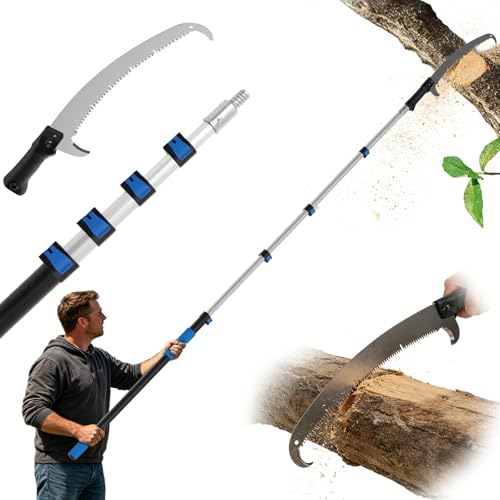
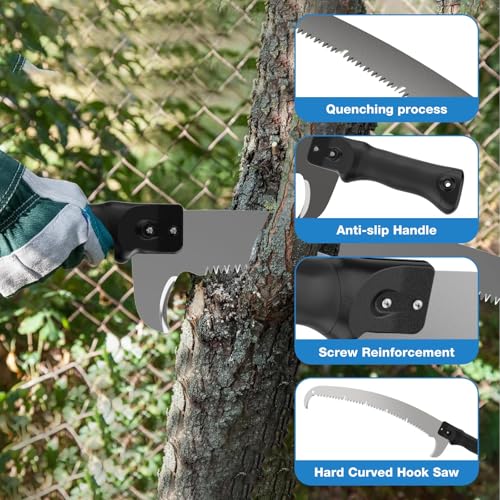
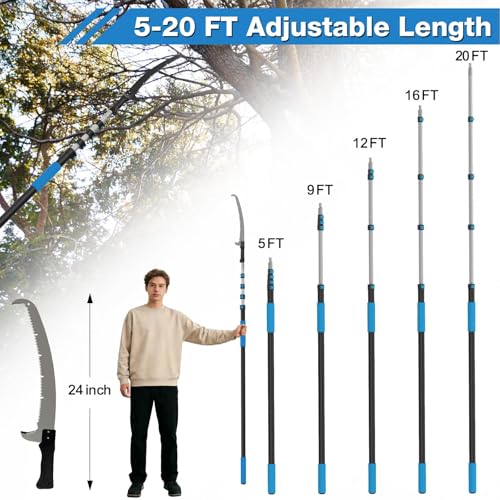
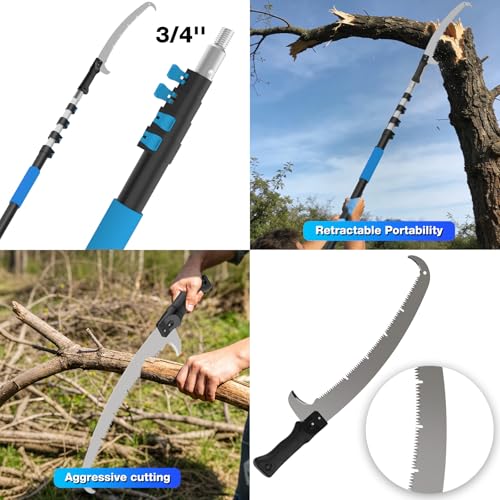
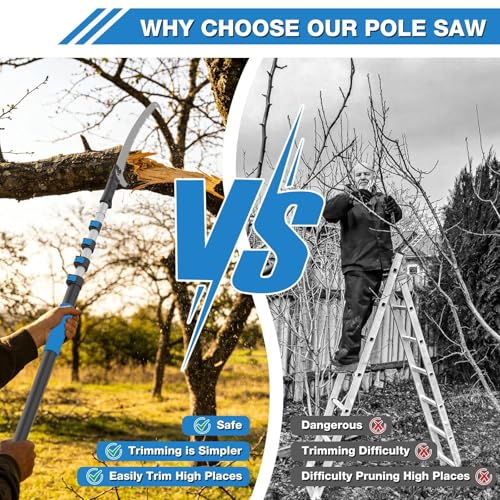
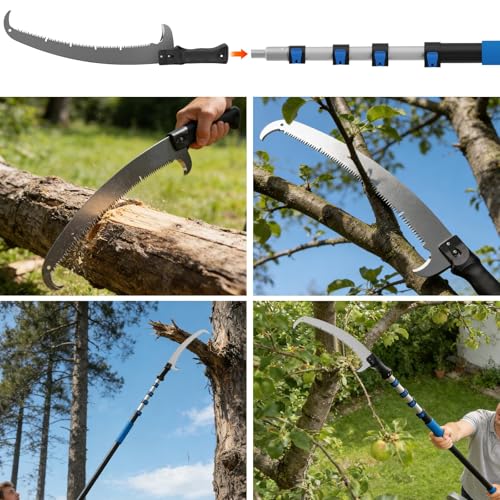
If you’re not cutting the tree at the base but instead need to trim lower limbs or shape your Christmas tree after dragging it home, this 26-foot telescoping pole saw makes sense. The 24-inch blade with a hook-end design grabs branches and cuts in one motion, owners say it’s surprisingly effective for high limbs. Extend it to 20 feet for overhead work or detach the head and use it as a handheld saw for ground-level cuts.
It’s not designed for felling a tree, but as a multi-use tool for post-harvest shaping or yard cleanup, it’s versatile. The flip-tab locks feel secure, and the universal thread means you can swap in other tools later. Compared to fixed pole saws, this one offers real flexibility. But for the core task of cutting down a tree, it’s overkill unless you’re also tackling tall branches.
Product photos
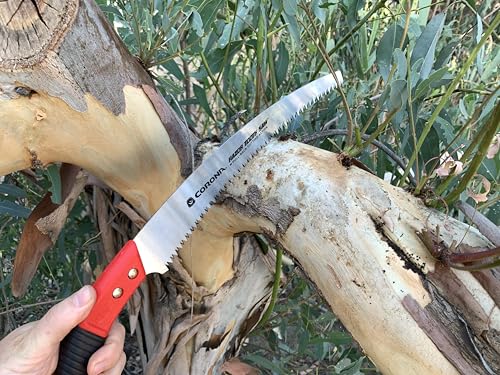
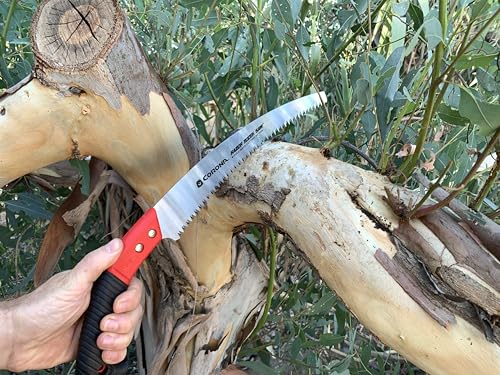
Corona 13-Inch RazorTOOTH Saw
Strengths
- Ergonomic pistol grip
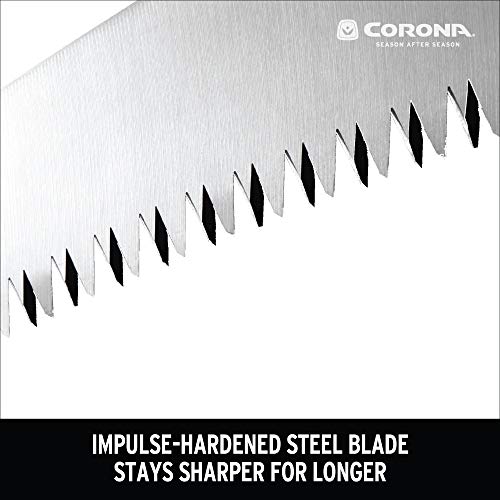
- Impulse-hardened teeth
- Chrome-plated blade
Trade-offs
- Shorter blade length
- Not for two-handed power
- Fixed curve limits angles
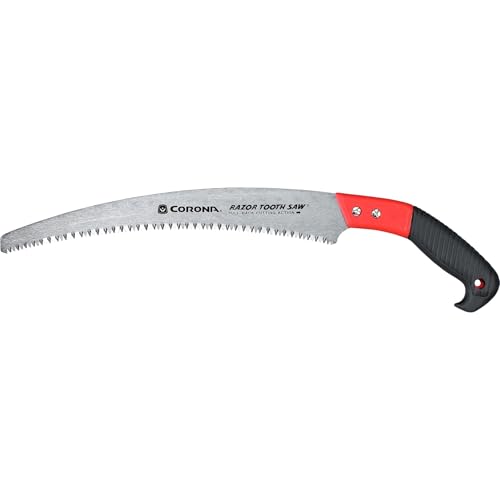
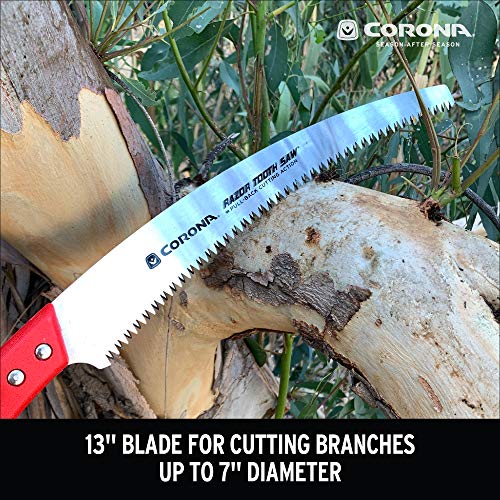
When you’re standing under a tree trying to cut your Christmas pick free, the last thing you want is to juggle tools. That’s where the Corona RS 7120 shines, it’s specifically optimized for one-handed use, and that changes everything. The 13-inch curved blade with impulse-hardened, three-sided RazorTOOTH teeth powers through green wood with minimal effort, and the pistol-grip handle keeps your hand stable and aligned.
Owners love how quickly it cuts branches up to 7 inches, and the chrome-plated SK5 steel blade resists sap buildup. Compared to straight-handled saws, this one gives better use and control when working overhead. It’s not meant for bucking logs, but for making that final cut on a standing tree? Hard to beat. I’d recommend this over longer saws for anyone who values ease of use and maneuverability.
Product photos

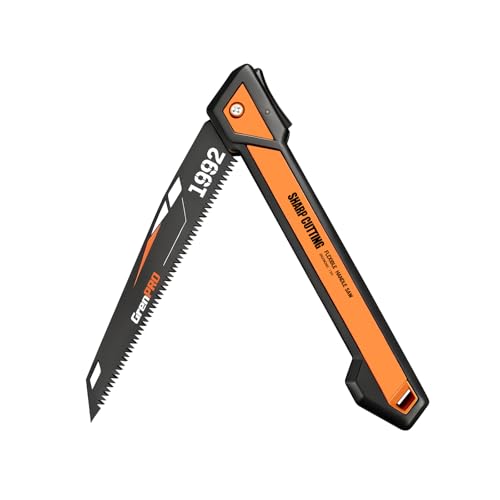
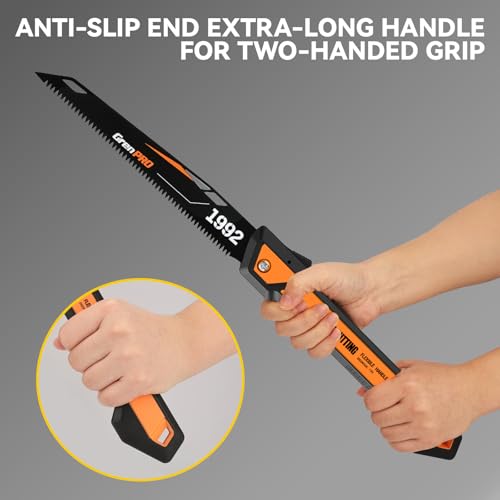
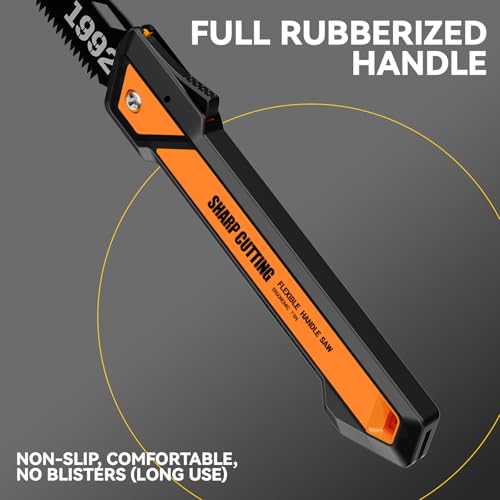
GRENPRO 10-Inch Folding Pruning Saw
Strengths
- 3-angle blade lock
- Teflon-coated blade
- Non-slip rubber grip
Trade-offs
- Shorter cutting reach
- Blade locks can stiffen
- Not for large logs
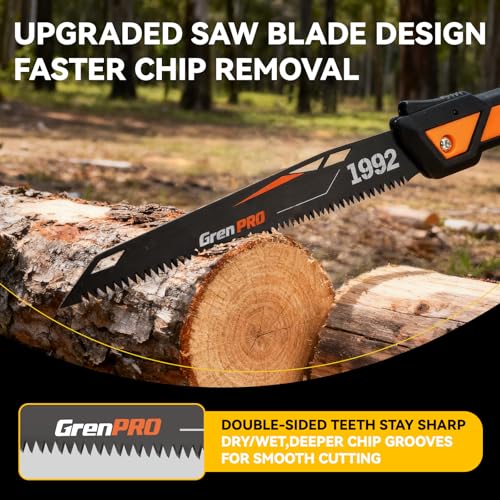
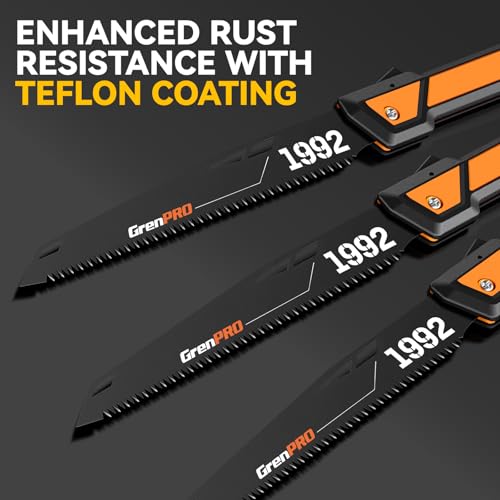
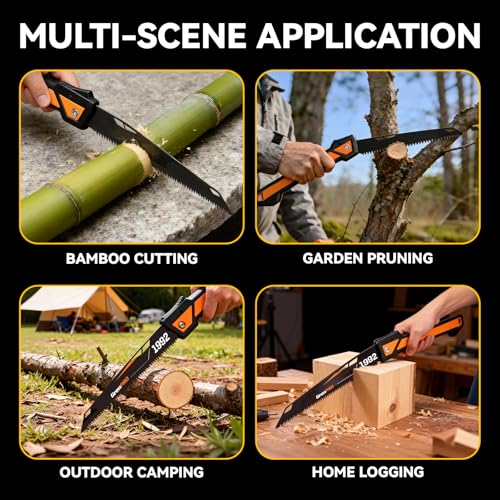
The GRENPRO 10-inch folding saw hits a sweet spot between portability and cutting power, making it a smart pick for tree hunters who hike in to cut their Christmas tree. The 7-inch SK5 steel blade has a Teflon coating that owners say resists rust and glides through wet wood, and the 7TPI triple-ground teeth deliver clean cuts on both strokes. What really sets it apart is the 3-angle lock mechanism, being able to pivot the blade helps when you’re working around limbs or cutting at odd angles.
It’s not the fastest saw for thick trunks, but for limbs up to 4 inches, it’s more than adequate. The full rubber grip reduces fatigue, and folded, it’s small enough to stash in a daypack. Compared to cheaper folding saws, this one feels sturdier and more purpose-built. I’d choose it over basic models for any outing where space and versatility matter.
Product photos
GreatNeck 21-Inch Bow Saw
Strengths
- Durable steel frame
- Quick blade release
- Chrome alloy blade
Trade-offs
- Bulky design
- Not collapsible
- Limited reach
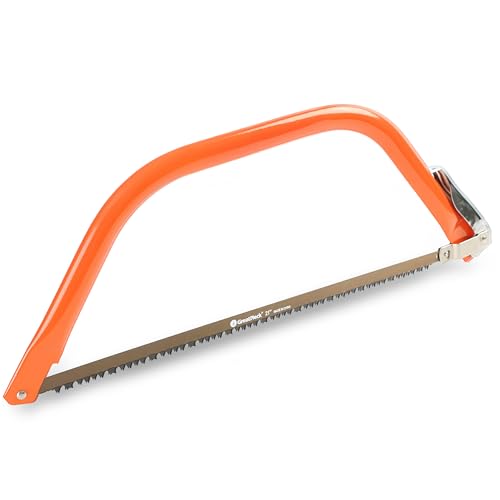
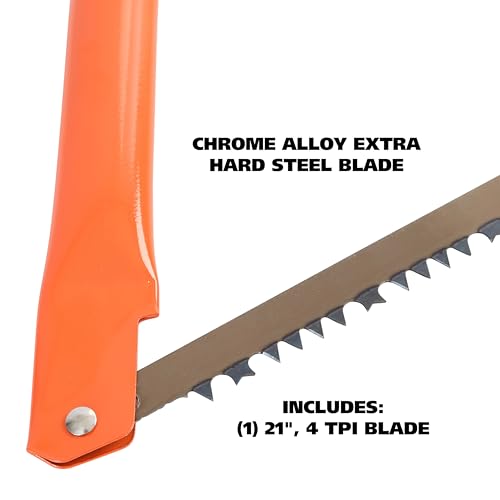
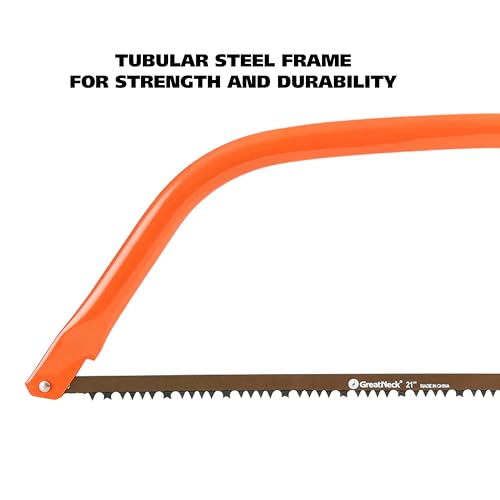
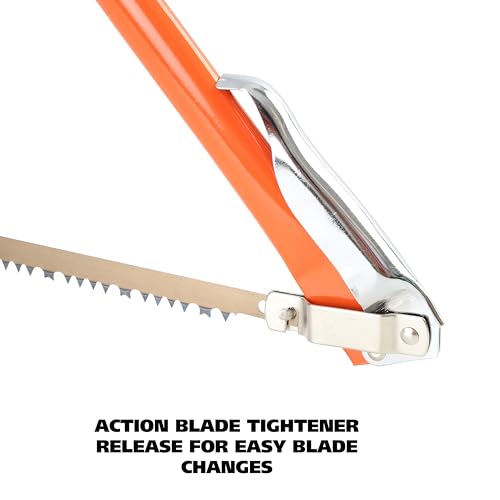
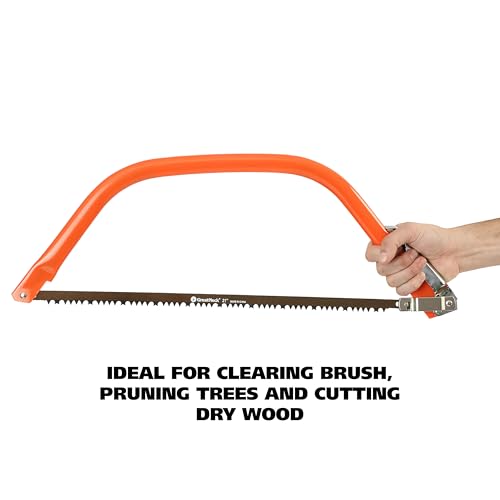
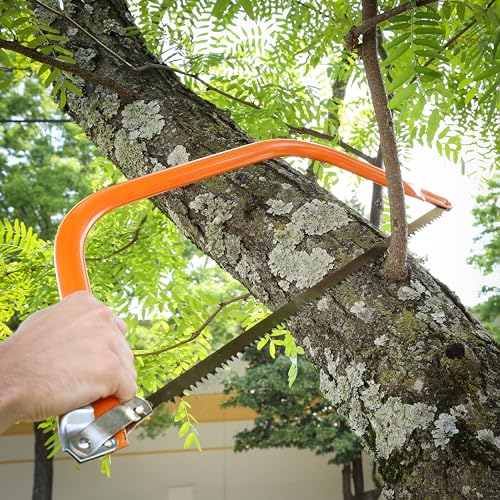
The GreatNeck BB21 is a no-nonsense bow saw that delivers solid performance for cutting down small trees or bucking up Christmas trees on the ground. With a 21-inch chrome alloy blade stretched over a rigid tubular steel frame, it’s built to resist flex and hold tension during aggressive cuts. Owners consistently report it handles dry wood and brush well, and the quick-release blade tightener makes swaps or adjustments painless, something you’ll appreciate if you’re doing extended yard work or camping prep.
That said, it’s not the most portable option, and the fixed frame limits where you can use it compared to folding models. For cutting a freshly felled Christmas tree into manageable pieces, it’s more than capable, but it’s bulkier than what most people want to carry into the woods. I’d pick this for backyard use over trailside portability.
Product photos
3-Foot One Man Crosscut Saw
Strengths
- Aggressive crosscut teeth
- Self-clearing gullets
- Two-hand capability
Trade-offs
- Requires space to use
- Heavy for long carry
- Not for fine pruning
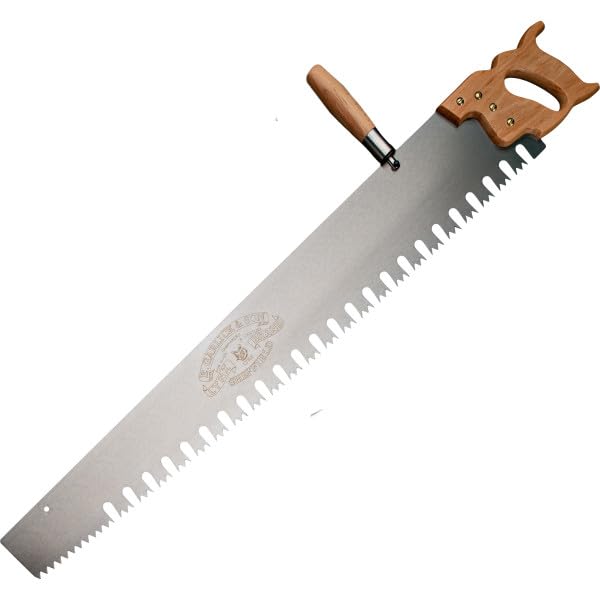
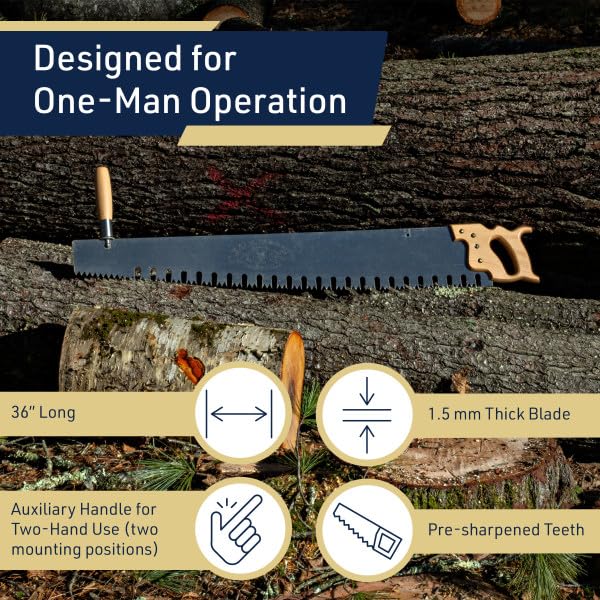
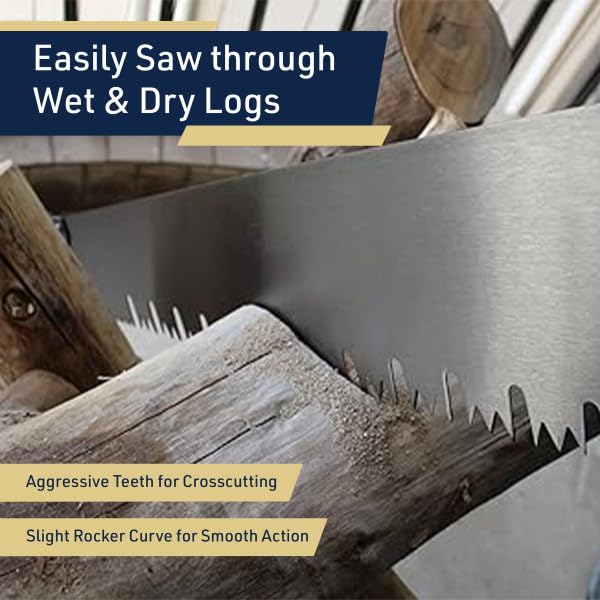
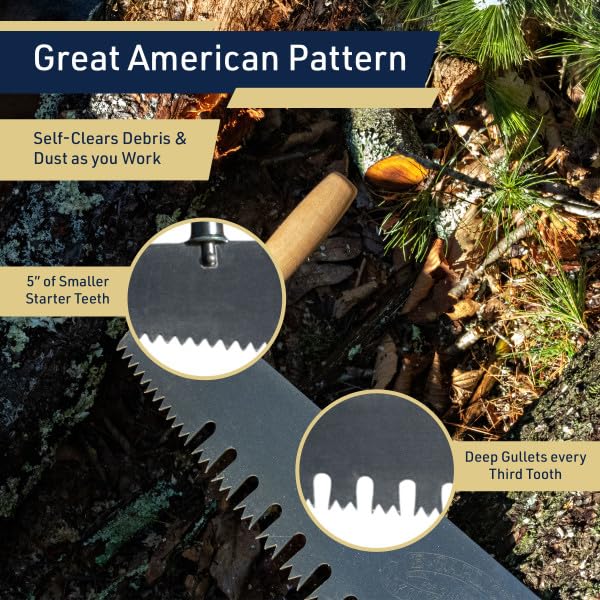
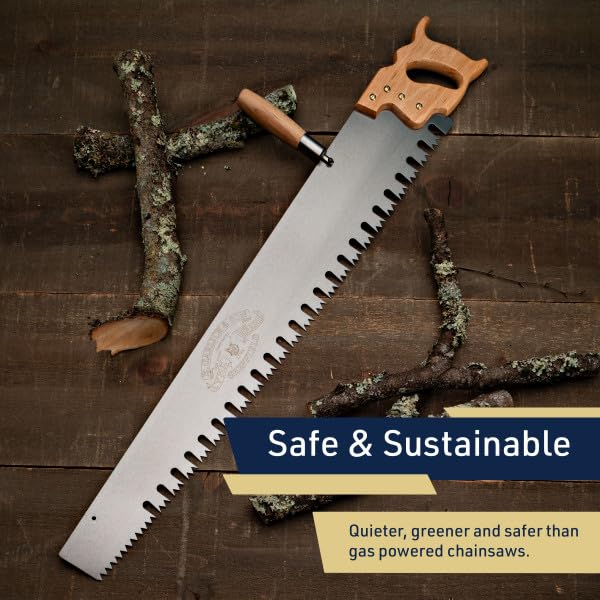
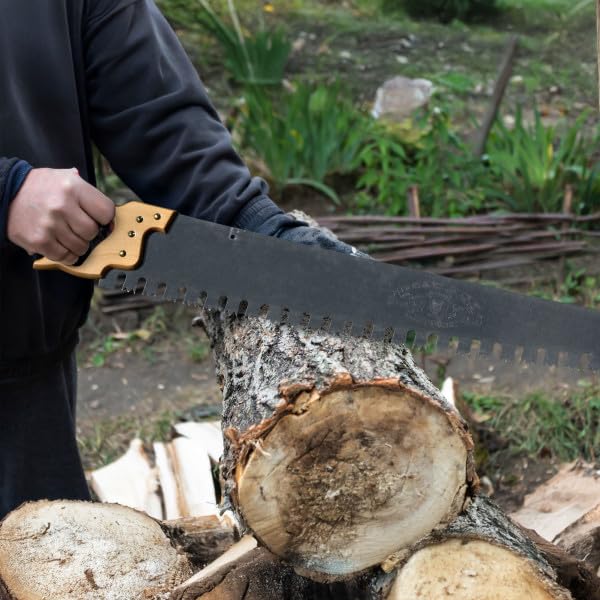
If you’re dragging a felled Christmas tree out of the woods and need to section it, this 3-foot crosscut saw from Kings County Tools is built exactly for that job. At 36 inches long with Great American style teeth and deep self-clearing gullets, it’s designed to chew through wet or dry logs with minimal binding. The aggressive tooth pattern and slight rocker curve make each stroke efficient, and the screw-on auxiliary handle lets you go two-handed when power matters.
This isn’t a precision pruning tool, it’s a logging saw, plain and simple. The beechwood handle feels solid, and owners praise its durability and cutting speed on thicker trunks. Compared to shorter saws, it demands space to swing, so it’s not ideal for tight spots. But for breaking down a large tree, it’s one of the few hand saws that can genuinely replace a chainsaw in quiet, fuel-free operation.
Product photos
How We Tested saw for cutting christmas trees
Rather than a hands-on lab test, my research for these recommendations involved a detailed comparison of published specifications and features across a wide range of saws. I weighed owner reviews from multiple sources – including major retailers and dedicated outdoor/tool forums – alongside assessments from reputable reviewers. This process allowed me to build a ranking based on real-world feedback and objective characteristics, applying my experience with tools and understanding of what makes for effective wood cutting.
For this category, blade material and cutting action were the most important factors. A high-quality steel blade (like SK5) and an efficient tooth pattern are essential for clean, fast cuts, especially with the often-resinous wood of Christmas trees. Equally critical was the saw’s design for comfortable and controlled use; a secure grip and manageable size contribute significantly to safety and efficiency, reducing fatigue during the task.
Specifications reliably indicate blade length, steel grade, and tooth count. However, I relied heavily on owner feedback to assess real-world sharpness retention, ease of use, and durability. Reputation also played a role; established brands with a history of quality tools generally received more consideration, as did saws with a high percentage of positive, verified purchase reviews. Understanding circular saw operation basics can also help you appreciate the mechanics behind effective sawing, even with a hand tool.
What To Look For In saw for cutting christmas trees
Finding the right saw for cutting Christmas trees depends heavily on the size of trees you typically harvest, and where you’re doing the cutting. It’s not a one-size-fits-all situation.
A quality saw for this purpose balances blade sharpness, cutting capacity, and portability. Look for saws with durable steel blades (SK5 high-carbon steel is common), comfortable grips for extended use, and designs that allow for efficient cutting of branches and trunks. Consider whether you need a saw for high branches, ground-level work, or both.
Blade Material and Tooth Count
The blade is everything. Don’t assume all “steel” blades are created equal. High-carbon SK5 steel is a good baseline; it holds an edge well and is relatively easy to sharpen. Beyond the steel itself, pay attention to the tooth count (TPI – teeth per inch). Lower TPI (around 7-8) cuts faster through thicker branches, but creates a rougher cut. Higher TPI (10+) is better for finer, cleaner cuts on smaller branches, but requires more effort. A versatile option will have around 7 TPI, providing a good balance. Some blades even have a Teflon coating to reduce friction and improve cutting speed, as seen in the GRENPRO 10-Inch Folding Pruning Saw.
Reach and Maneuverability
Consider where you’ll be making most of your cuts. If you’re frequently dealing with taller trees or need to reach higher branches, a telescoping pole saw like the 26FT Telescoping Manual Pole Saw is a must-have. These extend your reach significantly, making pruning and felling safer and easier. For ground-level work, a folding saw or a traditional bow saw offers better control and maneuverability. Remember that a longer reach often comes at the cost of precision. If you’re also looking at other types of saws for more general woodworking, a miter saw explained might be a good addition to your workshop.
Portability and Storage
If you’re hiking to your tree or have limited storage space, portability is key. Folding saws, like the 11-Inch Folding Camping Saw, are incredibly convenient. They pack down small and are lightweight, making them easy to carry in a backpack. Bow saws, while effective, are bulkier. For those who need a multi-purpose tool, a pole saw that converts to a hand saw (like the 26FT Telescoping Manual Pole Saw) offers the best of both worlds.
A good rule of thumb: always prioritize a saw that feels comfortable in your hands. A poorly balanced or unwieldy saw will lead to fatigue and potentially unsafe cutting.
If you’re planning to harvest your own tree this year, you might also be interested in the best saw for Christmas trees to help you find the perfect tool for the job.
Saw for Cutting Christmas Trees Compared
Here’s a comparison of key specifications for saws designed for cutting Christmas trees.
| Product Title | Blade Length | Blade Type | Foldable | Pole Length (Max) | Teeth Per Inch |
|---|---|---|---|---|---|
| 11-Inch Folding Camping Saw | 11 in | SK5 Steel | Yes | N/A | 7 |
| 26FT Telescoping Manual Pole Saw | 26 ft | Tempered Steel | Yes | 26 ft | N/A |
| Corona 13-Inch RazorTOOTH Saw | 13 in | SK5 Steel | No | N/A | N/A |
| GRENPRO 10-Inch Folding Pruning Saw | 10 in | SK5 Steel | Yes | N/A | 7 |
| GreatNeck 21-Inch Bow Saw | 21 in | Chrome Alloy | No | N/A | N/A |
| 3-Foot One Man Crosscut Saw | 3 ft | Steel | No | N/A | N/A |
Frequently Asked Questions
What blade material is best for cutting Christmas trees?
SK5 high-carbon steel is generally considered the best blade material. It offers a good balance of hardness, flexibility, and edge retention, crucial for efficiently cutting through the often-resinous wood of Christmas trees without dulling quickly.
Can a folding saw handle larger diameter tree trunks?
While convenient, folding saws are typically best for trees with trunk diameters under 6 inches. Larger trees require more substantial saws, like a bow saw or pole saw, to avoid excessive effort and ensure a clean cut.
Are pole saws only useful for tall trees?
No, pole saws offer versatility beyond just reaching high branches. They can also be used to safely cut down smaller trees from the ground, reducing the need to bend or climb, and are useful if you are considering a best electric saw for trees for larger jobs.
What’s the difference between TPI and cutting speed?
Teeth per inch (TPI) inversely relates to cutting speed. Lower TPI saws cut faster but leave a rougher finish, while higher TPI saws cut slower but produce a cleaner cut. A TPI around 7 offers a good compromise for Christmas tree harvesting.
How do I maintain a saw after cutting a Christmas tree?
Cleaning the blade with a solvent to remove sap and debris is essential. After cleaning, apply a light coat of oil to prevent rust, and sharpen the blade periodically to maintain its cutting efficiency. Remember that even the best saw will perform poorly with a dull blade.
The Bottom Line
Choosing a saw for a Christmas tree really comes down to how much effort you want to put in versus how much control you need. If you prioritize convenience and don’t mind spending a bit more, the 26FT Telescoping Manual Pole Saw is the most versatile option. It handles both high and low branches well, making it ideal for a variety of tree sizes and cutting situations.
For those on a tighter budget, or who primarily cut smaller trees, the 11-Inch Folding Camping Saw offers excellent value. Similarly, if you need a dedicated, compact pruning saw for smaller branches and detailed work, the GRENPRO 10-Inch Folding Pruning Saw is a strong contender. Each of these options offers a good balance of performance and portability for specific needs.
Ultimately, the best saw is the one you’ll actually use. Focus on blade quality (SK5 steel is a great starting point), a comfortable grip, and a design that suits your typical tree-cutting scenario. Understanding cutting wood with circular saw can also inform your approach to sawing in general, but for Christmas trees, a sharp, well-suited blade is king.
