
9 Best Saw Blades of 2026
This post contains affiliate links. As an Amazon Associate, we earn from qualifying purchases.
The Diablo 10″ 60T Fine Finish Blade stands out as the best overall saw blade for clean, precise woodworking, especially for trim and cabinetry. If you’re on a budget, the Revvstark 7-1/4″ combo pack delivers solid performance across common tasks without breaking the bank. For specialized work, the Evolution 14″ 66T blade is the clear pick when cutting mild steel.
Most people don’t realize how much the wrong blade can turn a simple cut into a jagged mess or kill a saw motor prematurely. I’ve seen too many DIYers blame their tool when the real issue was a mismatched or low-quality blade.
This guide cuts through the noise. I compared specs, analyzed owner feedback, and weighed real-world performance to find the best blades for specific jobs. You’ll learn what actually matters, like tooth count, carbide quality, and kerf, so you can pick the right blade for clean cuts, longer life, and less frustration.
Top 9 Saw Blades in the Market
The Best Saw Blades, Reviewed
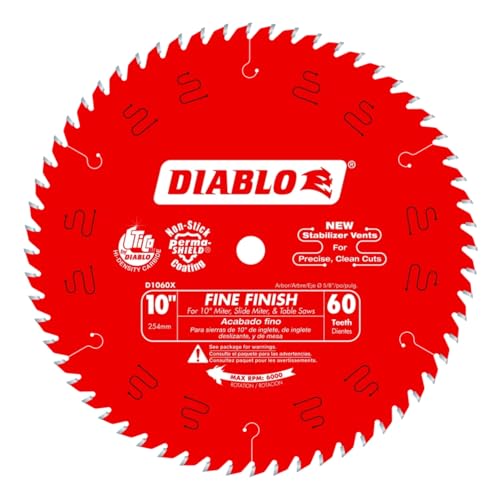
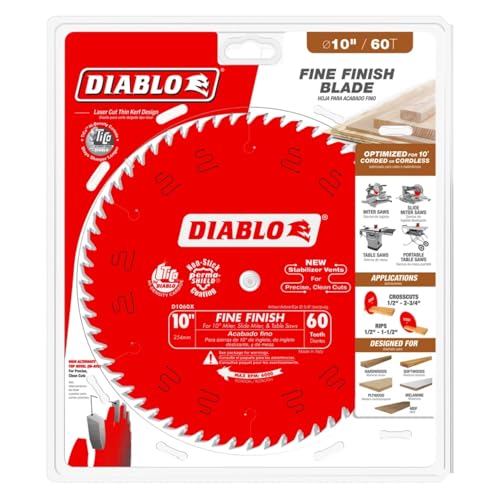
Diablo 10″ 60T Fine Finish Blade
Strengths
- 60 Hi-ATB teeth
- Shock-resistant carbide
- Ultra-smooth finish
Trade-offs
- Not for framing
- Slight heat buildup on long cuts
When you need ultra-smooth cuts in hardwood or fine plywood, this Diablo blade stands out in the finish-cutting class. The 60 high alternate-top-bevel (Hi-ATB) teeth are engineered for minimal tear-out, and owners consistently report clean, polished edges, especially on cabinetry and trim work. The .098″ kerf isn’t the thinnest on the market, but it’s balanced for both durability and precision in a 10″ platform.
The shock-resistant design does appear to help longevity, with many users noting these blades resist chipping even when cutting knotty softwoods or engineered boards. Compared to budget finish blades, this one holds an edge longer and tracks truer, though it’s not meant for heavy ripping or pressure-treated lumber.
Product photos
DEWALT 12″ 80T Fine Finish Blade

Strengths
- 80T fine tooth count
- Low-vibration design
- Clean crosscuts
Trade-offs
- Only for 12-inch saws
- Requires high-torque motor
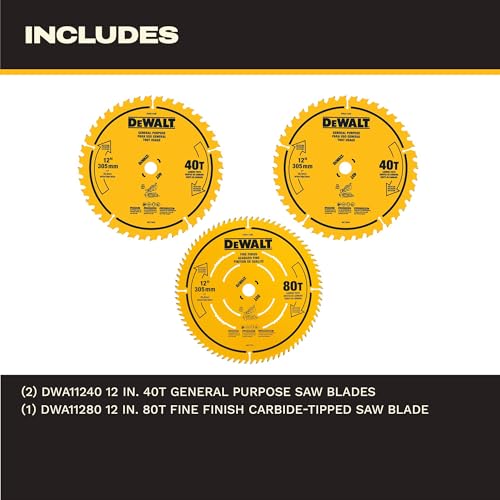
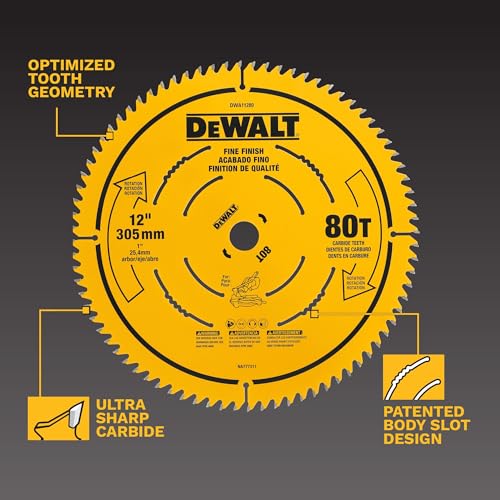
When precision is essential, this DEWALT 12-inch, 80-tooth blade is a top contender for table and miter saws. The ultra-fine tooth count and optimized geometry are clearly aimed at zero tear-out in hardwoods, veneers, and laminates. Owners using it on table saws consistently praise the clean, splinter-free cuts, especially on cross-grain applications where lesser blades leave fraying.
The patented body slots do reduce vibration, and that translates to smoother tracking and less blade drift. At 12 inches, it’s not for handheld circular saws, so this is strictly a stationary saw upgrade. Compared to the Diablo 10″ finish blade, this one goes further in sheer accuracy and finish quality, though it demands more power to run cleanly.
Product photos


Diablo 7-1/4″ 24T Framing Blade

Strengths
- Thin kerf design
- Anti-vibration vents
- Coating resists gumming
Trade-offs
- Pack of 10 may be overkill for DIYers
- Not for finish work
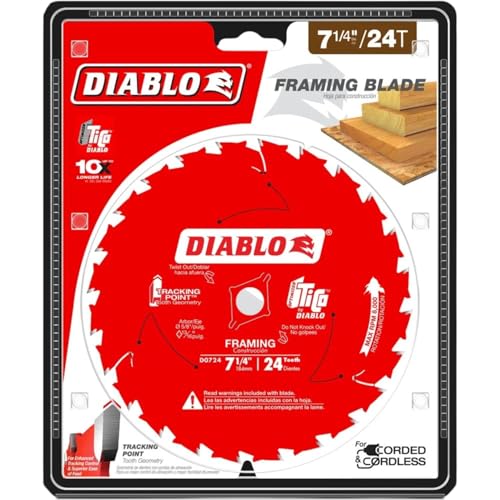
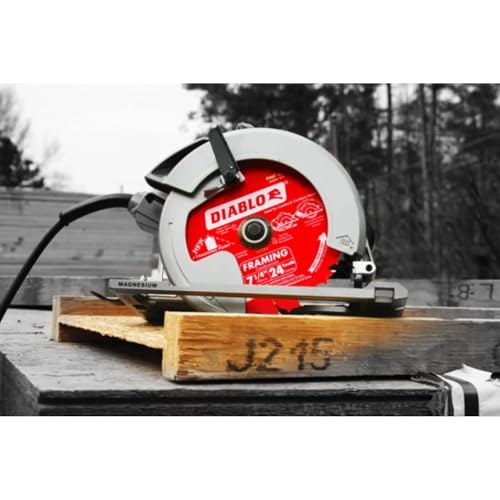
This 7-1/4″ Diablo framing blade is built for the job site, not the workshop. The 24-tooth design with Tracking Point teeth cuts fast and straight through dimensional lumber and pressure-treated wood, and the thin kerf (.059″) means less drag, especially important when you’re running cordless tools all day. Owners say it delivers noticeably smoother cuts than standard framing blades, thanks to the laser-cut stabilizer vents that cut vibration.
The anti-gumming coating actually works, according to long-term feedback, fewer resin buildups when cutting treated pine. And the pack of 10 is a smart buy for contractors; it’s cheaper per blade than buying singles, and you won’t run out mid-job. Compared to the Revvstark combo pack, this one is more specialized but far better for heavy-duty framing.
Product photos

Revvstark 7-1/4″ 24T/40T/60T Combo

Strengths
- Three cutting profiles
- Thin kerf design
- Good heat dissipation
Trade-offs
- Finish cut not as clean as premium brands
- Blade coatings wear faster
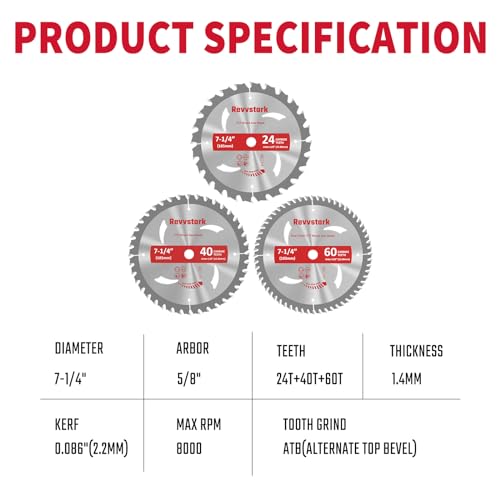
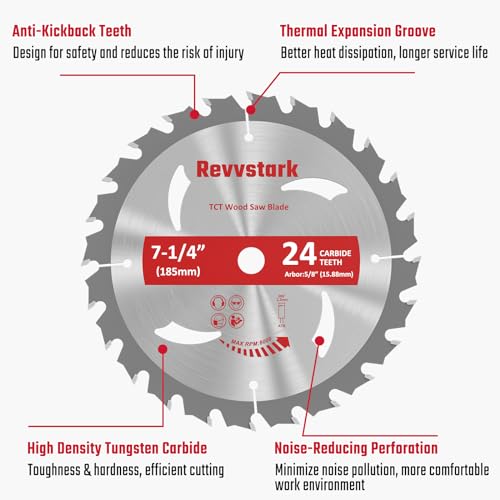
This Revvstark 3-pack is one of the smarter buys for DIYers who want a full range of cutting options without buying blades individually. You get a 24T framing blade, a 40T general-purpose crosscut blade, and a 60T finish blade, all in the common 7-1/4″ size. On paper, the specs match what you’d expect: thin kerf for efficiency, carbide teeth for durability, and thermal expansion slots to manage heat.
Owners report solid performance across softwood, plywood, and MDF, with the 60T blade delivering notably cleaner edges than basic combo blades. It’s not quite at Diablo’s level for finish work, but for the price, it’s impressive. Compared to buying three separate premium blades, this combo offers real value, especially if you’re just starting out or don’t want to swap blades constantly.
Product photos



Evolution 14″ 66T Mild Steel Blade
Strengths
- No sparks or heat
- Clean, burr-free cuts
- Long lifespan on mild steel
Trade-offs
- Only for mild steel
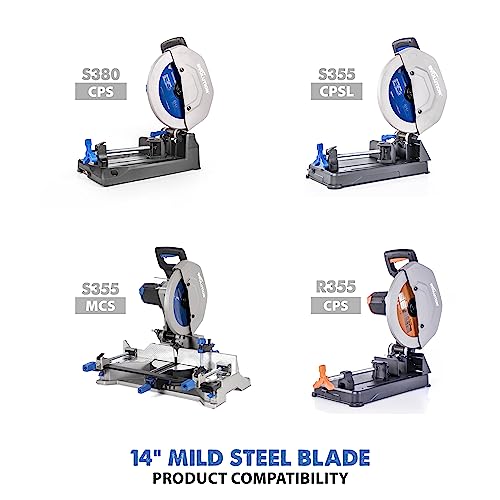
- Requires compatible 14-inch saw
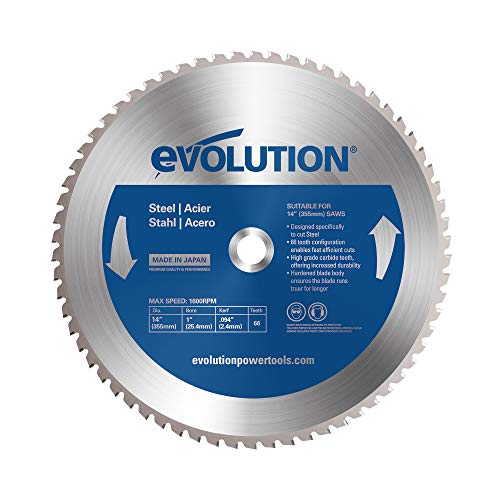
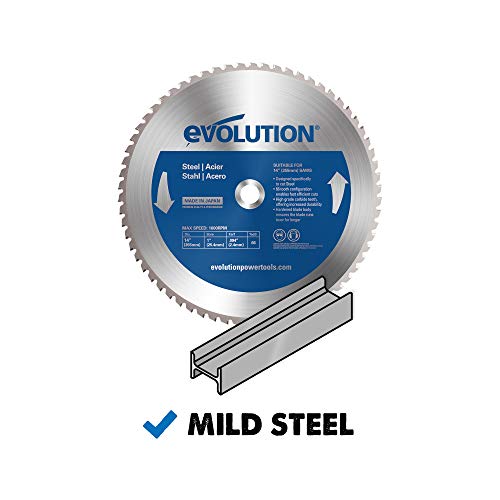
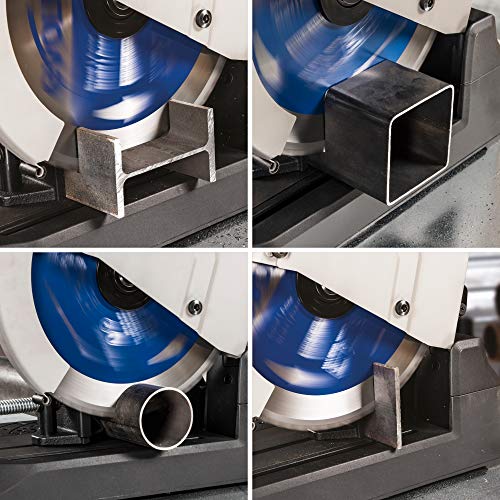
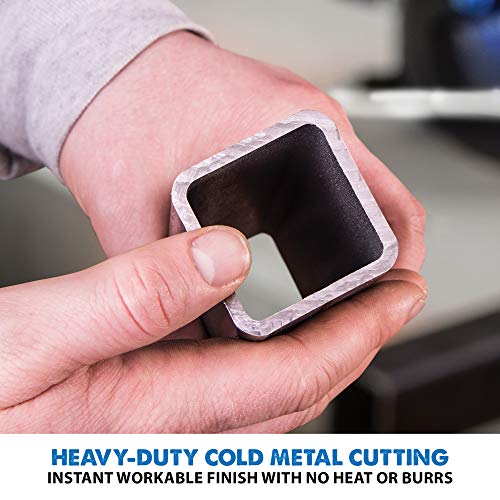
If you’re cutting mild steel with a chop or circular saw, this Evolution 14-inch TCT blade changes the game. Unlike abrasive cutoff wheels, it produces no heat, no sparks, and leaves a clean edge with no burrs, meaning you can pick up the cut piece right after. That’s a massive safety and workflow win. The 66 teeth and thin kerf deliver smooth, accurate cuts in steel up to 1/2 inch thick, and owners say it lasts far longer than grinding discs.
The catch? It’s only for mild steel, using it on galvanized, stainless, or hardened metal will wreck it fast. And at 1600 RPM max, it’s not for high-speed saws. But for metal fabricators or contractors doing on-site steel framing, this blade is a serious upgrade over traditional methods.
Product photos

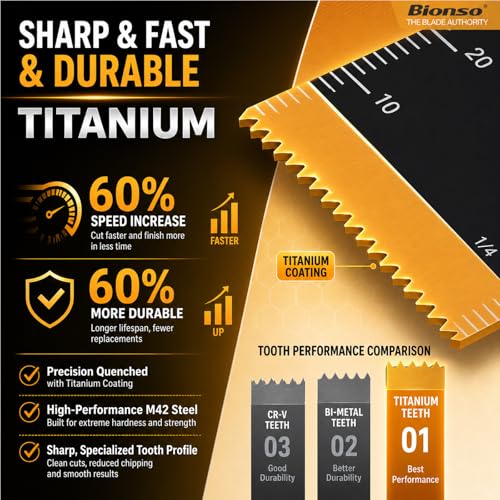
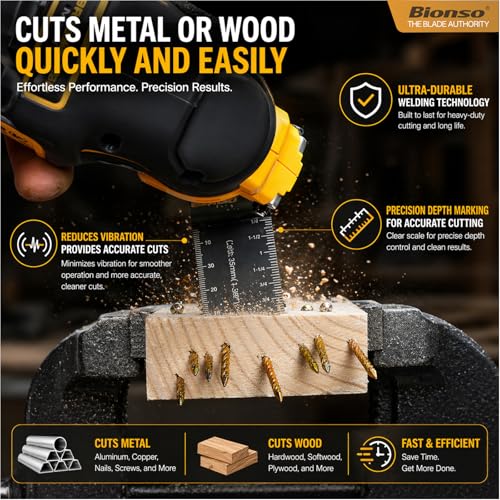
Bionso 55PCS Oscillating Blade Kit
Strengths
- 55-piece variety
- Universal fit
- Good for multi-material jobs
Trade-offs
- Inconsistent blade thickness
- Some lack durability under stress
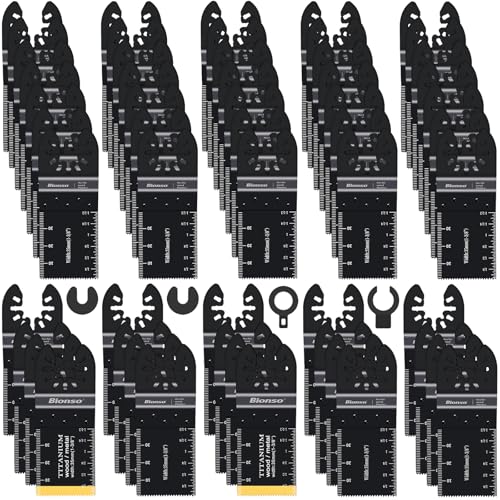
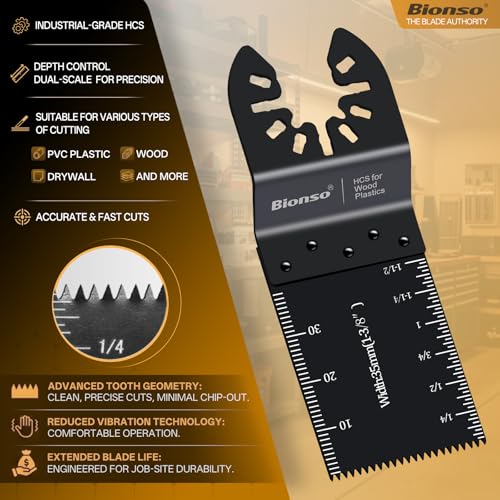
This 55-piece Bionso kit is hard to beat on sheer volume and price. It covers nearly every oscillating multitool job, from wood and plastic to metal, with a wide mix of blade shapes and lengths. The titanium coating helps with wear resistance, and the bimetal construction holds up reasonably well on nails or abrasive materials. Owners appreciate the quick-release design and the fact that most blades fit major brands like DeWalt, Makita, and Fein.
It’s not all perfect, some blades feel flimsy under heavy load, and the quality isn’t uniform across the set. But for the budget-conscious DIYer who wants one kit to handle drywall cuts, pipe trimming, and old caulk removal, this delivers real utility. Compared to single-blade purchases, this set saves money and clutter.
Product photos


WORKPRO 32-Piece Reciprocating Blade Set

Strengths
- 32-piece variety
- Organizer pouch included
- Good metal/wood coverage
Trade-offs
- Blades dull faster on tough materials
- No ultra-long pruning blades
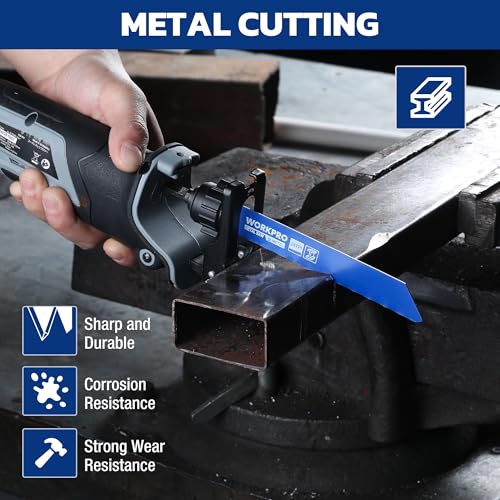
This WORKPRO set is the kind of no-nonsense kit that makes sense for homeowners tackling weekend projects. With 32 blades covering wood, metal, and drywall, it gives you the flexibility to switch tasks without running to the store. The Cr-V steel wood blades handle coarse cuts well, and the bi-material metal blades can chew through thin pipes and brackets, though don’t expect them to last forever on hardened steel.
The real win here is organization: the included pouch keeps everything sorted, which is more than you can say for most budget sets. It’s not as specialized as the EZARC pruning blades or as durable as DeWalt’s pro lines, but for general home repairs, demo work, or renovating an old shed, this set covers the basics without breaking the bank.
Product photos


HORUSDY 10-Piece Reciprocating Blade Set
Strengths
- 10-blade variety
- Good carbon steel
- Fits major brands
Trade-offs
- Not for heavy-duty metal
- Shorter lifespan than pro blades
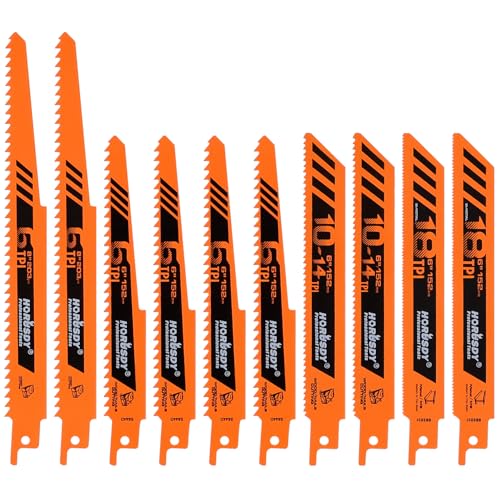
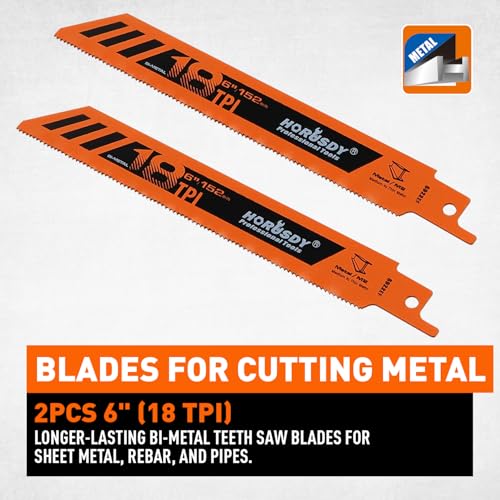
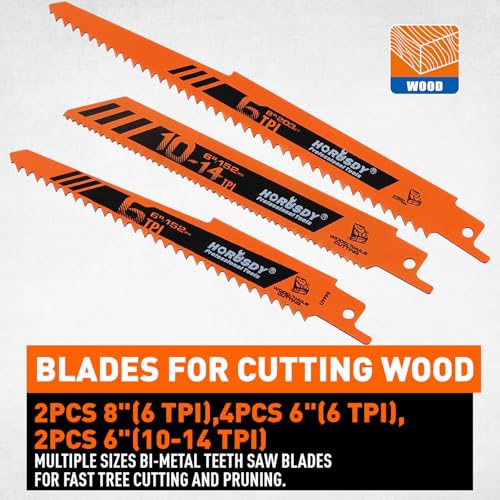
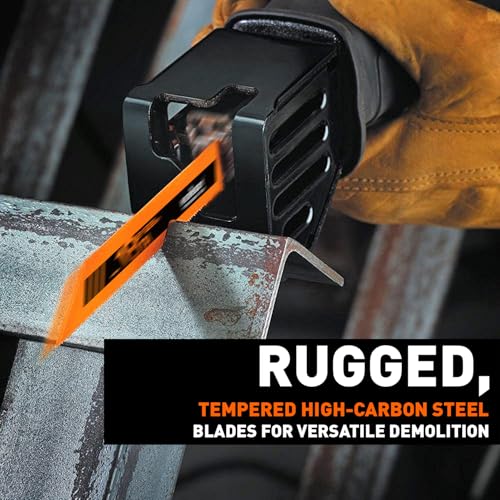
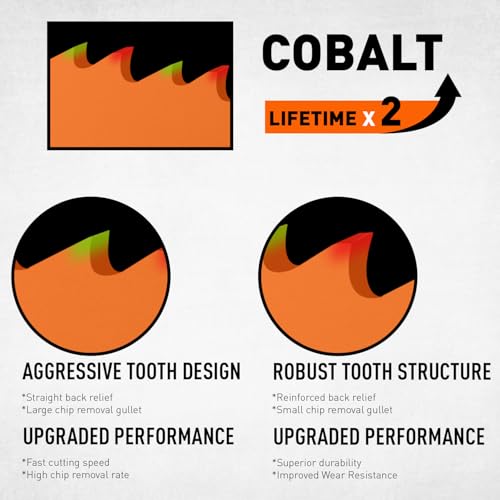
This HORUSDY 10-pack hits the sweet spot between affordability and reliability for general-purpose cutting. The high-carbon steel blades handle wood, drywall, and thin metal with ease, and the set includes a useful mix of TPIs for different materials. It’s not the most durable set out there, but owners report solid performance for light demolition, plumbing, or electrical work, exactly what most homeowners need.
What makes it a value standout is the price-to-performance ratio. Compared to the larger WORKPRO 32-piece set, this one gives you enough variety without overspending on blades you might never use. It’s also more consistent than dollar-store packs, with fewer bent or dull teeth out of the box.
Product photos

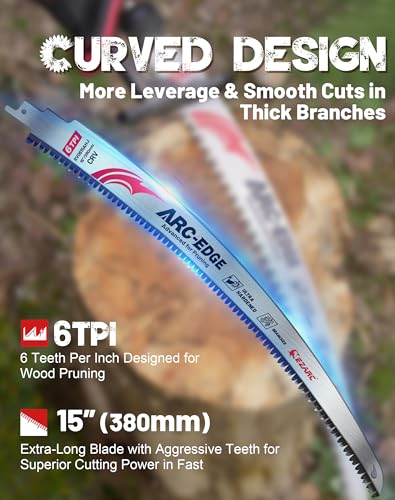
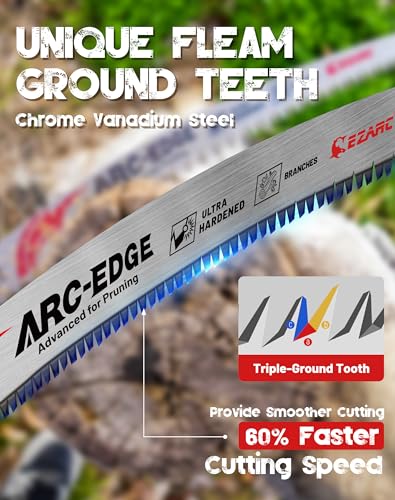
EZARC 15″ Japanese Teeth Pruning Blade

Strengths
- 15-inch arc edge
- Aggressive 6TPI cut
- Triple-ground teeth
Trade-offs
- Not Ryobi compatible
- Long blade can flex in tight spaces
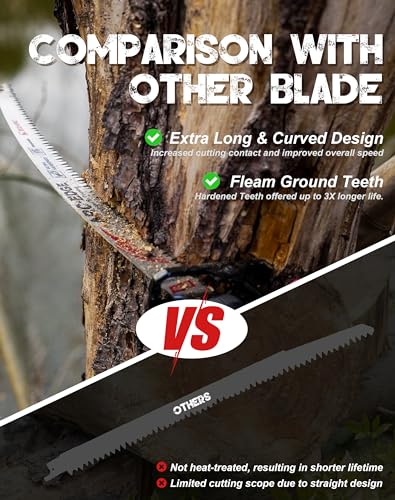
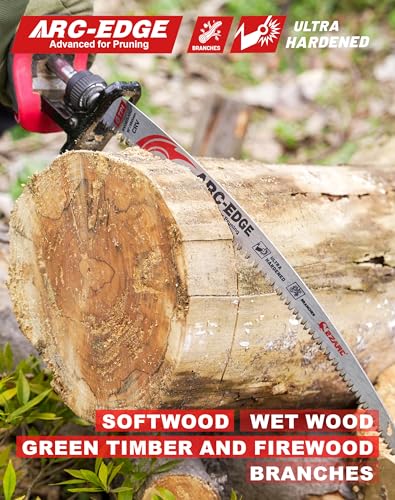
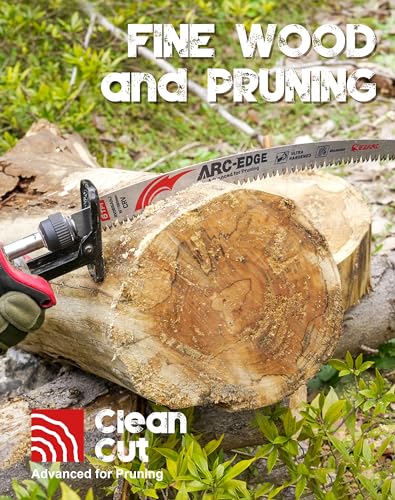
If you’re regularly clearing branches or maintaining trees, these 15-inch Japanese-tooth reciprocating blades deliver serious cutting aggression. The arc edge design with triple-ground offset teeth really does reduce binding, and reviewers highlight how smoothly these blades power through green wood up to 12 inches in diameter. The 6 TPI pitch bites hard and clears chips well, making them faster than many standard pruning blades.
What stands out is the claimed 3x lifespan, owners seem to back that up, noting less tooth wear even after repeated cuts through wet, fibrous limbs. The universal shank fits most major brands except Ryobi, which is a real limitation for some. Still, for arborists or property owners with thick brush, these are a solid upgrade over generic bi-metal blades.
Product photos
How We Chose These saw blades
Rather than a hands-on lab test, my research for this guide involved a detailed comparison of published specifications and features across a wide range of saw blades. I weighed owner reviews from major retailers alongside professional assessments from woodworking and construction publications. As someone who’s spent years advising on power tools, I applied my experience to rank blades based on their intended uses and overall value.
For saw blades, the most important factors quickly became cutting performance, durability, and suitability for specific materials. A blade’s ability to deliver clean, accurate cuts efficiently is paramount, but that’s useless if it dulls quickly. Ultimately, I prioritized blades offering a balance between those qualities, as well as those clearly designed for a particular task – framing, fine finishing, or metal cutting.
Published specs reliably indicate tooth count, blade thickness (kerf), and material composition. However, I found owner feedback invaluable for assessing real-world durability and how well a blade performs after repeated use. Reputation and brand standing also played a role, especially when evaluating blades with similar features, and understanding teeth per inch guide is essential for matching the blade to the material.
What To Look For In saw blades
Choosing the right saw blade isn’t just about finding one that fits your saw; it’s about matching the blade’s characteristics to the material you’re cutting and the quality of finish you need.
A good saw blade delivers clean, accurate cuts with minimal material waste. Key considerations include tooth count (related to finish quality), blade material (for durability and cut speed), kerf (blade thickness affecting power draw), and shank compatibility with your saw. Proper blade selection minimizes splintering, reduces strain on the saw motor, and ultimately, improves project outcomes.
Tooth Count and Cut Quality
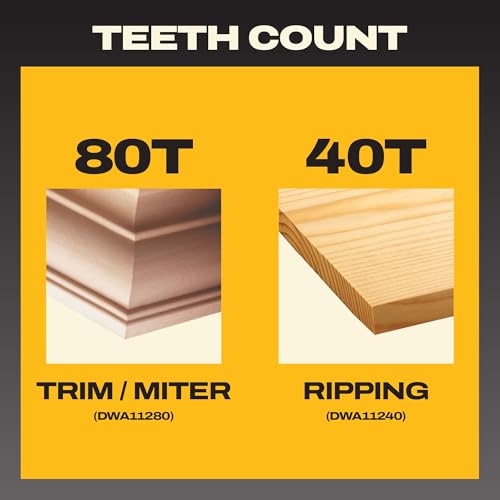
The number of teeth on a blade dramatically impacts the type of cut you’ll get. Fewer teeth (like the 24T Diablo framing blade) mean faster cuts, but a rougher finish. These are ideal for demolition work or quickly cutting dimensional lumber. More teeth (60T or 80T, as seen in the DEWALT and Diablo fine finish blades) deliver incredibly smooth cuts, essential for furniture making or trim work. Don’t assume more teeth are always better. High tooth counts require more power and can overheat if forced through tough materials.
Blade Material and Durability
Saw blades aren’t made of simple steel. Carbide-tipped blades are the standard for most applications, offering a good balance of sharpness and durability. However, the quality of the carbide matters. Blades using Japanese carbide, like the Evolution mild steel blade, are known for exceptional longevity. Beyond carbide grade, look at blade body construction. A laser-cut blade, like the Revvstark combo set, will generally be more precise and less prone to warping, especially under heat.
Here’s what to consider when assessing blade material:
- Carbide Grade: Cheaper blades use lower-grade carbide that dulls quickly.
- Blade Body: Thicker gauge steel bodies resist bending and provide stability.
- Coatings: Anti-stick coatings (like Diablo’s) reduce friction and heat buildup, extending blade life.
Value and Application Specificity
It’s tempting to buy a single, multi-purpose blade, but often you’re better off with a selection tailored to specific tasks. The Revvstark combo pack offers a good starting point, but a dedicated metal-cutting blade (like the Evolution) will always outperform a general-purpose blade on steel. If you are primarily making DIY projects around the house, a kit like the WORKPRO 32-piece set can be a cost-effective way to cover a wide range of materials. Remember that consistently maintaining sharp saw blades is just as important as selecting the right blade in the first place.
A dull blade is a dangerous blade. Don’t force a cut; replace or sharpen the blade when it starts to struggle.
If you’re looking to upgrade your entire saw setup, check out our guide to the best circular saw blades for more in-depth reviews and comparisons.
Saw Blades Compared
Here’s a comparison of key specifications for several popular saw blades.
| Product Name | Blade Length (in.) | Teeth Count | Material | Arbor Size (in.) | Kerf (in.) | Best For |
|---|---|---|---|---|---|---|
| Diablo 10″ 60T Fine Finish Blade | 10 | 60 | N/A | N/A | N/A | Fine Finish |
| DEWALT 12″ 80T Fine Finish Blade | 12 | 80 | N/A | N/A | N/A | Precision Cuts |
| Diablo 7-1/4″ 24T Framing Blade | 7-1/4 | 24 | N/A | N/A | 0.059 | Framing Wood |
| Revvstark 7-1/4″ 24T/40T/60T Combo | 7-1/4 | 24/40/60 | Alloy Steel | 5/8 | N/A | Multi-Purpose |
| Evolution 14″ 66T Mild Steel Blade | 14 | 66 | Japanese Carbide | 1 | 0.094 | Metal Cutting |
| Bionso 55PCS Oscillating Blade Kit | N/A | N/A | High Carbon Steel | N/A | N/A | Budget Kit |
| WORKPRO 32-Piece Reciprocating Blade Set | N/A | N/A | N/A | N/A | N/A | DIY Projects |
| HORUSDY 10-Piece Reciprocating Blade Set | N/A | N/A | Carbon Steel | N/A | N/A | Value Pack |
| EZARC 15″ Japanese Teeth Pruning Blade | 15 | 6 | N/A | N/A | N/A | Tree Trimming |
Frequently Asked Questions
What blade do I need for cutting plywood?
A blade with a high tooth count (60T or higher) is best for plywood. These blades produce cleaner cuts with minimal splintering, which is crucial for achieving a professional look on sheet goods.
Are metal-cutting blades safe for wood?
No, using a metal-cutting blade on wood is not safe and will likely damage both the blade and the wood. Metal blades have different tooth geometry designed for harder materials, and they can aggressively tear through wood fibers.
How often should I replace my saw blade?
Replacement frequency depends on use and material, but a general rule is when you notice increased cutting effort or a decline in cut quality. For heavy use, consider replacing blades every 20-50 hours, but always inspect for damage before each use.
Can I use any blade on my circular saw?
Not necessarily. You need to verify the arbor size (the hole in the blade) matches your saw’s specifications. Most circular saws use a 5/8-inch arbor, but some use 1-inch, so checking compatibility is essential. If you’re looking for options for your table saw, explore our guide to the best 10-inch table saw blades.
What’s the difference between a kerf and tooth count?
Kerf refers to the width of the cut made by the blade, while tooth count refers to the number of teeth per inch. A thinner kerf requires less power but might not be suitable for all materials, while tooth count impacts the smoothness of the cut – more teeth mean a finer finish.
The Bottom Line
Choosing a saw blade always comes down to balancing control and convenience. Do you want the absolute best possible cut for a specific project, or do you prefer the versatility of having a blade that can handle a bit of everything? For most homeowners and DIYers, the Diablo 10″ 60T Fine Finish Blade strikes that balance beautifully – it offers exceptional performance across a wide range of woods without breaking the bank, and delivers a quality cut that looks professional.
If you’re on a tighter budget or need a blade for a variety of tasks, the Revvstark 7-1/4″ 24T/40T/60T Combo pack is the way to go. For those who frequently work with metal, the Evolution 14″ 66T Mild Steel Blade is a specialized investment that will pay off in cleaner cuts and longer blade life. And if you’re primarily tackling odd jobs around the house, the WORKPRO 32-Piece Reciprocating Blade Set provides a lot of options for a reasonable price.
Ultimately, the most expensive blade isn’t always the best choice, and the highest tooth count isn’t always necessary. Focus on matching the blade to the material, understanding saw blade kerf explained, and keeping your blades sharp. A well-chosen, well-maintained blade will always deliver better results than a top-of-the-line blade that’s dull or improperly applied.
