8 Best Paint Edging Tools for Perfect Lines (2026 Guide)
This post contains affiliate links. As an Amazon Associate, we earn from qualifying purchases.
The Paltren 12-Inch Stainless Steel edger is the overall best for clean, consistent lines thanks to its rigid blade and durable build, while the 15 PCS Paint Edger Tool Kit offers the best value and versatility with its rotating handle, extension compatibility, and multiple accessories. For those who prefer pad-style tools, the GRSL43 delivers reliable performance at a reasonable price.
Getting sharp paint lines without tape is harder than it looks. Most people struggle with bleed-through, shaky hands, or tools that dig into the wall or skip over edges. It’s frustrating when a fresh coat of paint ends up messy because the edging tool didn’t perform.
This guide compares top-rated paint edging tools based on blade or pad quality, handle comfort, and real-world usability. I looked at specs, design details, and thousands of owner reviews to find which models actually deliver crisp results and hold up over time. These picks suit different needs, whether you’re painting baseboards, ceilings, or tight corners.
Top 8 Paint Edging Tools in the Market
The Best Paint Edging Tools, Reviewed
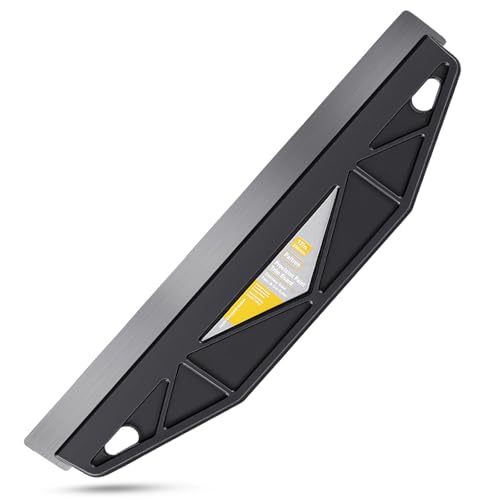
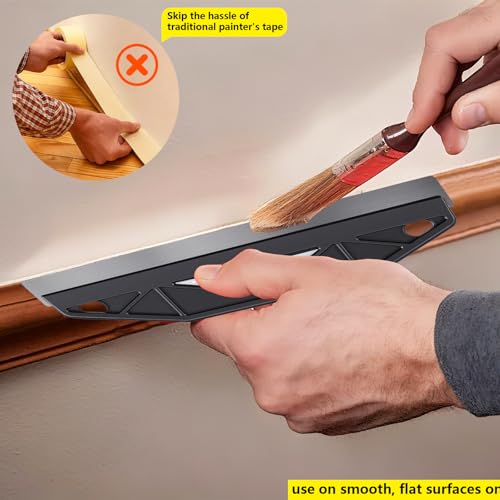
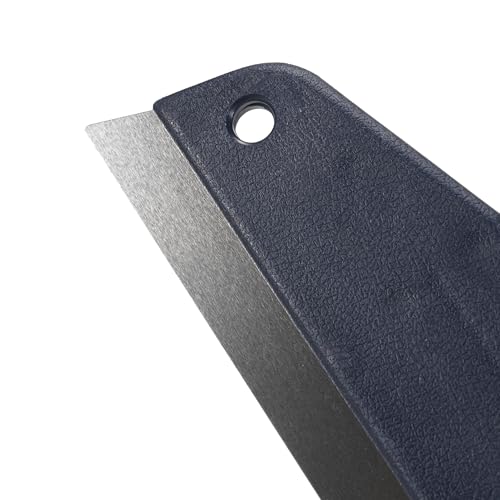
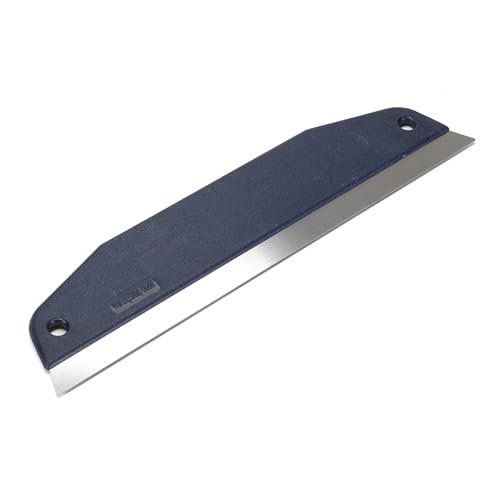
Paltren 12-Inch Stainless Steel Paint Edger
Strengths
- Stiff stainless steel blade
- Comfortable ABS handle
- Easy cleanup
Trade-offs
- Only a shield (no paint application)
- Less effective on textured surfaces
- Not for tight angles
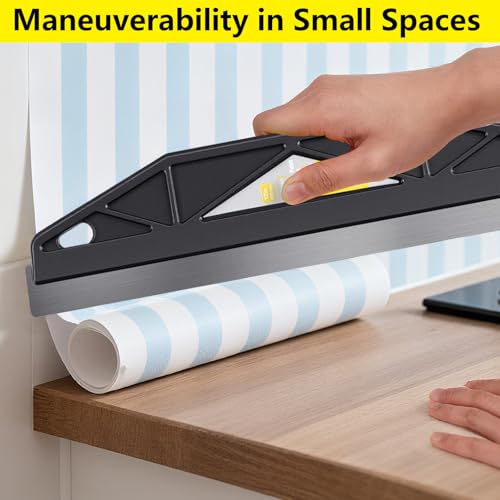
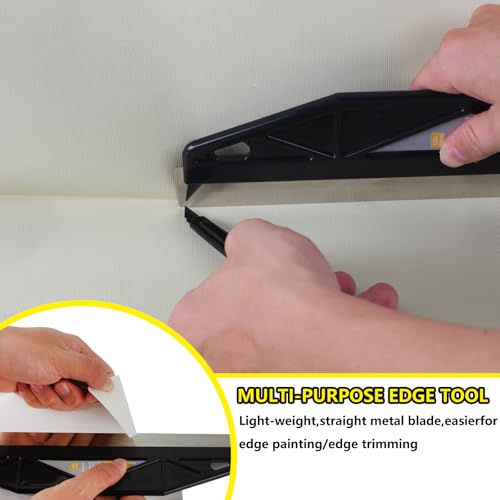
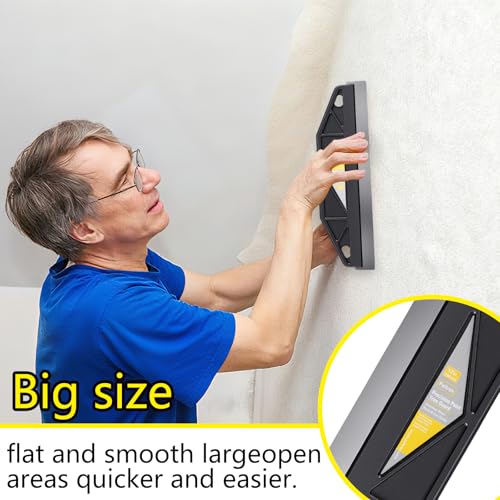
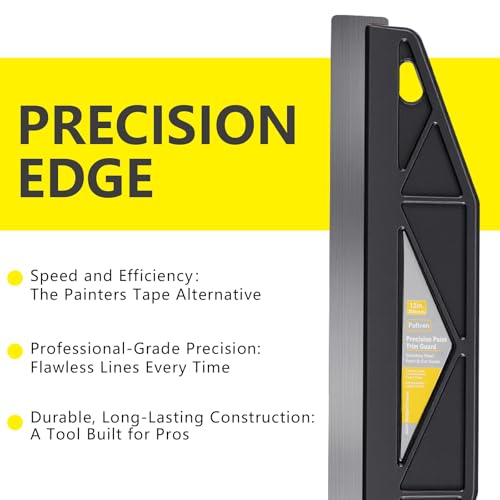
If you’re tired of painter’s tape and want to cut in faster with real precision, the Paltren 12-inch edger is the strongest all-around metal-blade option on the market. Its stainless steel blade is rigid and straight, no flexing that leads to paint bleed, and owners report noticeably cleaner lines than with plastic alternatives. The ABS handle is lightweight but grippy, and it doesn’t torque under pressure, which matters when you’re working overhead for hours.
Compared to flimsier plastic shields, this one feels like a tool you’d see on a pro’s belt. It’s not meant to apply paint, just to block it, so you’ll still need a brush or roller, but used correctly, it slashes prep time. The blade wipes clean easily, and the slim profile slips into corners and tight trim areas without issue. For smooth walls, it’s the most consistent performer in this lineup.
Product photos
Qyueyue 12 Inch Paint Shield Edge Tool

Strengths
- Affordable
- Lightweight
- Easy to clean
Trade-offs
- Flexible, can cause bleed
- Less durable
- No paint application feature
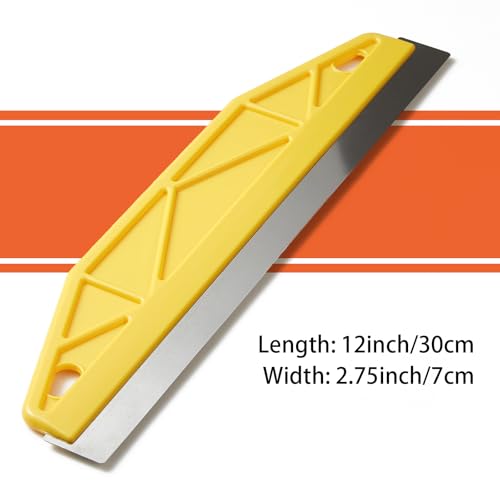
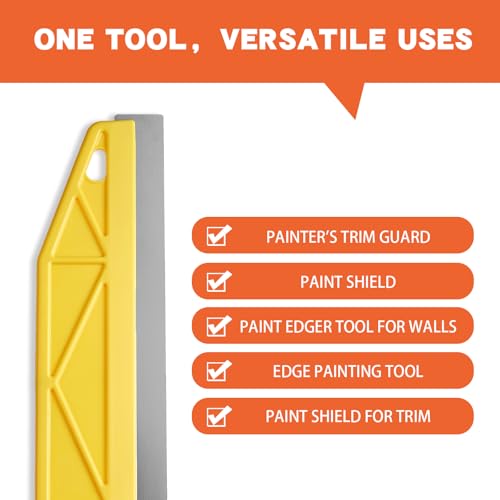
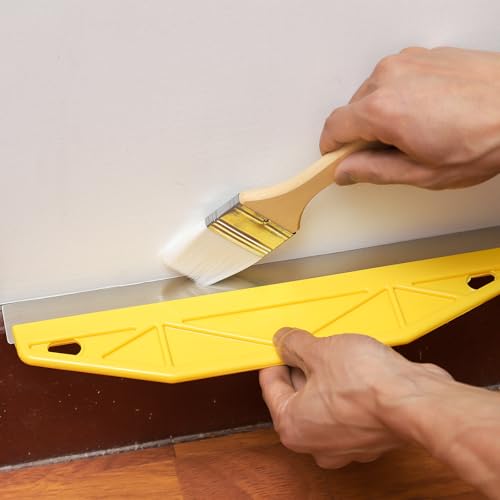
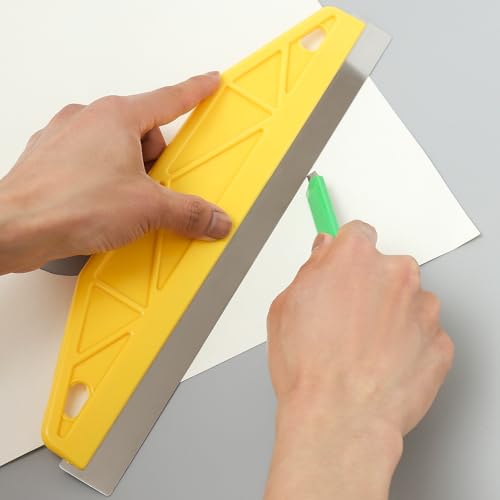
The Qyueyue 12-inch trim guard is a no-frills, budget-friendly shield that delivers decent performance for occasional painters. Made from flexible plastic, it’s light and easy to maneuver, and the bright yellow color makes it easy to spot in a cluttered workspace. It works well enough as a paint barrier on baseboards and ceilings, though it lacks the rigidity of stainless steel models, so it can flex under pressure and cause slight bleed-through on long runs.
Still, for a one-off room refresh or a beginner’s first attempt at skipping tape, it gets the job done. Cleanup is a breeze since paint doesn’t cling to the smooth surface. When stacked against the Paltren or Edward Tools models, it’s clearly the less durable option, but it’s also a fraction of the cost.
Product photos
15 PCS Paint Edger Tool Kit
Strengths
- Everything included
- Spill-proof tray
- Multiple pad types
Trade-offs
- No extension pole
- Some parts feel flimsy
- Extra pieces to manage
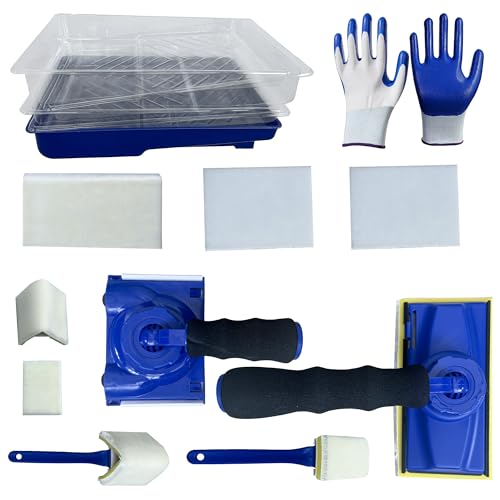
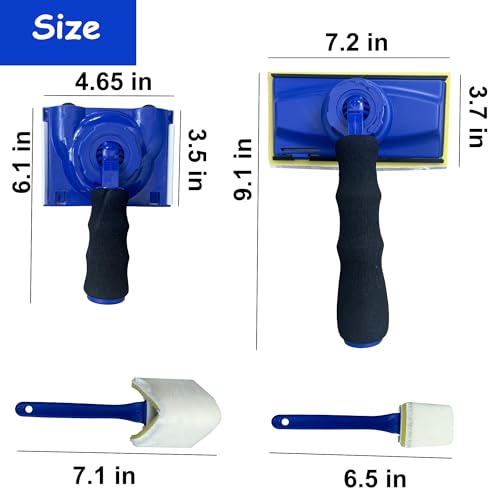
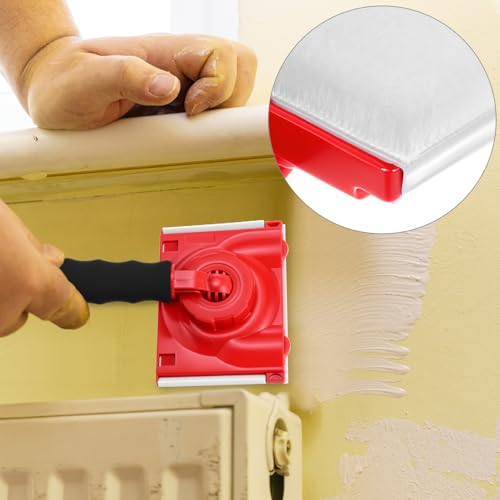
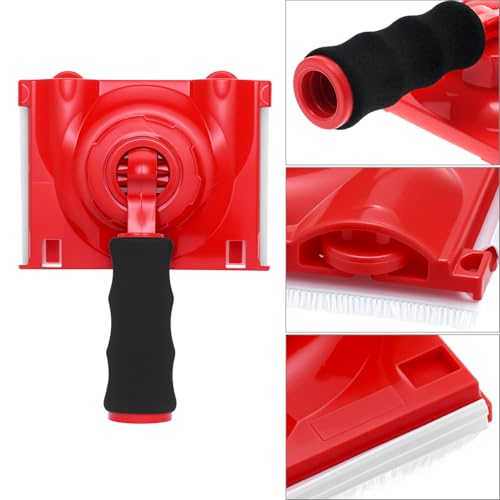
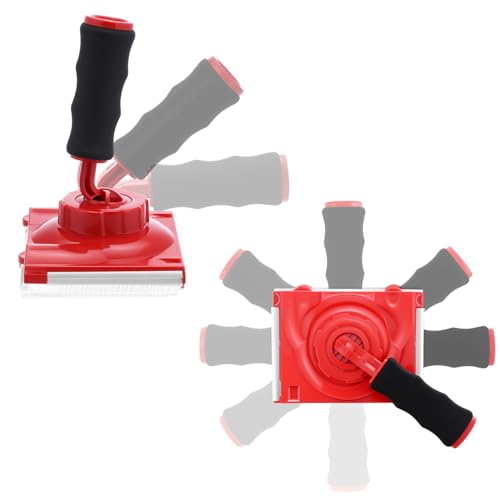
This 15-piece kit is the most thorough package here, ideal for beginners or anyone who wants everything in one box. You get multiple pad sizes, a 360° rotating handle, trays, gloves, and even a V-corner pad for inside angles. The spill-proof tray is a standout, reducing mess in tight spots like stairwells or attic joists. The handle’s sponge grip helps reduce fatigue, and owners appreciate the flexibility of using it handheld or with an extension pole.
But the sheer number of parts means you’ll spend time organizing and matching components. Some users report the smaller pads wear out quickly, and the trays, while useful, take up space. Still, as a starter kit or for someone building their painting arsenal, it’s hard to beat. It doesn’t include a pole, which is a missed opportunity.
Product photos
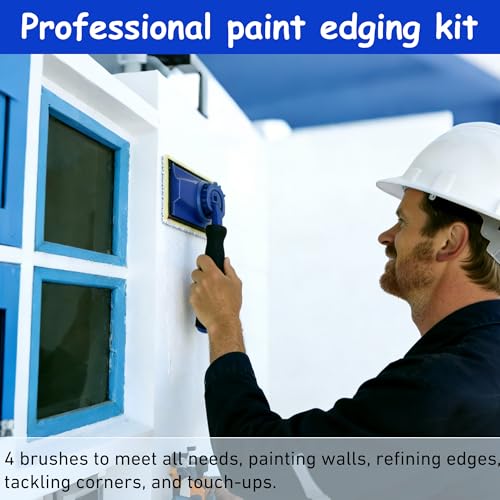
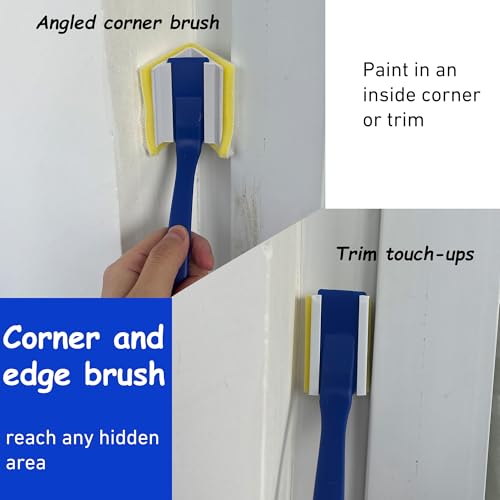
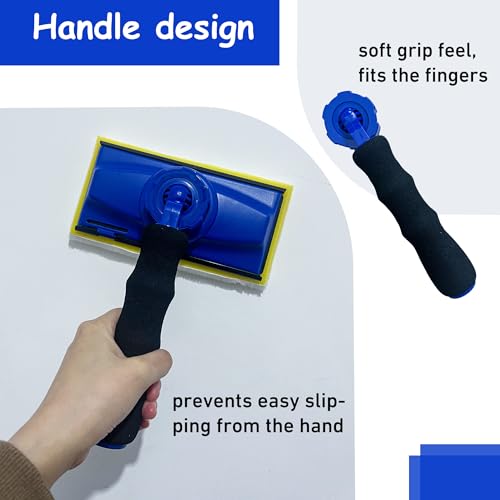
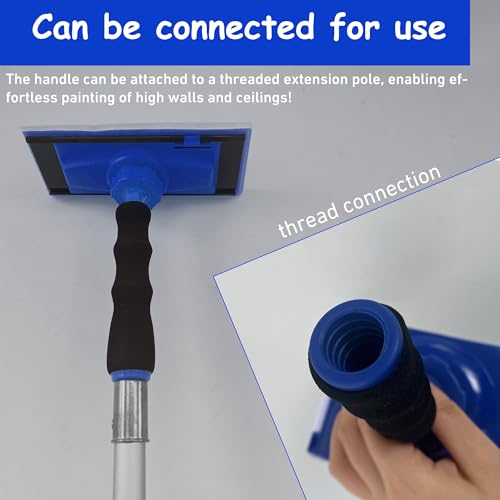
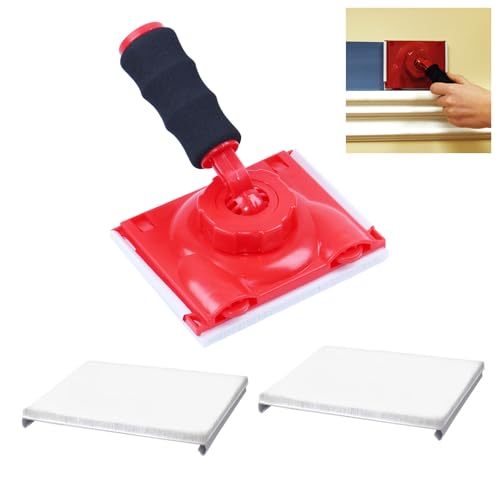
GRSL43 Paint Edger Trimmer with Pads
Strengths
- Includes extension rod
- 360° rotating handle
- Three paint pads included
Trade-offs
- Bulkier at tight angles
- Handle can feel stiff
- Not ideal for tight corners
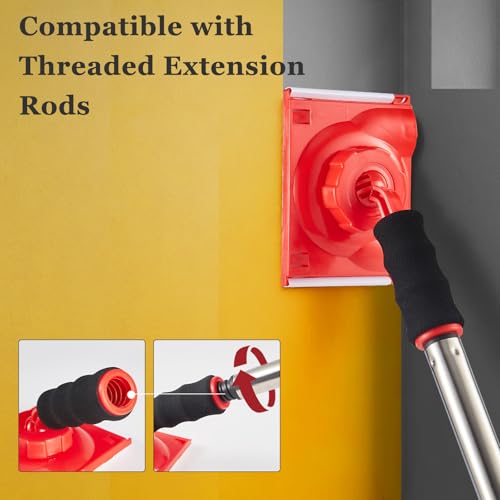
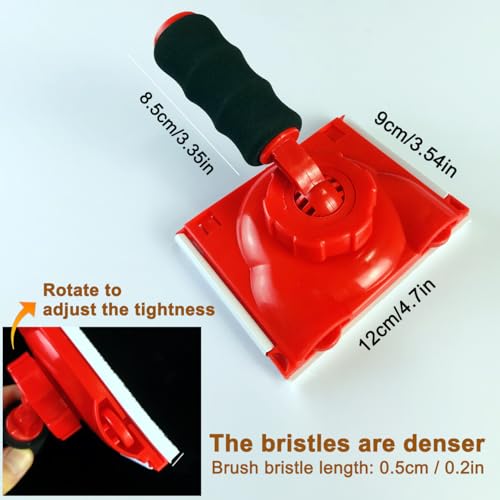
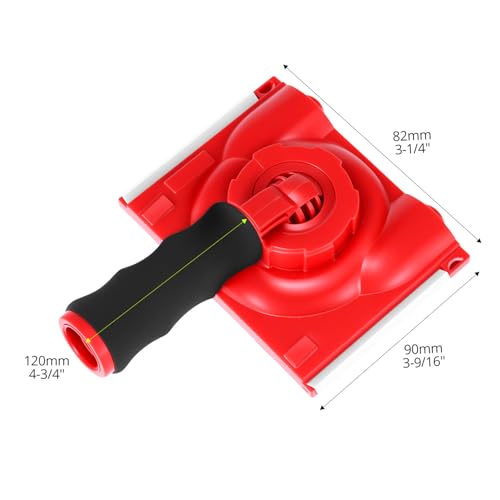
This is the pick if you’re dealing with vaulted ceilings or two-story foyers. The GRSL43 comes with an adjustable extension rod and a 360° rotating handle that locks firmly, two features that make high-reach edging far less of a chore. The guide wheels are reinforced to stay in place, a known pain point on cheaper models, and the 5 mm bristle pads absorb paint evenly, reducing streaks. Owners using it on stairwells and attic spaces consistently call it a standout for overhead work.
It also includes three pads total, which is more generous than most competitors, and the refill system is straightforward. While the handle rotation works well, it’s a bit bulkier than some when used at awkward angles. But for reach and stability, it has no equal in this group, especially at its price tier.
Product photos
BANCOO RSL43 Paint Edge Trimmer

Strengths
- Guide wheels stay secure
- Rotatable handle
- Dense bristle pad
Trade-offs
- No extension pole included
- Pad refill cost adds up
- Not ideal for textured walls
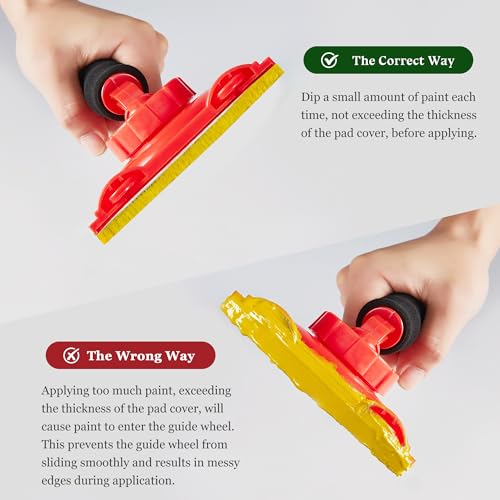
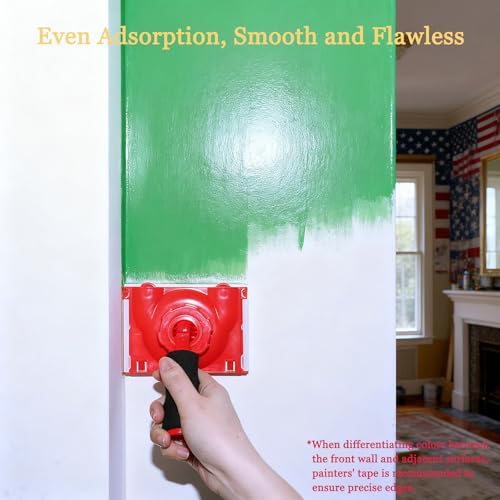
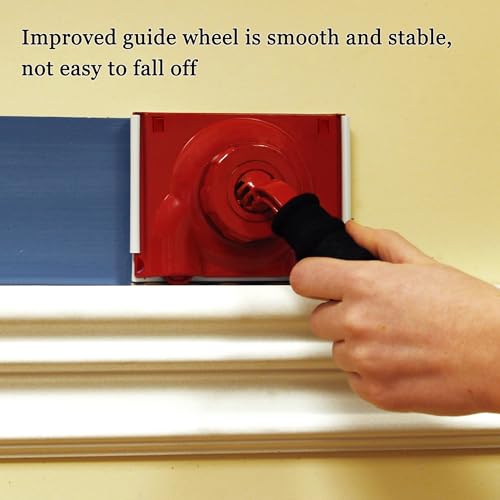
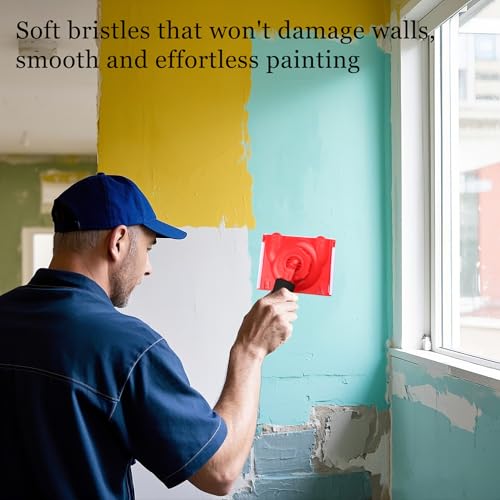
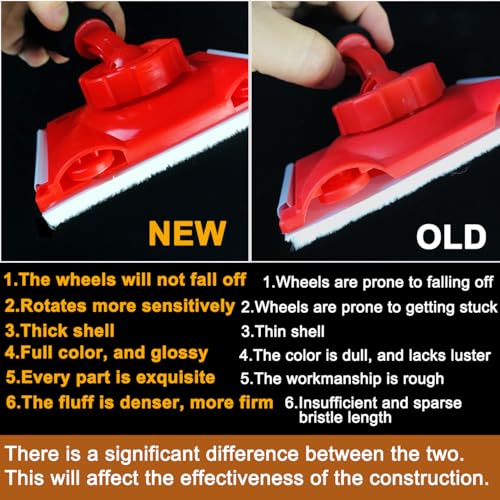
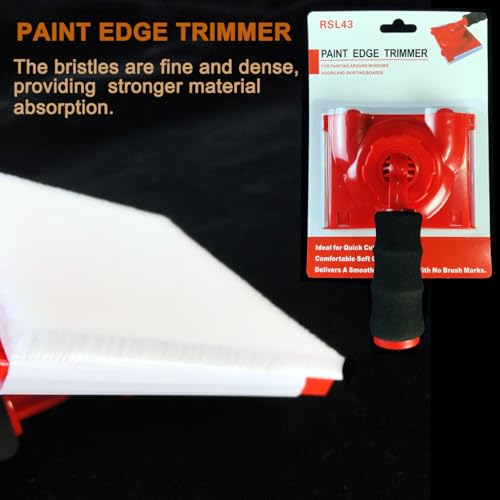
The BANCOO RSL43 stands out in the pad-style edger category mainly because of its improved guide wheel design, which owners consistently say stays put even during aggressive use. That’s not always the case with budget edgers, where wheels can wobble or pop off. The 5 mm dense bristles hold a solid paint load and lay down a smooth finish, making it effective for cutting in around baseboards, ceilings, and windows. It’s clearly built with enough rigidity to avoid flex, which helps maintain clean lines.
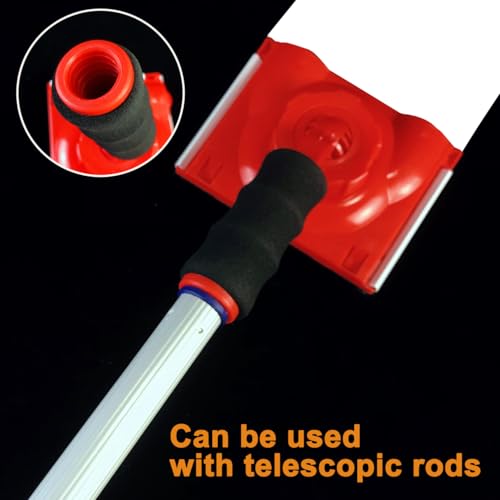
Where it really wins is in maneuverability, its rotatable handle locks securely and allows for angled work without repositioning your body, a small but meaningful win on long walls or sloped ceilings. When compared to basic fixed-handle edgers, this one reduces wrist strain and gives better access to tight corners. It doesn’t include an extension pole, but the threaded connector means you can add one later.
Product photos

ROLLINGDOG Trim & Corner Paint Brush Set

Strengths
- Sharp angular tips
- Tapered, durable filaments
- Ergonomic grip
Trade-offs
- Not for large areas
- Requires cleaning
- No extension option
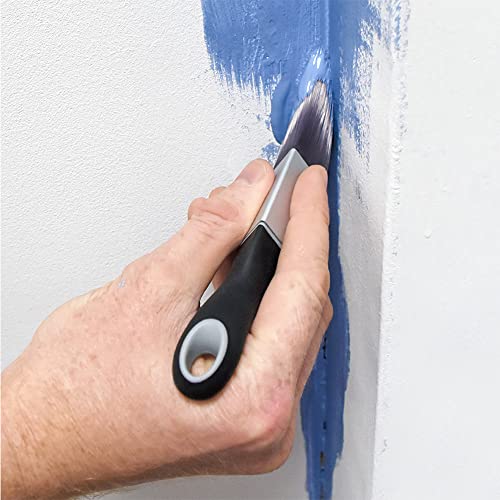
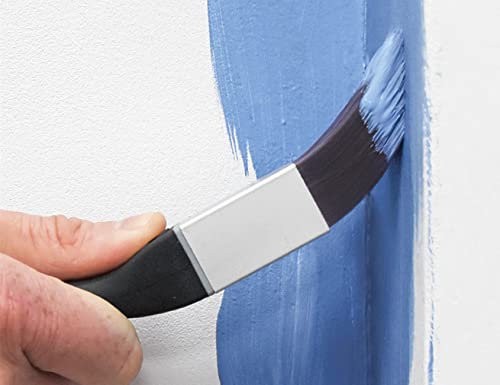
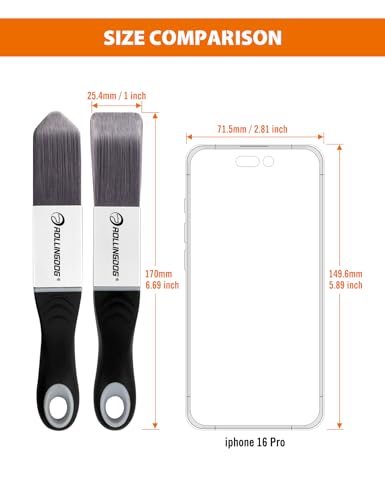
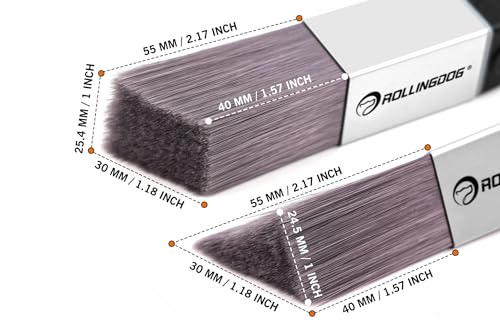
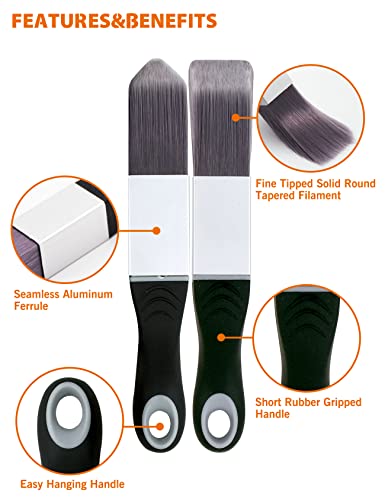
When you need to cut in around window muntins, sash corners, or narrow molding, bristle control beats gadgets, and that’s where the ROLLINGDOG 2-piece set shines. The triangular brush gets into sharp inside angles, while the square trim brush covers flat edges with precision. The tapered filaments hold paint well and release it evenly, minimizing drips. Owners consistently praise the seamless aluminum ferrule, which prevents bristle shedding, a common flaw in cheaper brushes.
These aren’t edgers in the shield or pad sense, but for true detail work, they outperform all the wheel-guided tools here. The ergonomic rubber grip helps with control, and the hanging hole is a small but thoughtful touch. If you’re doing crown molding or cabinetry, this set is essential.
Product photos
Edward Tools 12″ Stainless Steel Paint Edger
Strengths
- Extremely durable blade
- Lifetime warranty
- No flex, clean lines
Trade-offs
- Heavier than plastic
- Basic handle design
- No paint application
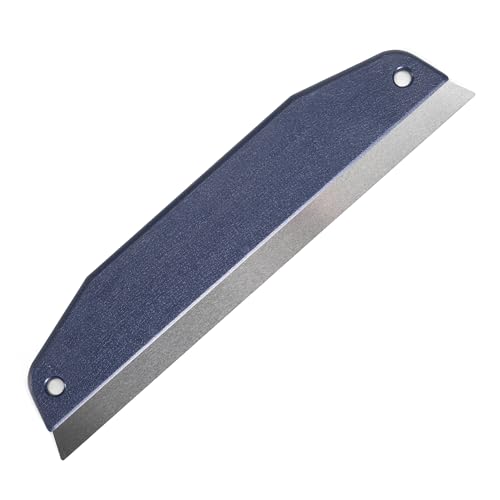
The Edward Tools 12-inch trim guard has one of the thickest, most rigid stainless steel blades in this group, and that makes all the difference for pros who demand zero flex. It’s not flashy, just a blade and a simple handle, but it’s built to last. Owners report using the same unit for years, and the lifetime warranty backs up its durability claim. It glides smoothly against trim and ceilings, creating a hard barrier that stops paint bleed better than plastic shields.
It’s heavier than plastic models, which might tire some users over time, but that weight adds stability. Unlike the Paltren, it doesn’t have an ergonomic grip, so it’s less comfortable on long jobs. But if you value tool longevity and precision, this is the one to beat.
Product photos
QWORK Paint Edge Trimmer with 4 Pads
Strengths
- Smooth 360° handle
- Four refill pads
- Extension pole ready
Trade-offs
- No storage case
- Handle can be heavy
- Not for fine detail
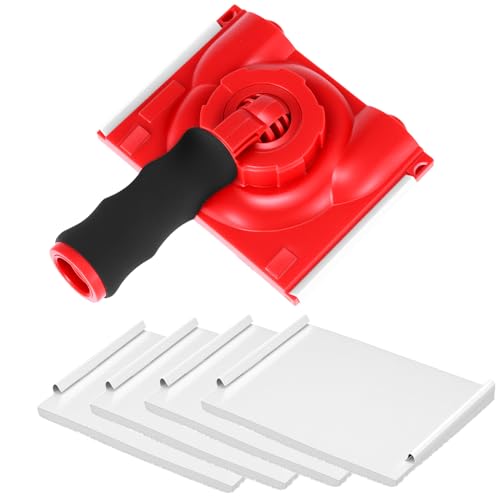
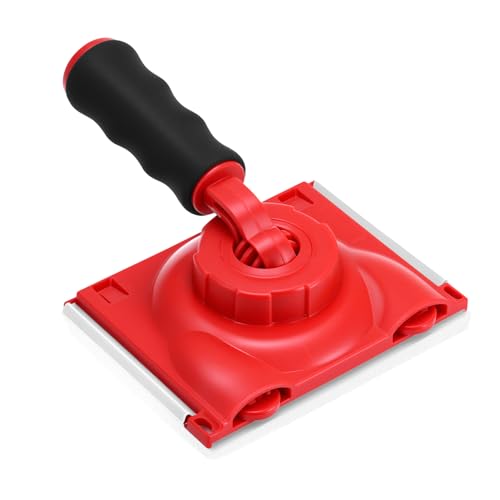
The QWORK edger earns top marks for its 360° rotating handle, which locks securely and rotates more smoothly than most in this class. That kind of flexibility is critical when edging around sloped ceilings or stair railings, where wrist angles make or break your line quality. The four included pads with 5 mm bristles hold paint well and deliver a consistent coat, and the guide wheels are designed to stay seated, owners confirm they rarely pop off.
It’s compatible with standard extension poles, a big plus for reach, though the handle adds some weight overhead. Compared to the BANCOO model, it feels slightly more balanced and durable. The only downside is the lack of a storage case, pads tend to get lost over time.
Product photos
How We Evaluated paint edging tools
Rather than a hands-on lab test, this is a research-led comparison of specs and owner feedback across a range of paint edging tools. I compared published feature lists, material specifications, and design details to understand each tool’s potential performance. Then, I weighed thousands of owner reviews from major retailers alongside assessments from painting and DIY experts to identify common praise points, frequent complaints, and overall satisfaction levels. My analysis focused on identifying patterns and ranking tools based on real-world user experiences.
For this category, the most important factors were blade/pad quality and the robustness of the handle and adjustment mechanisms. A durable blade or dense pad is crucial for consistent lines and minimizing paint bleed, while a comfortable, stable handle directly impacts control and reduces fatigue during larger projects. Beyond those, the versatility of a tool – its ability to handle corners, ceilings, and different paint types – played a significant role in my rankings.
Specifications reliably indicate build quality and materials (stainless steel versus plastic, for example) but owner feedback revealed which designs truly deliver on ease of use and longevity. I prioritized reviews detailing performance with different paint types and surfaces. Reputable expert reviews helped validate claims about features like rotational handles and extension pole compatibility, while also highlighting potential drawbacks not always apparent from product descriptions. Learning about correct edging technique also informed my assessment of how user-friendly each tool truly is.
Choosing The Right paint edging tools
Getting crisp, clean paint lines is often the difference between a professional-looking job and one that screams “DIY weekend.” It’s a detail that matters, and the right tool can save hours of masking and touch-up work.
A quality paint edger prioritizes blade or pad consistency, ergonomic comfort for extended use, and durability for repeated projects. Look for features like adjustable handles, stable guide systems, and materials resistant to paint buildup and corrosion. The best models minimize bleed-through and allow for precise control, even for less experienced painters.
Blade Material and Rigidity
The core of most paint edgers is the blade or shield that physically defines the paint line. Stainless steel blades, like those found in the Paltren or Edward Tools models, offer excellent durability and are easy to clean. However, rigidity is key. A blade that flexes will lead to uneven lines, particularly on longer runs. Plastic shields, as seen in the Qyueyue, are more affordable but often lack the same precision. Consider the surfaces you’ll be painting; textured walls can be harder to get clean lines on with any edger, but a flexible plastic shield will exacerbate the problem.
Handle Ergonomics & Adjustability
You’ll be making a lot of small, controlled movements, so the handle’s comfort is surprisingly important. A bulky or poorly shaped handle will quickly lead to fatigue. Look for handles with a comfortable grip – the ergonomic designs in the 15 PCS Paint Edger Kit are a good example – and consider adjustability. The GRSL43 with its extension rod compatibility is a standout for reaching high ceilings, and the BANCOO RSL43’s 360-degree rotating handle allows for unparalleled control in tight spaces.
Here’s what to think about when assessing handle features: * Weight: Lighter is generally better for prolonged use. * Grip: Rubberized or textured grips provide better control, especially with wet hands. * Adjustability: A rotating or extendable handle increases versatility and reduces strain.
Don’t underestimate the value of comfort. A well-designed handle can turn a frustrating task into a manageable one.
Kit Contents vs. Standalone Tools
Do you need a full kit like the 15 PCS Paint Edger Tool Kit, or will a single, dedicated edger suffice? If you’re tackling a large project with varied trim and corners, a kit offers the most versatility. These kits typically include multiple pads, corner applicators, and even small paint trays. However, if you primarily need to paint straight lines along baseboards and ceilings, a standalone edger like the Paltren or Edward Tools might be all you need. If you’re looking for alternatives to edgers, you might even explore the string trimmer edging method for lawn care applications. For achieving sharp paint line tools for a professional finish, consider your project’s scope and choose accordingly. Many homeowners find a combination of a good standalone edger with a few dedicated brushes – such as those in the ROLLINGDOG set – provides the best balance of cost and capability. Ultimately, choosing the right painter’s edge applicators depends on your individual needs and the specific challenges of your painting project.
Paint Edging Tools Compared
Here’s a comparison of key specifications for various paint edging tools to help you choose the right one for your needs.
| Product Title | Blade Material | Pad/Brush Type | Handle Rotation | Extension Pole Compatible | Kit Contents |
|---|---|---|---|---|---|
| Paltren 12-Inch Stainless Steel | Stainless Steel | N/A | No | No | Single Edger |
| Qyueyue 12 Inch Paint Shield Edge | Plastic | N/A | No | No | Single Edger |
| 15 PCS Paint Edger Tool Kit | N/A | Pad | 360° | Yes | 15-Piece Kit |
| GRSL43 Paint Edger Trimmer | N/A | Pad | 360° | Yes | Edger + 3 Pads |
| BANCOO RSL43 Paint Edge Trimmer | N/A | Wheel/Pad | 360° | Yes | Edger + Pads |
| ROLLINGDOG Trim & Corner Paint Brush Set | N/A | Brush | N/A | No | 3 Brushes |
| Edward Tools 12″ Stainless Steel | Stainless Steel | N/A | No | No | Single Edger |
| QWORK Paint Edge Trimmer | N/A | Pad | 360° | Yes | Edger + 4 Pads |
Frequently Asked Questions
What’s the difference between a paint edger with a blade versus one with a pad?
A blade, typically stainless steel, provides a very crisp line and is best for smooth surfaces. Pads are more forgiving on slightly textured walls and can hold more paint, but they may not deliver the same level of precision as a blade.
Are paint edgers useful for ceilings?
Yes, paint edgers can be used on ceilings, but look for models with extension pole compatibility like the GRSL43 or QWORK. These allow you to reach higher areas without straining, and a rotating handle increases control when working overhead.
How do I prevent paint bleed with an edger?
Preventing bleed requires using the correct pressure and angle (usually a slight tilt) and choosing an edger with a rigid blade or dense pad. Also, avoid overloading the edger with paint; multiple light coats are better than one heavy application.
Can I use an edger with all types of paint?
Most edgers work with latex and oil-based paints, but thicker paints may require more frequent cleaning to prevent buildup. Owner feedback suggests that some plastic-shielded edgers struggle with very thick or textured paints, so stainless steel blades are generally more versatile.
What other tools can help achieve clean paint lines, especially for detail work?
For intricate areas or tight corners, consider using a combination of an edger with caulking tools for clean edges and fine-tipped brushes. These allow for precise control and can help correct any minor imperfections left by the edger.
The Bottom Line
Choosing a paint edger often comes down to balancing control with convenience. While a basic tool like the Paltren 12-Inch Stainless Steel delivers reliable performance for straightforward edging tasks, the GRSL43 Paint Edger Trimmer stands out as the strongest overall pick. Its combination of a rotating handle and extension pole compatibility makes it adaptable to a wider range of projects and heights, helping you achieve professional results without excessive effort.
For those on a tighter budget, the Qyueyue 12 Inch Paint Shield Edge offers an affordable entry point. If versatility is your priority, the 15 PCS Paint Edger Tool Kit is a solid choice, providing a variety of pads and applicators for tackling any corner or trim detail. However, don’t overlook the ROLLINGDOG Trim & Corner Paint Brush Set for precision work around windows and detailed molding.
Ultimately, the most expensive tool isn’t necessarily the best. Consistent blade quality, a comfortable grip, and a stable handle are far more important than fancy features. Focusing on these fundamentals – and taking the time to practice a clean lawn edges – will yield the most noticeable improvements in your paint finish, regardless of your budget or experience level.
